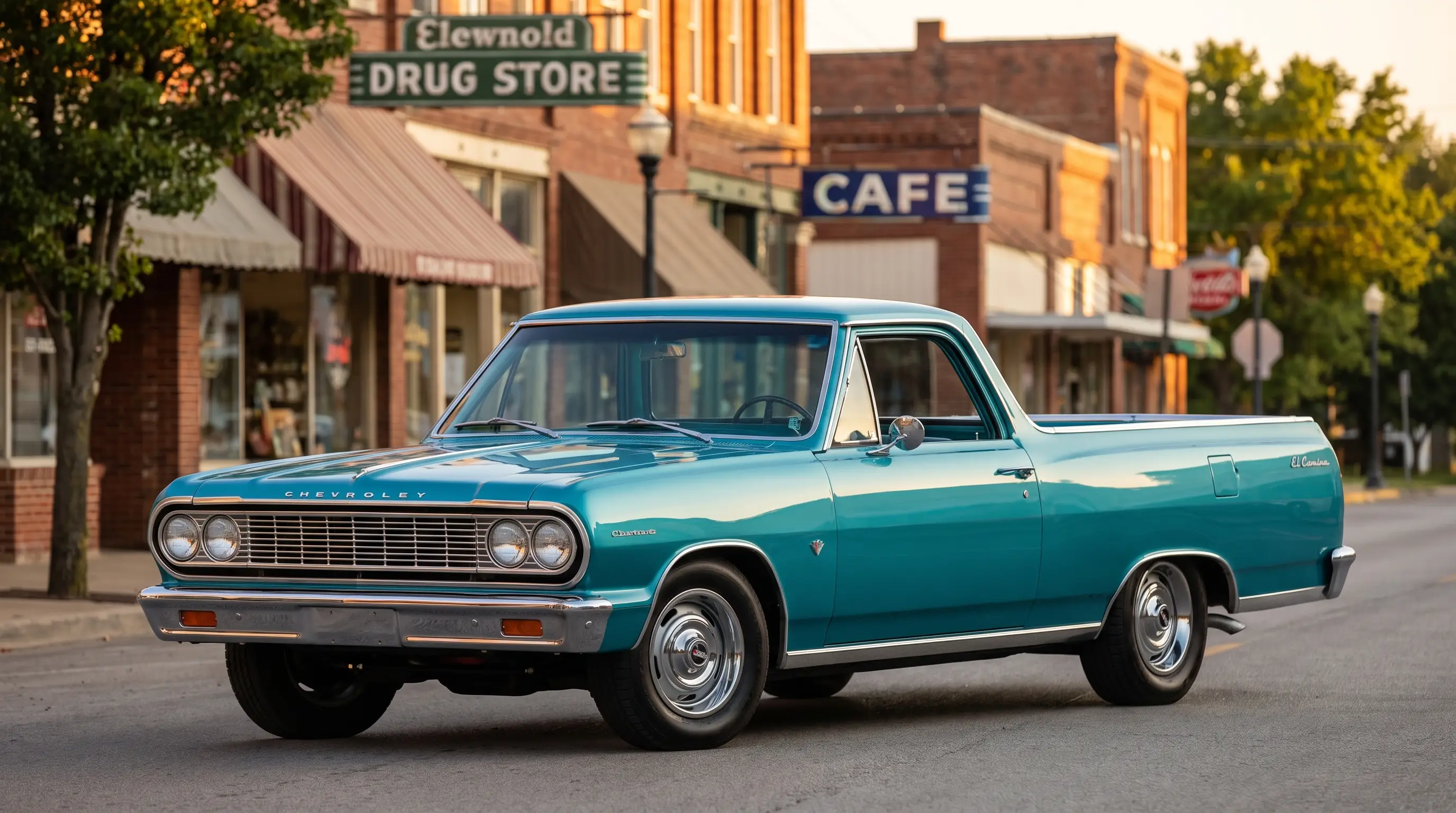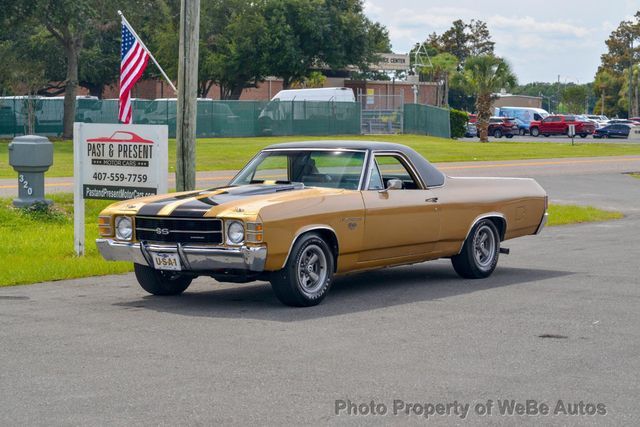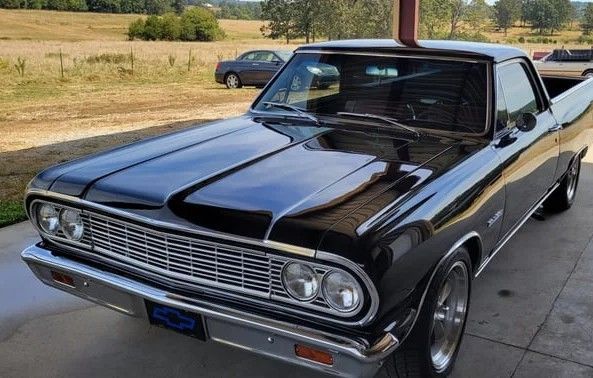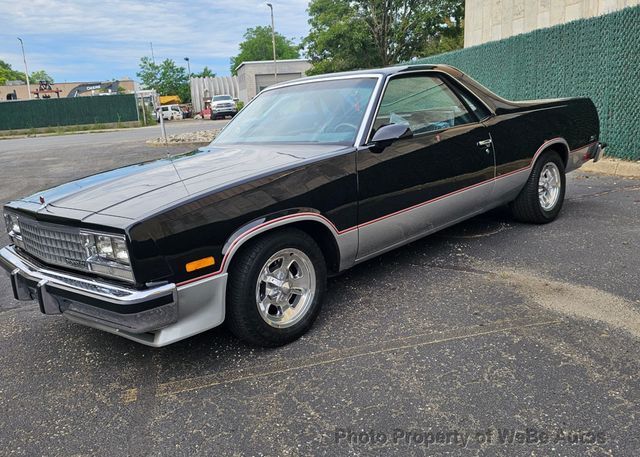
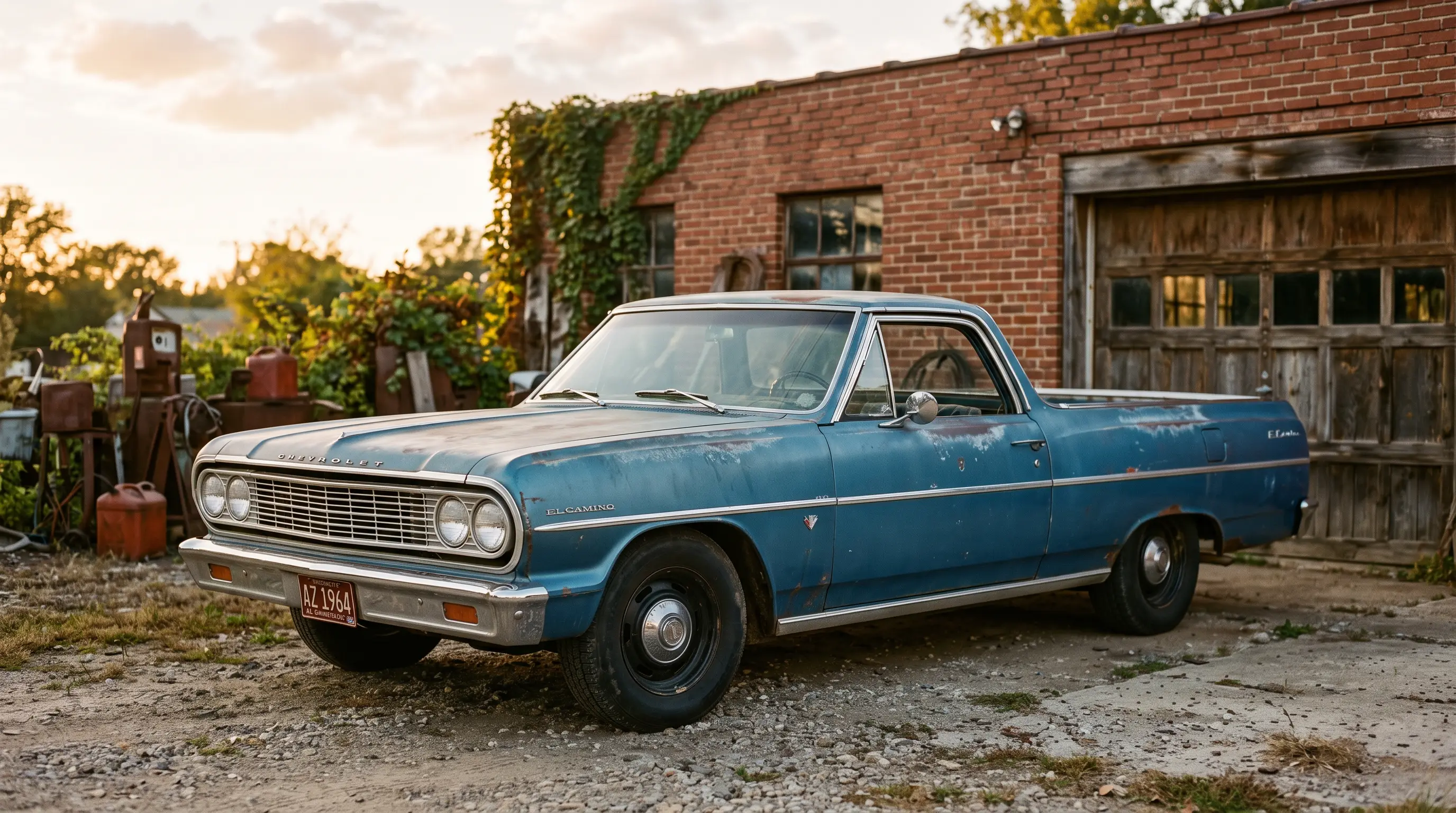
Auction headlines about six-figure SS 454 El Caminos give a badly skewed impression of what it actually costs to own a piece of this history. The el camino 1964 affordable classic entry case rests on a simple fact the headlines skip past: the base and small block cars from the mid-1960s relaunch remain some of the most reasonably priced genuine classics Chevrolet ever built, and the production record explains exactly why.
Volume kept prices grounded then, and now
When Chevrolet revived the El Camino on the Chevelle platform for 1964, the whole point was leveraging a high-volume architecture to build an affordable, practical vehicle. That original design intent still echoes through the collector market today. Because so many were built and because the platform shares so heavily with the enormously popular Chevelle sedan and wagon lines, six-cylinder and small block V8 examples from this era simply never developed the scarcity premium that low-production SS big block cars command.
This is not a knock on the car's quality or historical importance. It is a straightforward consequence of supply and demand playing out over six decades. A car built in large numbers, without a rare factory performance package attached, tends to stay accessible in the collector market long after production ends, and the mid-1960s El Camino fits that pattern precisely.
What a realistic budget actually buys
Buyers entering the hobby through this era can generally expect a meaningfully lower purchase price than an equivalent-condition SS 396 or SS 454 example, sometimes by a wide margin depending on condition and originality. That price gap reflects collector demand for performance history, not any difference in how well these cars were built or how enjoyable they are to own and drive. A well-maintained base or Custom trim 1964 El Camino delivers the same mechanical reliability and Chevelle-shared parts support as its more expensive SS siblings, just without the badge that drives auction bidding wars.
Readers wanting the full context on how this generation established itself in the first place should read 1964 el camino history for the complete relaunch story, since understanding the platform's original design intent helps explain why these cars remain such sensible entry points into the hobby today.
Where the real costs show up
Affordability at the point of purchase does not mean a completely worry-free ownership experience, and buyers should budget realistically for the reality of owning a sixty-year-old vehicle regardless of purchase price. Rust in common trouble areas like the lower body panels, cowl, and bed floor affects this generation just as it affects every other El Camino era, and a lower purchase price on a car with hidden structural issues can quickly turn into a more expensive project than a pricier, better-documented example would have been.
The smart approach is treating the purchase price as only one part of the total cost picture. A thorough pre-purchase inspection, ideally from someone experienced specifically with Chevelle-platform vehicles, is worth the modest expense before committing to any purchase in this price range. The money saved by avoiding a car with serious hidden rust or a previously wrecked structure will always outweigh the cost of a proper inspection.
"People assume affordable means compromised. With this generation of El Camino, affordable just means Chevrolet built enough of them that scarcity never drove the price up the way it did with the SS cars. The engineering underneath is identical."
- Tom Ramirez
A sensible first classic
For a buyer new to classic car ownership, the combination of lower purchase price, strong parts availability, and mechanical simplicity makes the mid-1960s El Camino a genuinely sensible entry point into the hobby. It offers real-world usability without the financial exposure that comes with a rarer, more expensive muscle car purchase, and the learning curve for basic maintenance and troubleshooting is considerably gentler than it would be on a more exotic performance variant.
This entry-level positioning also connects naturally to the broader custom and personalization culture that has grown up around the El Camino platform over the decades. Buyers who want to eventually explore that side of ownership, whether through mild upgrades or a full custom build, benefit from starting with a more affordable base rather than risking a rarer, more valuable example. Anyone interested in this angle can find a related story covering that broader custom culture in more depth.
Before committing to a purchase, prospective buyers should El Caminos for sale now and compare pricing directly across trim levels and condition grades, since the gap between an SS-badged car and a well-kept standard trim example often runs far wider than newcomers to the hobby expect. That gap is exactly what makes this generation such a practical starting point for anyone serious about owning a genuine piece of El Camino history without needing an unlimited budget to do it.
Financing and long-term ownership costs
Buyers financing a classic purchase should know that many classic car lenders base loan terms partly on documented comparable sales, and a well-documented mid-1960s El Camino generally has plenty of transaction history to draw on given how many were originally produced. That data availability can actually work in a buyer's favor when negotiating financing terms, since a car with abundant comparable sales data presents less appraisal uncertainty to a lender than a rarer model with thin transaction history.
Ongoing ownership costs also tend to run lower for this generation. Routine maintenance items, from brake components to suspension bushings to interior trim pieces, are widely reproduced given the shared Chevelle parts base, which keeps typical repair bills more predictable than they would be on a car with scarce or discontinued parts. Insurance costs for agreed-value classic policies also tend to track purchase price fairly closely, meaning a lower-cost example carries correspondingly lower insurance premiums, a detail that adds up over years of ownership.
Setting realistic expectations before you buy
None of this diminishes what these cars represent historically. It simply reflects a clear-eyed approach to buying a classic that happens to be one of the more financially sensible ways into the hobby, provided the buyer does the same homework any serious purchase deserves.
Sources and notes
- Wikipedia - Chevrolet El Camino
- Hagerty Valuation Tools - 1964 Chevrolet El Camino
- SS396.com - 1964 El Camino Parts and Restoration Information
- MotoGallery - 1964-1967 Chevrolet El Camino Base Guide
- ClassicCars.com Journal - Vehicle Profile: Chevrolet El Camino
- Canadian Classic Chevelles and Beaumonts - El Camino Production Numbers