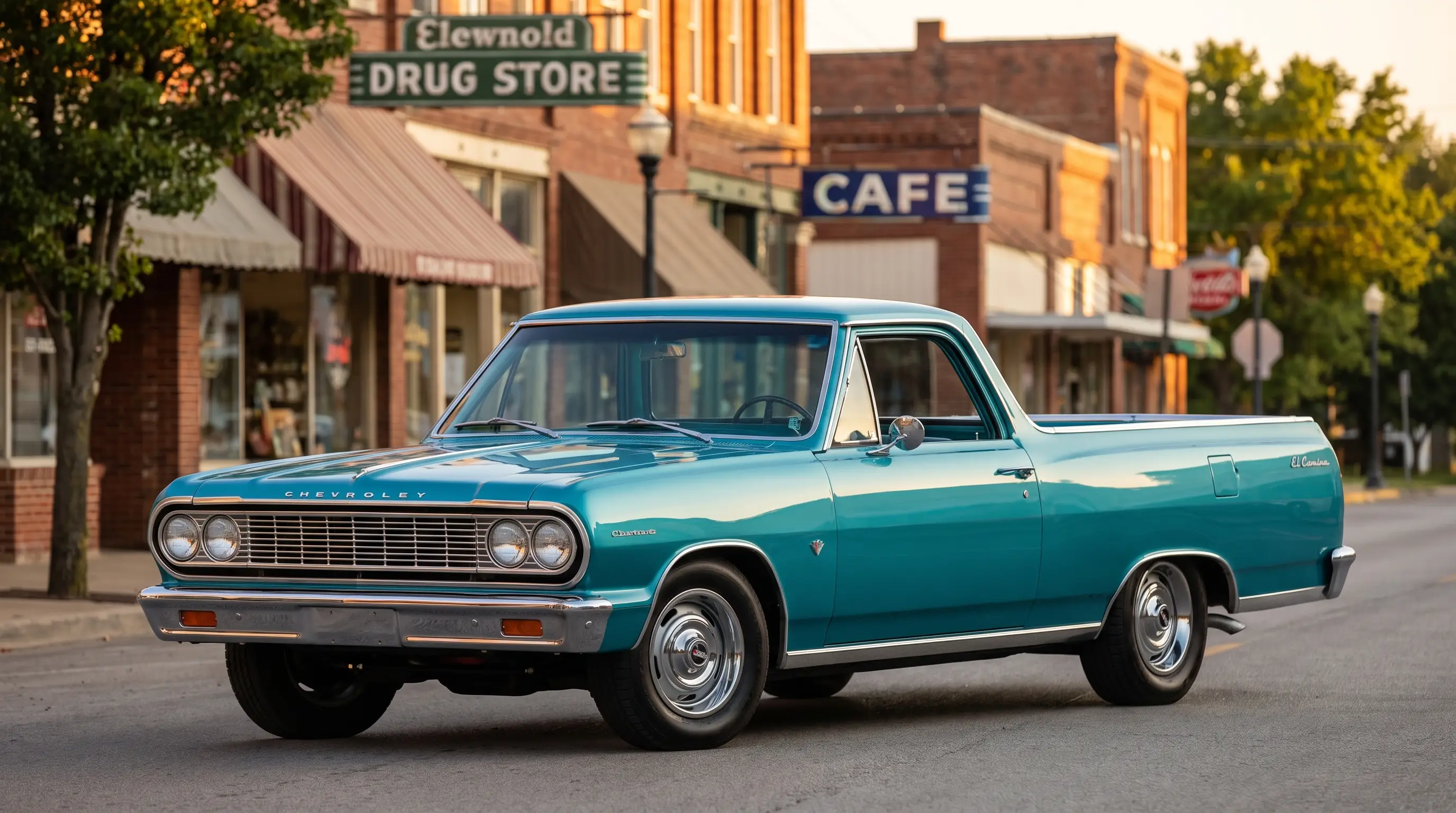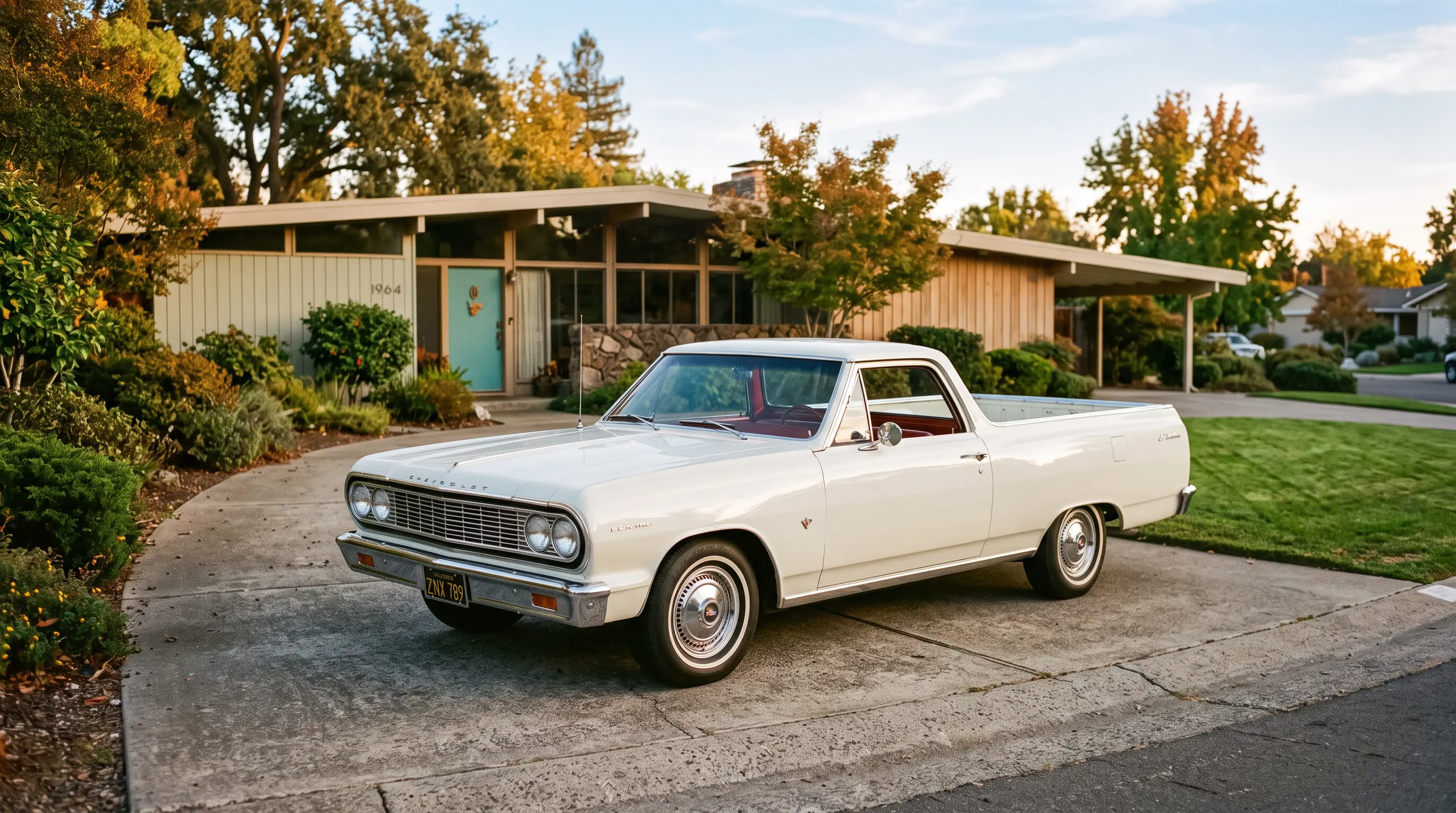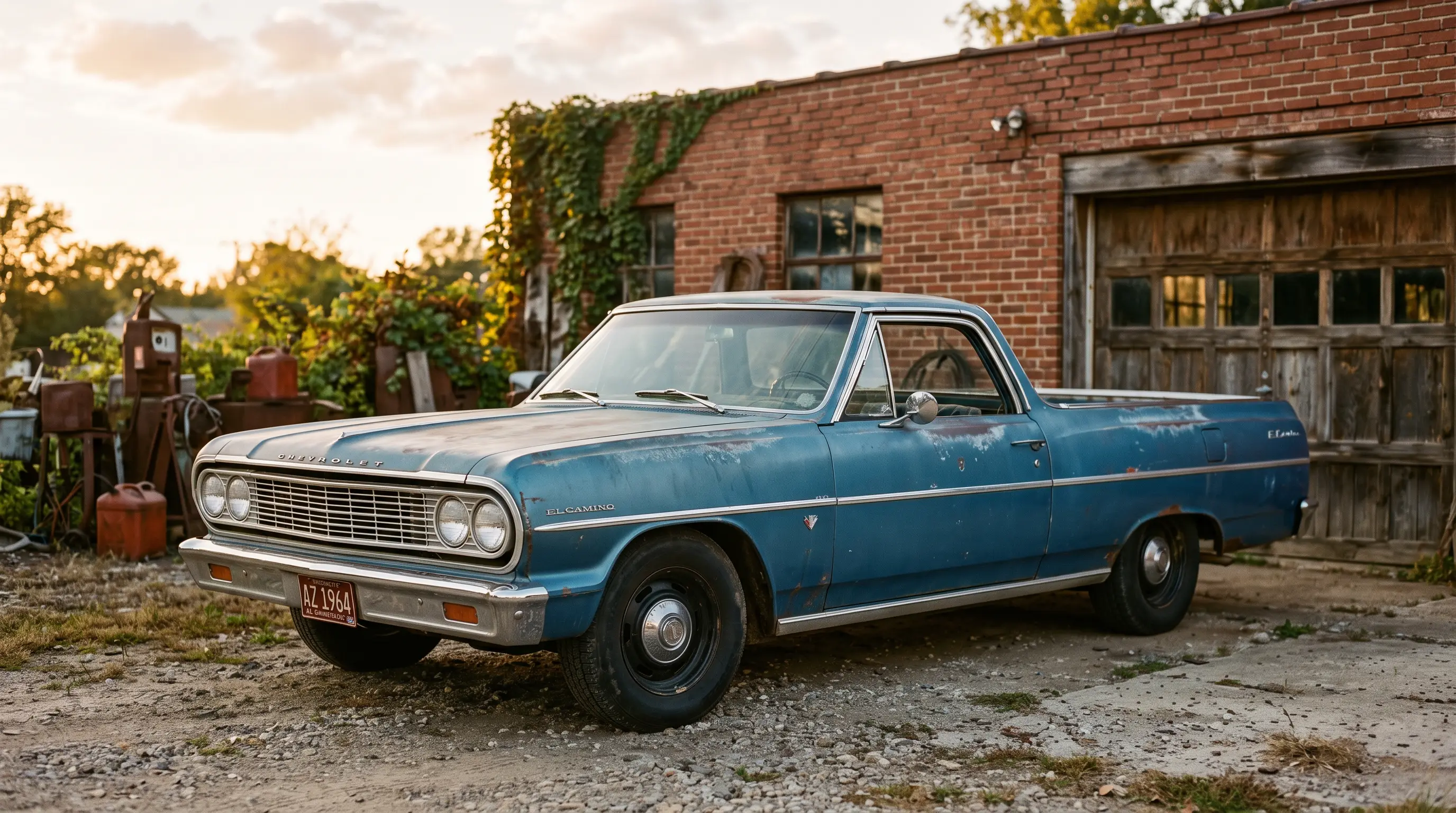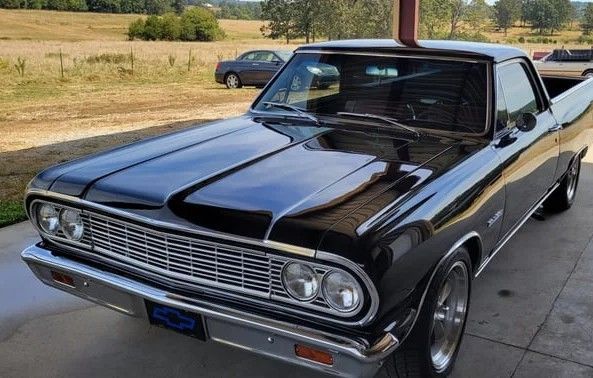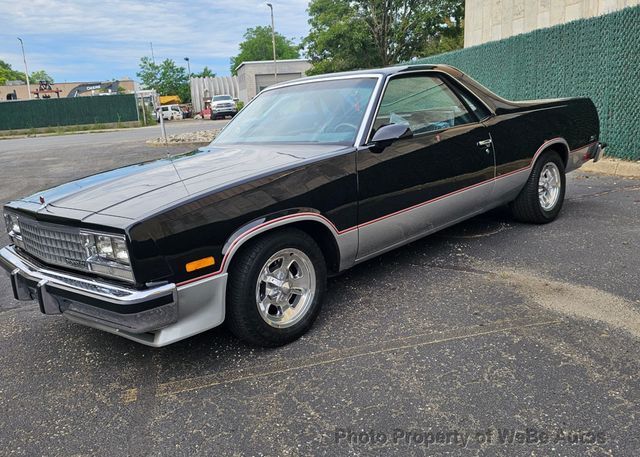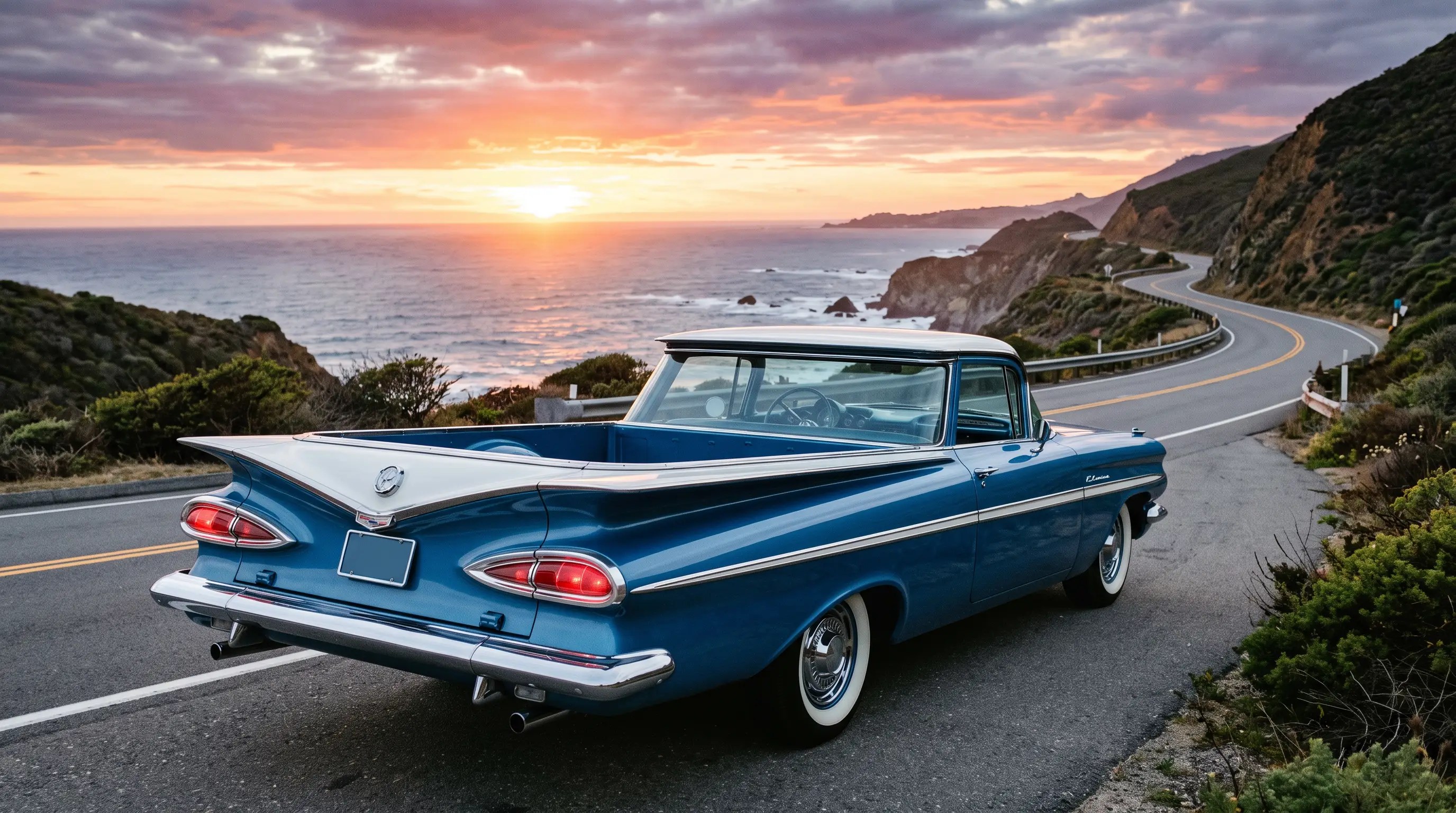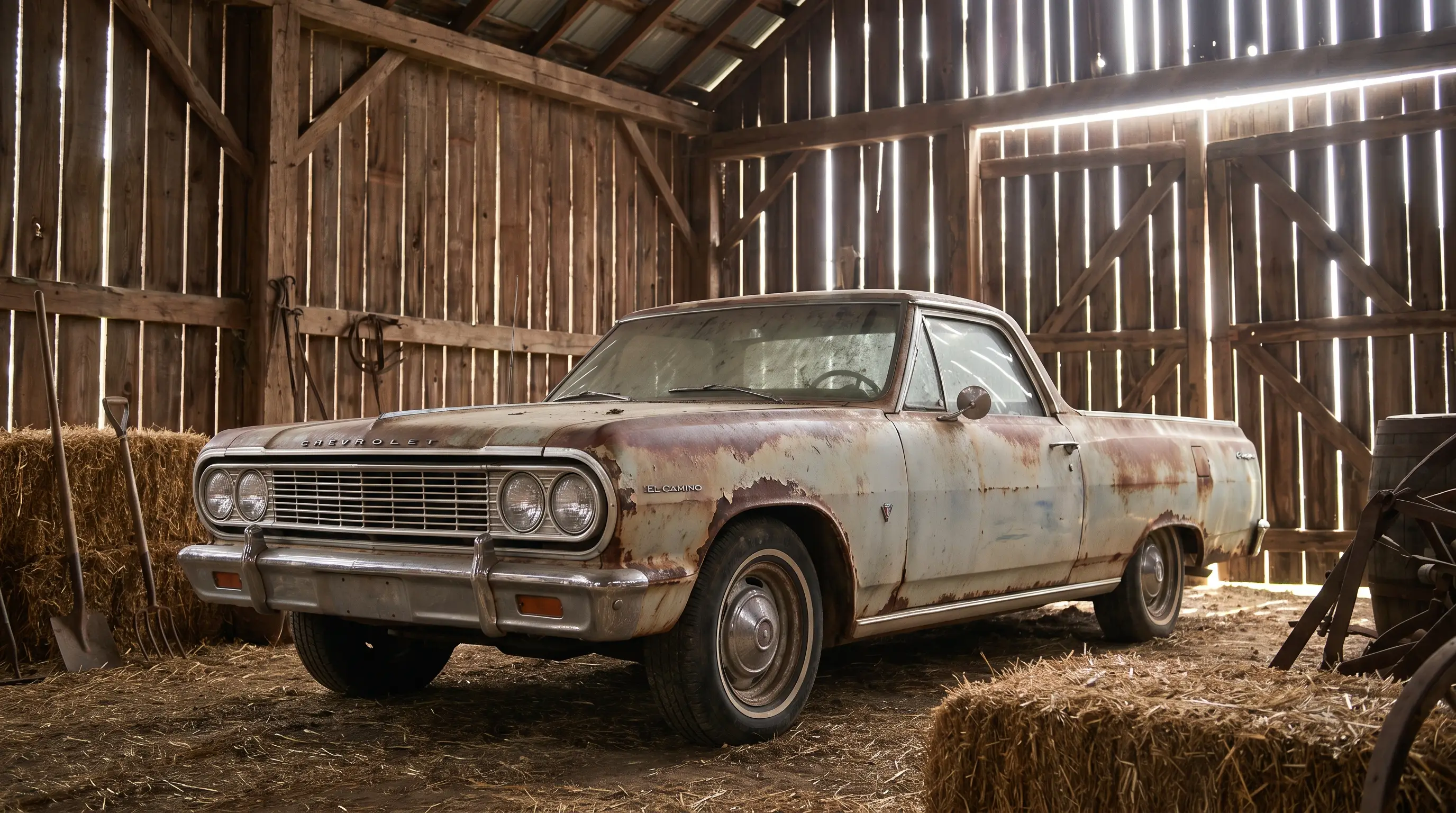
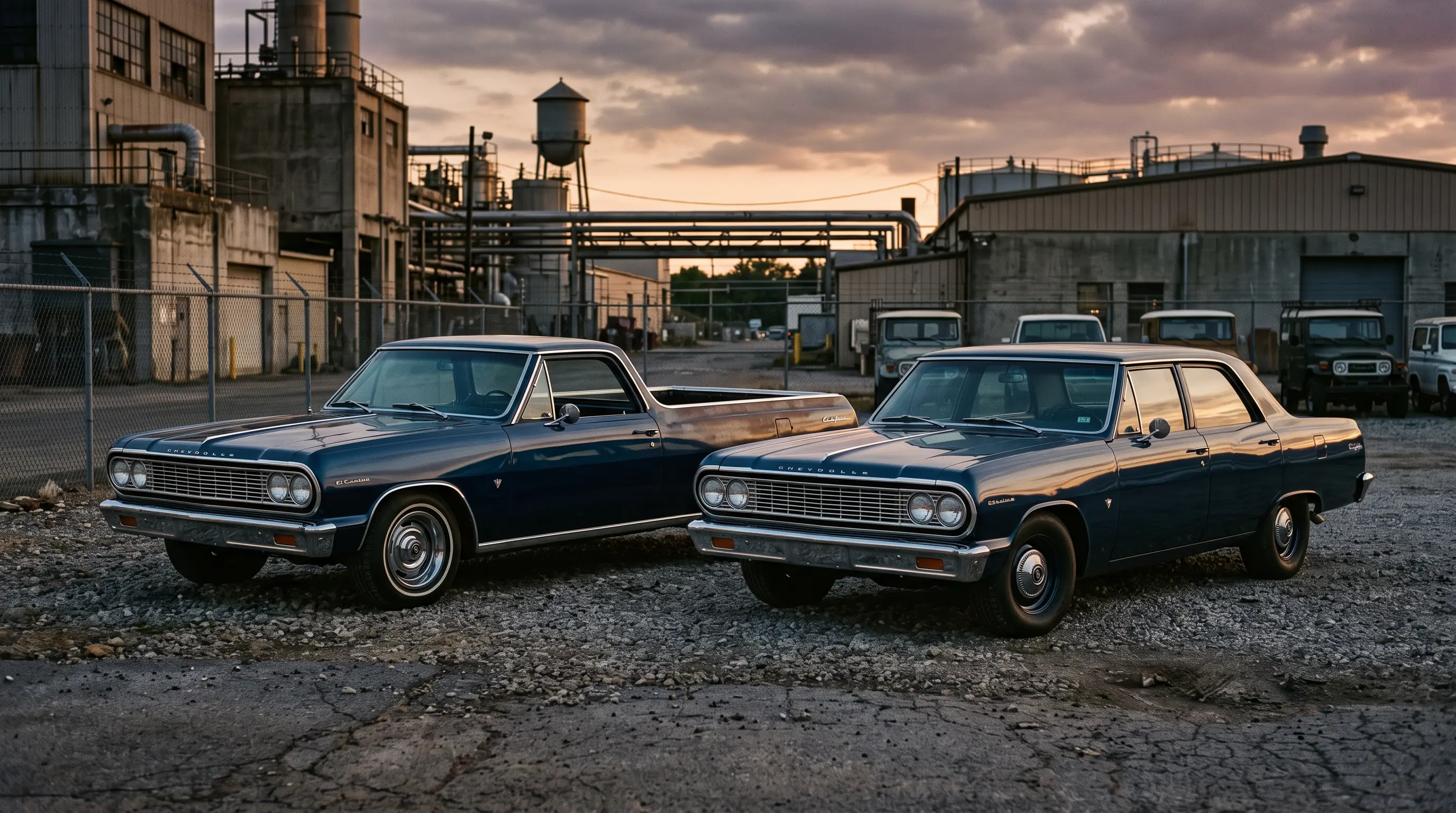
Picture a small-town driveway in 1966, a mid-size El Camino parked next to a station wagon, and a kid staring at it trying to decide if it counts as a car or a truck. That confusion was part of the appeal, and it is exactly why the mid-size el camino 1964 in pop culture footprint runs deeper than most people realize, showing up in television backgrounds, film sets, and regional advertising long before the SS 396 turned the model into a muscle car headline.
A background player that photographed well
The 1964 through 1967 El Camino never had the marquee movie moment that some later muscle car variants got, but its clean lines and distinctive silhouette made it a natural fit for the background of period television and film productions shot in the mid-1960s. Set decorators looking for a vehicle that read as contemporary, middle-class, and slightly unusual without being flashy often reached for exactly this kind of car, since it signaled a certain practical, working-family sensibility that a standard sedan did not quite capture.
That background presence is easy to overlook because it was never meant to be noticed. Unlike a hero car built specifically for a chase scene, these mid-1960s El Caminos populated the edges of the frame the way they populated actual American driveways, doing exactly what Chevrolet designed them to do: blend practicality with just enough personality to stand out on a used car lot years later.
Print advertising and the era's visual language
Chevrolet's advertising for the mid-1960s El Camino leaned into exactly this dual identity, showing the vehicle in family settings, work settings, and leisure settings within the same print campaign, sometimes across a single spread. This messaging matched the broader advertising style of the era, which favored versatility and value over the aspirational lifestyle marketing that would define later muscle car advertising built around performance and youth culture.
Looking back at these campaigns now offers a genuinely useful window into how Chevrolet wanted the car perceived by its original audience. There is no swagger in this advertising, no drag strip imagery, no youth culture posturing. It is straightforward, confident messaging aimed at buyers who wanted one vehicle to do the job of two, and that honesty in period marketing tells you as much about the car's actual customer base as any sales figure does.
Why the muscle years overshadowed this chapter
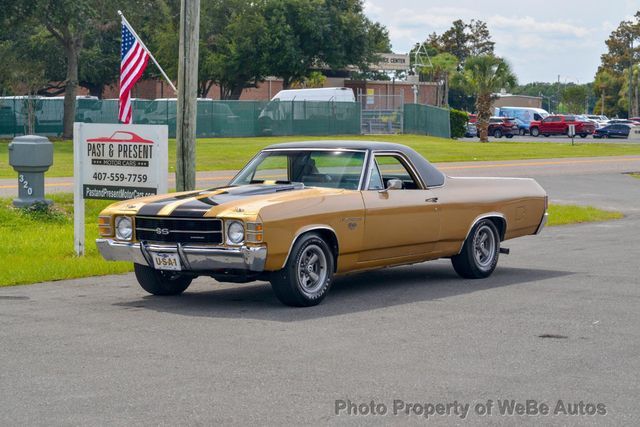
Once the 396 big block engine became available in 1966 and the official SS 396 package arrived in 1968, shifting the model's identity toward performance through the 1968 to 1972 years, the earlier, quieter mid-size El Camino got pushed out of the pop culture conversation almost entirely. Magazine features, car show attention, and eventually film and television nostalgia all gravitated toward the flashier muscle car years, leaving the 1964 through 1967 cars as something closer to a historical footnote in the broader cultural memory of the nameplate.
That is a shame, because the earlier cars represent a genuinely interesting moment in American automotive culture, one where the line between car and truck was still being negotiated in the marketplace and in the public imagination. Readers curious about how that full arc unfolded, from the earliest full-size 1959 model through the muscle years and beyond, should read our complete history covering the entire mid-1960s relaunch and its cultural context in depth.
"Everyone remembers the SS badge on the fender. Almost nobody remembers that this car spent its first few years quietly convincing an entire generation of buyers that a truck bed could belong on something that looked this clean."
- Patrick Walsh
Collector interest in the cultural angle today
There is a growing appreciation among collectors for cars that represent a specific cultural moment rather than simply a performance milestone, and the mid-1960s El Camino fits that description well. Owning one of these cars today is, in a sense, owning a piece of mid-century American domestic life, a vehicle that split the difference between a family car and a working truck at a time when that combination was still a genuinely novel idea to most buyers.
That cultural framing matters when evaluating what makes a particular example desirable. A well-preserved, original mid-1960s El Camino, complete with period-correct color and trim, offers a more authentic connection to this specific moment in automotive history than a heavily modified example chasing a later performance aesthetic that this generation never actually had. Buyers interested in this angle of the hobby should browse classic El Camino listings with an eye toward originality and period correctness rather than aftermarket performance additions that would be more at home on a later SS model.
The mid-1960s El Camino never asked for the spotlight, and in a strange way that is exactly what makes it worth a second look today. It was the quiet, confident background player in American car culture during a decade that history remembers mostly for its loudest moments.
Regional dealer culture and local advertising
Beyond the national print campaigns, regional Chevrolet dealers across the country ran their own local advertising built around the El Camino's split identity, often tailoring the pitch to whatever their specific customer base valued most. In agricultural regions, dealer ads leaned harder into hauling capacity and practicality, positioning the car almost as a compact alternative to a full pickup. In suburban markets, the same dealers shifted emphasis toward comfort and family versatility, presenting the identical vehicle as a sensible second car that happened to include a useful bed.
This regional flexibility in marketing is itself a small piece of pop culture history worth noting, since it shows how thoroughly Chevrolet's dealer network understood the El Camino as a genuinely adaptable product rather than a single fixed pitch. Few vehicles of the era supported such different regional sales narratives from the exact same specification sheet, and that adaptability likely contributed to the model's steady sales performance across such a wide range of American markets during these years.
Why nostalgia is finally circling back
In recent years, there has been a noticeable uptick in interest around unrestored, honest survivor examples from this specific era, driven in part by a broader collector shift away from chasing only the flashiest muscle car variants. Enthusiasts who grew up around these cars in family driveways, rather than seeing them exclusively in magazine features about SS 396 production numbers, are now reaching an age and buying power where nostalgia for the ordinary, everyday version of the car has real market pull.
That shift matters for anyone trying to understand where collector interest in this specific era might head next. A car that was culturally significant as a quiet, practical fixture of mid-1960s American life is finally starting to get evaluated on those own terms, rather than being measured exclusively against the performance benchmarks the model would not embrace fully until a few years later.
Sources and notes
- Wikipedia - Chevrolet El Camino
- SS396.com - 1966 El Camino Parts and Restoration Information
- SS396.com - 1968 El Camino Parts and Restoration Information
- Curbside Classic - 1968 Chevrolet El Camino SS 396
- ClassicCars.com Journal - Vehicle Profile: Chevrolet El Camino
- MotoGallery - 1964-1967 Chevrolet El Camino Base Guide