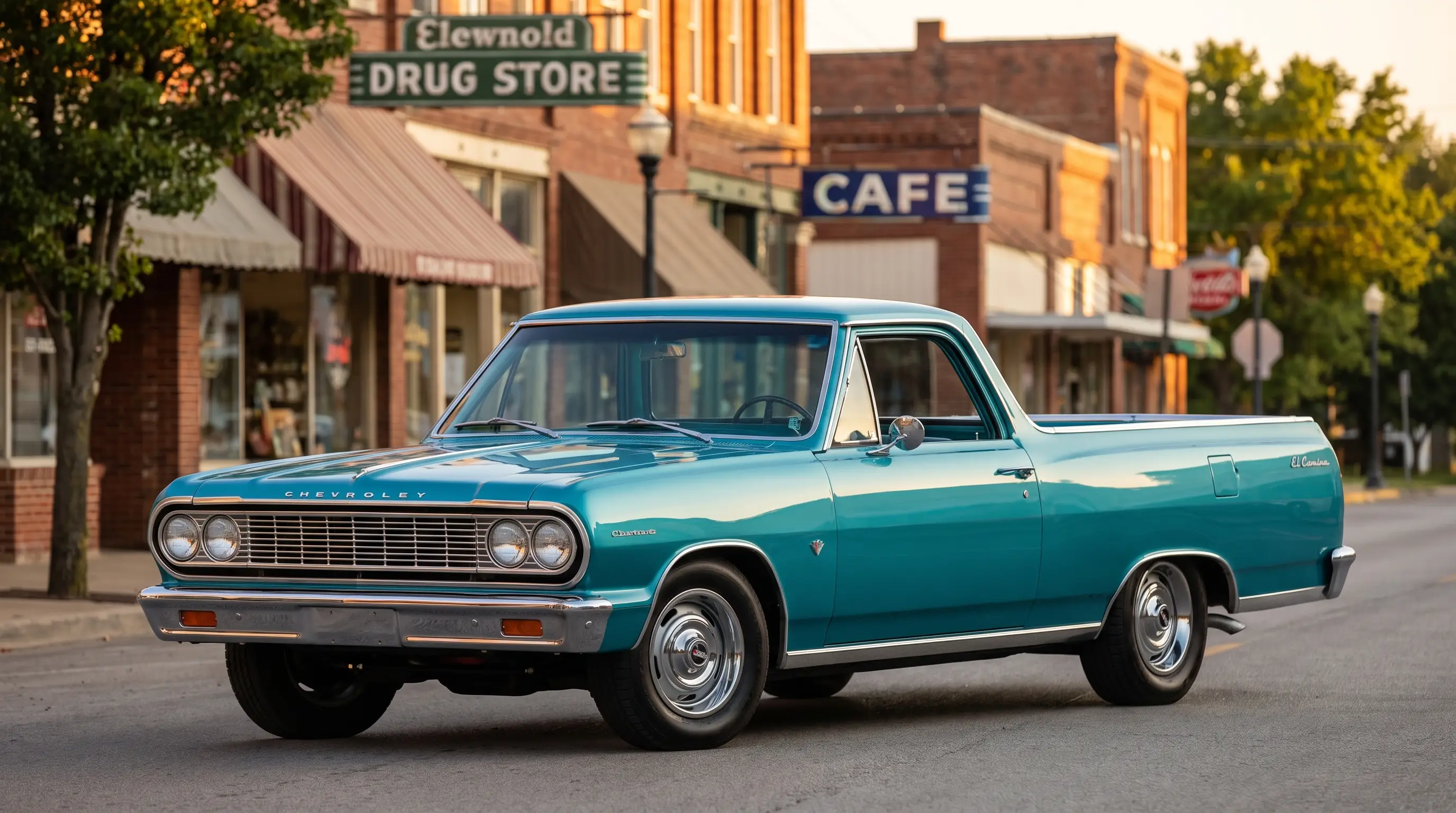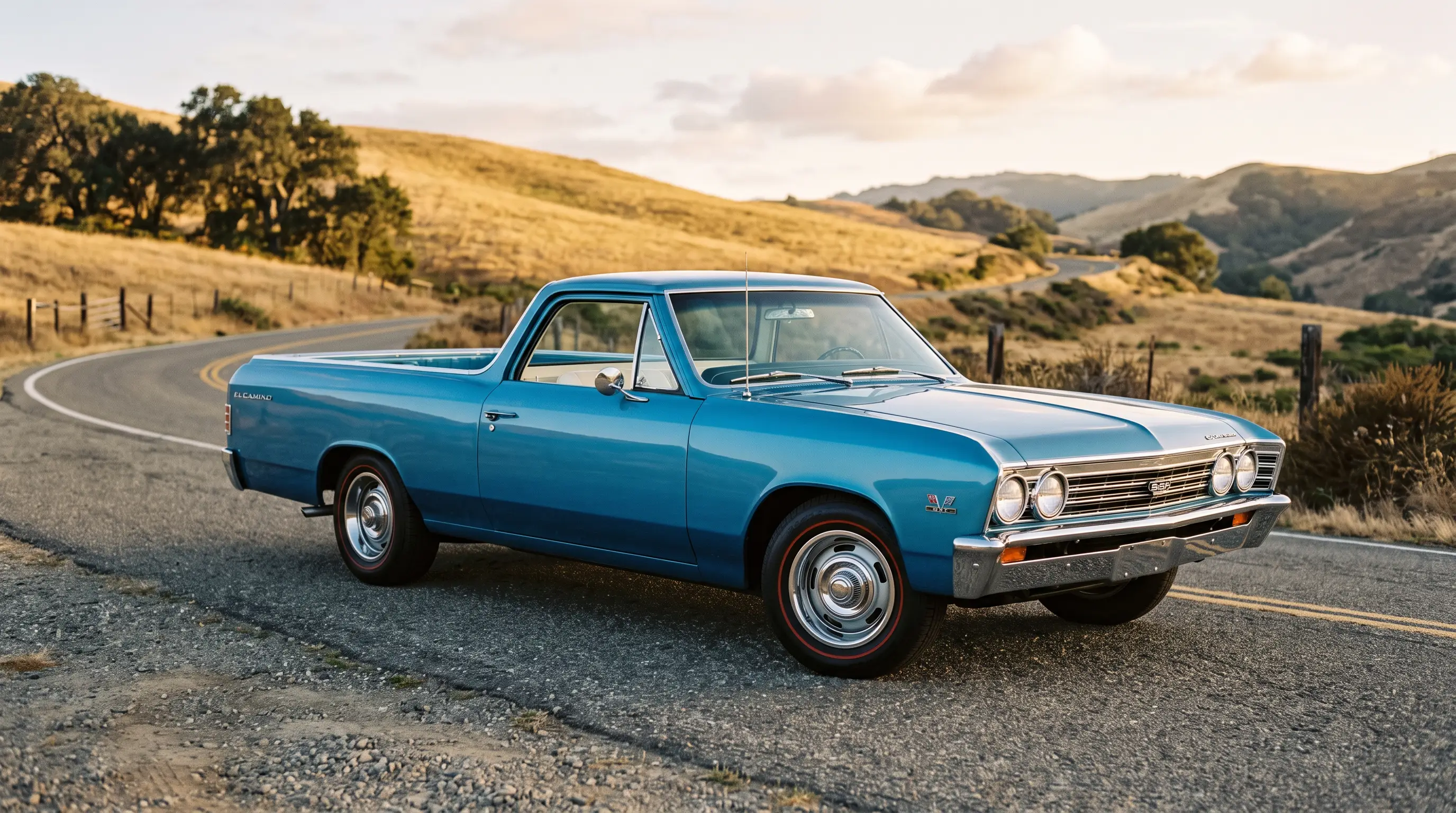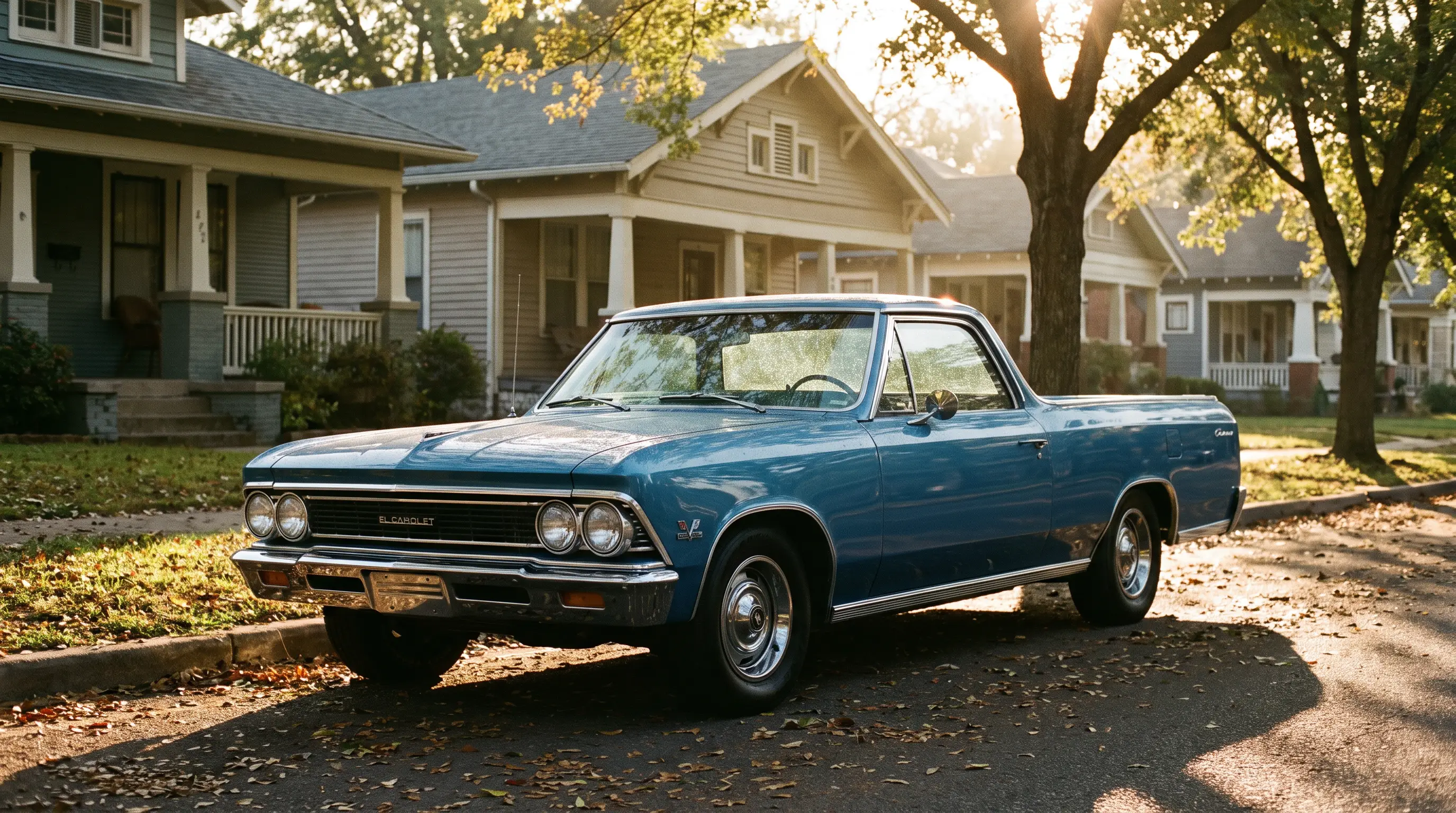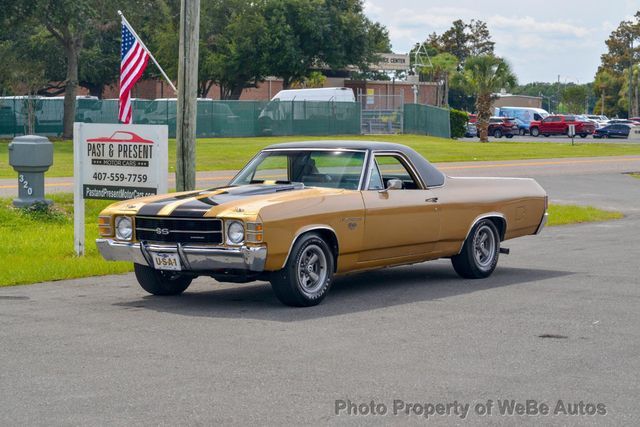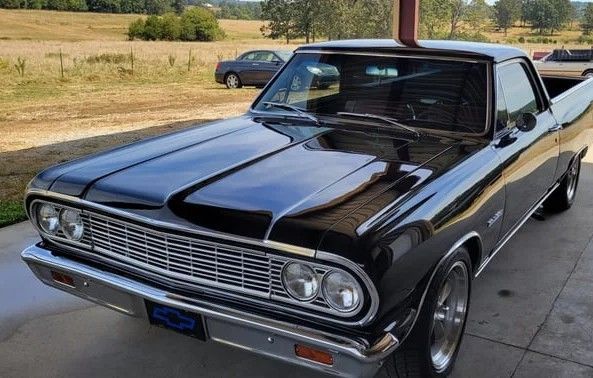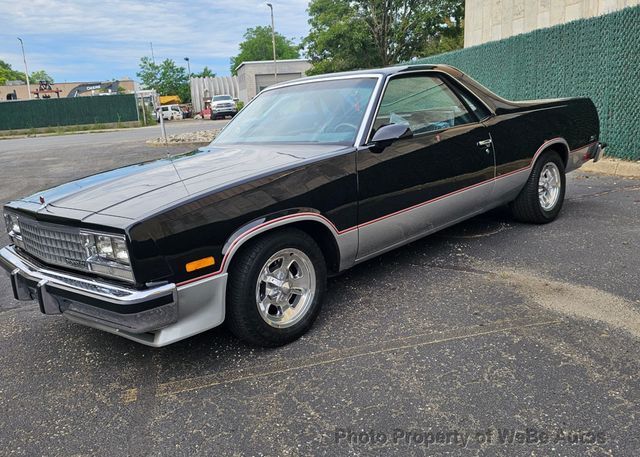
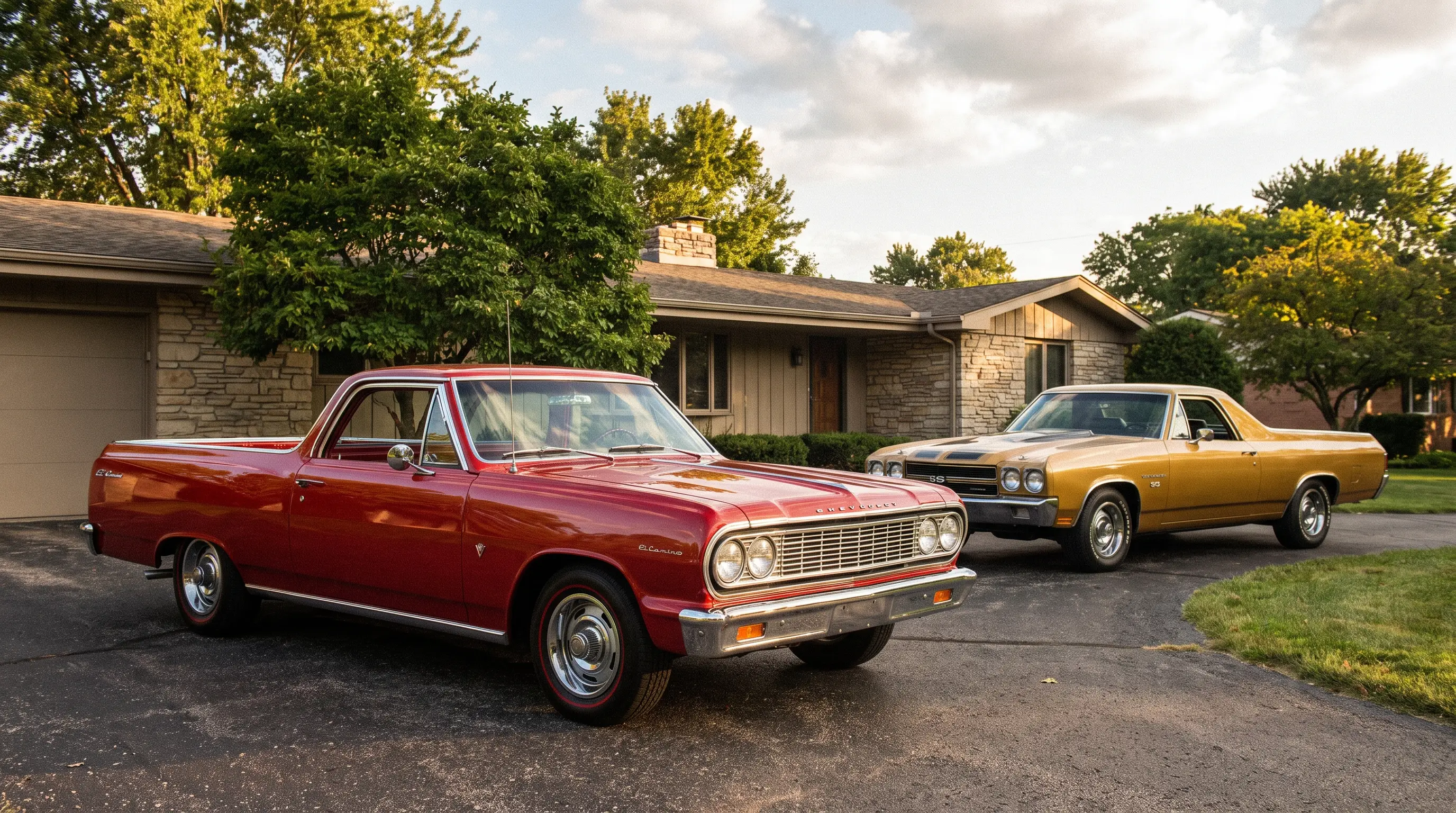
Chevrolet built two very different vehicles under the El Camino name, and comparing them side by side settles a question that comes up constantly among owners and buyers: was the smaller, Chevelle-based 1964 model actually a better car than the original full-size 1959 version, or just a cheaper one? The production numbers and the archival record answer that question more clearly than most people expect. The el camino 1964 vs 1959 full size comparison is not close once you look at what each platform was built to do.
The 1959 experiment and why it stalled
Chevrolet's first El Camino arrived for 1959 as a direct answer to Ford's Ranchero, built on the full-size Biscayne and Brookwood platform with the era's signature batwing tailfins and a cavernous, wide bed. It returned for 1960 with toned-down styling, then Chevrolet dropped the model entirely for 1961 through 1963. Sales records from the period tell a more complicated story than a simple loss to Ford. In its debut year, the full-size El Camino actually outsold the Ranchero, with roughly 22,000 units built for 1959 against about 14,000 Rancheros. The tables turned in 1960, when Ford downsized the Ranchero onto the compact Falcon platform, made it notably cheaper to buy, and outsold the El Camino that year with around 21,000 units to Chevrolet's roughly 14,000. That reversal, combined with a two-year sales total that never approached the volume of a mainstream passenger line, is what pushed Chevrolet to drop the full-size El Camino after 1960.
Part of the problem was scale. The full-size platform made for an impressively large vehicle, but that size worked against it in the market Chevrolet was actually chasing, which was buyers who wanted something car-like, affordable, and easy to park, not a massive coupe utility built on the same bones as a full family sedan. When the model returned after a three-year absence, Chevrolet had clearly learned from that miscalculation.
Why the Chevelle platform made sense in 1964
When Chevrolet revived the El Camino for 1964, it moved the model onto the new Chevelle A-body platform instead of the full-size car. This was a deliberate downsizing, and it mirrored a broader industry shift toward mid-size vehicles that were easier to live with day to day. The Chevelle-based El Camino was shorter, lighter, and considerably more nimble than its full-size predecessor, while still offering a bed long enough to be genuinely useful for hauling.
Chevrolet's engineering teams also benefited from sharing far more parts with a high-volume platform. The Chevelle sold in huge numbers as a sedan, wagon, and coupe, which meant the El Camino's running gear, suspension components, and body panels were backed by the economies of scale that a low-volume full-size coupe utility never had. That shared parts bin made the 1964 car cheaper to produce and, in turn, cheaper to buy, which is a major reason it succeeded where the 1959 and 1960 cars had not. Readers wanting the complete account of that 1964 relaunch should check our 1964 el camino retrospective for the full model year breakdown.
Comparing the two eras directly
| Category | 1959 to 1960 full-size | 1964 mid-size |
|---|---|---|
| Platform | Full-size Biscayne/Brookwood | Chevelle A-body |
| Overall footprint | Large, full-size dimensions | Notably shorter and lighter |
| Market position | Direct Ranchero answer, niche | Broader appeal, shared Chevelle volume |
| Sales trajectory | Discontinued after two years | Continued production for over a decade |
| Styling | Fins, full-size cues | Clean, contemporary Chevelle lines |
The table makes the practical differences obvious, but the real story is in what each car was trying to be. The 1959 model tried to graft a truck bed onto Chevrolet's biggest passenger car, a bold idea that never quite found its footing commercially. The 1964 model instead built the El Camino around a platform designed from the outset for mainstream volume, and it worked. Readers interested in the years immediately following this shift, before the muscle car era took over the model's identity, can find a related story covering that quieter chapter of the car's history.
Collector value today
Ironically, the 1959 and 1960 cars now command a premium in the collector market precisely because they failed commercially. Low original production numbers mean surviving examples are scarce, and scarcity drives value regardless of whether a car was a sales success in its own time. A 1964 El Camino, by contrast, is more attainable and easier to find parts for, because it shares so much with a Chevelle platform that Chevrolet built in enormous numbers.
That accessibility is a real asset for a first-time classic buyer. Parts availability, mechanical familiarity among restoration shops, and a larger pool of surviving cars all make the 1964 model a more practical entry point into El Camino ownership than the rarer, pricier full-size cars. Buyers weighing both eras should El Caminos for sale now and compare asking prices directly, since the gap between full-size rarity and mid-size accessibility shows up clearly once real listings are on the table.
"The 1959 El Camino was Chevrolet guessing at what buyers wanted. The 1964 car was Chevrolet finally listening to the answer, and the sales figures over the following decade prove the correction worked."
- Tom Ramirez
What Chevrolet's engineers actually changed
The shift from full-size to mid-size was not just a matter of picking a smaller sedan to base the truck on. Chevrolet's engineering staff reworked the entire approach to the coupe utility concept for 1964. The bed length was tuned to stay useful without stretching the wheelbase to full-size proportions, the suspension was tuned closer to a passenger car ride than a work truck, and the available engine range spanned from an economical six-cylinder up through small block V8 options that gave buyers real choice rather than a single heavy-duty configuration.
That range of engine choices mattered enormously to how the car sold. The 1959 and 1960 full-size cars had been positioned almost entirely around size and novelty, a big flashy alternative to a pickup truck. The 1964 car instead let a buyer configure something closer to a personal car with a bed, whether that meant a thrifty six-cylinder commuter or a small block V8 with a bit more spirit. This flexibility is a big part of why the Chevelle-based car found buyers the full-size car never reached, and it set the template Chevrolet would keep refining right up through the 1968 to 1972 SS years and beyond.
Reading the sales numbers correctly
It is worth being precise about what the production numbers actually show, since collectors sometimes overstate the case in either direction. The 1959 model year actually outsold the Ranchero for a new nameplate entering a market Ford had a two-year head start in, but the follow-up 1960 model saw demand fall well behind Ford's newly downsized, cheaper Falcon-based Ranchero, and Chevrolet's decision to drop the nameplate for three full years afterward is the clearest signal available that the full-size approach was not sustainable as a standing product line. Chevrolet did not abandon coupe utilities as a category. It abandoned the specific platform choice, and that distinction matters.
When the 1964 model arrived, it did not merely match the earlier sales pace, it exceeded it substantially and kept climbing across the following several model years as the Chevelle line itself grew in popularity. A car that shares its underpinnings with one of the best-selling mid-size platforms in America has a structural sales advantage that a boutique full-size coupe utility, however handsome, simply cannot match. That structural advantage, more than any single styling change, is the real explanation behind the divergent fates of these two eras.
The verdict from the production record
Judged purely on longevity and sales, the 1964 mid-size El Camino was the smarter platform decision by a wide margin. It launched a run that would continue, with body updates along the way, through 1977 before the model shifted again onto the G-body. The full-size version, for all its period charm and current collector cachet, could not sustain even a second full model year cycle at the volume Chevrolet needed. Smaller, in this case, really was smarter, and the archival production numbers back that conclusion up without much room for debate.