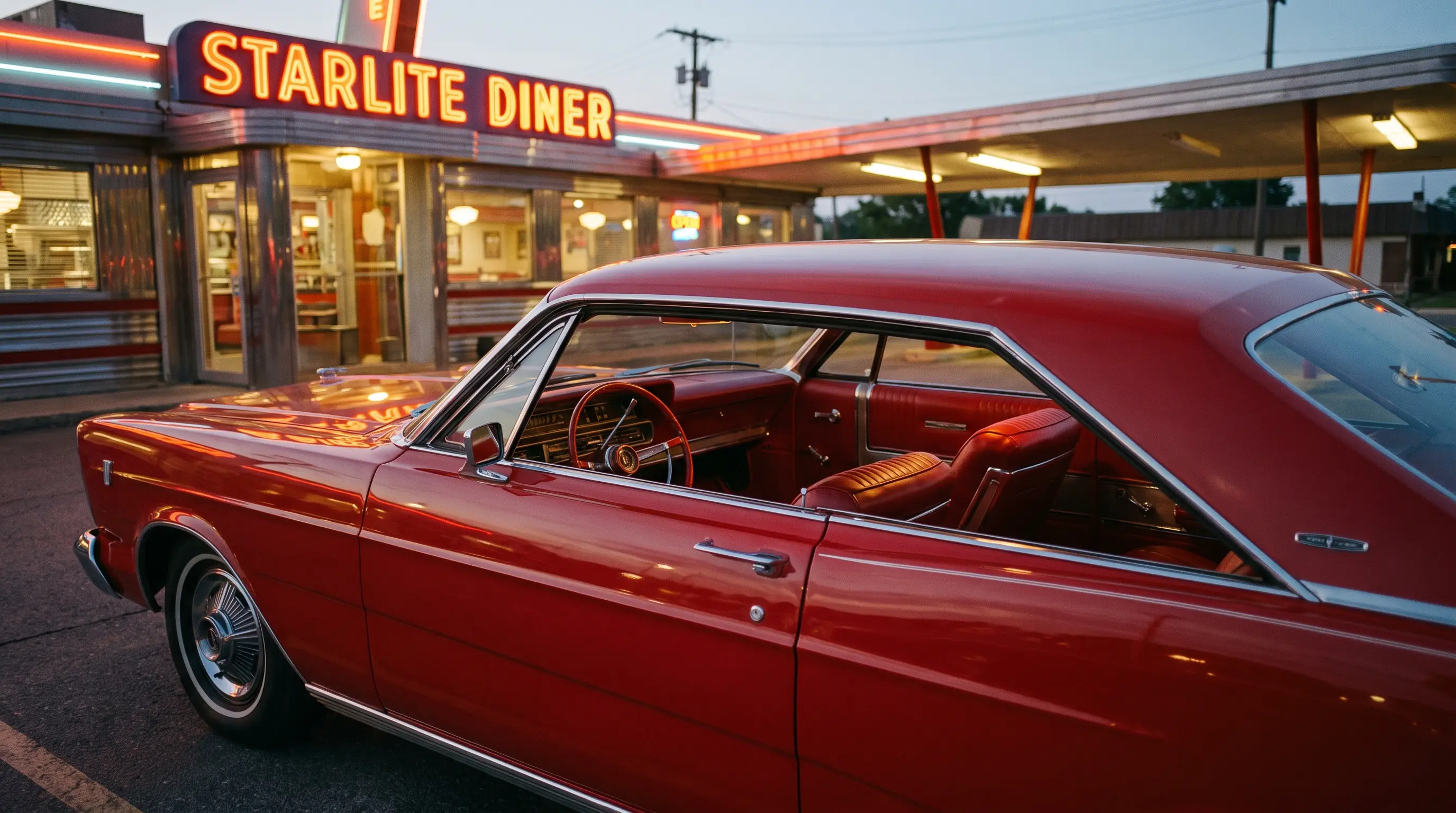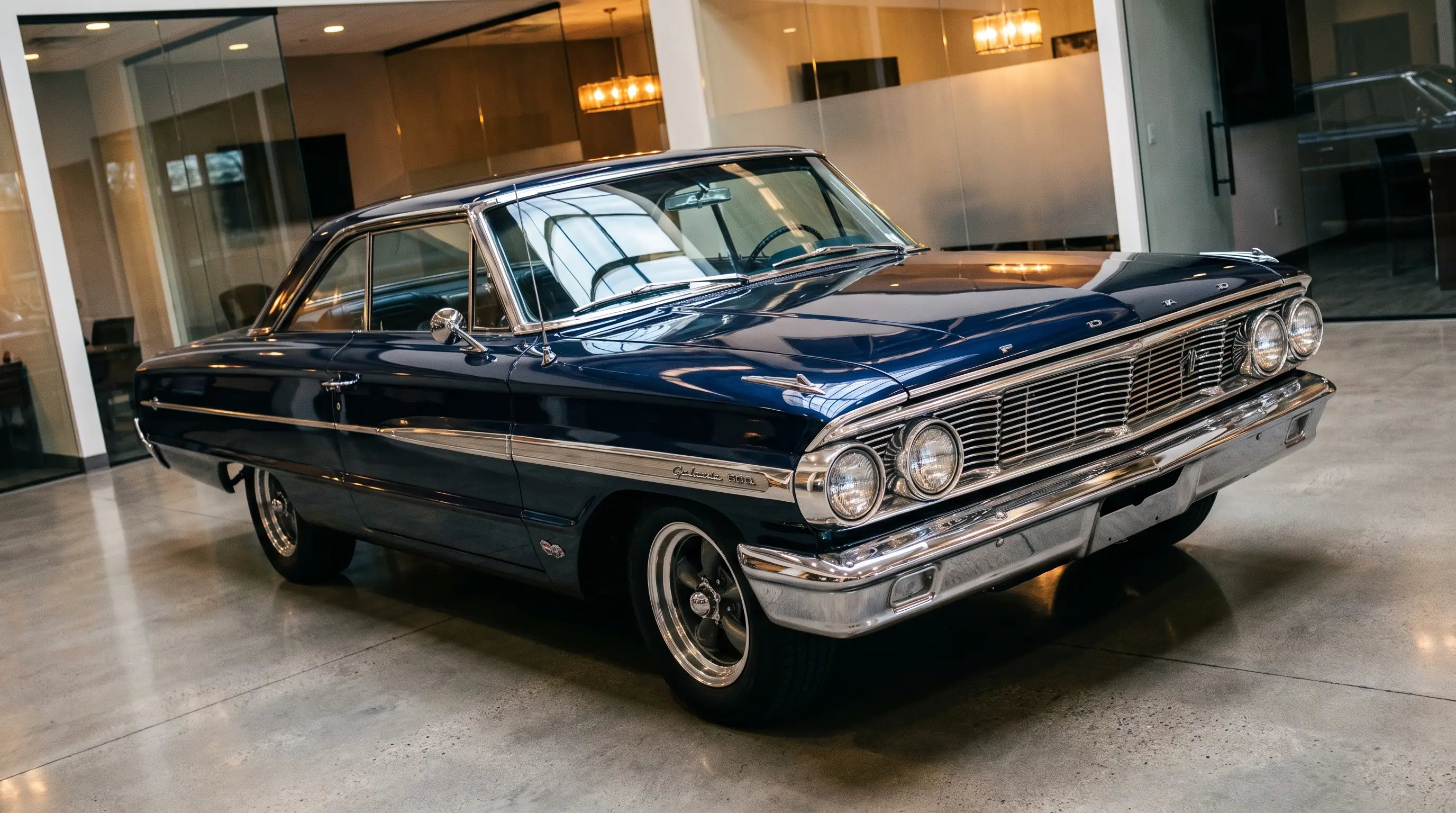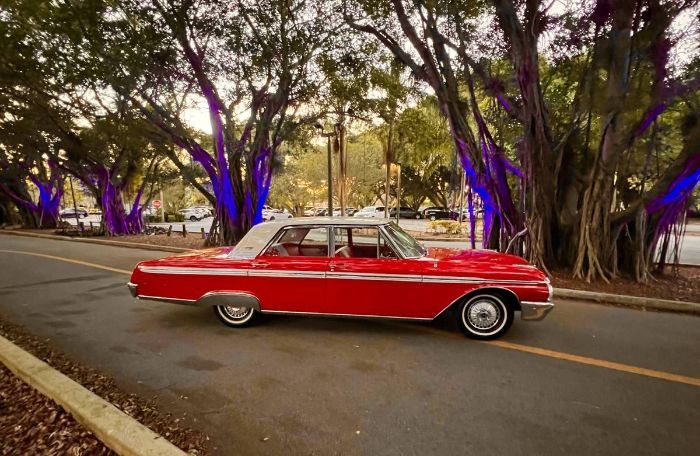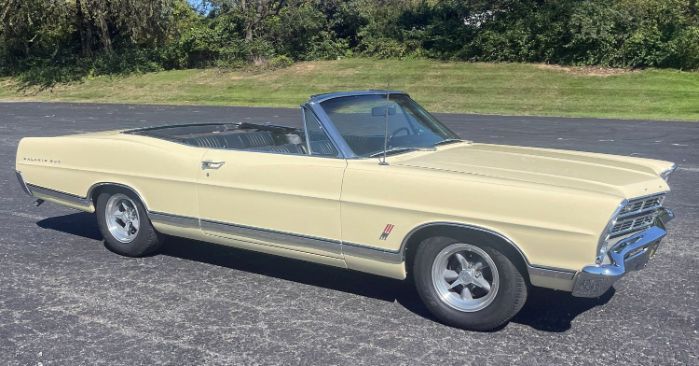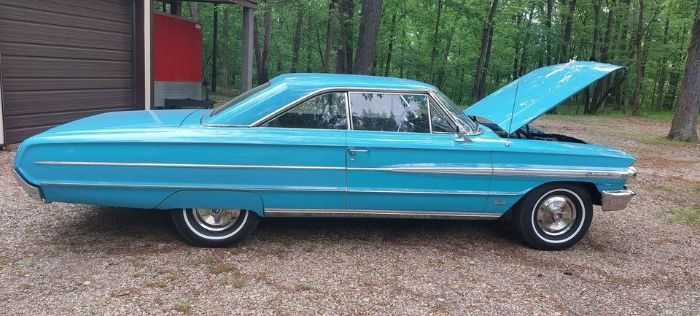
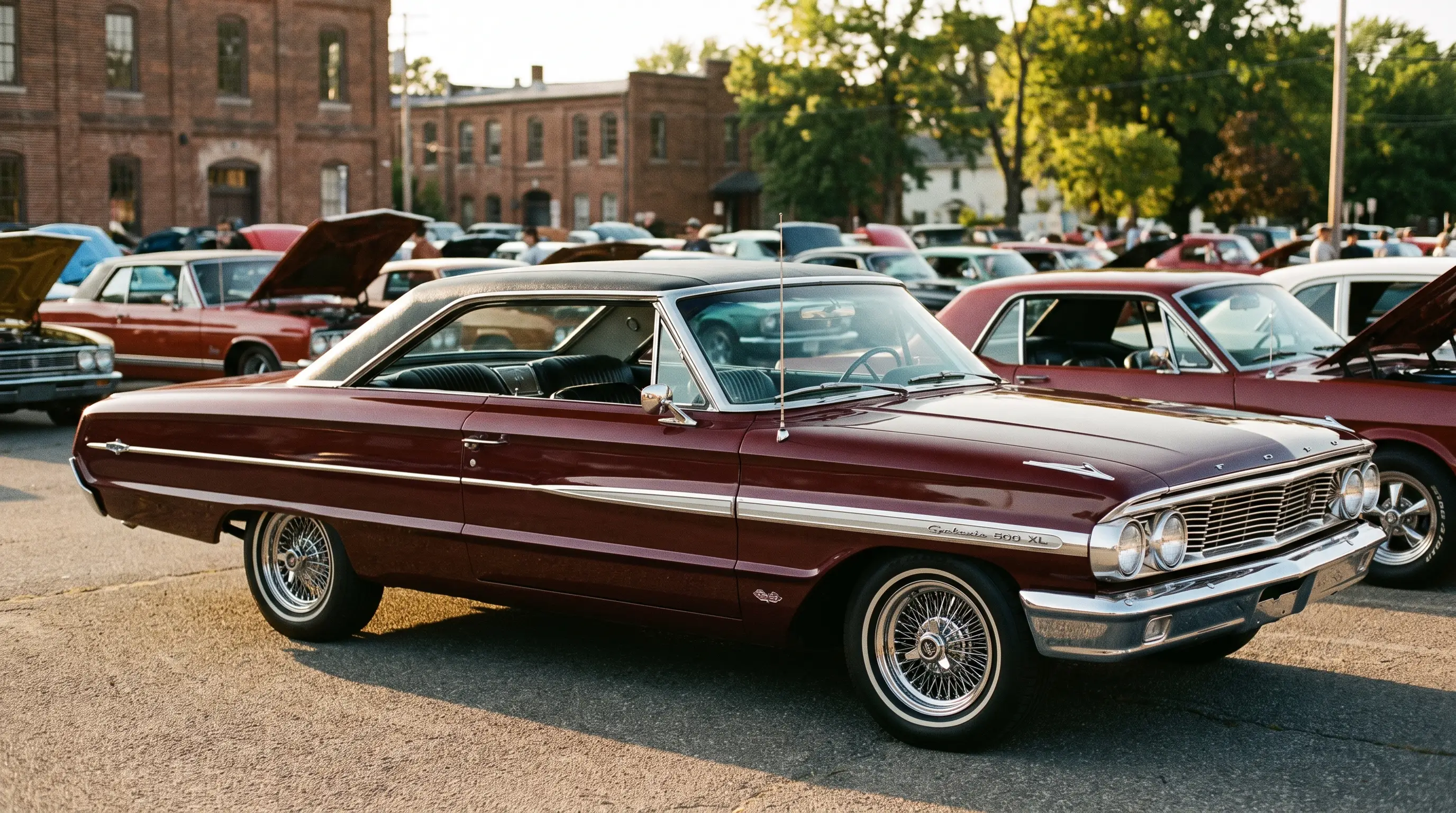
There's a fellow at my local cruise-in who shows up every summer in a 1964 Galaxie 500 XL that used to belong to his uncle, and every single time somebody new wanders over to ask about it, he tells the story a little differently depending on his mood. That's the ford galaxie 500 xl ownership scene today in miniature, a community built as much around stories as around spec sheets, held together by people who like this particular Ford enough to keep it running long after the "practical" reasons ran out.
Who actually owns these cars now
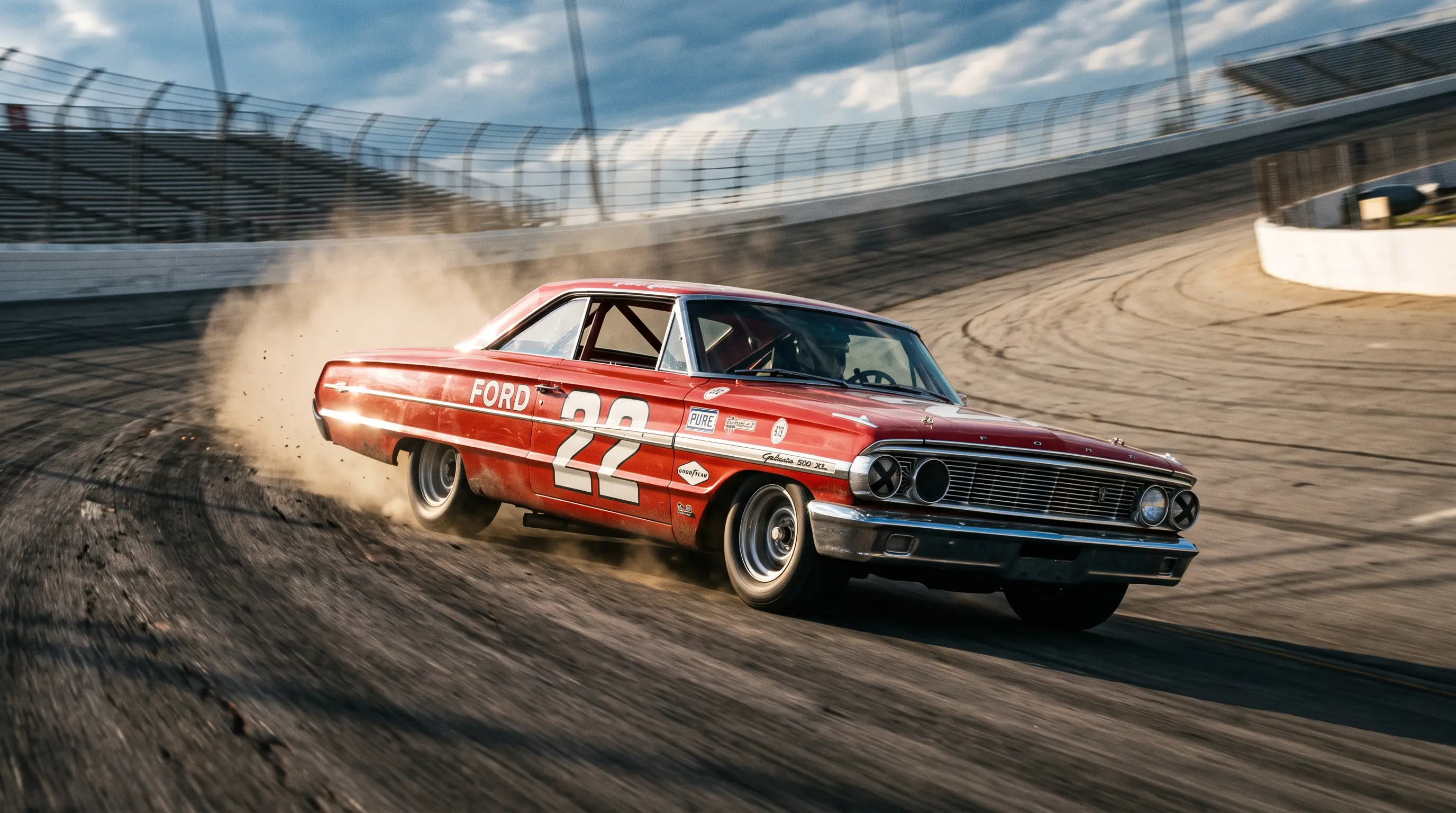
The 500 XL crowd skews a bit older than the muscle car crowd, and that's not a knock, it's just the honest demographic. A lot of current owners either grew up around one of these cars as kids, or bought theirs decades ago when full-size Fords were cheap and plentiful, and simply never let go. There's a smaller but growing group of younger owners discovering the model fresh, usually after getting priced out of the more famous muscle cars and realizing a documented 500 XL delivers a lot of the same era, the same NASCAR-adjacent history, and the same bucket-seat sportiness for meaningfully less money.
What surprised me when I started paying closer attention to this scene is how much cross-pollination there is with the broader full-size Ford community. Guys who own an LTD or a plain Galaxie 500 often end up owning a 500 XL eventually too, once they've caught the bug for the trim level story and want to compare it to whatever they started with.
Where the community actually gathers
Regional Ford clubs are the backbone here, more than any single national organization dedicated exclusively to the model. Most 500 XL owners I know belong to a broader vintage Ford or full-size Ford club and simply bring their car to the same shows and swap meets as everyone else's Mustangs and F-Series trucks. Specialty online forums fill the rest of the gap, places where owners trade parts leads, argue about the correct console vinyl texture, and post pictures of barn finds they're either restoring or scavenging for parts.
Regional shows dedicated broadly to 1960s Fords tend to draw the biggest concentration of 500 XLs in one place, and that's usually where I've had my best conversations with owners willing to pop the hood, pull out a folder of build documentation, and talk your ear off about the car's history if you show genuine interest.
The parts hunt that defines ownership
Ask any long-term owner what actually consumes their time and money, and the answer is almost always parts, specifically the trim pieces unique to the XL package. Console shells, correct seat upholstery, and certain dash appliques don't have the reproduction support that a Mustang or Camaro owner takes for granted, so this community leans heavily on swap meets, estate sales, and each other's personal stashes of NOS parts collected over decades. It's created a genuinely tight-knit network, because everyone eventually needs a favor from someone else who happened to hoard the right console top twenty years ago.
I've watched this play out more than once at swap meets, somebody walks up to a table with a photo on their phone asking if anyone recognizes a specific dash piece, and within ten minutes three different owners have gathered around comparing notes, pulling out their own phones to check reference photos from their personal cars. Nobody's making money on these exchanges most of the time. It's just a favor economy built on genuine enthusiasm, the kind of thing that doesn't show up in any parts catalog but somehow keeps half the surviving cars on the road anyway.
Estate situations have become an increasingly common source of parts and even whole cars as the original ownership generation ages out of the hobby. It's a bittersweet part of this community's current chapter, watching a widow or a grown child bring in a car or a garage full of parts that a father or grandfather spent decades collecting, usually with no real sense of what any of it is worth. The good clubs handle these situations with real care, connecting families with buyers who'll actually appreciate what they're getting rather than strip a car for parts and scrap the rest.
How the internet changed a scattered hobby
Twenty years ago, finding another 500 XL owner outside your own regional club meant a lot of letter writing and phone calls through swap meet contacts. Now a handful of dedicated online forums and social media groups have consolidated a scene that used to be scattered across dozens of small, disconnected regional pockets. Owners post build sheet questions, parts wanted ads, and photos of finished restorations to an audience that spans the whole country rather than just whoever happened to show up at the local show that month.
That online consolidation hasn't replaced the in-person shows, it's fed them. Owners meet online first, arguing over the correct trim code for a given year, then plan to finally meet in person at whichever regional show gives them an excuse. The parts hunt and the friendships still happen mostly face to face. The internet just made it a lot easier to find the right face to talk to in the first place.
Anyone wanting the whole picture on how this trim came to exist will understand why parts scarcity plays out the way it does. Ford built the XL package with enough unique pieces to make it feel special new, and that same specificity is exactly what makes sourcing correct parts a challenge sixty years later.
"You don't really own one of these cars alone. You own it with about a dozen other guys spread across three states who all have a drawer of parts they'll dig through for you if you ask nicely and bring decent coffee to the next show."
- Wayne Coburn
What keeps people in this hobby long term
Talk to enough owners and a pattern emerges. It's rarely the investment angle that keeps someone in this specific corner of the hobby for twenty or thirty years. It's the community, the same faces at the same shows, the running jokes about whose console still rattles, the genuine willingness to help a stranger who just bought their first 500 XL and has no idea where to start. That's the part of ownership that never shows up on a spec sheet or in an appraisal.
If this kind of community and this particular car have you curious about joining in, there's usually no shortage of options if you go find a classic Galaxie to call your own. Just budget extra time for the parts hunt, and extra patience for the stories you'll hear at your first show. Both come with the territory.