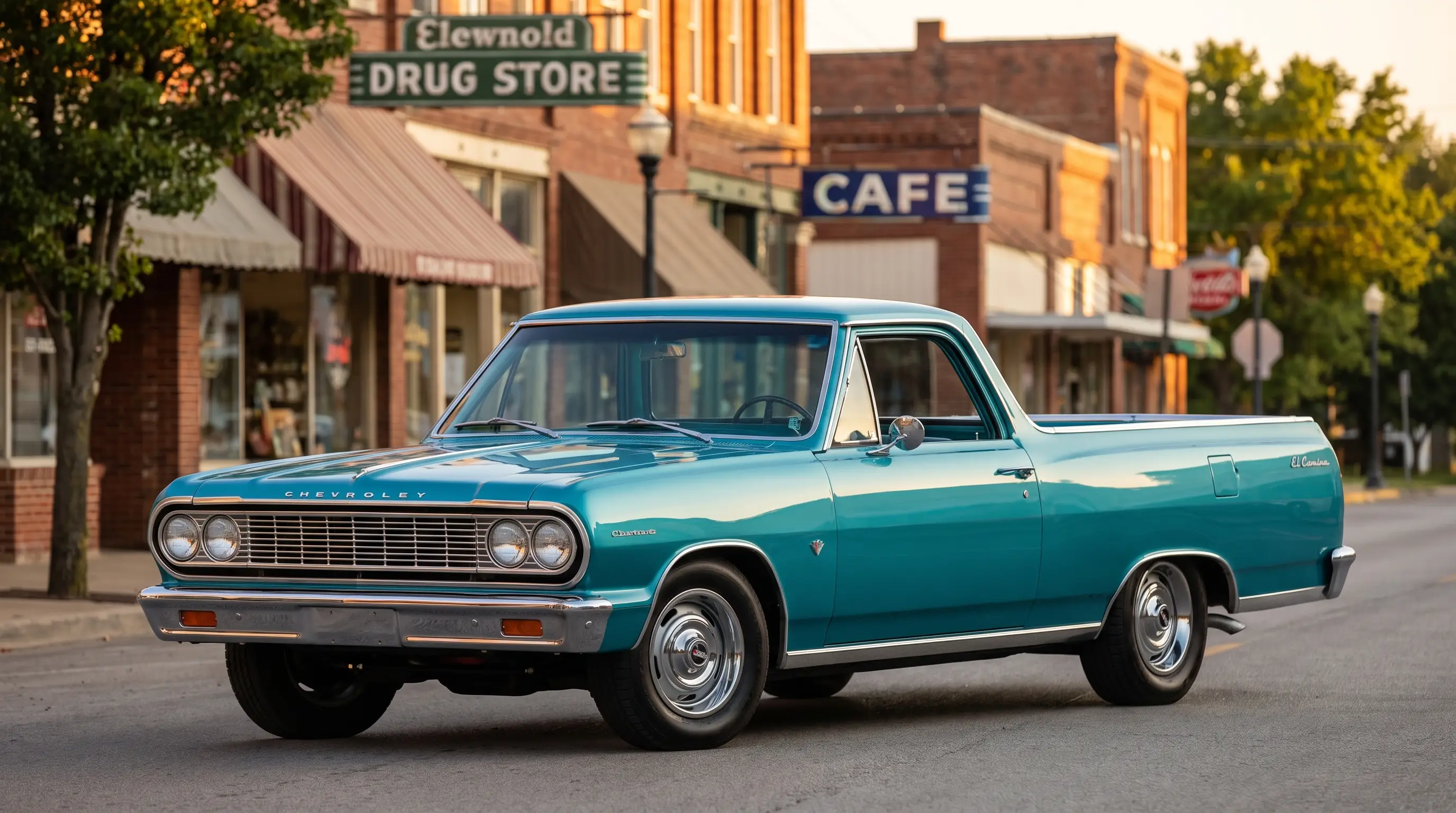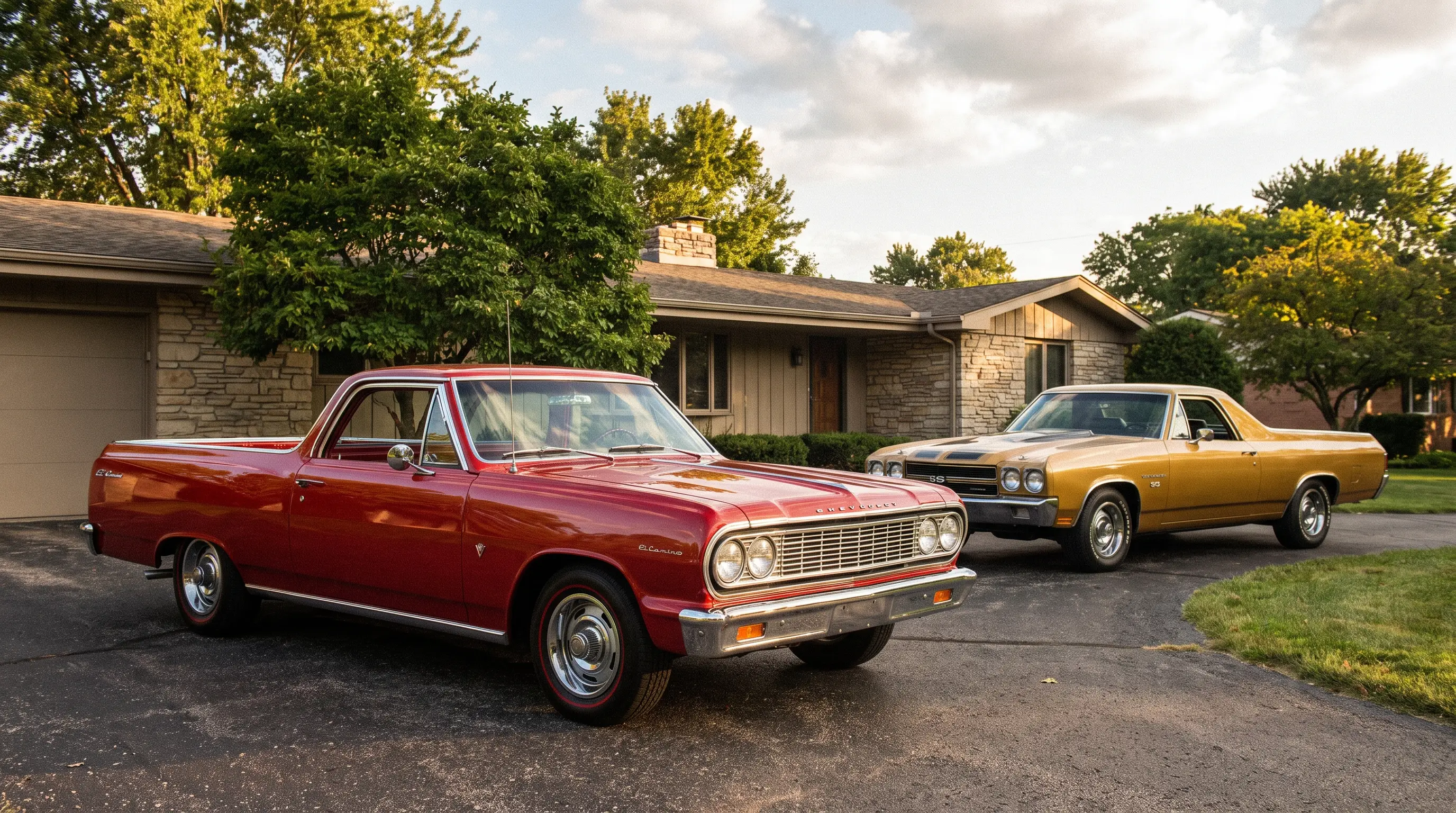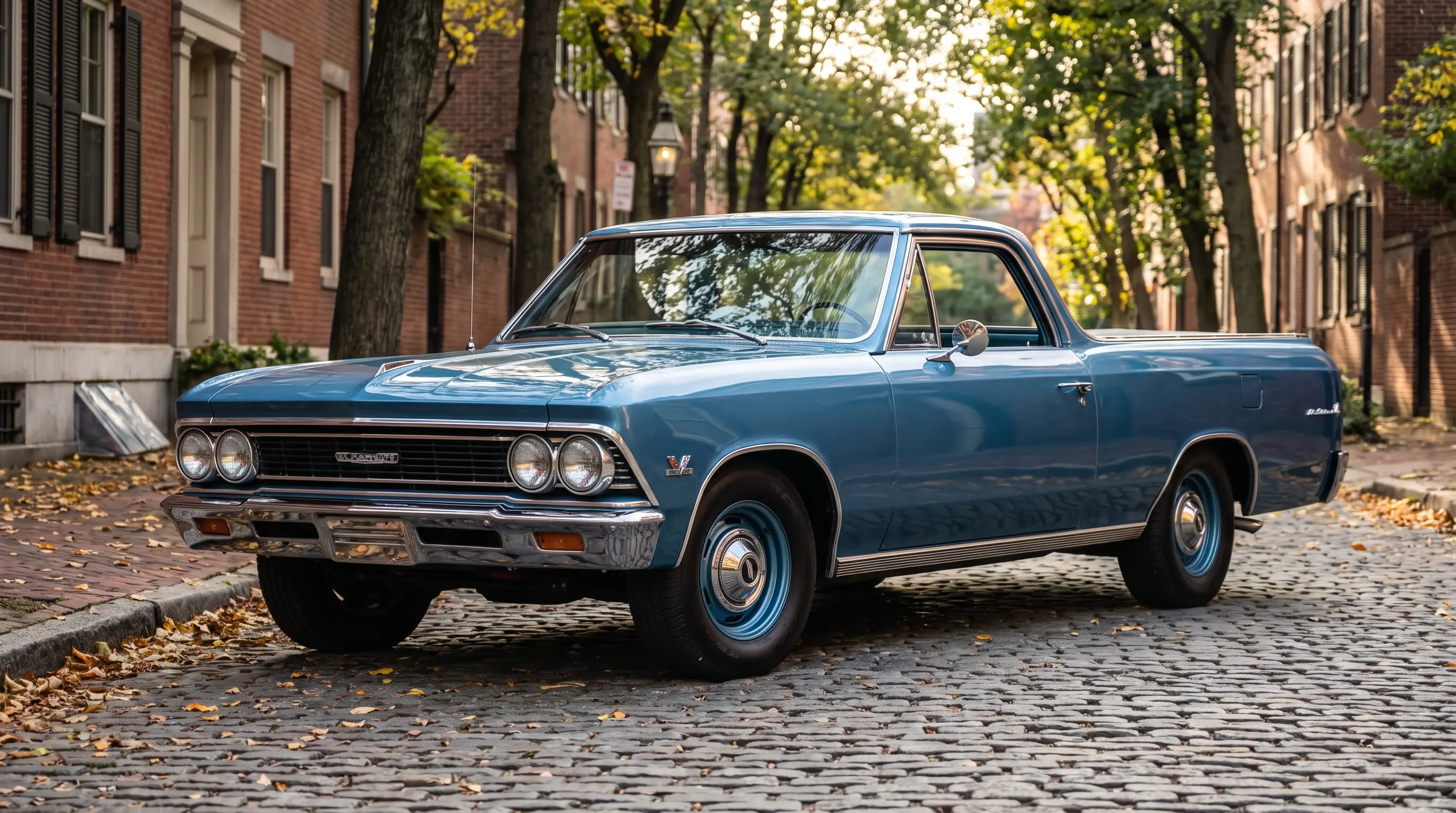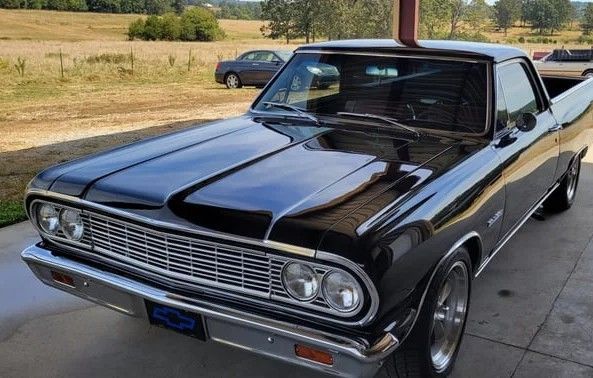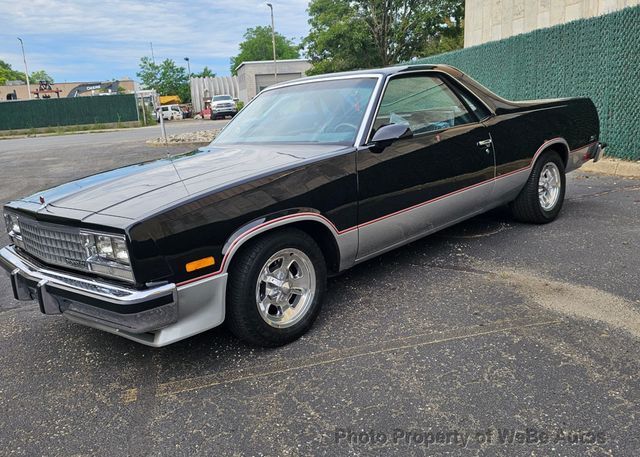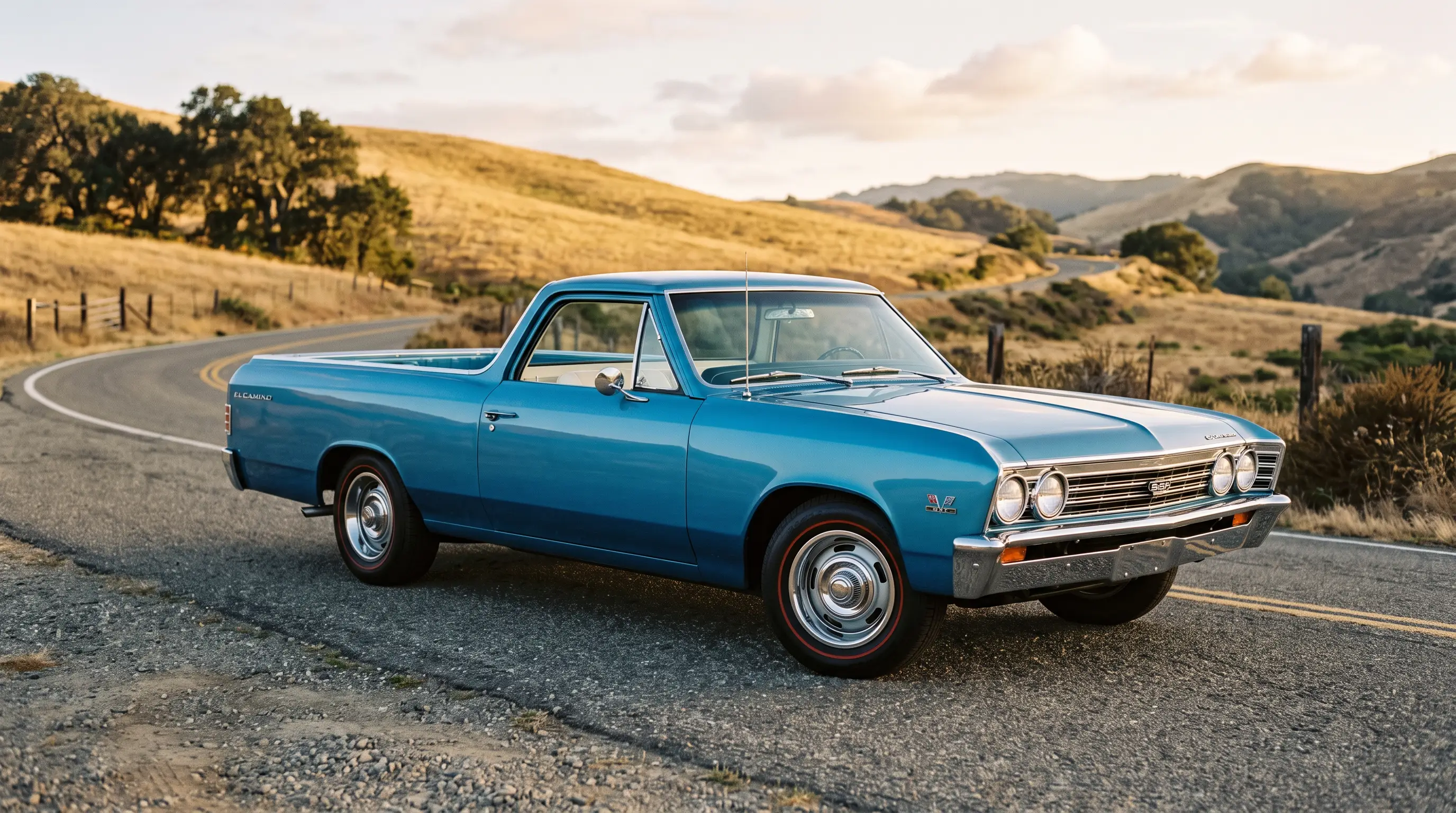
Most casual conversations about the El Camino skip straight to the SS 396 and SS 454 years, the 1968 to 1972 stretch when the car became a genuine muscle machine. That leaves a gap in the story, because the el camino 1964 67 pre muscle era years came first, and they built the foundation everything after them rests on. Before the big blocks and the Super Sport badges, the El Camino spent four model years establishing itself as a practical, well-mannered mid-size hauler, and understanding that period changes how the later muscle years should be read.
A relaunch with modest ambitions
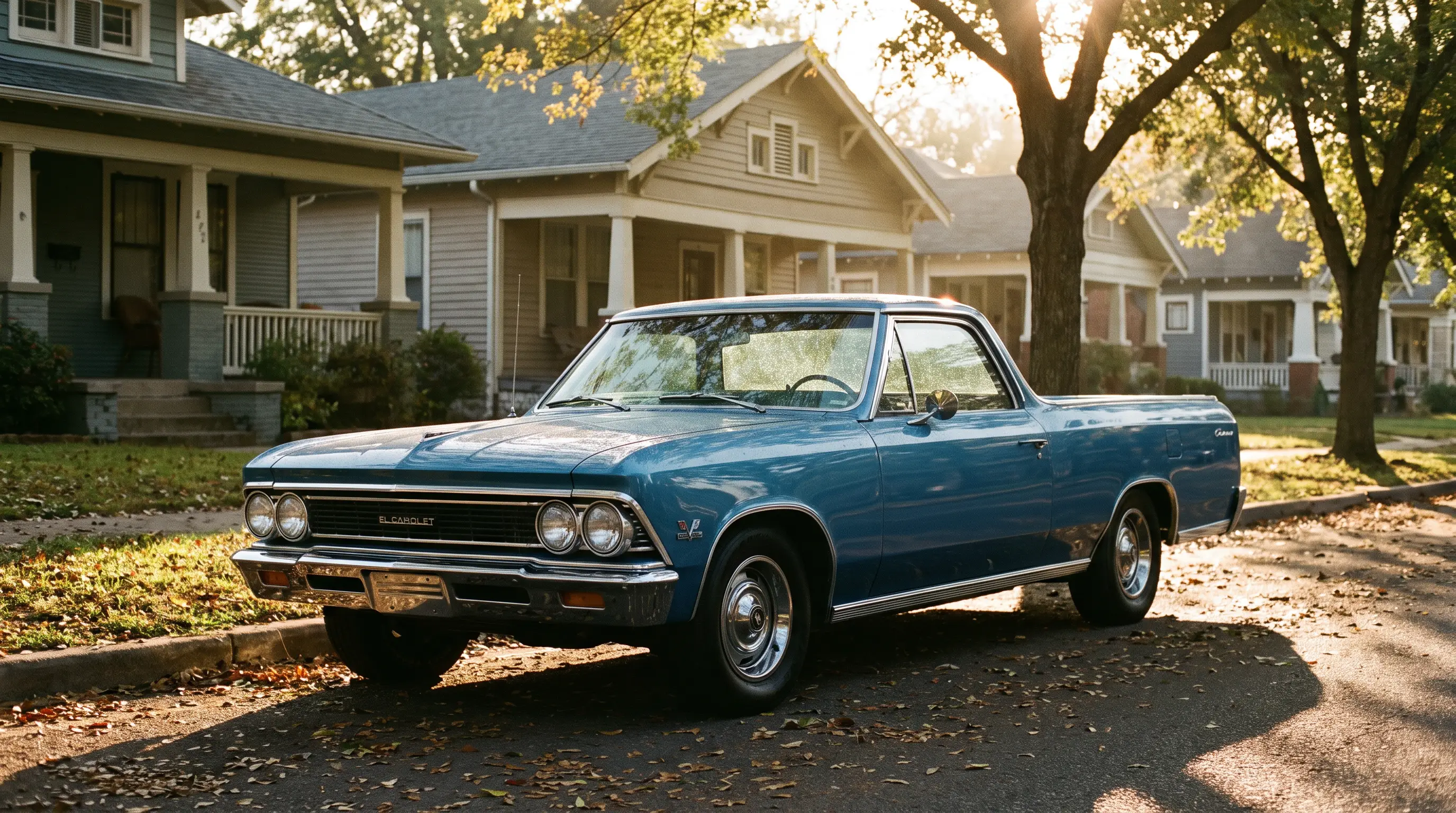
When Chevrolet brought the El Camino back for 1964 after a three-year absence, the goal was not performance. It was volume and practicality. The new car rode on the Chevelle A-body platform, sharing sheet metal, chassis components, and drivetrain options with the Chevelle sedan and wagon lines that Chevrolet was selling in huge numbers. That shared architecture meant lower production costs and a broader dealer network already stocking compatible parts, both of which helped the El Camino find buyers that the full-size 1959 and 1960 version never reached.
Engine choices during these years reflected that practical mission. A base six-cylinder was standard, with small block V8 options available for buyers wanting more than adequate power. Big block engines were not yet part of the standard conversation, and the El Camino during 1964 and 1965 was overwhelmingly bought and driven as a comfortable, capable work vehicle rather than a performance statement.
1966 and the first hints of change
The 1966 model year brought a body update in step with the broader Chevelle line, along with the first appearance of the 396 cubic inch big block engine as an El Camino option. It is worth being precise here: Chevrolet did not attach Super Sport badging or an official SS package to the El Camino in 1966. That designation did not arrive until 1968. Still, the 396's availability in 1966 was the moment the platform began edging toward the identity it would fully embrace two years later, and it is important not to overstate how immediate that shift was. Big block cars remained a minority build in 1966, and most El Caminos that year still left the factory configured as everyday haulers with modest engine choices, not big block performance cars.
That gradual, understated introduction is easy to miss looking back with the benefit of hindsight, since the muscle car years that followed cast such a long shadow over how the model is remembered today. But the archival production mix from 1966 tells a clear story. Chevrolet was testing the performance angle carefully, not betting the entire model line on it.
1967 and the quiet close of an era
By 1967, the El Camino had settled into a familiar rhythm within Chevrolet's lineup, still riding the second-generation Chevelle body one final year before a complete redesign arrived for 1968. The 396 big block had grown somewhat more established as an order by this point, though still without SS badging, but the fundamental character of the model line had not changed. It remained a versatile mid-size vehicle offered across a wide span of trims and engines, with performance as one option among several rather than the defining reason to buy one.
This is the context that makes the 1968 redesign and its accompanying muscle car identity feel like such a sharp turn rather than a natural continuation. The 1964 to 1967 cars were not slow curiosities waiting to become something exciting. They were a fully realized, successful product in their own right, one that happened to set the stage for a very different chapter that followed. Readers who want the complete account of how this era began should read the background covering the 1964 relaunch in full detail.
Why this stretch of years still matters to buyers
Collectors focused exclusively on SS 396 and SS 454 muscle cars sometimes overlook the 1964 to 1967 El Caminos entirely, treating them as a warm-up act rather than a destination in their own right. That is a mistake for buyers who actually want to drive and enjoy a classic rather than trailer it to shows. These early cars are generally more affordable, mechanically simpler, and easier to source parts for than the highly sought big block muscle years, since demand and pricing for six-cylinder and small block examples has never approached what SS-badged cars command at auction.
They are also, in a meaningful sense, more historically representative of what the El Camino actually was during its most successful sales period. The muscle car years get the magazine covers, but the practical, unpretentious 1964 to 1967 cars are what built the model's reputation as a genuinely useful, well-engineered vehicle that people wanted to own and drive daily. Buyers interested in this era should find a classic El Camino from these years and compare condition and originality carefully, since survivor examples with intact original trim are becoming harder to find as more cars get customized or restomodded.
"The muscle car years get all the attention, but the 1964 through 1967 cars are the ones that proved the concept worked. Without that quiet, practical foundation, there would have been no platform left for the SS badge to build on."
- Sarah Whitfield
Documenting an authentic pre-muscle era example
Because these years carry less collector premium than the SS models that followed, they have historically attracted less attention when it comes to careful documentation and originality verification. That is changing as more buyers recognize the historical value of an unmolested six-cylinder or small block 1964 to 1967 example. Cowl tag decoding, original build sheets where available, and dealer invoice paperwork all help establish exactly what a given car left the factory with, information that matters just as much on a practical work-grade El Camino as it does on a rare big block car.
Anyone assembling a collection meant to represent the full arc of El Camino history owes these years a proper look. They are not a footnote before the real story starts. They are the chapter that made the rest of the story possible, and treating them that way changes how you shop, what you pay, and what you ultimately choose to preserve.
Reading production shifts year by year
Looking at 1964 through 1967 as a single block obscures some genuinely interesting internal movement. Trim offerings expanded steadily across those four years, with Chevrolet adding option packages that let buyers dress up an otherwise utilitarian vehicle with upgraded interior materials, brighter exterior trim, and small convenience features borrowed from the passenger car side of the Chevelle line. None of this pushed the El Camino toward performance positioning. It pushed the model toward broader appeal among buyers who wanted a practical vehicle that did not look plain sitting in a driveway.
That steady, incremental improvement across four model years is easy to overlook next to the dramatic visual and mechanical leap of the 1968 redesign, but it reflects sound product management on Chevrolet's part. Rather than making sweeping changes every year, the company refined a formula that was already working, saving its bigger investment for the platform overhaul that arrived in 1968. Buyers and historians who treat 1964 through 1967 as an undifferentiated block miss real distinctions between individual model years that collectors and restorers should know before buying, restoring, or valuing a specific car from this stretch of production.
Sources and notes
- Wikipedia - Chevrolet El Camino
- SS396.com - 1966 El Camino Parts and Restoration Information
- SS396.com - 1968 El Camino Parts and Restoration Information
- Curbside Classic - 1968 Chevrolet El Camino SS 396
- Canadian Classic Chevelles and Beaumonts - El Camino Production Numbers
- El Camino Central Forum - 1966 El Camino 396