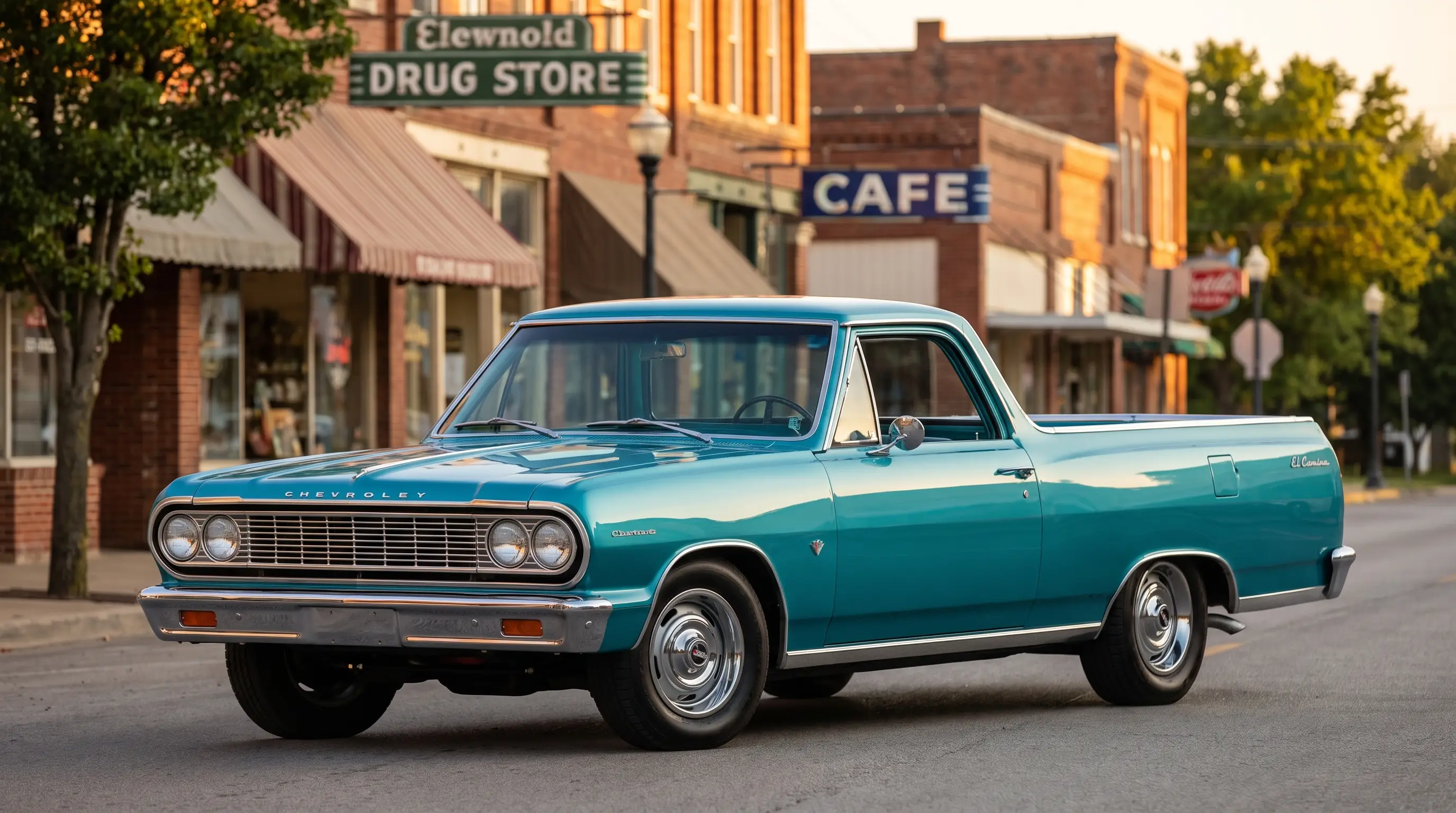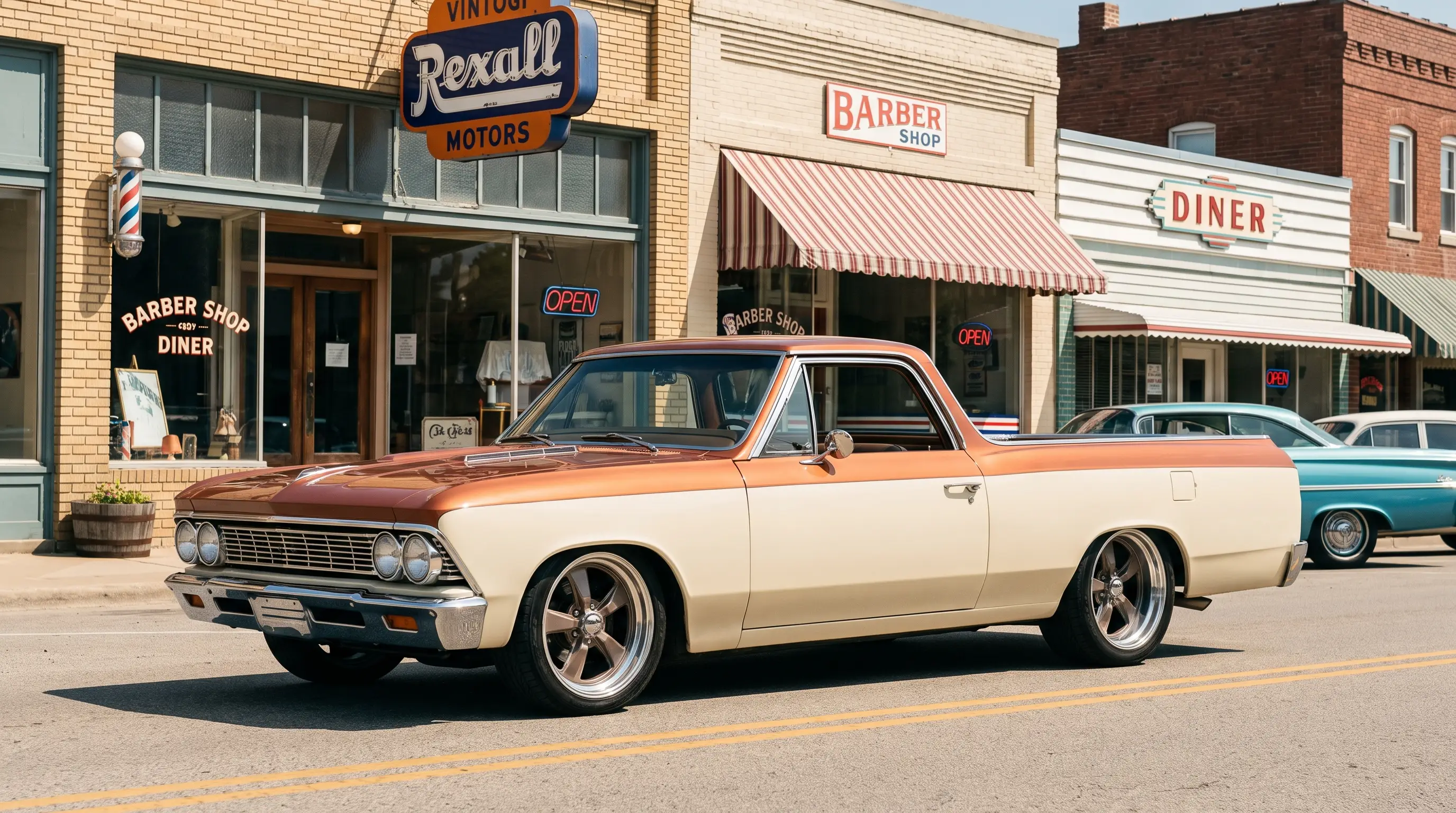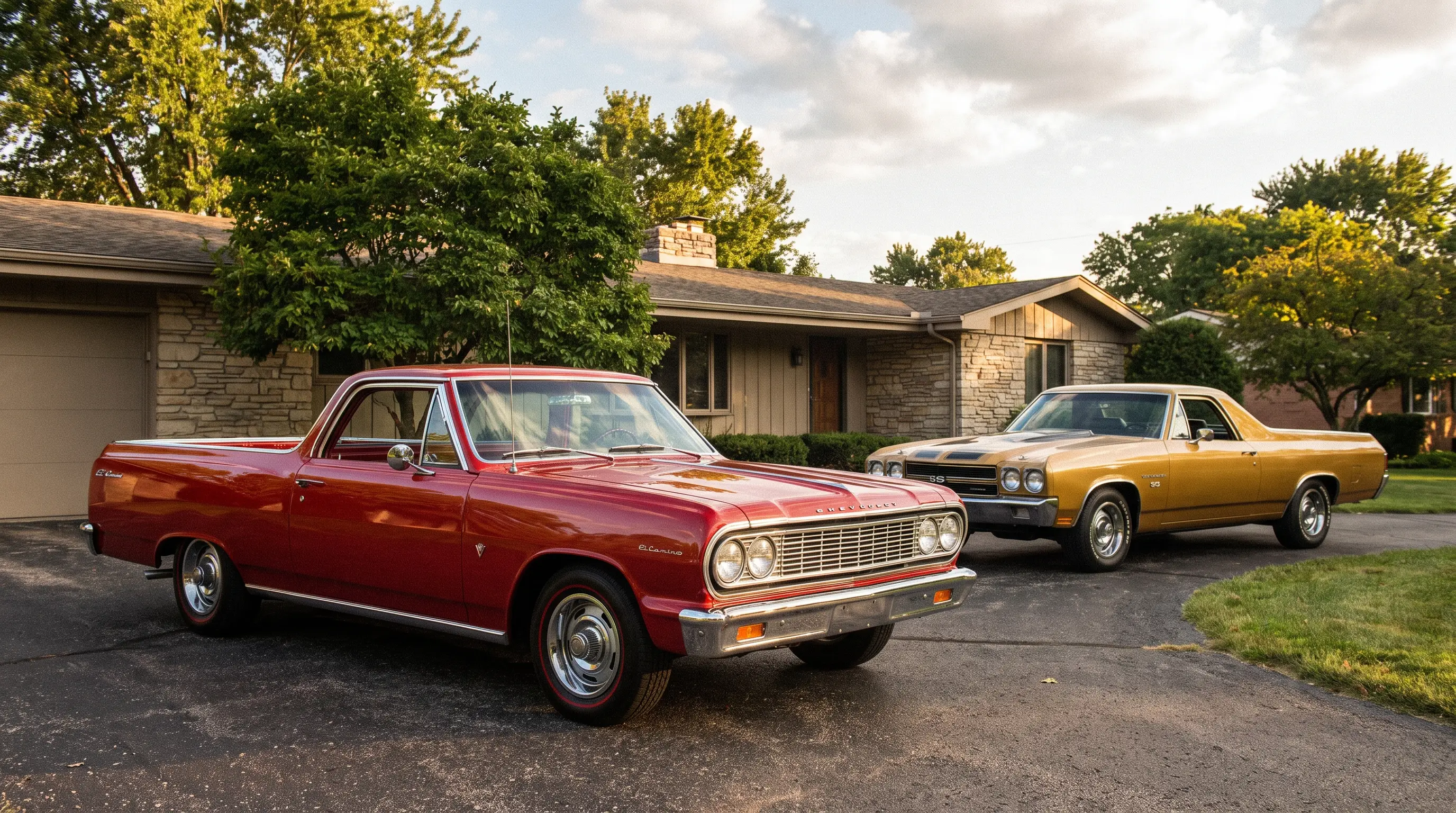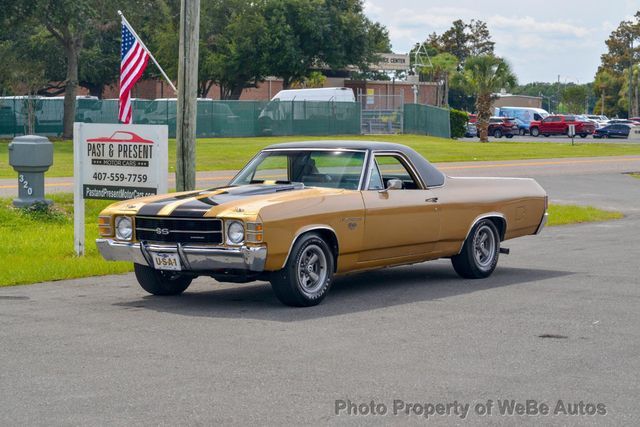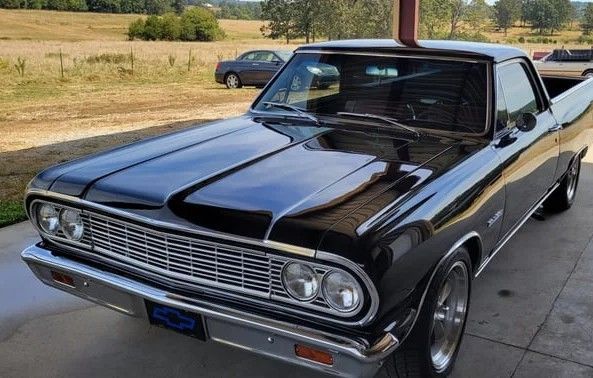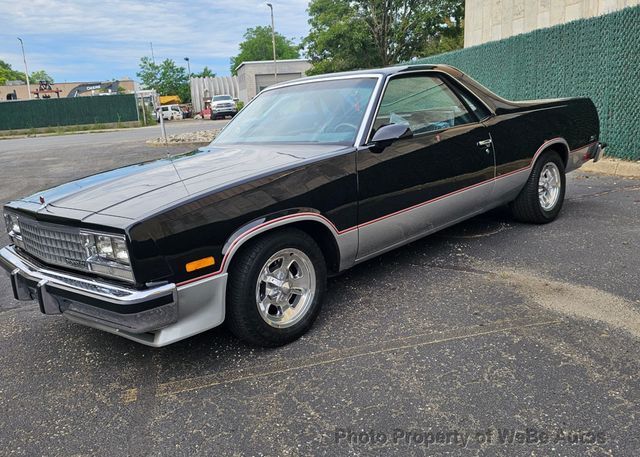
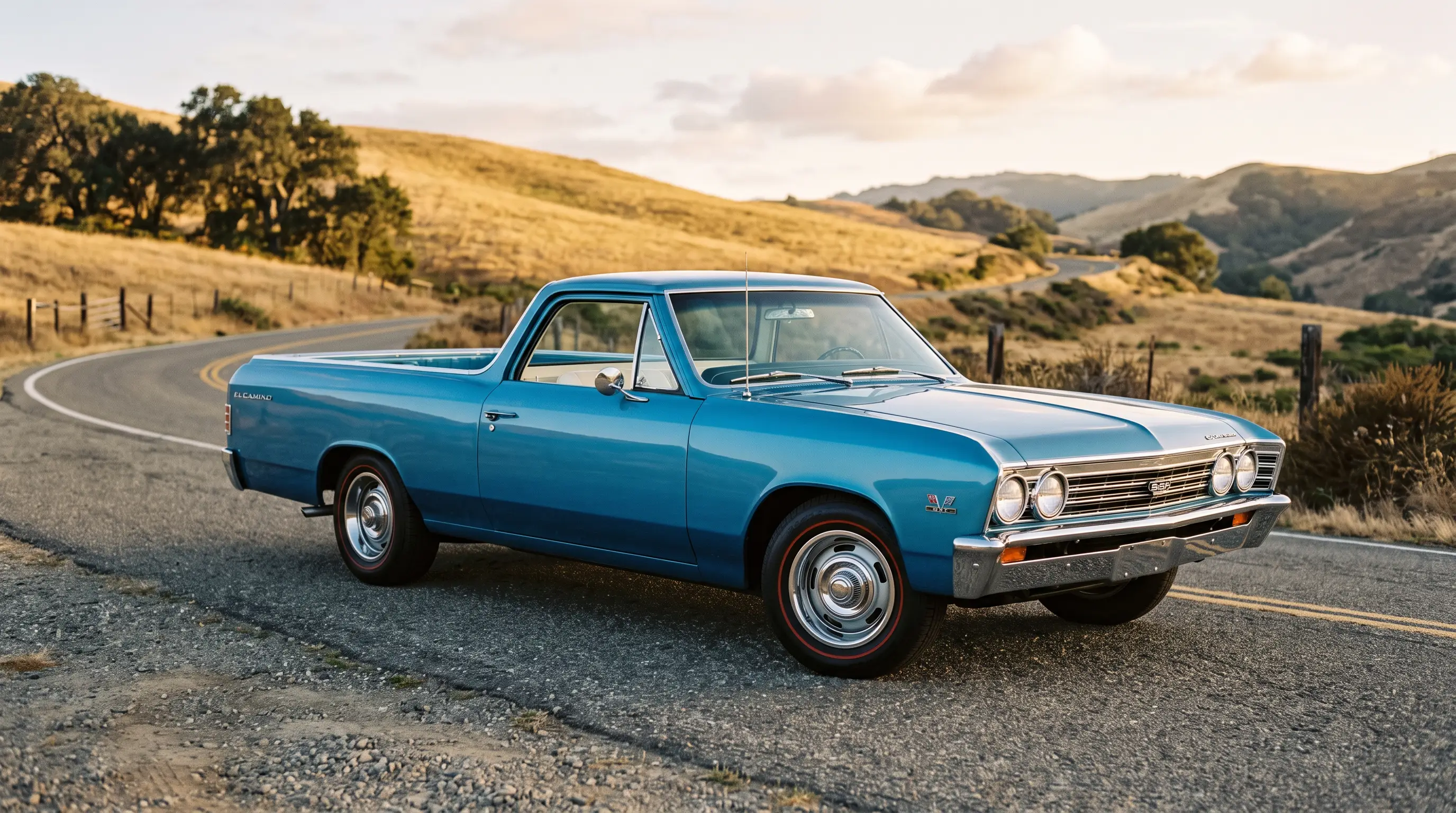
The 1967 El Camino occupies a strange spot in Chevrolet history. It is the last model year before the Chevelle platform was fully reskinned for 1968, and it is also the last El Camino built before Chevrolet leaned into the muscle car era with the SS 396 becoming a fixture rather than an option most buyers skipped. For collectors who care about transitional years, the 1967 el camino 1967 last of the early chevelles story is really the story of a car caught between two identities: the clean, restrained mid-size hauler of 1964 through 1966, and the swoopier, more aggressive shape that arrived a year later.
A body style on its way out
Chevrolet's second-generation El Camino ran from 1964 to 1967 on the Chevelle platform, and 1967 was the final year of that specific body. The car kept the crisp, squared-off lines that had defined the model since its introduction, but small trim revisions, a new grille texture, and revised taillamp treatments marked it as clearly different from the 1966 model even to a casual observer. Chevrolet made these updates every year on the Chevelle line, and the El Camino followed along as it always had, sharing sheet metal, chassis, and most mechanical components with its sedan and coupe siblings.
What makes 1967 worth singling out is timing. Chevrolet was already deep into development of the 1968 Chevelle, a car with a completely different profile, a longer hood, and a fastback-inspired roofline on the coupe. The El Camino would inherit that shape too, but not yet. In 1967 it was still riding on the older body, which by then had three full years of production behind it and a reputation as a comfortable, honest half-ton hauler rather than a factory hot rod.
The 396 big block becomes a real choice, not an afterthought
The 396 cubic inch big block engine had been available in the El Camino since 1966, and by 1967 it was a genuine, repeatable order rather than a rare curiosity, offered in multiple states of tune. It is worth being precise here: Chevrolet did not put Super Sport badging or an official SS package on the El Camino in 1966 or 1967. The 396 was simply an engine option those years. The El Camino did not get its own SS 396 model designation until 1968, a year after the redesign this article is about. The combination of a mid-size body with a big block engine still gave the 1967 El Camino a genuine straight-line performance case that had not really existed in the 1964 and 1965 model years, when six-cylinder and small block V8 power dominated production.
That said, 396-powered cars remained a minority build even in 1967. Most El Caminos left the factory as work trucks in spirit if not in name, ordered with practical six-cylinder or small block combinations and bench seats. The big block cars are the ones that get discussed at shows and auctions today, but they were never the majority of what Chevrolet actually sold, and buyers should be skeptical of any 1966 or 1967 car advertised with SS badging, since no such factory package existed yet. Anyone researching a 1967 El Camino for purchase should keep that context in mind. Rarity claims about big block cars deserve documentation, not assumption.
What changed cosmetically from 1966 to 1967
The differences are subtle enough that a casual buyer might miss them entirely. The grille lost some of its horizontal bars in favor of a simpler pattern, the taillamp lenses were revised, and side trim was adjusted slightly to differentiate the model year, as Chevrolet did across its entire lineup at the time. Interior trim also saw modest updates, with new upholstery patterns and dash details that mirrored what buyers found in the Chevelle sedan and coupe that same year.
None of these changes were dramatic, and that is precisely the point. Chevrolet was managing the tail end of a body cycle, not launching something new. The company's engineering and design attention for 1967 was already pointed toward the following year's redesign. Buyers who wanted the old, familiar shape one more time got it in 1967, and those who wanted the new coke-bottle profile with its more aggressive stance had to wait for 1968.
Why the last-of-its-kind status matters to collectors today
Cars that mark the end of a production run tend to attract a specific kind of collector interest, separate from cars that simply had the best performance numbers or the flashiest options. A 1967 El Camino represents closure on the second-generation design, and that narrative appeal has real weight for buyers assembling a collection built around design eras rather than raw horsepower. It sits alongside the 1959 to 1960 first-generation El Caminos and the 1964 to 1966 cars as the closing chapter of an era before the SS-focused 1968 to 1972 muscle years took over the model's public image.
Anyone wanting the earlier context on how this generation began should read the full story of the 1964 redesign that established the platform 1967 would close out. Understanding that starting point makes the 1967 model's role as a bookend much clearer, since so much of what defines the car is what it is not, rather than what came before.
"When I catalog a 1967 El Camino, I am not just documenting a truck. I am documenting the last page of a chapter Chevrolet closed quietly, without any fanfare, right before the SS 396 became the car everyone remembers this generation for."
- Sarah Whitfield
Buying and documentation considerations
Because 1967 sits at the seam between two very different eras of El Camino production, documentation matters more than usual. A build sheet, original invoice, or dealer paperwork confirming engine and trim codes can separate a genuine 1967 SS 396 from a car that has been dressed up to look like one, a common practice among sellers chasing the premium that SS badging commands. Original color, trim codes, and cowl tag information should be cross-checked against known Chevrolet production records before any serious offer is made, especially on cars advertised as numbers-matching big block examples.
Condition assessments should also account for the fact that these cars are now nearing sixty years old, regardless of trim level. Rust in the lower body panels, cowl area, and bed floor is common across the entire second-generation El Camino run, and 1967 examples are no exception. A clean title history and a paper trail of maintenance records will do more for long-term value than aftermarket cosmetic upgrades. Buyers serious about a genuine period-correct example should browse classic El Camino listings with documentation requests ready before committing to a purchase, since sellers who have done the legwork are typically more forthcoming with paperwork.
The 1967 model year will likely never carry the name recognition of the 1970 SS 454 or the first-generation 1959 batwing cars, and that is fine. It occupies a quieter, more specific place in Chevrolet history: proof that even a transitional, closing-out model year can matter a great deal to the people who understand exactly what came before it and what came right after.
Sources and notes
- SS396.com - 1966 El Camino Parts and Restoration Information
- SS396.com - 1968 El Camino Parts and Restoration Information
- Curbside Classic - 1968 Chevrolet El Camino SS 396
- Hagerty Valuation Tools - 1966 Chevrolet El Camino
- El Camino Central Forum - 1966 El Camino 396
- Wikipedia - Chevrolet El Camino