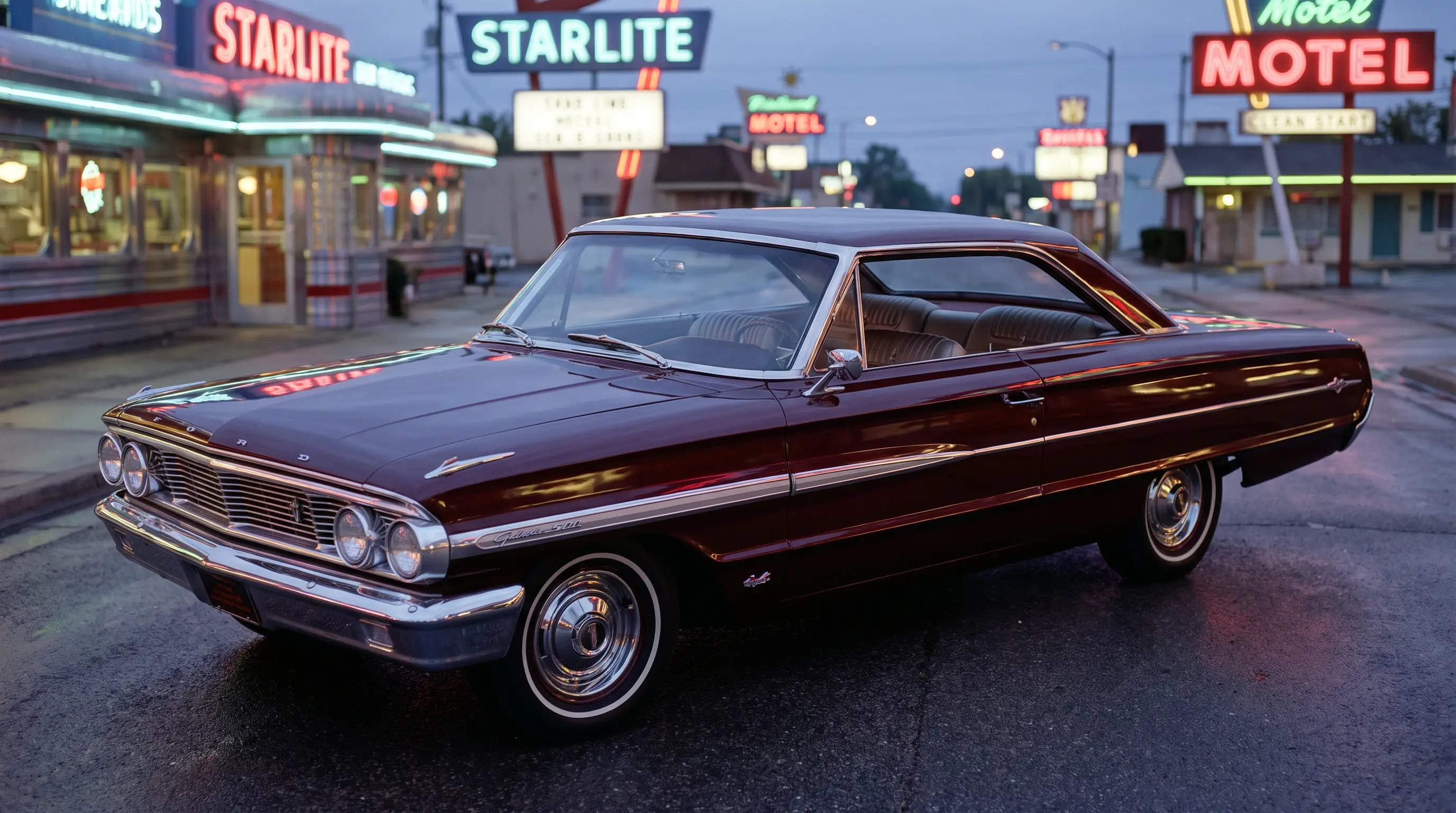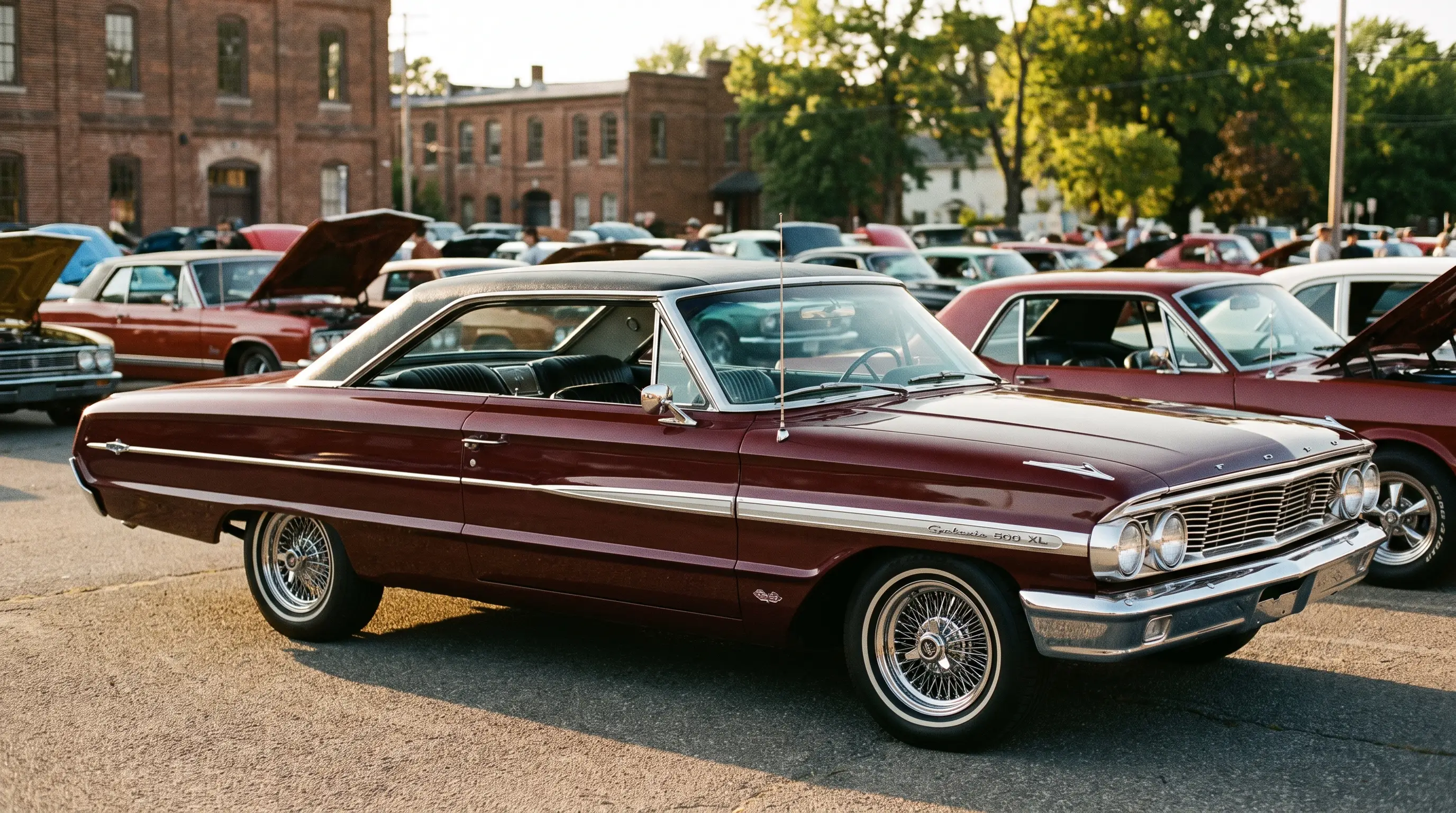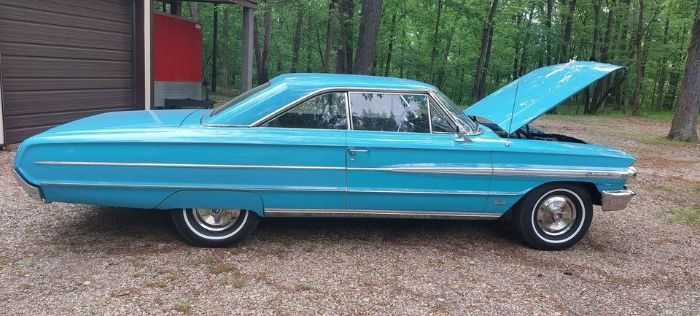
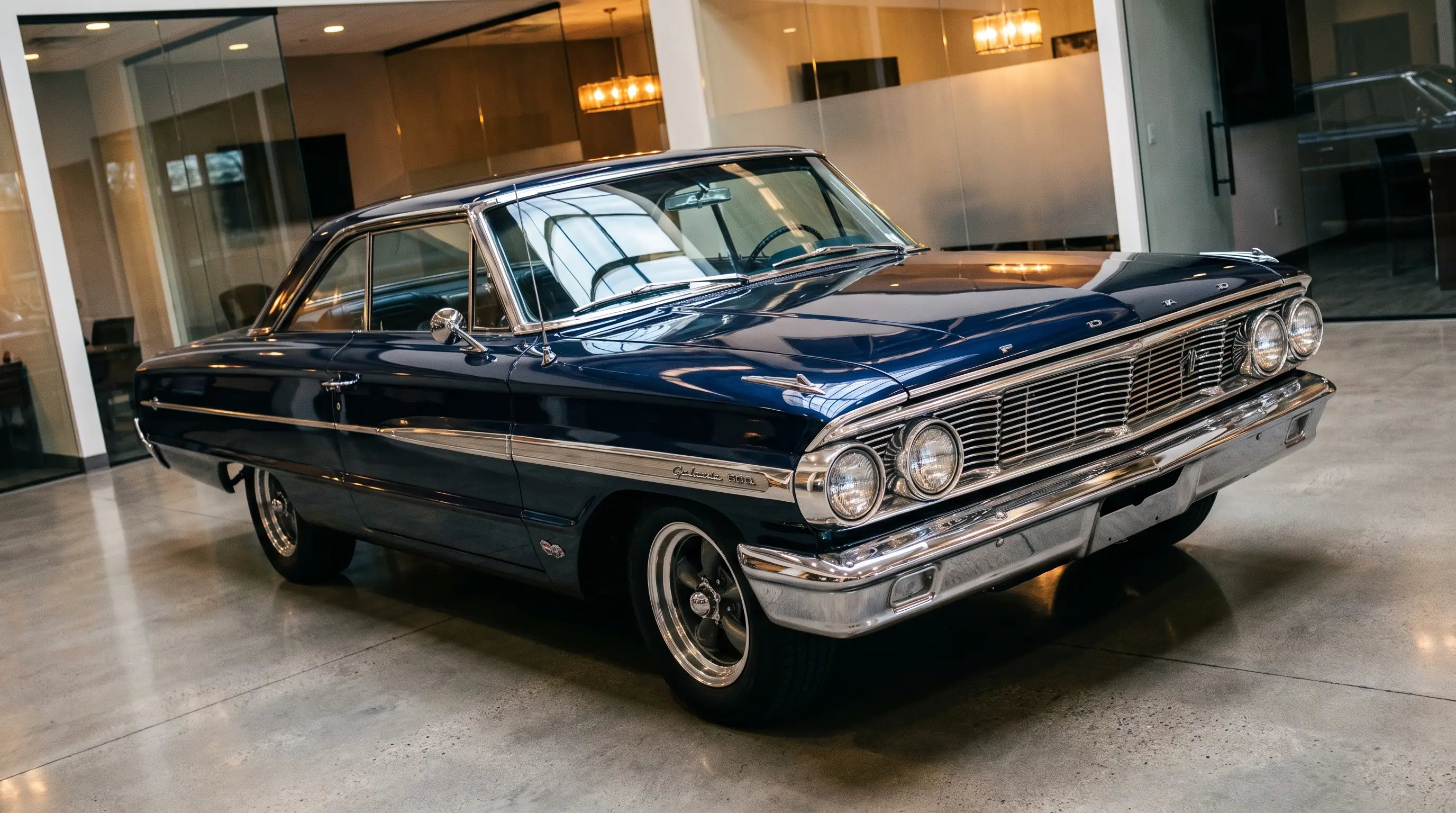
Value in this hobby rarely tracks nostalgia in a straight line, and the ford galaxie 500 xl collectibility narrative proves the point well. A full-size Ford with bucket seats and a console isn't rare in the way a limited-production muscle car is rare. What it has instead is a specific, defensible reason to be worth more than a base Galaxie, and that reason holds up under the kind of scrutiny I apply to any car before I put a number on it.
What actually drives value in this specific car
Four factors decide what a 500 XL is worth, and none of them is sentiment. Condition, documentation, drivetrain configuration, and how liquid that specific combination is in the current market. A rough driver with a base six-cylinder and no paperwork is a different asset class entirely from a documented, four-speed, bucket-seat XL with matching numbers. Both wear the same badge. Only one of them holds value the way collectors expect a 500 XL to hold value.
Documentation matters more here than with a lot of collector cars because the XL package touched so many individual components, seats, console, trim, wheel covers, that a car can look right and still be assembled from mismatched parts sourced over decades of ownership. A build sheet, a Marti Report or equivalent, and photographic history from before a restoration are the difference between an appraisal I'm comfortable defending and one I'd flag as speculative.
The risk side of the ledger
Every appraisal I write has a downside section, and the 500 XL's downside is straightforward. Parts availability for XL-specific trim, seats, console shells, and certain dash pieces, is thinner than parts for a comparable muscle car with a bigger enthusiast base. That scarcity cuts two ways. It supports value on a correct, complete car because replacements are hard to source. It punishes value hard on an incomplete car, because finishing the restoration correctly gets expensive and slow, and a lot of buyers underestimate that cost before they commit.
Liquidity is the other risk worth naming plainly. This isn't a car that moves in days at a major auction the way a documented Shelby or a rare Hemi car might. It's a steadier, slower market, which suits a buyer planning to hold for years but punishes anyone expecting a quick flip.
I'd also flag regional demand as a variable clients underestimate. A well-documented 500 XL can sit for months in a market saturated with full-size Fords, then sell within a week once it's listed somewhere with a stronger regional following for this specific model. That's not a flaw in the car. It's a reminder that liquidity isn't a fixed number, it moves with where and how a car is presented to buyers who actually want this exact combination of trim and history.
Restoration cost overruns deserve their own mention here too, because they're the single most common way I've seen buyers turn a reasonable purchase into a losing one. A car priced as a straightforward driver-quality restoration can quietly balloon once a shop opens up the floor pans or discovers the console shell was cracked and hidden under a replacement top. I tell every client the same thing before they bid, budget for the surprises, because on a car with this many small, specific trim pieces, there's almost always at least one.
| Value factor | Impact on price |
|---|---|
| Documented build sheet or Marti Report | Significant premium |
| Complete original XL interior | Premium, parts scarcity supports it |
| Four-speed or higher-output engine | Premium tied to NASCAR-era reputation |
| Incomplete or mismatched trim | Meaningful discount, costly to correct |
Why this car specifically, and not just any Galaxie
I get asked fairly often why I'd steer a buyer toward a 500 XL over a plainer Galaxie at a similar price. The answer is narrower margins for error but a clearer value story. A base Galaxie's worth is mostly about condition and originality in the abstract. A 500 XL's worth is about condition, originality, and a specific, well-documented sporting reputation tied to Ford's NASCAR era, which gives it a more defensible ceiling in a rising market. Buyers who want ford galaxie 500 xl history before they commit are doing the right kind of homework. That history is exactly what supports the premium this trim commands over its plainer siblings.
There's also a generational shift working in this car's favor that I think gets underweighted in most market commentary. Buyers now reaching their prime collecting years grew up around full-size 1960s Fords in a way they didn't grow up around earlier prewar iron, and that familiarity translates into genuine demand rather than pure speculation. I'd rather appraise a car with real, demonstrated buyer interest behind it than one propped up by a hype cycle that could reverse just as fast as it built.
Comparable trims from Chevrolet and Chrysler complicate the picture slightly, and I factor that into every 500 XL appraisal I write. A buyer choosing between a documented XL and a similarly specified Chevrolet Impala SS from the same era is making a genuine cross-shopping decision, and pricing has to acknowledge that competition rather than treat the Ford as if it exists in a vacuum. In practice, the XL tends to trail its Chevrolet equivalent slightly at the very top of the market, while closing that gap or exceeding it in the mid-condition range where documentation and completeness matter more than outright polish.
"I'll appraise a rough 500 XL higher than a pristine base Galaxie every time, because the story behind the trim is worth real money in this market. Just don't confuse a good story with a guaranteed one."
- Marcus Feld
What a buyer should actually check before committing
Before any 500 XL earns a serious offer from a client of mine, I want to see the build sheet or a Marti Report, a clear ownership history without long unexplained gaps, and physical evidence that the interior and trim match what the documentation claims. None of that guarantees a good deal on its own, but skipping it turns a defensible purchase into a gamble.
Readers who want the fuller condition and ownership context on this specific model should look at a related story covering how today's owners are actually using and maintaining these cars. And if the documentation and condition line up the way they should on a given example, there are usually a few solid Galaxies for sale now worth putting through exactly this kind of scrutiny before you sign anything.
My bottom line on this trim hasn't changed in years of writing appraisals on them. Buy the documentation first and the car second. A 500 XL with a thin paper trail is a bet on someone else's memory of what it used to be. A 500 XL with a real build sheet, a traceable ownership history, and matching trim is a bet on facts, and facts are what hold value when the broader collector market has one of its inevitable cool-down periods.