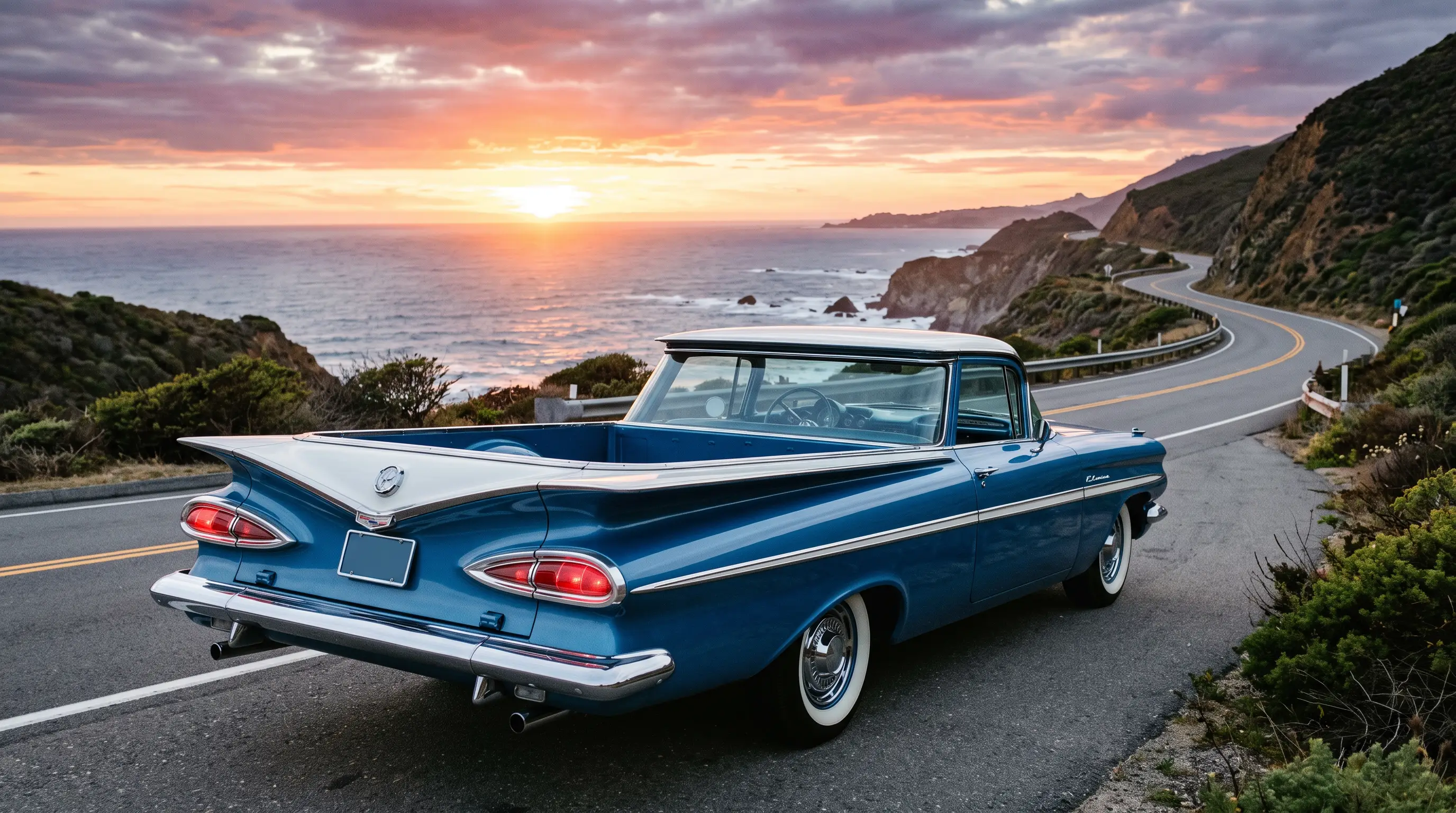
A Chevrolet dealer in the fall of 1958 had a problem, and it was parked across town at the Ford lot. For two years, anyone who wanted a car with a bed instead of a trunk had exactly one place to go, and it was not Chevrolet's showroom. When the 1959 El Camino finally rolled onto the floor, it was not just a new model. It was an apology, a catch-up, and a challenge, all rolled into one full-size, fin-finned package.
The car nobody had asked Chevrolet for, until suddenly everybody had
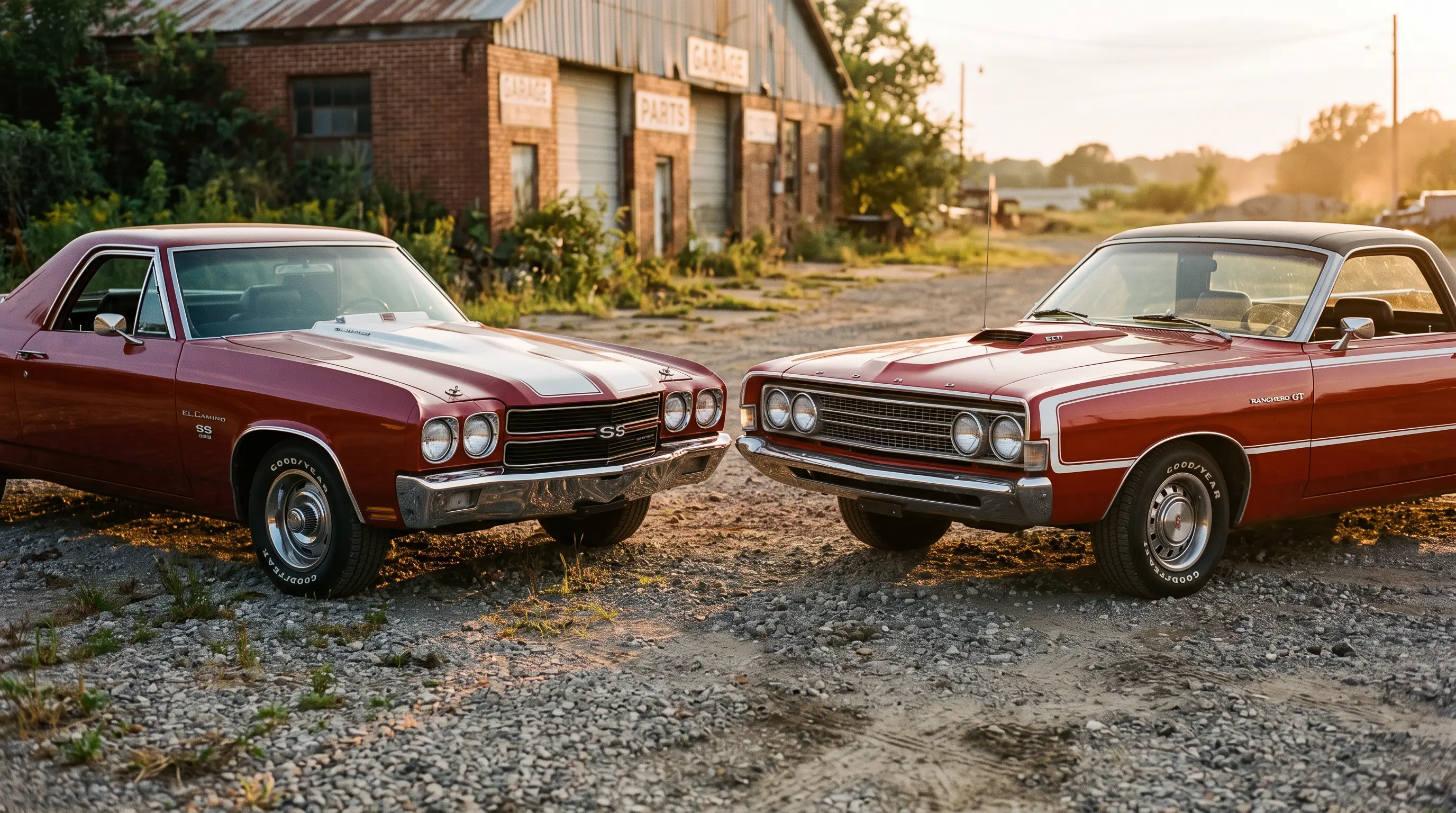
Ford's Ranchero had spent 1957 and 1958 quietly proving something the rest of Detroit had underestimated: buyers genuinely wanted a factory-built vehicle that split the difference between a family car and a pickup. It did not need to be marketed as a compromise. It could be marketed as the answer to two problems at once, and Ford leaned into that pitch hard, selling the Ranchero as a car that happened to haul rather than a truck wearing a costume.
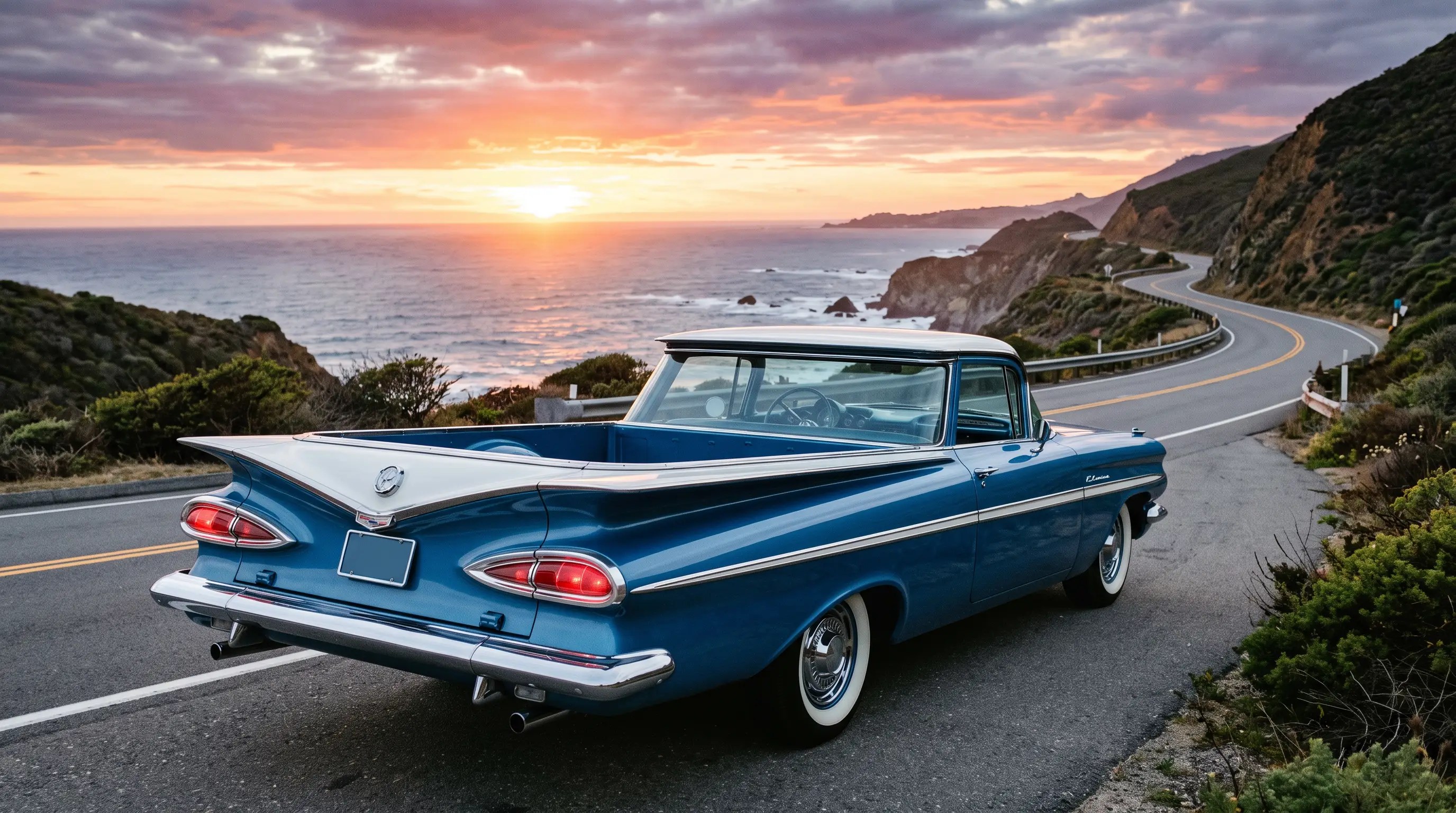
Chevrolet's engineers watched that pitch land with buyers and responded the only way a company with Chevrolet's resources could, by building its own version on the biggest, most dramatic canvas it had available in 1959, the full-size Impala platform, complete with the era's signature tailfins stretching back over a bed instead of a trunk lid. The result looked less like a modest utility vehicle and more like a spaceship that happened to carry lumber.
Two showrooms, two very different bets
Ford's bet by 1959 had already started shifting toward the compact Falcon platform that would define the Ranchero's next chapter. Chevrolet's bet, by contrast, was full-size, full-drama, and arguably a year or two behind where the segment was actually heading. Where the Ranchero increasingly read as sensible and efficient, the 1959 El Camino read as spectacular, dripping in the same chrome and fin styling that made the full-size Chevrolet Impala the visual showpiece of the entire GM lineup that year.
That contrast in personality shaped how each car found its audience. Buyers drawn to the Ranchero's compact practicality and buyers drawn to the El Camino's full-size showmanship were, in a real sense, shopping two different value propositions that happened to share the same basic concept. The showdown was never really a fair fight on paper, because the two cars were not actually competing on the same terms.
What the showroom floor actually decided
Sales figures from that debut year tell a quieter story than the styling drama suggests. The 1959 El Camino sold in respectable but not overwhelming numbers, enough to justify a second model year but not enough to convince Chevrolet's leadership that the full-size format had real staying power. Ford, meanwhile, was already preparing to move the Ranchero onto the Falcon platform for 1960, a decision that would let it keep selling steadily while Chevrolet's full-size answer quietly ran out of runway.
What makes 1959 worth remembering is not who won that particular year, since neither company's bookkeepers would have called it decisive. What makes it worth remembering is that it was the only year both companies were building genuinely full-size, genuinely showy versions of the same idea, before the segment's whole direction shifted toward smaller, more efficient platforms for good.
"Somewhere in a 1959 showroom, a salesman was pointing at those fins and promising a customer this was the future. He was half right. It just was not the future of this particular car."
- Nora Beckett
The showroom experience itself
Walking onto a Chevrolet lot in late 1958 to see the new El Camino for the first time was, by most contemporary accounts, closer to viewing a concept car than shopping for a work vehicle. Salesmen leaned hard into the styling, pointing out the shared sheet metal with the Impala, the wraparound windshield, and the sculpted rear fins that swept back over the bed rails like nothing else on a utility vehicle at the time. This was a deliberate strategy. Chevrolet wanted buyers to feel they were getting a genuine Impala experience with a bonus, not a stripped-down truck with a car's face bolted on.
Ford's showrooms told a different story that same season, one built around thrift and sensibility rather than spectacle. A Ranchero buyer in 1959 heard about fuel economy, easy parking, and a lower price point rather than styling drama, since Ford was already signaling the shift toward the Falcon platform that would define the nameplate's next chapter. Two buyers walking into two different showrooms that same weekend would have come away with two entirely different impressions of what a car-truck was supposed to be, and neither one was wrong. They were simply being sold two different visions of the same basic idea.
Why this single year still matters
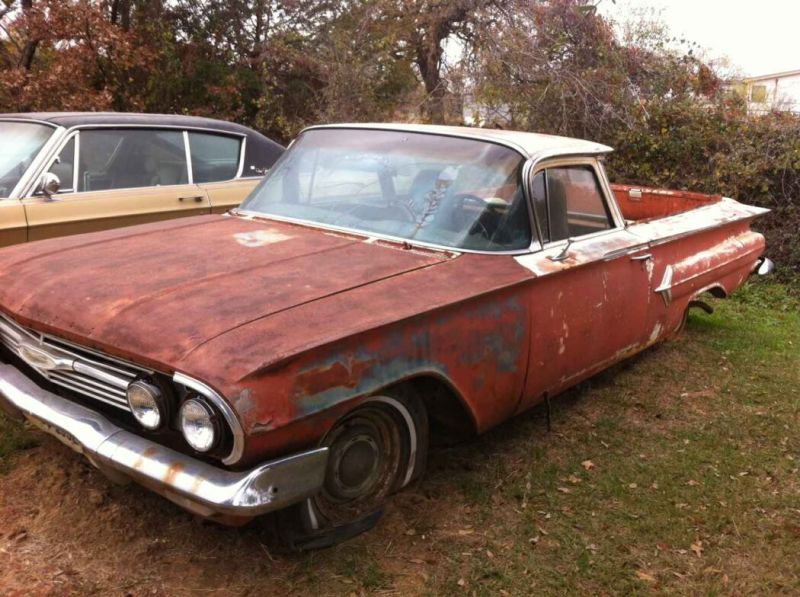
Collectors who chase the 1959 El Camino today are, in effect, chasing a moment that Chevrolet itself would soon walk away from. The full-size format lasted only two model years before the company shelved it, which means every surviving 1959 example is a physical artifact of a road not taken, a version of the car-truck concept that never got a second act. That scarcity gives the 1959 model a weight that later, more common model years simply do not carry.
For readers who want the fuller sweep of how this rivalry actually played out beyond this single showdown year, read the background covers the whole arc, while worth a look too picks up the story exactly where 1959 left off, in the very next round of this back-and-forth. And for anyone who has read enough history and wants to see what actually survives, shop classic El Camino listings for the cars that carried those fins into the present day, six and a half decades after that first showroom standoff.
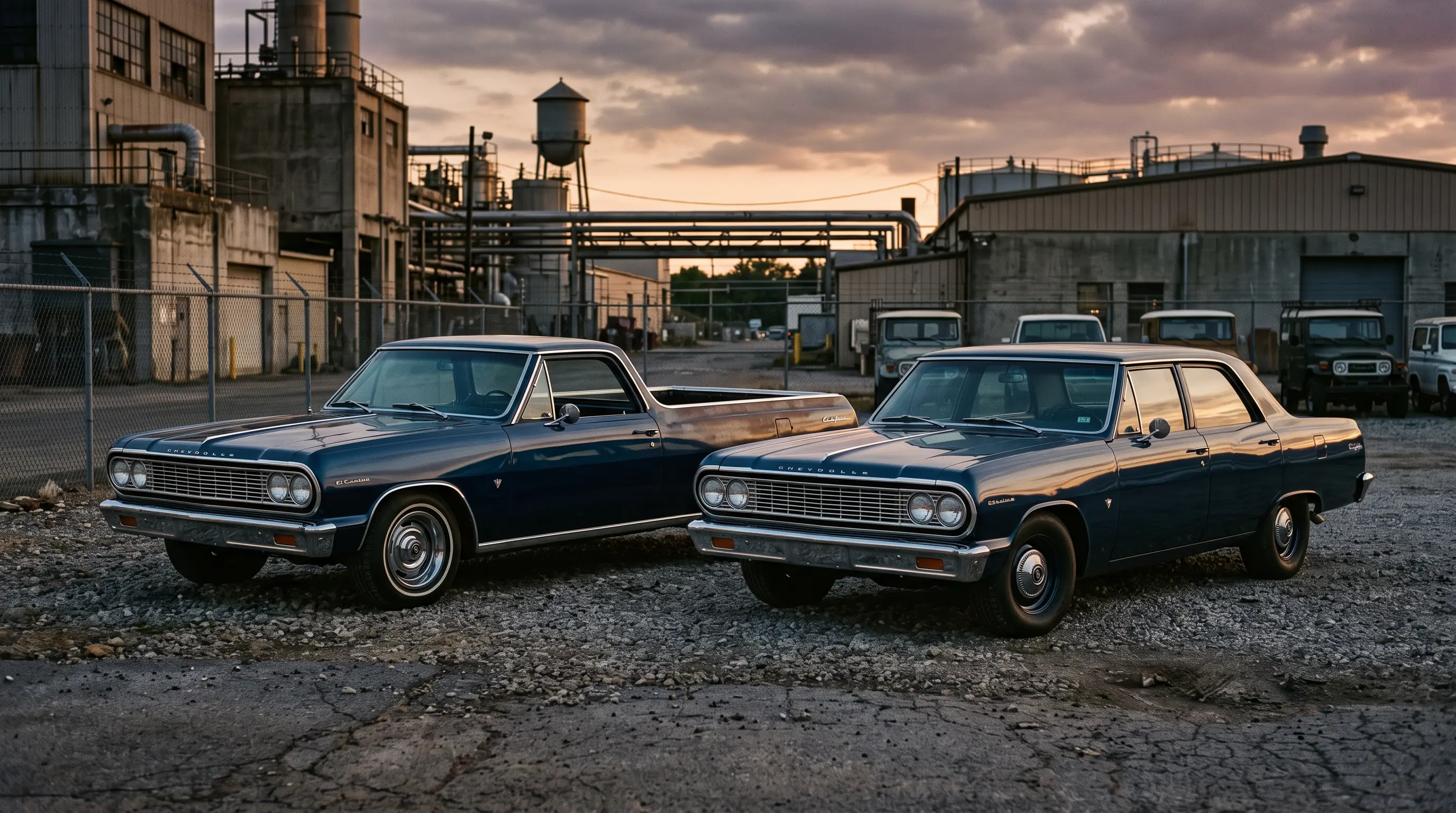
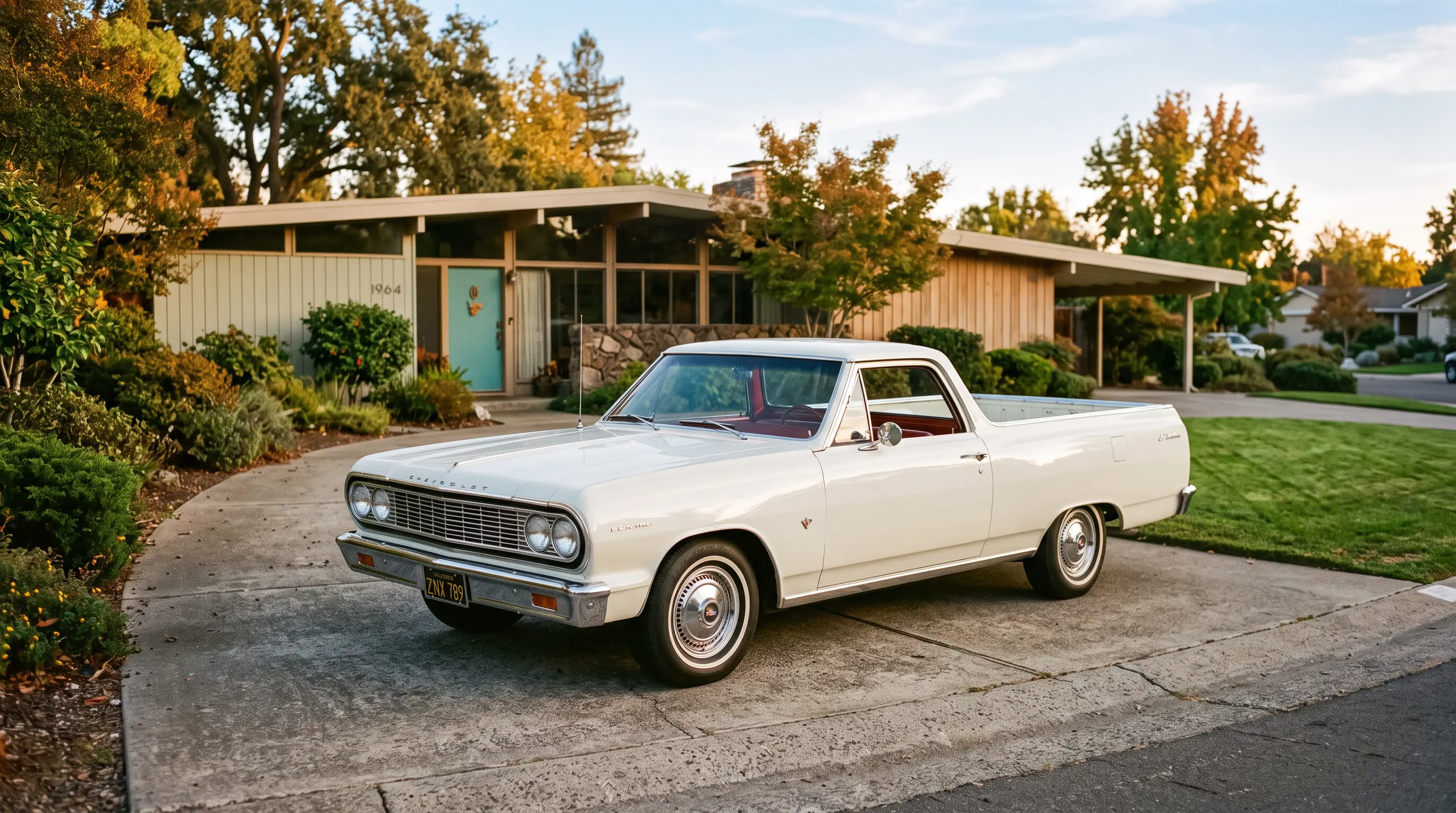
What lingers most from that single model year is not a sales chart but an image, a full-size, chrome-laden car with a bed where the trunk should be, built by a company that was still figuring out whether the concept deserved that much spectacle. Chevrolet would eventually decide it did not, at least not on that particular platform, and would walk the styling back considerably when the El Camino returned in 1964 on the smaller, more restrained Chevelle body. But for one model year, 1959 gave American buyers something neither company would ever quite build again: a car-truck dressed like it belonged on a boulevard, not a job site. That single, unrepeated year is exactly why collectors still treat it as a category of its own, distinct from everything that carried the El Camino name afterward.
There is something almost touching about how briefly this particular version of the idea existed. A styling department given a mandate to make a work vehicle look like the most glamorous car in the showroom does not get that kind of freedom twice, and Chevrolet, once it saw the sales figures, never gave it that freedom again. The El Camino that returned five years later was a smarter car by almost every practical measure, lighter, cheaper to run, and eventually far more successful in the marketplace. But it was also a quieter car, one built to blend into the Chevelle lineup rather than announce itself the way the 1959 model did. Something was gained in that transition, and something, a little bit of that reckless, oversized confidence, was quietly left behind on the showroom floor of 1959 and never fully recovered.