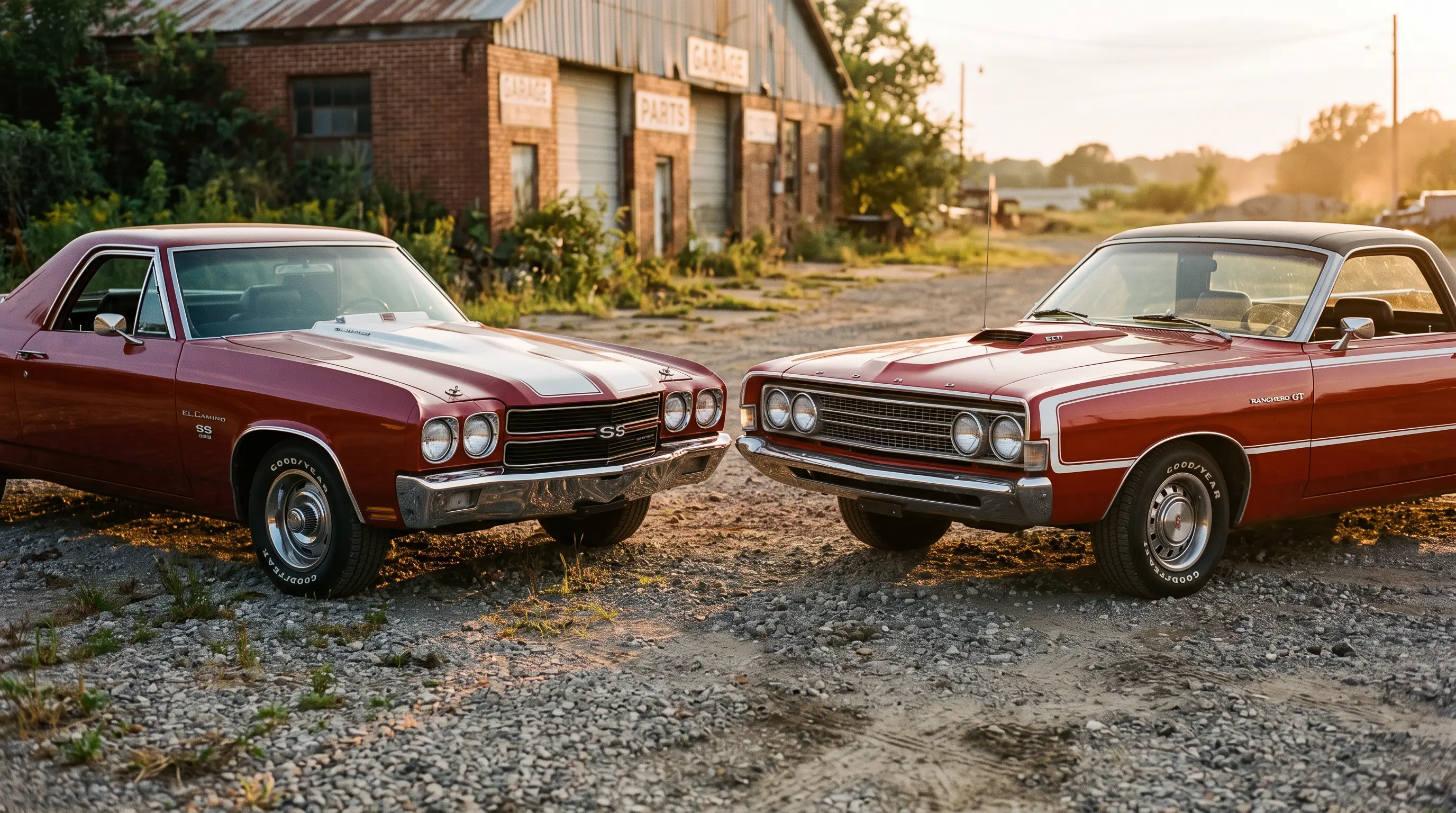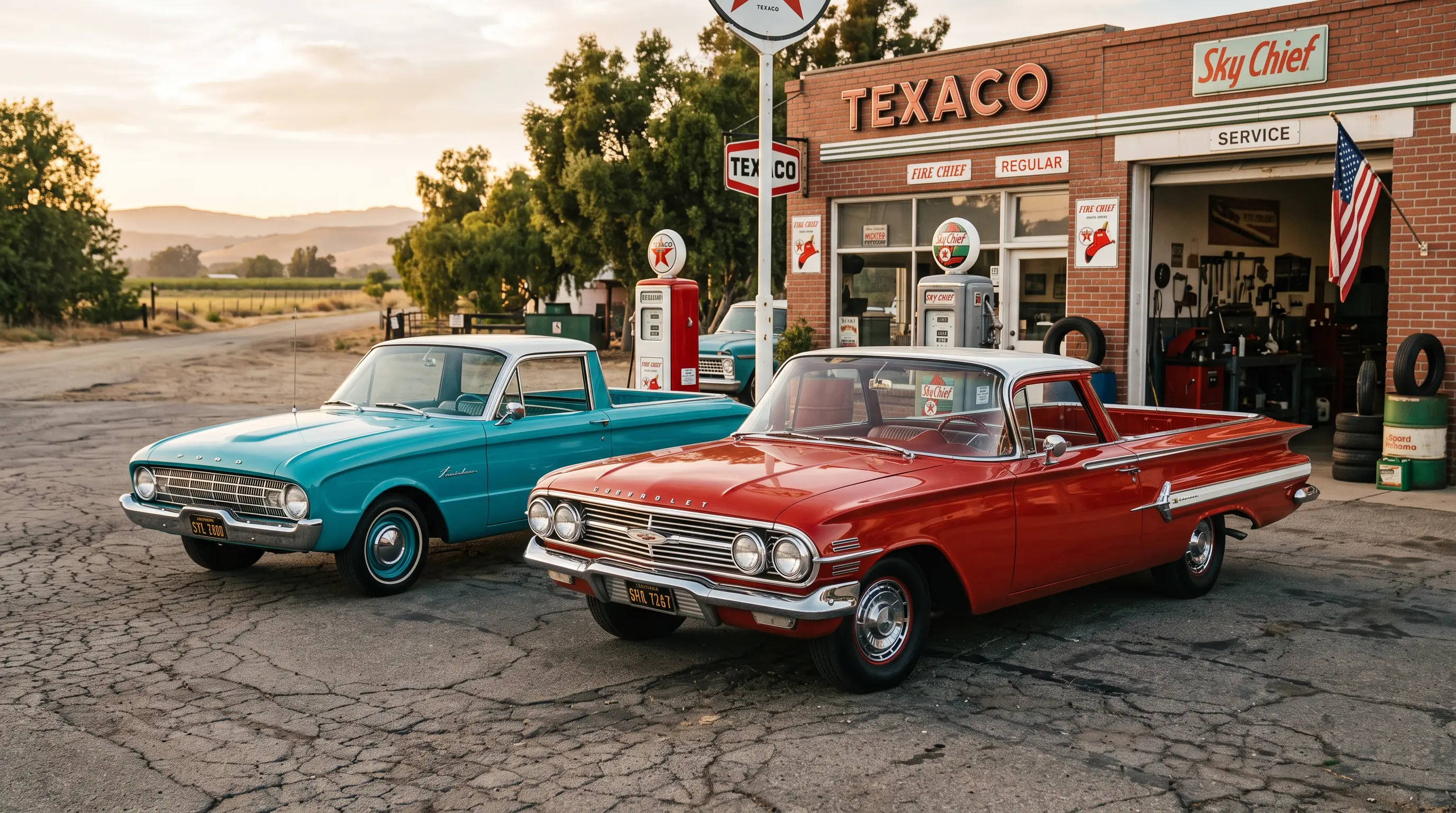
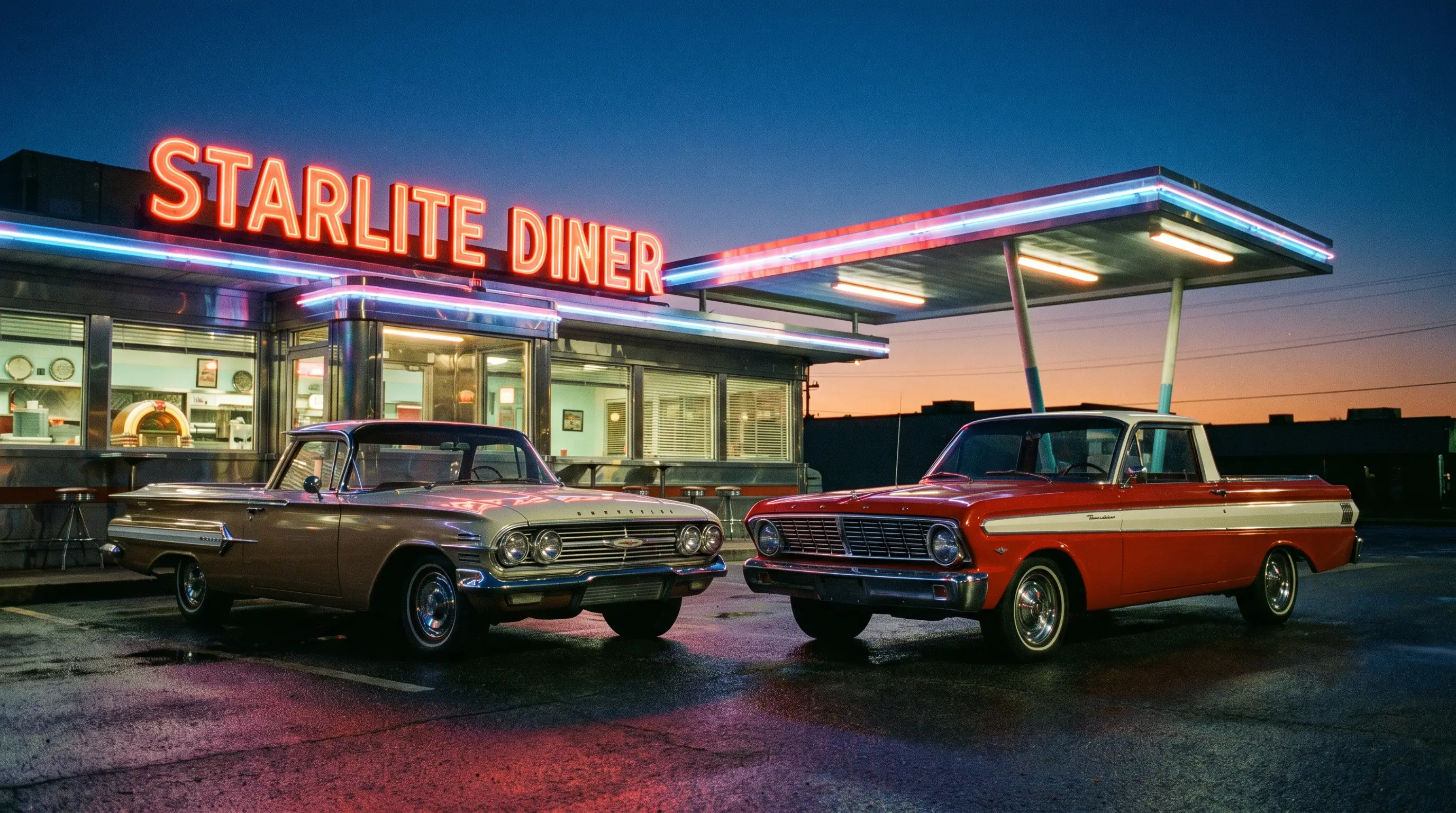
Two guys pull into the same gas station lot on a Saturday morning, one in a Chevelle-based El Camino, the other in a Falcon-based Ranchero, and within thirty seconds they are arguing about which one is the real car-truck. Neither one is going to concede an inch. That scene has played out at cruise nights and swap meets for sixty years, because the El Camino versus Ranchero rivalry was never really about specifications. It was about which company got there first, and which one built the version that actually stuck.
Two companies, one idea, different timing
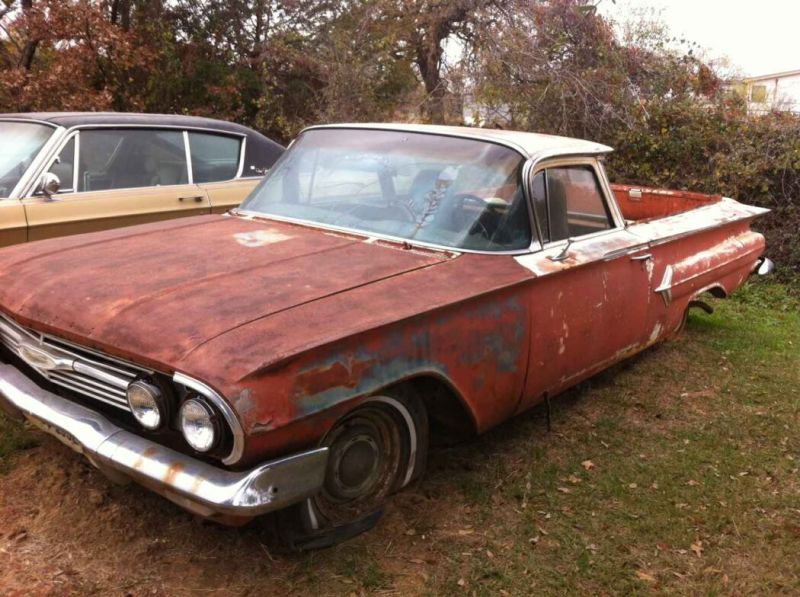
Ford beat Chevrolet to the car-truck concept by launching the Ranchero in 1957, built on the full-size Ford platform before later moving to the compact Falcon chassis. Chevrolet answered in 1959 with a full-size El Camino of its own, matching Ford's format almost feature for feature. Both companies had essentially made the same bet: that American buyers wanted a vehicle with a car's ride and a truck's cargo bed, without committing to either extreme.
The early rounds of the rivalry were close, but neither full-size version proved especially durable in the marketplace. Chevrolet dropped the El Camino after 1960. Ford kept the Ranchero going by shifting it onto the compact Falcon platform in 1960, which turned out to be the smarter long-term move, since the smaller, lighter Ranchero suited daily use better than its full-size predecessor and kept selling steadily through the early 1960s while Chevrolet had nothing to compete with it.
The Chevelle answer changes the equation
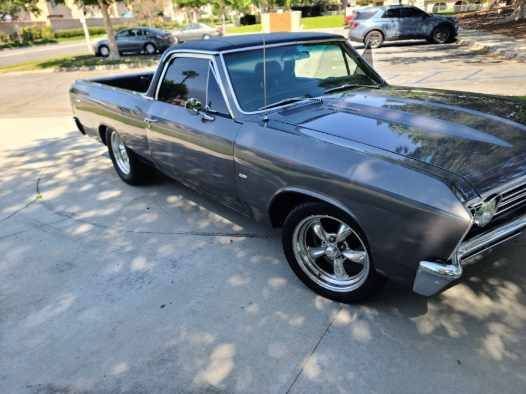
Chevrolet's response came in 1964, when the El Camino returned built on the new Chevelle platform rather than the old full-size chassis. This was the turning point in the rivalry. Where the Ranchero had the compact Falcon advantage to itself for four years, the Chevelle-based El Camino matched it with a mid-size body that offered more presence and, eventually, access to genuine muscle car engine options that the Falcon-based Ranchero could not match as directly.
By the late 1960s, as both nameplates chased the muscle car boom with SS and GT-badged performance variants, the rivalry sharpened into something closer to the Chevelle versus Fairlane fight happening in the sedan market, just with beds instead of trunks. Buyers loyal to one brand rarely cross-shopped seriously, but the two vehicles were close enough in concept and positioning that dealers and buff-book road tests treated them as direct competitors for the rest of both nameplates' production runs.
Why the El Camino ultimately outlasted its rival
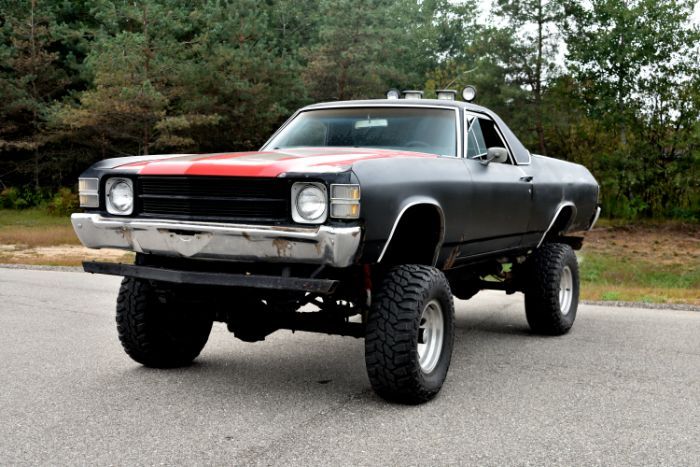
The rivalry did not end in a draw. Ford discontinued the Ranchero after the 1979 model year, while Chevrolet carried the El Camino forward onto the downsized G-body platform and kept building it through 1987. That eight-year gap matters to how the rivalry is remembered today. The El Camino got the last word simply by staying in production longer, which means it also picked up a longer run of model years, more variants, and more cultural touchpoints for enthusiasts to attach themselves to.
Part of that longevity traces back to GM's broader commitment to the G-body platform across multiple divisions through the 1980s, which kept the El Camino's tooling and parts supply economically viable long after Ford had moved on from body-on-frame compacts entirely. Ford's decision to end the Ranchero was as much a platform strategy call as it was a verdict on the car-truck concept itself, but the practical result was the same: one nameplate kept going, and the other did not.
"Ask a Ranchero owner and an El Camino owner who won, and you will get two completely different answers delivered with the exact same confidence. That is the whole rivalry in one sentence."
- Patrick Walsh
How the buff books kept score
Period road tests rarely declared a clean winner, and reading them today shows why the rivalry never really resolved. Magazine comparisons through the late 1960s and 1970s tended to praise the El Camino's ride quality and available big-block power while giving the Ranchero credit for a slightly tighter turning circle and, in some model years, a lower base price. Neither advantage was decisive enough to settle the argument, and that ambiguity is exactly what kept both nameplates selling in parallel for two decades instead of one clearly beating the other into irrelevance.
Dealers leaned into that ambiguity rather than fighting it. Chevrolet and Ford showrooms both marketed their car-truck as the practical choice for a buyer who wanted one vehicle instead of two, a sedan for the week and a truck for the weekend, and both brands' advertising copy from the era reads almost like a direct rebuttal to the other, right down to similar phrasing about versatility and value. That parallel marketing push is part of why the rivalry felt so personal to period buyers. Choosing one nameplate over the other was as much a statement about brand loyalty as it was a decision about cargo capacity or ride comfort.
What the rivalry means for collectors today
For collectors, the practical legacy of this rivalry is a healthy secondary market built on genuine cross-shopping. Buyers researching one nameplate almost always end up comparing it to the other, since both cars occupy the same niche and often the same price bracket at auction. Anyone who wants the full el camino vs ranchero history, from the competing 1957 and 1959 launches through the divergent endings decades later, gets a clearer picture of why both cars still draw crowds at the same shows, and a related story digs further into the earlier chapters of this back-and-forth for readers who want the blow-by-blow rather than the summary.
The rivalry also shapes buying decisions in a very direct way. Enthusiasts drawn to the badge-engineering drama and the muscle car connections tend to end up shopping both nameplates before committing, since the underlying appeal, a genuinely usable, genuinely fun car-based truck, is close enough that the final decision often comes down to brand loyalty rather than hard specifications. For anyone ready to act on that comparison rather than just read about it, El Caminos for sale now offer a starting point for seeing how the rivalry's winner is actually priced in today's market.
Prices for both nameplates track each other more closely than casual observers expect, with condition, documentation, and engine option mattering far more to final value than which badge sits on the fender. A well-preserved SS El Camino and a comparable GT Ranchero from the same model year often land in similar territory at auction, which suggests the market has quietly settled a rivalry the fans themselves refuse to concede. Whichever side of that argument you land on, the fact that both cars still command that kind of attention decades after production ended is its own answer to the original question of whether the concept was worth building in the first place.
Regional loyalty played a bigger part in this rivalry than most national retrospectives admit. In parts of the Midwest and the South, Ford dealer networks were dense enough that a Ranchero was simply the easier car-truck to service and find parts for, while in California and the Southwest, Chevrolet's dominance in the muscle car and custom scenes gave the El Camino a cultural edge that outlasted any argument about turning circles or base prices. Neither company ever fully cracked the other's home turf, which is part of why the rivalry never produced a clean national verdict the way some model matchups eventually do.
Auction houses today sometimes schedule an El Camino and a comparable Ranchero back to back specifically because bidders show up for both, a scheduling trick that would not work if the rivalry had actually been settled decades ago. That ongoing tension, more than any spec sheet comparison, is the clearest evidence that this particular argument between two car companies never really ended. It just moved from dealer showrooms to auction blocks and swap meet parking lots, where it continues today with exactly the same stakes and exactly the same amount of good-natured stubbornness.