
Every swap meet has a corner where this argument starts back up, and I have refereed it more times than I can count. Somebody leans on a fender, points across the aisle at a Ranchero, and says the El Camino only won because Chevrolet had a bigger dealer network. Somebody else says the opposite. Nobody actually settles it, which is the fun of it, but after thirty years of club meetings I think the record is a lot clearer than the argument makes it sound.
Car Features
7 min read
Which Cartruck Actually Won the War
Ford's Ranchero came first, but Chevrolet's El Camino outlasted it by nearly a decade. Here is who actually won the cartruck rivalry, and why.
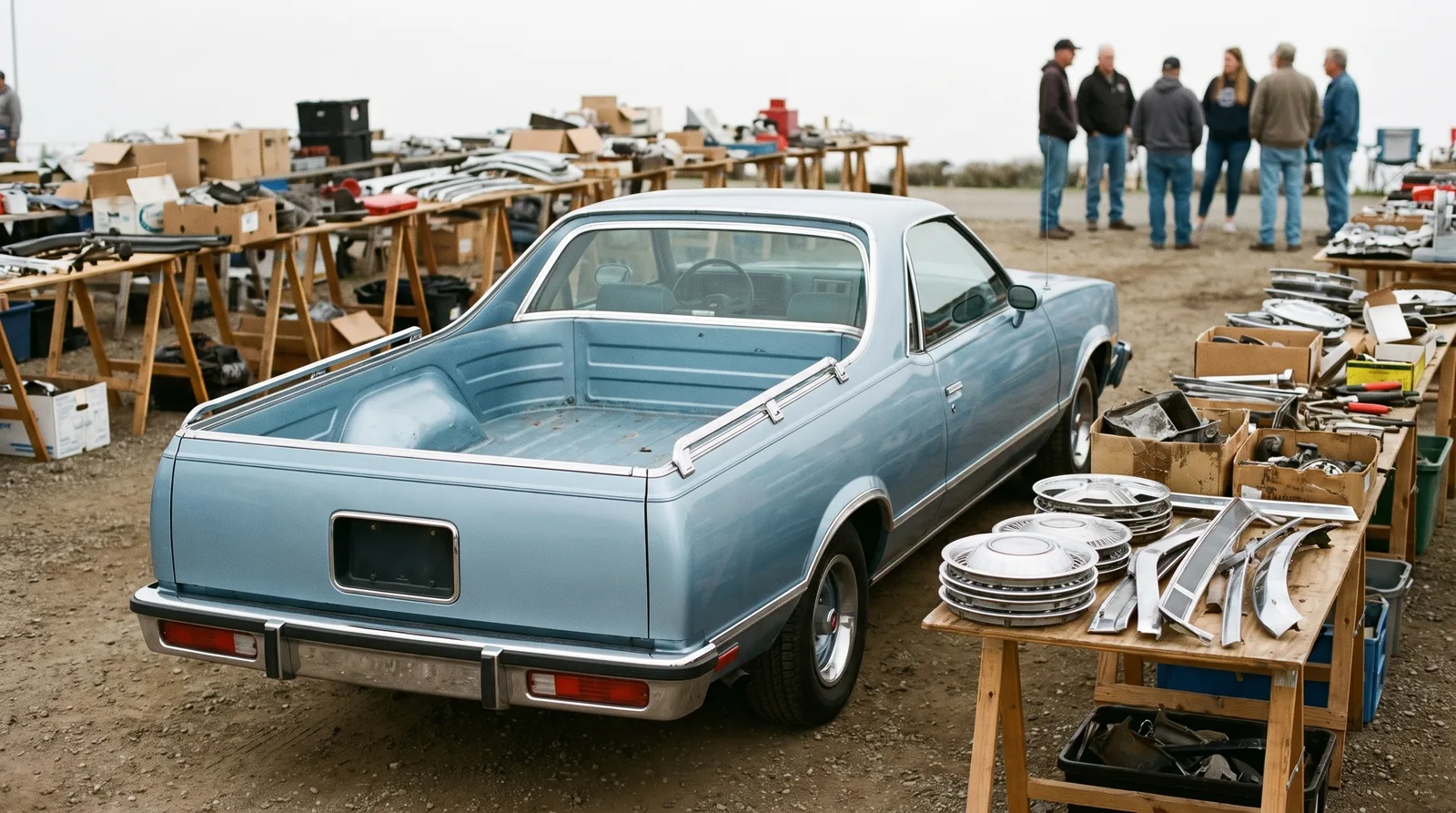
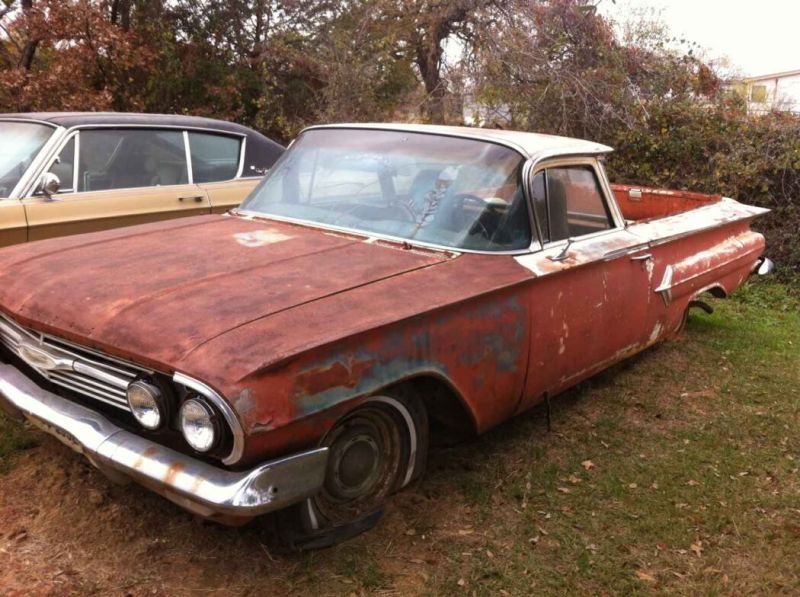
Ford drew first blood. The Ranchero showed up in 1957, built off the full-size Ford wagon body, and it sold well enough that Chevrolet could not pretend the segment did not exist. The El Camino arrived two years later, in 1959, wearing that year's famous batwing fins, and it was Chevrolet's answer to a question Ford had already asked. If you are scoring on who invented the American cartruck, Ford wins that round outright. Anyone who tells you otherwise is rewriting history to make their preferred brand look better.
I bring this up every time because new folks at the club always assume the fight was a straight line, El Camino versus Ranchero from the first year to the last, one winner declared at the finish. It was not. It was two companies watching each other, blinking, adjusting, and occasionally walking away from the table entirely. Understanding those gaps matters more than most people think when you are trying to figure out which car actually earned its reputation.
The false start nobody likes to talk about
Here is the part that gets glossed over: Chevrolet blinked first. The full-size El Camino lasted exactly two model years, 1959 and 1960, then Chevrolet pulled it from the lineup entirely. Ford kept building Rancheros the whole time, downsizing to the compact Falcon platform for 1960 and just continuing on. For four full years, from 1961 through 1963, there was no El Camino at all. If the war had ended there, Ranchero would have taken it by forfeit.
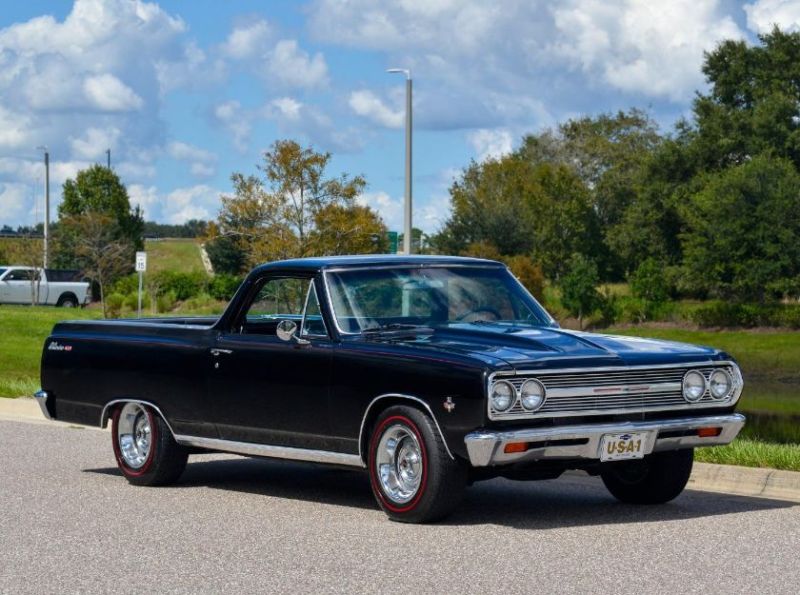
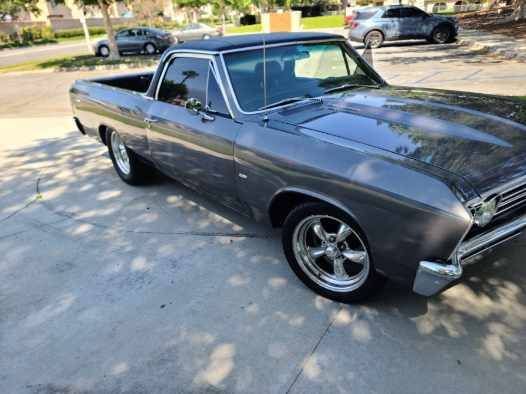
Chevrolet came back in 1964 with an El Camino built on the new Chevelle platform, and that decision is the one that actually decided the fight. The Chevelle-based car had a mid-size personality with real performance potential, and by the late 1960s that potential turned into the SS 396 and eventually the SS 454. Ford answered with Ranchero versions on the Fairlane and Torino platforms, including GT trims with big-block power, and for a few years in the early 1970s the two were trading blows almost evenly. The whole picture of that back-and-forth is worth reading if you want the full generation-by-generation breakdown instead of just my bar-stool version.
Where the numbers actually separated them
What tipped the balance long term was not any single model year, it was staying power. Ford discontinued the Ranchero after the 1979 model year and never brought it back. Chevrolet kept building El Caminos through the malaise years, downsized the car onto the G-body platform for 1978, and kept it in production all the way to 1987. That is nearly three decades of El Camino production against about twenty-two years of Ranchero, with a four-year hole in the middle of Chevrolet's run to boot. Total Ranchero production across its whole 1957-1979 run comes to 508,355 units, while El Camino production across its two runs likely tops that number, though exact combined totals get argued over depending on which years and trims you count.
Longevity is not the same as sales dominance in any given year, and there were plenty of years where Ranchero outsold El Camino head to head. But the brand that is still talked about at every classic car show, still gets restomodded, still shows up in a Breaking Bad movie title, is the one that survived into the 1980s and built a next generation of fans while the competition had already gone quiet.
Round by round, year by year
Break the rivalry into eras and the picture gets more interesting than a single verdict allows. In the late 1950s, Ford's original Ranchero had the field entirely to itself for two years before Chevrolet showed up, and then had it again for four more years once Chevrolet walked away. Call that stretch a clean Ranchero win, no asterisks needed.
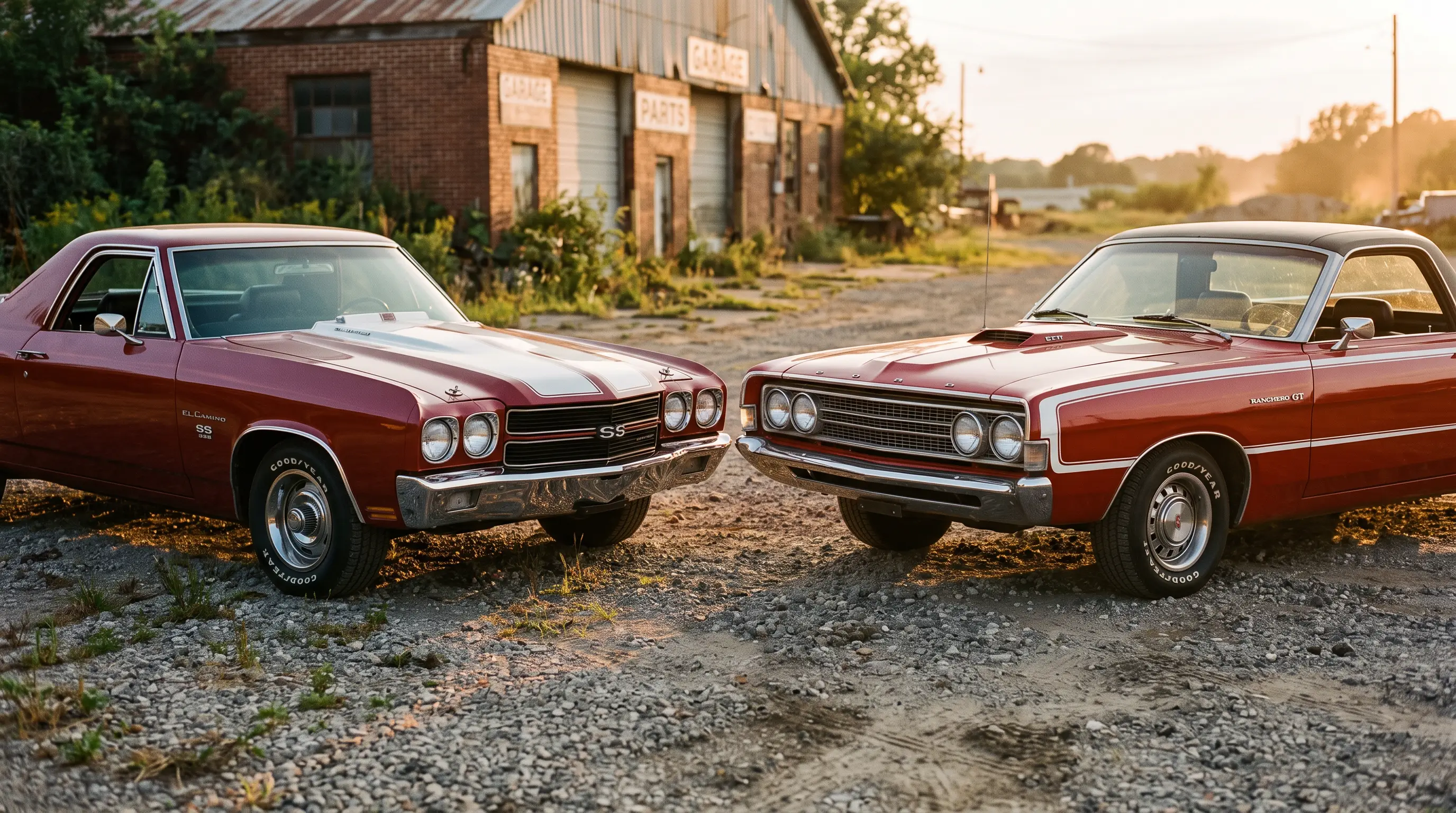
The mid-1960s through early 1970s is where the fight actually gets close, and it is the stretch most people mean when they invoke this rivalry at all. Chevelle-based El Caminos and Fairlane or Torino-based Rancheros traded performance packages almost year for year, culminating in the SS 454 against the Ranchero GT with the 429 Cobra Jet. Pick either one from roughly 1968 through 1972 and you have a legitimate muscle car with a bed welded onto it, and neither side should be embarrassed to own one from that window.
After that the rivalry got lopsided again, but in the other direction. Emissions regulations gutted horsepower across the board through the mid to late 1970s, Ford let the Ranchero fade into a plainer, less aggressive vehicle, and then killed it outright after 1979. Chevrolet, meanwhile, kept refining the El Camino, moved it to the smaller G-body platform in 1978, and kept selling it into the mid-1980s alongside a genuine SS package that still had some bite. That final decade belongs to Chevrolet by default, since there was no Ranchero left standing to compete with it.
The case each side actually has
Ranchero people have a fair argument and I will not pretend otherwise. Their car came first, it stayed closer to a genuine truck-like utility vehicle in its early compact years, and the GT versions of the late 1960s and early 1970s had real muscle credentials that do not get enough respect today. A well-sorted 429 Cobra Jet Ranchero GT is not a car you should sleep on, and anyone who dismisses it outright has not actually driven one.
El Camino people have the longer résumé and the deeper bench. More model years means more variety, more trim levels, more engine combinations across more decades, and a bigger surviving population today, which matters enormously if you are trying to buy parts or find a car in the condition you want. It also means more generations of buyers grew up with one in a driveway somewhere, which built a fan base that just kept compounding.
"I have judged shows where Rancheros and El Caminos parked side by side, and the crowd always drifts toward whichever one has the better story attached, not whichever one technically outsold the other in 1970. That tells you something about who actually won."
- Wayne Coburn
So who actually won
If the question is which company invented the segment, Ford did, no argument. If the question is which car built the bigger, longer-lasting following that still shapes the collector market today, that is Chevrolet, mostly because they simply kept building the thing for longer and gave it a muscle-car chapter that Ranchero could only partially match. War is a strong word for what was really a decades-long sales rivalry between two dealer networks, but if you force me to pick a winner at the finish line, I am picking the car that outlasted its rival by most of a decade.
None of that makes a good Ranchero a bad buy, and none of it should stop you from cross-shopping both if you are hunting for one of these coupe utilities. If the El Camino side of the argument has you convinced, you can go find a classic El Camino and decide for yourself whether the reputation matches the reality once you are standing next to one.
Sources and notes
Related Reading

About the author
Wayne Coburn
Longtime Corvette owner, judge and club figure who knows the cars, the records and the people behind them.
Related Listings - Chevrolet El Camino




Comments
Be the first to comment on this article.