
I have had my hands inside both of these engines, and I am not going to dress this up with a bunch of romance about American iron. The El Camino SS 454 and the Ranchero GT with the 429 Cobra Jet were the two best factory muscle cartrucks Detroit ever built, full stop, and if you want to know which one actually wore the crown, you need to look at what was under the hood, not just what looked good in the brochure.
Car Features
7 min read
The Muscle Crown: SS 454 Versus Ranchero GT 429
A shop-floor comparison of the El Camino SS 454 LS6 and the Ranchero GT 429 Cobra Jet, and why documentation matters more than the horsepower number on the sticker.
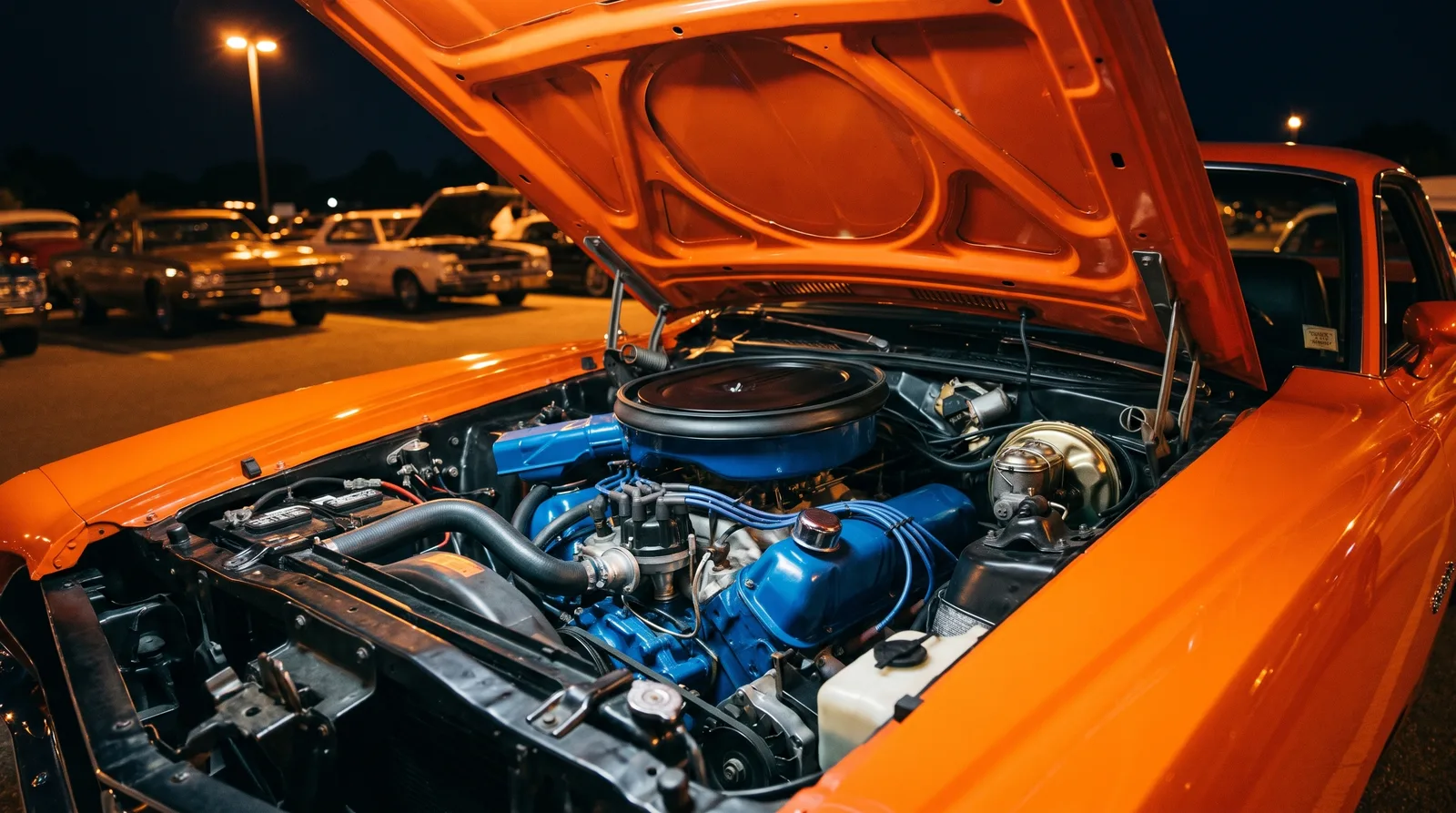
People walk into the shop with a magazine clipping and ask me to settle the argument in five minutes, and I always tell them the same thing. Horsepower numbers on a spec sheet do not tell you how an engine actually behaves once you have run compression tests, checked the casting numbers, and confirmed the heads match what the factory documentation says should be there. So before I give you my verdict, let me walk through what each company actually built, because the differences matter more than the marketing did.
What Chevrolet actually put on the table
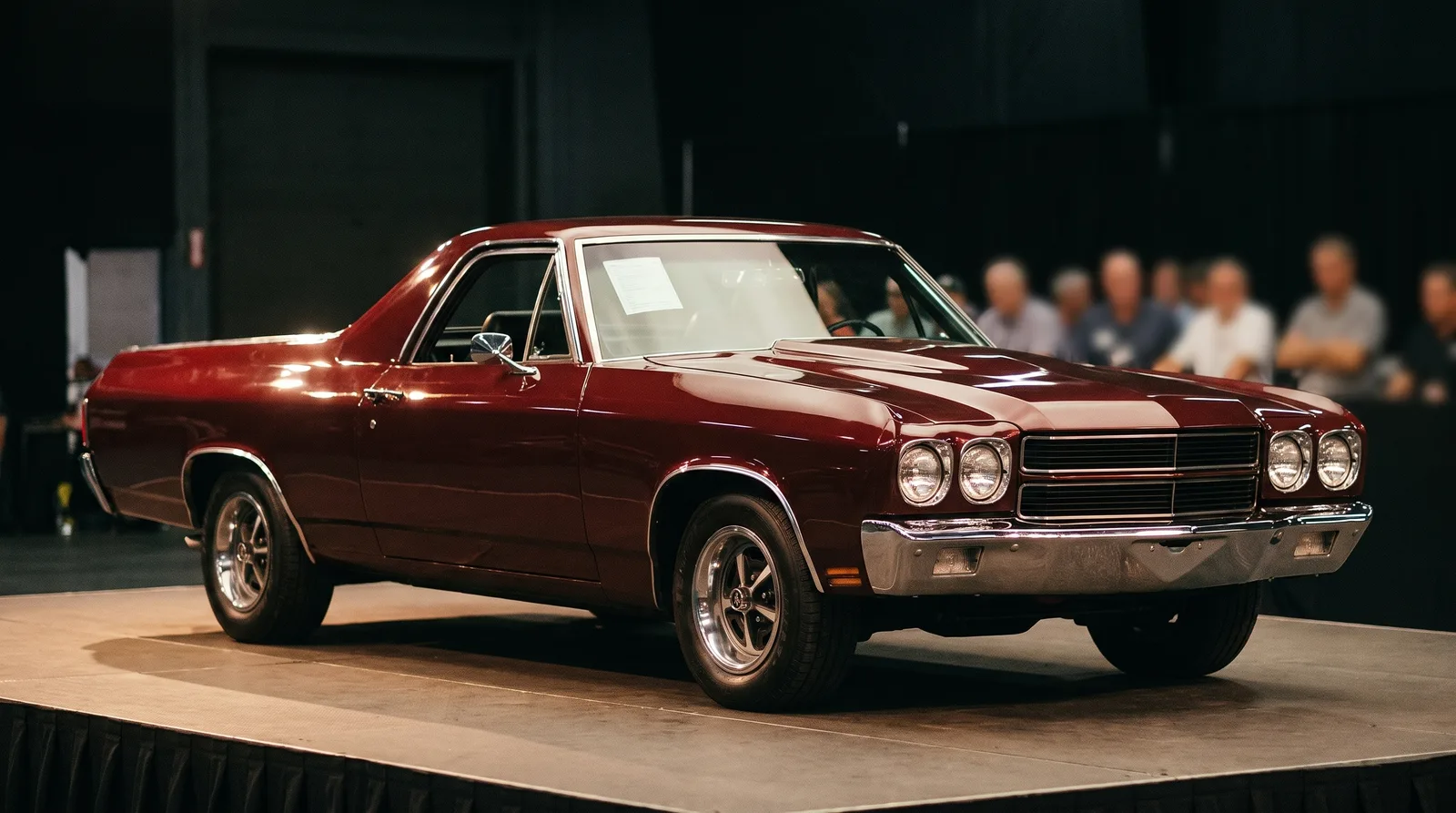
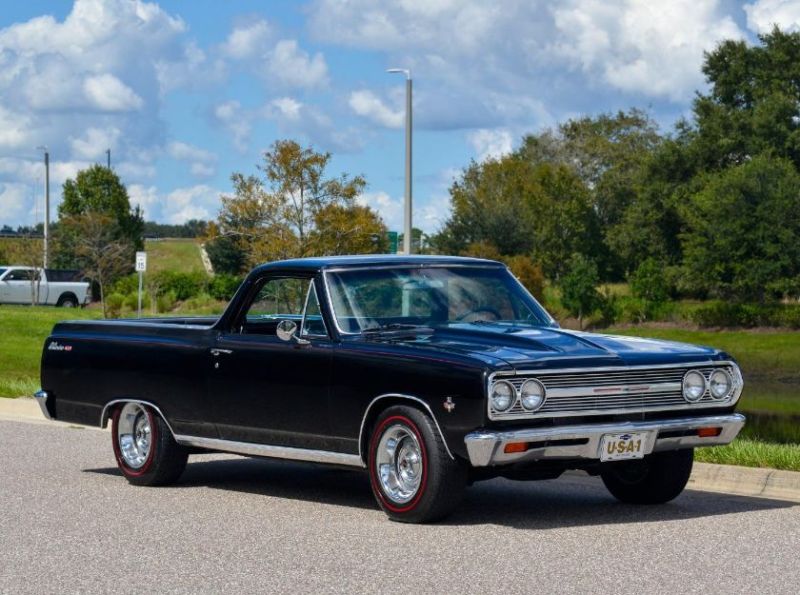
The SS 454 arrived for 1970, and Chevrolet gave buyers a choice between two versions of the big-block, the LS5 and the LS6. The LS5 was rated at 360 horsepower and was the more common pick, a strong engine that most buyers could live with day to day. The LS6 was the one people actually talk about at shows, rated at 450 horsepower with an 11.25:1 compression ratio and a solid-lifter cam that made it a genuinely different animal from the LS5. Very few LS6 El Caminos left the factory compared to the LS5, and that scarcity is a huge part of why they carry the values they do today.
By 1971, compression dropped across the board to deal with lower-octane fuel and tightening emissions rules, and the LS6 option quietly disappeared from the SS lineup after that year. The SS package hung around through 1972 with the detuned 454, and the horsepower numbers on paper kept sliding as Chevrolet, along with everyone else in Detroit, switched to the more honest net rating system that made every engine look weaker than it had the year before, even when the hardware had not changed as much as the number suggested.
What Ford brought to the fight
Ford's answer was the Ranchero GT, and starting in 1970 you could order it with the 429 Cobra Jet, a big-block that Ford also dropped into the Torino and Mustang lineups the same year. The standard 429 Cobra Jet was rated at 370 horsepower, with a Super Cobra Jet version available that pushed to 375 horsepower and came with beefier internals for anyone planning to actually use the car hard. It was a legitimately quick machine, and in a straight line a well-tuned Super Cobra Jet Ranchero could hang with plenty of GM iron that had a better reputation on paper.
Where Ford lost ground was consistency of the package over the following years. The Cobra Jet option did not stick around as long as Chevrolet's big-block did, emissions rules squeezed Ford's numbers the same way they squeezed everyone else's, and Ford discontinued the Ranchero GT's big-block muscle image well before Chevrolet gave up on the SS 454. Where this started matters here too, since the whole rivalry traces back to decisions both companies made a decade earlier about what a cartruck was even supposed to be.
| Spec | El Camino SS 454 LS6 (1970) | Ranchero GT 429 Super Cobra Jet (1970-71) |
|---|---|---|
| Rated horsepower | 450 hp | 375 hp |
| Compression ratio | 11.25:1 | 11.5:1 |
| Availability | 1970 only | 1970 to 1971 |
| Rarity today | Very low production | Low production |
Why the LS6 gets the nod from most of us in the shop
I am not going to pretend this is close. On paper, on the dyno, and on the auction block, the LS6 El Camino comes out ahead of the Super Cobra Jet Ranchero, and it is not particularly close on any of those measures. The LS6 had a higher rated output, a more aggressive cam profile, and a shorter production window that made it rarer, which is exactly the combination collectors chase. I have torn down both engines and the LS6 feels like Chevrolet built it for somebody who was actually going to race the thing, not just drive it fast on a Sunday.
That said, do not let anybody tell you the Ranchero was some kind of afterthought. A properly built 429 Cobra Jet is not a slow engine by any measure, and a lot of the reputation gap comes down to Chevrolet simply marketing the SS package harder and longer. If you found a genuine Super Cobra Jet Ranchero GT sitting in a barn tomorrow, you would be a fool to walk past it just because the SS 454 gets more magazine covers.
"You can argue paper numbers all day, but put a wrench on both engines and the LS6 tells you what it is the second you pull the valve covers. It was built to be raced, not just advertised."
- Mike Sullivan
Documentation is where most buyers get burned
Here is the part I harp on with every customer who walks in convinced they own a rare one. Both of these engines got faked, retagged, and cloned for decades after the fact, because the real ones command such a premium over the standard big-block option. An LS6 block casting number means nothing by itself if the cowl tag, the build sheet, and the broadcast sheet do not all agree with each other. Same goes for a Super Cobra Jet Ranchero, where the wrong carburetor or the wrong exhaust manifolds can turn a genuine muscle car into an expensive question mark the moment a real expert looks underneath it.
I tell every customer the same thing before they write a check. Get a compression test done, pull the heads if the seller will allow it, and cross-reference every stamped number against the factory paperwork before you pay a premium for either of these engines. A documented LS5 car with clean records is a better buy than an undocumented car somebody swears is an LS6, and the same rule applies on the Ford side of the aisle.
What this actually means if you are shopping
If raw bragging rights are what you care about, the LS6 El Camino wins the muscle crown, and most serious collectors would back that up. But do not buy a car based on a magazine argument. Buy the one that is documented, rust-free, and has a matching-numbers drivetrain, whichever badge it wears. A clean, honest Ranchero GT beats a rough, re-tagged El Camino SS every single time, no matter what the spec sheet says. If the SS 454 route is the one you are chasing, go shop classic El Camino listings and start with the paperwork before you fall for the horsepower number on the window sticker.
Sources and notes
Related Reading

About the author
Mike Sullivan
Detroit-area muscle car enthusiast and restoration specialist with three decades of hands-on experience working on American iron.
Related Listings - Chevrolet El Camino




Comments (1)
M
Marty Haggerty
1 week ago
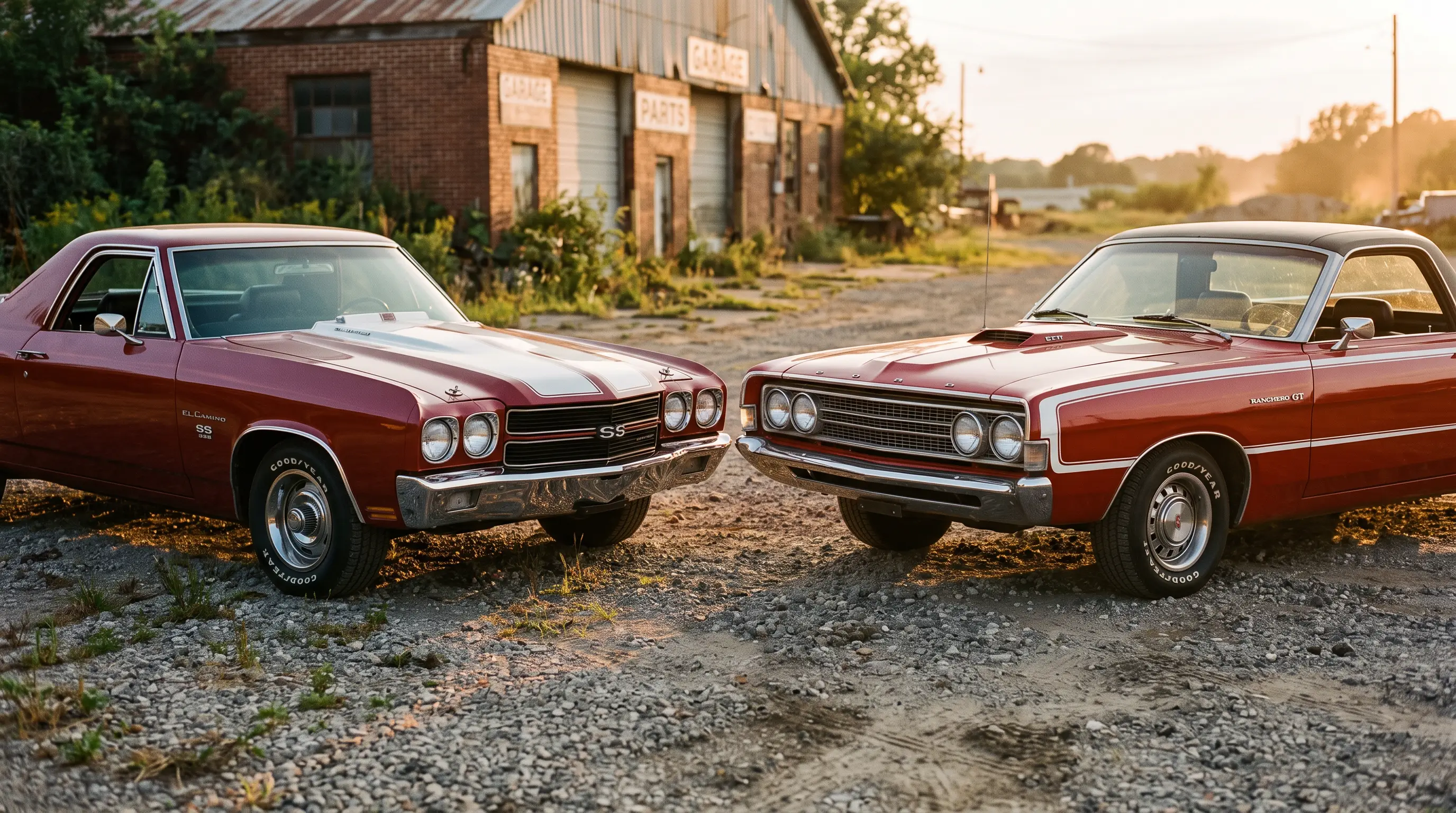
Few summers back at a cruise in Butler an SS 454 El Camino n a Ranchero GT ended up parked nose to nose n the owners went at it for two hours. Chevy guy kept saying 450 horse. Ford guy just kept tapping his binder full of paperwork. Never settled it, everybody went for pierogies.