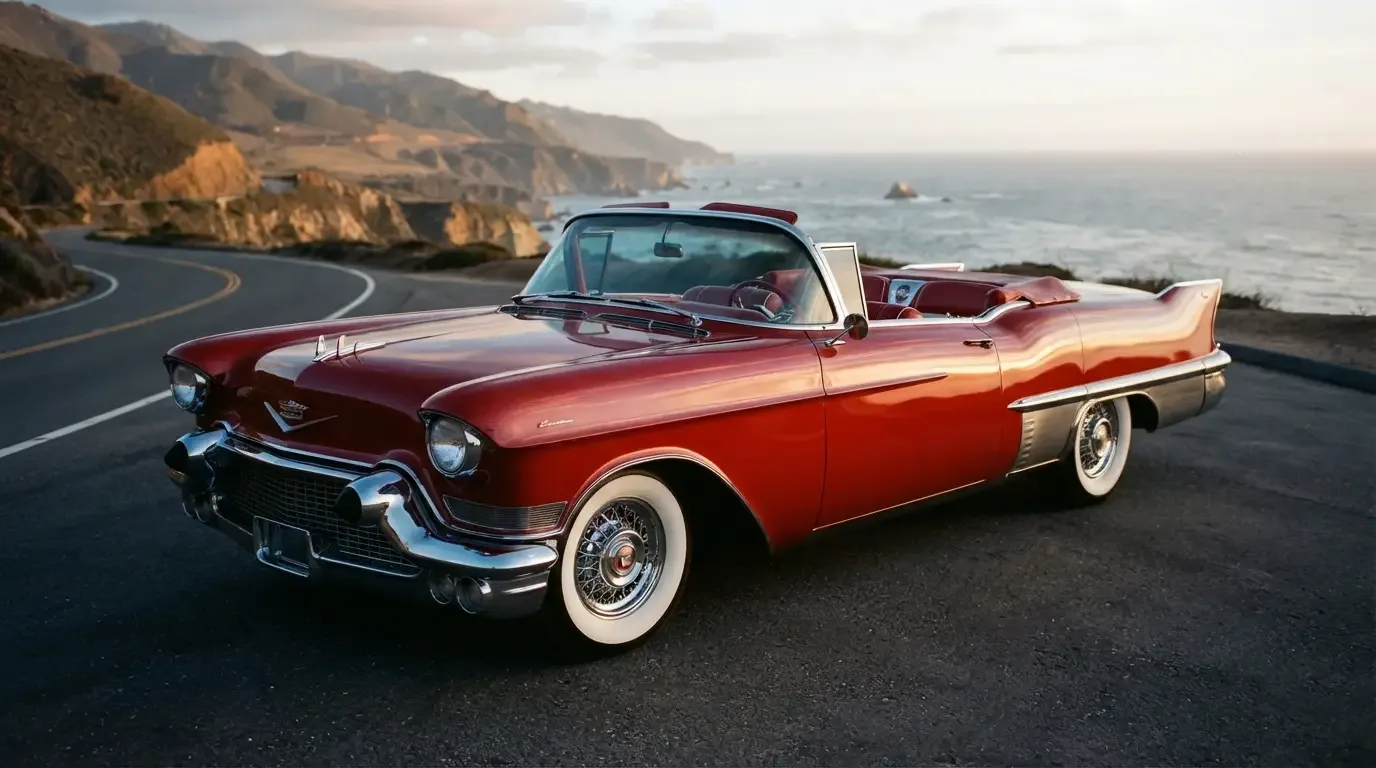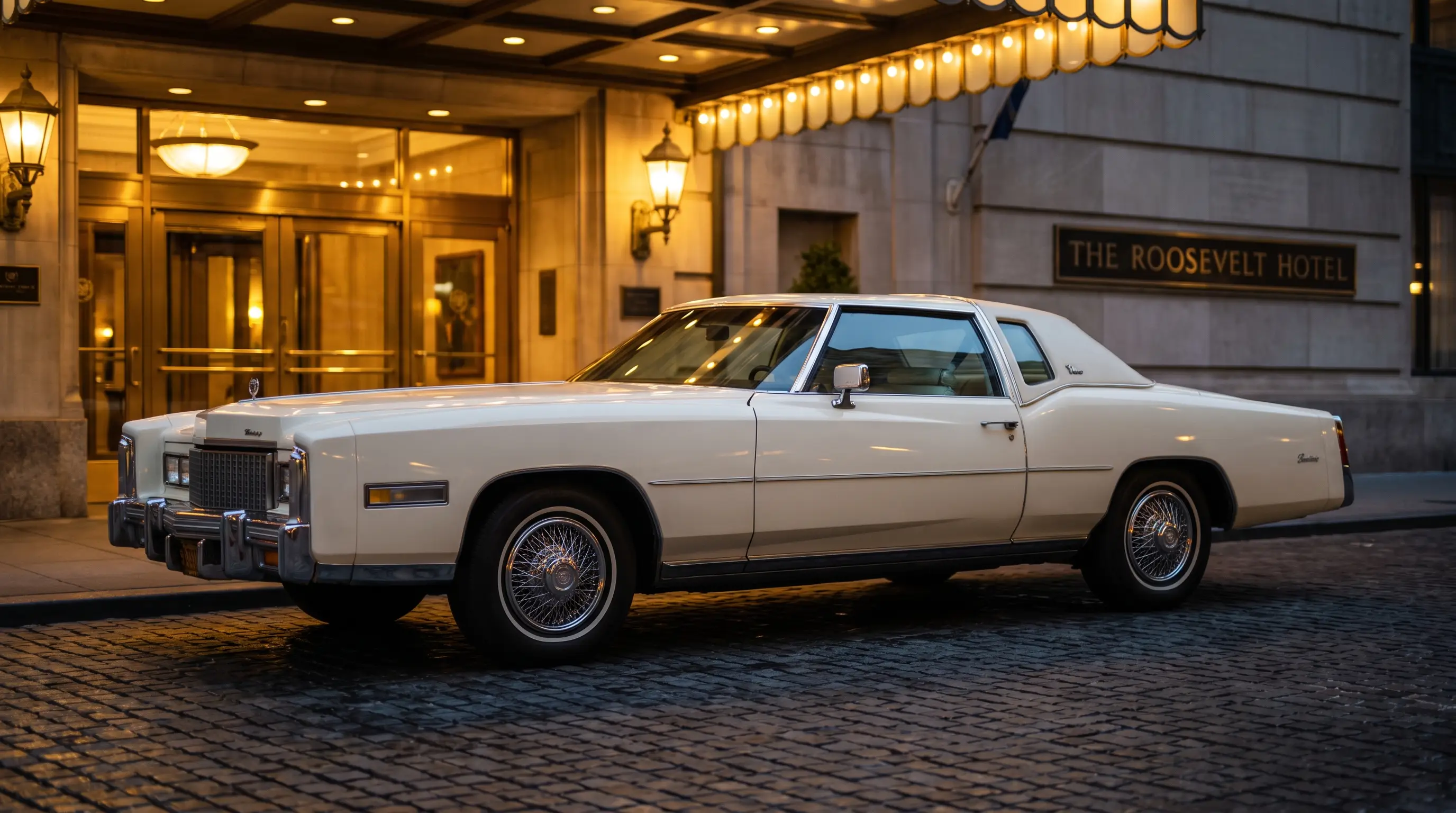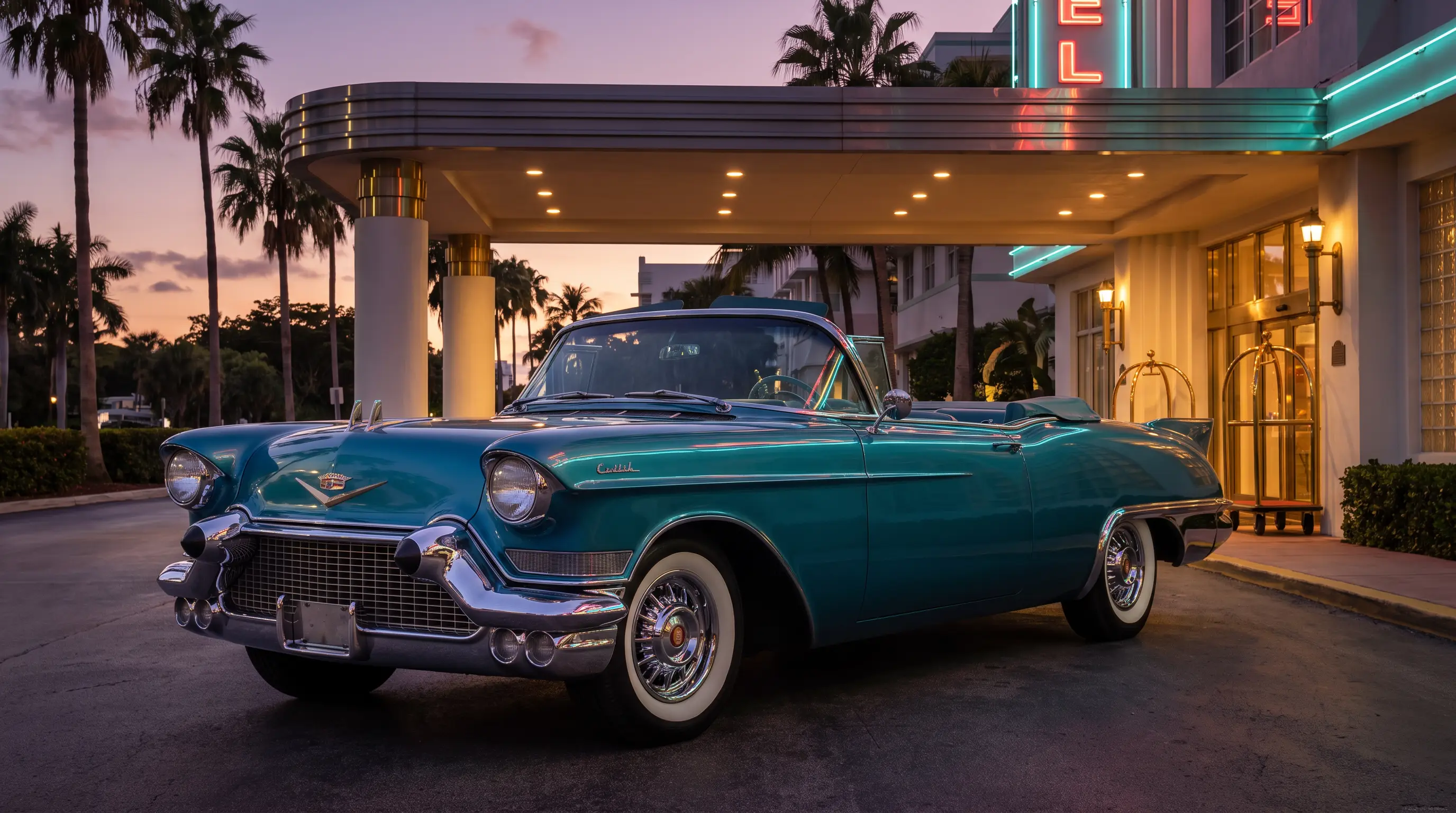
Value questions on a car like this rarely have a single answer, and anyone who gives you one number without asking about condition, documentation, and originality is guessing. Cadillac eldorado biarritz value depends on four things in a fairly predictable order of importance: condition, paperwork, how easily the car could actually sell if you needed to move it, and what could go wrong with the specific example in front of you. Get those four right and the number takes care of itself.
Condition sets the floor and the ceiling
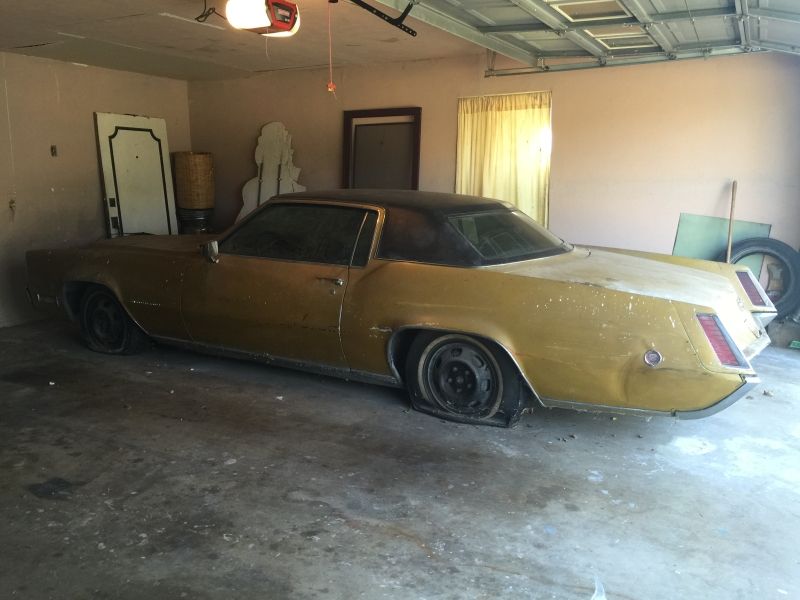
A Biarritz in rough, incomplete, needs-everything condition is worth meaningfully less than one that is complete and running, even before either car gets a full restoration. Missing trim pieces specific to the Biarritz, such as the ribbed deck panel or correct wheel covers, are expensive and slow to source, which drags down value on incomplete cars more than buyers new to the model tend to expect. On the other end, a car that has already been through a documented, correct restoration commands a real premium over one that merely presents well in photographs but has not been gone through mechanically.
Between those extremes sits the largest share of the market: solid, older restorations or well-preserved original cars that run and drive but are not concours-ready. These represent the most efficient buys in the segment, because you are paying for a usable car rather than paying the last dollar for show-quality finish.
| Condition tier | General description | Value trend |
|---|---|---|
| Concours / documented restoration | Numbers-matching, full paper trail, correctly restored to factory specification | Commands the strongest premium in the segment |
| Solid driver / older restoration | Runs and drives, mostly correct, may show cosmetic wear or minor deviations | Represents the bulk of transactions and the best value per dollar |
| Project / incomplete | Needs mechanical, cosmetic, or trim work before it is usable or show-ready | Priced well below finished cars, with real risk of cost overruns |
Documentation is not optional
I have appraised enough cars to say this plainly: an undocumented Biarritz is a discount car no matter how good it looks. Build sheets, original titles, and verifiable ownership history reduce the buyer's risk, and reduced risk is what a serious buyer is actually paying for when they pay a premium price. A seller who cannot produce paperwork is asking the buyer to take on uncertainty for free, and buyers who understand the market will price that uncertainty into their offer whether the seller likes it or not.
You can review the cadillac eldorado biarritz history to understand what documentation should exist for a given model year, which helps you spot a paper trail that is thin because records genuinely did not survive versus one that is thin because something about the car does not add up.
Liquidity matters more than buyers admit
A car can be worth a certain number on paper and still be hard to sell at that number if the buyer pool for it is thin. The Biarritz benefits here from genuine name recognition and a track record of selling at major auctions, which keeps liquidity healthier than it is for more obscure models from the same era. That matters if you ever need to exit the position rather than hold indefinitely. A car nobody has heard of might technically be worth a similar number, but finding the buyer willing to pay it can take years, while a well-documented Biarritz in good condition tends to move within a reasonable window when priced correctly.
Downside risk you should price in
Every appraisal has to account for what could go wrong, and with a Biarritz the main risks are mechanical surprises hidden behind a good repaint, incorrect or reproduction trim passed off as original, and title or ownership gaps that surface after a deal closes. None of these are unique to this model, but the higher price ceiling on a Biarritz means a mistake costs more in absolute dollars than the same mistake would on a cheaper car. A pre-purchase inspection by someone who has specifically handled Eldorados, not just Cadillacs in general, is worth the fee every time.
"Value is not what a car looks like it should be worth. It is condition plus paperwork plus how fast you could actually sell it, minus whatever surprises are hiding underneath. Skip any of those four and you are guessing, not appraising."
- Marcus Feld
Year to year variation within the model
Not every model year of the Eldorado Biarritz carries the same value, and treating them as interchangeable is a mistake I see buyers make regularly. Earlier years in the convertible's run tend to draw attention for representing the first appearance of the standalone Biarritz name, while certain later years with lower surviving population can carry their own premium once a buyer understands the scarcity. Equipment level matters too. A car ordered with every available option, from power windows to a signal-seeking radio, is worth more than a comparably conditioned car built to a lighter specification, because period buyers who spent more on options generally also cared more about the car overall, and that tends to show up in how well the car was maintained decades later.
None of this means chasing the single rarest year blindly. A slightly more common model year in excellent, documented condition will usually outsell a rarer year in poor condition, because condition and paperwork carry more weight in the final number than rarity alone. Rarity is a factor in the equation, not the whole equation.
How I approach an actual appraisal
When I sit down with a Biarritz for a formal appraisal, I start with the paperwork before I even walk around the car, because documentation frames how much benefit of the doubt the physical inspection gets. From there I look at panel gaps, paint depth, and evidence of prior accident repair, then move to the mechanical systems and finally to trim completeness and correctness. Every one of those steps either supports or undercuts the asking price a seller has in mind, and a written appraisal that walks through each category gives both buyer and seller a shared, defensible starting point for negotiation rather than two people arguing from gut feeling.
Putting a number on your own car
If you own a Biarritz and want a realistic number, start by being honest about which condition tier it actually falls into rather than the one you hope it falls into, gather whatever documentation exists, and compare against recent, comparable sales rather than optimistic asking prices still sitting unsold on listing sites. You may find a related story useful for filling in context on specific equipment and options that affect value within the model. When you are ready to see where the current market sits, there are Eldorados for sale now worth comparing against your own car's condition and paperwork before you settle on a figure either as a buyer or a seller.