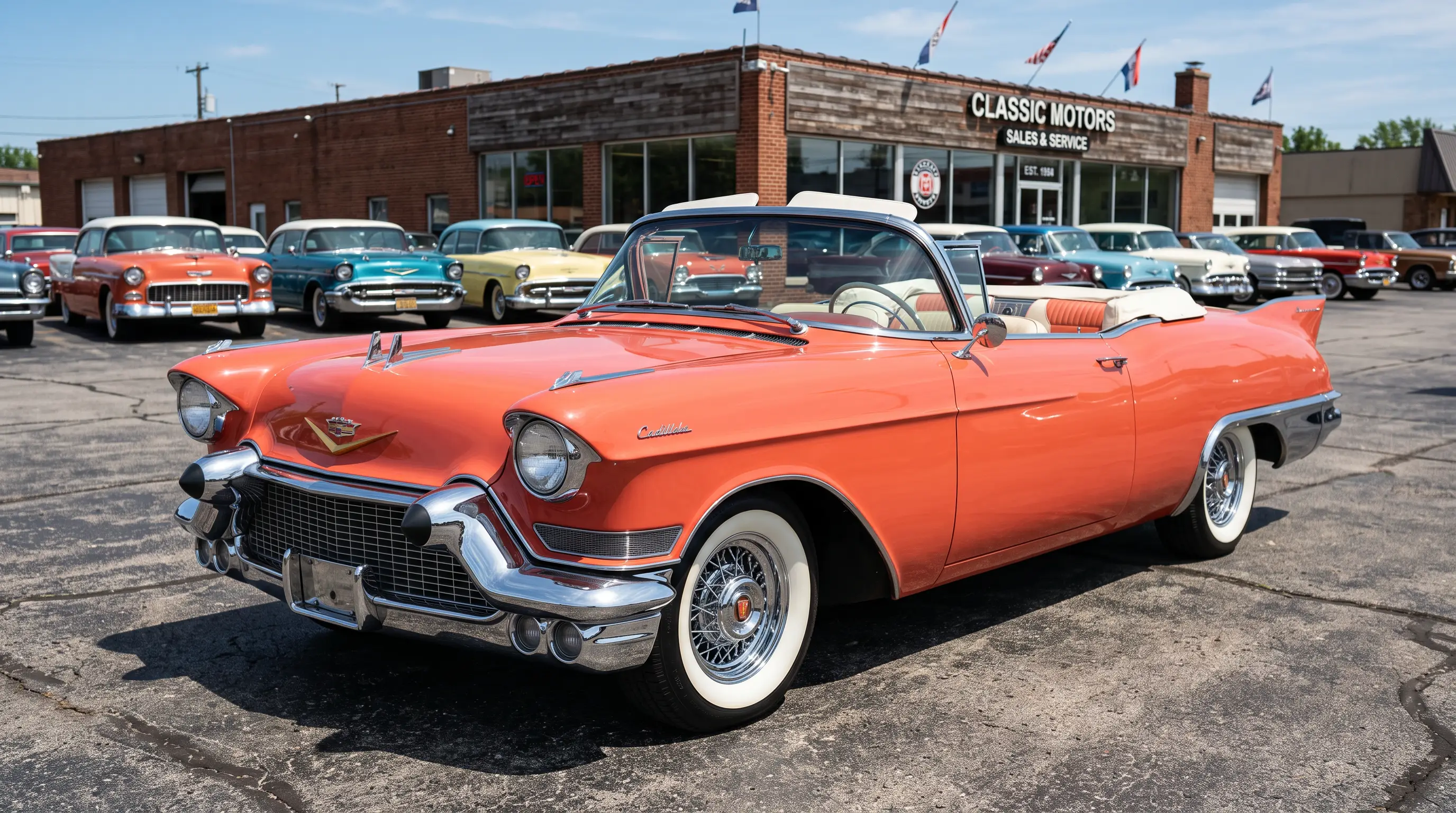
The first time I really understood the Cadillac Eldorado Biarritz, I was standing in a hotel parking lot at a club meet, listening to a member explain why his 1958 convertible was worth walking across the lot to see. He did not talk about horsepower. He pulled out a folder, laid it on the trunk lid, and walked me through the build sheet and the original window sticker like a man reading from scripture. That is the Biarritz in a sentence. It is a car whose whole meaning lives in the details, and the people who own them tend to know those details cold.
The Biarritz name has drifted in and out of the Cadillac catalog for decades, which trips people up. So before we get to the stories, it helps to sort out what the name actually meant at different points, because the club knows a Biarritz is not just one car.
Where the name came from
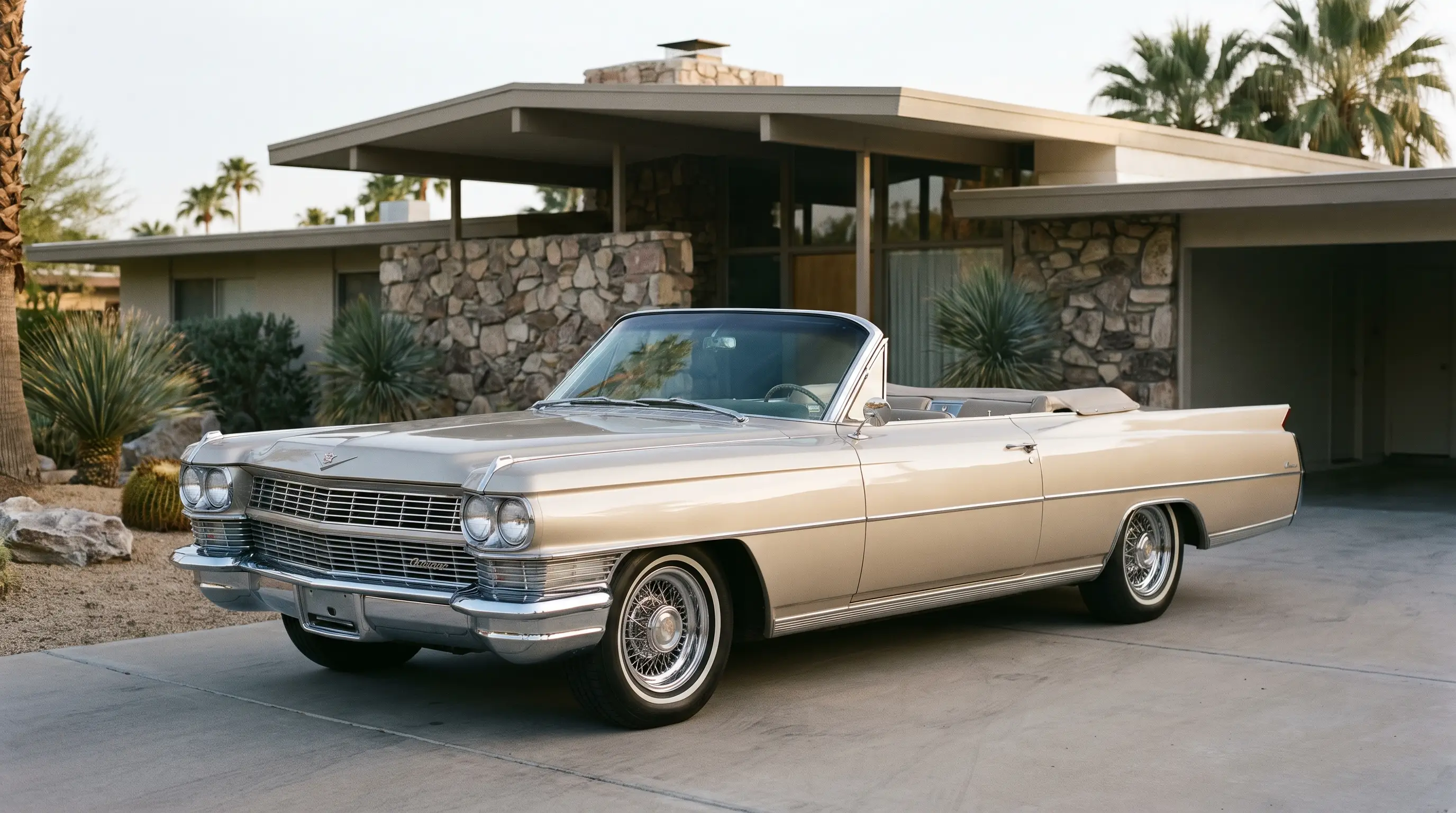
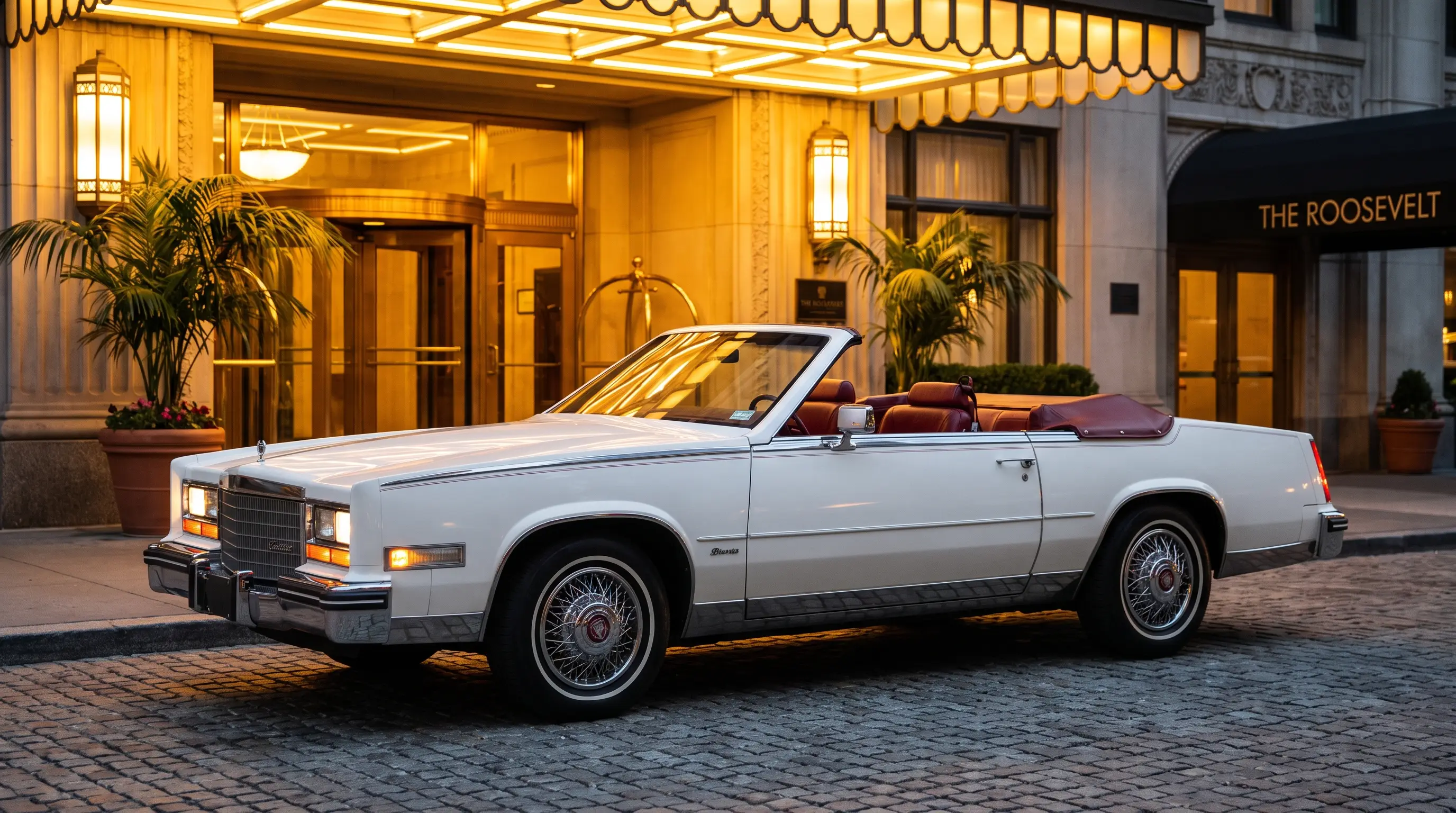
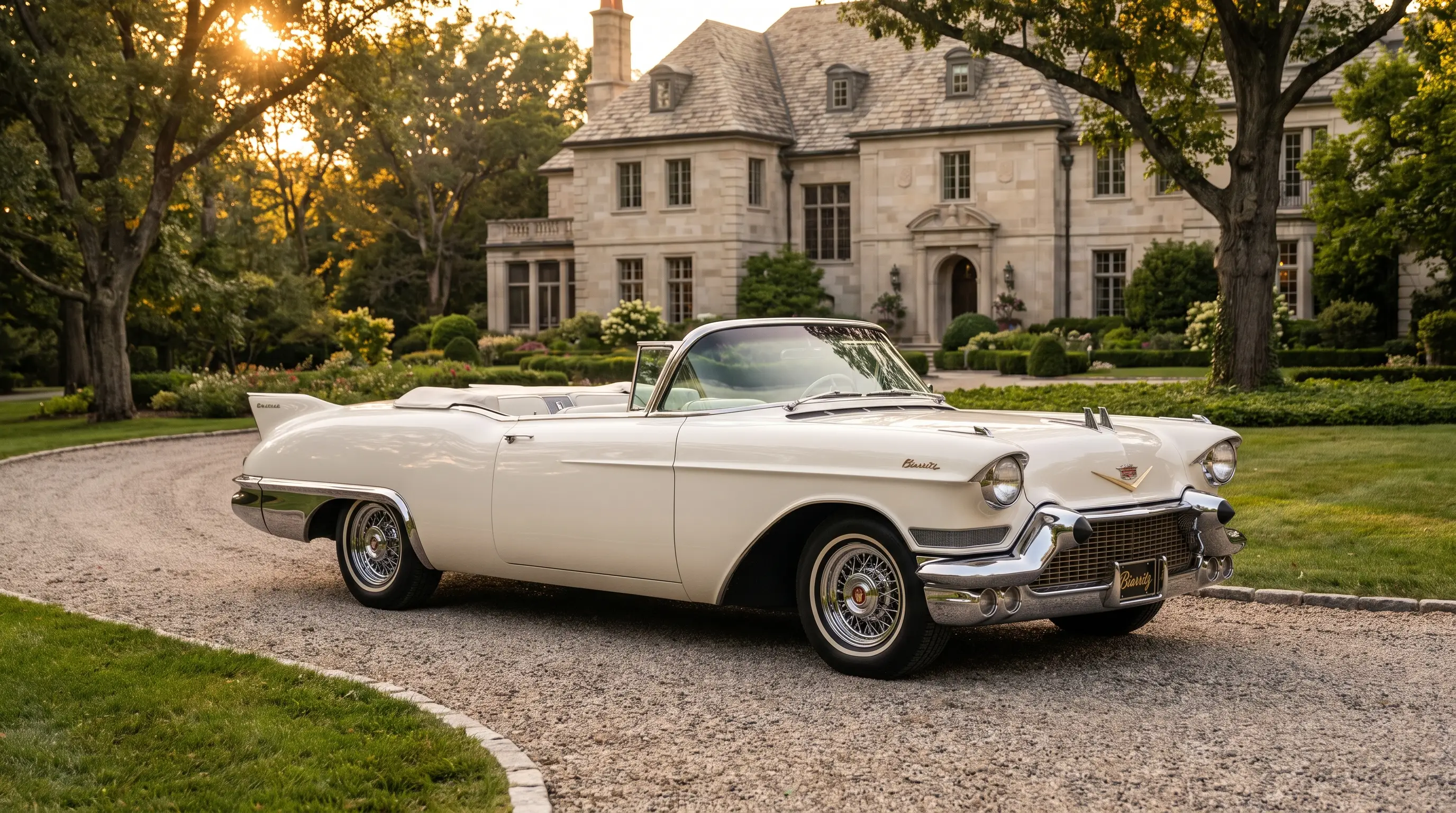
Biarritz is a resort town on the French Atlantic coast, long associated with wealth and leisure, and Cadillac borrowed it for exactly the reasons you would expect. Starting in 1956 the division used Biarritz as the name for the Eldorado convertible, while the two-door hardtop wore the Seville badge. That pairing gave buyers a clean way to signal which body they had chosen, and it stuck around through the early 1960s.
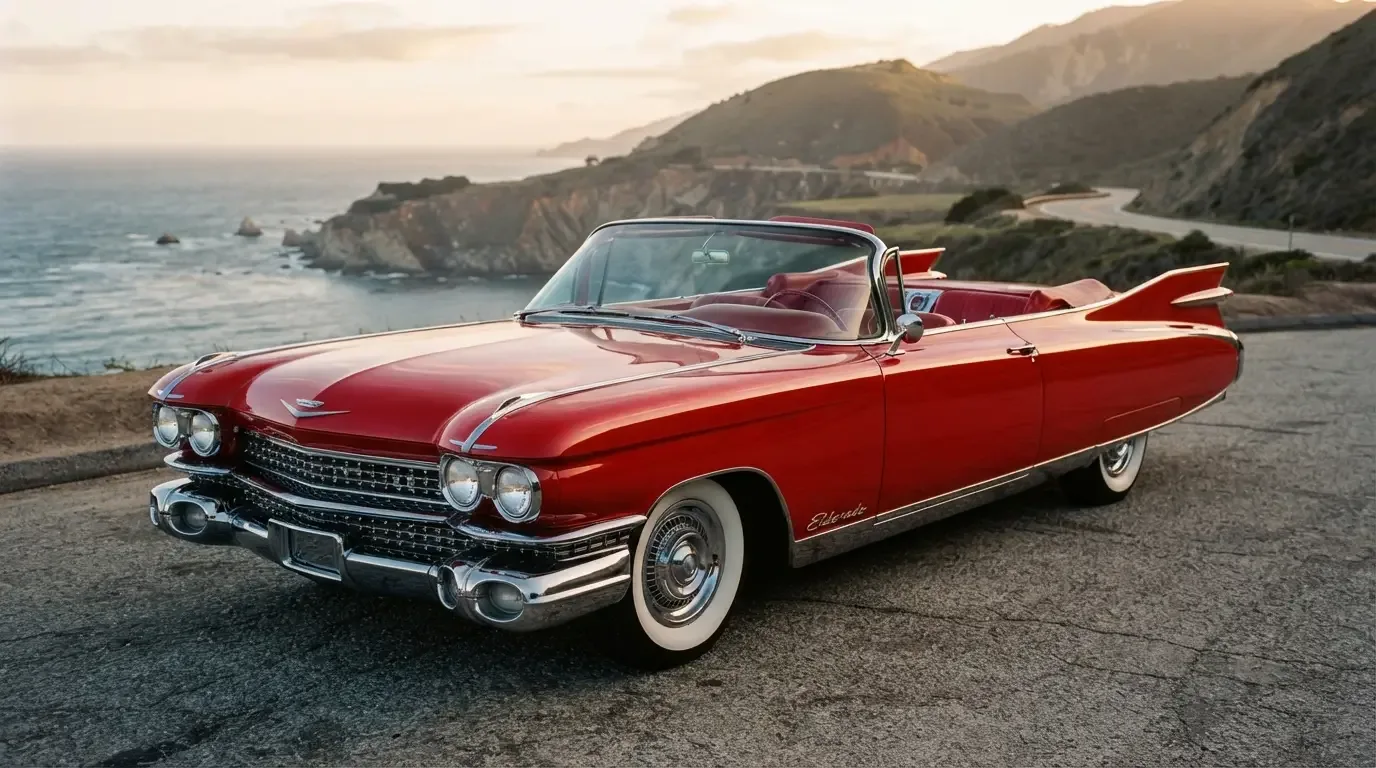
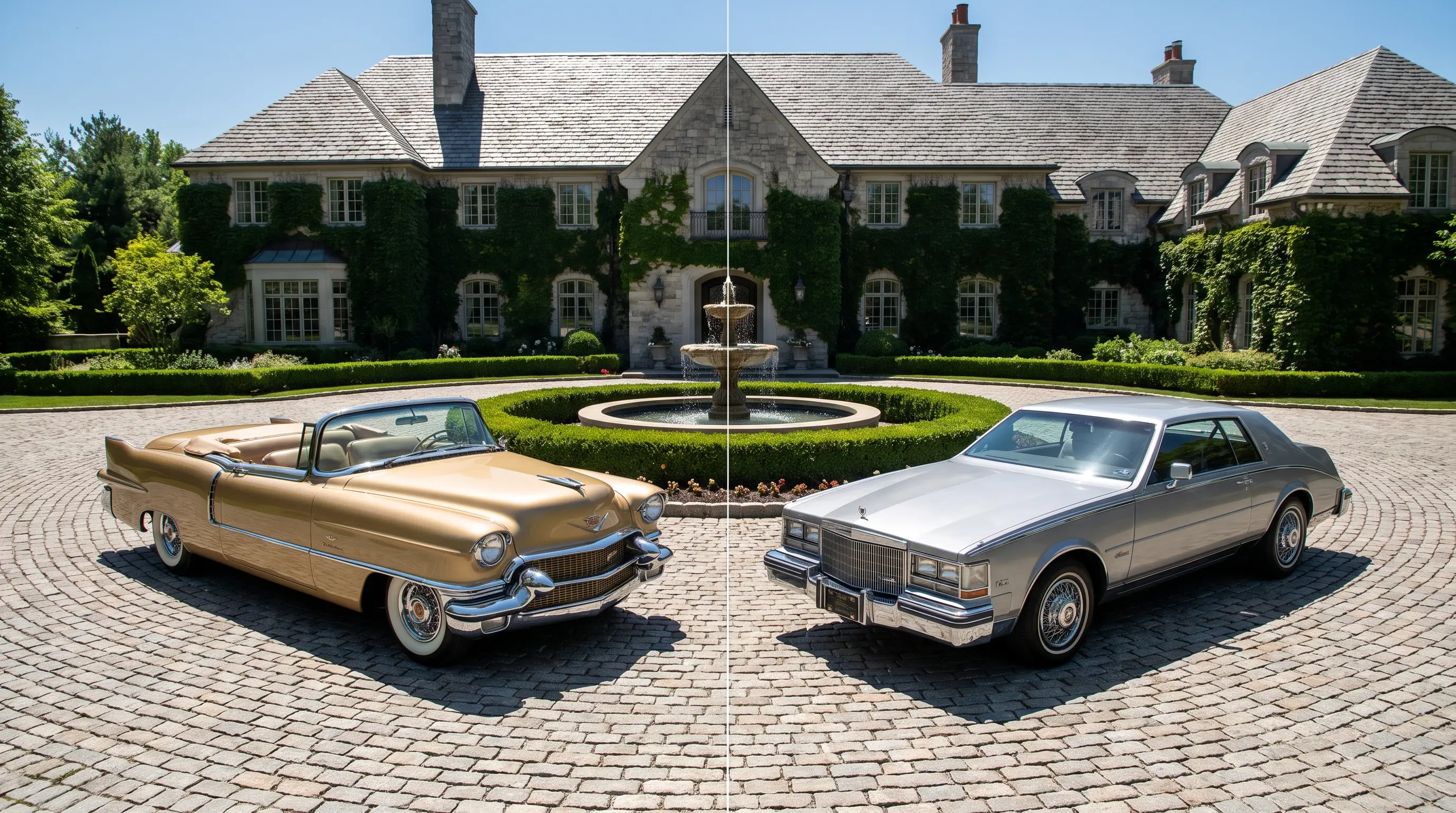
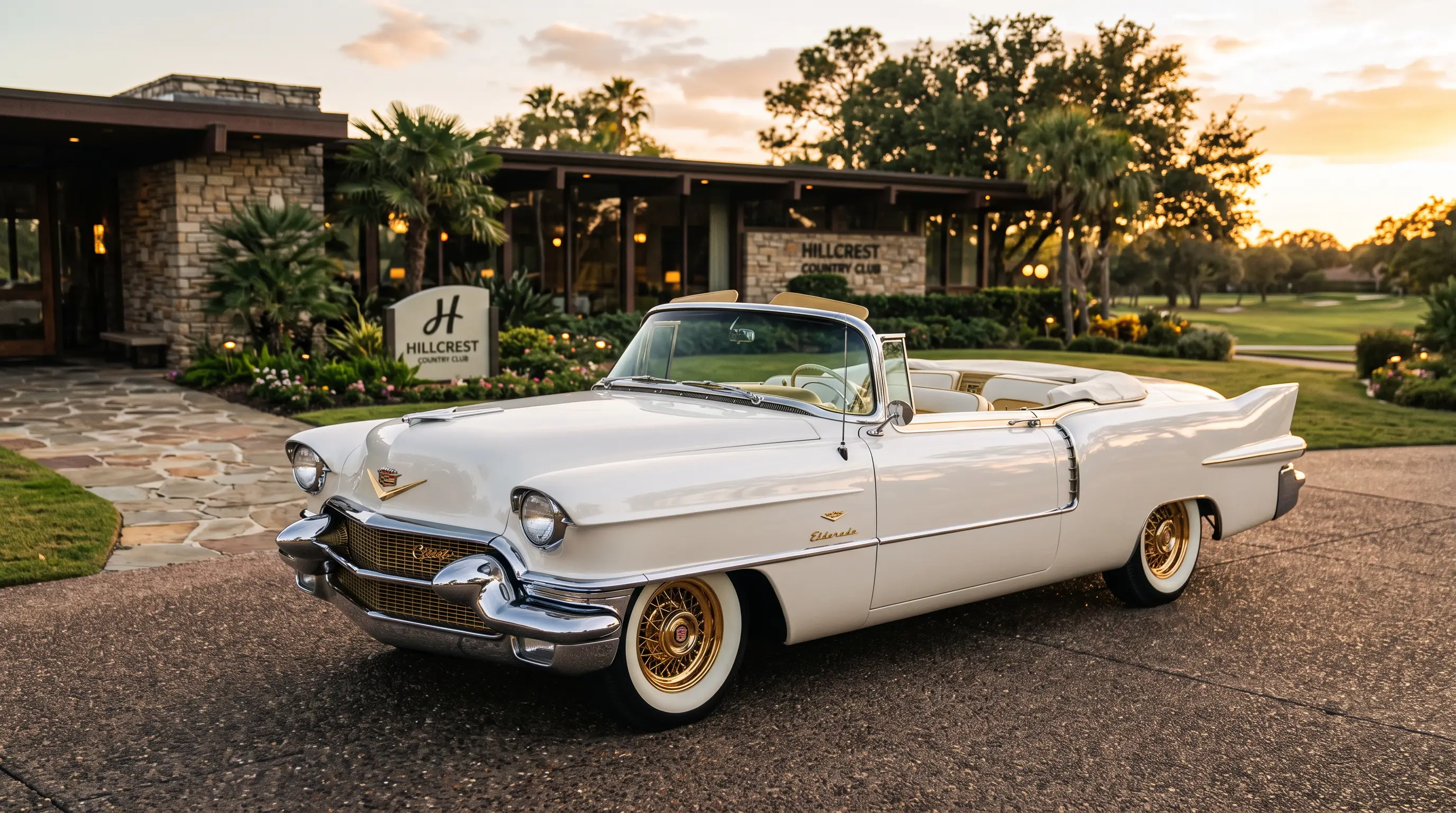
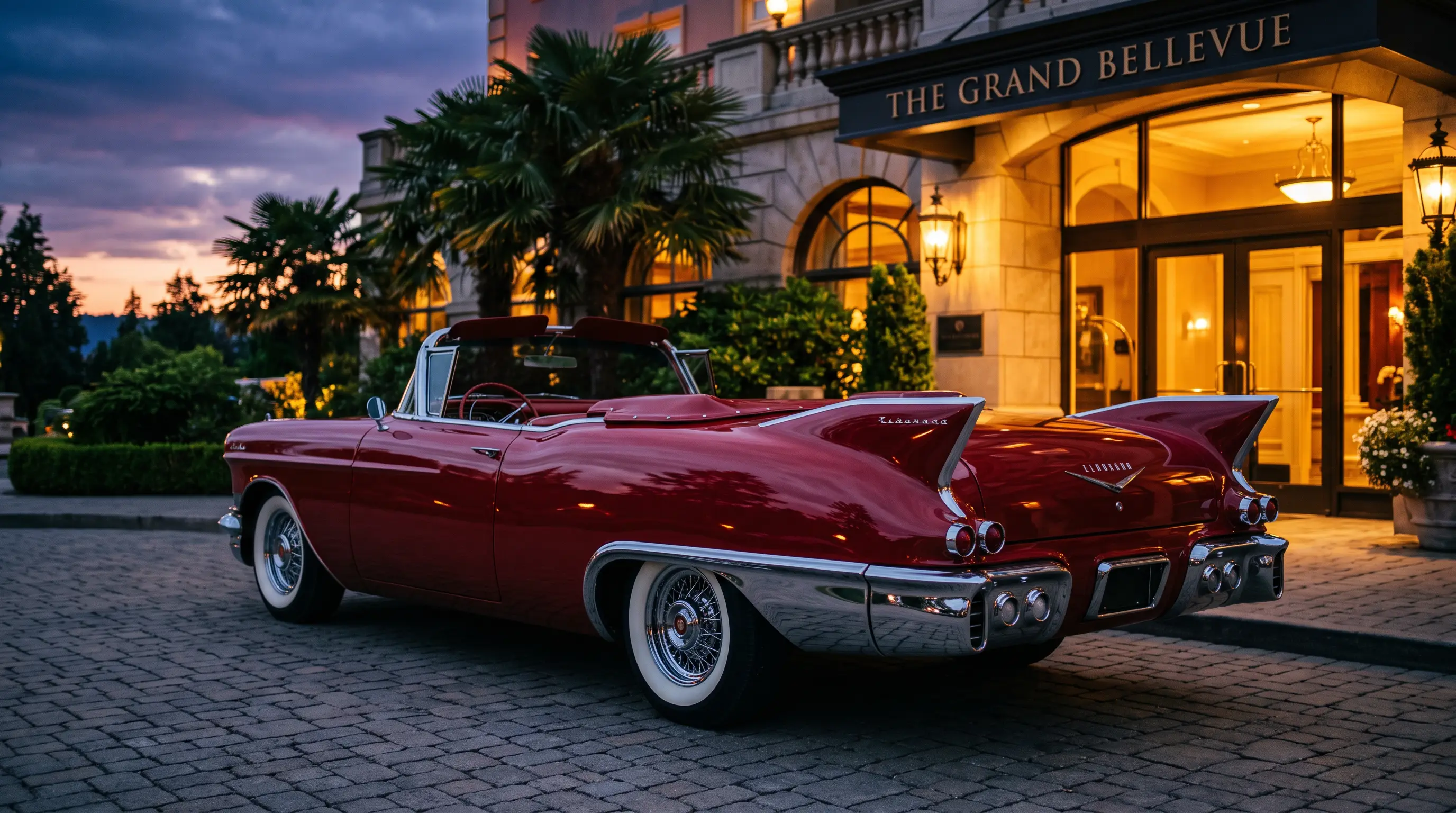
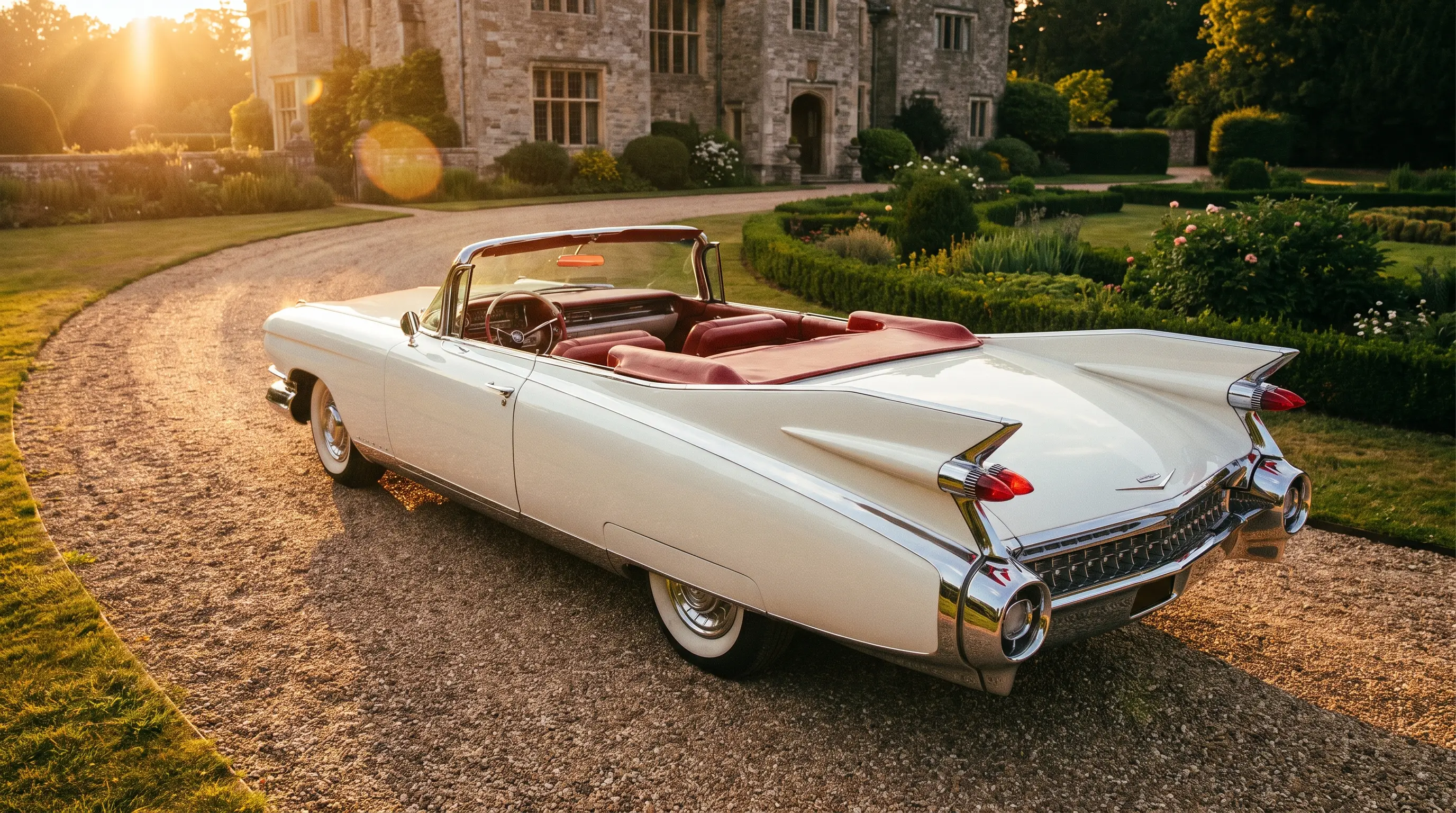
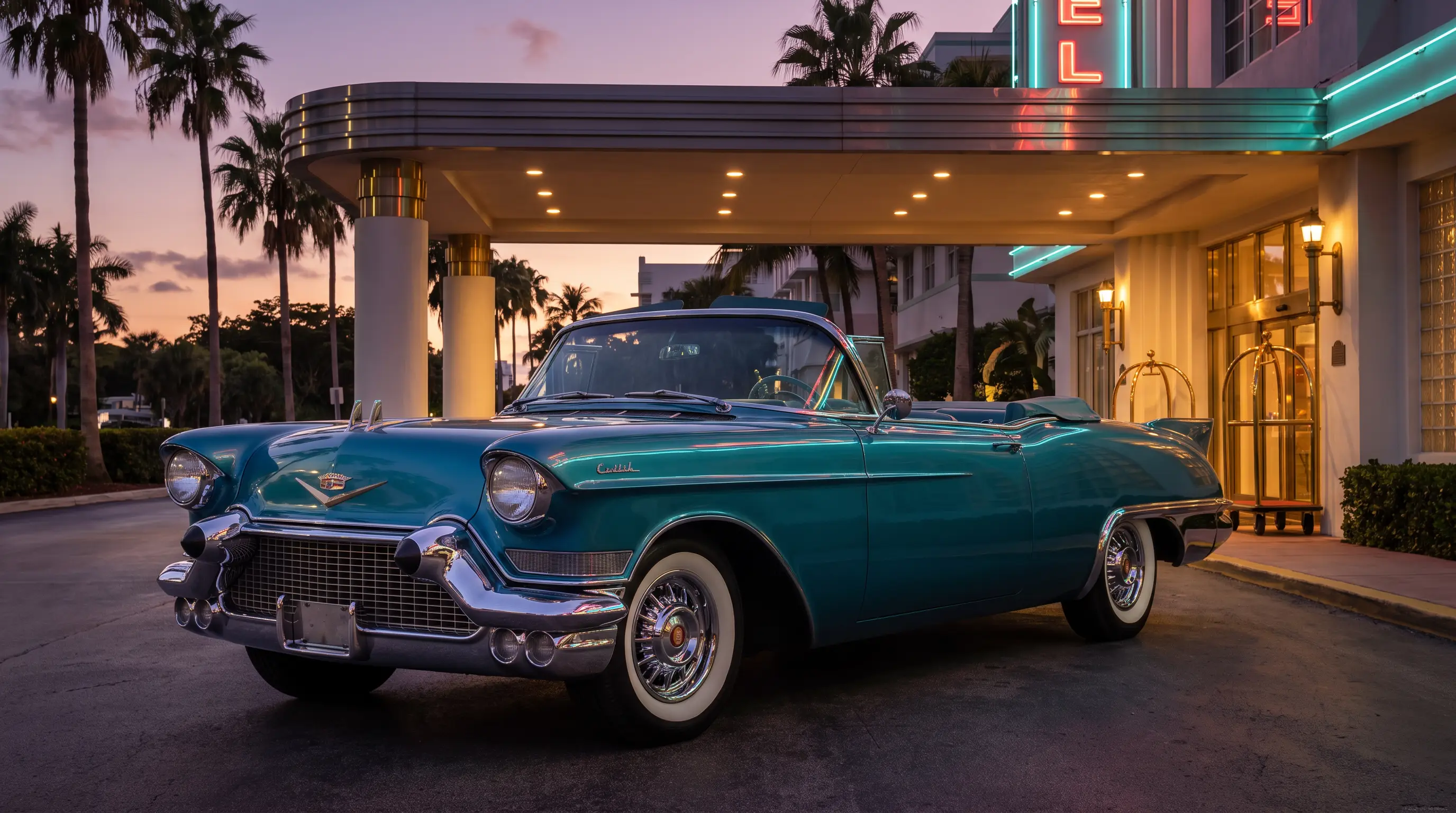
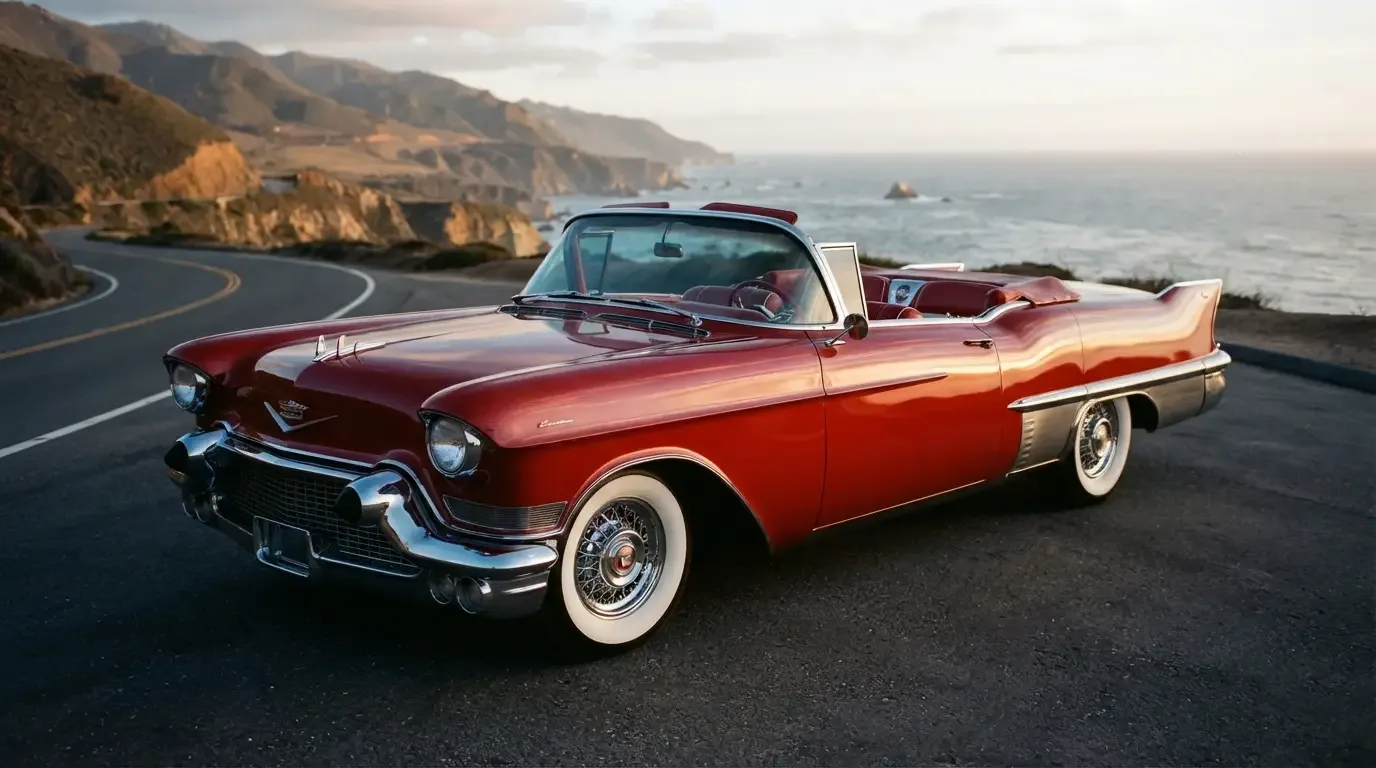
So in its first life, from 1956 into the mid 1960s, Biarritz simply meant the convertible version of the Eldorado. These were the tailfin-era cars, and the Biarritz badge sat on some of the most extravagant Cadillacs ever built. The old-timers in the club still treat these first-generation Biarritz convertibles as the purest expression of the name, and it is hard to argue with them when one rolls onto the show field with the top down.
The convertible everybody remembers
Ask most enthusiasts to picture a Biarritz and they land on a late 1950s convertible with tall fins and acres of chrome. That image is fair. The 1957 and 1958 cars in particular carried the top trim and the newest styling, and they were priced well above the standard Cadillac convertible. Owning one meant you had chosen the most expensive open Cadillac short of the hand-built Brougham sedan that sat in its own rarefied category.
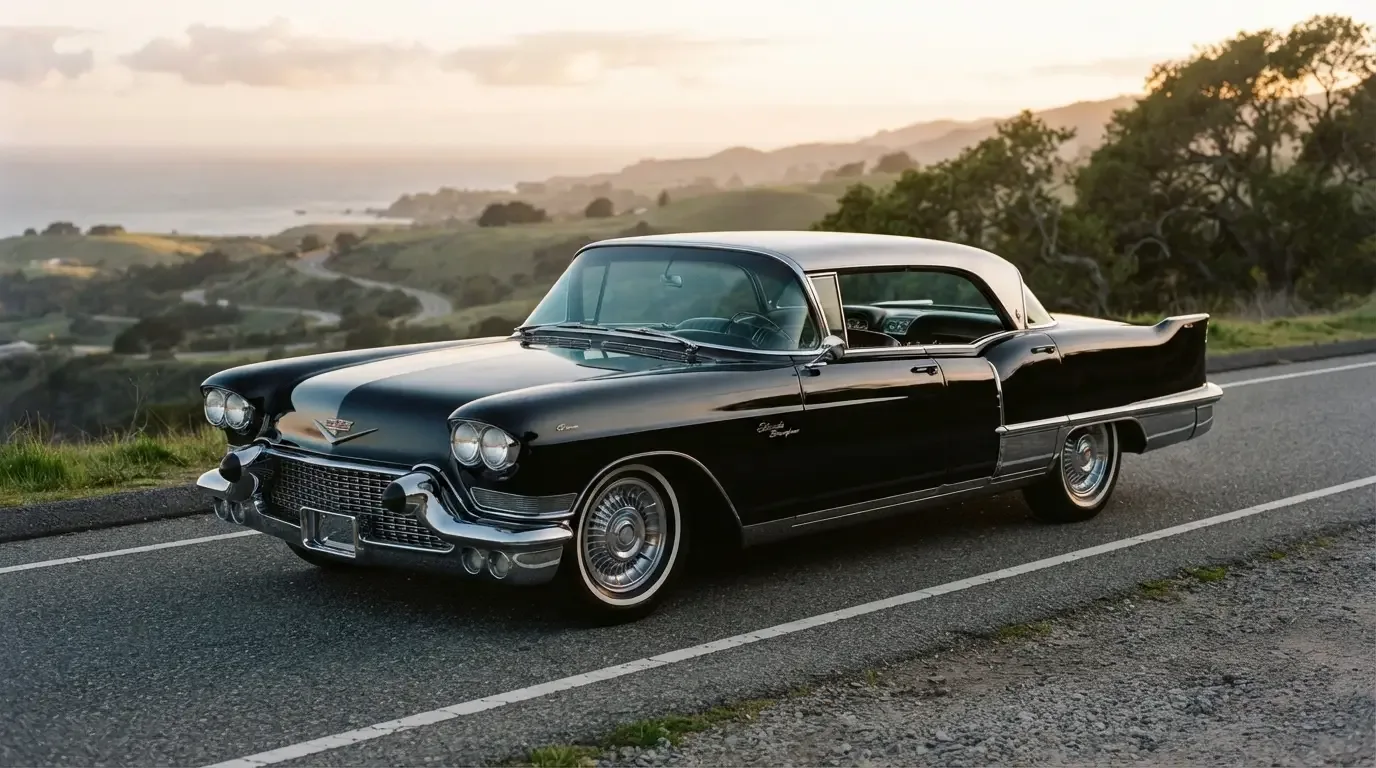
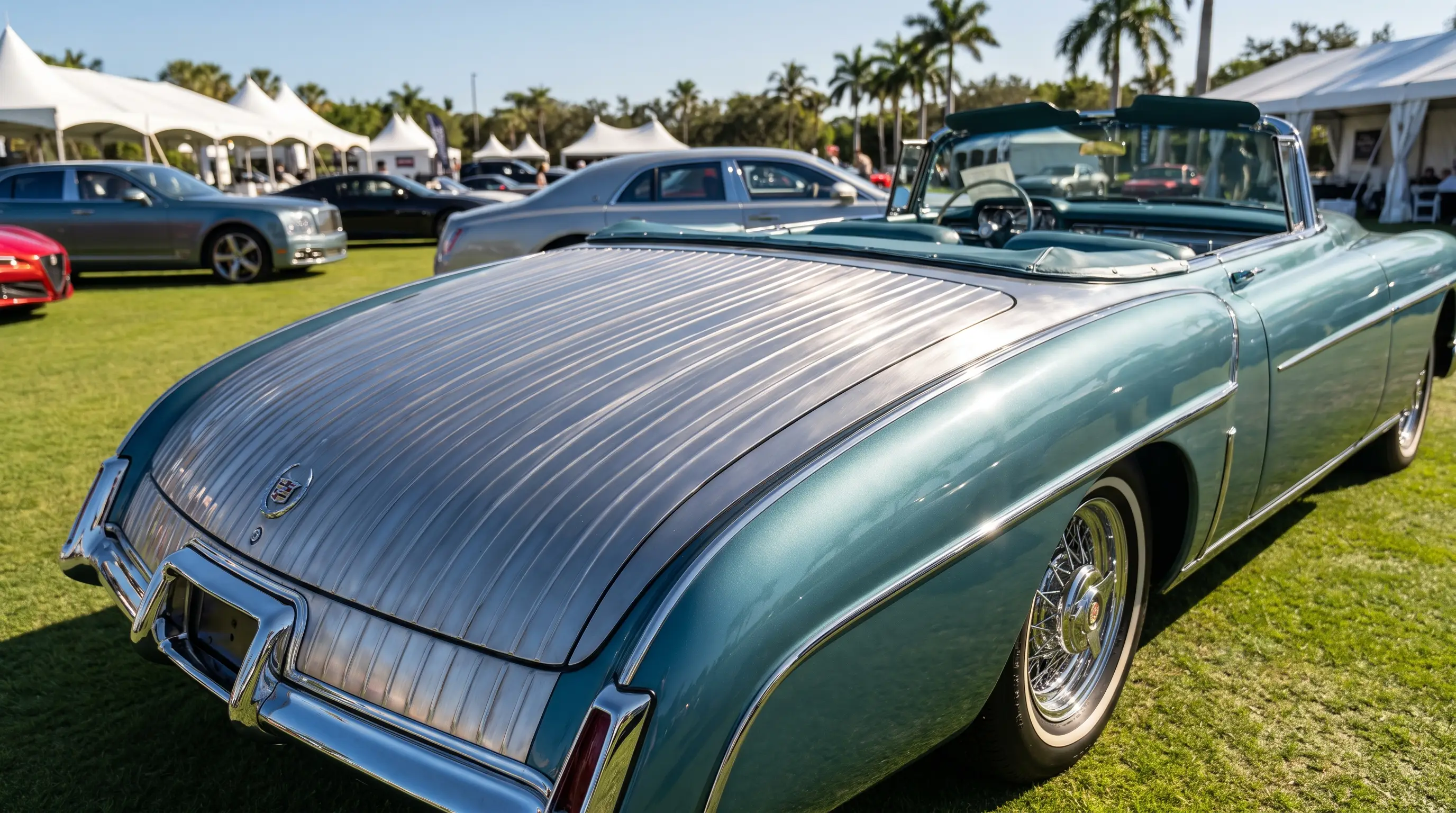
Here is where I have to correct a thing I hear at meets. People sometimes mix up the Eldorado Biarritz with the Eldorado Brougham. They were different cars. The Brougham was a four-door hardtop flagship built in tiny numbers with a stainless roof and air suspension. The Biarritz was the convertible in the regular Eldorado line, extravagant in its own right but a distinct product. A good club will set that straight for a new member on their first visit, usually with a laugh and a photo.
What made a Biarritz a Biarritz
The Biarritz was never just a base Eldorado with a soft top. It carried its own trim, its own interior appointments, and equipment that set it above the standard car. That is why the documentation matters so much to the people who collect them. A convertible with the right build sheet and the correct factory options is a Biarritz in full. One that has been dressed up to look the part is a different thing, and the club can usually tell the difference in about thirty seconds.
This is where the community really earns its keep. The knowledge of which options were correct for which year, which trim codes belong on a genuine car, and how the interiors were finished lives mostly in the heads of long-time members and in the files they have built over decades. When a car changes hands, that shared record is often what protects a buyer from paying Biarritz money for something less. The documentation is the punchline to almost every story these owners tell.
The name comes back
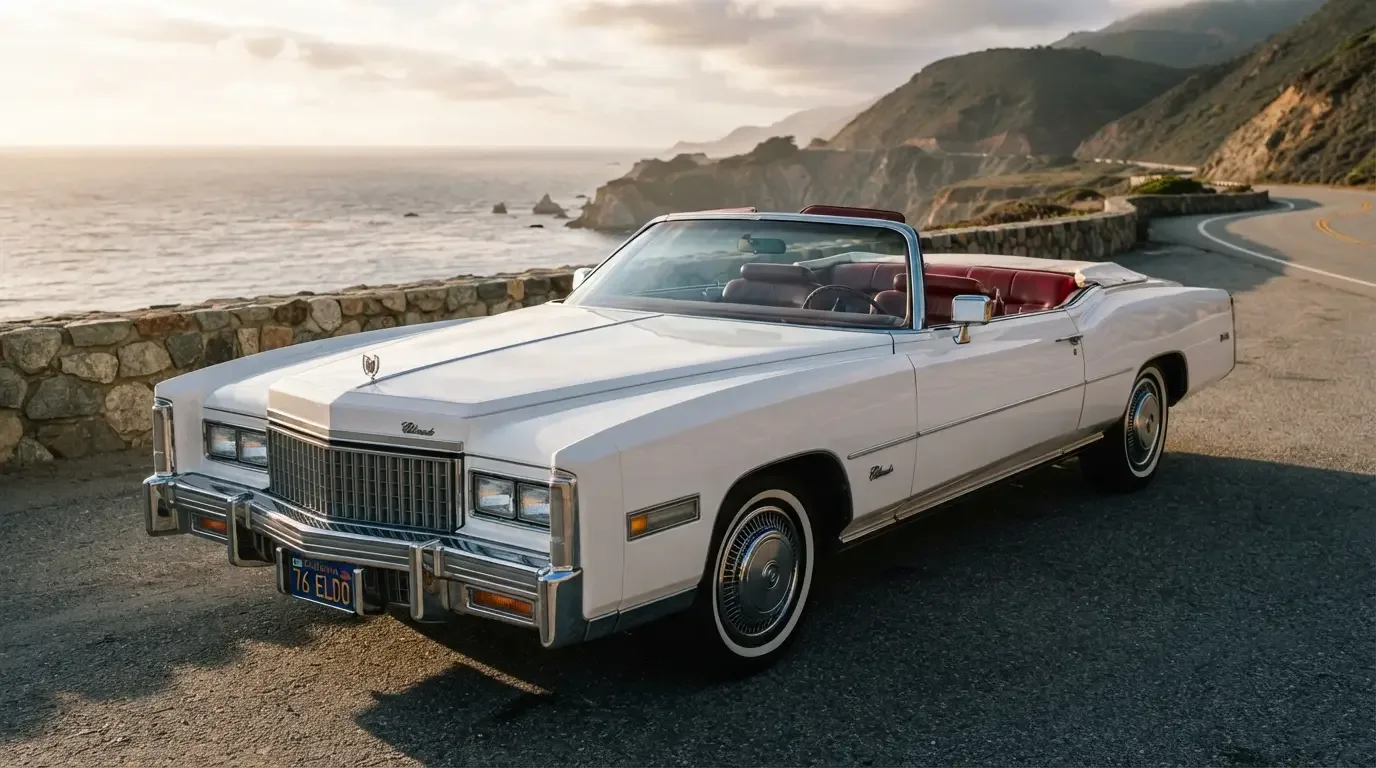
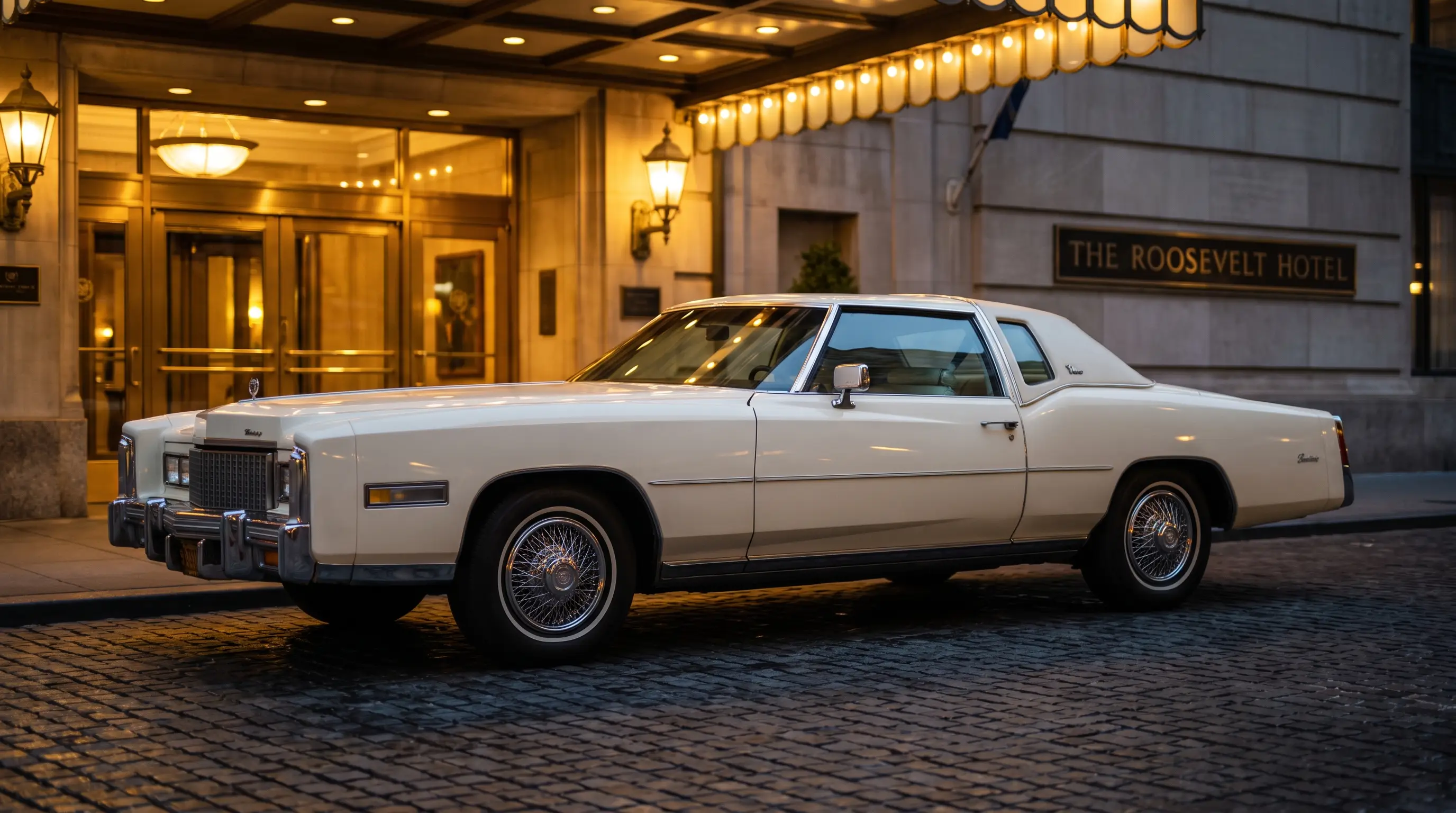
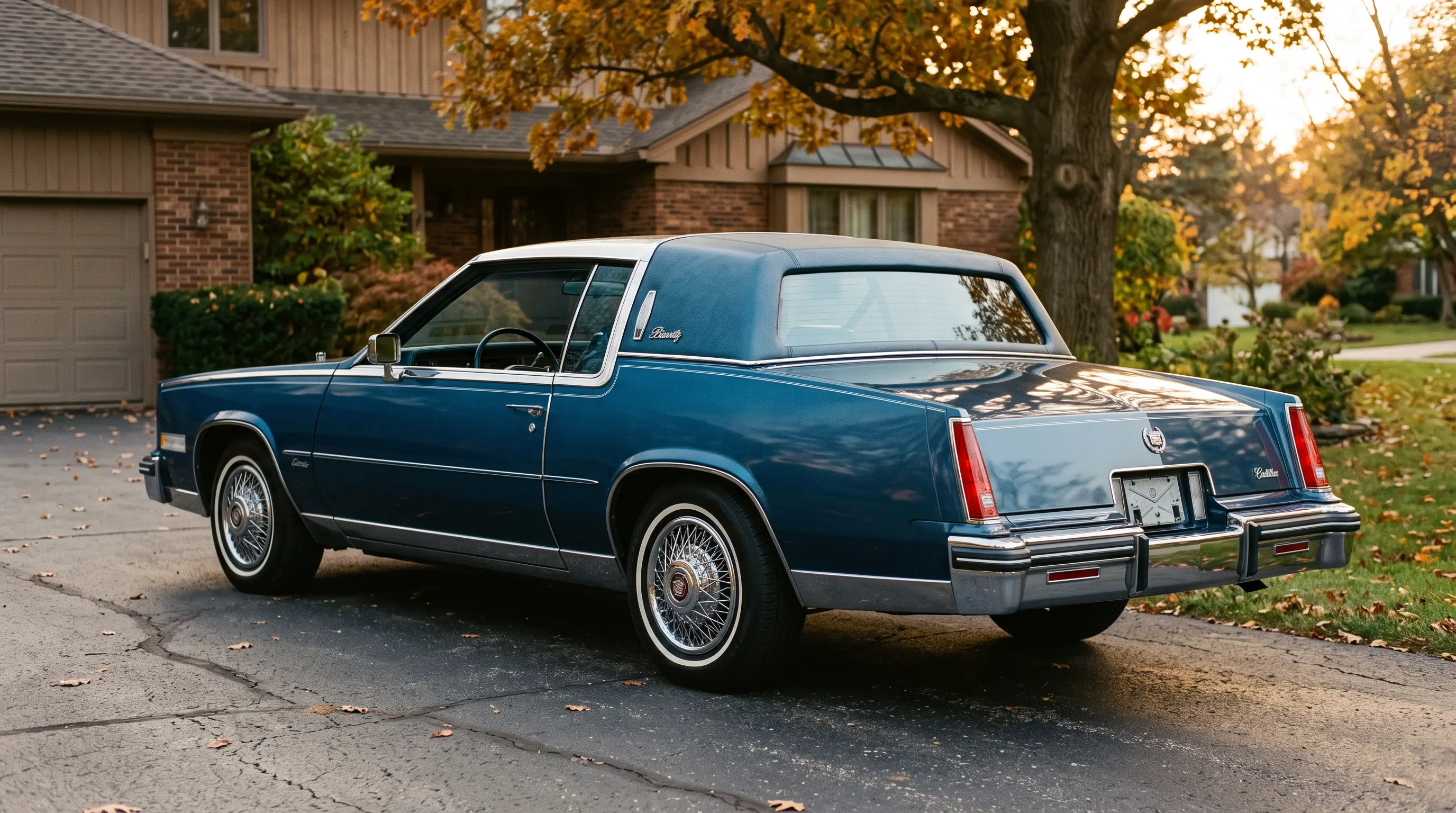
The Biarritz name went quiet for a stretch, then Cadillac brought it back in the mid 1970s as a top trim package on the front-drive Eldorado. In this second life, Biarritz was less about a specific body style and more about the highest level of equipment and appearance you could order. These later Biarritz Eldorados carried special roof treatments and upgraded interiors, and they ran through the 1980s in various forms.
The club is a little divided on these later cars, and I will be honest about that. The purists lean toward the 1950s convertibles as the real Biarritz. The members who came up in the 1970s and 1980s have a genuine affection for the later trim cars, and they are right that those cars carry the name legitimately. Both camps are correct in their own way, and the arguments at the meets are half the fun. A name that spans that much time is going to mean different things to different generations of owners.
The stories that travel with the cars
Every well-known Biarritz in our club comes with a story, and the stories are half of why people keep them. There is the 1958 that spent thirty years in a heated garage and came out with its original top still working. There is the early 1960s convertible that changed hands three times inside the club without ever leaving the membership, each owner adding to the same folder. These are not car facts in the technical sense, but they are the history that makes a particular Biarritz matter more than an identical one with no known past.
That is something the wider hobby sometimes misses. A Biarritz is valuable partly for what it is and partly for what can be proven about where it has been. The cars with continuous history, known owners, and a paper trail going back decades are the ones that draw a crowd at a meet. The community is the keeper of that history, and when a member passes, the effort to keep their car's story intact is one of the ways the club honors them.
The later cars and what they offered
The Biarritz trim of the 1970s and 1980s deserves a fair hearing, because the purists can be hard on it. In its second life the name marked the top appearance and equipment level on the front-drive Eldorado, and those cars came with distinctive roof treatments, upgraded interiors, and a level of standard equipment that set them apart from the base coupe. They were genuine flagships of their moment, even if that moment looked nothing like 1958.
What I tell newer members is that both eras of the Biarritz are collecting the same instinct, which is the desire to own the most complete Eldorado of a given year. The 1950s convertibles express that instinct through extravagance and open-air style. The later trim cars express it through equipment and appearance packages. Judging one by the standards of the other misses the point. Each was the top Eldorado you could buy when it was new, and that continuity of intent is what ties the name together across the decades.
Living with the legend in a club
What I have learned from years around these cars is that the Biarritz is best understood through the people who keep them. The values, the correct details, the stories about which car went where, all of it is carried forward by owners who treat the paperwork as seriously as the sheet metal. A Biarritz without its history is a nice convertible. A Biarritz with its full documentation is a piece of the record, and the community is what keeps that record alive.
That is why I always tell new members to talk to the old hands before they buy. The car in front of you might look perfect, but the folder tells you whether it is what the seller says it is. If you want the wider context on where the Biarritz fits, there is more on the cadillac eldorado that covers the whole model and its many chapters.
"A member once told me the Biarritz is not the car in the driveway, it is the folder in the glovebox. After thirty years in the club, I think he had it exactly right."
- Wayne Coburn
Why the Biarritz endures
The Cadillac Eldorado Biarritz endures because it means something specific to the people who care about it, even as the name itself covered very different cars across the decades. In the 1950s it was the top convertible in an era of extravagance. In the 1970s and 1980s it was the highest trim on a very different Eldorado. Through all of it, the Biarritz stood for the most complete expression of the Eldorado that Cadillac offered in a given year.
If the trim history interests you, the broader top-trim story runs right alongside the brougham cars of the era, and that is more from this era worth reading for the fuller picture. And if you would rather stop reading and start looking, you can find a classic Eldorado and see what the market holds for a documented Biarritz today.
The cars are beautiful, but it is the community around them that turns a Biarritz from a used convertible into a legend. Spend an afternoon at a club meet with one of these folders open on a trunk lid, and you will understand exactly what I mean.