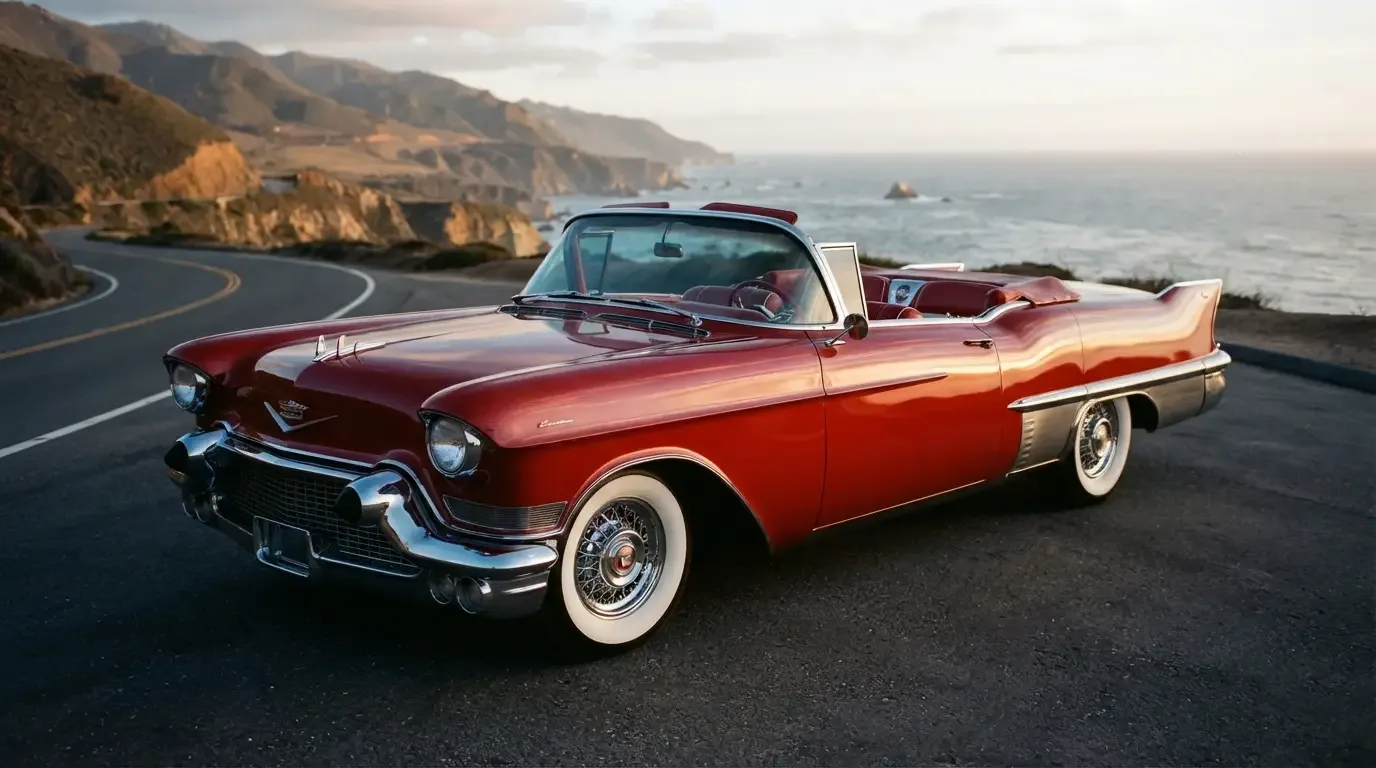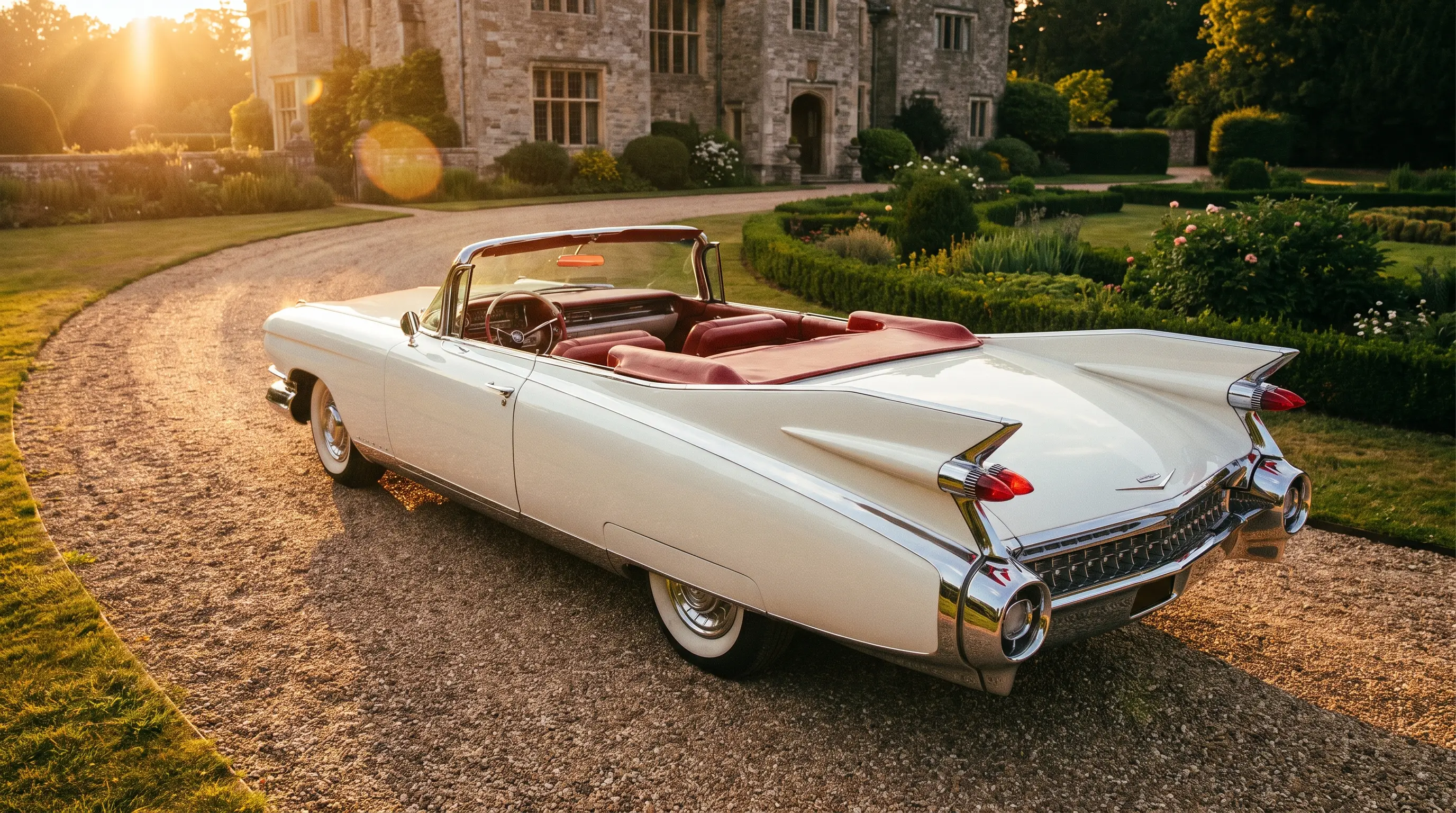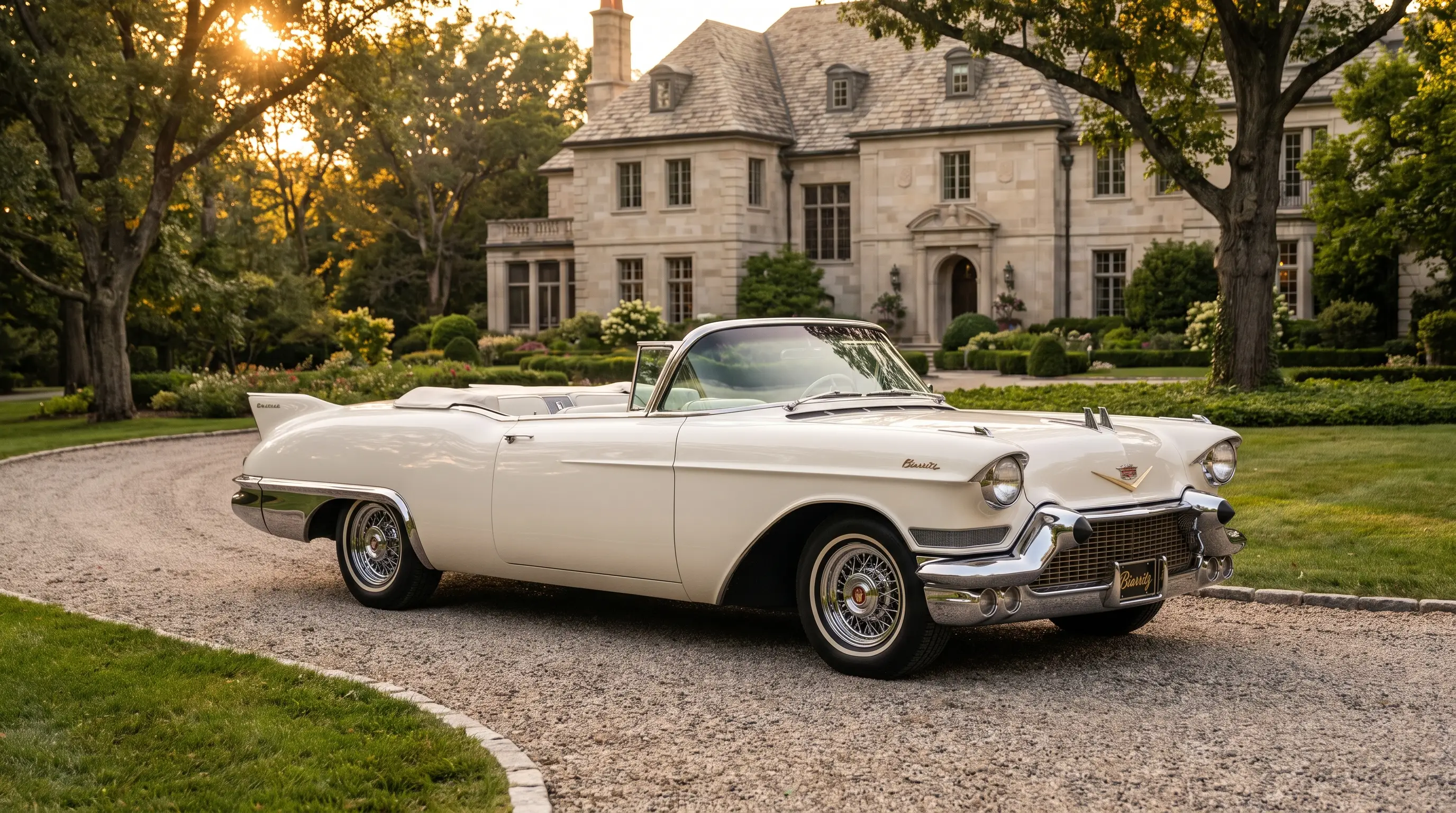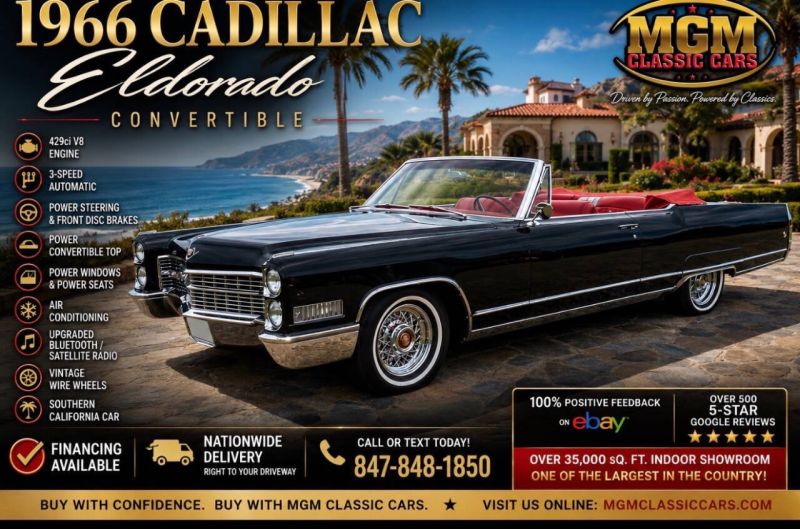
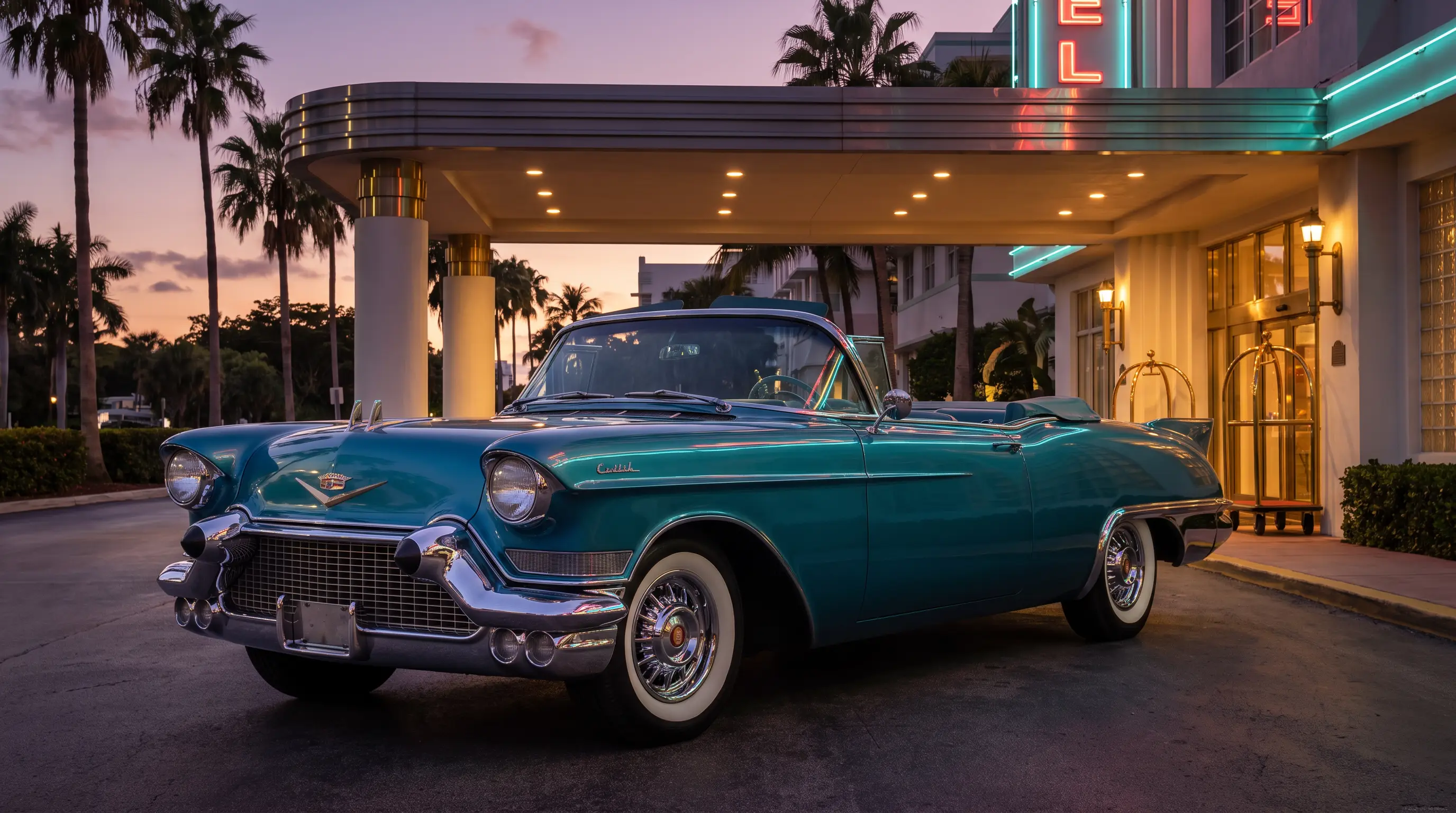
Every collector segment has a handful of cars that consistently outperform their peers at auction, and within American postwar luxury convertibles the Eldorado Biarritz sits near the top of that list. Understanding why the cadillac eldorado biarritz collectible status has held up for decades comes down to a combination of low production, distinctive styling, and a name that still carries weight with buyers who were not even alive when the cars were new.
Scarcity that never got diluted
Unlike some collector cars that saw production ramp up once demand became clear, the Eldorado Biarritz stayed a genuinely low-volume model throughout its late 1950s convertible era. Cadillac never chased volume with it the way it did with the standard Series 62 convertible, which means the supply of real, period Biarritz convertibles has been essentially fixed since the factory stopped building them, with only attrition working against the total rather than any new production adding to it. That kind of hard ceiling on supply is exactly what collector markets reward over time, especially when demand keeps growing as new generations of buyers discover the cars.
Compare that to more common Cadillacs from the same years, where surviving examples are plentiful enough that price appreciation has been slower and more modest. The Biarritz's scarcity gives it a different trajectory, one that has held up across multiple market cycles rather than spiking briefly and correcting hard.
Styling that still reads as maximalist
The Biarritz arrived during Cadillac's most confident styling era, when tailfins, chrome, and dual headlights were not just tolerated but expected from a flagship convertible. Decades later, that maximalism has aged into something closer to sculpture in the eyes of collectors who grew up in a design era of restraint. A Biarritz does not need context or explanation to impress someone at a show. The car makes its case the moment it rolls onto the field, and that immediate visual impact matters enormously in a hobby where a large share of buyers are shopping with their eyes before they ever check a spec sheet.
That styling confidence also photographs well, which has mattered more in the internet auction era than most people expected a decade ago. A Biarritz listing with good photography tends to draw more views and more serious bidder interest than a subtler car, simply because the design translates so effectively into a still image.
The name still does real work
You can read our complete history of the model and see how much of the Biarritz's ongoing appeal traces directly back to the name itself, tied as it is to European glamour and a level of exclusivity Cadillac deliberately built into the marketing from day one. Names matter more in this hobby than people like to admit. A car with a distinctive, well-told story sells faster and for more money than an equally well-preserved car with a forgettable model designation, and the Biarritz has one of the better stories in the entire American luxury segment.
That narrative strength has also made the Biarritz a natural subject for magazine features, documentary segments, and collector retrospectives over the years, which keeps introducing the car to buyers who might never have encountered it otherwise. Visibility compounds. Every article, every televised auction moment, and every well-photographed concours appearance adds another layer to a reputation that was already strong to begin with.
"A fixed, shrinking supply and a name people still recognize sixty years later is about as good a setup as this hobby offers. That combination is why the Biarritz keeps outperforming cars with nearly identical specs."
- David Mercer
Condition and documentation set the ceiling
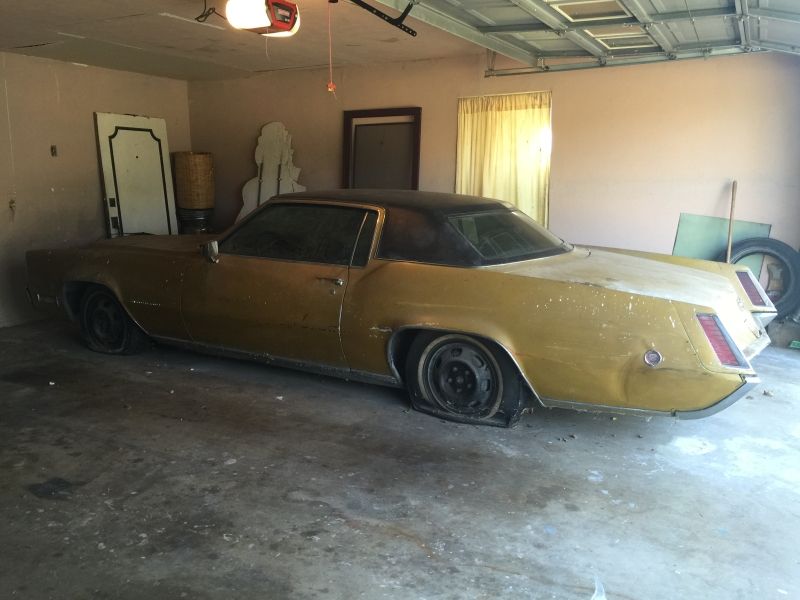
Scarcity and styling create demand, but condition and paperwork determine which specific car captures the top end of that demand. A rough, incomplete Biarritz with an uncertain history sells for a fraction of what a numbers-matching, well-documented example brings, even though both wear the same badge. Buyers in this segment have gotten more sophisticated over the years, and a build sheet, original title chain, or documented restoration history now moves the needle on price more than it did a generation ago, when a good story and a clean appearance were often enough on their own.
That shift rewards patience. A seller willing to spend a year tracking down documentation before listing a Biarritz for sale generally does better than one who lists immediately and lets buyers guess at the car's history. The same logic applies to buyers: a car with gaps in its paper trail is not automatically a bad purchase, but it usually should come at a discount that reflects the extra risk, and negotiating from that position requires understanding what full documentation would have been worth in the first place.
How the Biarritz compares to its closest rivals
Within the same general market segment, buyers often cross-shop the Biarritz against other high-style American convertibles of the period, and the comparison usually favors Cadillac's flagship on both design confidence and brand prestige. Few nameplates from the era carried the same combination of size, presence, and status that Cadillac had spent decades building, and the Biarritz sat at the very top of that brand hierarchy rather than somewhere in the middle of it. That positioning matters to collectors who think about a car's place within its maker's lineup as much as they think about the car in isolation.
It also means the Biarritz tends to hold its relative value better during broader market softness, since buyers looking to consolidate a collection around fewer, stronger cars often keep the flagship and let go of the more common models first. That kind of flight to quality within a niche market is a pattern worth watching if you are thinking about the Biarritz as a long-term holding rather than a quick flip.
Where the market goes from here
Nothing in the collector market moves in a straight line forever, and the Biarritz has had its softer stretches along with everything else tied to classic car values. But the fundamentals that made it collectible in the first place, hard-capped supply, standout styling, and a story that keeps getting retold, have not changed, and they are not the kind of factors that erode quickly. My general read is that well-documented, correctly restored or well-preserved original Biarritz convertibles remain a comparatively defensible position within the broader classic Cadillac market, particularly against more common convertibles from the same era that lack the same scarcity.
If you are building a collection or simply looking for one standout car, the Biarritz earns its reputation honestly rather than through hype alone. You can browse classic Eldorado listings and see the price gap between Biarritz-badged convertibles and their more common siblings for yourself, which tends to be the fastest way to understand why this particular Cadillac has held collector attention for so long.