Elvis Presley bought a Cadillac Eldorado the way other people buy shoes, more than once and mostly on impulse. The celebrity Cadillac Eldorado story is not really about one famous owner. It is about a car that became a kind of currency in Hollywood, Nashville and Memphis, a machine you gave away, drove to the studio, or parked outside a nightclub specifically so people would notice.
Elvis and the gold habit
Presley owned several Eldorados across the 1950s and into the following decade, but the one people remember is not gold at all, it is pink, a 1955 Fleetwood he gave his mother that gets folded into Eldorado lore even though it was a different Cadillac model. What Presley actually bought in Eldorado form were biscayne blue and white convertibles he drove himself, cars he treated as tools rather than trophies. He gave Eldorados to band members and to Memphis friends who happened to be standing nearby when he felt generous, which by most accounts was often. The habit became so well known that Cadillac dealers in Memphis kept inventory on hand specifically because Presley might walk in on a given afternoon and leave with three cars instead of one.
Sammy Davis Jr and the Rat Pack circuit
Sammy Davis Jr is widely remembered driving a Cadillac convertible through the early 1960s Rat Pack years in Las Vegas, and the car did real work for him beyond transportation. Davis faced discrimination even at the top of his career, barred from certain hotels he was headlining despite being one of the Strip's top draws, and a top down Cadillac rolling up the Strip was a visible answer to that, a car nobody could pretend not to see. Frank Sinatra famously backed Davis when casinos balked at admitting him, and the two performers, alongside the rest of the Rat Pack, effectively normalized the sight of Black and Italian American entertainers driving the most expensive American convertibles on the market, which was itself a quiet cultural shift.
"The Eldorado worked as a Rat Pack car for the same reason it worked as an Elvis car. It photographed like money before anyone opened their mouth."
- Patrick Walsh
Motown money and the 1967 front-drive Eldorado
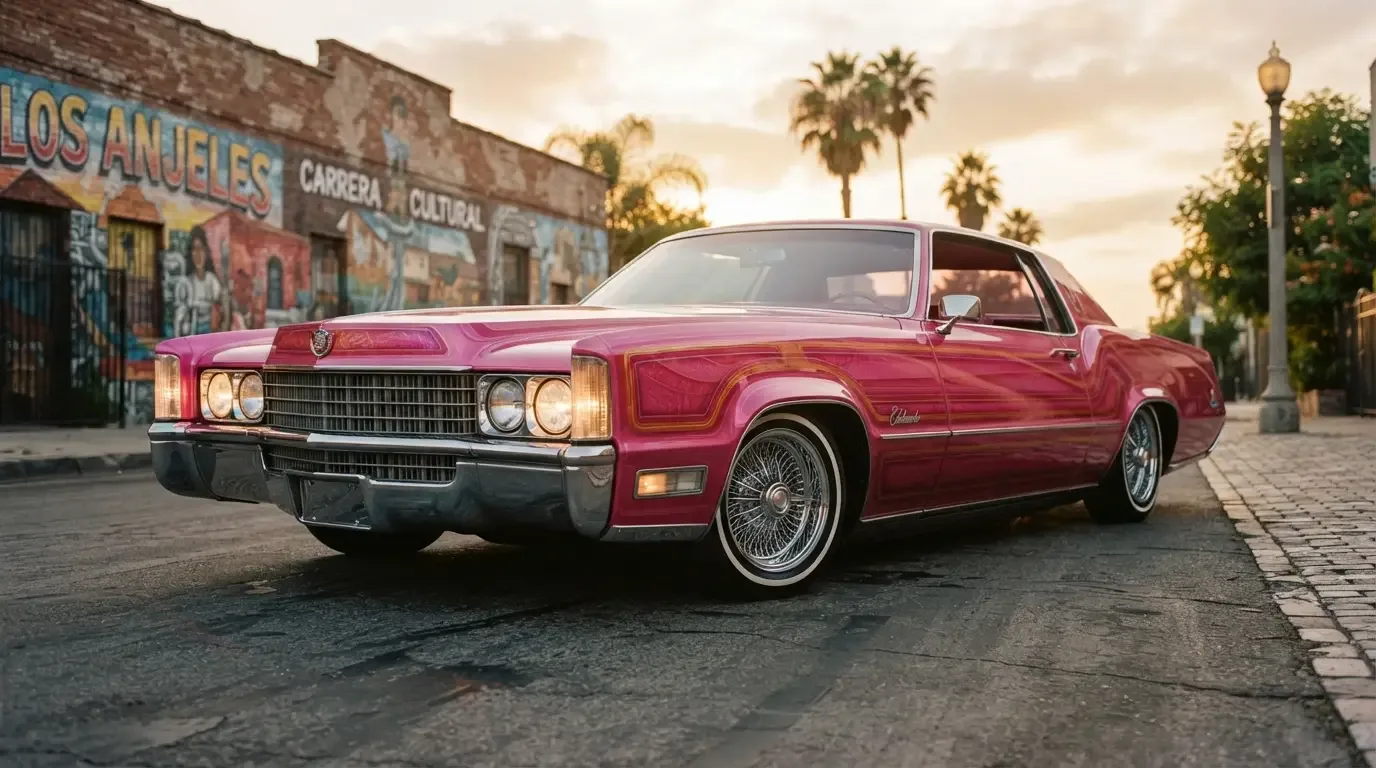
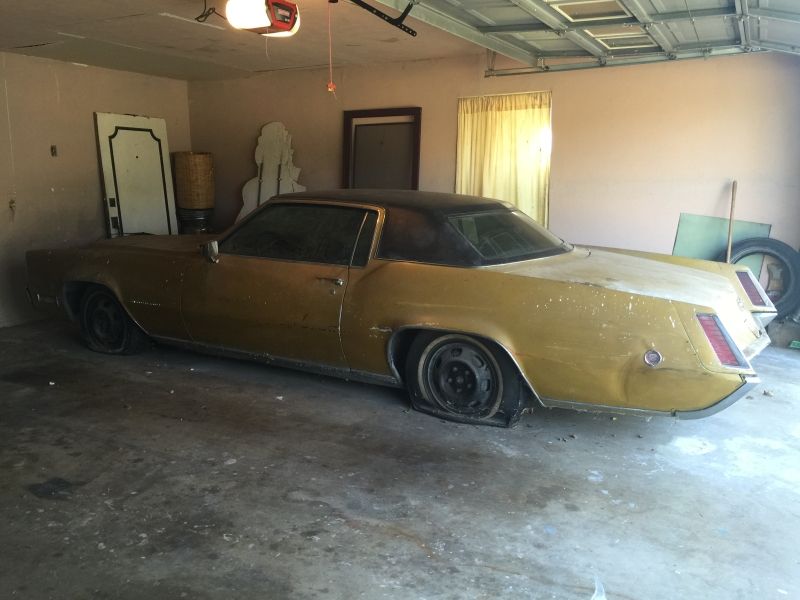
When Cadillac reengineered the Eldorado for 1967 as a front wheel drive personal luxury coupe, Detroit's own music industry adopted it almost immediately. Motown executives and performers bought the new Eldorado in numbers, partly because it was built roughly forty miles from where they worked and partly because the low, hidden headlight styling read as genuinely futuristic next to the tailfin cars still on the road. Berry Gordy's circle treated the Eldorado as a rolling advertisement for how far the label had come, a deliberate contrast to the modest cars some of Motown's earliest stars had driven only a few years before.
The land yacht years and a wider owner list
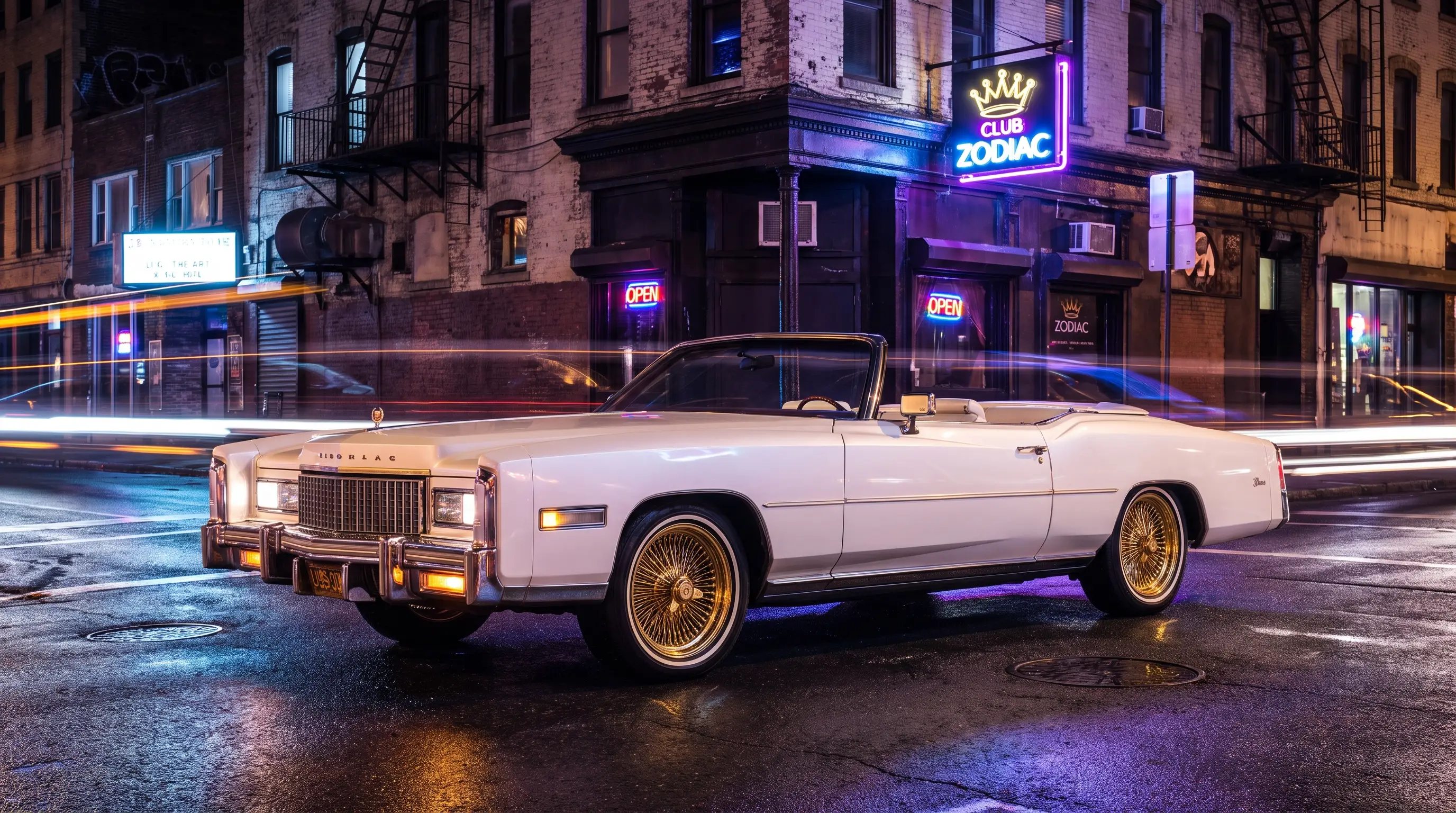
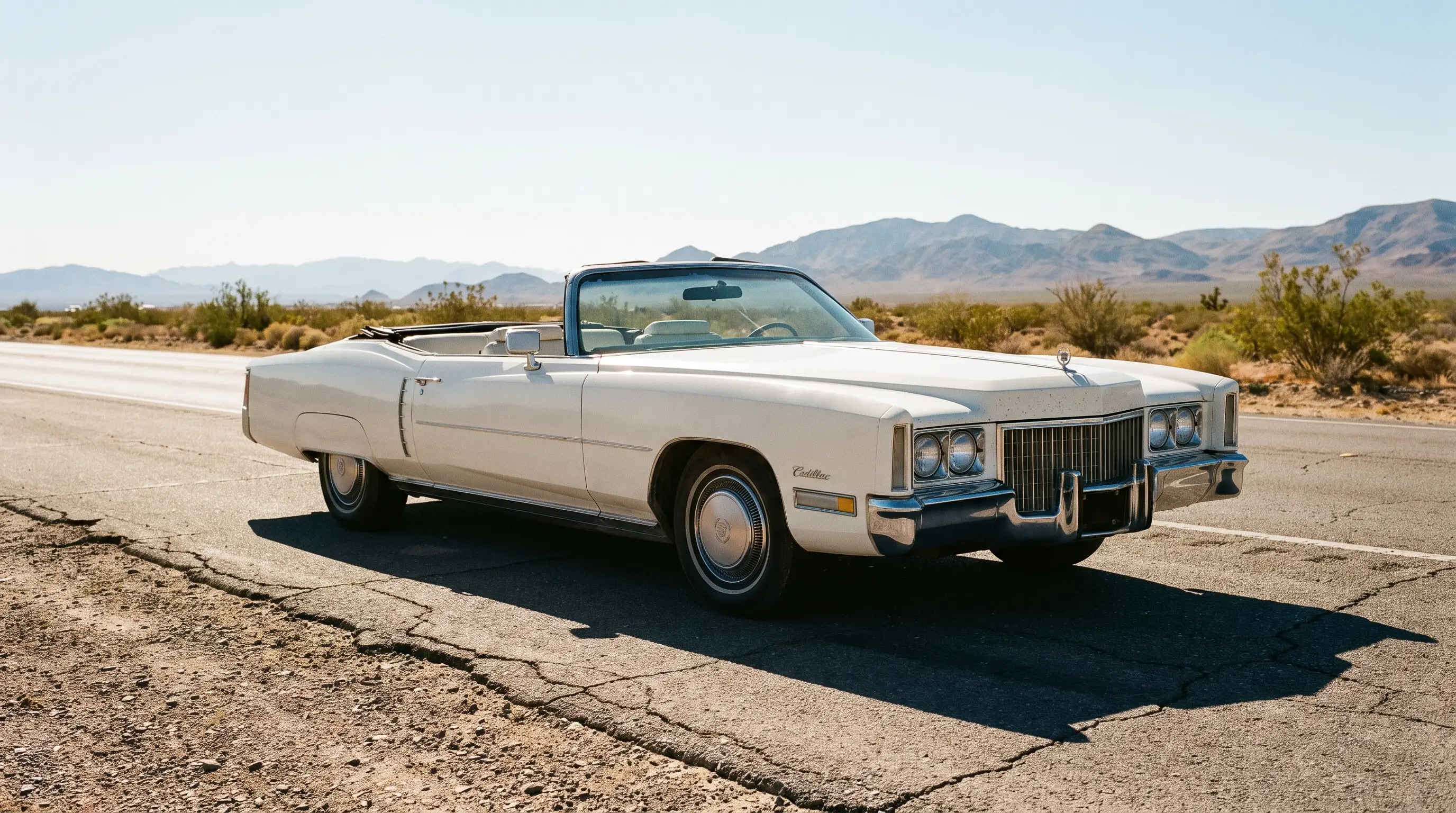
By the 1970s the Eldorado had grown into a genuine land yacht, and its owner list widened past music into television and sports. Athletes newly earning real endorsement money bought Eldorado convertibles as a first big purchase, the same way a later generation bought sports cars. Country stars in Nashville kept Eldorados for the same reason Elvis had, a big soft riding coupe that could cross state lines in comfort between show dates. The car's production numbers during these years stayed high enough, including roughly 14,000 convertibles built for 1976 alone, that celebrity ownership never felt exclusive, which was part of the appeal. A famous person driving an Eldorado in 1976 was not announcing wealth so much as announcing arrival, a signal any working entertainer with a hit record could afford to send.
Liberace, Priscilla Presley and a car built to be seen
Liberace took the celebrity Cadillac Eldorado habit further than almost anyone, commissioning custom paint and interior work that turned individual cars into stage props as much as transportation. His approach influenced how other performers thought about the Eldorado, not as a car to be driven quietly but as a car to be photographed leaving a theater. Priscilla Presley later spoke about the fleet of cars that moved through Graceland during her years there, Eldorados included, describing them less as vehicles the family used and more as gifts that arrived and departed on their own schedule, handed out to relatives, employees and friends almost as casually as flowers.
Boxing, football and the athlete's first big car
Heavyweight boxers and NFL players in the 1960s and 1970s gravitated toward the Eldorado for a reason athletes still cite today, it was the most visible proof of a paycheck that had suddenly changed size. A rookie contract or a title fight purse converted into an Eldorado sent a message to an old neighborhood faster than any bank statement could. Several boxers photographed outside Madison Square Garden and other arenas in the 1960s are seen next to Eldorado convertibles specifically, cars borrowed or bought for the occasion because the silhouette read as success from fifty feet away, even to someone who knew nothing about engines or trim levels.
Why the car kept attracting famous names
Part of the answer is simple visibility. An Eldorado convertible with the top down is built to be recognized from across a parking lot, and recognition is exactly what a certain kind of celebrity purchase is meant to buy. Part of it is history repeating itself, each generation of performers watching the one before them drive Eldorados and treating the car as a rite of passage rather than a random choice. Cadillac's own marketing leaned into that reputation rather than fighting it, aware that unpaid celebrity exposure was worth more than any print ad it could buy. For a longer look at how the car moved through film, music and advertising well beyond individual owners, the full story traces that broader thread.
What ties Elvis, Sammy Davis Jr and the Motown crowd together is not taste exactly, it is timing. Each of them reached for the Eldorado at the moment it represented the newest version of arrival, gold trim in the fifties, hidden headlights in 1967, chrome acreage in the seventies. Anyone chasing that same feeling today can still browse classic Eldorado listings and find a car from whichever era matches the story they want to tell.
None of this history required a single owner to say anything about the car out loud. The Eldorado did the talking on its own, which is arguably the most honest kind of celebrity endorsement a Cadillac ever received, one nobody was paid to deliver.