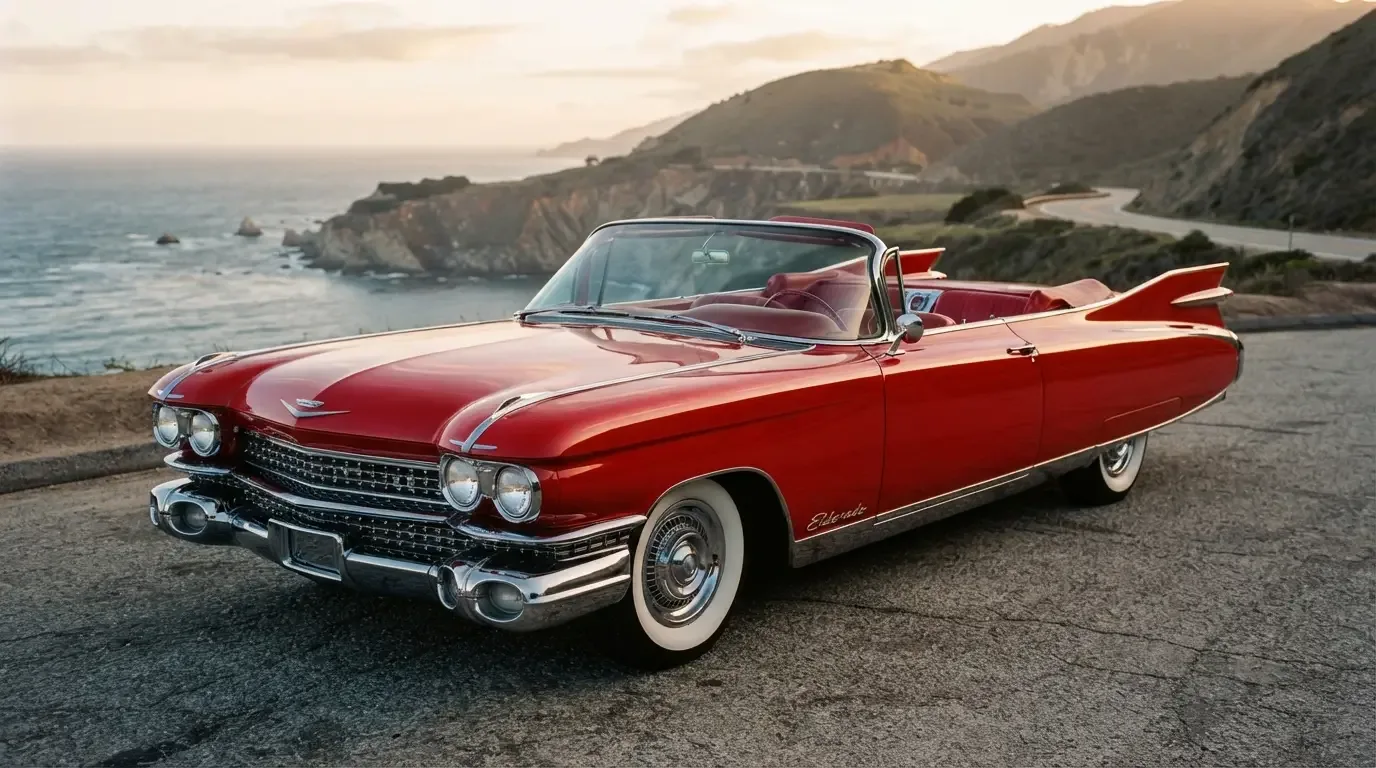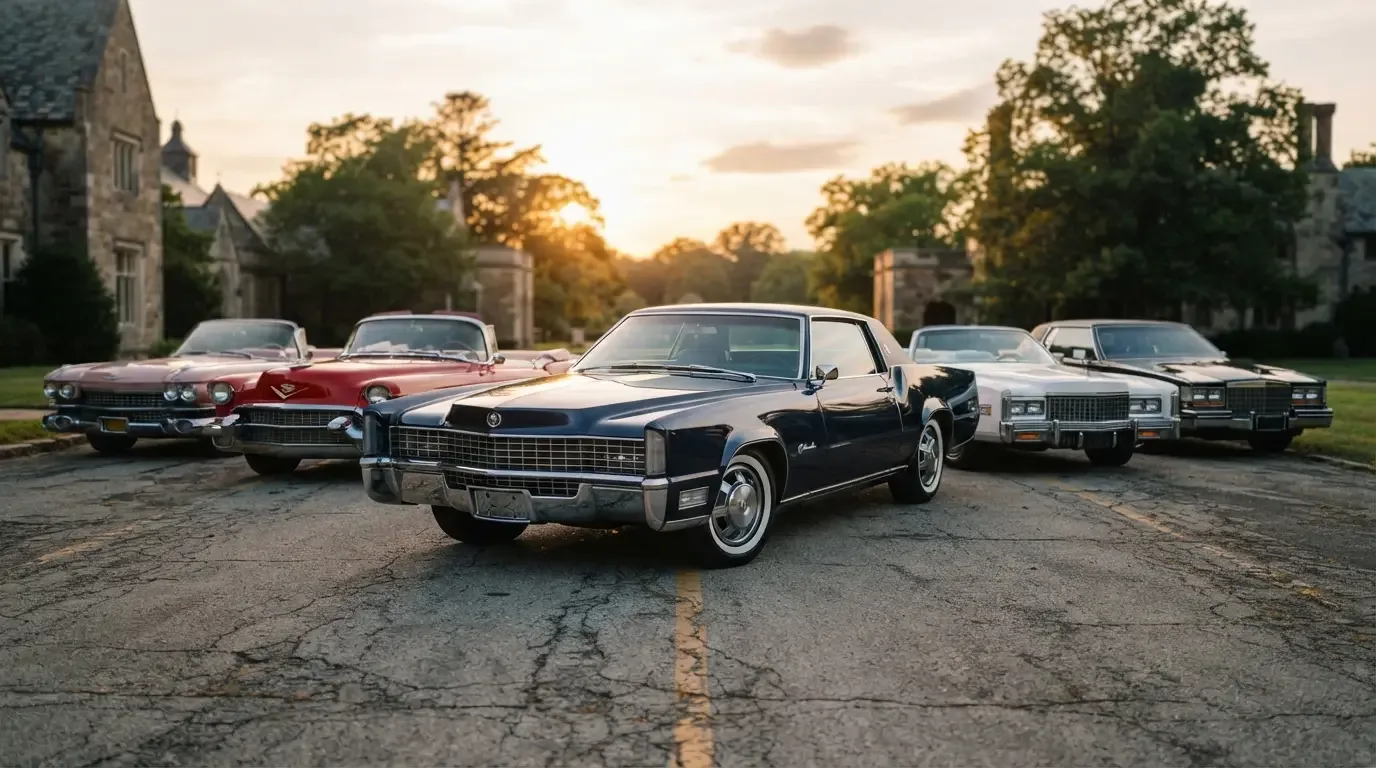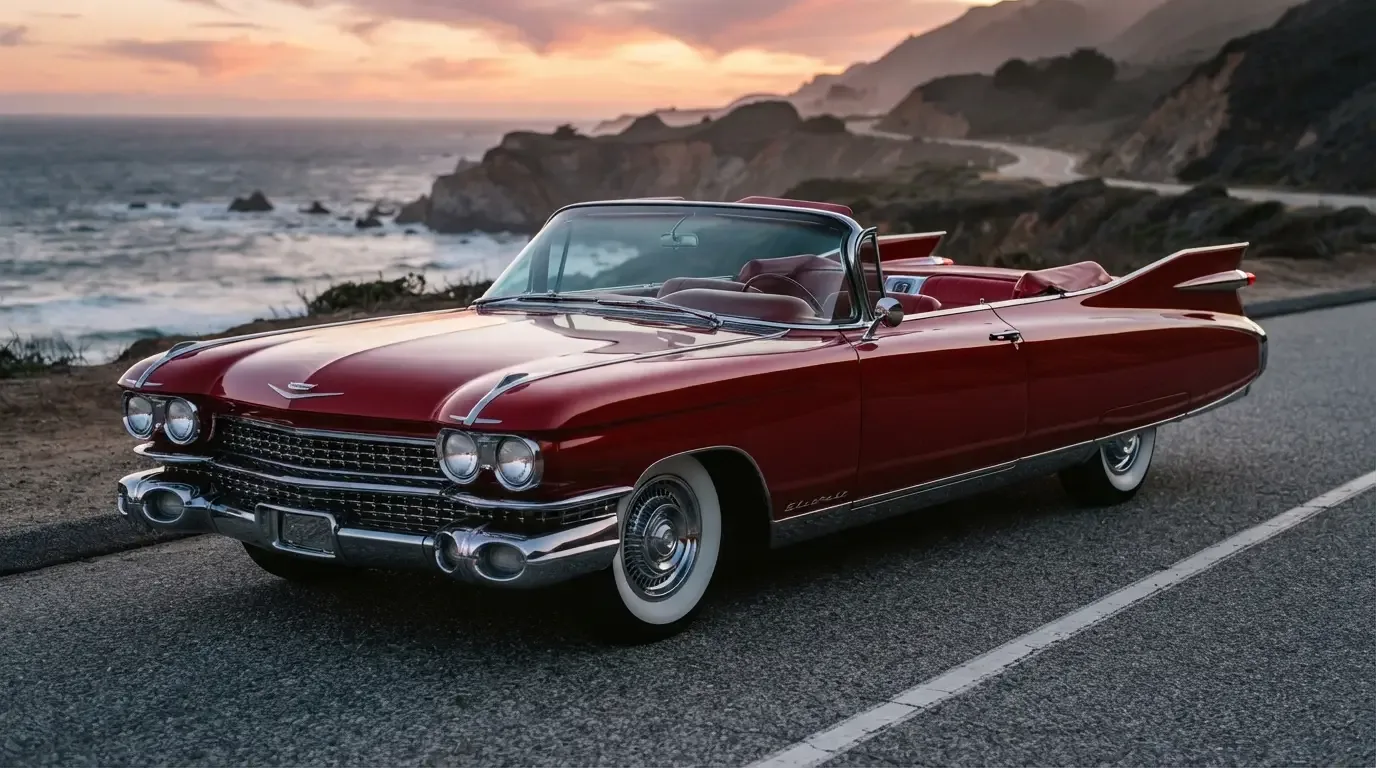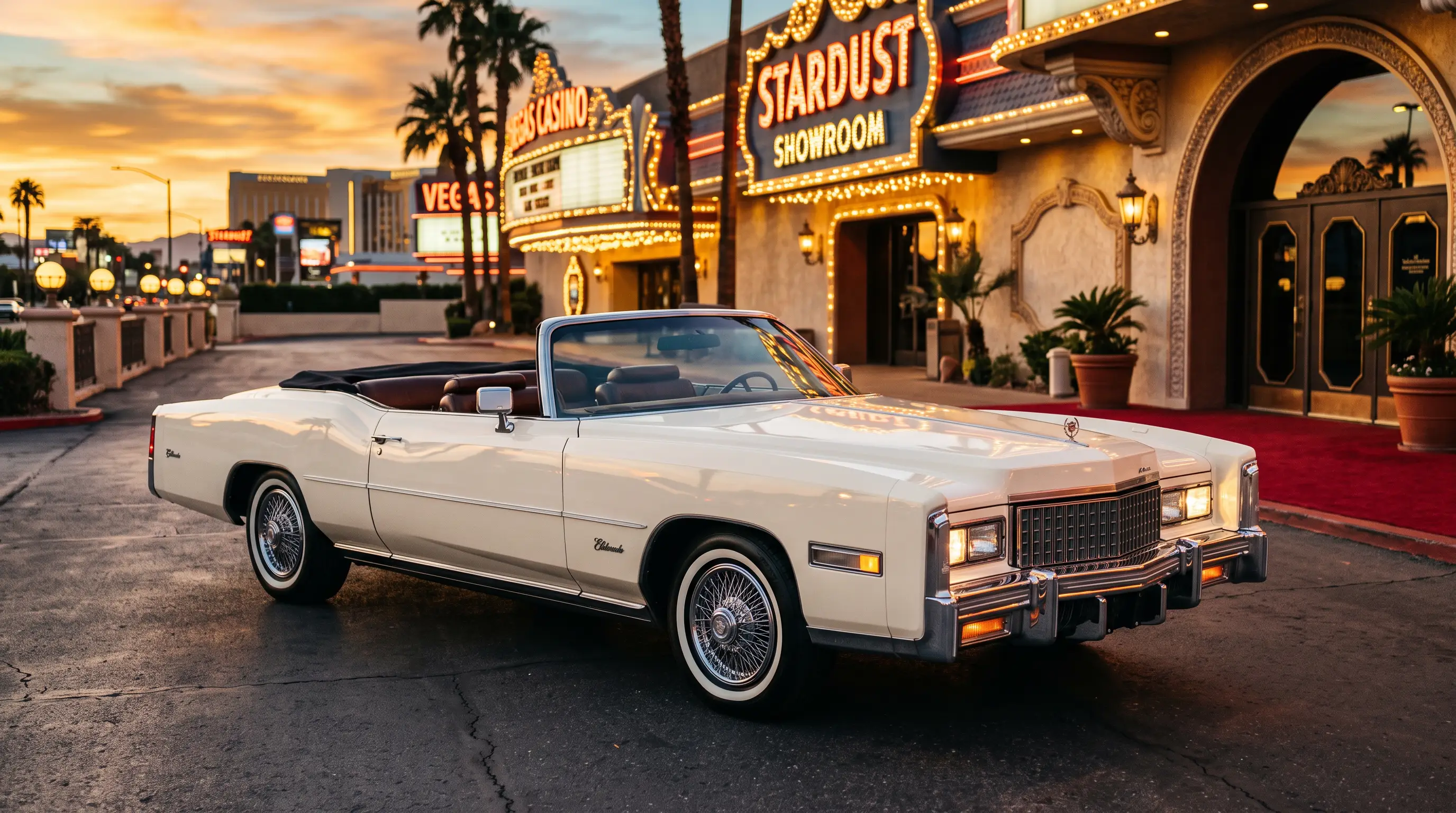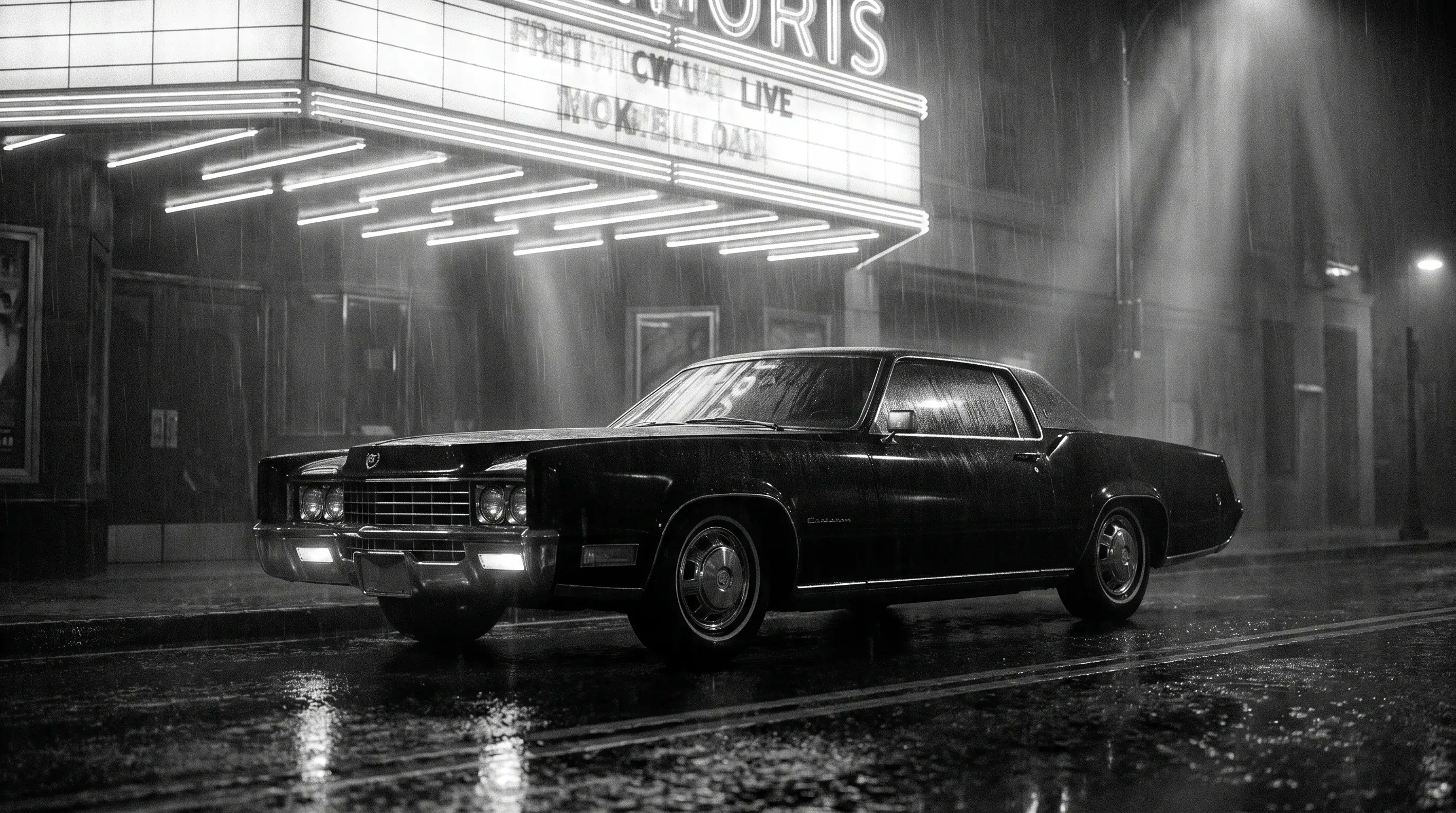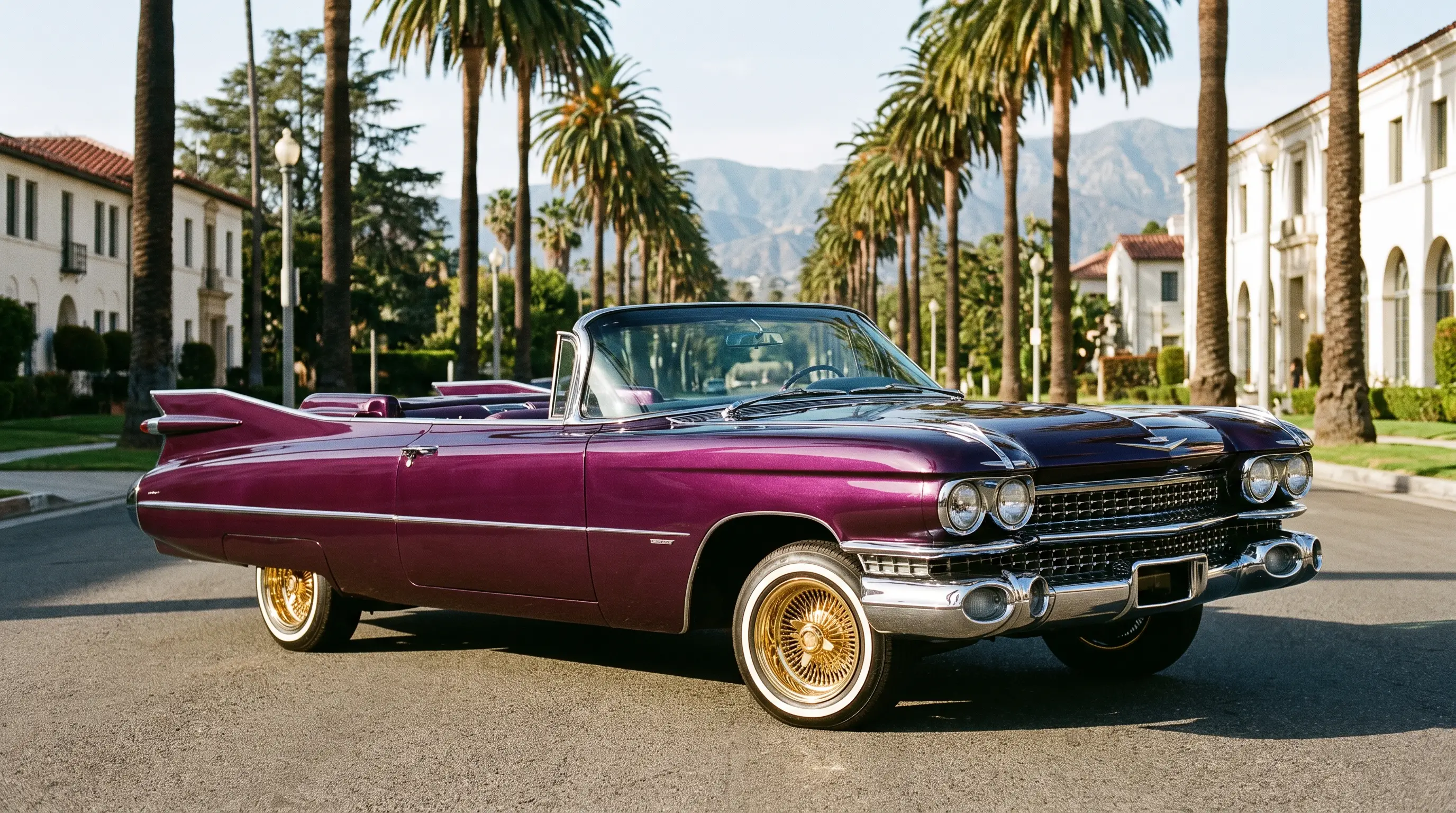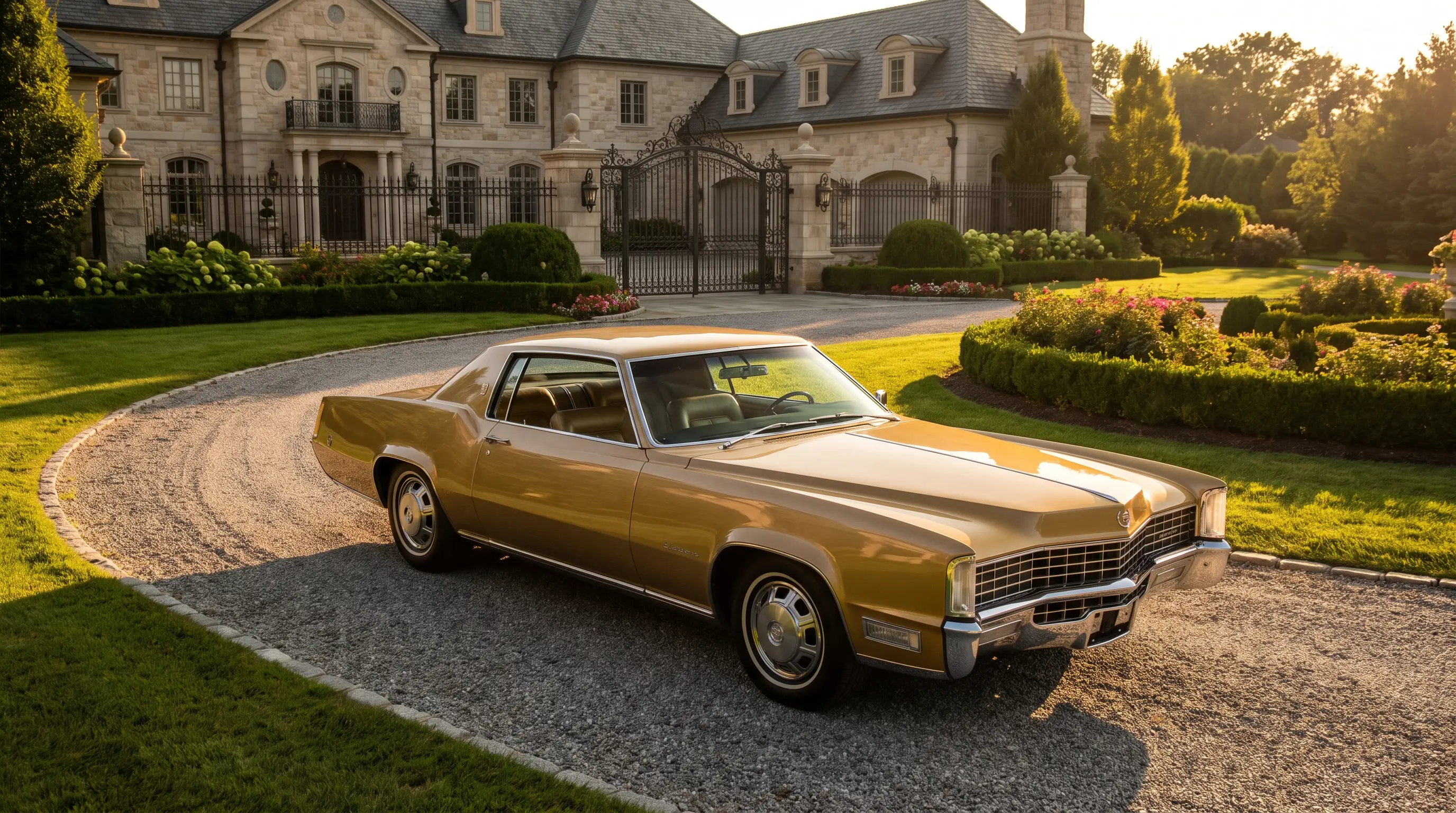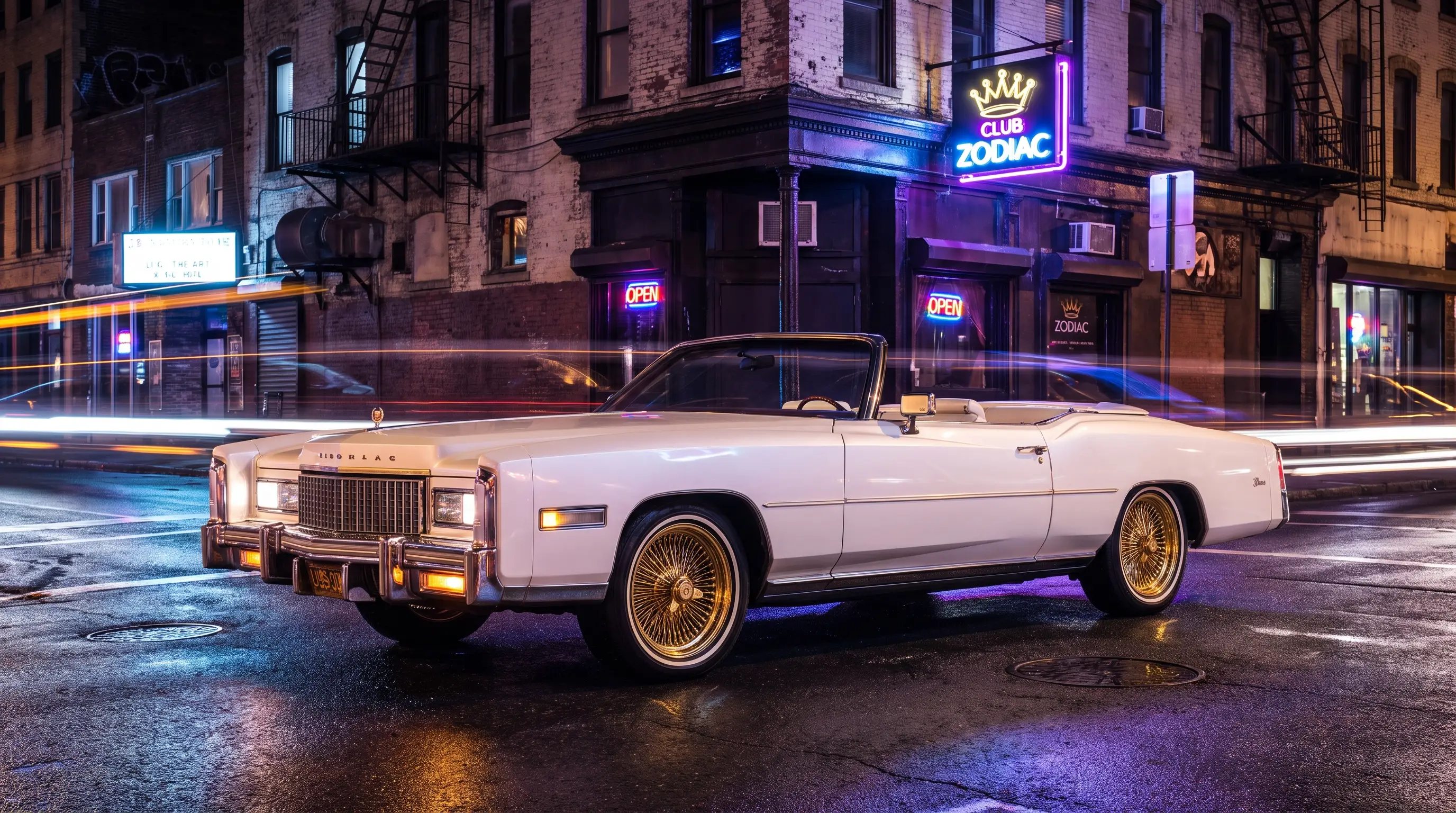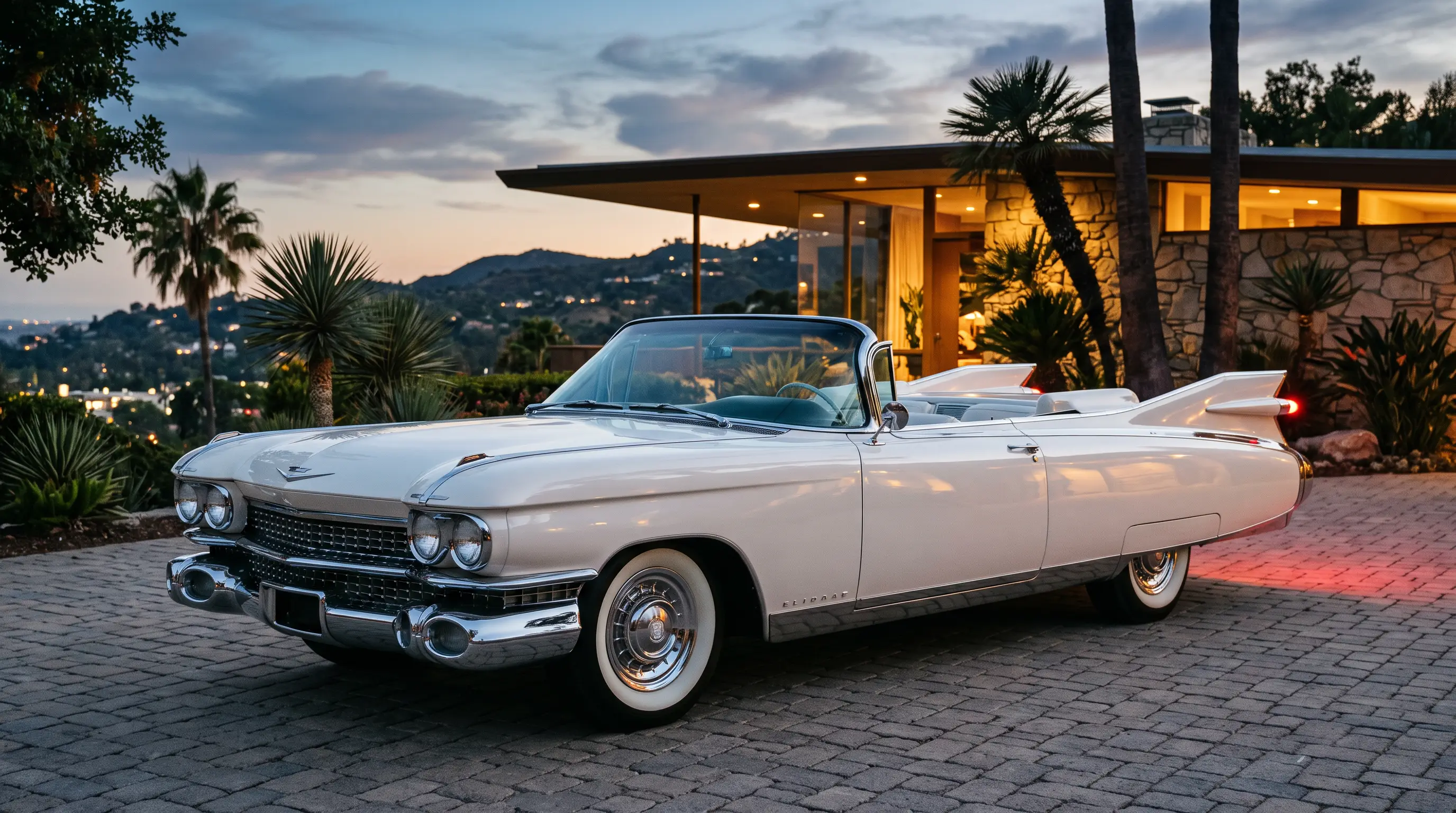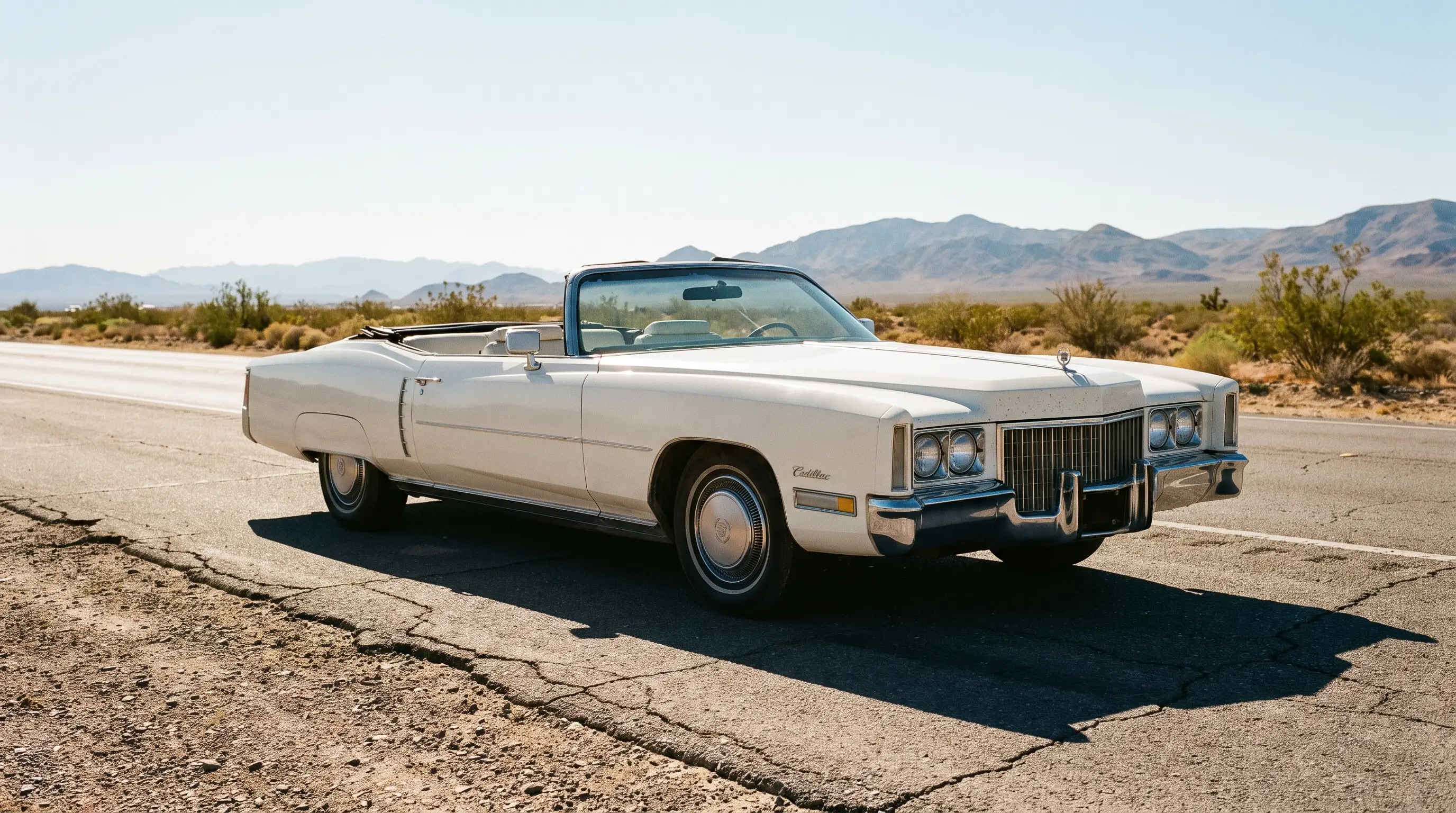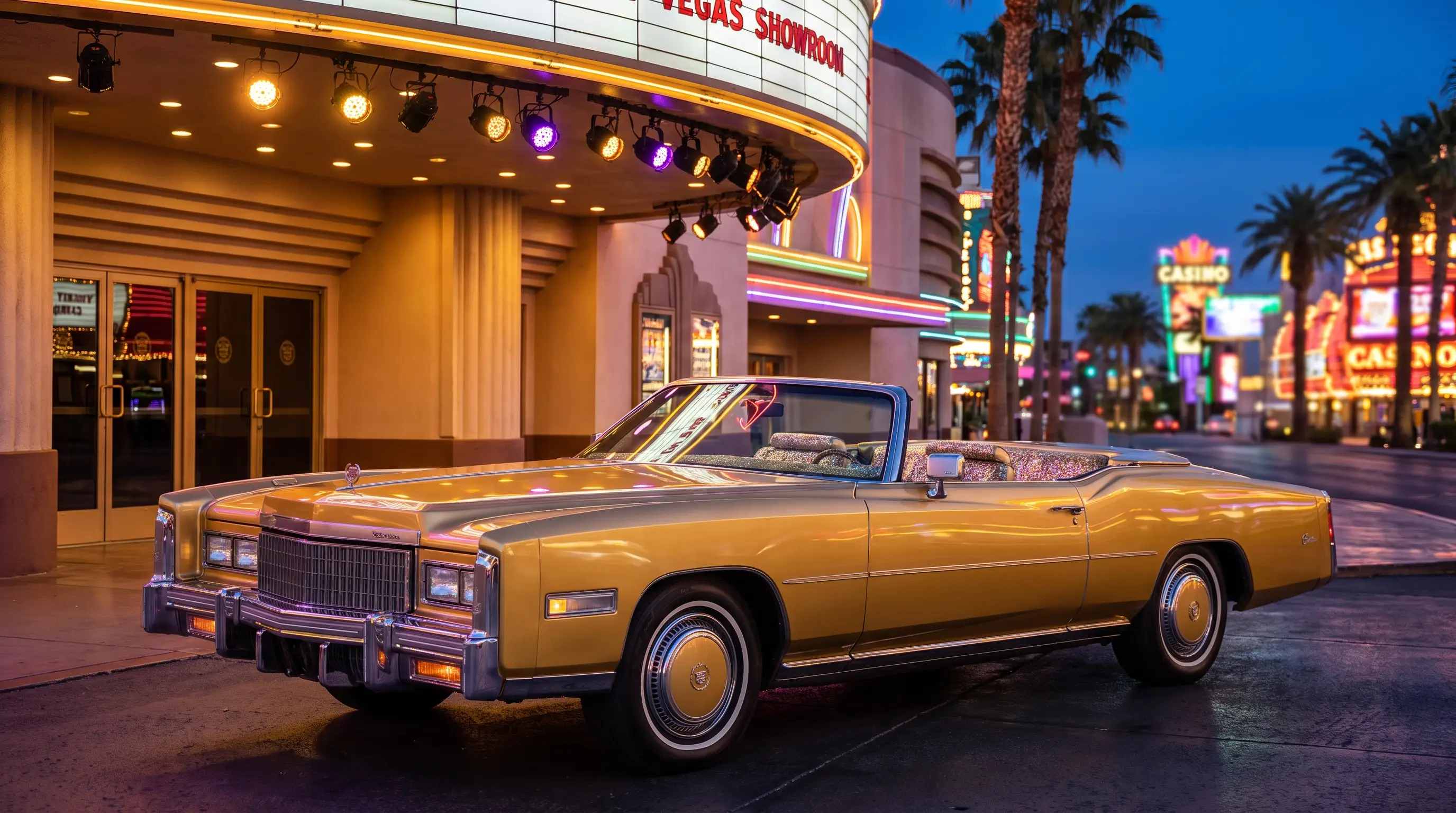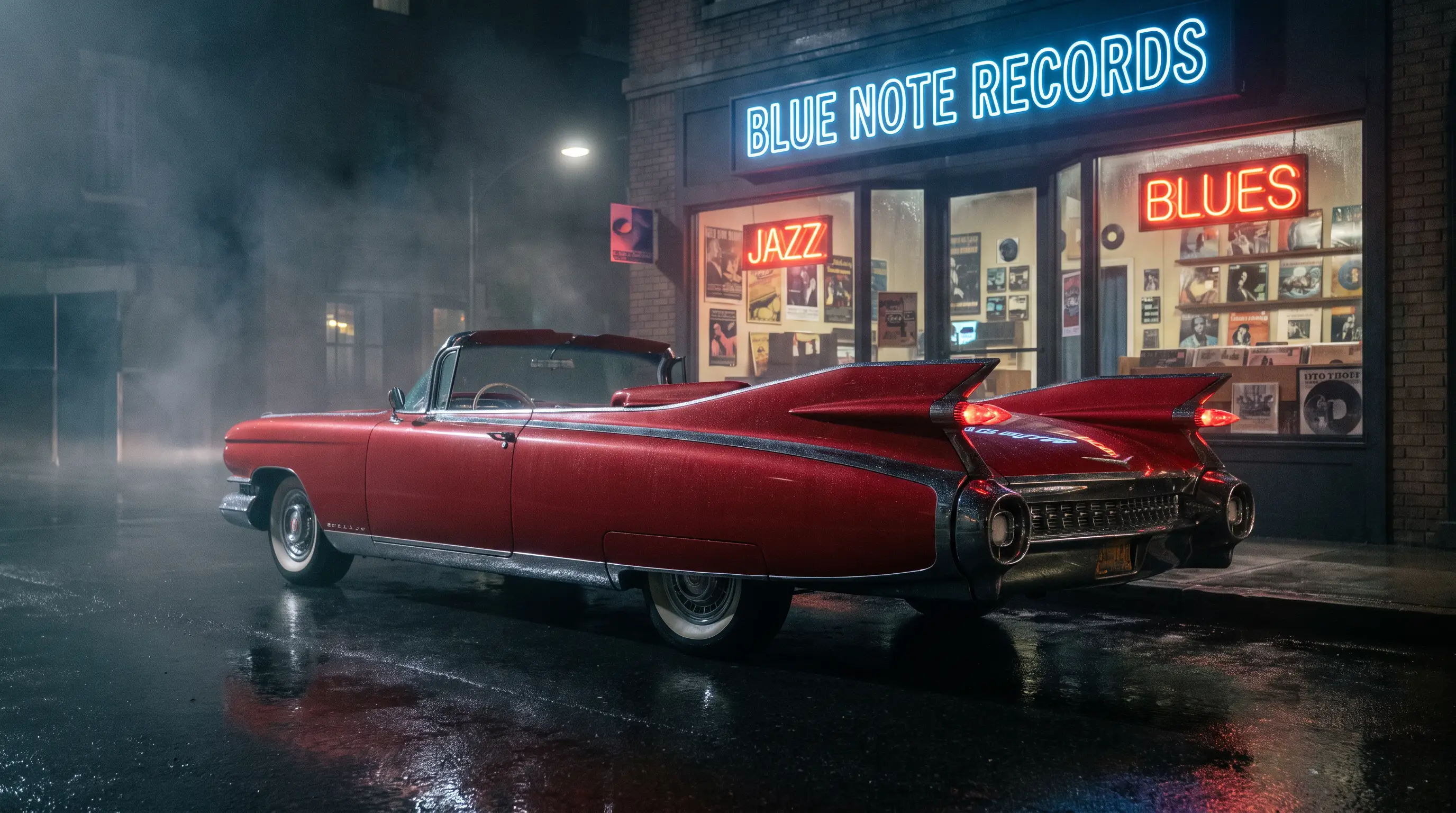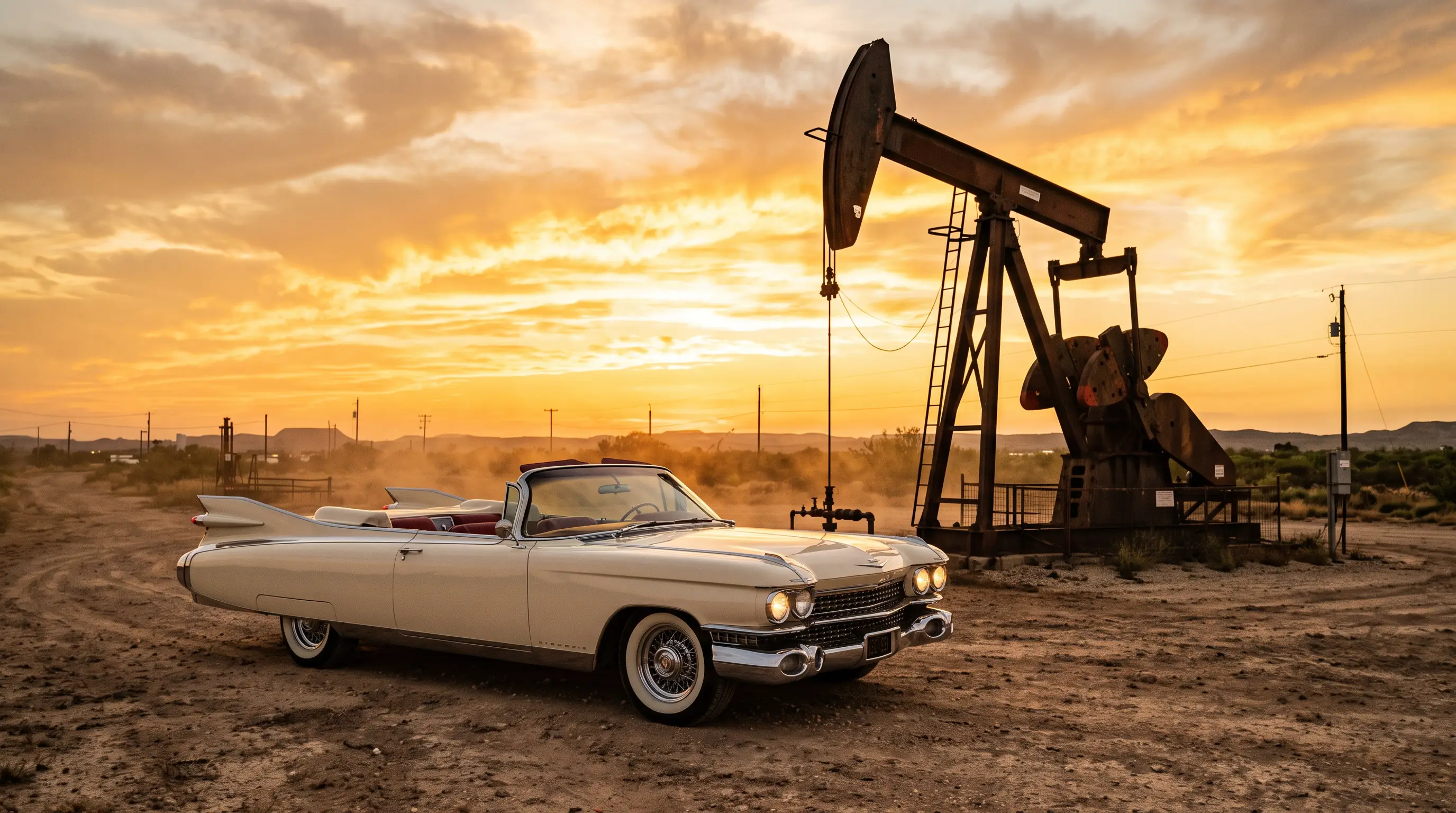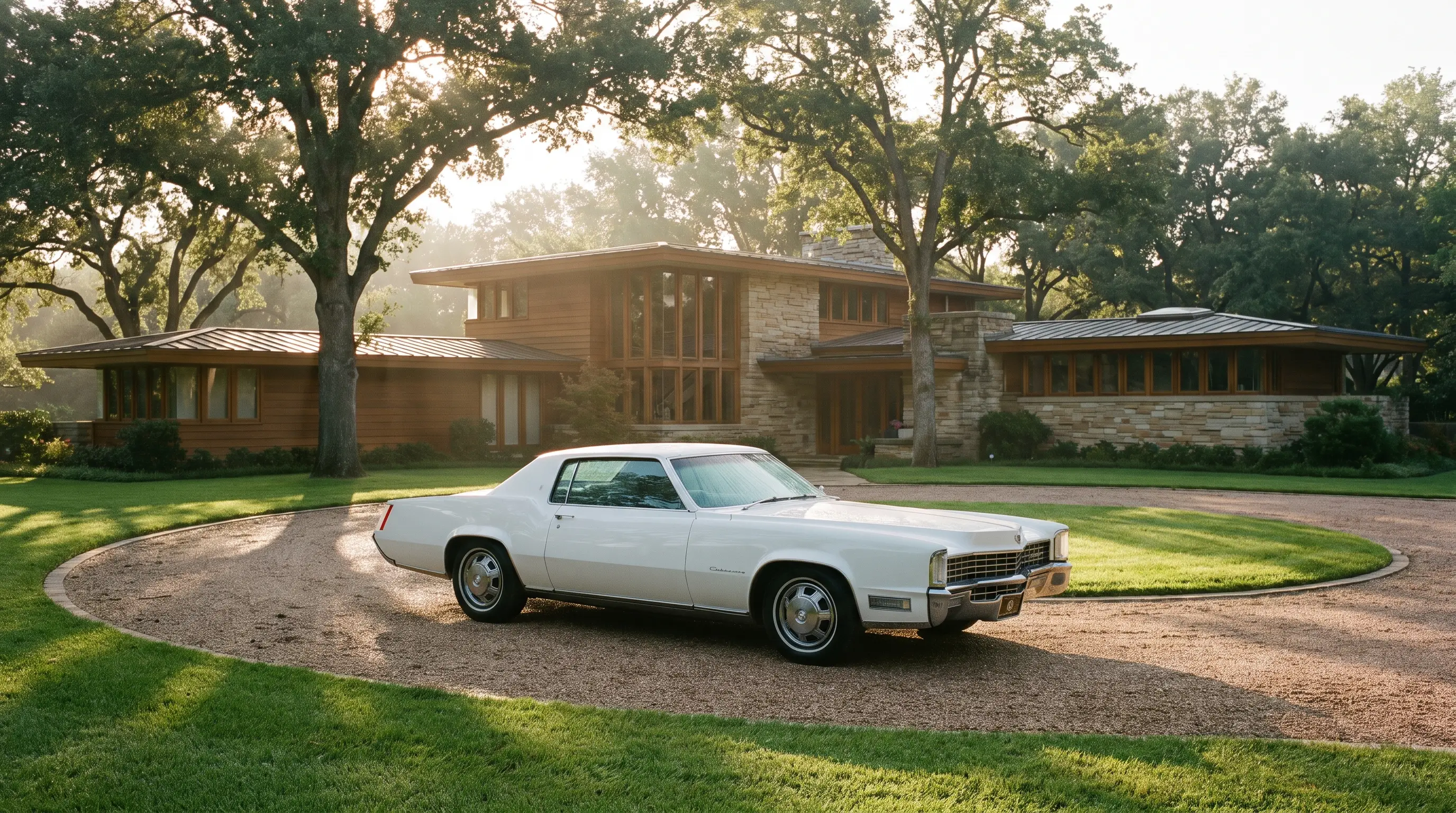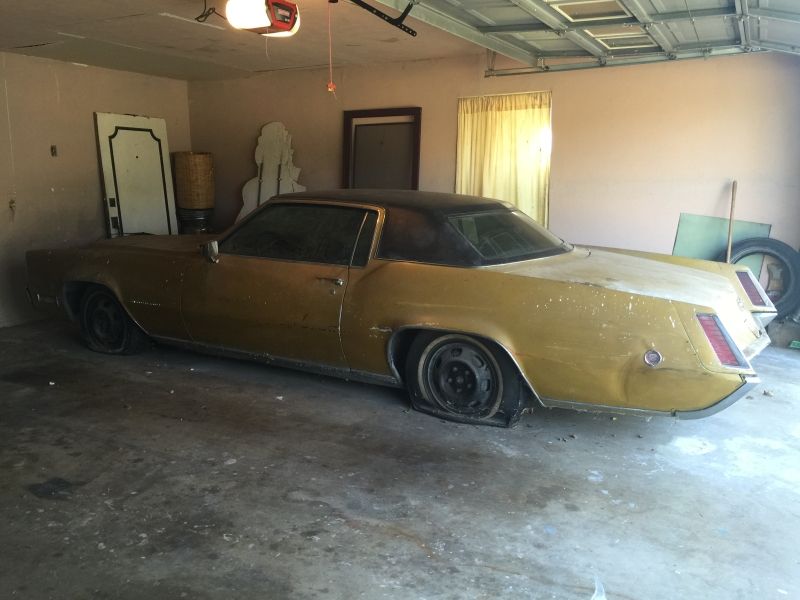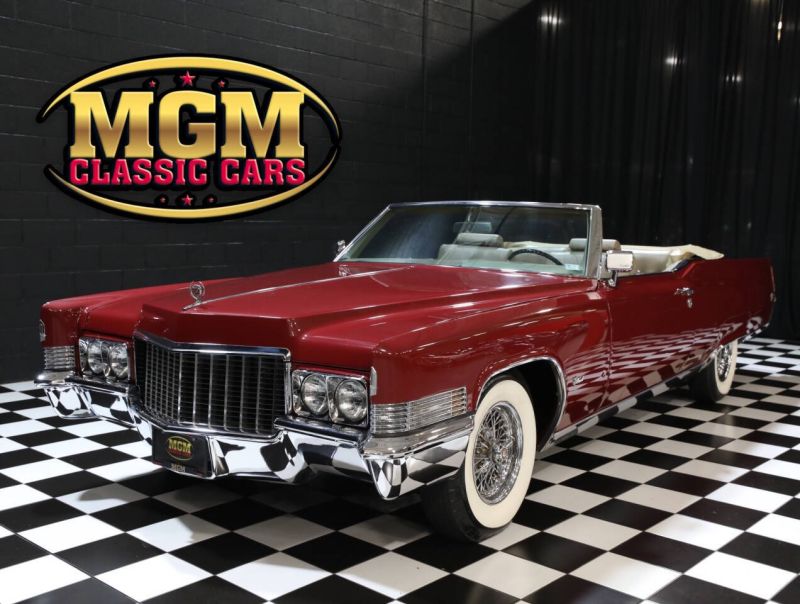
On a warm night in 1956, a young man from Memphis drove a new Cadillac Eldorado off a Tennessee lot and into a story that would outlive him. Elvis Presley was barely famous then, and the car was the kind of purchase that announces an arrival before the man himself can. That single image, a Southern kid and a two-ton convertible, tells you almost everything about how the Cadillac Eldorado pop culture legend began. The car was never only a car. It was a costume, a stage prop, a wish made of chrome and paint, and America kept casting it in that role for the next fifty years.
What follows is not a mechanical history. It is a look at where the Eldorado showed up in the national imagination, who put it there, and why the country kept reaching for it whenever it wanted to say something about money, arrival, or the ache to be seen.
Elvis and the making of a symbol
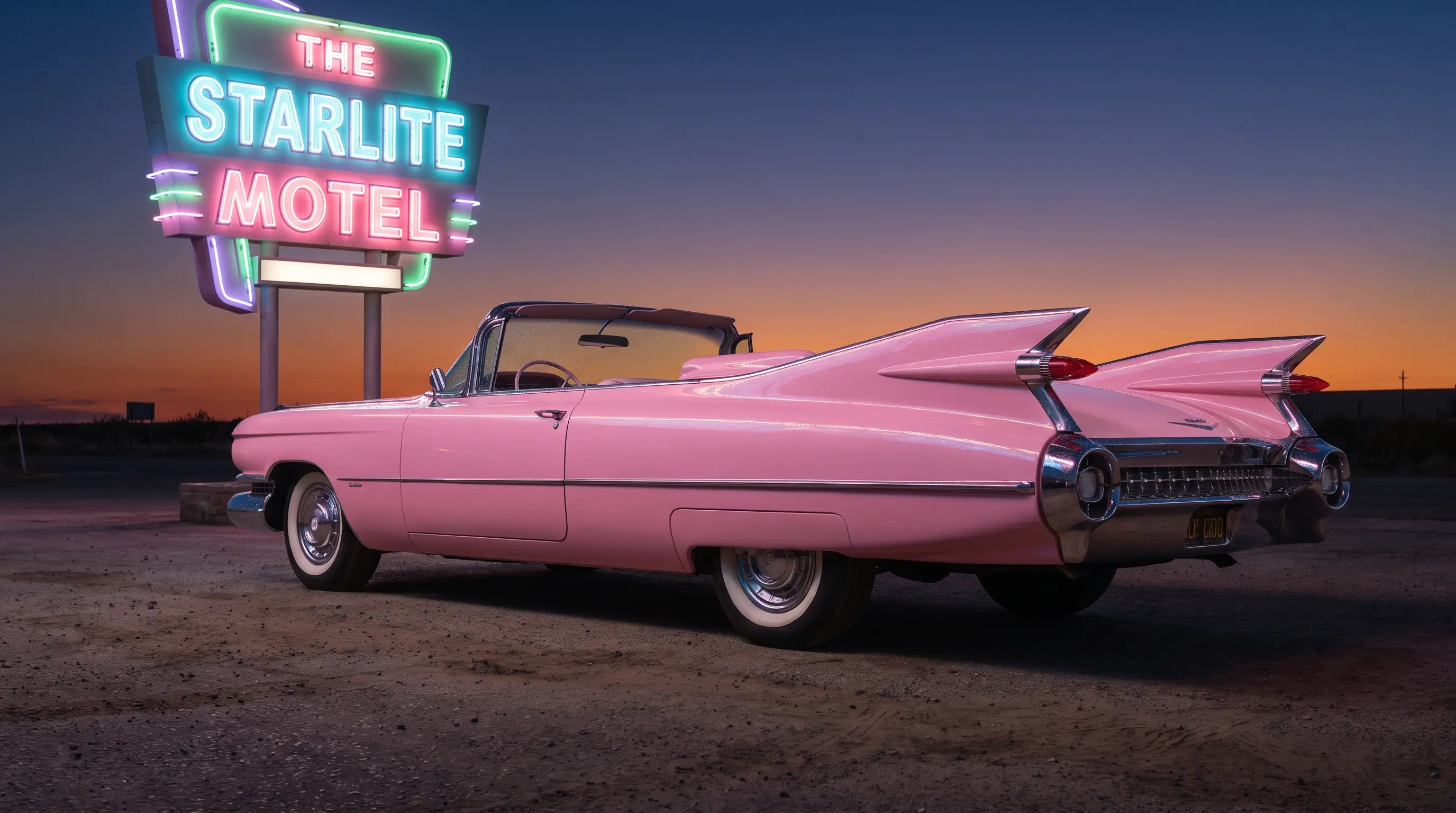
Presley bought many Cadillacs in his life, and gave away plenty too. The pink Cadillac people remember most was actually a 1955 Fleetwood, not an Eldorado, and that small correction matters because myth tends to blur the badges. But the Eldorado belonged to the same emotional register. It was the top of the line, the car you bought when you had climbed past the point of needing to prove anything and wanted to prove it anyway.
For a generation of performers who grew up poor, the Eldorado was shorthand for having made it. The convertible top down, the tailfins catching streetlight, the sheer length of the thing filling a rearview mirror. Presley understood the theater of it. He handed cars to strangers, to nurses, to fans, because a Cadillac given away said more about his fortune than a Cadillac kept. The car became a form of speech.
You can trace a straight line from those Memphis nights to the way the Eldorado sits in music today. It appears in lyrics, in album art, in the background of a thousand publicity photos, always meaning roughly the same thing. Arrival. If you want the full arc of how the model earned that meaning, the cadillac eldorado history is a longer study, but the short version is that Elvis got there first and the culture followed.
Hollywood puts the Eldorado on screen
Film and television learned early that a car could do a character's talking. A director who needed a figure to read as flashy, dangerous, or newly rich did not have to write a line of dialogue. He parked an Eldorado in the frame and the audience filled in the rest.
The 1970s land yachts were especially useful for this. Long, low, and impossible to ignore, they became the ride of choice for pimps, hustlers, and kingpins in the blaxploitation era, and later for the parody of that same figure. The car carried a whole set of assumptions about the driver before he opened his mouth. Costume designers and location scouts leaned on it the way a novelist leans on a well-chosen coat.
That reputation cut both ways. For some viewers the on-screen Eldorado was a stereotype, a lazy visual shorthand that flattened real people into a silhouette. For others it was aspiration made visible, proof that the culture recognized a certain kind of swagger and gave it a set of wheels. Both readings are true, and the tension between them is part of what keeps the car interesting decades later.
By the 1980s and 1990s the meaning had softened into nostalgia. A vintage Eldorado in a period film signaled the era itself, the way a rotary phone or a particular haircut does. The car had become a date stamp, a way of telling the audience exactly what year they were looking at without a title card.
The lowrider takes the car and makes it art
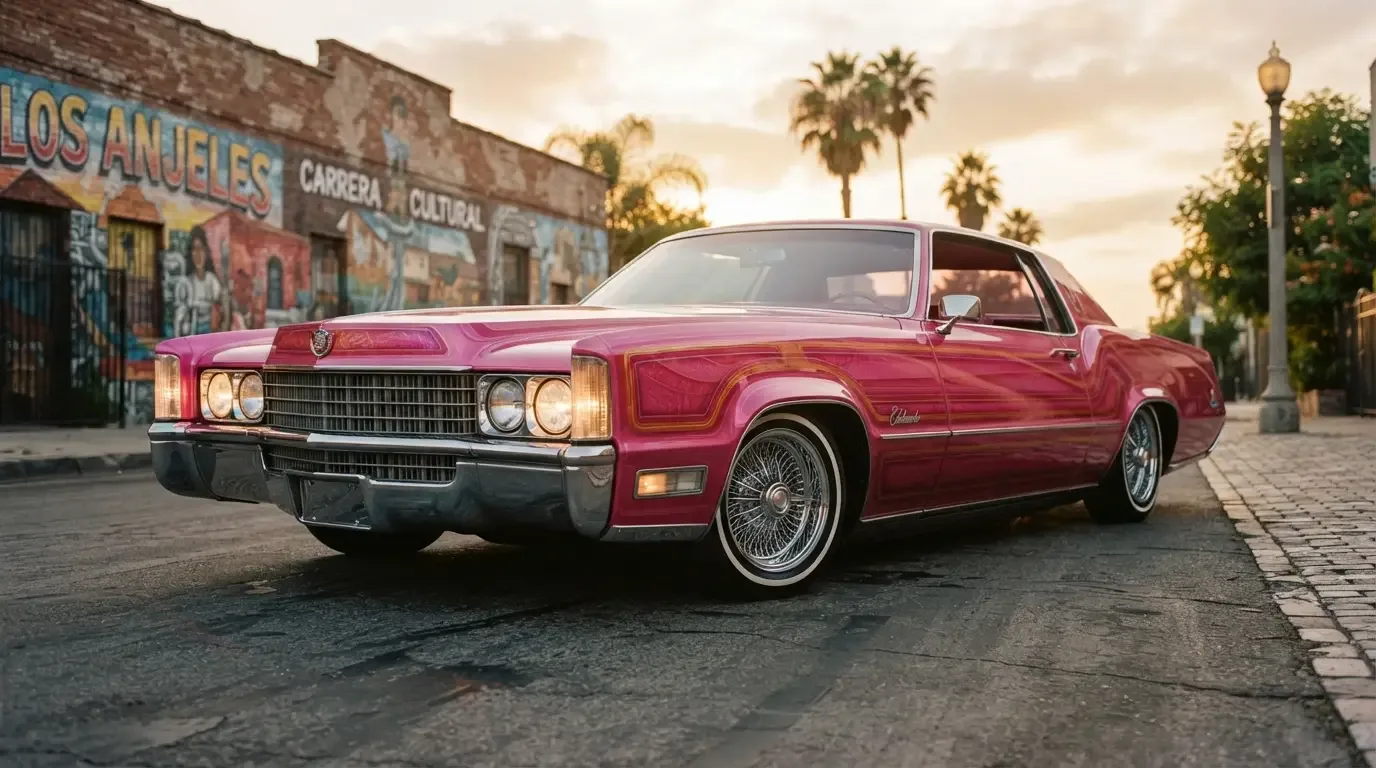
The most inventive chapter belongs to the lowrider community, and it deserves more than a passing mention. In the barrios of Los Angeles and across the Southwest, Mexican American builders took the Cadillac, a symbol of establishment wealth, and rebuilt it into something entirely their own. Where the factory wanted low and fast, they went low and slow. Bajito y suavecito. The whole philosophy was a quiet rebuttal to the hot rod.
The Eldorado, with its broad panels and generous proportions, became a canvas. Candy paint laid down in a dozen translucent coats. Murals airbrushed across hoods and trunks. Hydraulics that let the car kneel, hop, and dance at a stoplight. This was not customization for speed or even for comfort. It was customization as portraiture, a way for a family and a neighborhood to see itself reflected in metal.
The craft here is genuine and it is generational. Fathers taught sons how to wet-sand a panel until it looked liquid. Clubs organized around the work, and the cars appeared at weddings, quinceaneras, and funerals as full members of the community. A well-built lowrider Eldorado was rolling evidence of patience, money spent slowly over years, and a refusal to accept that a Cadillac only meant one thing.
The Eldorado as a measure of a decade
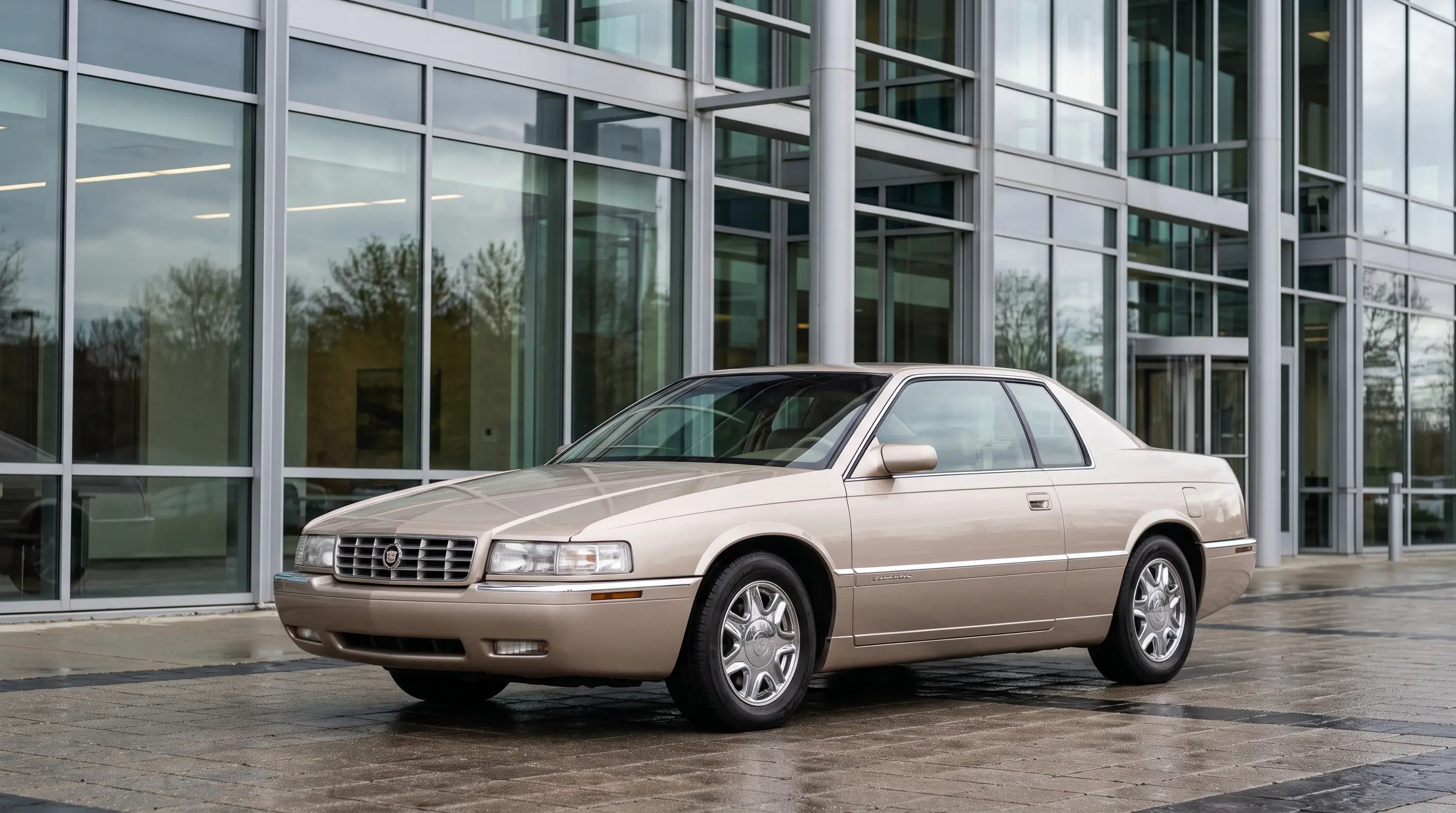
Part of what makes the Eldorado such a rich cultural object is that it changed shape so completely across its run. The car that meant one thing in 1959 meant something quite different by 1976, and different again by the Northstar coupes of the 1990s. Each generation attached itself to a mood.
| Era | Cultural role | What it signaled |
|---|---|---|
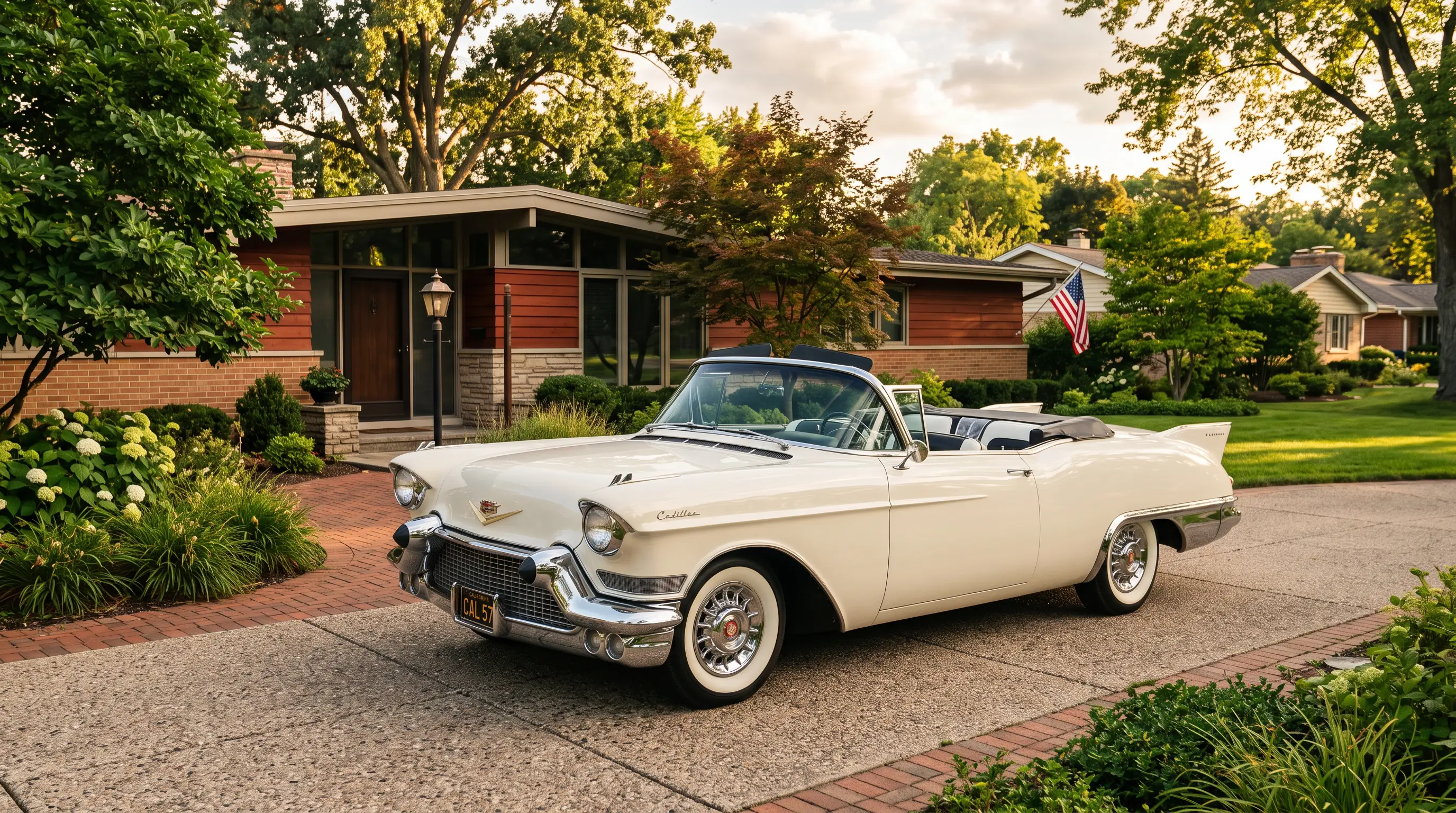
| 1953 to 1958 tailfin era | Jet-age glamour | Optimism, space-race confidence, new money |
| 1959 peak fins | Excess as art | The high-water mark of chrome and ambition |
| 1967 to 1970 front-drive | Modern luxury | Sophistication, a cleaner and quieter kind of wealth |
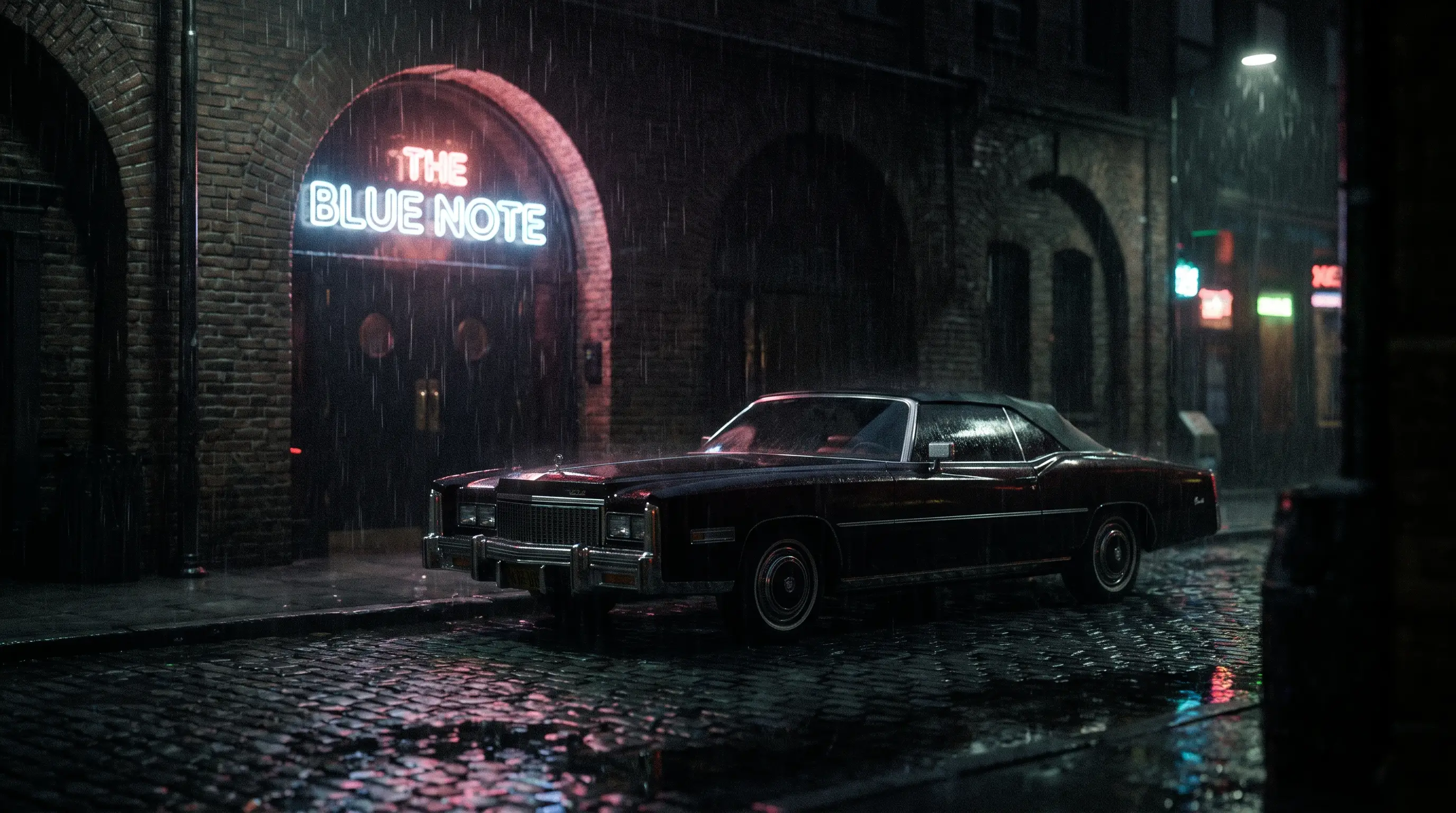
| 1971 to 1978 land yachts | Screen villain and street king | Power, swagger, sometimes menace |
| 1979 to 1985 downsized | Suburban status | Comfort, respectability, the country club drive |
| 1992 to 2002 Northstar | Personal luxury coupe | Quiet competence, the last of a dying breed |
Read that table as a mood ring for the country. The tailfins reflected a nation that believed the future would arrive on schedule. The land yachts reflected a harder, more cynical decade. The final coupes reflected a car culture already turning toward the truck and the crossover, leaving the personal luxury coupe as a memory. The Eldorado kept holding up a mirror, and the reflection kept changing.
Colors, names, and the language of longing
The word Eldorado itself is a piece of pop culture. It comes from the myth of a golden city, a place of impossible wealth that Spanish explorers chased and never found. Cadillac chose that name with full knowledge of what it promised. The car was sold as a destination you could park in your driveway.
The color names told the same story. Cadillac did not offer red and blue. It offered shades with names built to seduce, hues that sounded like cocktails and vacations. Buyers were not choosing paint. They were choosing a feeling, and the marketing department knew exactly which feeling. The whole enterprise was an exercise in selling a mood, and the mood was arrival.
There is something almost literary in how thoroughly the Eldorado committed to its own fantasy. It never pretended to be practical. It never apologized for its size or its thirst. It offered instead a complete and unembarrassed vision of the good life, and for the price of a house in some towns, it would sell you that vision by the yard. If the appetite for that fantasy has you looking, there are still Eldorados for sale now that carry the whole weight of it.
"You do not fall for an Eldorado because of what it does. You fall for it because of what it says you have become. Every one I have sat in felt less like a machine and more like a promise someone once made to themselves."
- Nora Beckett
Why the myth still holds
Most cars fade from the culture once they leave the showroom. The Eldorado did the opposite. It grew larger in memory than it ever was on the road, partly because so few people could afford one and partly because the ones who could made sure everyone noticed. Scarcity and spectacle are a powerful pair.
Today the car lives in three overlapping worlds at once. It is a Presley relic, forever tied to a Memphis boy and the fortune he could not stop giving away. It is a Hollywood prop, a piece of visual shorthand that filmmakers still reach for when they want a character to read a certain way. And it is a lowrider masterpiece, the raw material for one of the most original folk art movements this country has produced. Three cultures, one car, each one convinced it understood the Eldorado best.
The truth is that they all did, and none of them did completely, which is exactly why the fascination endures. A symbol that means only one thing gets used up. The Eldorado meant too many things to too many people, and so it never wore out. There is a related story in how each generation of the car reshaped that meaning, but the throughline is constant. Americans looked at this Cadillac and saw the person they wanted to be.
The young man in Memphis is long gone. The film stars who once posed against those fins have aged out of the frame. But drive a well-kept Eldorado down any main street in America and watch the heads turn. The promise the car made all those years ago still lands. That is the strange gift of a great symbol. It keeps saying the same thing to each new person who sees it, and each new person believes it was meant for them.
Sources and notes
- Elvis Presley's Pink Cadillac (Wikipedia)
- Elvis Presley's Famous 1955 Fleetwood Series 60 Pink Cadillac
- The 1953 Eldorado Special Sport Convertible (New Cadillac Database)
- 1953 Cadillac Eldorado valuation and history (Hagerty)
- Lowrider culture and California Vehicle Code 24008 (Wikipedia)
- California Vehicle Code Section 24008 (official text)