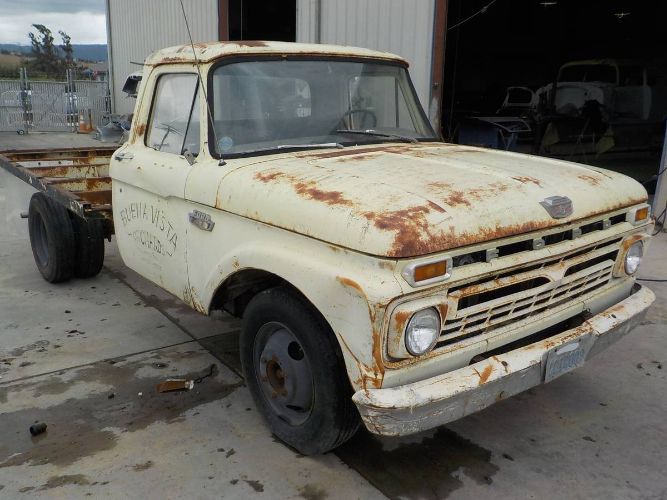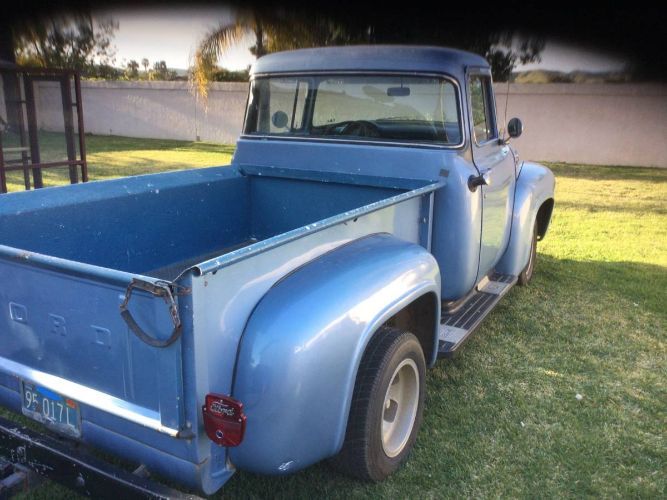
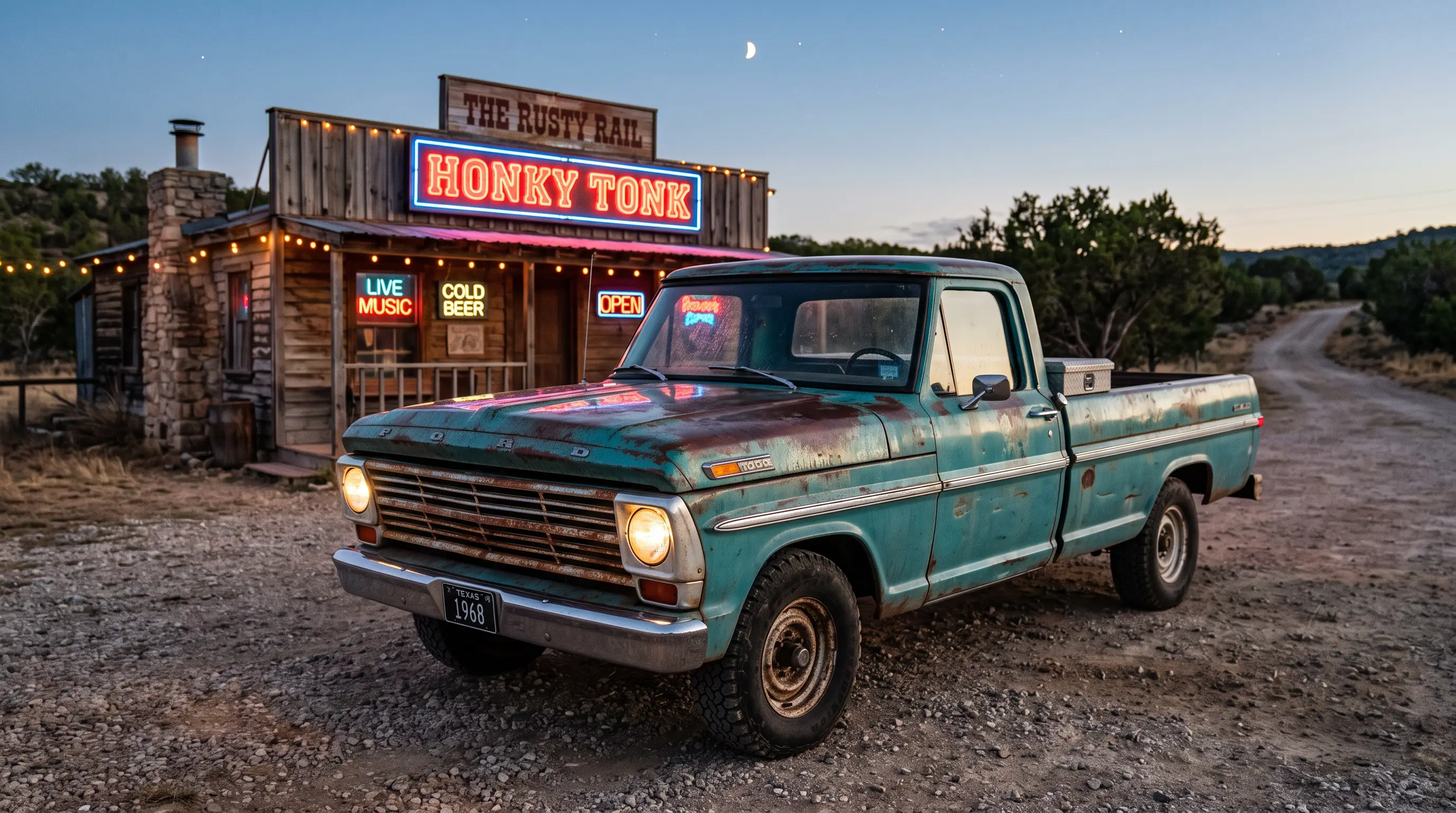
Somewhere between the second verse and the chorus, a songwriter reaches for something that instantly signals home, hard work, and a life lived close to the land. More often than not, they reach for a pickup truck, and for decades the ford f100 country music connection has run deep enough that the two feel almost inseparable. This is a story about why that particular truck became a favorite lyrical shorthand for an entire genre.
Country music needed an honest object, and the F-100 already was one
Songwriters build country music around plainspoken imagery: a porch, a dirt road, a truck parked in the yard. The genre has always leaned toward objects that feel earned rather than purchased for show, and the F-100 fit that requirement perfectly by the time country music was maturing into its modern form during the 1960s and 1970s. It was not an aspirational vehicle bought to impress anyone. It was a truck that farmers, ranchers, and working families actually owned, which made it a believable detail in a song about real life rather than a fantasy.
That believability mattered more than any specific feature of the truck. A songwriter mentioning an F-100 was not describing a dream. They were describing a Tuesday afternoon, and audiences recognized the honesty in that immediately.
The truck showed up in lyrics as a stand-in for a certain kind of life
References to old pickup trucks in country lyrics rarely focus on horsepower or trim levels. They focus on what the truck represents: independence, a connection to rural or small-town roots, a relationship to physical labor that the singer wants the listener to understand about the song's narrator. An F-100 mentioned in a verse does narrative work instantly, establishing character and setting in a handful of words without needing any further explanation.
This kind of shorthand only works if the audience already shares the association, and by the 1970s, enough listeners had grown up around F-100s that the reference required no footnote. Everybody in the room either owned one, rode in one, or knew someone who did.
Album art and music videos leaned on the same imagery
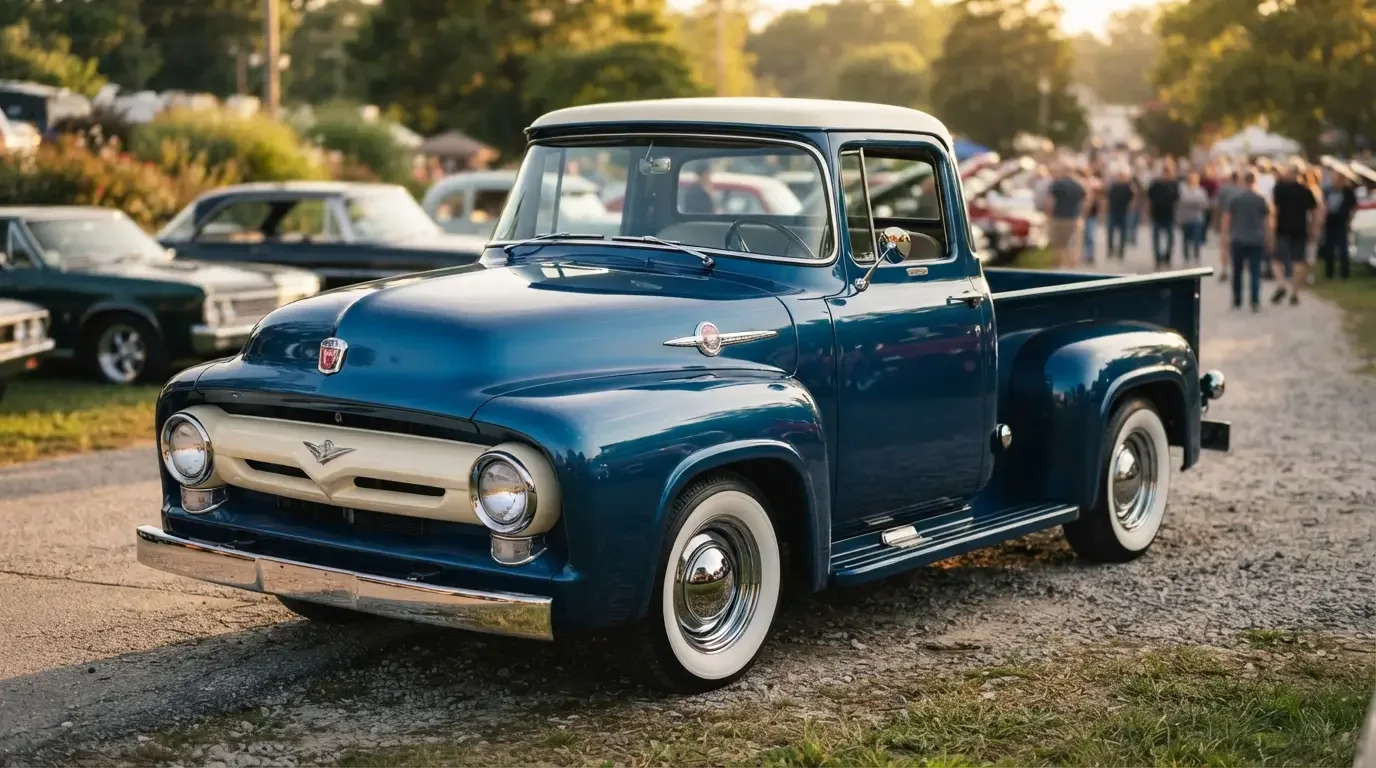
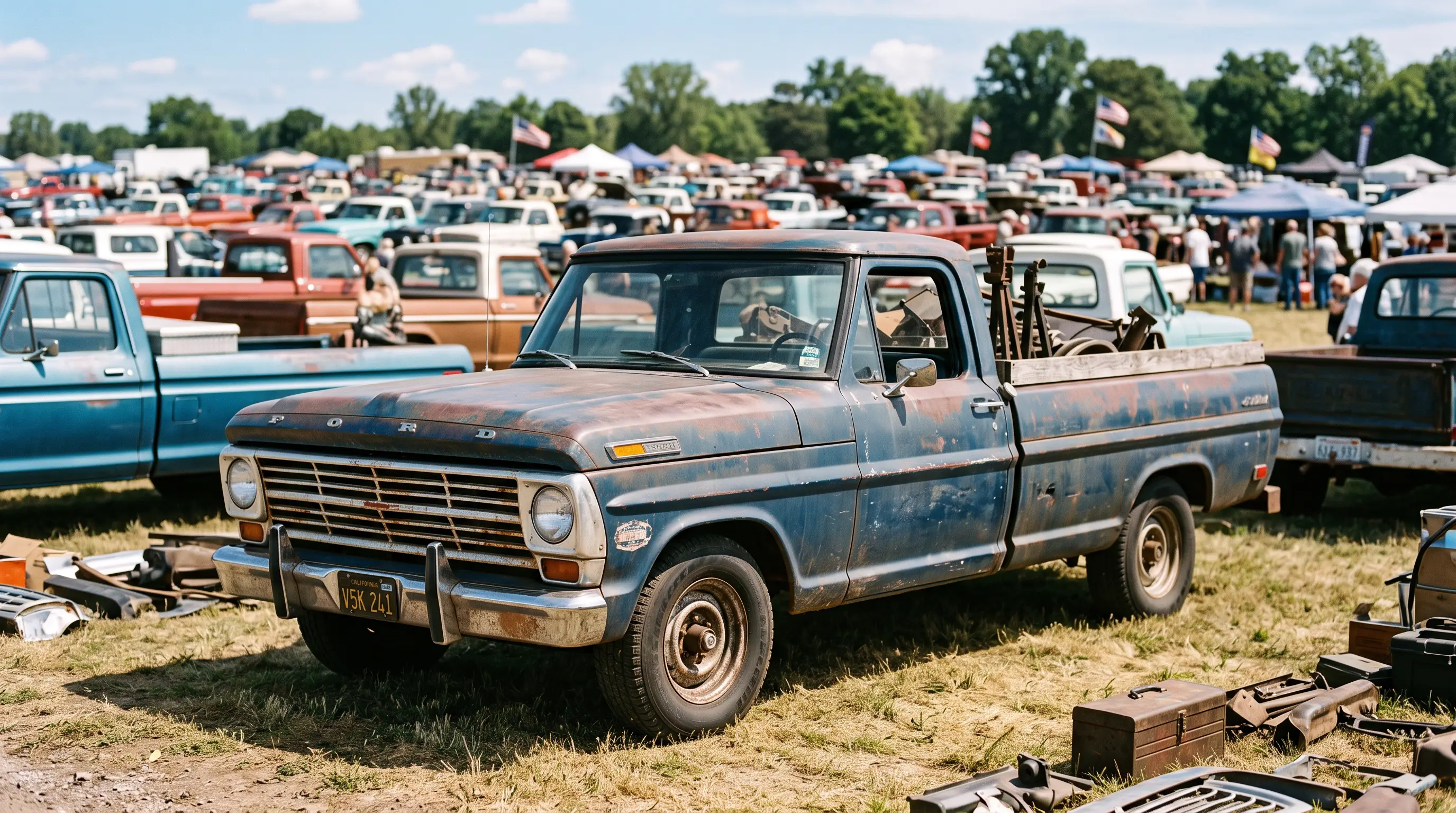
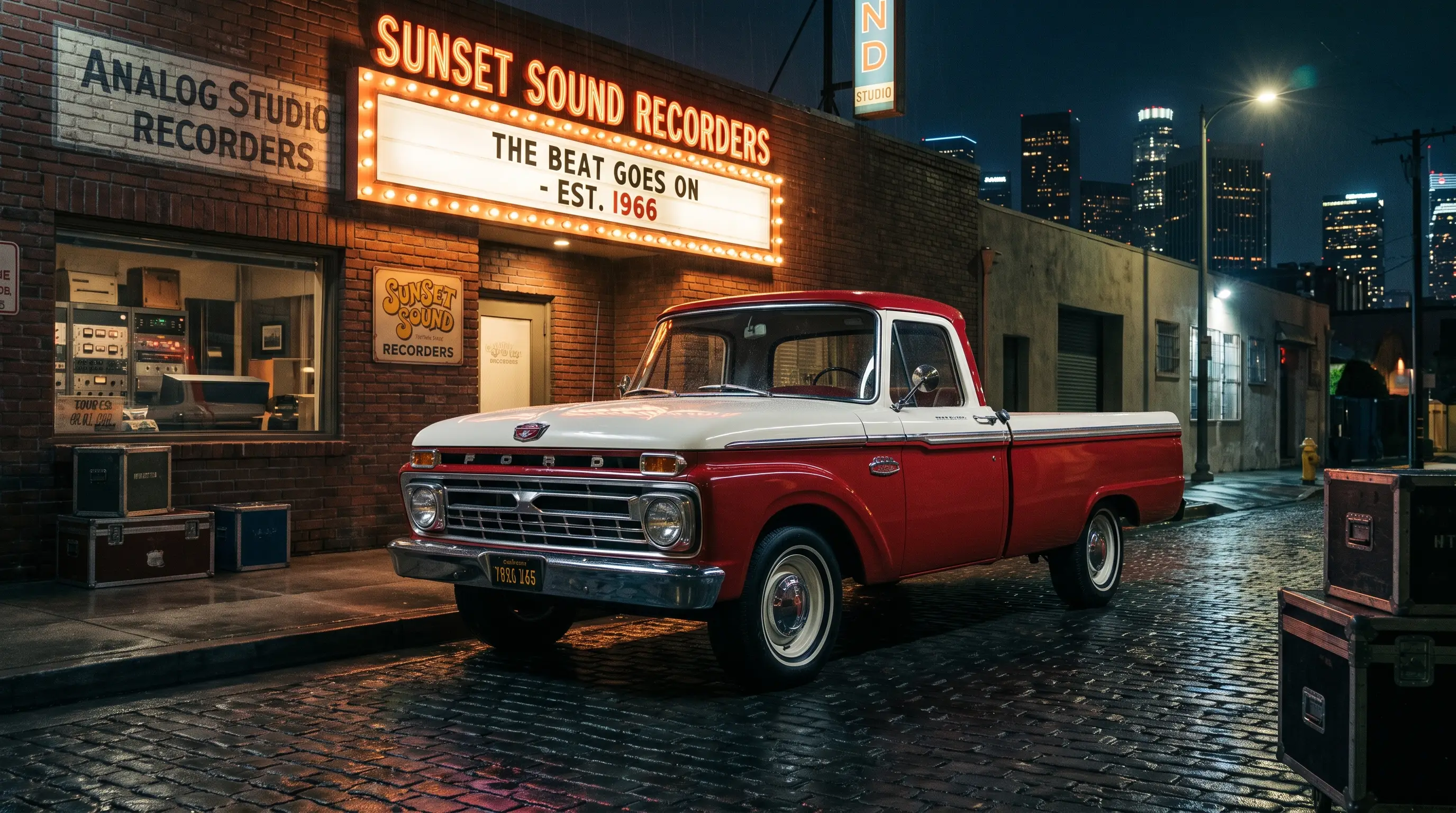
Beyond lyrics, the visual side of country music also reached for these old trucks constantly. Album covers, tour posters, and eventually music videos used a weathered F-100 parked against a rural backdrop as an instant visual signal of authenticity, the same way the truck functioned in film and television. A country artist photographed leaning against an old F-100 communicated something about their identity before a single note played, borrowing decades of accumulated cultural meaning the truck had already built up on its own.
That visual borrowing runs both directions. Country music helped keep the F-100 culturally relevant to younger generations who might never have encountered the truck otherwise, introducing it through album art and stage backdrops to listeners decades removed from the truck's original working life.
"A good country song does not describe a truck. It describes a whole life through the truck, and the F-100 gave songwriters exactly the right shape to hang that life on."
- Nora Beckett
Nashville songwriters treated the truck as a shared vocabulary
Talk to enough working Nashville songwriters and you find a surprising consensus about which vehicles carry the right weight in a lyric and which feel forced. Ask why an old F-100 works better in a verse than a newer, flashier truck, and the answer tends to circle back to authenticity. A songwriter reaching for a two-thousand model year truck risks sounding like a commercial. Reaching for an F-100 from the 1960s or 1970s reads as memory, not marketing, and that distinction matters enormously to a genre built on the promise of telling the truth.
This shared understanding among songwriters, most of whom never coordinated with each other directly, is part of why the F-100 kept surfacing across decades of country music rather than fading after one era's trend passed.
The relationship kept renewing itself across generations
What makes this connection more than a passing trend is how it kept renewing itself. Each generation of country artists rediscovered the F-100 as shorthand for the same values the genre has always celebrated, even as the specific trucks referenced sometimes shifted to newer models. The F-100 held its place because it represented something the genre never stopped valuing: work, family, and a life built close to the ground rather than removed from it.
That renewal has kept the truck culturally present far beyond its actual production years, carried forward not by nostalgia campaigns but by songwriters who genuinely understood what the truck meant to the audiences they were writing for.
Live shows made the truck part of the performance itself
Beyond recordings, plenty of country artists have used an actual F-100 or a similar vintage pickup as a physical prop on stage or in promotional tours, driving it into arenas or parking it as a photo backdrop for meet and greets. That physical presence at live events reinforced the lyrical and visual associations in a way that no album cover alone could match. Fans got to stand next to the object the songs referenced, which deepened the emotional connection between the music and the truck itself.
Radio tours through rural markets sometimes leaned on this even more directly, with local stations photographing artists next to a borrowed or rented F-100 as a way of signaling that the performer understood and respected the audience's roots. It was a small gesture, but it worked precisely because the truck already carried so much accumulated goodwill before the artist ever climbed into the cab.
Where the connection stands today
The pairing between old pickups and country music has only deepened as the genre has grown more mainstream, with classic trucks appearing regularly in both throwback-styled songs and contemporary hits aiming for that same sense of rootedness. For an F-100 specifically, that continued cultural presence has helped keep the truck visible to buyers who might otherwise never have encountered one outside a museum or a specialty show. You can trace where this started to understand how music, film, and collector culture all fed the same growing appreciation for this particular truck.
If a lyric or an album cover ever sent you looking twice at one of these trucks, there is classic F-100 for sale waiting whenever you are ready to own the real story instead of just the song about it.
The songs will keep coming, the way they always have. Every few years another artist rediscovers the same honest imagery, and every time, an old F-100 is right there waiting to mean exactly what it has always meant. Some things do not need reinventing. They just need someone willing to notice them again.