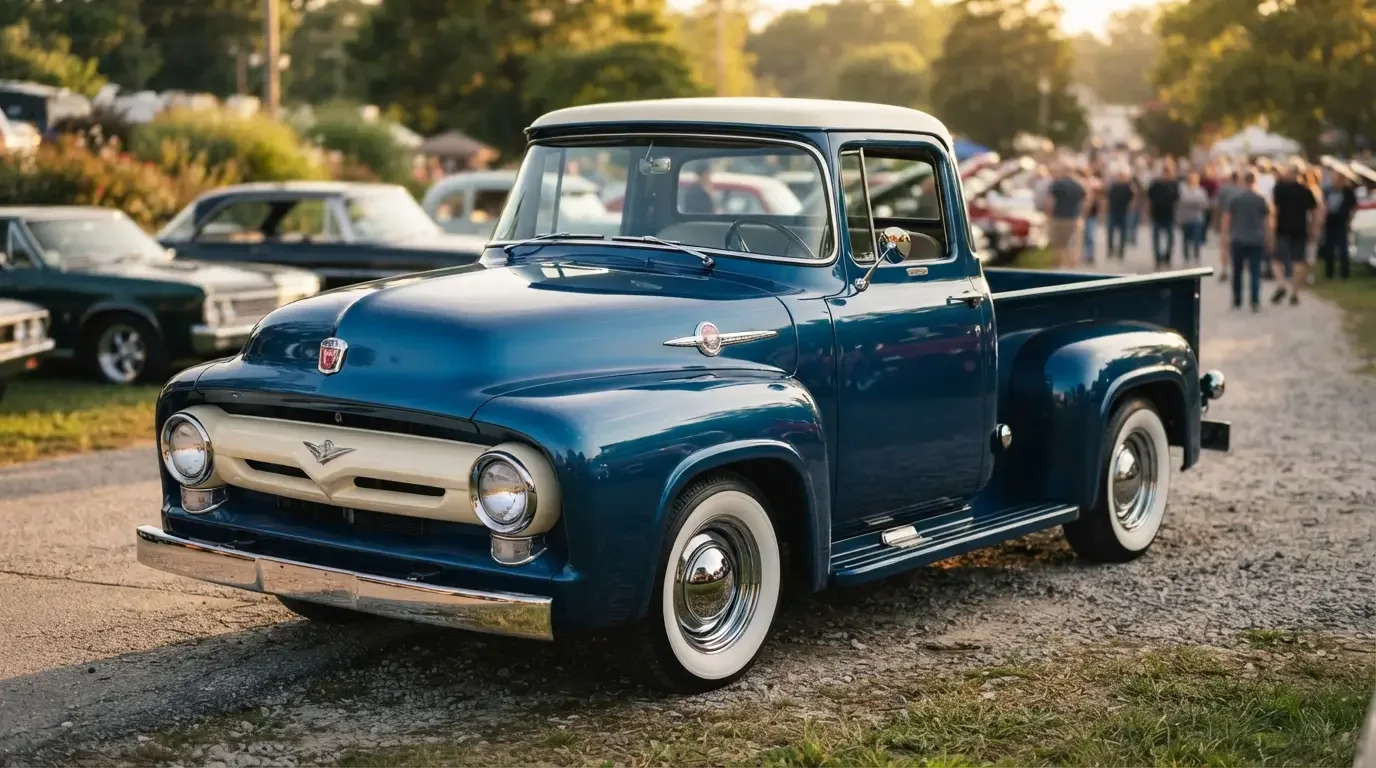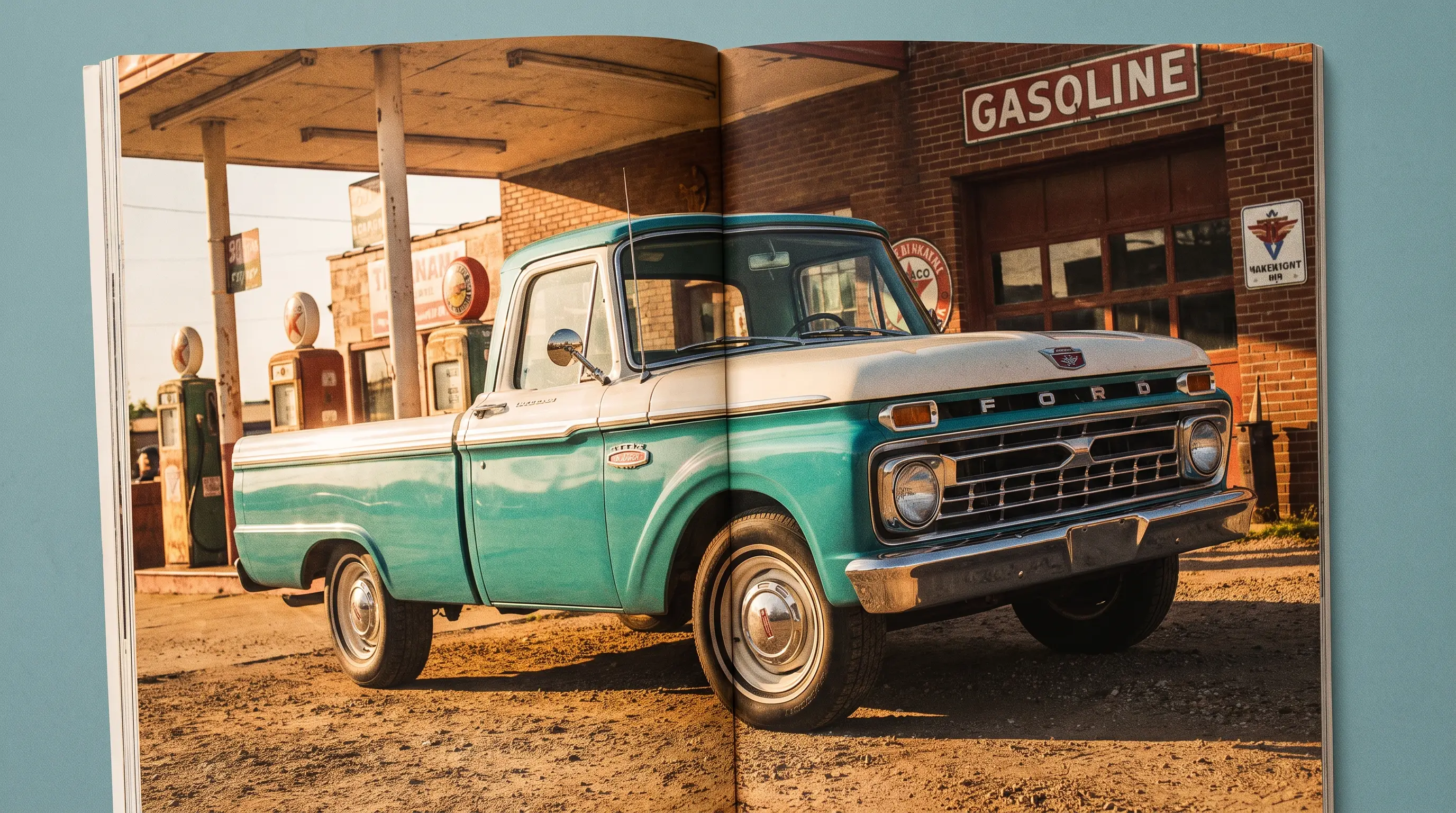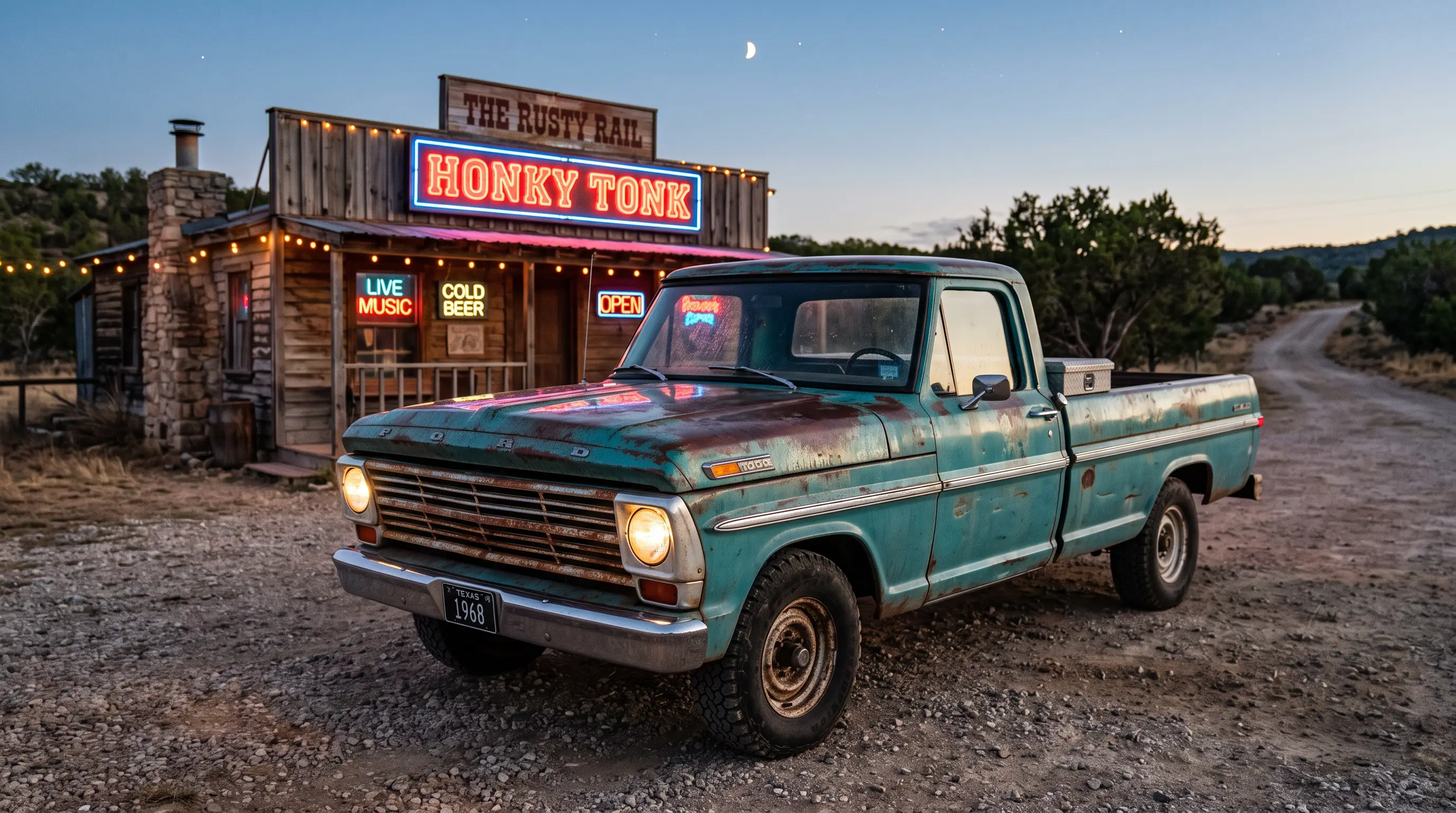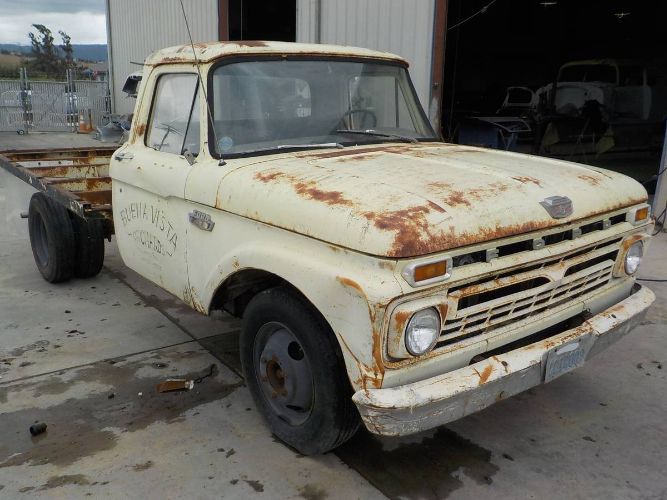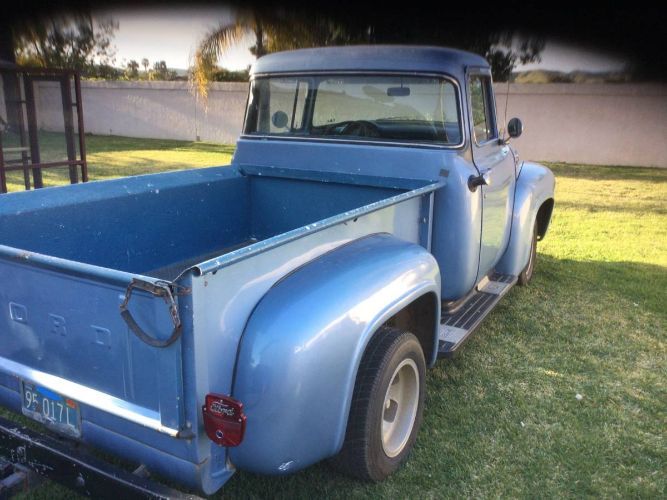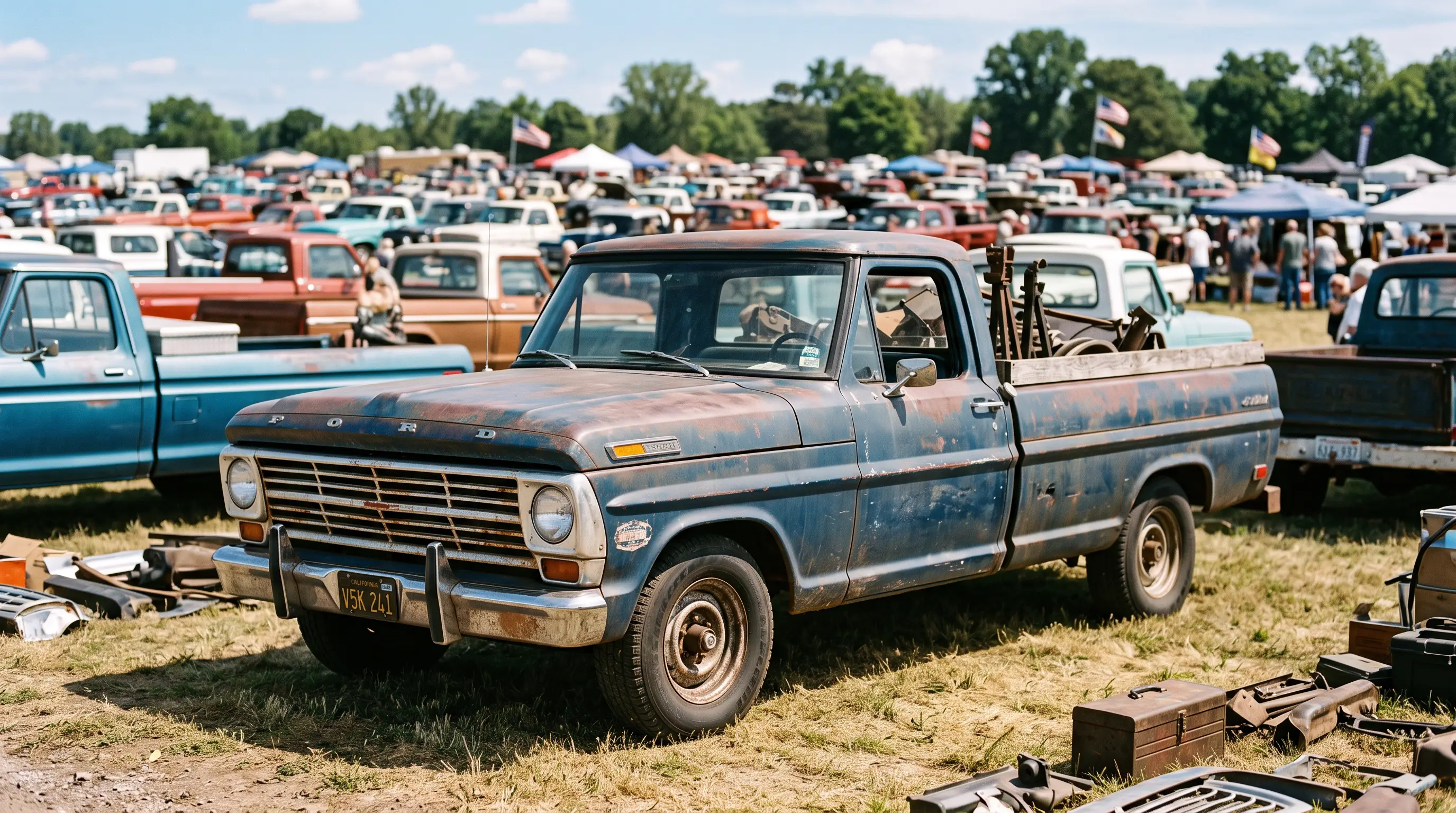
Walk any decent classic truck show and you will find the same scene repeating itself: a small crowd gathered three deep around an F-100, trading stories about their own trucks, their fathers' trucks, or the one that got away decades ago. The ford f100 enthusiasts who show up week after week are not casual fans. This is a genuine cult following, built slowly and stubbornly, and it deserves a closer look at how it actually formed.
It started with people who never stopped needing the truck
Long before "classic truck" became a marketable category, there were owners who simply kept their F-100s running because replacing them made no financial sense. Farmers, small contractors, and rural families held onto these trucks well past when a typical vehicle would have been traded in, not out of sentiment at first, but out of practicality. That extended ownership created a first generation of deeply knowledgeable F-100 owners who understood every quirk of their specific truck long before restoration culture gave them a community to share that knowledge with.
Those long-term owners became the informal experts once interest in classic trucks started growing in the 1980s and 1990s. They had decades of hands-on experience that no restoration shop could match, and newer enthusiasts sought them out specifically because of it.
The parts and swap meet economy kept the following alive
A cult following needs infrastructure to survive past its first generation, and F-100 owners built exactly that. Swap meets, specialty parts suppliers, and eventually online forums created an entire secondary economy dedicated to keeping these trucks on the road. That infrastructure matters more than nostalgia alone. Plenty of vehicles get fond memories. Far fewer get a supply chain devoted to keeping them running fifty years after production ended.
This is more on the ford f100 history worth reading if you want the full picture of how that supply chain developed alongside the collector market. The short version is that demand created supply, and supply then sustained demand for another generation of owners.
Regional clubs turned isolated owners into a real community
What separates a genuine cult following from a scattered group of individual owners is organization, and F-100 owners built that organization region by region. Local clubs formed around informal meetups at diners and parking lots before growing into structured organizations with newsletters, annual shows, and technical knowledge sharing. That grassroots structure gave new owners a place to land, ask questions, and find mentors, which is exactly the kind of support system that keeps a niche interest from fading out after one generation.
The club culture also created social accountability around doing restorations properly. Owners who cut corners heard about it from peers who knew better, and that peer pressure toward authenticity has kept a lot of F-100 restorations more historically accurate than they might otherwise have been.
"You don't build a cult following around a truck by accident. You build it because enough people fell in love with the same honest machine, then refused to let go of that feeling for fifty years straight."
- Patrick Walsh
Museum and archival interest legitimized the following further
As the F-100's collector market matured, museums and historical societies began treating select examples as artifacts worth formal preservation rather than just hobbyist projects. That institutional recognition validated decades of grassroots enthusiasm in a way owners themselves could not manufacture on their own. When an F-100 shows up in a curated automotive exhibit alongside vehicles with far higher original price tags, it says something about how far the truck's reputation has traveled from its purely utilitarian beginnings.
This kind of institutional attention tends to arrive only after a genuine, self-sustaining fan community has already proven the vehicle's lasting cultural relevance, and the F-100's following did exactly that, decades before any museum curator took notice.
Younger builders brought a new energy to an old following
Over the last two decades, a younger wave of builders has adopted the F-100 for custom and restomod projects, bringing modern suspension, updated drivetrains, and fresh design sensibilities to trucks their grandparents might have driven to work. This has occasionally created friction with purists who prefer factory-correct restorations, but it has also expanded the fan base considerably, drawing in builders who might never have looked twice at a classic truck otherwise.
That generational handoff is part of what keeps a cult following genuinely alive rather than slowly aging out. The F-100 crowd now spans people who remember buying these trucks new and people who discovered them through social media build threads, and remarkably, both groups tend to respect what the other brings to the table.
Online forums did what geography could not
Before the internet, an F-100 owner's community was limited to whoever showed up at the local swap meet or club meeting, which meant plenty of enthusiasts in rural areas or smaller states had almost nobody nearby who shared the obsession. Online forums changed that completely, connecting owners across state lines and even internationally, sharing photographs, technical advice, and parts sourcing tips that would have taken years to accumulate through word of mouth alone.
That digital connection also preserved knowledge that might otherwise have disappeared with an aging first generation of owners. Detailed threads documenting specific production quirks, correct part numbers, and factory options got archived and searchable in a way that no paper club newsletter ever could match. A new owner today can find answers in an afternoon that would have taken a veteran restorer years to piece together in the 1980s.
Where the following goes from here
The enthusiasm shows no sign of slowing. Auction results keep climbing for well-documented trucks, club membership stays healthy, and where this started continues drawing new readers curious about the model's full history. A truck this deeply embedded in a community does not fade quietly, and the F-100's following has the infrastructure, the knowledge base, and the generational spread to keep growing for years yet.
If you want to join that community rather than just read about it, there are always classic F-100s on the market waiting for someone ready to become part of the following themselves.
Stand at one of those shows long enough and you start to understand why this particular truck built such a stubborn following in the first place. It was never flashy enough to attract fair-weather fans chasing status. It only ever attracted people who genuinely loved what it was, and that kind of following, built on substance rather than trend, tends to outlast just about everything else in the collector world.