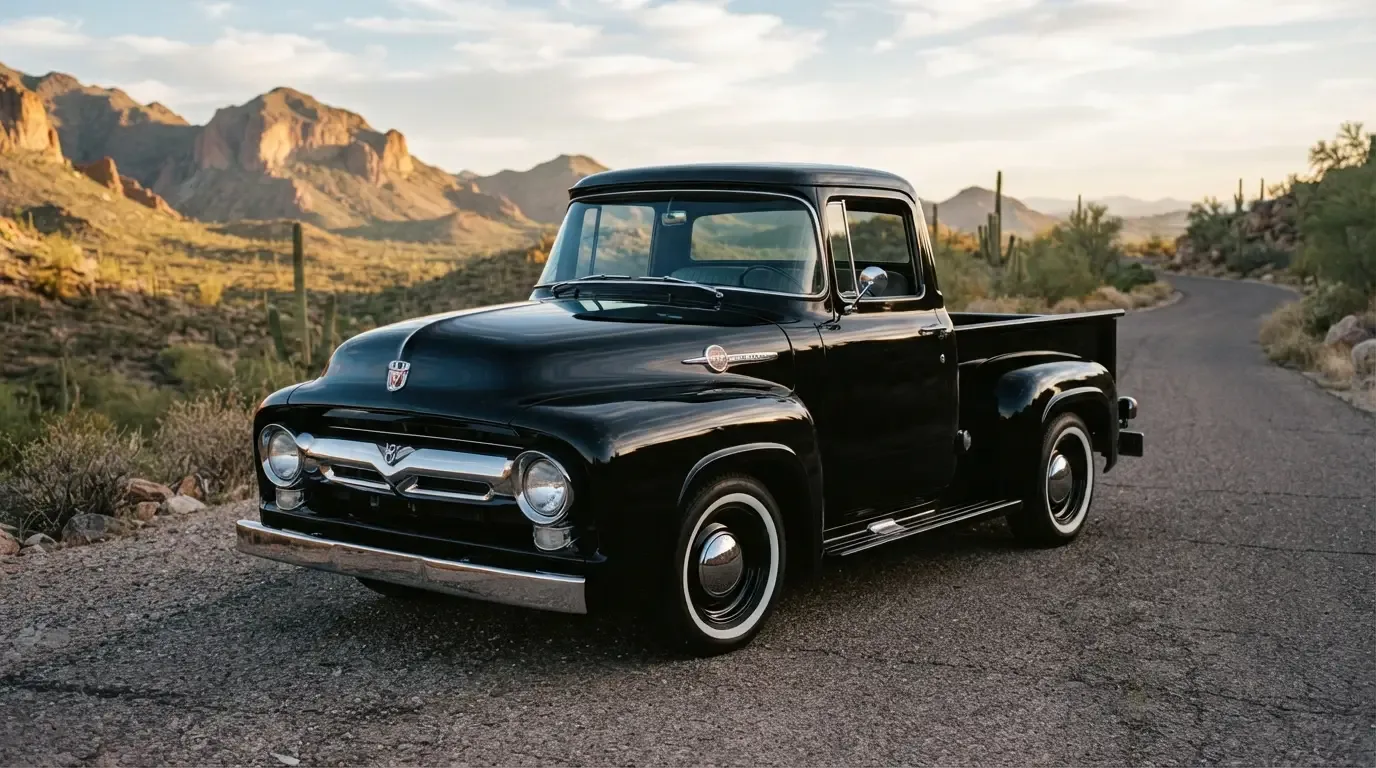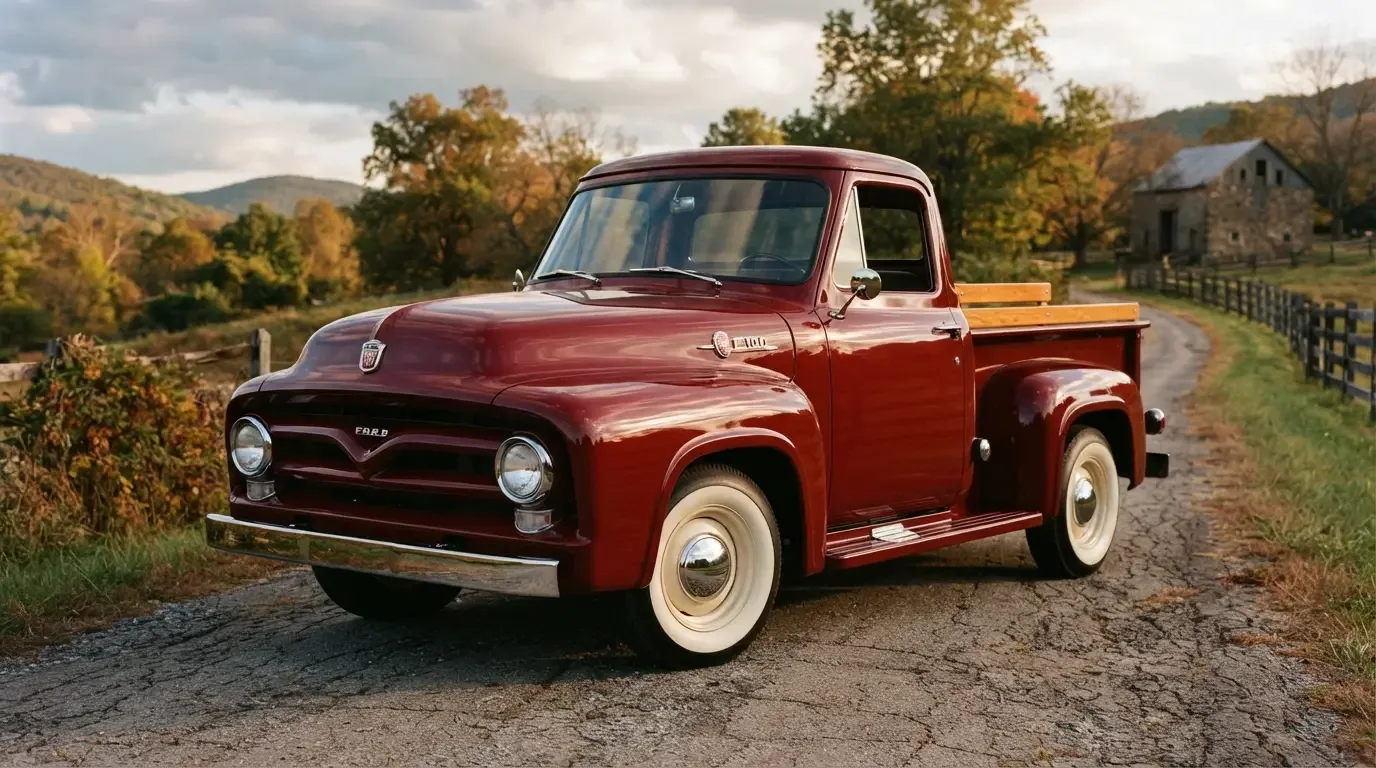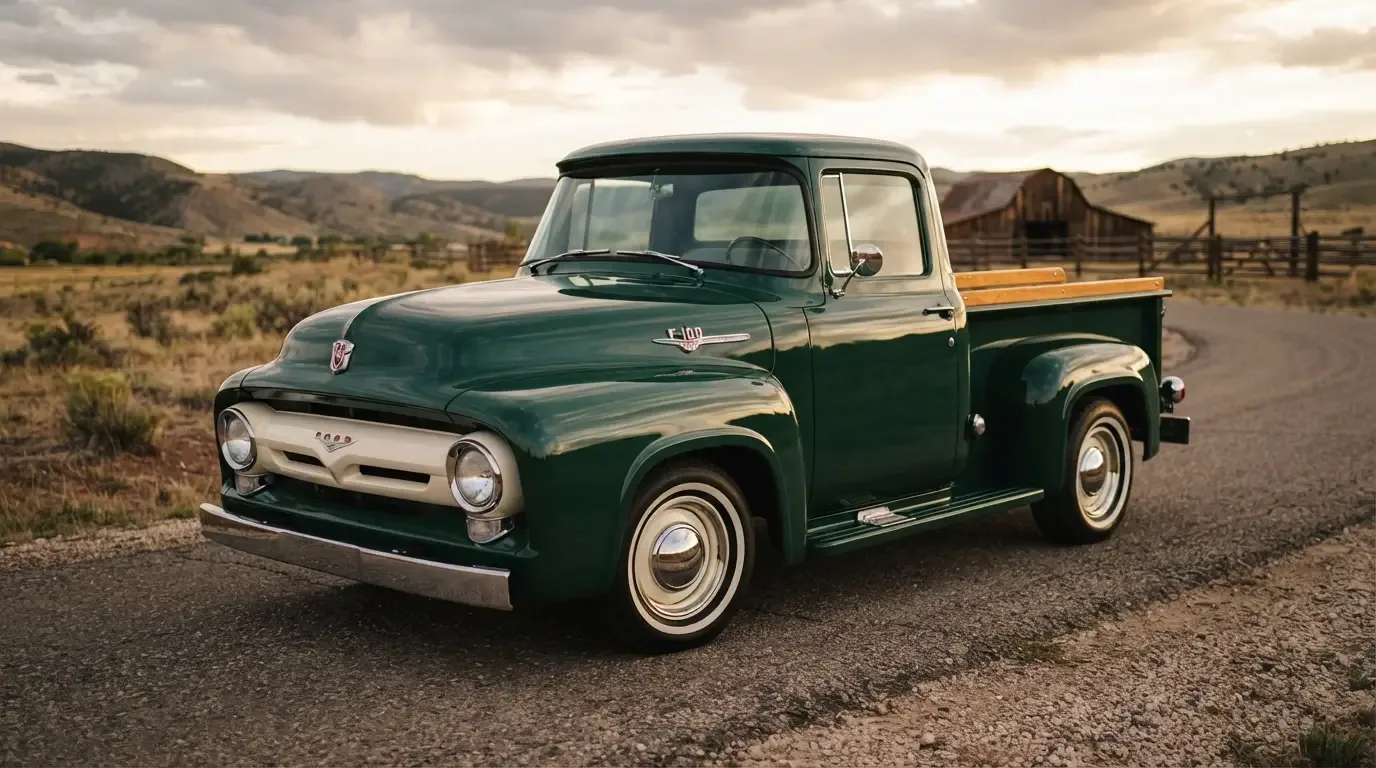
Every appraisal starts with the same question, and the answer for a 1956 ford f100 value assessment is rarely simple. Two trucks that look nearly identical in a photo can carry price tags thousands of dollars apart, and the gap almost never comes down to what a casual buyer would notice first. It comes down to condition, documentation, and how easily the truck could actually change hands again if the current owner needed to sell.
Condition means more than clean paint
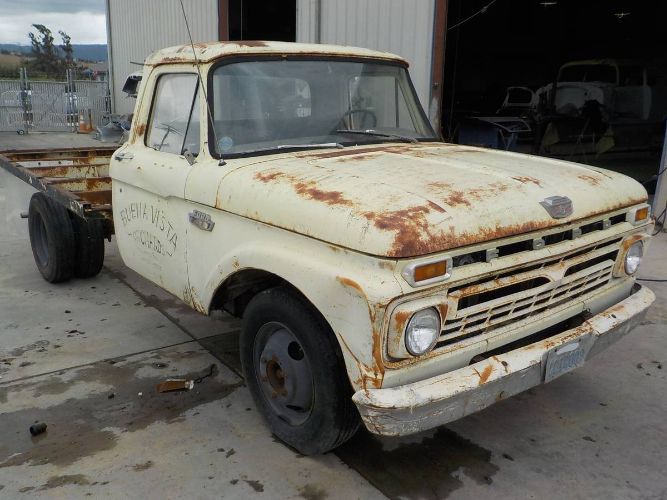
A fresh coat of paint hides a lot, and that is exactly the problem for buyers who let a shiny exterior drive their offer. What actually determines a 1953 to 1956 F-100's real value starts underneath, with the cab corners, floor pans, and bed wood or metal that rust first and get patched cheaply when a truck changes hands informally over the decades. A truck with honest, well-documented rust repair using correct materials holds value far better than one with a mystery repaint covering unknown bodywork underneath. Buyers who skip a proper inspection because the paint looks good are the ones who end up paying twice, once at purchase and again when the real condition surfaces.
Mechanical condition matters too, obviously, but it matters less to long-term value than most first-time buyers assume, since drivetrains on these trucks are simple enough that a competent shop can sort out most mechanical issues for a predictable cost. Bodywork and rust, by contrast, can hide expensive surprises that only show up once a restoration is already underway.
Documentation changes the number
A truck with a clear ownership history, original build sheet or door tag information, and receipts documenting past work sells at a real premium over an otherwise similar truck with no paper trail at all. This is not sentimentality. It is risk management. A documented truck tells a buyer exactly what they are getting, while an undocumented one asks the buyer to simply trust a seller's word about what has and has not been done to the vehicle.
"I have appraised two trucks in the same week that looked nearly identical and priced fifteen thousand dollars apart. The difference was a stack of paperwork on one and nothing but a seller's memory on the other."
- Marcus Feld
Liquidity is the part nobody asks about
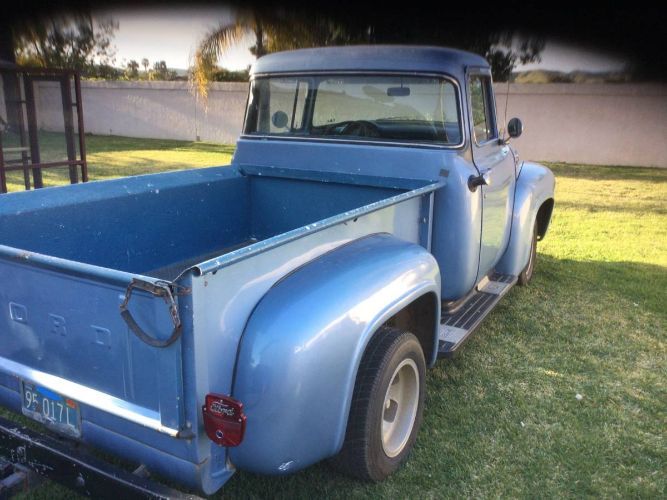
Value on paper means little if a truck cannot actually find a buyer at that price within a reasonable window. Liquidity, how quickly and easily a specific configuration would sell if listed today, is a factor serious appraisers weigh alongside condition and documentation, and it is one casual sellers rarely think about until their truck sits listed for months without a serious offer. A common stepside pickup in a popular color combination has excellent liquidity. A rare specialty configuration might carry a higher theoretical value per the numbers, but could sit on the market far longer waiting for the specific buyer who wants exactly that truck.
This is where where this started matters for understanding value today. The generation's growing popularity through the mid-1950s created a large enough production base that common configurations remain relatively easy to find and sell, while rarer variants from the same years carry the opposite trade-off of higher potential value against a smaller pool of interested buyers.
Downside risk is real and worth naming
Every appraisal should also account for downside risk, the ways a truck's value could actually decline rather than simply fail to appreciate as hoped. Trucks with incomplete or inconsistent restoration work, mismatched parts across model years, or unresolved title issues all carry real downside risk that a buyer should price into any offer rather than discover after the sale. A truck that looks like a bargain relative to comparable listings is often priced that way for a specific, identifiable reason, and finding that reason before purchase is worth far more than any amount of optimism about future appreciation.
Market cycles matter here too. Classic truck values have moved in cycles over the past two decades, and buyers who purchase near a cyclical peak without accounting for that risk sometimes wait years to see their investment recover, if it recovers at all before they need to sell.
What actually drives premium prices
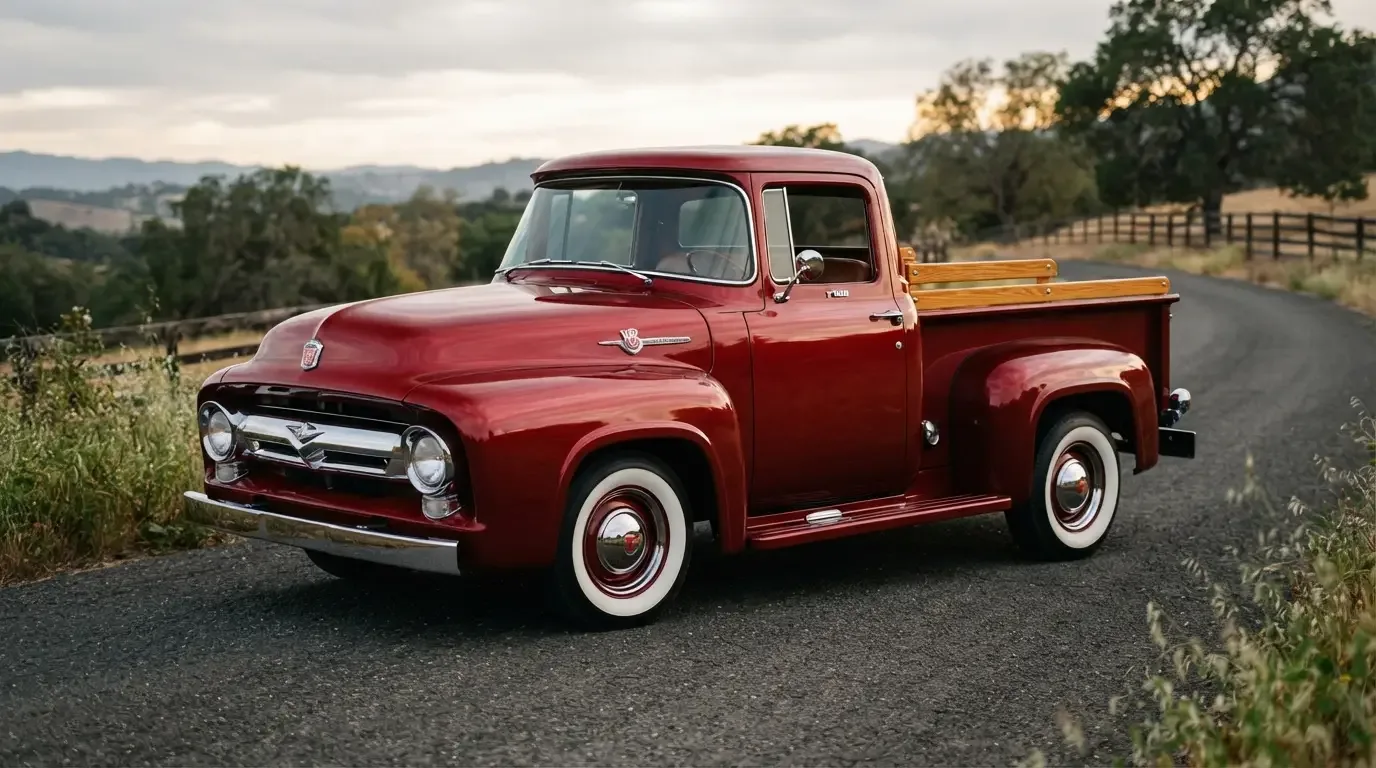
Put simply, the trucks commanding real premiums right now combine solid, honestly documented condition with a configuration that has genuine demand, whether that is a desirable two-tone color combination, a numbers-matching drivetrain, or simply a well-preserved example of the most popular stepside body style. None of those factors alone guarantees top dollar. Together, they are what separates a truck that appraises well from one that merely looks good in photos.
Buyers who want to shop classic F-100 listings with a clear head should treat every claim in a listing as a starting point for verification, not a conclusion. That discipline is what separates a smart purchase from an expensive lesson.
How I actually walk a truck
My own process on any appraisal starts before I even open a door. I walk the exterior first, checking panel gaps and paint texture under raking light, since that tells me more about past bodywork than any conversation with a seller will. Then I get underneath with a flashlight and a magnet, checking the usual rust points along the frame rails and cab mounts where filler gets used to hide problems that a magnet finds in seconds. Only after that do I bother starting the engine, because a truck with serious structural issues is not worth evaluating mechanically at all until the body and frame check out.
Paperwork review happens last, and it either confirms what the physical inspection already suggested or it raises new questions worth chasing down before any number gets attached to the truck. A seller who cannot produce basic documentation is not automatically hiding something, plenty of honest trucks changed hands informally decades ago, but the absence of paperwork shifts more of the risk onto the buyer, and that risk should show up in the price.
Setting a realistic number
When I do land on a value, I try to give clients a range rather than a single figure, because a single number implies a precision the classic truck market rarely delivers. A range grounded in recent comparable sales, adjusted for the specific truck's condition and documentation, gives both buyers and sellers a fair starting point for negotiation rather than an artificial anchor that either party feels obligated to defend past the point it makes sense.