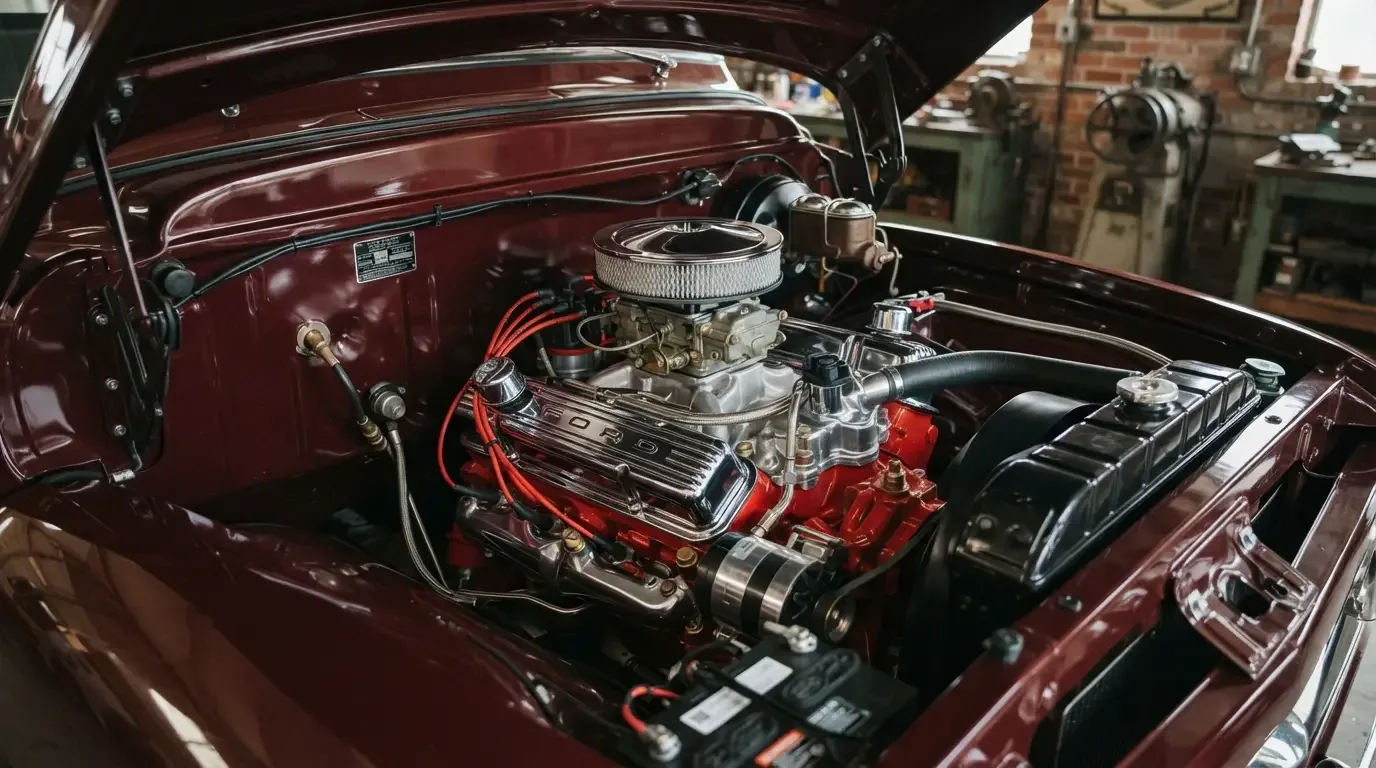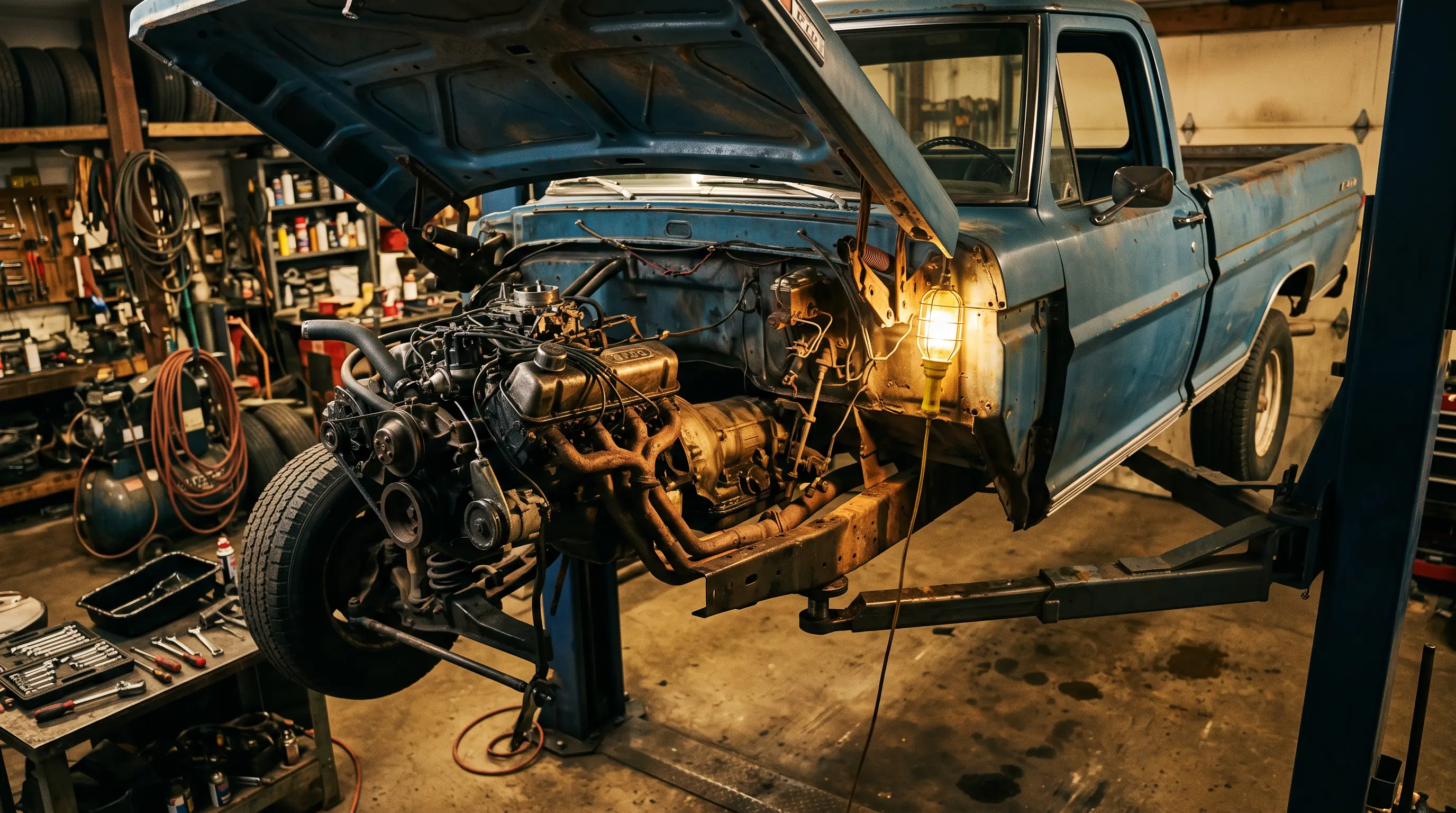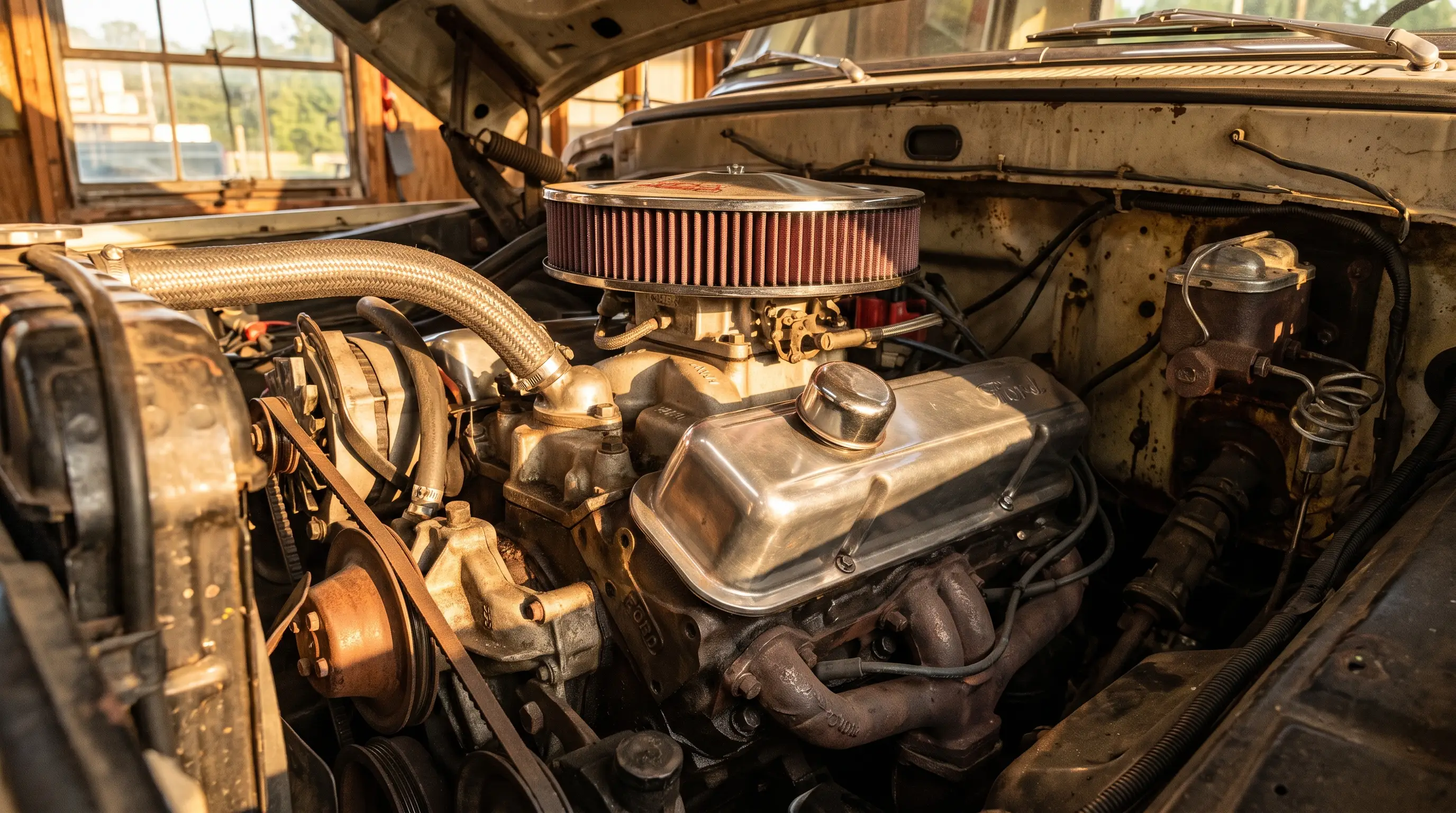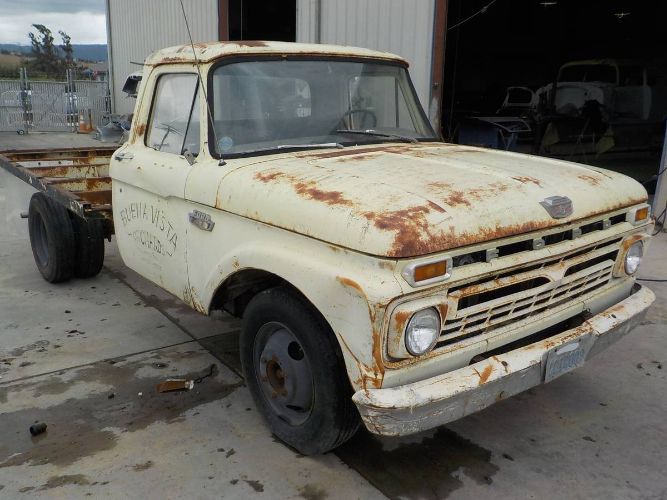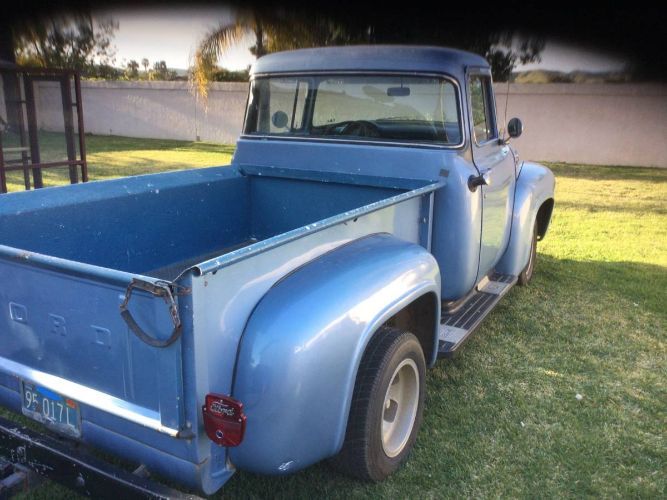

Horsepower numbers on an F-100 spec sheet only tell part of the story, and comparing them across decades requires more care than most casual comparisons give them. Ford rated its engines differently depending on the era, testing methods changed, and a number from 1958 is not directly comparable to a number from 1974 without accounting for those shifts. Still, tracked carefully, the horsepower progression across F-100 production maps out a clear trend: more power, delivered through larger and more varied engine options, as buyer expectations climbed year over year.
Early ratings and gross horsepower
Engines through the 1950s and into the late 1960s were rated using the gross horsepower standard, which measured output without accessories like the alternator, water pump, and full exhaust system installed, producing higher numbers than a more real-world measurement would show. A six-cylinder F-100 engine from this era typically carried a gross rating in the range of roughly 140 to 170 hp, depending on displacement and year, while the available V8 options pushed that figure notably higher, depending on displacement and configuration. Comparing these early gross figures directly to later net-rated numbers without adjustment is one of the most common mistakes people make when discussing F-100 horsepower across generations.
| Engine Type | Rating Standard | Approximate Output |
|---|---|---|
| 240/300 six | Gross (period) | 150-170 hp |
| 302 Windsor V8 | Gross, later net | 205 hp gross / 154 hp net |
| 390 FE big-block | Gross, later net | 255 hp gross |
| 351 Cleveland/Windsor | Net (later production) | roughly 150-165 hp net |
The switch to net horsepower changes the picture
Starting in the early 1970s, the American auto industry moved to net horsepower ratings, which measured output with all accessories installed and running, a far more realistic figure for how the engine actually performed in a truck driving down the road. This shift makes horsepower numbers from 1972 onward look dramatically lower than earlier figures, even for engines that were mechanically similar or identical to what came before. A buyer comparing a 1968 spec sheet to a 1974 spec sheet without knowing about this change could easily conclude that Ford's engines got dramatically weaker in six years, which is not what actually happened. The engines did not get weaker. The measurement got more honest.
"The horsepower conversation gets people twisted up constantly because nobody explains the rating change. A 1968 engine and a 1973 engine can be nearly identical mechanically and still show wildly different numbers on paper. Read the standard before you read the number."
- Emily Chen
Real-world power versus the spec sheet
None of this rating history changes how an F-100 actually drives, and that distinction matters for anyone shopping by feel rather than by paper. A six-cylinder truck feels adequate for light duty regardless of which rating standard applies to its horsepower figure. A big-block V8 feels strong regardless of whether its number is expressed as gross or net. The rating standard affects how numbers compare across years on paper. It does not retroactively change how any individual engine performs when you are behind the wheel.
What horsepower trends reveal about buyer demand
Looking past the rating-standard complications, the broader trend across F-100 production is unmistakable. Available horsepower climbed steadily from the 1950s through the 1970s as Ford added larger V8 options to meet growing demand for towing capacity and passing power. This tracks the same underlying pattern seen across the truck's engine and transmission history: buyers wanted more capability, and Ford answered with bigger, stronger components across the board, horsepower included. It was never really about outright speed. It was about giving a work truck enough reserve capacity to handle a loaded bed or a trailer without straining.
That broader engine story, horsepower figures included, is covered in full in the whole picture, which traces every engine Ford offered across the F-100's production run and how each one fit into the buyer demand that shaped the lineup.
Why the six-cylinder to V8 gap mattered more than the years alone
Within any given year, the horsepower gap between the standard six and the available V8 options tells a more useful story than the year-over-year trend does on its own. That gap represents the actual choice a buyer faced on the showroom floor: pay more for a V8 and get a real, noticeable jump in capability, or save money with the six and accept a truck that would always feel a step behind on grades and under load. Every year of F-100 production had some version of that same decision built into the order sheet, and the size of the gap between six and V8 output shifted depending on which engines Ford had available that particular year.
Looking at that gap across the full production run shows something worth noting: it never fully closed. Even as six-cylinder output improved over time, Ford kept adding larger and more powerful V8 options, which meant the practical distance between the base engine and the top engine stayed wide throughout the truck's history. That persistent gap is a big part of why engine choice remained such a meaningful decision for F-100 buyers for the model's entire run, rather than becoming a formality the way it eventually did in some other vehicle categories once base engines closed the gap on their own.
Using horsepower figures responsibly today
When researching a specific F-100, treat any horsepower figure as tied to a specific rating standard and a specific year rather than as a universal, comparable number. Confirm whether a listed figure is gross or net before drawing conclusions about how one truck compares to another, and remember that a lower net number from the 1970s does not automatically mean a weaker engine than a higher gross number from a decade earlier. This kind of careful reading separates an informed buyer from someone repeating a number without understanding what it actually measures.
Anyone ready to see how these horsepower figures translate into real trucks on the market can go find a classic F-100 and compare period specifications directly against available inventory.
It helps to keep a simple habit when researching any specific truck: note the model year first, then the engine, then the rating standard that applied that year, in that order. Skipping straight to the horsepower number without establishing the other two pieces of context is how most horsepower comparisons go wrong, and it is an easy habit to build once you know the pitfall exists.
None of this rating complexity should discourage anyone from digging into the details. If anything, it rewards the buyer willing to do the extra step of checking a rating standard against a build year, because that small bit of diligence prevents a genuinely common and easily avoidable mistake in how people evaluate these trucks against each other.