Every appraisal file I open on a ford f100 these days tells a version of the same story. The number at the bottom is higher than it was three years ago, often meaningfully higher, and the client wants to know whether that is a real trend or a temporary bubble. The honest answer is that it is real, it is driven by identifiable factors, and it is not likely to reverse on its own anytime soon.
What actually moved the needle
Value increases in any collector category rarely come from one cause, and the F-100 market is no exception. Three separate pressures have converged on this platform at roughly the same time. First, the generation of buyers who grew up around these trucks, either driving one on a farm or job site or riding in one as a kid, has reached the exact income bracket where a five-figure or six-figure purchase is realistic. Second, the custom and restomod scene has pulled the F-100 into a design conversation that a decade ago belonged mostly to Chevy trucks and early Broncos, and that crossover interest brings in buyers who were not previously shopping this platform at all. Third, and less discussed, is simple attrition. Every year a percentage of surviving F-100s get parted out, wrecked, or left to rot past the point of economical restoration, and a shrinking supply against steady or growing demand produces exactly the price movement appraisers are documenting.
None of those three factors is speculative or trend-driven in the way a sudden celebrity endorsement or a single high-profile auction sale can be. They are structural, which is precisely why I tell clients this is not a bubble in the conventional sense.
Condition still explains most of the spread
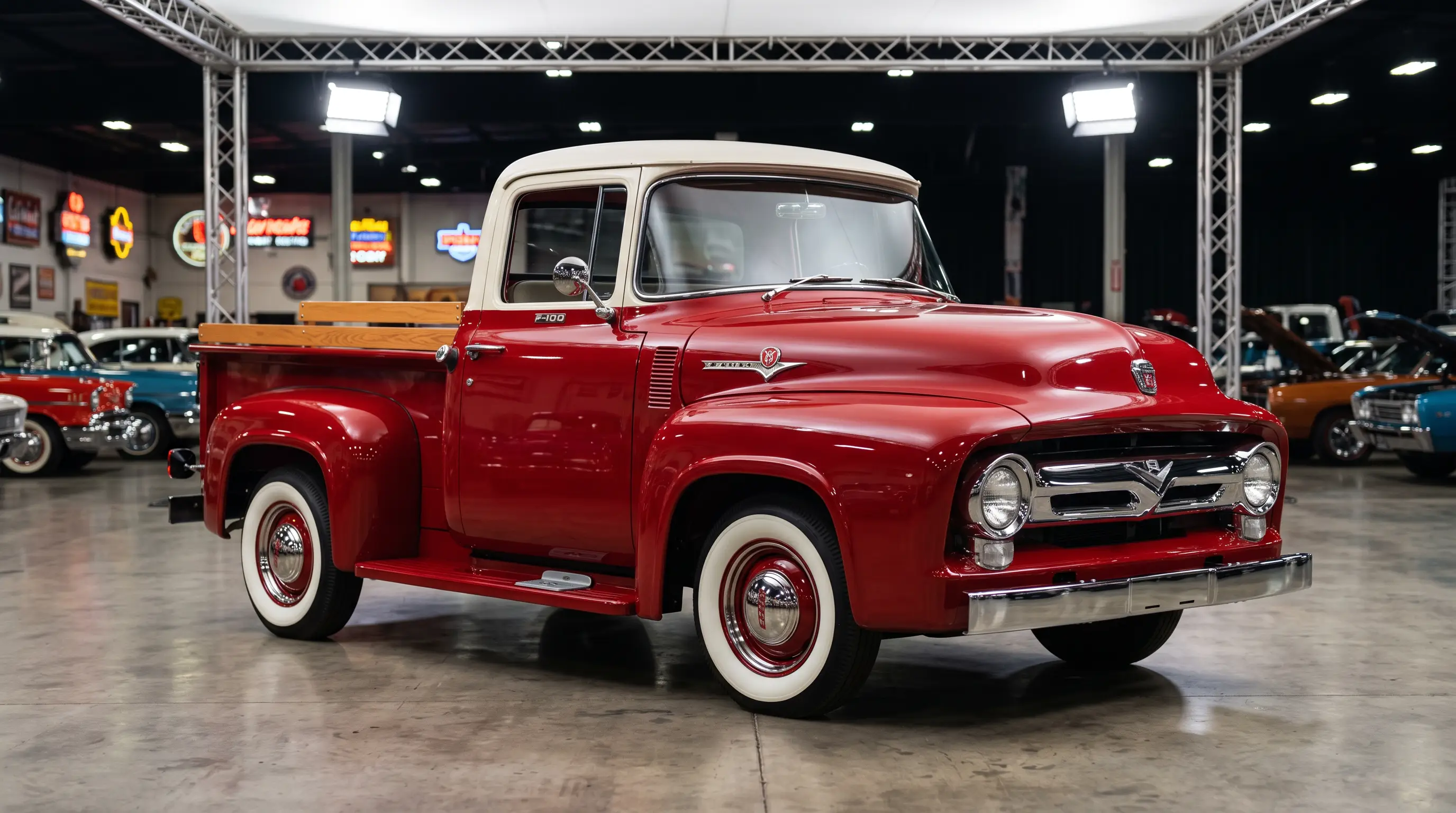
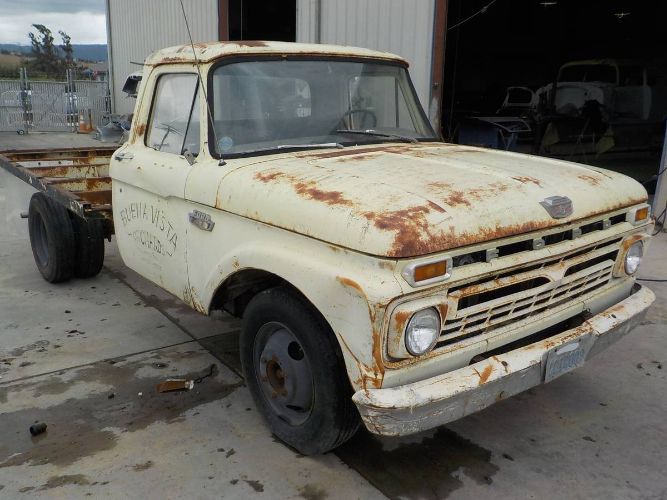
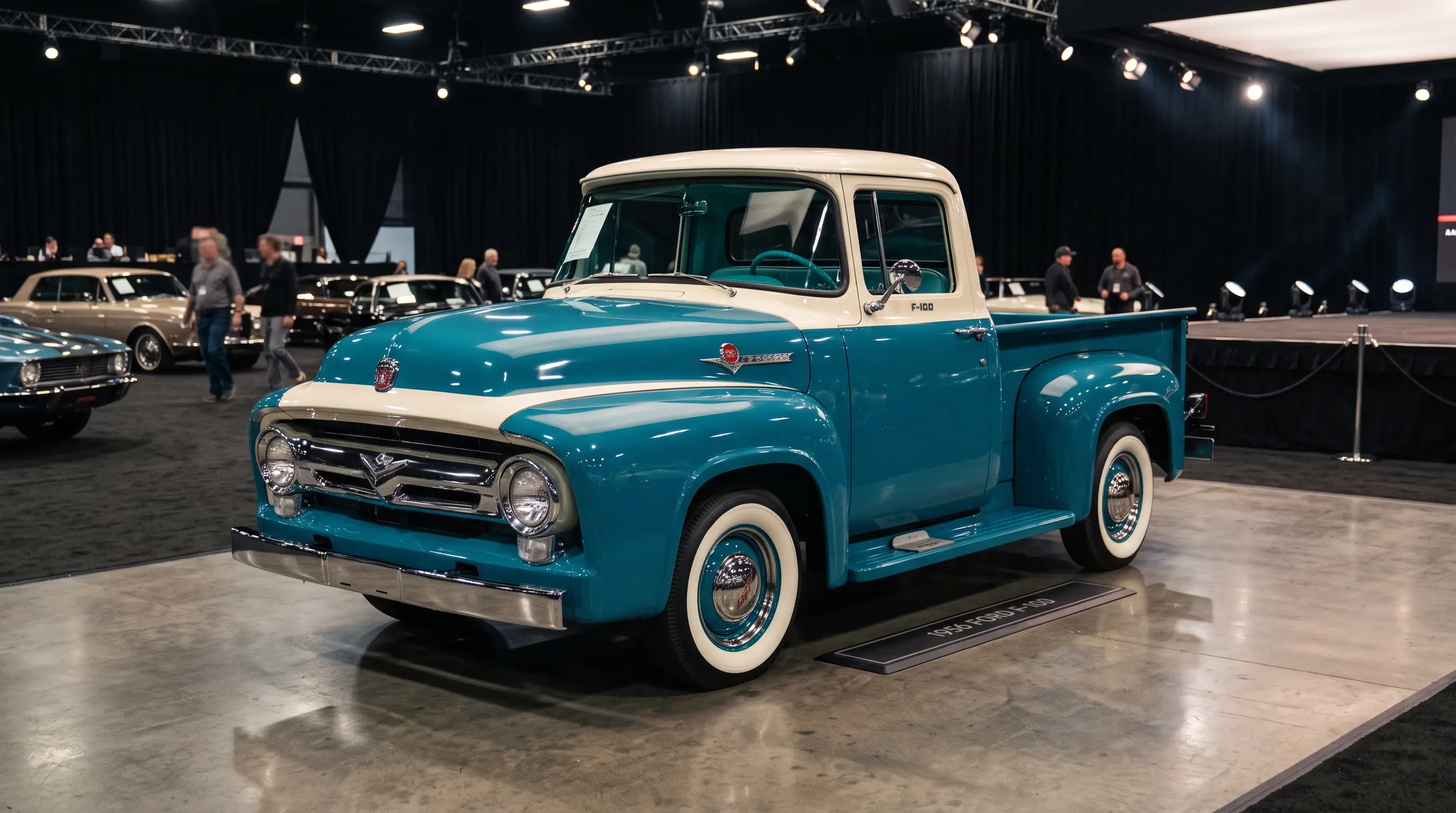
Rising values do not erase the gap between a rough survivor and a documented, correctly restored example. If anything, that gap has widened. A decade ago a mediocre F-100 and a well-restored one might have been separated by a modest multiple. Today the spread between a project truck needing full mechanical and cosmetic work and a documented, numbers-correct restoration can run several times over, because buyers with real money to spend are increasingly unwilling to take on restoration risk themselves. They would rather pay a premium for a finished, verified truck than gamble on what a project might actually cost to complete once the bodywork is opened up.
That shift changes the calculus for sellers holding project trucks. A rusted-out short-bed that would have sold reasonably well as a "someone else's problem now" listing a few years ago now sits longer on the market unless priced to reflect exactly how much labor stands between it and a finished truck. Appraisers who fail to account for that widening spread end up producing numbers that do not survive contact with an actual sale.
Documentation is worth more than it used to be
Paper trail has always mattered in this hobby, but its dollar value has climbed alongside the base value of the trucks themselves. A build sheet, original title history, or dealer invoice that might have added a modest premium a few years back now moves the needle by a meaningfully larger amount in raw dollars, simply because it is a percentage adjustment applied to a higher base number. Sellers sitting on original paperwork should treat it as an asset worth photographing, cataloguing, and presenting clearly rather than an afterthought mentioned in passing during a sale conversation.
"I tell clients the same thing every time. Rising values reward documentation and penalize guesswork. A truck with a clean paper trail is appreciating faster than an identical truck without one, and that gap is not closing."
- Marcus Feld
Regional variation is bigger than most buyers expect
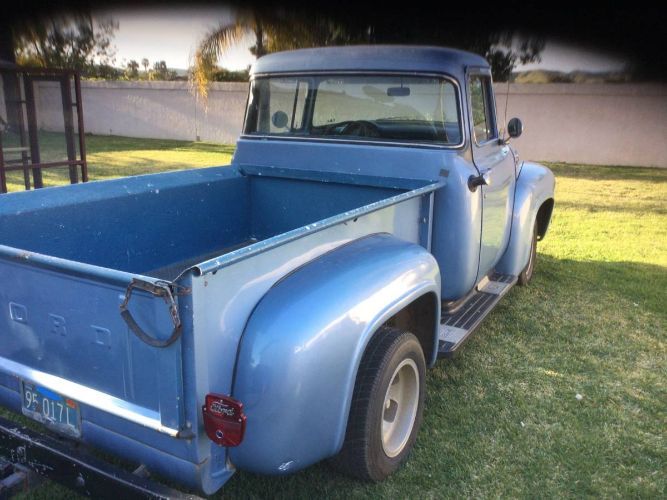
National auction averages flatten out a market reality that varies significantly by region. Sun Belt trucks that avoided decades of road salt command a real premium over comparable examples from the Rust Belt or upper Midwest, and that premium has grown alongside the overall market rather than staying fixed. A buyer shopping only local listings in a region with harsh winters may see prices that look modest compared to national headlines, while a buyer targeting dry-climate trucks specifically is competing in a considerably tighter, more expensive pool. Appraisers who quote a single national figure without adjusting for regional supply are doing their clients a disservice, and buyers relying on those flattened numbers can end up badly overpaying or underbidding depending on which direction the mismatch runs.
What this means if you are buying right now
Buyers entering the market today should expect to pay a real premium for exactly the combination described above: strong originality, dry-climate history, and documented ownership. Trucks lacking one or more of those traits remain available at more reasonable numbers, but they come with the same restoration risk that has always applied, now compounded by higher labor and parts costs across the board. My standing advice has not changed even as the numbers have climbed. Buy the best documented example the budget allows rather than stretching for a project truck on the theory that values will keep climbing fast enough to absorb restoration costs. That bet has not consistently paid off for clients who made it, even in a rising market.
For a fuller account of how the F-100 arrived at this cultural and financial moment, the whole picture lays out the collecting story behind these numbers. And for buyers ready to act on current market conditions rather than just read about them, it is worth taking the time to shop classic F-100 listings and compare asking prices directly against the condition and documentation factors covered here.
Where the trend goes from here
Nothing in a collector market moves in a straight line forever, and I would not tell a client to assume F-100 values climb at the current pace indefinitely. But the underlying drivers, generational buying power, custom-scene crossover demand, and shrinking survivor supply, are not the kind of forces that reverse quickly. Barring a broader economic shock that hits discretionary spending across the entire collector car market, the more realistic scenario is a plateau at a higher baseline rather than a sharp correction back to where prices sat five years ago. That is a meaningfully different risk profile than a genuine bubble, and it is the distinction that should drive both buying and selling decisions in this market right now.
Clients occasionally ask whether they should sell now and lock in a gain or hold and hope for further appreciation. I do not give investment advice, and a truck is not a stock. But I do point out that a well-documented example held for personal enjoyment carries a very different risk profile than one bought purely to flip. If the truck brings genuine satisfaction to own and drive, the current market strength is a bonus, not the entire justification for the purchase. Treat the appreciation as a favorable side effect, not the reason to buy in the first place, and the decision gets considerably easier to make with a clear head.