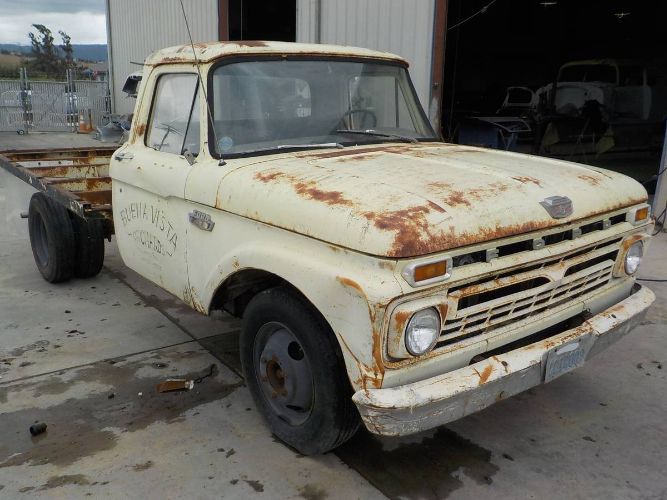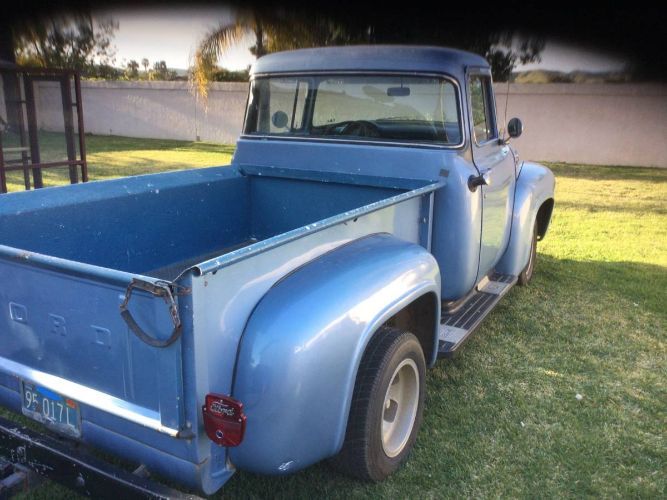
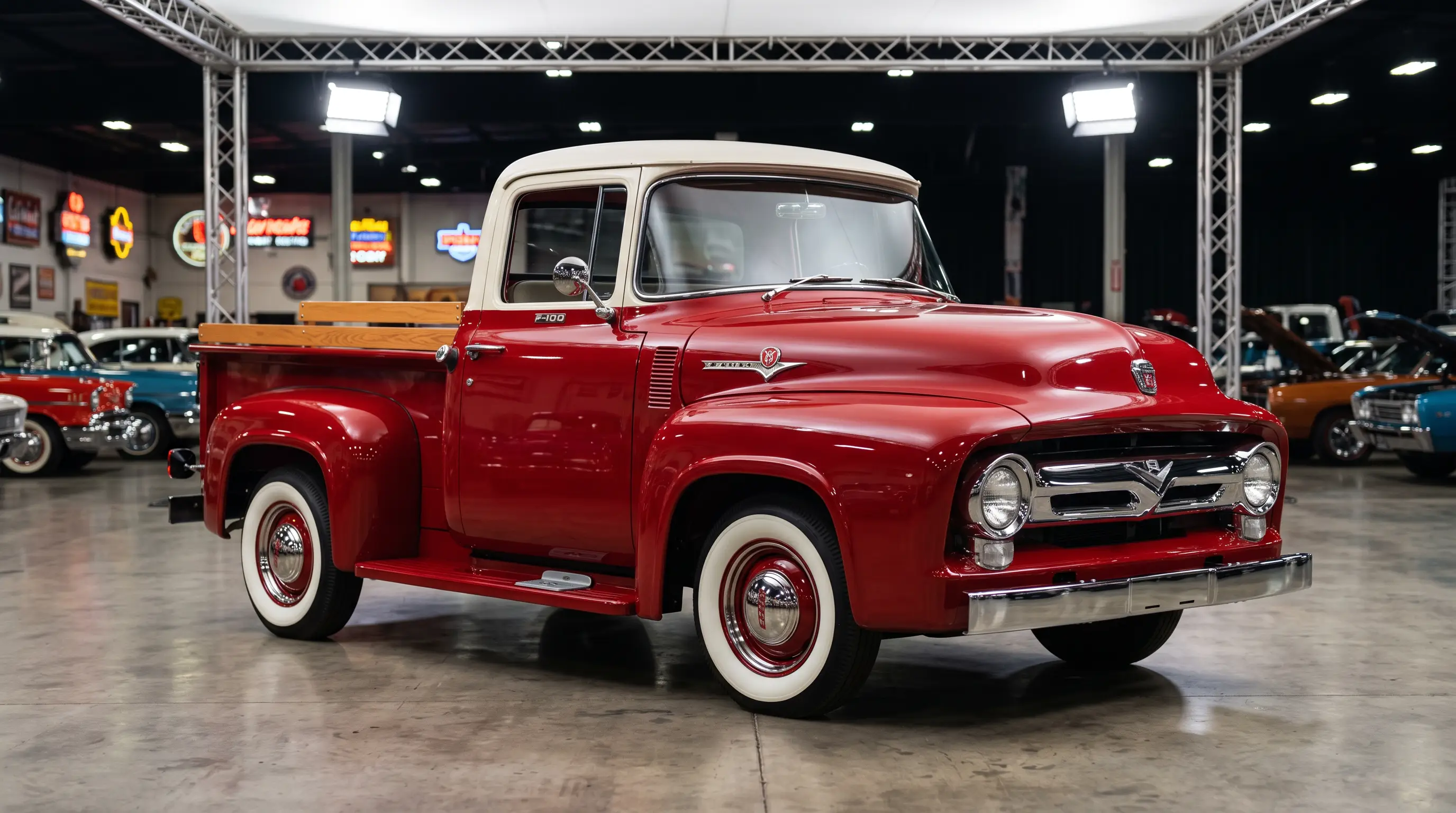
Rank the most valuable ford f100 variants by recent auction results and a clear pattern emerges before you even get to the tenth entry. Rarity beats raw horsepower every time, and originality beats a flashy resto-mod build almost as consistently. The numbers below come from tracking sale results across major collector auction houses, and they tell a more disciplined story than the general "old trucks are hot right now" narrative suggests.
Short-bed, big-window trucks lead the pack
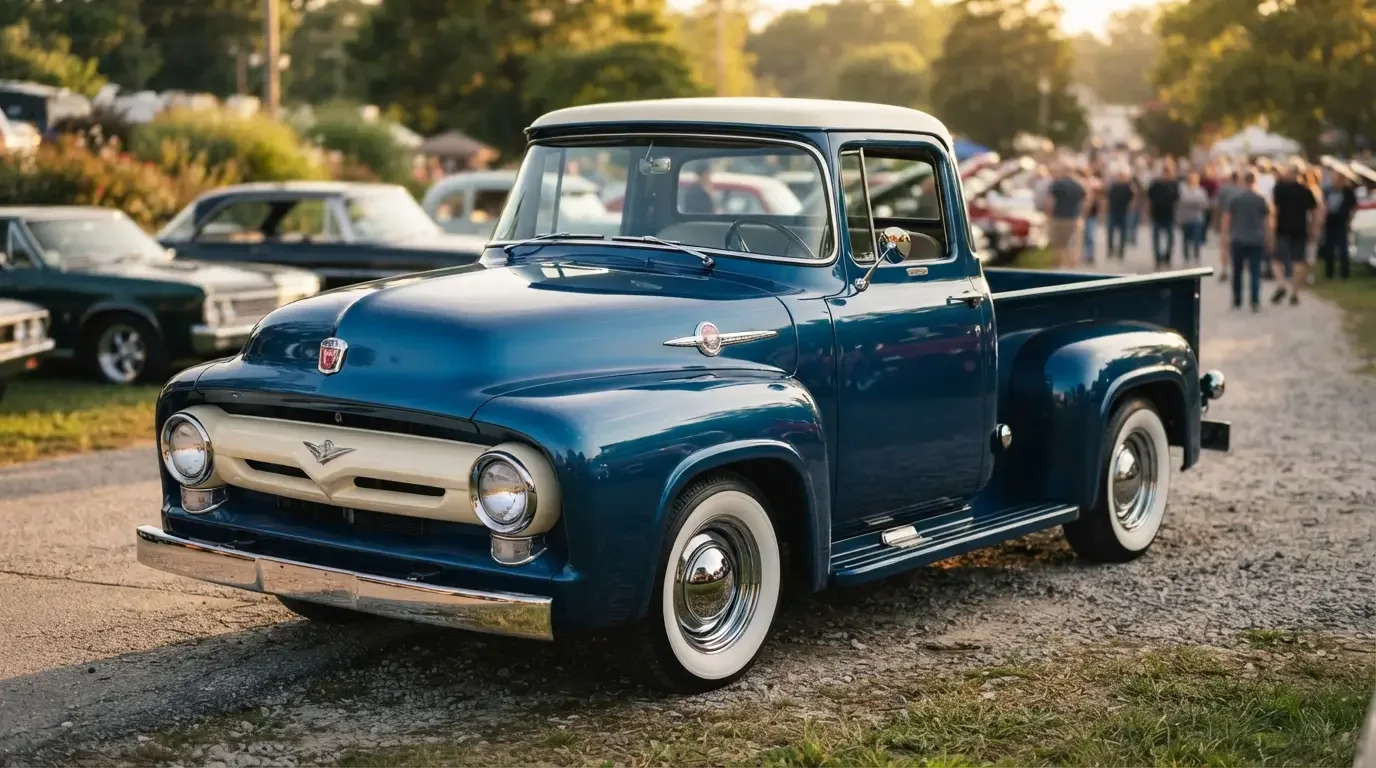
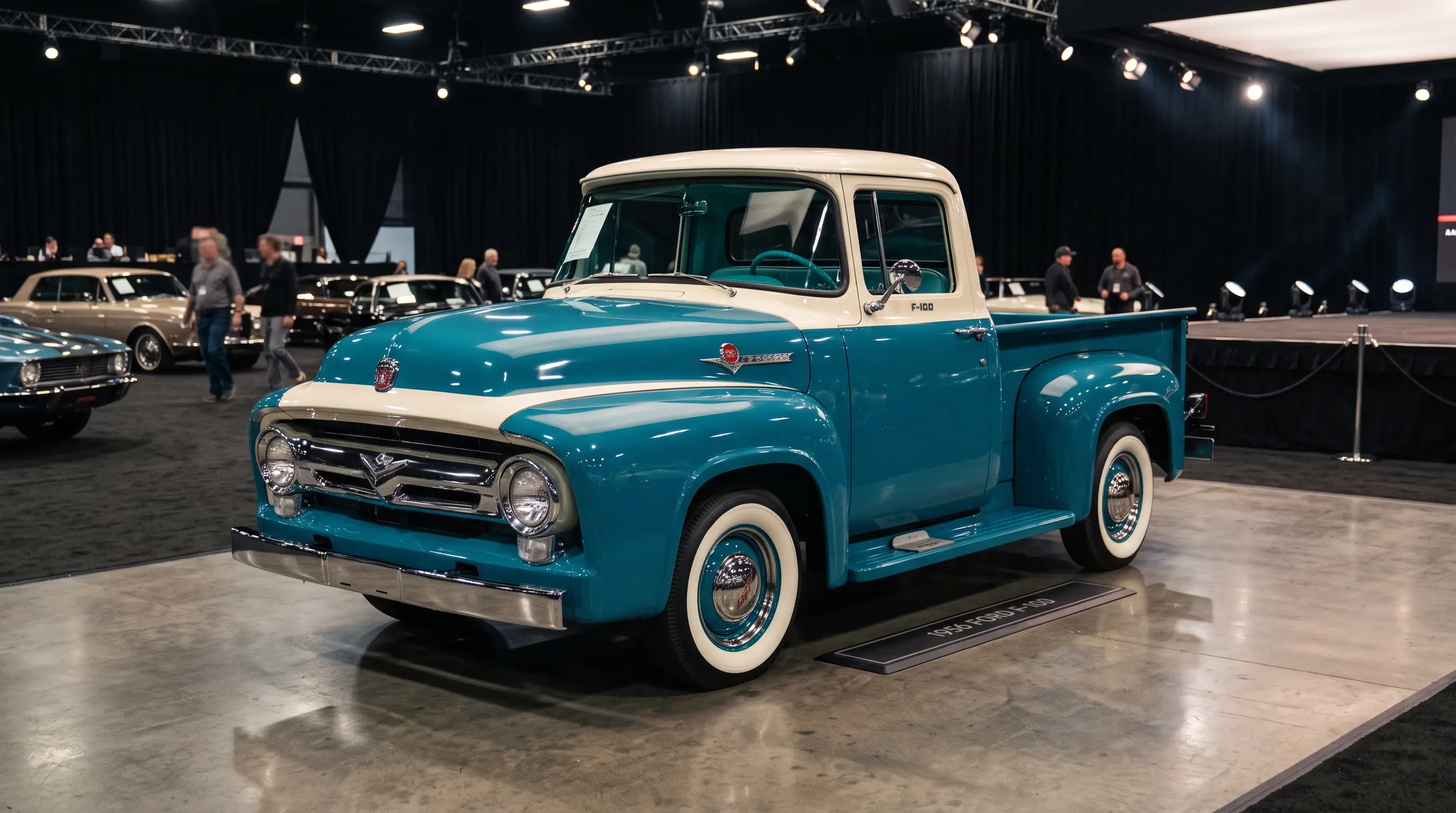
The single biggest value driver across every generation of F-100 is the short-bed, big-window cab combination. Ford built far more long-bed and standard-cab trucks than short-bed, big-window examples, simply because the market for wide-visibility cabs paired with the shorter cargo box skewed smaller at the time. That production imbalance has fully reversed in the collector market. Buyers now actively seek out the combination that period buyers treated as a niche option, and auction results consistently show a real premium attached to any documented short-bed, big-window truck over an otherwise identical long-bed example. Ford built the wraparound-glass big-window cab for the 1956 model year only, and only a small fraction of that year's F-100 production carried it, which is the scarcity behind today's premium.
This is not a subtle effect either. At major auctions, short-bed trucks in comparable condition to long-bed siblings routinely sell for noticeably more money, and the gap has been widening rather than narrowing over recent sale cycles. Anyone shopping specifically for value appreciation rather than personal preference should weight this factor heavily.
Documented originality outperforms most custom builds
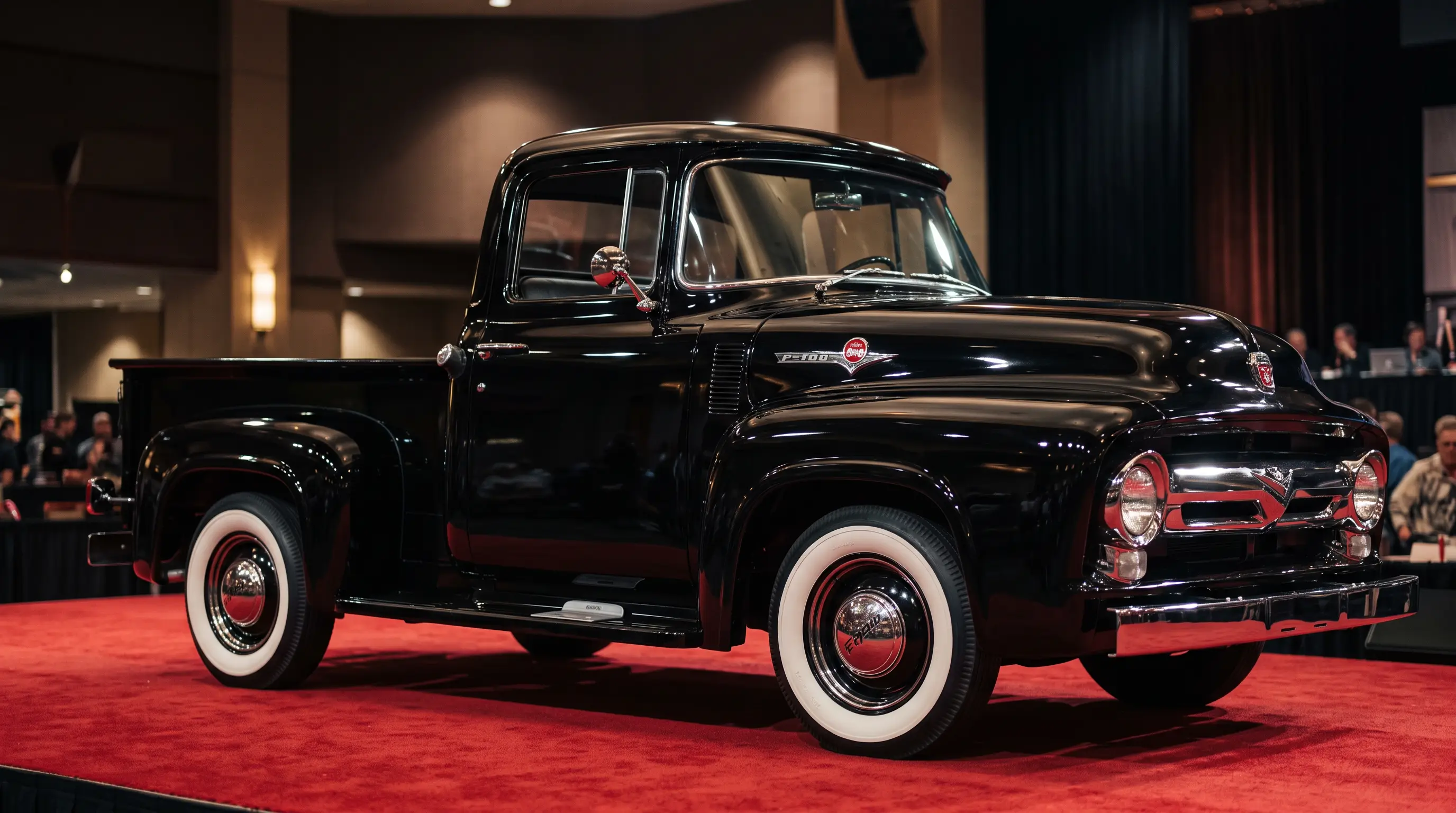
The custom and restomod scene gets a disproportionate share of attention on social media, and plenty of high-quality builds do command strong money. But dollar for dollar, a numbers-matching, well-documented original truck in top condition consistently outperforms an equivalent-quality custom build at auction, particularly among the small pool of the most valuable examples. Buyers paying top dollar for a museum-grade F-100 are usually paying for verified authenticity as much as for the truck itself, and that verification carries a premium that a tastefully built custom, however well executed, generally cannot match.
This does not mean custom trucks are a poor investment. It means the very top of the value chart skews toward originality specifically, while strong custom builds occupy a healthy but distinct tier below it. Buyers should be clear about which category they are actually shopping in before comparing asking prices across the two.
| Value driver | Effect on price |
|---|---|
| Short-bed, big-window body style | Strong premium over long-bed equivalents |
| Documented numbers-matching originality | Highest tier at major auctions |
| Sun Belt, rust-free history | Meaningful premium over comparable trucks with rust history |
| Single-family ownership with paper trail | Added premium, harder to quantify but consistently present |
| High-quality custom or restomod build | Strong secondary tier, generally below top original examples |
What separates the top result from the rest of the field
Looking closely at the highest recorded sale prices for this platform, a consistent profile shows up. The truck is almost always a documented original, almost always a shorter production body style rather than the more common configuration, and almost always accompanied by a paper trail that removes any doubt about its history. Remove any one of those three factors and the same truck typically drops into a meaningfully lower price tier, even if the mechanical and cosmetic condition remains identical. That is the practical lesson buyers should take from studying these results rather than simply admiring the headline number.
"The data is remarkably consistent once you strip out the outlier sales. Originality plus rarity plus paperwork is the formula. Chase any one of those without the other two and you are paying a premium for a story that is only two-thirds true."
- David Mercer
My buy or no-buy read on this segment
For buyers specifically chasing appreciation rather than personal enjoyment, my read is a qualified buy on documented, top-tier examples and a clear caution on anything marketed as "investment grade" without the paperwork to back that claim. Too many sellers apply investment-grade language to trucks that simply look good in photographs, and the gap between a genuinely documented top-tier truck and a well-detailed but undocumented one has only grown as the overall market has strengthened. Pay for verification, not just presentation.
Buyers priced out of the true top tier should not read this as a reason to avoid the platform entirely. Solid, honest F-100s without full documentation remain reasonably priced relative to their condition, and they make genuinely satisfying ownership even without chasing the absolute top of the market. The value ceiling described here applies to a small, specific slice of the overall population, not to the platform as a whole.
How this connects to the platform's broader history
Understanding why these specific factors drive value requires some grounding in how the F-100 built its reputation in the first place, a story covered thoroughly in the ford f100 history story. The production decisions Ford made decades ago, which body styles it built in higher volume and which it built sparingly, are the direct cause of the scarcity premiums showing up in today's auction results. For readers who want the origin story behind the platform before diving deeper into value analysis, the full story covers the truck's development from the ground up.
Buyers ready to compare current market listings against the value factors outlined here can find a reasonable cross-section of available trucks by browsing classic F-100s on the market, though as always, verifying documentation claims independently before committing to a purchase remains essential regardless of how a listing is described.
How engine and trim options shift the picture
Body style and originality carry the most weight, but engine and trim choices still move the needle within a given tier. V8-equipped trucks generally outsell inline-six examples at comparable condition levels, reflecting both period desirability and modern driving expectations. Buyers restoring a truck for regular use tend to favor the extra power, and that demand shows up in auction results even among trucks that are otherwise closely matched on originality and body style.
Higher trim packages carry a similar, smaller premium. Custom Cab and equivalent upscale trim levels, with their added chrome, upgraded seating and additional sound insulation, sold in lower volume than base work-truck configurations when new. That production gap creates the same scarcity dynamic seen with body styles, just at a smaller scale. A well-optioned Custom Cab truck in original condition will generally out-price a base-trim equivalent even when both trucks share the same body style, engine and overall condition grade.
Color plays a role too, though a smaller and less consistent one than body style or trim. Factory-original paint in a color that was genuinely rare when new tends to draw stronger bidding than a common shade repainted to match, assuming the underlying truck is otherwise comparable. This factor is harder to quantify reliably across a data set, since paint condition and originality claims are notoriously difficult to verify at a distance, but auction house specialists consistently note it as a real, if modest, contributor to final sale price among top-tier trucks.
What buyers consistently get wrong
The most common mistake I see in this segment is buyers anchoring on a single headline sale price and assuming every truck sharing a body style or trim level is worth something close to that number. Auction results are not a flat market rate. A single exceptional sale, often driven by two determined bidders in a room rather than any broader market consensus, can distort perception of an entire category for years afterward. Serious buyers should look at a spread of comparable results rather than the single highest number, and should discount heavily for any documentation gaps the headline sale did not have.