Hollywood casting directors do not pick cars at random, and when a script calls for something that reads as fast, a little dangerous, and unmistakably American, the GTO has turned up more often than most factory performance cars ever manage. It is not a coincidence. A car earns that kind of recurring casting call by having a silhouette people recognize instantly and a reputation that does half the storytelling before a single line of dialogue gets delivered.
Two-Lane Blacktop and the character named after the car
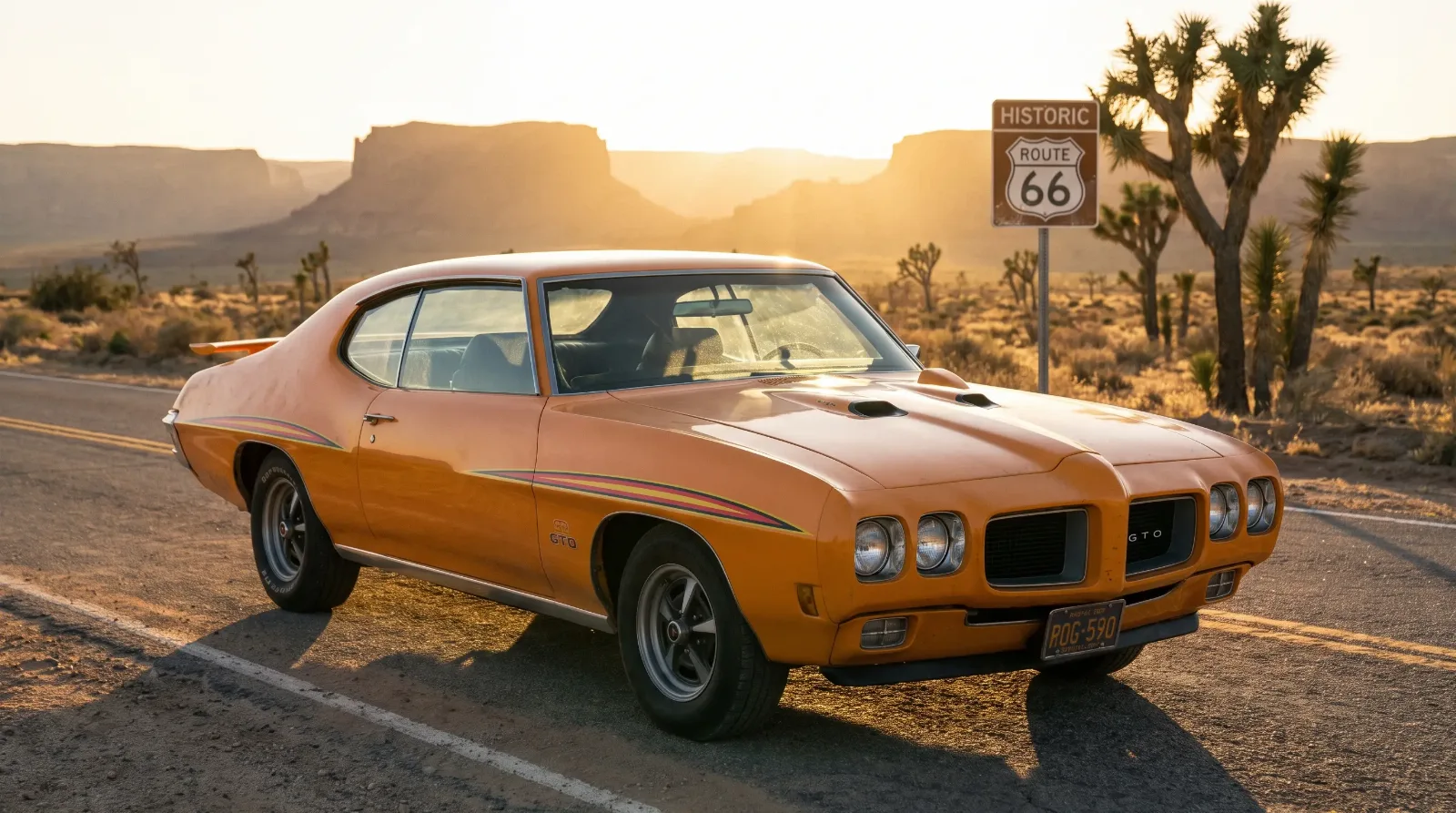
The clearest example is "Two-Lane Blacktop," the 1971 road film built around an underground cross-country drag race between a primer-gray 1955 Chevrolet and an Orbit Orange 1970 Pontiac GTO driven by a character the credits simply list as GTO, played by Warren Oates. The film treats the Pontiac almost as a personality rather than a prop, a boastful, unreliable counterpoint to the stripped-down purpose of the Chevy. Critics have written for decades about how the movie uses both cars as character studies, and giving an actor's role the same name as the car he drives is about as direct a statement of the GTO's screen presence as filmmaking gets.
What makes the casting choice work is that the GTO character in the film is not the hero. He is talkative, a little unreliable, prone to reinventing his own backstory to strangers at gas stations, and the car matches that persona, flashy where the Chevy is spare, loud where the Chevy is quiet. That contrast only lands because audiences already had a preexisting sense of what a GTO represented culturally by 1971, seven years after its debut. The film could lean on that shorthand instead of explaining it.
"Two-Lane Blacktop works because the cars are doing character work, not just background work. You do not cast a GTO in that role unless the audience already has an opinion about what a GTO is before the movie starts. That opinion took years to build on real streets before Hollywood ever borrowed it."
— Patrick Walsh
xXx and a very different kind of GTO
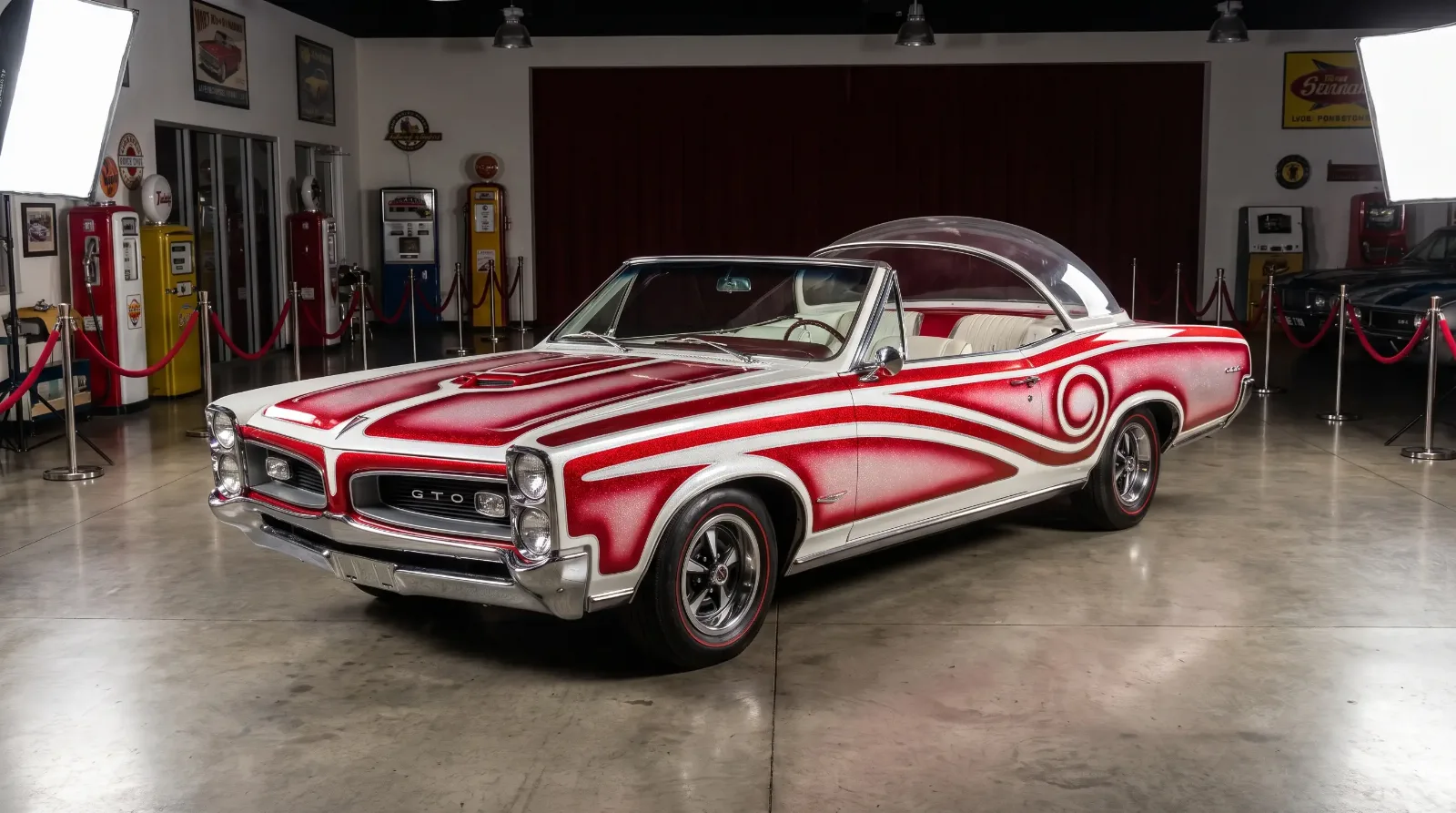
Three decades after "Two-Lane Blacktop," a heavily customized 1967 Pontiac GTO turned up as Vin Diesel's ride in the 2002 action film "xXx," built by George Barris' shop in a deep purple finish the production called Blueberry. It carried a 400 cubic-inch V8, fake supercharger scoop, and custom wheels, and several cars, including real GTOs among the builds, were produced to cover stunt work and close-up shots. It is about as far from the stripped-down road-movie realism of Warren Oates' orange GTO as the badge can travel, proof that the car has photographed convincingly as both a gritty underground racer and a gadget-laden spy vehicle.
Beyond the obvious leading roles
Plenty of other film and television appearances put a GTO in frame without making the car the entire point of a scene, and tracking every one of them gets difficult, because production credits rarely list specific vehicles the way they list actors. Enthusiast forums and marque historians have compiled partial lists over the years covering everything from period-appropriate background cars in shows set in the 1960s to modern productions that reach for a classic GTO specifically because the silhouette still reads as instantly recognizable decades later. What is consistent across those appearances is the reason directors keep reaching for the car in the first place: audiences do not need the badge explained to them.
Why the GTO photographs well on screen
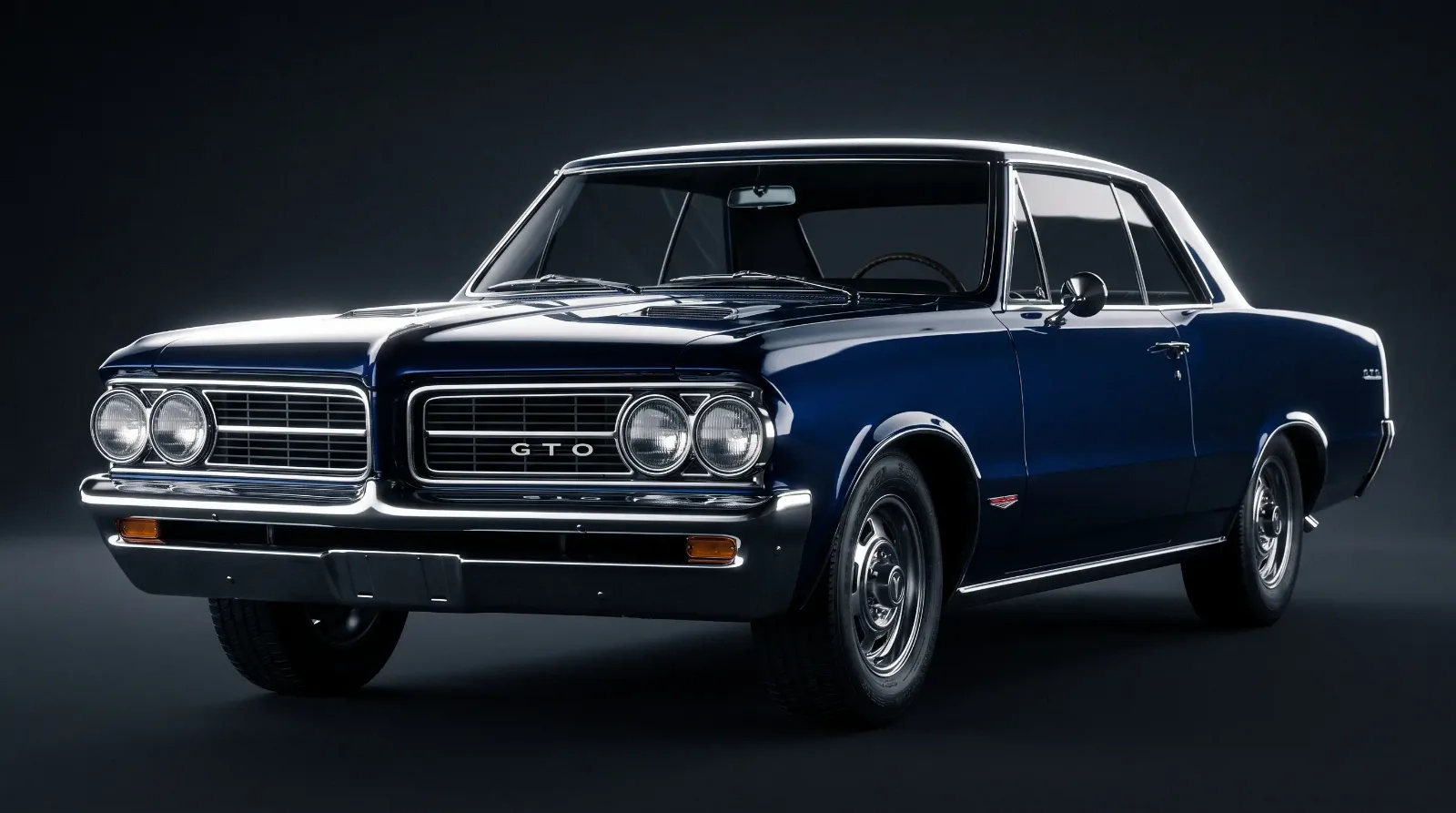
Part of the car's screen appeal is purely visual. The GTO's proportions, a long hood, a short deck, and a stance that reads as forward-leaning even parked, translate cleanly to film in a way some contemporaries do not. Cinematographers shooting car culture stories have a limited amount of time to establish a vehicle's personality before the plot needs to move, and a GTO's silhouette does a lot of that work in a single wide shot. That efficiency matters more in filmmaking than casual viewers usually appreciate, since screen time devoted to admiring a car is screen time not spent advancing story.
What set decorators actually look for
Talk to anyone who has worked vehicle casting for a period production and they will tell you the job is rarely about picking the single most historically significant car for a scene. It is about picking a car the audience can identify in under two seconds, from a distance, sometimes out of focus in the background. A GTO clears that bar in a way plenty of equally important 1960s cars do not, because the proportions are distinct even in silhouette and the badge recognition among general audiences, not just car people, has stayed unusually high across generations. That combination of visual clarity and name recognition is rare, and it is a large part of why productions keep returning to the same car decades after its production run ended.
There is a practical dimension too. Because so many GTOs survive in reasonably driveable condition, thanks to decades of an active restoration and parts community, production vehicle coordinators can actually source running examples for period pieces without resorting to a replica or a heavily modified stand-in. That availability is not something every iconic 1960s car can claim. Some equally famous badges from the same era are scarce enough now that filming with an original is impractical, forcing productions toward tribute cars or CGI. The GTO's population, spread across serious collectors and daily drivers alike, keeps it accessible enough that a production can still put a real one on camera.
The car's reputation preceded the camera
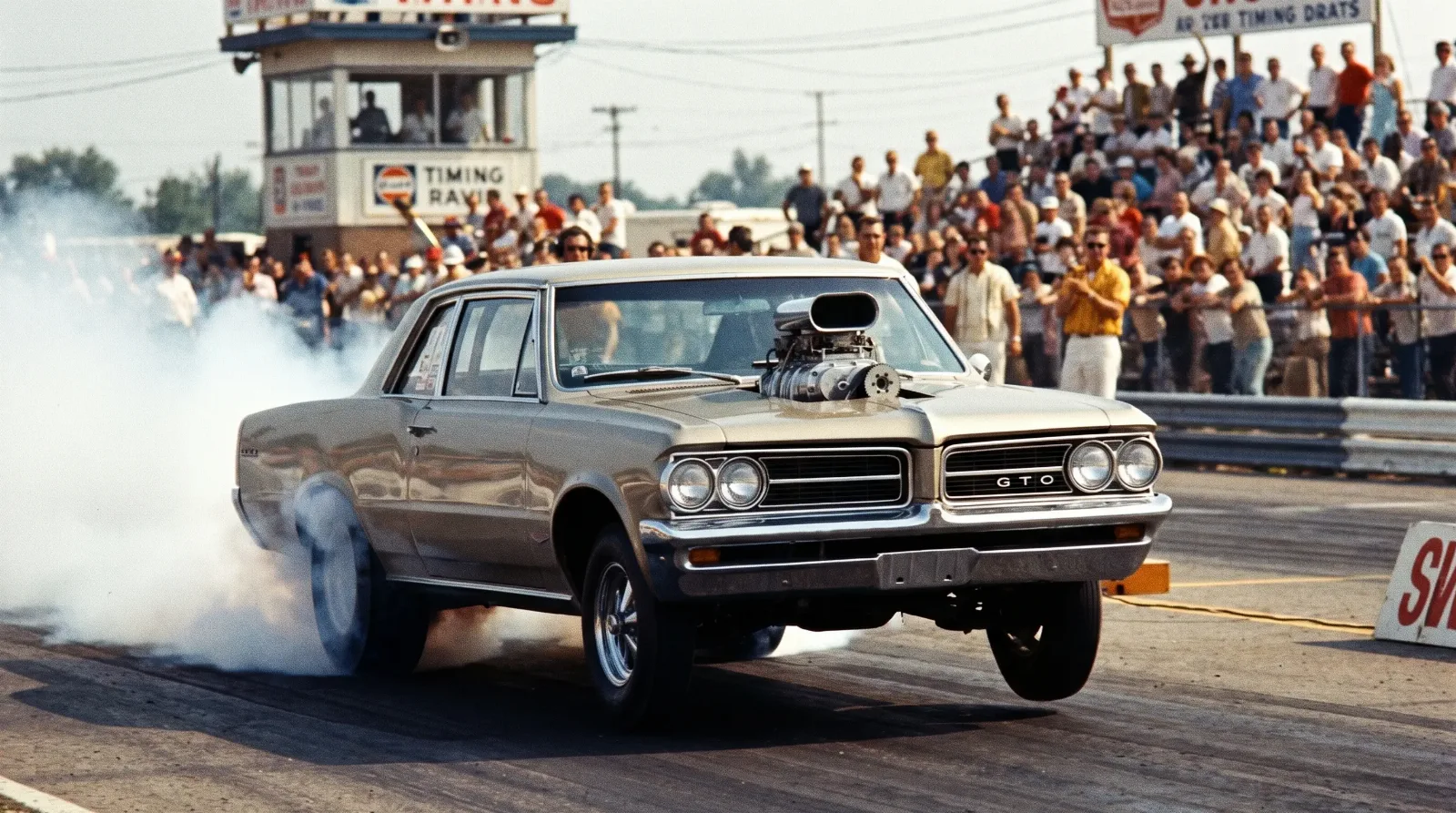
None of this screen history happened in a vacuum. The GTO's reputation as a street and strip performer was already well established by the time filmmakers started reaching for it, and that real-world credibility is exactly what makes the movie casting feel earned rather than arbitrary. A car with no genuine performance history getting cast as the fast, dangerous option in a road movie would ring false. The GTO's screen roles work because the car had already proven itself outside any script, on drag strips against genuine competition and in the hands of racers whose reputations were built on results rather than casting decisions.
That real-world foundation runs deep, from match racers who built their careers campaigning GTOs against the era's other muscle cars to the broader story of how the car forced its way into American culture within just a couple of model years of its 1964 debut. Both threads connect back to the GTO name and myths that have grown around the car since it first launched, and one of the strongest examples of that real-world credibility belongs to a drag racer whose match-race career is worth its own telling if you want read on.
It is worth remembering, too, that the GTO's screen career has never depended on nostalgia alone to stay relevant. New viewers discover "Two-Lane Blacktop" every year through film school syllabi and cult-classic retrospectives, and each rediscovery introduces the car to an audience with no memory of the muscle car era at all. That renewal, an old car finding new fans through an old film rather than through marketing, is a rarer kind of longevity than most collector cars ever achieve, and it says as much about the strength of the original screen casting as it does about the car itself.
The screen career and the street career were never really separate stories. A car does not get cast as a character named after itself, or handed a starring role in a landmark road movie, unless the reputation was already earned somewhere far less scripted than a movie set, which is exactly what happened in the years covered by how the GTO began.