
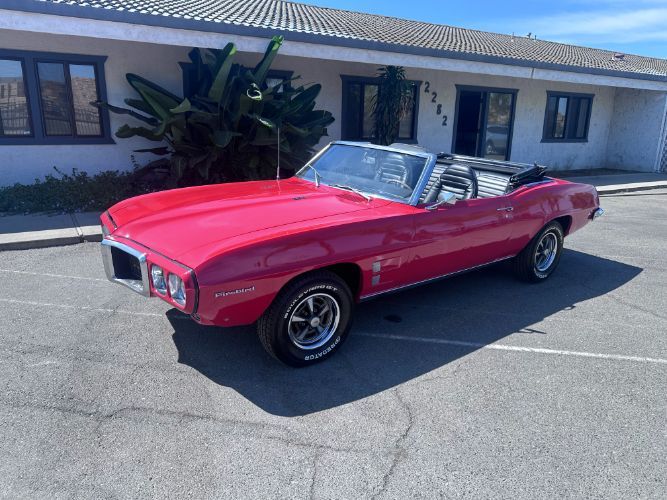
The first time I saw a first-generation Firebird convertible up close, the top was already down and the owner was leaning against the fender talking to a guy about carburetors. Nobody at that show was looking at the Corvettes two rows over. A drop-top Firebird does that. It pulls people in sideways, mid-sentence, because the roofline is gone and the whole car reads as an invitation rather than a machine.
Car Features
6 min read
Convertibles: Firebird vs Camaro
Firebird and Camaro convertibles shared a platform and nearly identical timelines, disappearing for two decades before both came roaring back to the F-body lineup.
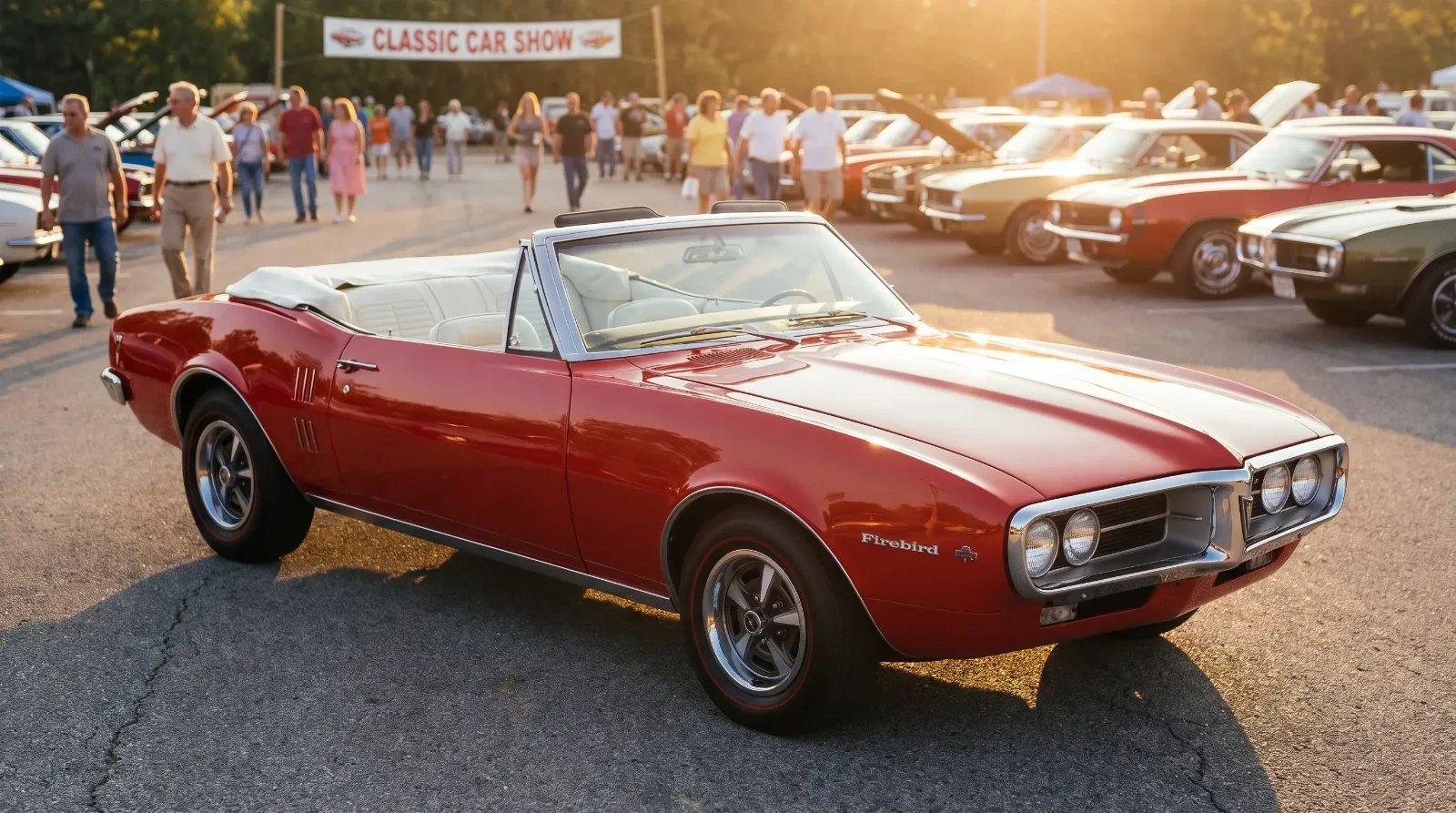
That pull is the reason the convertible conversation between Pontiac's Firebird and its Chevrolet cousin never really ends. Both cars rode the same F-body platform, both cars needed a folding roof to compete in a market that still remembered the top-down freedom of the early sixties, and both cars handled that requirement in almost identical ways at almost identical times. The differences are smaller than people expect, and that is exactly what makes them worth sorting out.
Why the ragtop mattered to both cars
When the Firebird launched for 1967, Pontiac offered it in hardtop and convertible form from day one, mirroring what Chevrolet was doing with the Camaro. This was not an afterthought trim level. The convertible was part of how GM pitched the F-body to a buyer who might otherwise have looked at a Mustang convertible or a Barracuda. Ponycar sales in the mid-sixties leaned hard on the promise of open-air motoring, and a coupe-only lineup would have ceded ground Pontiac was not willing to give up.
The mechanical layout underneath a convertible Firebird was close to what you got in the coupe, straight six through the various V8 options, but the body needed real reinforcement. Convertible chassis flex was a known problem across the ponycar class, and Pontiac added underbody bracing to keep the cowl from shaking on rough pavement. It worked well enough, but nobody who has driven both will tell you the ragtop feels as tight as the hardtop. That looseness is part of the character, not a flaw to be embarrassed about.
Firebird convertibles, generation by generation
The convertible ran alongside the coupe for the first three model years, 1967 through 1969, then vanished. GM pulled convertibles from the entire F-body line for 1970, a decision driven by softening open-top demand and looming rollover safety standards that made engineers nervous about unibody construction without a fixed roof. For more than two decades, if you wanted a Firebird, you bought a coupe. Period.
The convertible came back for the third generation, arriving in 1991 through outside coachbuilders finishing factory-supplied cars, then folding into regular production for 1992 onward. The fourth generation carried the convertible through to the end of the line in 2002, by which point Pontiac had built factory-supported drop-tops for the Trans Am and Formula as well as the base car. Production numbers on these later convertibles are modest compared to the coupe volumes, with roughly 1,505 convertibles built for 1991 and 1,928 for 1992 against about 79,000 total Firebirds across those two model years, a ratio near 96 coupes and hardtops for every 4 convertibles, reflecting a buyer base that had narrowed but not disappeared.
| Generation | Convertible years | Notes |
|---|---|---|
| First (1967-1969) | 1967-1969 | Available from launch, dropped for 1970 model year |
| Second (1970-1981) | None | No factory convertible offered on any second-gen Firebird |
| Third (1982-1992) | 1991-1992 | Built via outside coachbuilder conversion before folding into production |
| Fourth (1993-2002) | 1994-2002 | Available on base, Formula, and Trans Am trims through the final year |
Camaro's timeline runs almost in lockstep. Chevrolet offered the convertible from 1967 through 1969, dropped it in 1970 alongside the Firebird, and reintroduced it for the third-generation car in 1987, several years ahead of Pontiac bringing the Firebird ragtop back. That gap matters to collectors today because it means early third-gen Camaro convertibles exist without a direct Firebird counterpart, a small window where Chevrolet had the open-air segment of the F-body world to itself.
What actually separates a Firebird drop-top from a Camaro drop-top
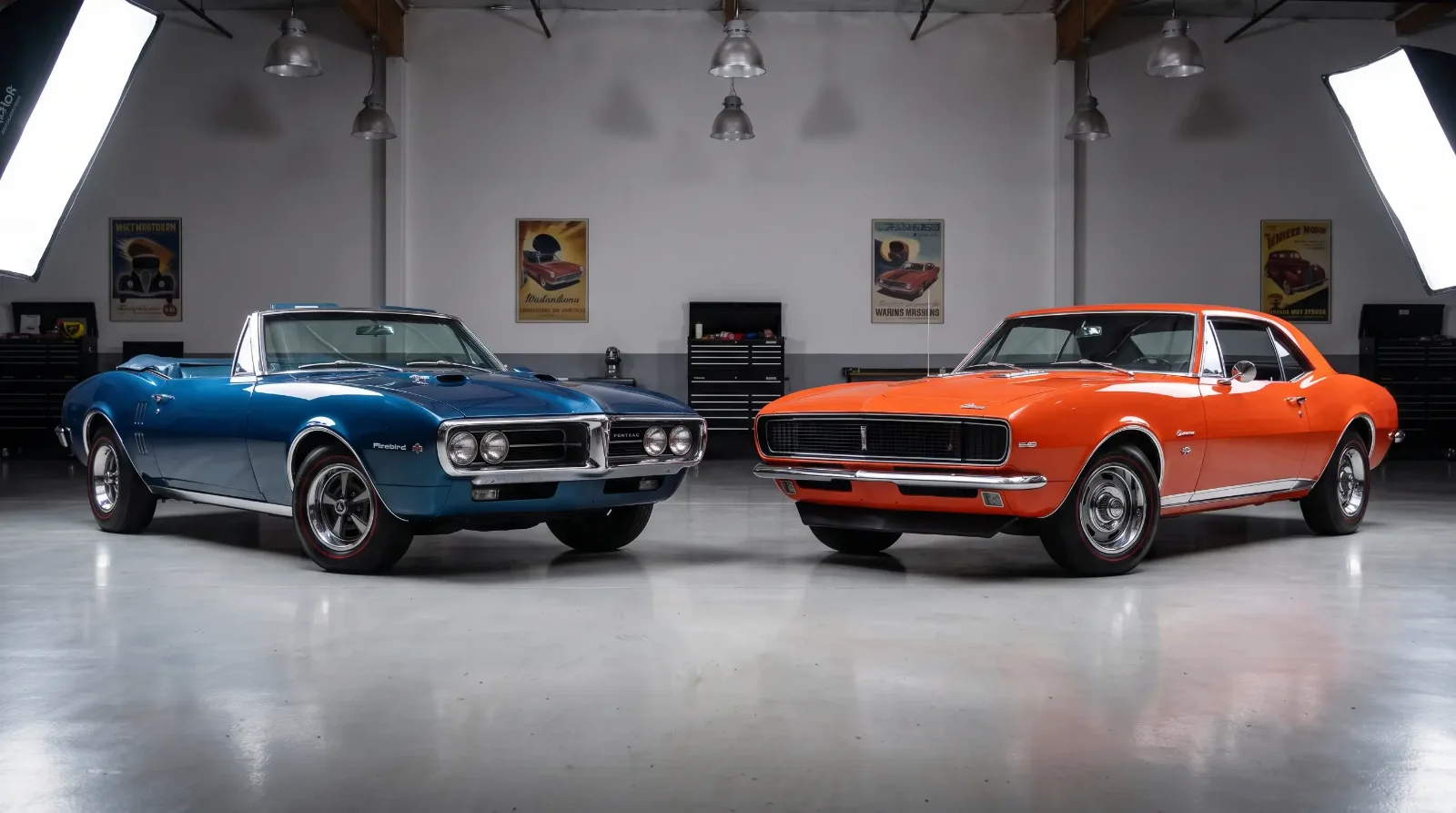
Strip away the badges and the two cars share a surprising amount, same platform, similar suspension geometry by generation, overlapping engine families in most years. The differences that matter to a real buyer come down to styling details, interior trim, and the way each brand marketed the car to a slightly different customer. Pontiac leaned into the Trans Am's performance image even on the convertible, while Chevrolet split its convertible buyers more evenly between straightforward Camaros and the performance-oriented Z28.
Top mechanisms across both cars were conventional manual or power-assisted folding units through the seventies-adjacent revival years, nothing exotic, nothing that a competent shop cannot service today. The real variable is condition of the convertible-specific reinforcement underneath. A tired top frame or a rusted rear floor brace turns a fun car into a rattling one fast, and that is true whether the fender says Firebird or Camaro.
Living with one today
A Firebird convertible in decent driver condition is a genuinely usable classic, provided the buyer accepts a bit more cowl shake than the coupe and budgets for top replacement, because vinyl and cloth tops do not last forever regardless of how carefully they were stored. Parts support across the F-body world is strong thanks to shared components with the Camaro, which keeps ownership costs reasonable compared to more obscure convertibles from the same era.
If this is your first time reading about the platform, our Firebird retrospective covers the full arc of the car from launch to final year, and it is worth backing up to before going deeper into any one chapter. The convertible story sits inside a larger conversation about how Pontiac and Chevrolet split the same architecture into two distinct personalities, something the F-body chapter lays out side by side.
"Put the top down on a good one and you stop caring which badge is on the nose. That's the whole point of a convertible. It's supposed to make the argument feel smaller than it is."
Patrick Walsh
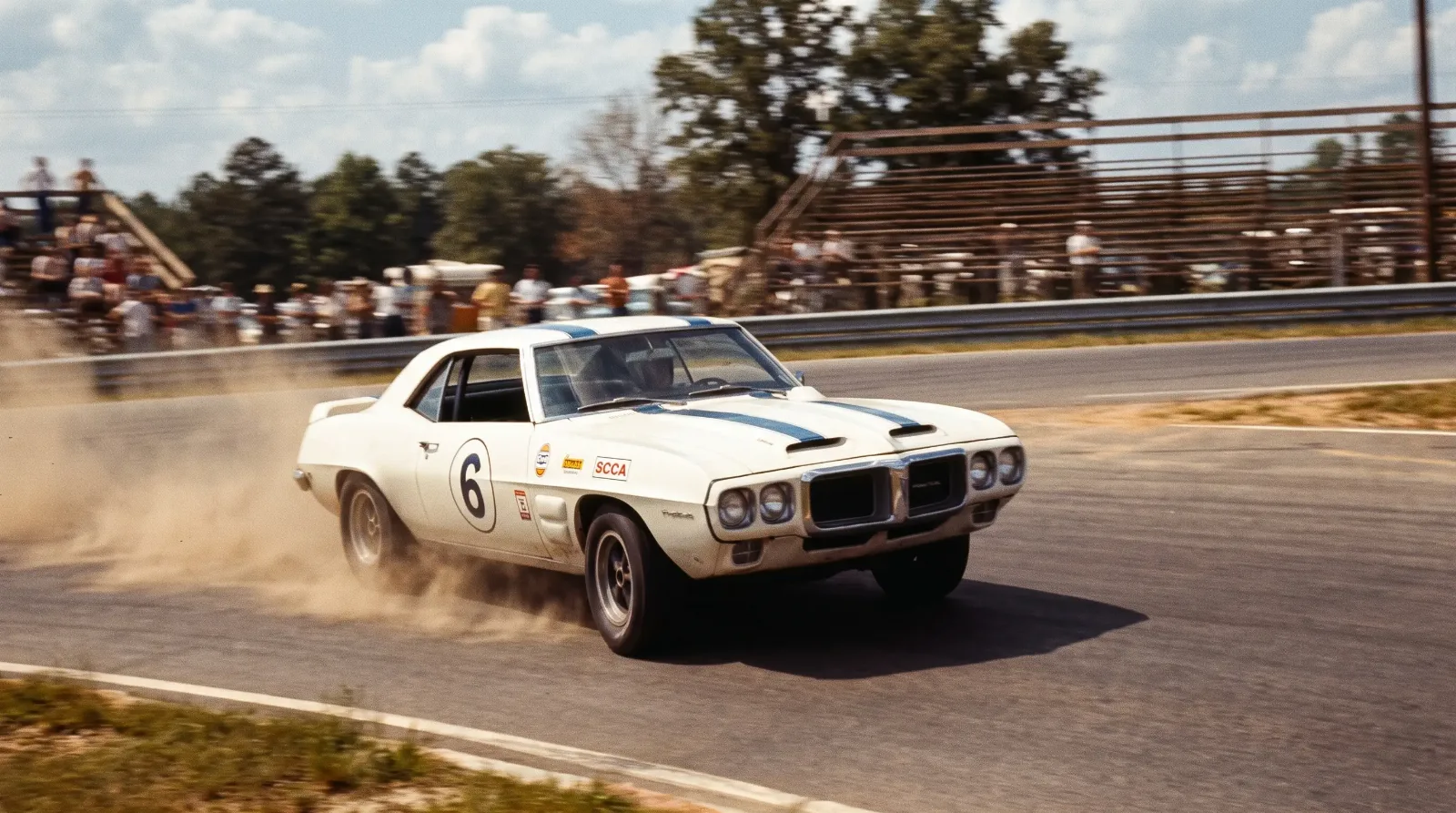
None of this is really about picking a winner between two nameplates that came off the same assembly logic. It is about understanding why the open-top version of either car still draws a crowd at a show decades after the last one rolled off the line, and why the years without a factory convertible at all feel, in hindsight, like the platform's least interesting chapter. For readers following the whole series on how these two cars measured each other across five decades, keep reading the series into how that same rivalry played out on track rather than in showrooms.
Sources and notes
- Curbside Classic: 1991 Pontiac Firebird Convertible
- Firebird Convertibles Prior to 1991 - 3rdGenFormula
- 1987-1992 Pontiac Firebird/Trans Am Convertible (3rd Gen)
- Chevrolet Camaro (third generation) - Wikipedia
- Pontiac Firebird (third generation) - Wikipedia
- Rare Drop-Top: 1992 Pontiac Firebird - Barn Finds
Related Reading
Have a
Pontiac Firebird
for Sale?
Reach thousands of serious classic car collectors across the US.
Sell It Here →
Are You a Classic Car Dealer?
List your full inventory and connect with targeted classic car buyers.
Join as a Dealer →

About the author
Patrick Walsh
Automotive journalist covering classic car shows, events, and the enthusiast community across North America.
Related Listings - Pontiac Firebird
Comments
Be the first to comment on this article.