
Ask three different Trans Am owners what WS6 means and you will get three different answers before anybody mentions the actual RPO code. One will tell you about the wheels. One will tell you about the four-wheel disc brakes he had to explain to a skeptical mechanic in 1985. One will just say "the handling package" and leave it at that, like the letters explain themselves. They do not, not entirely, and that is half the fun of tracking down a real one. The third-generation the gen3 Firebird ran from 1982 through 1992, and for most of that run, WS6 was the box you checked if you wanted the car to do more than look the part.
Car Features
6 min read
WS6 in the Gen3: Pontiac's Handling Package Explained
The WS6 package turned a good-looking Trans Am into a genuinely capable one, but documented cars are getting harder to sort from well-dressed impostors.
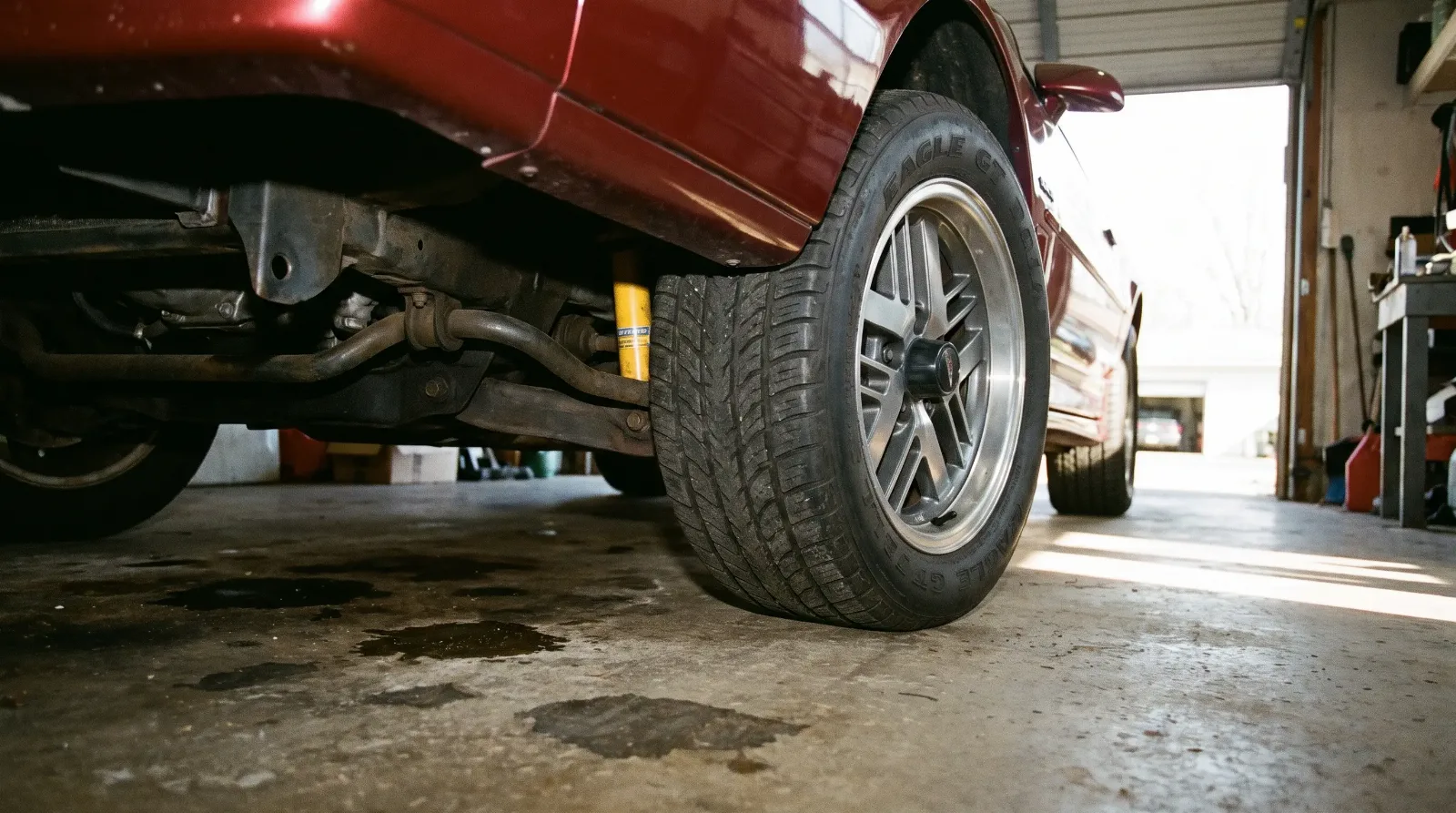
I heard the best version of the story at a swap meet, from a man who had ordered his 1985 Trans Am new off a dealer lot in Ohio. He remembered the invoice more clearly than he remembered most of that decade. The WS6 line item added a few hundred dollars to the sticker. He said the salesman tried to talk him out of it, called it "the stuff race guys want," as if that were a warning instead of the whole pitch. He kept the invoice. That is the kind of documentation that settles an argument at a car show faster than any amount of enthusiasm.
What the WS6 code actually bought you
WS6 was Pontiac's performance handling package, and on the gen3 Trans Am it meant a specific suspension tune, quicker-ratio steering, larger front and rear stabilizer bars, and four-wheel disc brakes, a feature the package carried from its 1982 debut on cars that otherwise made do with rear drums. It was not a trim level and it was not cosmetic, though it usually arrived alongside the visual cues that told you something was different underneath. The package existed because the base Trans Am suspension, while decent for the era, left real capability on the table. Pontiac's engineers knew it. WS6 was the fix, sold as an option rather than baked into every car, which is exactly why it matters so much now to anyone trying to sort a real example from a Trans Am with the right badges and none of the hardware.
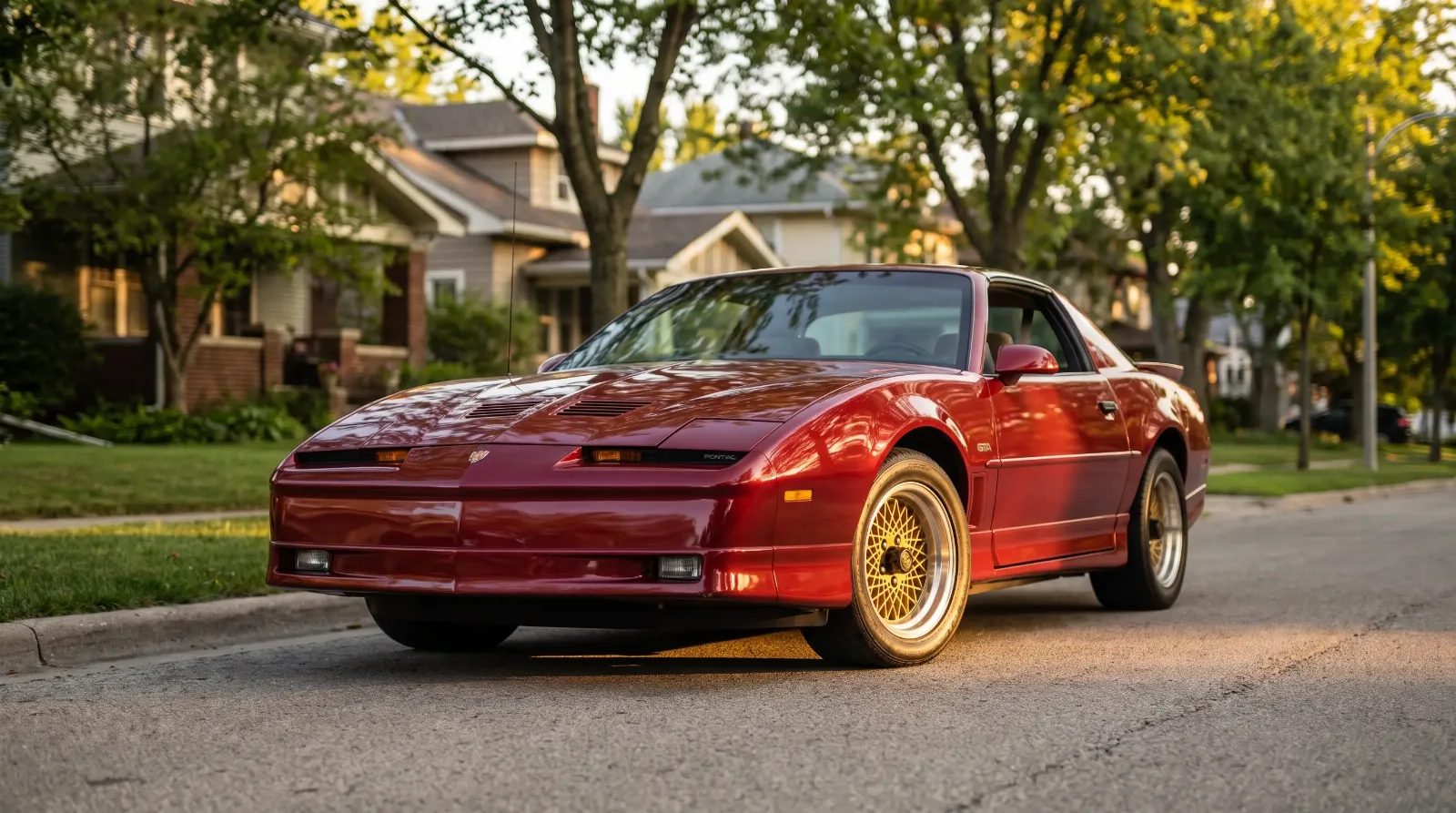
The wheels are usually the first thing people notice, and for good reason. WS6 cars wore a distinct aluminum wheel, wider than the standard Trans Am rim, wrapped in a tire sized to match the suspension tune underneath. Later in the run those wheels grew again, and the tire sizing followed. None of that matters if the springs, bars, and bushings are not the WS6-specific parts, and by now plenty of cars have had wheels swapped onto a car that never carried the rest of the package. A build sheet or a Protect-O-Plate reference is worth more than a set of correct-looking wheels sitting on a set of soft springs.
How it changed across the gen3 years
WS6 was not a static option across a decade of production. The package included four-wheel disc brakes from its 1982 debut alongside the suspension and steering upgrades, and Pontiac kept refining the formula from there. By 1987, WS6 became standard equipment on the Formula and GTA, with a beefed-up 36mm front bar, 24mm rear bar, quicker-ratio steering, gas-charged struts, and 16-inch wheels replacing the earlier 15-inch setup. That standardization on the higher trims is part of why people still argue about which car actually needed the box checked and which one had most of it standard. That argument is part of why documentation matters more here than in almost any other corner of the gen3 Firebird hobby. The badges tell you what Pontiac wanted you to see. The build sheet tells you what left the plant.
Sorting a real WS6 car from a well-dressed one
The honest answer is that verification takes more than a walk-around. Start with the paperwork. A window sticker, a build sheet, or dealer invoice naming the option is worth more than any visual inspection, because the visual cues can be bought separately at a swap meet in an afternoon. If paperwork does not exist, look at the whole picture rather than any single part. The stabilizer bar diameter, the specific spring rates, and the steering box ratio all need to line up together. A car with the right wheels sitting on a mismatched suspension is a car somebody dressed up, not necessarily to deceive, sometimes just because the correct wheels were what they found first at a swap meet and the rest never got sorted out.
I have watched this debate happen in real time at more than one show, two owners standing at a fender arguing about spring rates until somebody's wife walked over with the actual build sheet folded in her purse. That ended the conversation in about four seconds. It is a good reminder that this hobby runs on paper as much as it runs on memory.
| Feature | Standard Trans Am | WS6-equipped |
|---|---|---|
| Rear brakes | Drum | 4-wheel disc (from the 1982 debut) |
| Stabilizer bars | Standard diameter | Larger front and rear bars |
| Steering | Standard ratio | Quicker ratio |
| Wheels | Standard Trans Am wheel | Wider, WS6-specific wheel and tire sizing |
What these cars bring today
Values for documented WS6 Trans Ams have moved ahead of otherwise similar cars without the package, and the gap tends to widen as buyers get more educated about what they are actually looking at. A well-documented, low-mile WS6 car commands a real premium over a base Trans Am in comparable condition, and that gap has widened as more buyers learn what the paperwork is worth. That premium exists because informed buyers know what the paperwork is worth, and undocumented cars, even ones wearing every correct part, carry a discount for the uncertainty. If you are shopping this corner of the market, the invoice matters as much as the odometer. If you want to see what is actually on the market right now, 1980s Firebirds for sale is a reasonable place to start comparing asking prices against documentation.
"Everybody at the club had a theory about that WS6 car until somebody pulled the build sheet, and just like that, the bench-racing was over."
Wayne Coburn
The package rewards patience more than enthusiasm. If you want the full picture of where this fits in the third-generation story, keep reading the series for the rest of what changed across those ten model years.
Sources and notes
- Pontiac Firebird (third generation) - Wikipedia
- Pontiac Firebird (second generation) - Wikipedia
- Pontiac Trans Am WS6 buyer's guide - Hagerty Media
- What Did The WS6 Package Add To The Pontiac Firebird? - SlashGear
- Hitman's Pontiac Trans Am Site - WS6 and WS7 history
- Recaro Package: 1986 Pontiac Trans Am WS6 - Barn Finds
Related Reading
Have a
Pontiac Firebird
for Sale?
Reach thousands of serious classic car collectors across the US.
Sell It Here →
Are You a Classic Car Dealer?
List your full inventory and connect with targeted classic car buyers.
Join as a Dealer →

About the author
Wayne Coburn
Longtime Corvette owner, judge and club figure who knows the cars, the records and the people behind them.
Related Listings - Pontiac Firebird
Comments
Be the first to comment on this article.