
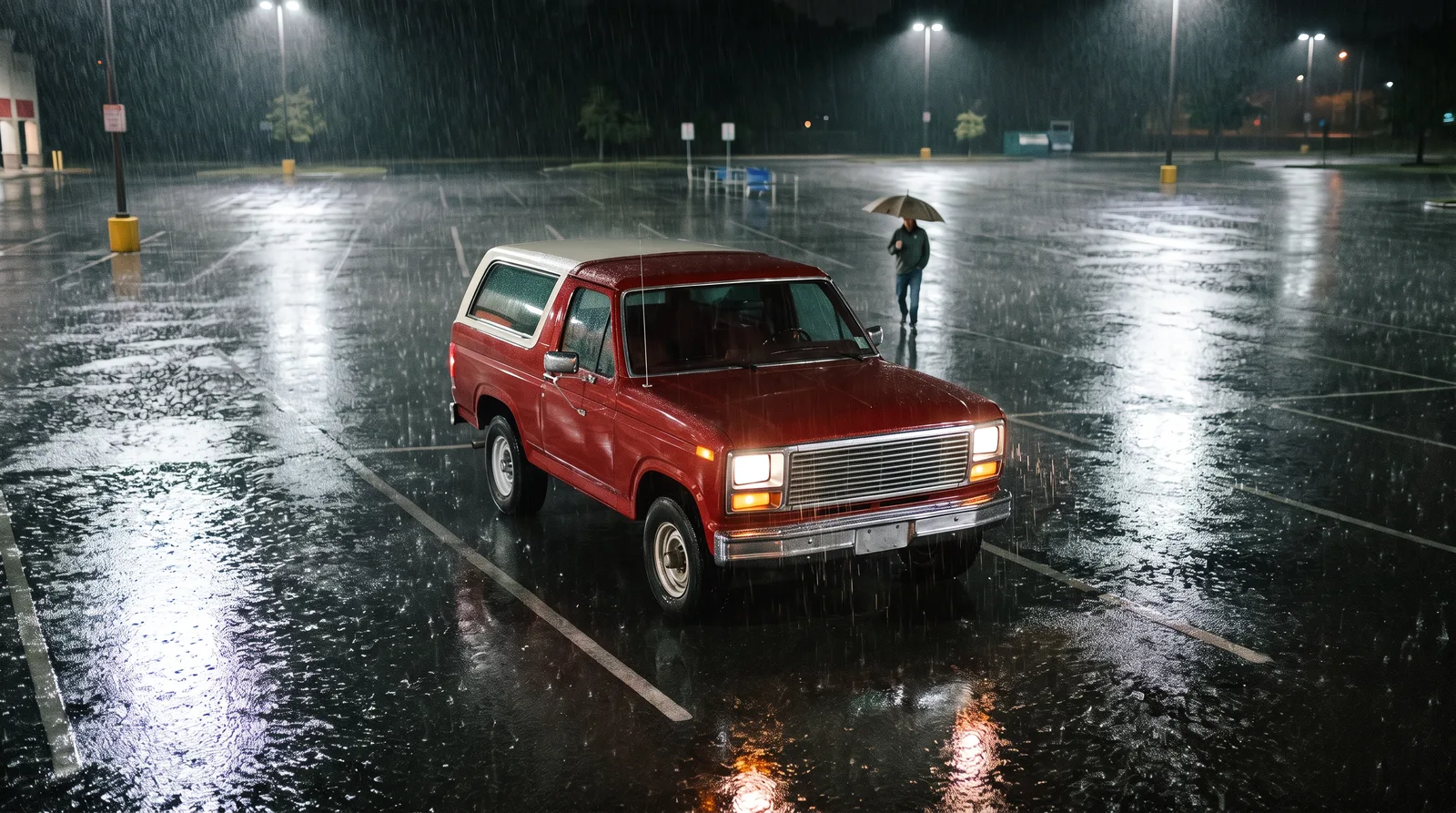
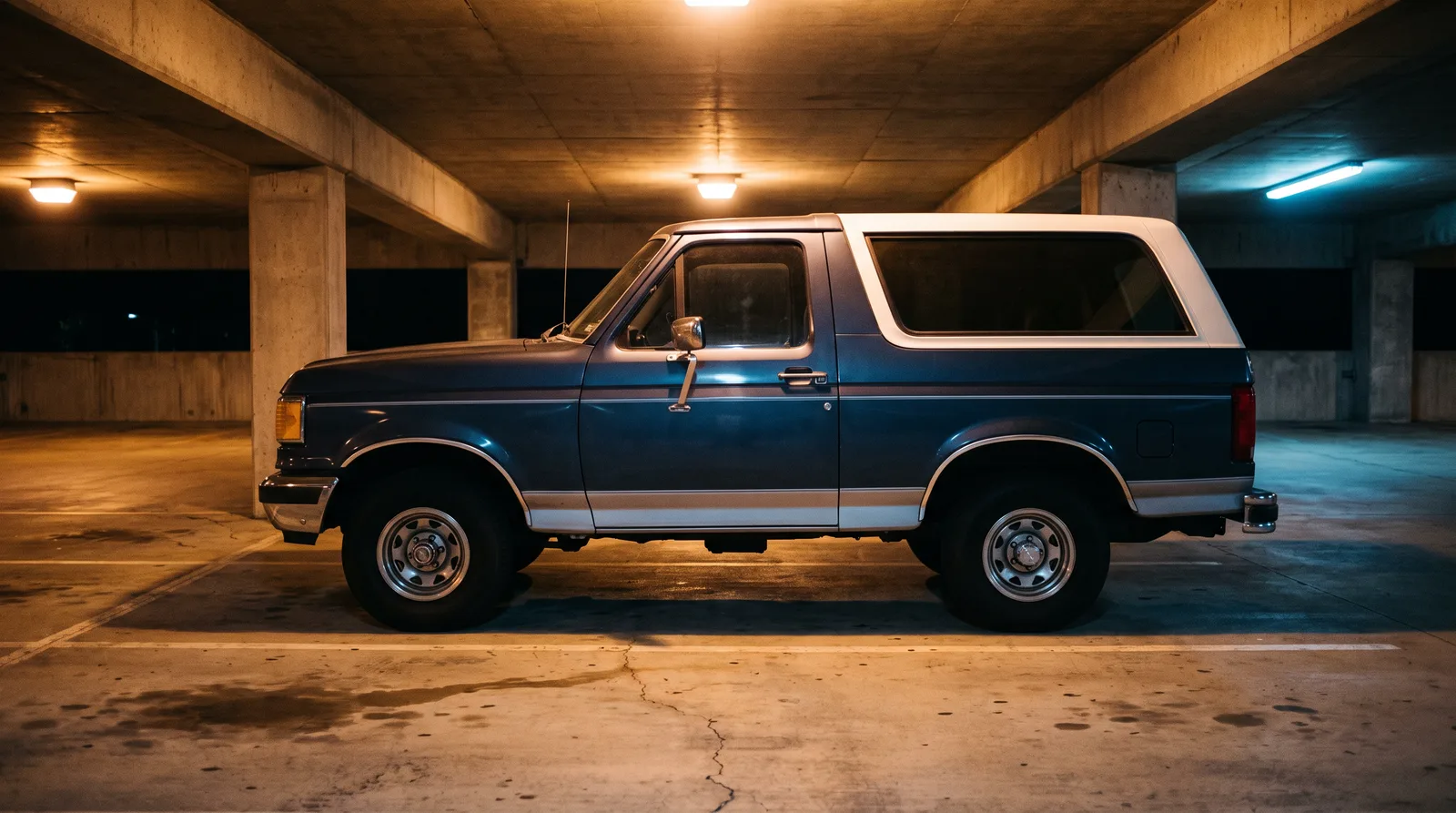
The ford bronco 1980 downsize marked one of the most significant engineering shifts in the model's entire history, closing the first full-size Bronco generation's brief two-year run and replacing it with a lighter, more efficient full-size truck built for a very different economic moment. Where the 1978-79 Bronco had been Ford's answer to Chevrolet's established K5 Blazer, the 1980 truck was Ford's answer to something bigger: an energy crisis that had reshaped what American buyers wanted from their vehicles.
Car Features
7 min read
The 1980 Bronco Slims Down for a New Decade
Ford ended the full-size Bronco's brief run after just two years, downsizing for 1980 with the bullnose styling and efficiency focus that defined the model for the next sixteen years.
Why Ford downsized after just two years
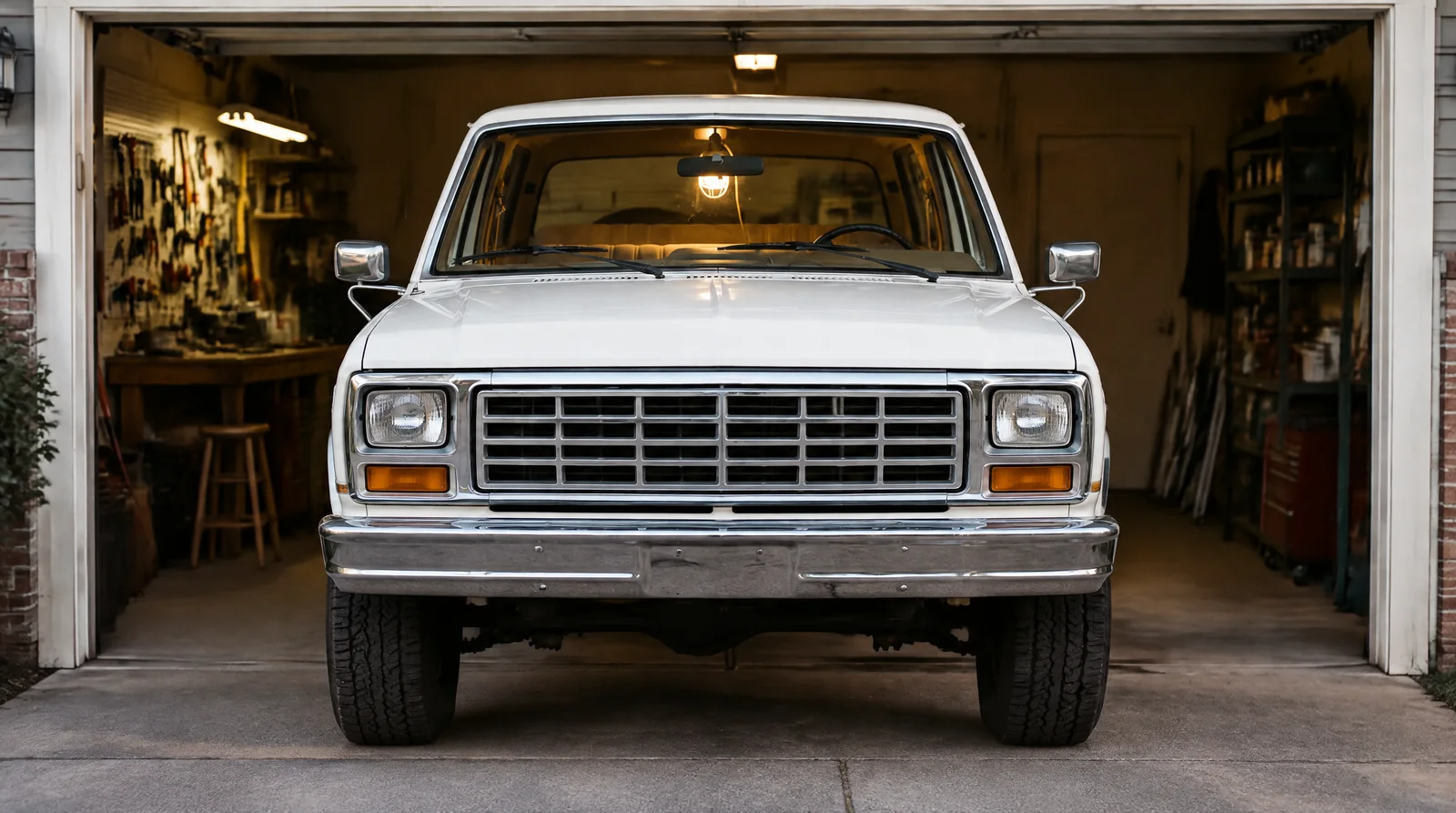
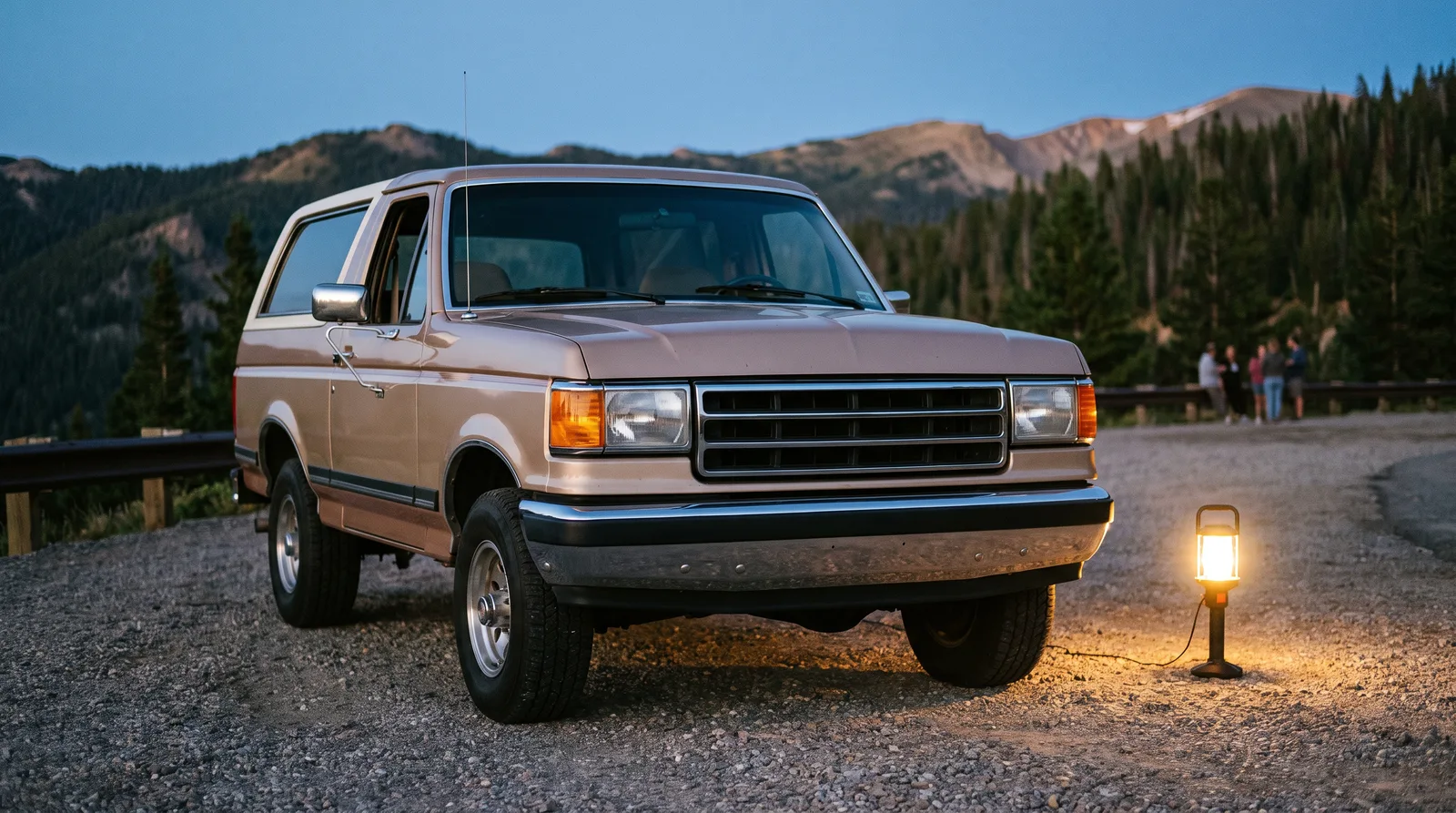
The late 1970s fuel crises hit full-size trucks and SUVs particularly hard, and Ford's own sales data showed buyers increasingly hesitant about vehicles built around large-displacement V8 engines and heavy body-on-frame construction. Rather than continue refining the 1978-79 platform, Ford moved quickly to a new generation for 1980 built on a trimmer, lighter overall architecture, slightly shorter and narrower outside on a nearly identical wheelbase, sharing its front-end styling with the redesigned F-series pickups introduced the same year. This new look, with its rounded, sloped front end, quickly earned the nickname "bullnose" among owners and enthusiasts, a term that stuck to both the Bronco and F-series trucks built through the mid-1980s.
Under the hood, Ford trimmed engine options to emphasize efficiency alongside capability. The base engine became a 300 cubic inch inline-six, the first time a six had been standard on a Bronco since the full-size truck arrived, with V8 options including the 302, the 351M, and later the 351 Windsor for buyers who still wanted V8 power and towing capacity. This shift toward a standard six-cylinder base engine was a clear signal that Ford expected fuel economy to matter more to Bronco buyers going forward than it had during the muscle-truck era of the 1970s.
What stayed the same and what genuinely changed
Despite the significant reduction in size and weight, Ford kept the removable fiberglass top that had become the full-size Bronco's signature feature, ensuring buyers didn't lose the open-air versatility that had helped the truck match up against Chevrolet's removable-top Blazer. Four-wheel-drive hardware carried over in spirit if not in exact specification, with Ford continuing to offer genuine off-road capability rather than treating the downsized Bronco as merely a smaller wagon.
What changed most dramatically was how the truck felt to drive day to day. The trimmer body and reduced weight made the 1980 Bronco noticeably more manageable in everyday traffic and parking situations compared to its bulkier predecessor, while still retaining enough size and capability to satisfy buyers who needed genuine truck utility. This balance, smaller and more efficient without feeling like a compromise, became the formula Ford would refine across the entire bullnose era and beyond.
How the market responded to the smaller Bronco
Buyers who had been on the fence about the full-size Bronco's size and thirst found the 1980 redesign an easier truck to commit to, and sales figures from Ford's own records reflect renewed interest in the Bronco line following the downsizing. The timing, arriving just as fuel prices and economic uncertainty were reshaping American car-buying habits broadly, meant Ford's decision looked prescient within just a couple of model years, even though it had effectively cut short a full-size generation that buyers were still getting to know.
This new smaller Bronco launched what became one of the model's longest and most stable production eras, running with periodic updates all the way through 1996. For the complete history of that extended run, including how the bullnose styling eventually gave way to later facelifts, bullnose ford bronco history covers the full arc from this 1980 redesign forward.
"Ford's timing on the 1980 downsize looks almost accidental in hindsight, but the engineering decision was already underway before fuel prices made it look brilliant. Sometimes a company gets lucky on top of being right."
- Tom Ramirez
How the industry reacted to Ford's timing
Automotive journalists covering the truck segment at the time noted that Ford's move ran somewhat counter to the industry's broader hesitancy about reworking big platforms so soon after investing heavily in them. Rival manufacturers watched closely to see whether downsizing would hurt Bronco sales or simply reposition the truck for a buyer base more focused on efficiency. Within a couple of model years, the answer was clear enough that other manufacturers began reconsidering their own full-size SUV strategies, even if none moved quite as decisively or quickly as Ford had with the Bronco.
That competitive pressure reinforced just how consequential the 1980 downsizing turned out to be, not just for the Bronco specifically but for how the broader industry thought about balancing capability against efficiency heading into the 1980s. Ford's willingness to cut short a platform it had only just introduced two years earlier was a genuine gamble, and it paid off in a way that shaped Bronco strategy for the rest of the decade and beyond.
There's also a manufacturing story here worth noting. Downsizing after only two years meant retooling costs that most companies would have avoided if at all possible, since tooling for a new body and chassis represents a massive capital investment regardless of how well the previous version sold. Ford's willingness to absorb that cost so quickly reflects how seriously the company took the shifting fuel economy climate, treating the expense as necessary rather than optional. Few automakers moved that decisively on a single product line during this period, which makes the 1980 Bronco redesign a genuinely instructive case study in how quickly a manufacturer can pivot when market conditions demand it.
The downsize's lasting influence on Bronco history
Looking back, the 1980 downsizing set the template that the Bronco followed for the rest of its classic production run. The core formula, a truck-based platform, a removable top, genuine four-wheel-drive capability, and a range of engines balancing efficiency against power, remained largely intact through the 1996 model year. Readers curious about the specific years immediately following this transition, often referred to informally by the bullnose nickname that stuck to the styling, can find more detail in a related story covering that stretch of production in depth.
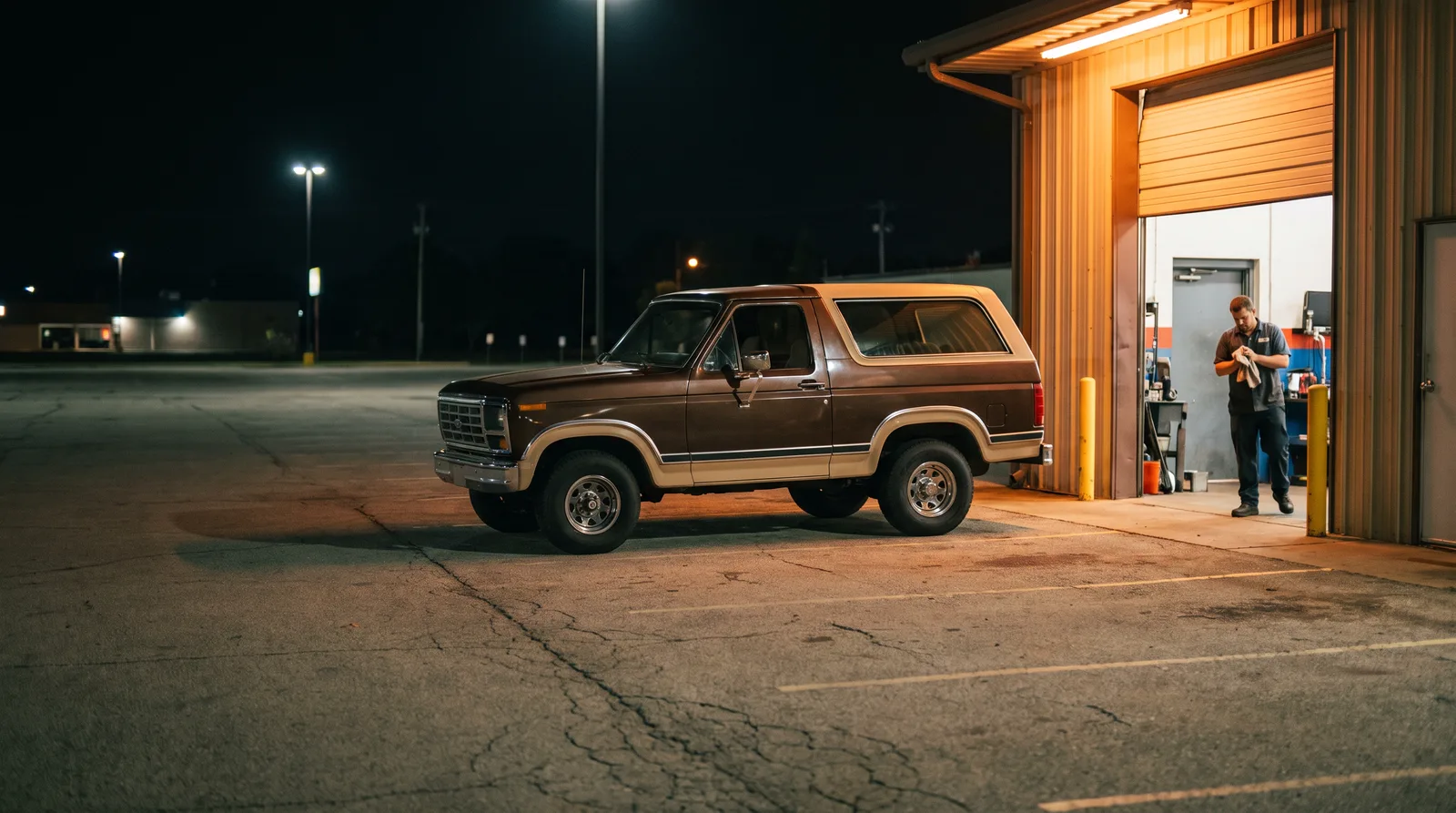
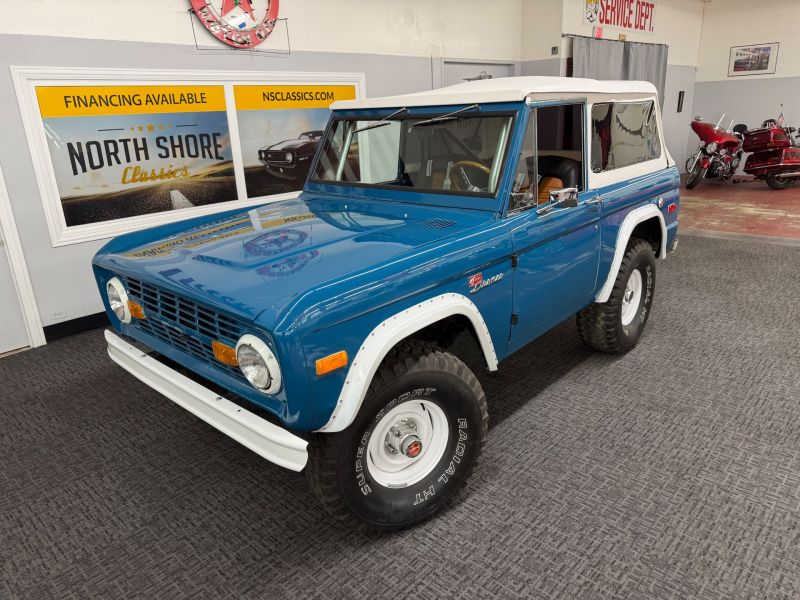
Shoppers interested in trucks from this transitional period, whether an early bullnose example or a later variant, can review Broncos for sale now to compare what's currently available. The 1980 downsize remains one of the more underappreciated turning points in Bronco history, a decision that traded size for longevity and, in doing so, kept the Bronco name alive and relevant for another sixteen years.
Owners of these early downsized trucks today occupy an interesting spot in the broader Bronco hierarchy. They don't carry the two-year scarcity of the 1978-79 generation, nor do they represent the more heavily refined later years of the bullnose and subsequent facelift eras. What they do offer is a genuine turning point, a truck that marks the exact moment Ford recalibrated its entire approach to the Bronco line. That historical significance is increasingly recognized by collectors who specifically seek out early 1980 and 1981 examples as the clearest physical representation of this transition, rather than settling for a later, more common year from the same broader generation.
Sources and notes
Related Reading
Have a
Ford Bronco
for Sale?
Reach thousands of serious classic car collectors across the US.
Sell It Here →
Selling a classic? Here's how: the best sites to sell a classic car
Are You a Classic Car Dealer?
List your full inventory and connect with targeted classic car buyers.
Join as a Dealer →

About the author
Tom Ramirez
Corvette researcher and historian based in Bowling Green, Kentucky. Two decades documenting Corvette production history from original factory records.
Related Listings - Ford Bronco

Comments
Be the first to comment on this article.