
Ask anyone in our club about the ford bronco bullnose era and you'll get a story before you get a spec sheet. That's how it works with these trucks. I remember standing in a gravel lot at a regional meet a few years back, listening to a guy explain, in far more detail than I'd asked for, exactly why his 1983 Bronco's rounded front clip made it a "real" bullnose and not one of the "aero" trucks that came after. He wasn't wrong. He also wasn't going to stop talking about it anytime soon.
Car Features
7 min read
The Bullnose Bronco Years, 1980 to 1986
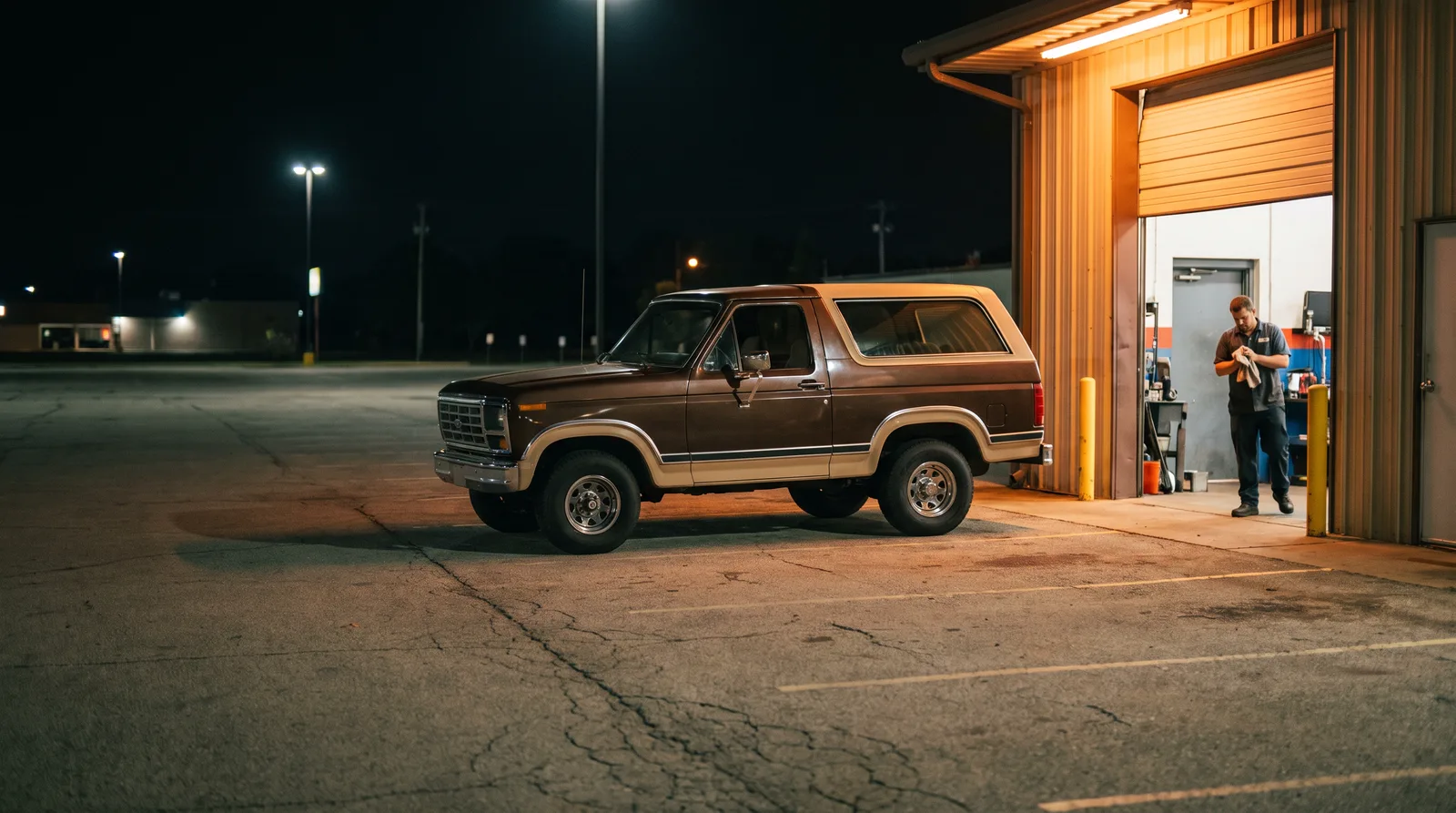
The rounded-front Broncos built from 1980 through 1986 earned the enthusiast nickname bullnose, and that six-year run became the backbone of Bronco club culture.
Where the nickname actually comes from
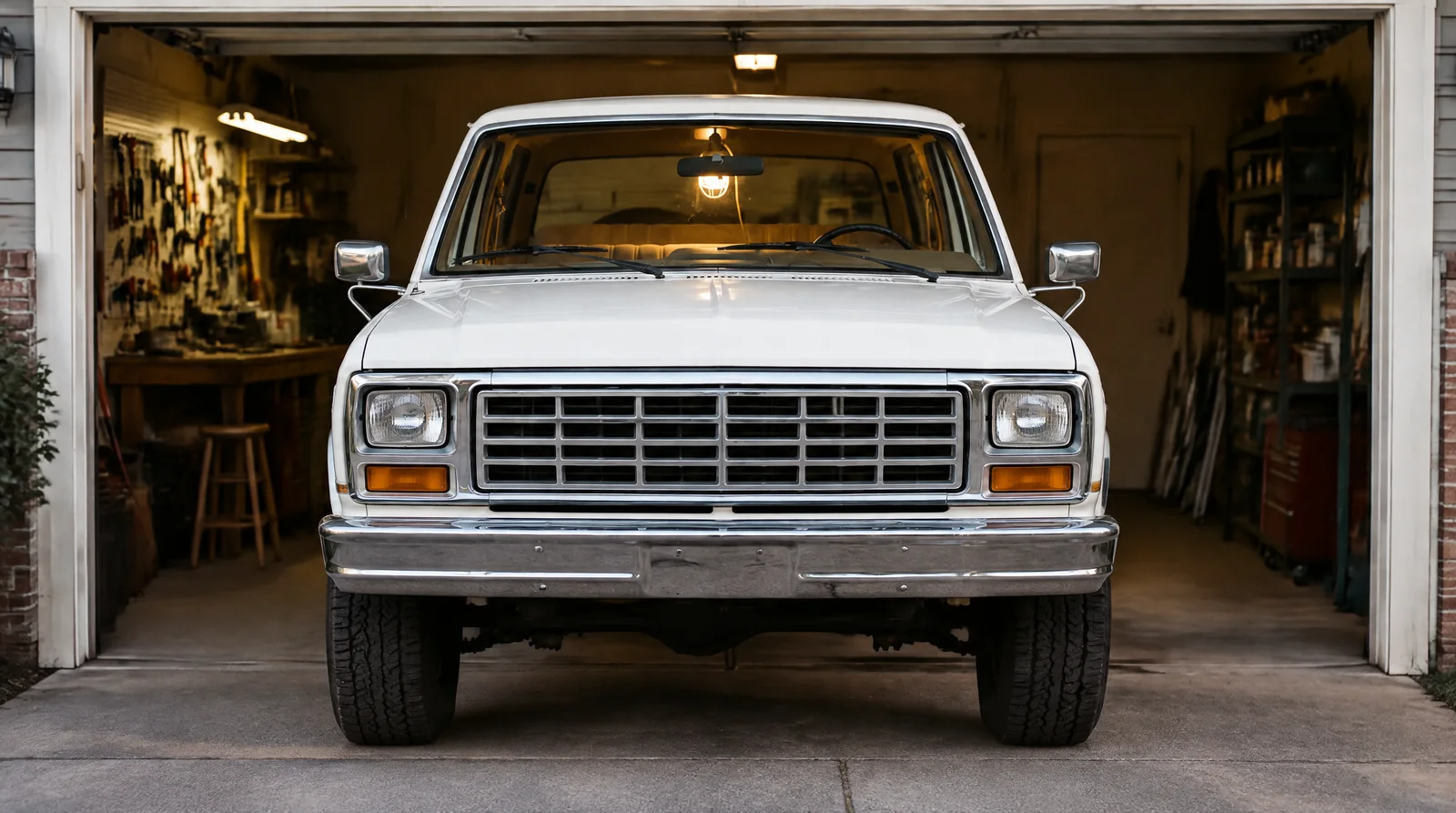
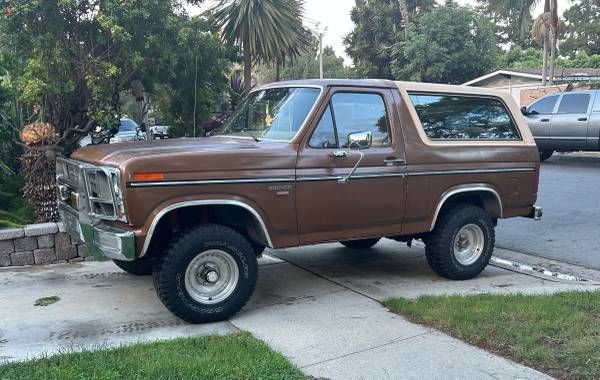
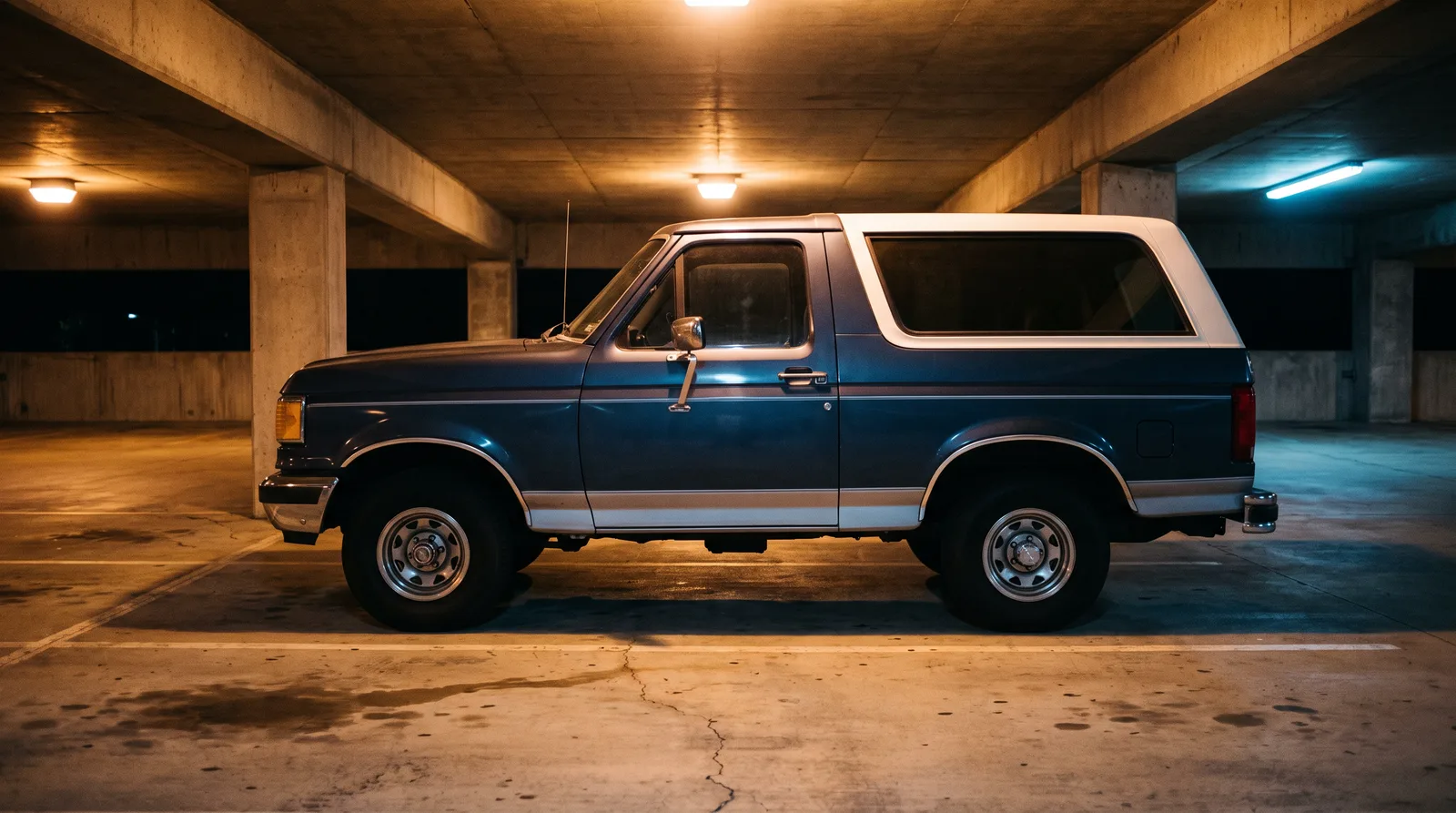
The bullnose era covers Broncos built from 1980 through 1986, the years when Ford's redesigned, rounded front-end styling defined both the Bronco and its F-series pickup siblings. The name itself came from owners and enthusiasts, not from any official Ford marketing document, describing the smooth, curved hood and grille shape that replaced the squarer front-end look of the previous full-size Bronco. Ford moved to this design as part of the broader 1980 downsizing that shrank the Bronco's wheelbase and overall weight, a shift driven by fuel prices and changing buyer expectations at the start of the decade. Ford ran the bullnose front clip through the 1986 model year before the more rounded, aerodynamic 1987 redesign replaced it.
What made the bullnose look distinctive wasn't just its shape but how long Ford stuck with it. Six model years is a real commitment in truck styling terms, long enough that the look became genuinely familiar to an entire generation of buyers, and long enough that "bullnose" stopped being enthusiast slang and became the accepted shorthand for this specific stretch of Bronco production.
What actually changed under the sheet metal
Beyond the styling, the bullnose years saw real mechanical evolution. Engine options during this stretch ranged from the standard inline-six up through V8 choices for buyers who wanted more towing muscle, and Ford made steady refinements to the drivetrain and interior across the six model years rather than treating the bullnose Bronco as a static product. Owners at our meets talk about noticeable differences between an early bullnose truck from 1980 or 1981 and a later one from 1985 or 1986, mostly around interior trim, options availability, and small mechanical updates that Ford rolled in year over year without ever fully redesigning the truck.
That gradual evolution is part of why the bullnose community tends to know exact model years the way other people know birthdays. A 1981 and a 1985 look similar to a casual glance, but ask a longtime owner and they'll point out a half dozen differences without missing a beat, from trim details to option availability that shifted as Ford refined the platform through the middle of the decade.
Why this stretch of trucks built such a strong following
Part of what keeps the bullnose era so central to Bronco club culture is simple math. Six model years produced a lot more trucks than the two-year full-size Bronco that came before it, which means parts, knowledge, and fellow owners are all easier to find. That accessibility turned the bullnose years into something like the entry point for a lot of newer Bronco owners, myself included years ago, who wanted something driveable and supportable rather than a rare, hard-to-source project truck.
But accessibility never meant the bullnose crowd took these trucks less seriously. If anything, the opposite happened. With more trucks available, the community had room to specialize, some owners chasing early bullnose originality, others building trail rigs, others restoring trucks back to factory condition down to the paint codes. That range of approaches is part of what makes bullnose-focused club meets so interesting. You'll see a survivor parked next to a heavily modified trail truck, both wearing that same rounded front end, both belonging to the same era in very different ways.
For the fuller picture of how this generation fits into the Bronco's overall history, from the 1980 downsizing through the later facelifts of the 1990s, our complete history lays out the whole span in detail, which helps put the bullnose years in proper context against what came before and after.
"Every club has that one member who can tell a 1981 from a 1984 Bronco from fifty feet away just by the trim. That's the bullnose crowd for you. Documentation runs deep in this generation."
- Wayne Coburn
The swap meet stories that keep the era alive
I've got a friend, Dale, who's owned three different bullnose Broncos over the last twenty years, and every single one had a story attached before he even signed the title. The first was a ranch truck out of west Texas that had sat under a metal carport for a decade before he found it. The second came from an estate sale, still wearing the original owner's hand-written maintenance log in the glovebox. The third, and this is the one he talks about most, he found because another club member recognized the VIN from a photo posted years earlier on a forum thread and connected the two of them.
That last one sums up what the bullnose community actually is. It's not just people who happen to own similar trucks. It's a network that remembers vehicles the way some people remember old friends, tracking them across ownership changes and regional moves over years or even decades. Six production years gave that network enough trucks to work with, and enough time has passed now that plenty of these Broncos have genuinely interesting histories worth tracking.
Finding your own bullnose truck
Because the bullnose era covers six production years, condition and originality vary a lot more than they do with shorter-run generations, which is both good and bad news for shoppers. Good, because there are simply more trucks to choose from. Bad, because that range makes it easy to end up with a rougher truck than expected if you don't know exactly what you're looking at year to year. Talking to club members before buying is genuinely the best research a new owner can do, since the small details that separate a good bullnose Bronco from a problem truck rarely show up clearly in a set of online photos.
Anyone ready to start that search can find a classic Bronco and see what's currently listed across this generation and beyond. The bullnose era earned its nickname from the people who loved it enough to give it one, and four decades later that same community is still trading stories, and the occasional friendly argument about what really counts as a "true" bullnose truck, at every meet worth attending.
That gravel-lot conversation I mentioned earlier went on for a good twenty minutes before we were done, and by the end three more owners had wandered over just to weigh in, each one convinced their particular model year mattered most. Nobody left annoyed about it. That's the bullnose era in a nutshell, six years of trucks, plenty of small variations between them, and a community that never seems to tire of comparing notes on every single one.
Sources and notes
Related Reading
Have a
Ford Bronco
for Sale?
Reach thousands of serious classic car collectors across the US.
Sell It Here →
Selling a classic? Here's how: sell my classic car
Are You a Classic Car Dealer?
List your full inventory and connect with targeted classic car buyers.
Join as a Dealer →

About the author
Wayne Coburn
Longtime Corvette owner, judge and club figure who knows the cars, the records and the people behind them.
Related Listings - Ford Bronco
Comments
Be the first to comment on this article.