
Picture a Ford dealer's service bay on a cold morning sometime in the mid 1980s, a mechanic hunched over a Bronco's carburetor for the third time that week, adjusting the choke because the truck won't idle right until the engine warms up. That scene played out across the country for years, and it is the exact frustration that ford bronco fuel injection arrives to solve. When electronic fuel injection finally reached the full-size Bronco's engine lineup, it did not arrive as a headline grabbing performance upgrade. It arrived as a quiet fix for a problem every owner already knew by heart, cold mornings, uneven idle, and a carburetor that never quite agreed with modern emissions equipment.
Car Features
6 min read
Fuel Injection Comes to the Bronco
The quiet transition from carburetors to fuel injection changed how a full-size Bronco actually felt to drive every day, long before anyone thought to call it a milestone.
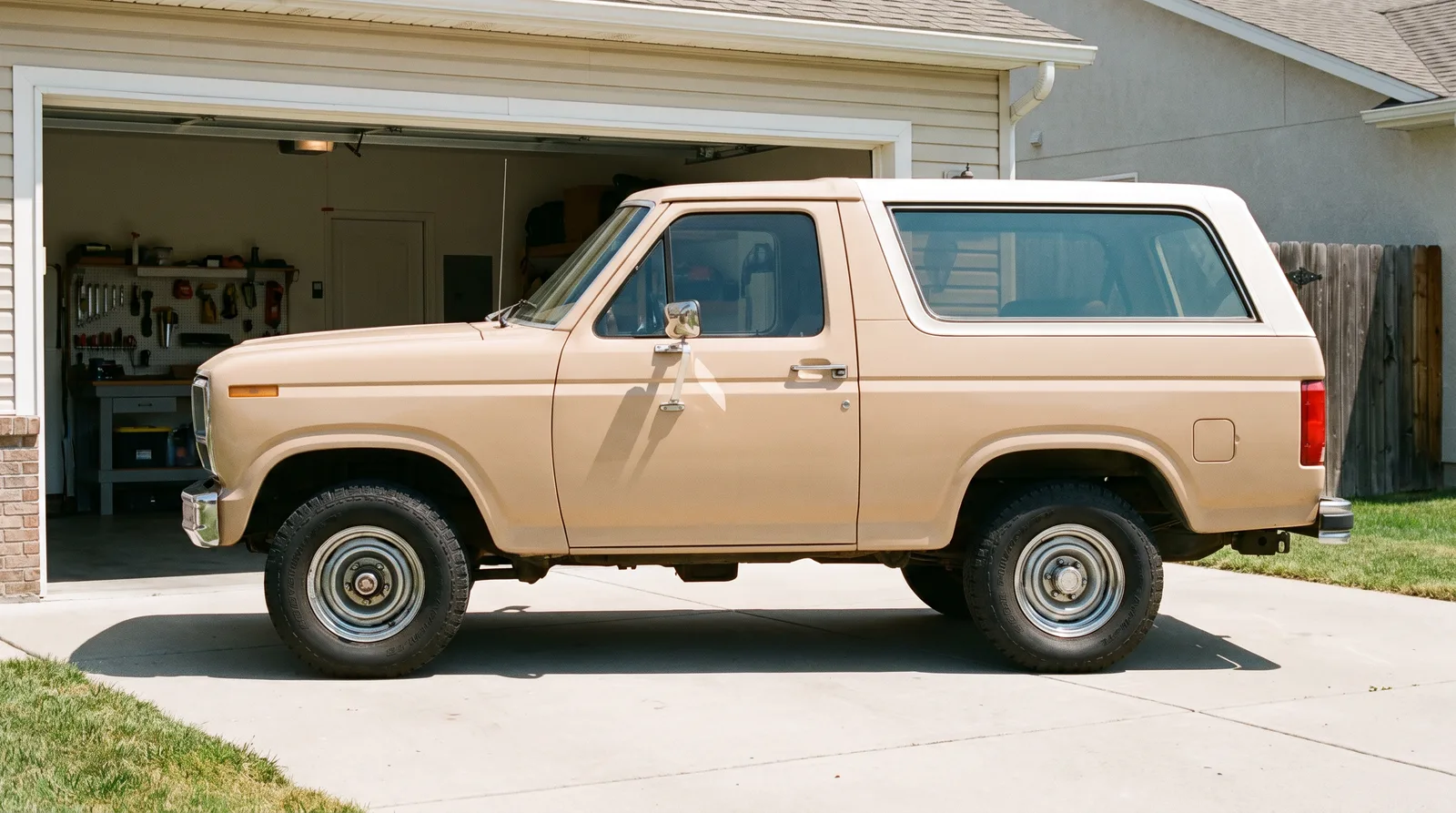
The slow rollout, engine by engine
Fuel injection did not land on every Bronco engine at once. For the 1987 model year, alongside the aero restyle, Ford brought fuel injection to both the standard 300 cubic inch inline six and the 5.0 liter (302 cubic inch) V8, a change that improved cold starting and throttle response over the carburetors they replaced. The larger 5.8 liter (351 cubic inch) V8 held onto its carburetor a bit longer, picking up fuel injection for 1988 as Ford finished modernizing its truck engine lineup. By the end of that two year rollout, the transformation from carbureted to injected was essentially complete across the full-size lineup, and the difference was obvious to anyone who had driven both versions back to back.
Sequential injection, once it arrived, was a meaningfully different animal from the earlier central injection setups. Instead of one injector doing the work for the whole engine, each cylinder got its own injector firing at a precisely timed moment in the combustion cycle, controlled by an onboard computer reading data from sensors that a 1980 Bronco simply did not have. The result was smoother idle, better cold starts, improved fuel economy, and emissions performance that let Ford keep the Bronco compliant without strangling the engine's power output the way earlier emissions fixes sometimes did.
What it actually felt like from behind the wheel
Owners who made the jump from a carbureted Bronco to a fuel injected one describe a truck that simply behaved better in every situation that used to require patience. No more pumping the gas pedal on a cold morning hoping the choke would cooperate. No more flooding the carburetor after a hot restart at a gas station. The engine just started, and it idled evenly within seconds instead of surging and settling for a minute while it warmed up. That kind of improvement does not show up on a spec sheet, but it changes how a truck feels to live with every single day, which matters enormously to a vehicle that was as often a daily driver as it was a weekend toy.
Why this matters more than a spec sheet suggests
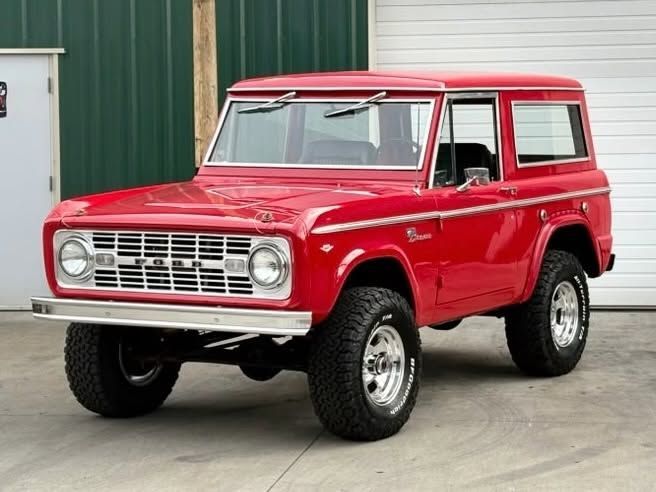
The move to fuel injection is one of the most significant, least celebrated changes in the full-size Bronco's entire run, and our bullnose ford bronco retrospective covers exactly how it fit into the broader arc of updates Ford made across the 1980s. It is easy to focus on the styling changes that happened around the same time, since a new grille photographs a lot better than a fuel delivery system does, but talk to anyone who actually drove these trucks through both eras and they will tell you the injection swap mattered more to daily livability than any sheet metal change did. If you want the story of what came immediately after this period, a related story covers the OBS years that followed once the fuel injection transition was long finished and Ford had moved on to other refinements.
"I've driven both versions of this truck back to back, carbureted and injected, and it's not close. The injected trucks feel like they belong in a different decade, even though they're wearing the same body."
- Patrick Walsh
The mechanics who had to relearn their trade
It is worth remembering that fuel injection did not just change the driving experience, it changed what a shop had to know how to fix. A generation of mechanics who had spent their careers rebuilding carburetors suddenly needed to understand sensors, wiring harnesses, and an onboard computer that diagnosed problems in a language most of them had never been trained to read. Independent shops that adapted quickly kept their Bronco customers. The ones that did not sometimes lost business to Ford dealers who had access to the diagnostic equipment and factory training the new systems demanded. That transition period, uneven and occasionally frustrating for owners caught in the middle, is part of why fuel injection's arrival gets remembered so fondly in hindsight. Once the growing pains passed, everybody, mechanics and owners alike, agreed the new systems were simply better.
There is also a quieter irony in how this story unfolded. The very complexity that made fuel injection intimidating to an old school carburetor mechanic is the same complexity that makes these trucks more approachable to a shade tree owner today, since sensor based systems tend to throw clear fault codes rather than requiring the kind of trial and error diagnosis a stubborn carburetor demanded. A problem that once took an afternoon of guesswork can often be narrowed down in minutes once you know what the computer is telling you, provided you have the right tool plugged in.
Spotting the difference in a used truck today
| System | Behavior | Approximate era |
|---|---|---|
| Carburetor | Choke dependent cold starts, occasional flooding, manual mixture adjustment | Early to mid 1980s |
| Fuel injection, six and 5.0 V8 | Improved cold starts and idle over carburetor | 1987 |
| Fuel injection, 5.8 V8 | Replaced the four barrel carburetor in truck applications | 1988 |
A shopper looking at a used Bronco today should know which system a given truck has before ever turning a key, because it changes what to expect from the driving experience and what kind of maintenance history to ask about. Fuel injected trucks are generally the easier ownership experience, with fewer of the finicky adjustments that carbureted engines demand, and that reliability is part of why so many of them are still on the road decades later. If you are shopping right now, there are usually several Broncos for sale now spanning both eras, and driving a carbureted example back to back with an injected one is the fastest way to understand exactly what this change meant for the people who lived with these trucks every day. It is a small piece of automotive history that rarely gets its own headline, but it shaped how an entire generation of owners experienced their trucks, one cold morning at a time.
Sources and notes
Related Reading
Have a
Ford Bronco
for Sale?
Reach thousands of serious classic car collectors across the US.
Sell It Here →
Selling a classic? Here's how: the best sites to sell a classic car
Are You a Classic Car Dealer?
List your full inventory and connect with targeted classic car buyers.
Join as a Dealer →
#Ford Bronco
#Ford truck engines
#classic truck maintenance
#Bronco fuel injection
#carbureted Bronco

About the author
Patrick Walsh
Automotive journalist covering classic car shows, events, and the enthusiast community across North America.
Related Listings - Ford Bronco



Comments
Be the first to comment on this article.