
Two model years. That is the window the Blazer Chalet had on Chevrolet's option sheet, offered for 1976 and 1977 before it quietly vanished, and if you blinked in the mid-1970s you probably missed it. Most factory oddities get remembered for how long they stuck around. The Chalet gets remembered for exactly the opposite reason.
Car Features
7 min read
The Short Life of the Blazer Chalet
Why the Blazer Chalet had such a short factory production run, what forces ended it, and why that scarcity is exactly what makes surviving examples worth chasing.
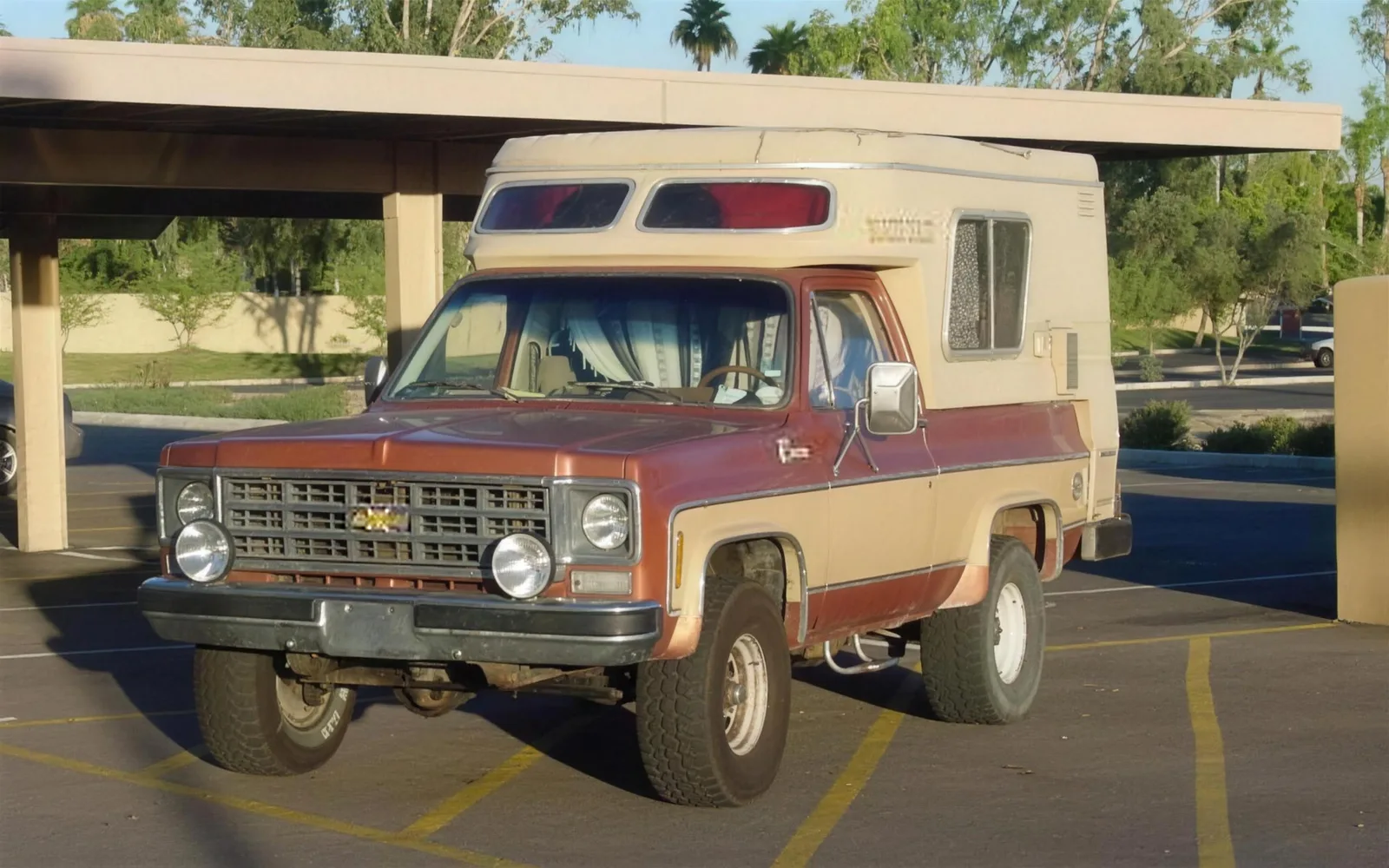
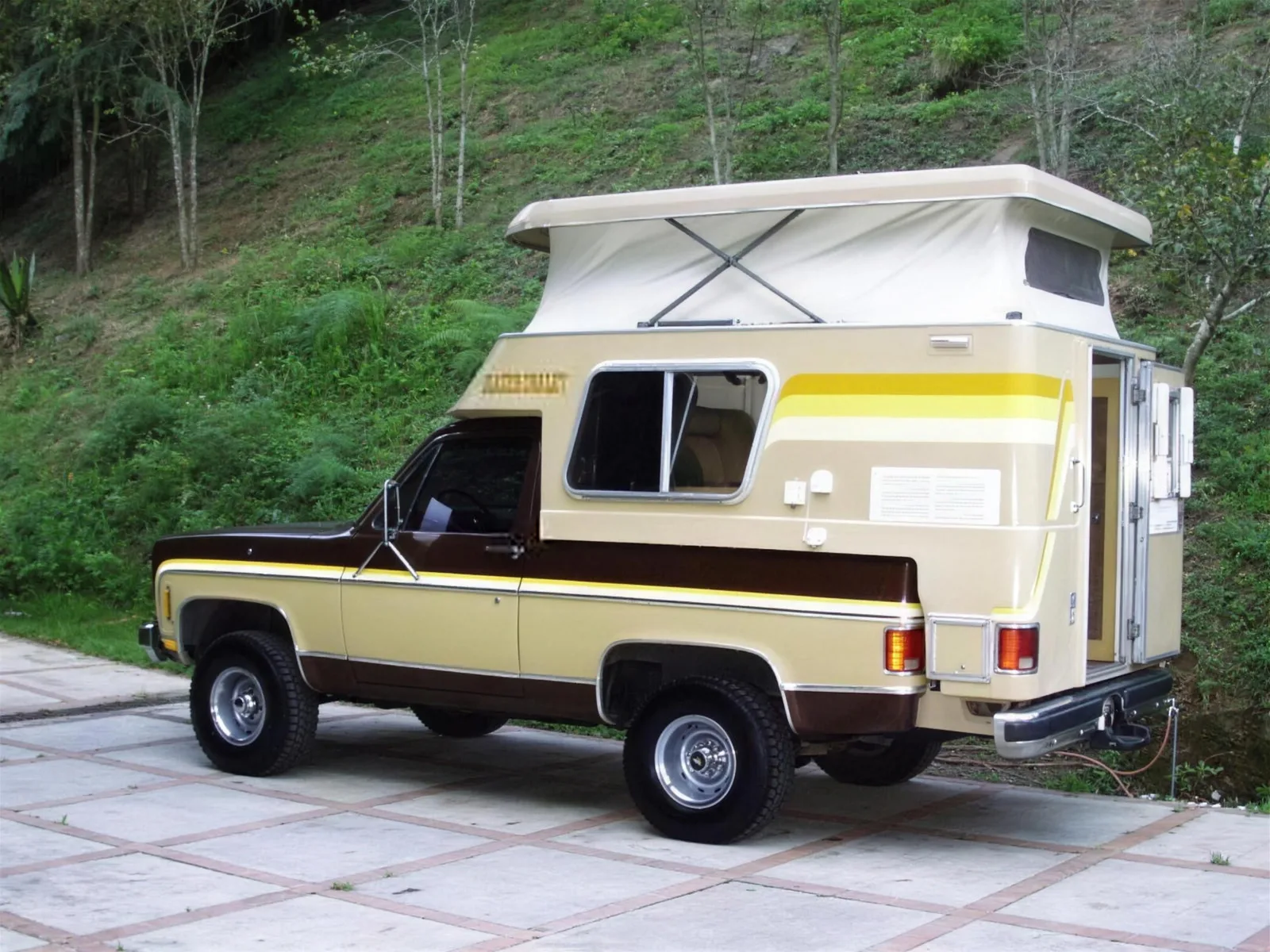
Photo courtesy of blazerchalet.com
A short run by design, not by accident
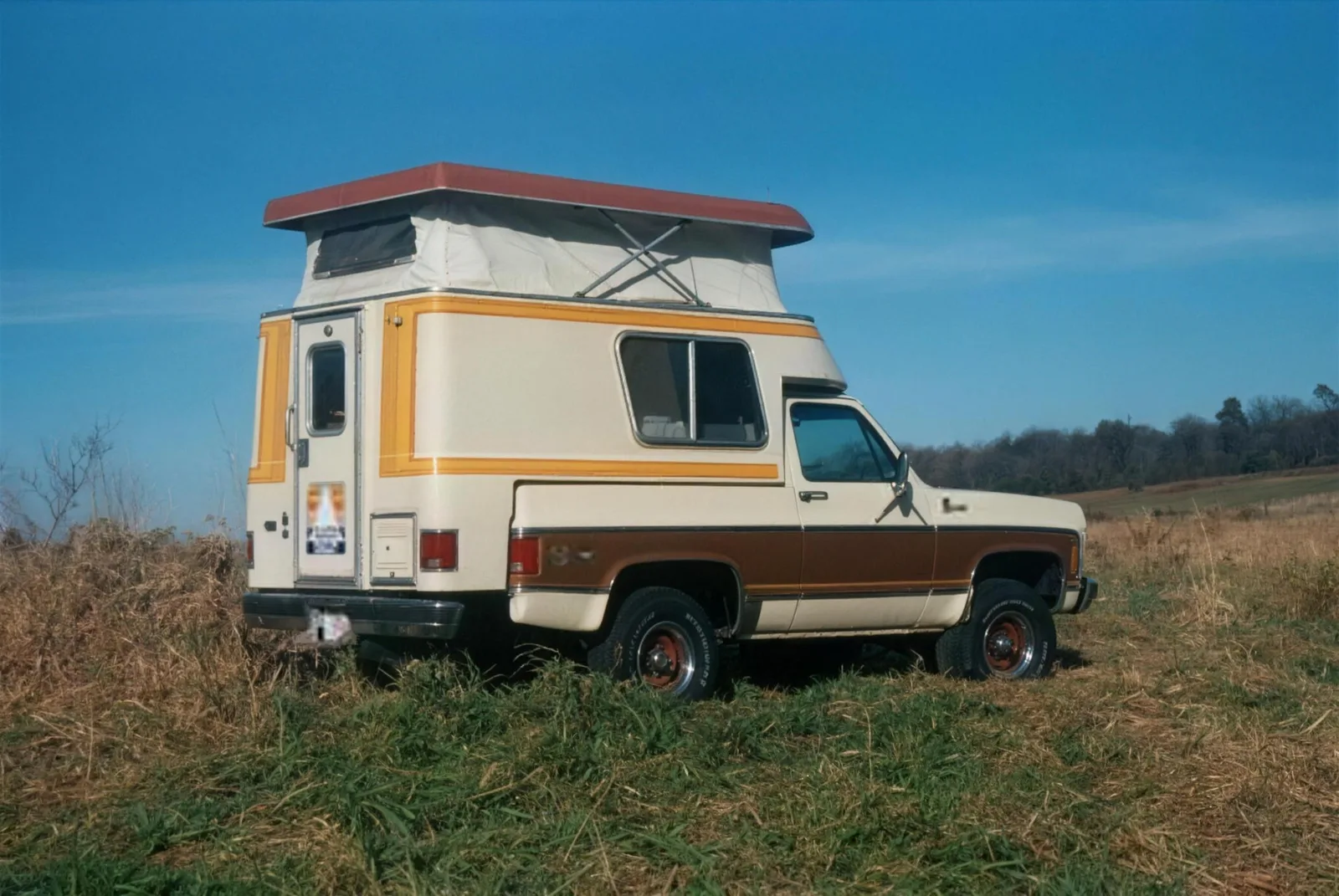
Low-volume factory options do not usually get canceled because they fail outright. They get canceled because the math never worked in their favor to begin with. The Blazer Chalet required a base K5 Blazer, a specialized fiberglass roof conversion handled by an outside coachbuilder, and a full camper interior fit-out before it ever reached a dealer lot. Every one of those steps added cost and complexity that a standard Blazer never had to deal with. When you stack that cost against a buyer pool interested in factory camper conversions rather than aftermarket alternatives, the math gets thin fast.
Compare that to the volume Chevrolet moved on standard K5 Blazers in the same years, trucks that rolled straight off the regular assembly line with no special coachbuilder involved. The Chalet was never going to compete on those terms, and nobody at GM seems to have expected it to. It was a niche product from day one, aimed at a specific kind of camping-minded buyer, and niche products in that era tended to have short shelf lives once the initial interest cooled.
What ended the production run
A few forces converged to close out the Chalet's brief life. The broader RV market kept expanding through the late 1970s, which meant more dedicated competitors were fighting for the same camping dollar, many of them purpose-built motorhomes and trailers rather than converted trucks. At the same time, GM had other priorities pulling resources, including the eventual redesign work that would carry the K5 Blazer and its siblings into the 1980s. A low-volume product built through an outside partner is usually one of the first things to get cut when a manufacturer needs to focus its attention elsewhere.
Rising fuel prices in the back half of the 1970s did not help either. A K5 Blazer carrying a raised camper roof and a full interior fit-out was heavier and less aerodynamic than a standard truck, which meant worse fuel economy at exactly the moment buyers were starting to think harder about it. None of these factors alone would have killed the Chalet outright, but together they made a short production run look inevitable in hindsight.
Why the short run made the Chalet worth chasing
Here is the part that matters if you are shopping rather than just reading history. A short production window on a niche product means a small surviving population, and a small surviving population decades later means real scarcity. Most Blazer Chalets that exist today have been through decades of weather, storage, and neglect, since almost nobody treated a used camper conversion as a future collectible back when they were just used trucks sitting on used car lots.
Finding one in solid shape now takes patience. The fiberglass roof sections are prone to cracking and water intrusion if they were not stored properly, and replacement parts for the camper interior, things like the specific dinette hardware or icebox fittings, are not sitting on a shelf at your local parts store. Anyone chasing a Chalet needs to go in expecting a project, not a turnkey purchase, unless they get lucky and find one that was babied by a single owner for forty years. For a broader look at the whole story before you start hunting, read the background on how the Chalet fit into the wider K5 Blazer lineup.
"Two model years and it's done. That's not a failure, that's just what happens when you build something too specialized for the volume a factory line needs to justify keeping it around."
- Mike Sullivan
What survived and what to expect
Nobody has a precise count of how many Blazer Chalets are still on the road today, and honestly, anyone who claims an exact figure without documentation is guessing. Total production of the Chalet and its GMC twin, the Jimmy Casa Grande, is usually quoted at about 1,780 combined across the two model years, a figure from a single 1979 magazine article that has never been corroborated; a GM figure puts the Chalet alone at 1,555. Either way, survivors are a fraction of that. What is clear from talking to owners and browsing the handful that show up at swap meets and shows each year is that they are rare enough that most Blazer enthusiasts have never seen one in person, let alone owned one.
That rarity cuts both ways for a buyer. It makes the Chalet a genuinely interesting find, the kind of truck that draws a crowd wherever it parks. It also means you are largely on your own for parts and documentation, working from whatever records the previous owner kept and whatever knowledge you can pull from the small community of people who already own one. If a full Chalet feels like more project than you want right now, there is also the GMC side of this story worth reading, since the Jimmy version had its own short run and its own quirks, and worth a look too covers that ground. In the meantime, a solid base K5 is never a bad place to start, and you can usually shop classic K5 Blazer listings while you decide how deep into the camper rabbit hole you actually want to go.
What that timeline means for pricing today
Scarcity alone does not set a price, but it sets a ceiling on how many buyers can even compete for a given truck, and that dynamic has pushed Chalet values well past what a comparable standard K5 Blazer commands in similar condition. A rough, needs-everything Chalet can still bring real money simply because so few exist to choose from, while a rough standard K5 in the same shape might sit unsold for months waiting for the right restoration-minded buyer. That gap surprises people who assume rarity only matters once a truck is already in excellent shape.
It also means the market for Chalets moves slowly and unevenly. A truck might not come up for sale in a given region for years, then two surface within months of each other purely by coincidence. Anyone serious about buying one has to be ready to move when a legitimate example does appear, because waiting for a better option to come along later is a real gamble given how thin the supply has always been.
A brief run that left a lasting reputation
Short production runs usually mean a product gets forgotten. The Blazer Chalet took the opposite path, becoming more interesting over time precisely because so few were built. Two model years was not enough time to make it common, but it turned out to be plenty of time to make it memorable, and that trade-off is exactly why collectors still hunt for one today.
Sources and notes
Related Reading
Have a
Chevrolet Blazer
for Sale?
Reach thousands of serious classic car collectors across the US.
Sell It Here →
Selling a classic? Here's how: compare the places to sell classic cars
Are You a Classic Car Dealer?
List your full inventory and connect with targeted classic car buyers.
Join as a Dealer →

About the author
Mike Sullivan
Detroit-area muscle car enthusiast and restoration specialist with three decades of hands-on experience working on American iron.
Related Listings - Chevrolet Blazer
Comments
Be the first to comment on this article.