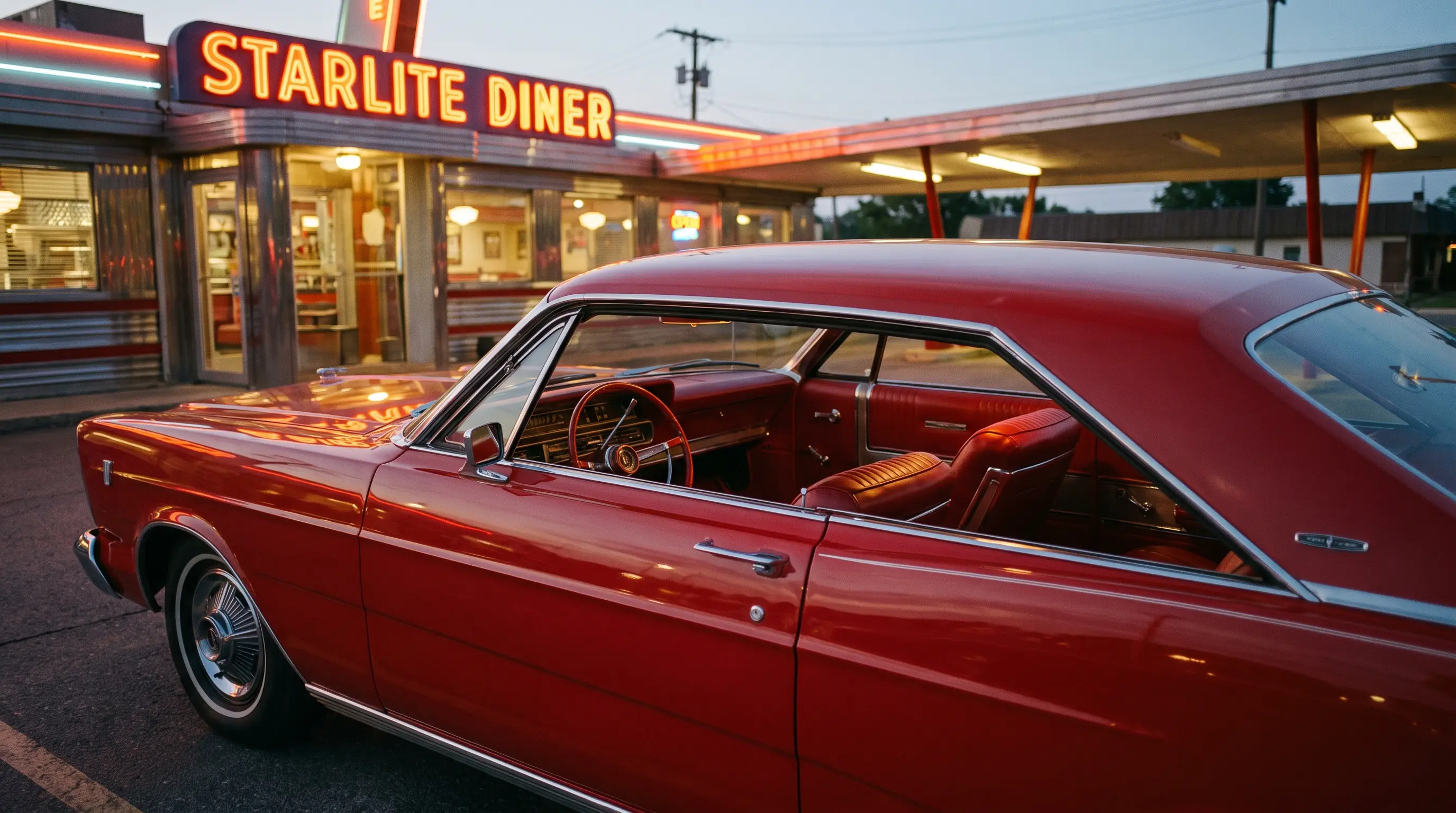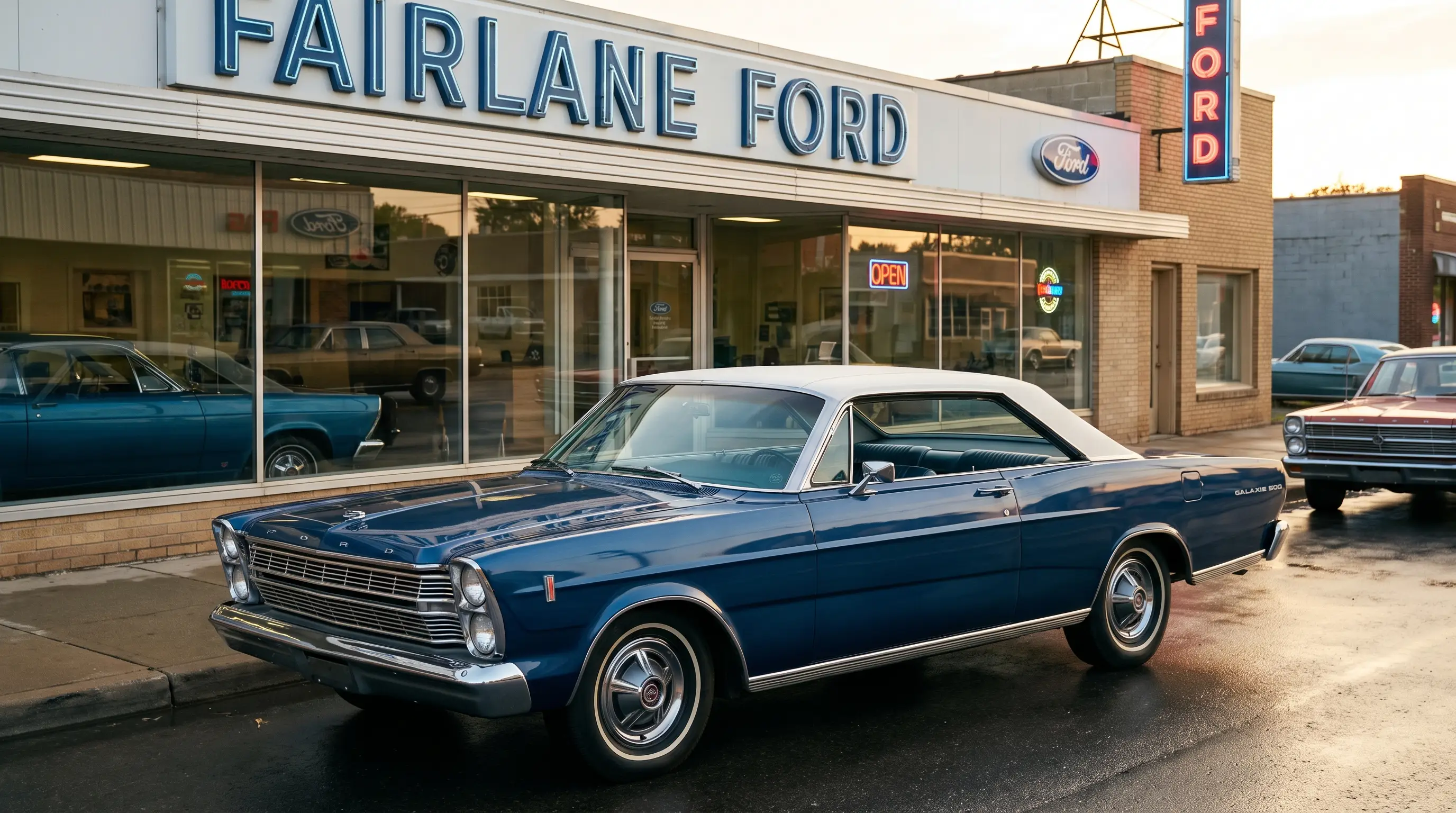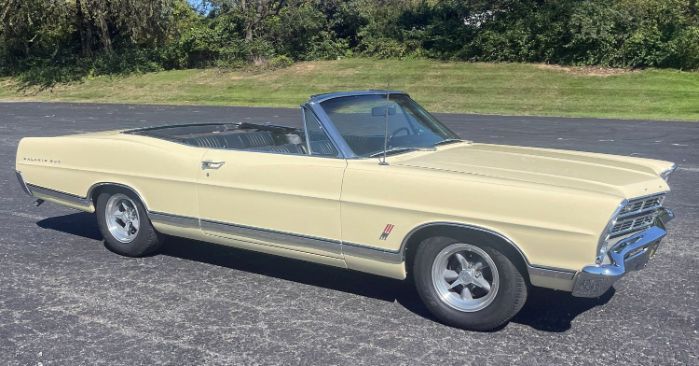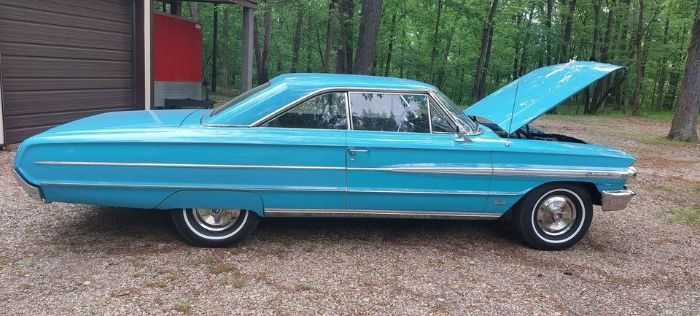
Ford stamped three letters on the flank of a full-size car in 1962 and expected buyers to understand exactly what they meant. The ford galaxie 500 xl what xl means question comes up constantly among people shopping this era of Ford, because XL never got its own model line the way Mustang or Thunderbird did. It was a package, a statement bolted onto the existing Galaxie 500, and it told the world the owner wanted a full-size Ford that drove and looked like something sportier than a family sedan.
XL stood for a promise, not a formula
Ford's marketing people never nailed down a single official expansion for XL, though "Extra Lively" floated around dealer literature and enthusiast lore for decades. What mattered more than the letters was the recipe underneath them. Order the XL package on a 1962 Galaxie 500 and you got bucket seats up front, a center console with a floor shifter if you chose a manual or Cruise-O-Matic, extra brightwork on the exterior, and upgraded interior trim that separated the car from a standard Galaxie 500 sitting next to it on the lot.
The timing was not an accident. Chevrolet had already proven with the Impala SS that full-size buyers wanted a sportier trim without giving up back seat room or trunk space, and Ford answered directly. The XL package let a customer keep the practicality of a big Ford while adding just enough visual and mechanical swagger to separate the car from the fleet-spec Galaxie 500 sitting next to it on the lot.
What actually came in the box
Specifics moved year to year, but the core XL formula held steady through most of the decade. Bucket seats were the anchor feature, paired almost always with a console (floor shift on manual cars, a shift-quadrant console on automatics). Exterior trim got busier, with additional brightwork around the wheel openings, rocker panels, and rear quarters, plus XL badging on the front fenders and deck lid. Inside, door panels and seat upholstery moved upmarket, and some model years added a simulated wood-grain dash appliqué that Ford's brochures leaned on heavily in photography.
None of this touched the engine bay by default. XL was a trim and comfort package layered onto whatever drivetrain the buyer specified, from a modest six-cylinder up through the big-block options Ford offered in a given year. That separation is the single most misunderstood part of XL ownership today: the badge tells you about the interior and trim, not necessarily what is under the hood. For the full arc of how the trim line came together, ford galaxie 500 xl history lays out the year-by-year changes in more depth.
Reading an XL badge correctly today
Shoppers looking at a car advertised as a Galaxie 500 XL should treat the badge as a starting point for questions, not a guarantee of spec. Ask what engine came from the factory, whether the console and bucket seats are original to the car or a later addition, and whether the trim tags match the VIN's stated configuration. XL cars command a real premium over base Galaxie 500s in the collector market, and that premium only holds up if the documentation backs the badge.
The interior itself tells its own story once you know what to look for. Factory bucket seats have a distinct shape and stitch pattern compared to the aftermarket buckets some owners installed decades later trying to dress up a plainer car. The console, too, varies by year and transmission type, so a console that does not match the car's original shifter setup is a flag worth investigating before money changes hands.
There is a related wrinkle in how buyers actually lived with these cars once they got them home, which is covered in a related story about what the bucket seat and console layout meant for day to day driving.
"People assume XL means big engine. It doesn't. It means Ford decided your Galaxie deserved to feel special inside, and left the rest of the decision to you."
- Patrick Walsh
A tasteful sport package, not a gaudy one
Full-size Fords from this era rarely get the spotlight that pony cars and muscle cars soak up, but the XL package gives them a foothold in the same conversation. A well-documented XL car with the right options bridges the gap between a plain-Jane family sedan and something a collector wants parked in the garage. It has presence without needing to be the fastest car at a cruise night, and the story behind the letters gives owners something to talk about that goes beyond horsepower figures.
Part of the appeal is how the XL package aged compared to some of its rivals' sportier trims. Where a few competing full-size sport packages leaned so hard on chrome and badging that they read as gaudy a decade later, the Galaxie 500 XL kept its dashboard and seat treatments fairly restrained. The bucket seats and console read as tasteful rather than showy, which is one reason these cars still look right parked next to a modern classic show field instead of looking like a period costume piece.
What changed as the sixties wore on
Ford tinkered with the XL formula almost every year it existed. Early cars leaned on brightwork and interior trim as the main differentiators, while later in the decade Ford folded more of the sport-package thinking into other trim lines, eventually letting XL fade as buyer tastes shifted toward the emerging LTD nameplate for full-size luxury and toward genuine muscle cars for buyers chasing performance. That gradual fade is part of why so few people today can rattle off a clean definition of what XL meant. The package was a moving target by design, tuned each model year to whatever Ford's marketing department decided full-size buyers wanted to see on a showroom floor.
That constant tweaking makes year-specific research essential for anyone trying to verify a car's originality. A console shape correct for one model year might be wrong for the next, and interior door panel patterns shifted enough between years that a mismatched panel is often the first sign a car has had parts swapped in from a different model year during a restoration.
Documentation is what makes the badge worth paying for
Anyone shopping this segment should treat the XL badge as an invitation to dig deeper into a car's history rather than a complete answer by itself. The best examples on the market pair the trim package with solid documentation, matching numbers, and an honest account of what has been replaced or restored over the decades. Buyers who want to see what is currently available can check Galaxies for sale now and compare how sellers describe their XL equipment against what the trim actually promised when new.