
Cowl induction gets treated like a styling gimmick half the time. It isn't. It's a functional piece of hardware with a job to do, and the job is simple: get colder, denser air into the carburetor without routing it through an engine bay that's already running 180 degrees or hotter. Cold air makes more power than hot air. That's the whole physics lesson. Everything else is plumbing.
Car Features
6 min read
How cowl induction actually worked on the big-block Chevelle
Cowl induction wasn't a styling gimmick. Here's how the vacuum-actuated flap and cowl scoop fed cold air to a big-block Chevelle under hard throttle.
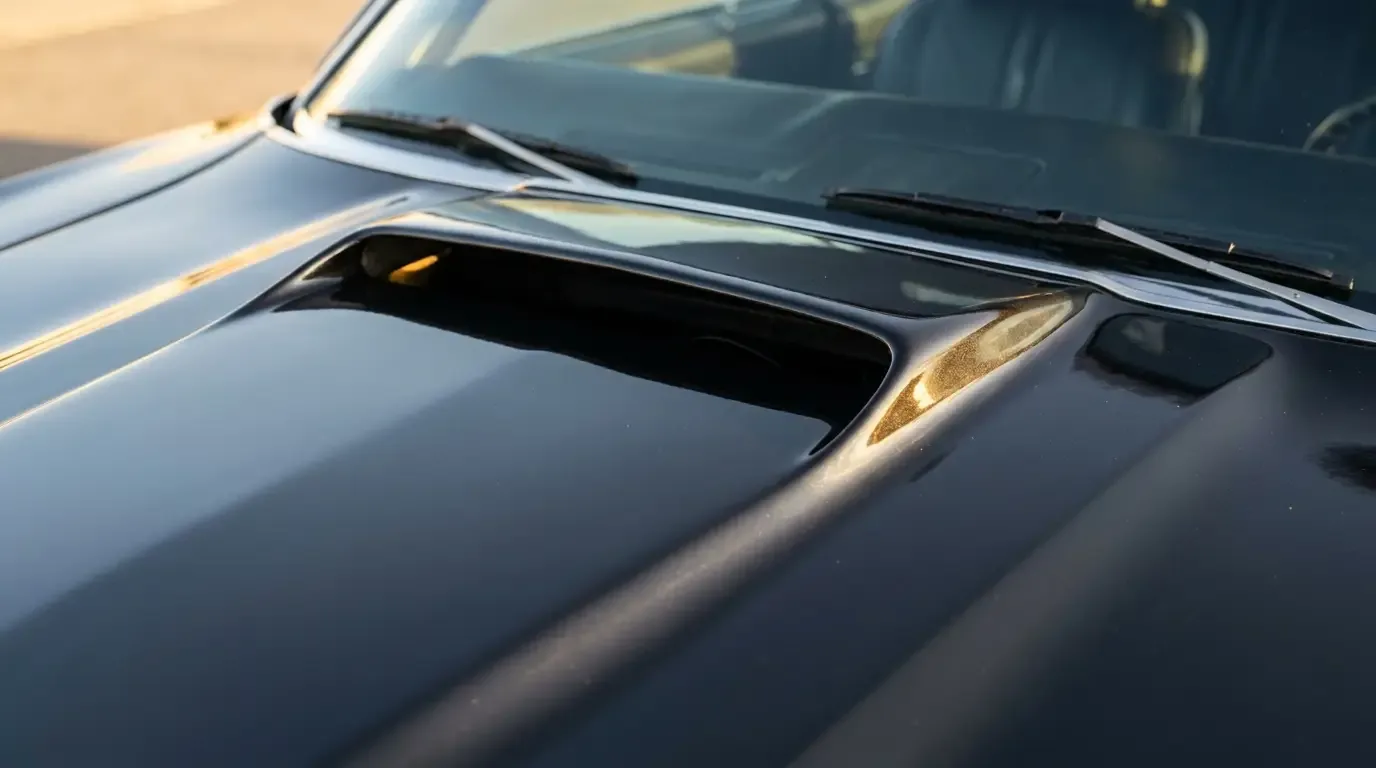
I've built enough cold-air setups on modern engines to know the principle doesn't change with the decade. GM's engineers solved the same problem on the Chevelle starting with the 1970 model year, using a vacuum-actuated flap and a duct instead of a computer-controlled valve, and the basic result is identical: more oxygen molecules per cubic inch of intake charge. The system had already shown up on Camaros in late 1969 as a factory racing option before Chevrolet rolled it out across the Chevelle SS lineup the following model year.
Where the air actually comes from
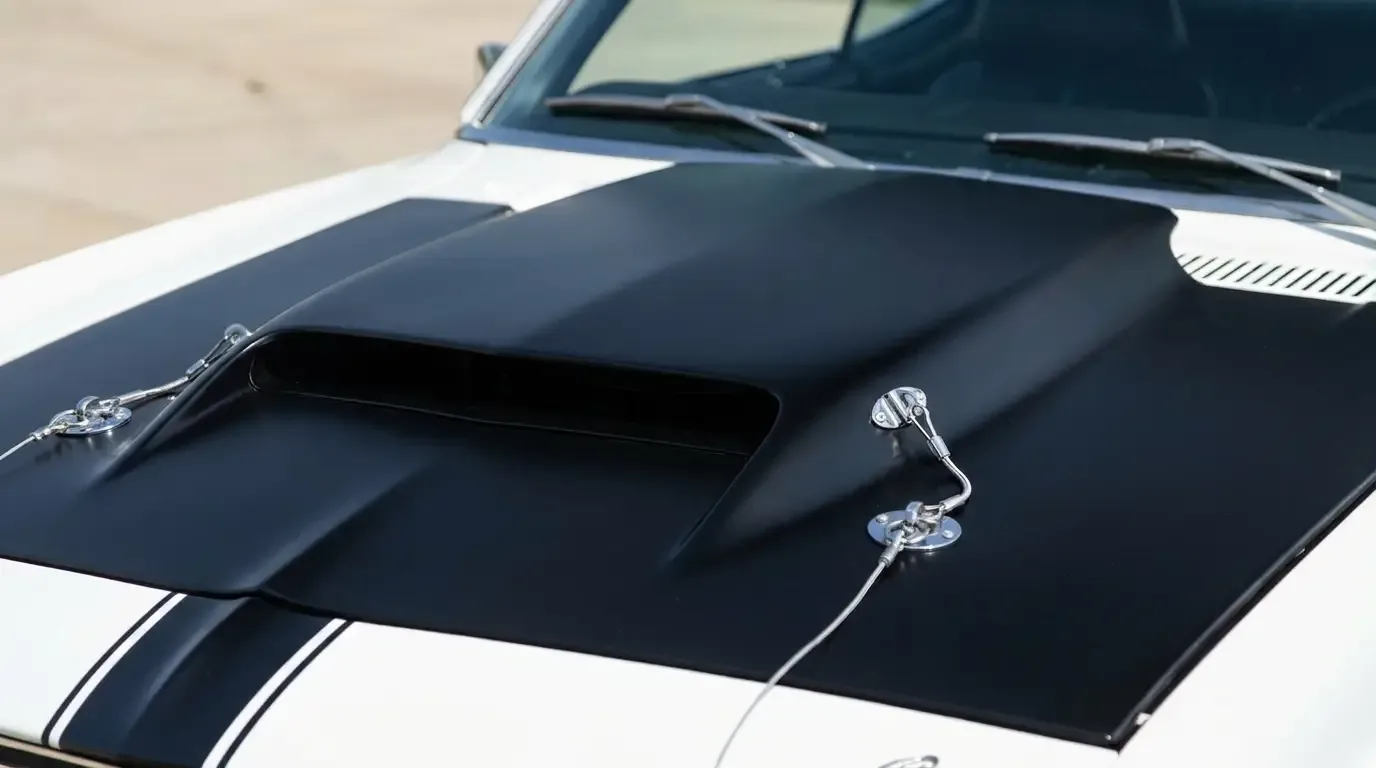
The system, factory RPO ZL2, used a raised, rear-facing scoop built into the hood at the base of the windshield, in the cowl area where air naturally pools at highway speed and under acceleration. That location matters. It's a high-pressure zone relative to the engine bay, especially once the car is moving, so air wants to go in that direction anyway. The factory just gave it a path to follow.
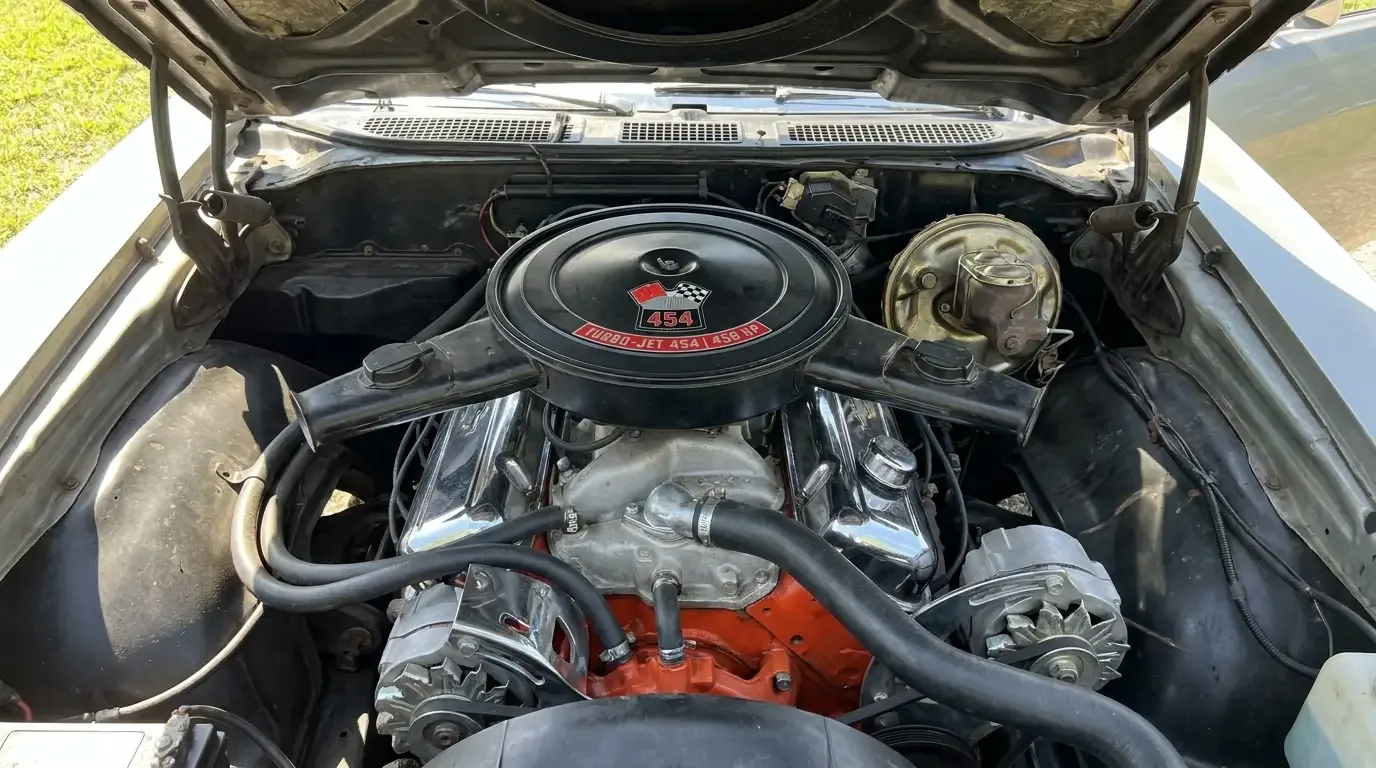
Under the hood, a flap sat closed at idle and low throttle, sealing the duct so the engine pulled air from the engine bay like a normal setup. Hit the throttle hard and manifold vacuum dropped, which released a vacuum-actuated door and let outside air flow straight down into the carburetor. It wasn't open all the time. It was designed to open specifically when the engine needed the extra charge most, which is exactly when a driver is standing on the throttle and the underhood air is already heat-soaked.
Why underhood air is the enemy
A big block making real heat under a hood with limited airflow will pull in air at a much higher temperature than ambient once you're sitting in traffic or crawling at a stoplight. Hot air is less dense. Less dense air means fewer oxygen molecules going into each cylinder per intake stroke, which means less power for the same fuel metering. Cowl induction sidesteps that problem by pulling from a zone that stays closer to ambient temperature even with a hot engine underneath it.
The horsepower gain from cowl induction alone wasn't dramatic on paper, real-world dyno and track testing generally shows something in the 2 to 3 horsepower range at the rear wheels, but it wasn't nothing either, and more importantly it was consistent. A car running cowl induction on a hot day at a stoplight-to-stoplight street race had a real, repeatable advantage over one pulling superheated air out of the engine bay.
| Component | Function |
|---|---|
| Rear-facing cowl scoop | Draws air from high-pressure zone at windshield base |
| Vacuum-actuated flap | Stays sealed at idle/cruise, opens under heavy throttle |
| Duct to air cleaner | Routes outside air directly to carburetor, bypassing hot engine-bay air |
What it means for a real driver, not just a spec sheet
The flap opening under load is also why you hear a distinct change in intake noise when you get into the throttle on a properly functioning cowl induction car. That whoosh isn't for show, even if it sounds theatrical. It's the sound of the vacuum door actually doing its job. If a car doesn't make that sound change under hard acceleration, the actuator or the vacuum line feeding it has probably failed, and the system is stuck in one position, usually closed.
That's a real functional loss, not a cosmetic one, and it's a common enough failure point that anyone buying a big-block Chevelle with a cowl induction hood should test it directly rather than trusting a static inspection. Pop the hood, have someone rev the engine while you watch the flap, and confirm it's actually moving. A stuck-closed flap means the car is running like it never had the option in the first place. A stuck-open flap means unfiltered water and debris can get pulled into the carburetor in wet conditions, which is its own problem.
The bigger picture on the LS6 and its options
Cowl induction was one piece of a bigger performance package, not a standalone fix, and it makes the most sense in context of the 454's full story, where every option on the sheet was aimed at the same target: getting more usable power to the rear wheels without inflating the sticker price past what a street buyer would pay. It's a good example of GM engineering doing the unglamorous work well, since the whole system amounted to a duct and a vacuum door, and it worked exactly as intended for decades of ownership after the fact.
How it compares to other manufacturers' cold-air setups
GM wasn't alone in chasing cold intake air in this era. Other manufacturers ran hood scoops and forward-facing ducts pulling air off the front of the car, and on paper that sounds like it should work just as well or better, since the front of a moving car is a straightforward high-pressure zone too. The problem was consistency. A forward-facing scoop pulls in whatever's directly ahead of the car, including engine bay heat radiating forward at idle and low speed, road spray in wet weather, and debris kicked up by traffic. The cowl location, tucked at the base of the windshield, stayed cleaner and more consistently cool because it wasn't sitting directly over a heat source and it wasn't in the direct debris path the way a nose-mounted scoop was.
That's part of why cowl induction had staying power as a design concept well beyond the Chevelle's production run, showing up on GM performance cars for years afterward in various forms. It solved the actual engineering problem instead of just looking like it solved the problem, which is the difference between a functional performance option and a styling exercise wearing a performance option's clothing.
"A cowl induction flap opening under load isn't theater. It's a measurable, repeatable temperature drop at the carburetor inlet, and on a hot day that's real horsepower, not marketing."
Dan Reeves
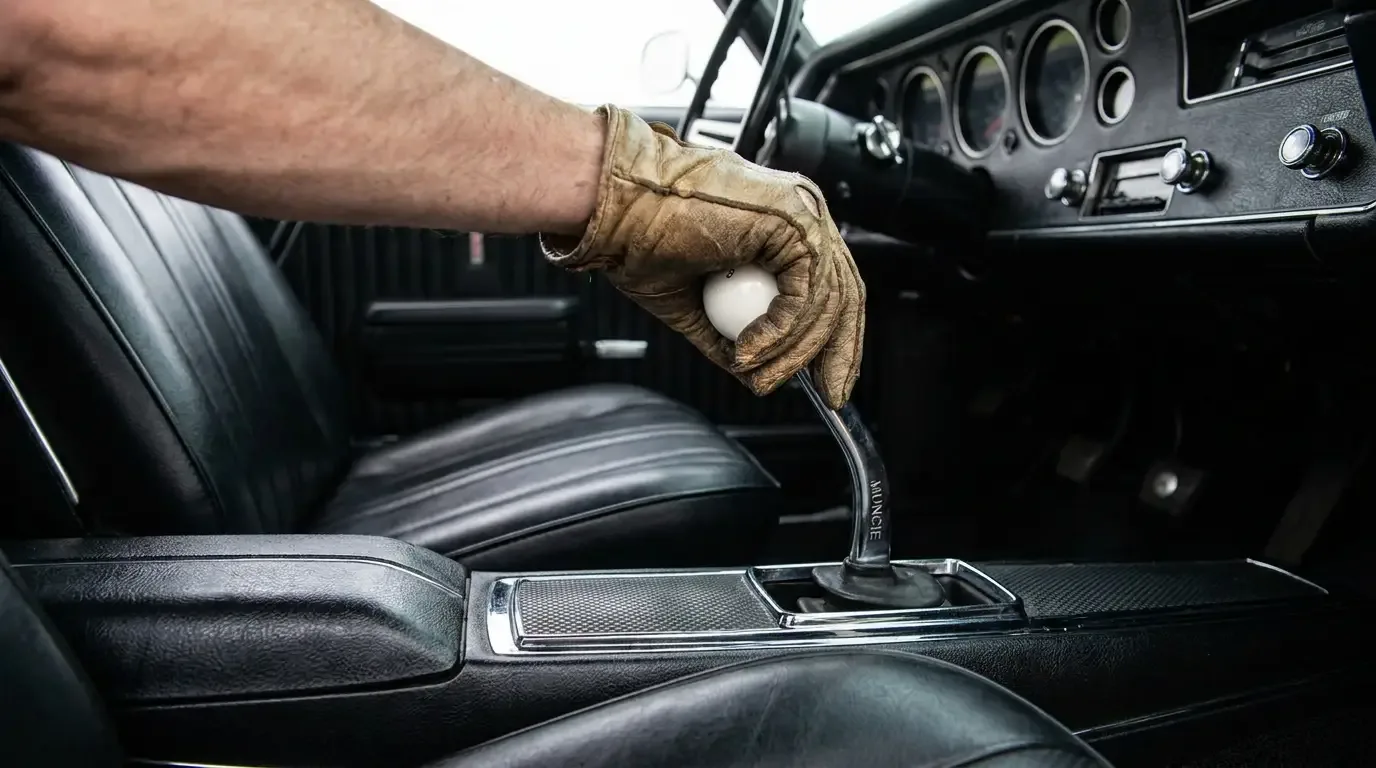
The drivetrain behind that engine deserves the same scrutiny. Up next, we get into the transmission choice that decided how all that torque actually got to the ground: next: Muncie M22 "Rock Crusher" vs Turbo 400.
Sources and notes
- CC Outtake: 1971 Chevy Chevelle ZL2 Cowl Induction: Curbside Classic
- How much HP is gained with cowl induction?: Team Chevelle
- What is Cowl Induction?: Team Camaro Tech
- Install a Cowl Induction System on Your 1970-'72 Chevelle: Eckler's Chevelle
- History and Mystery of the Rarest Chevy Chevelle in Existence: TopSpeed
- 1971 Chevelle's "SS" option (Malibu series): ChevelleStuff.net
Related Reading
Have a
Chevrolet Chevelle
for Sale?
Reach thousands of serious classic car collectors across the US.
Sell It Here →
Are You a Classic Car Dealer?
List your full inventory and connect with targeted classic car buyers.
Join as a Dealer →

About the author
Dan Reeves
Performance engine builder from North Carolina's motorsports corridor, focused on swaps, forced induction and making real, repeatable power.
Related Listings - Chevrolet Chevelle




Comments
Be the first to comment on this article.