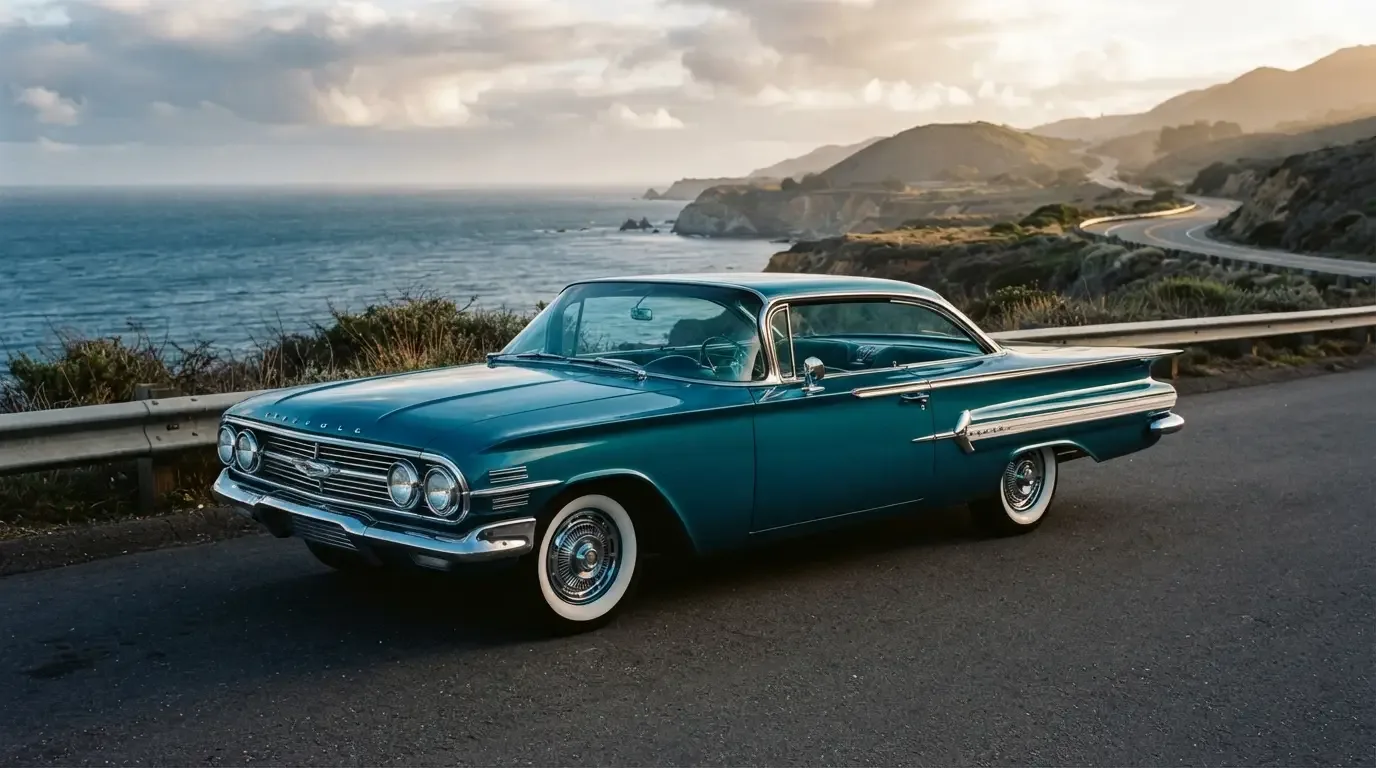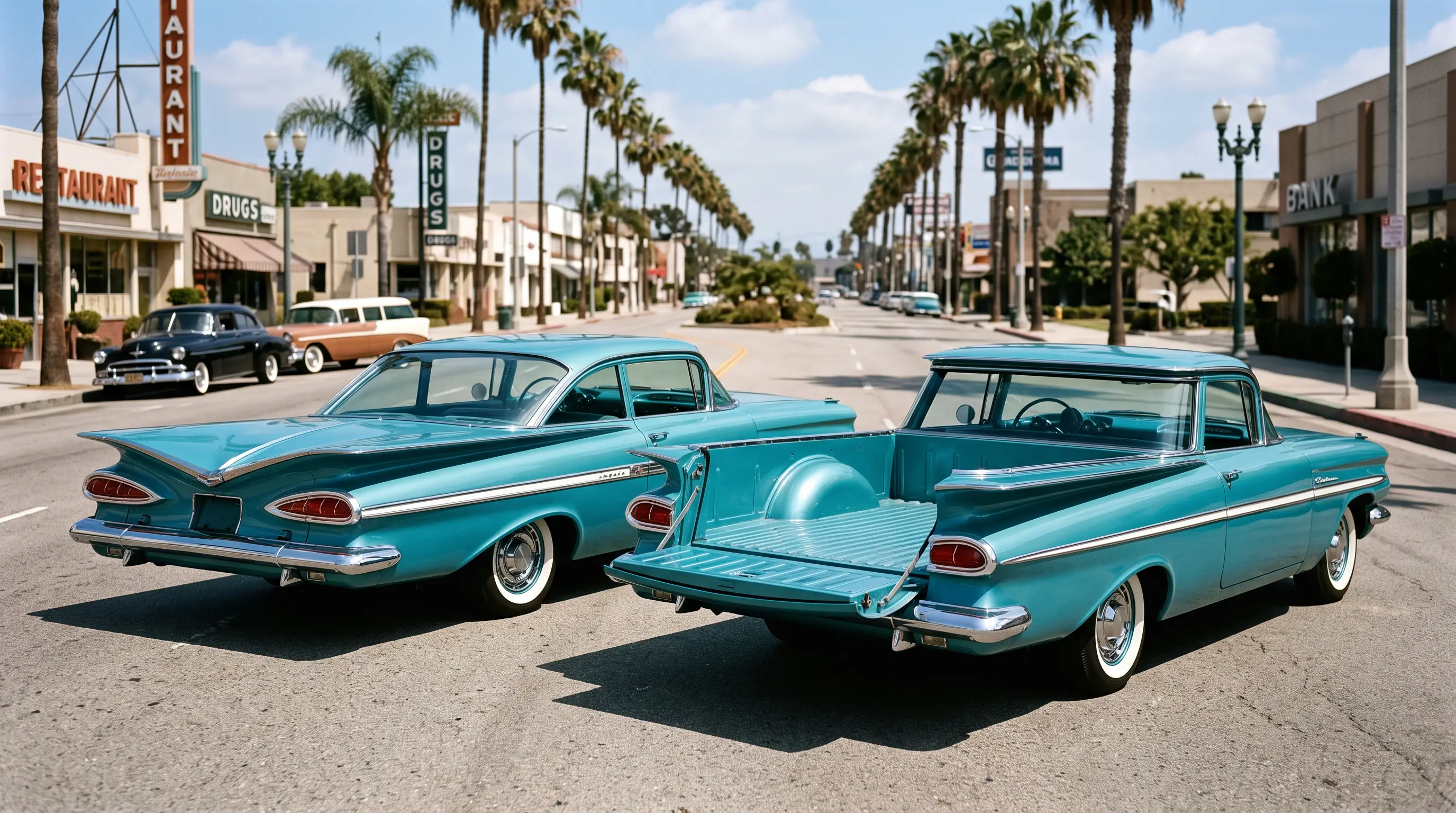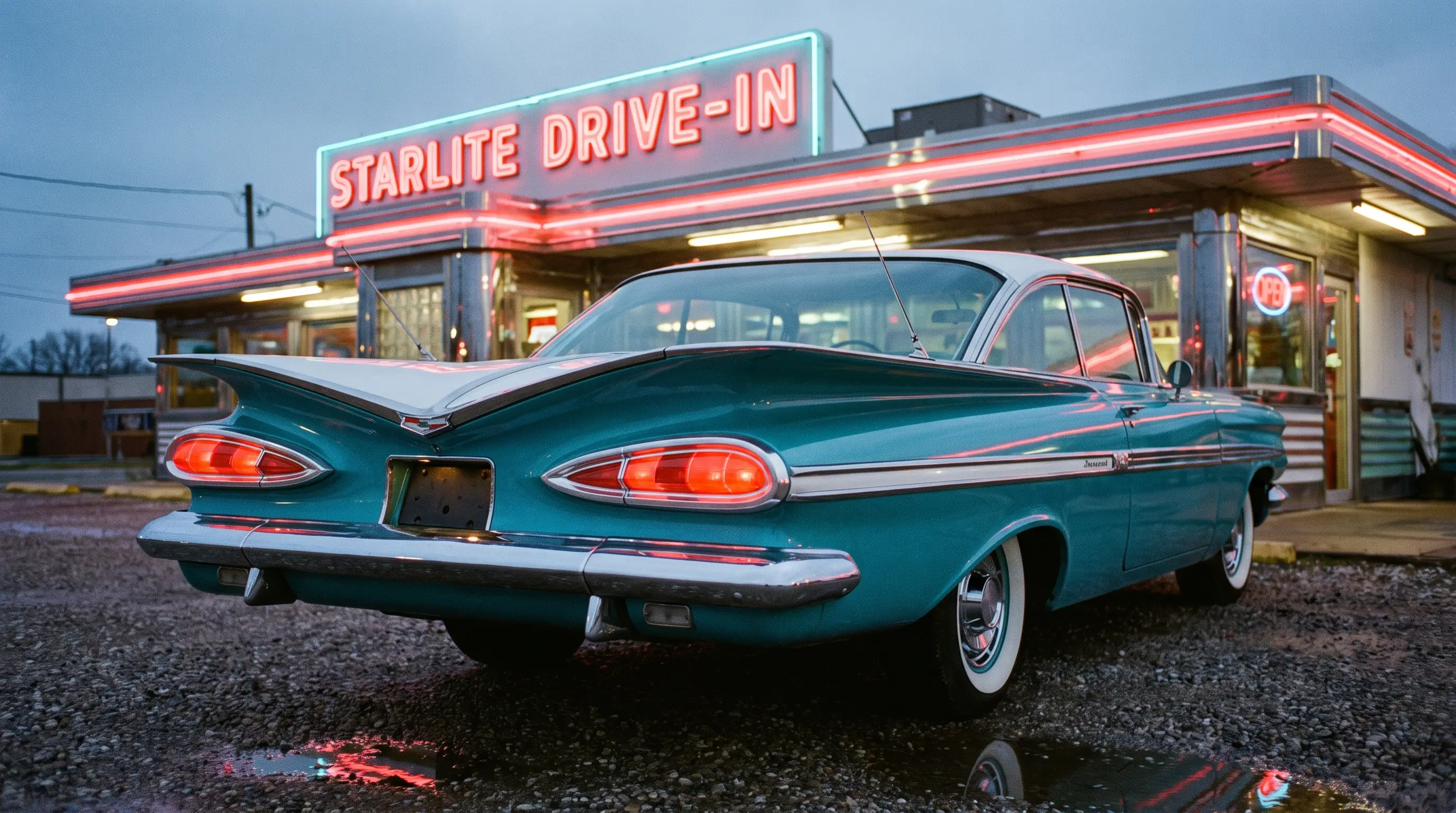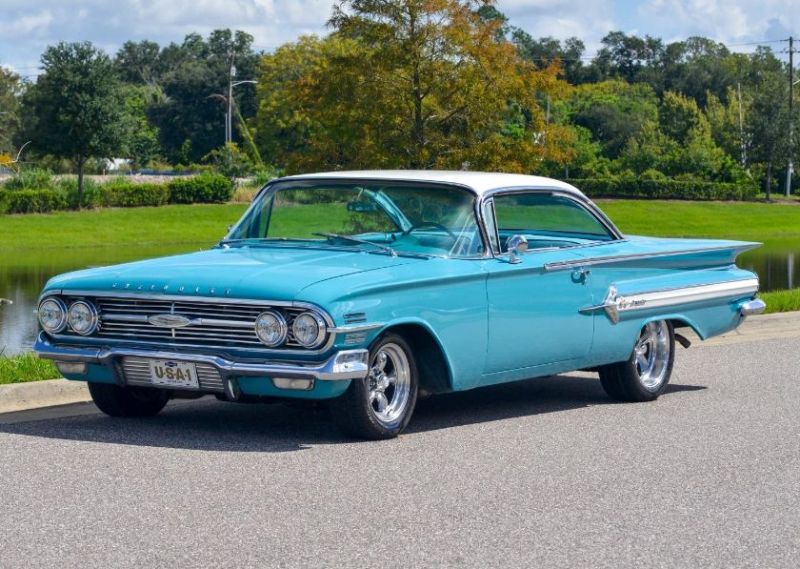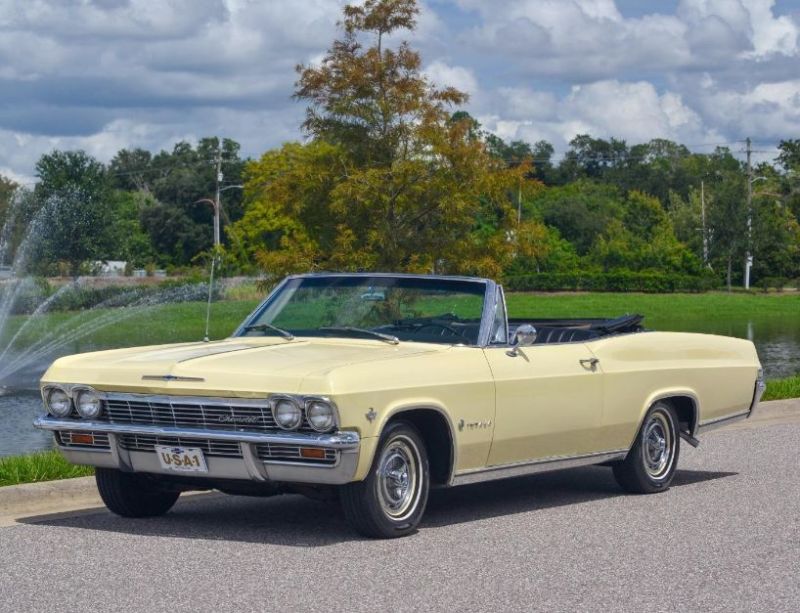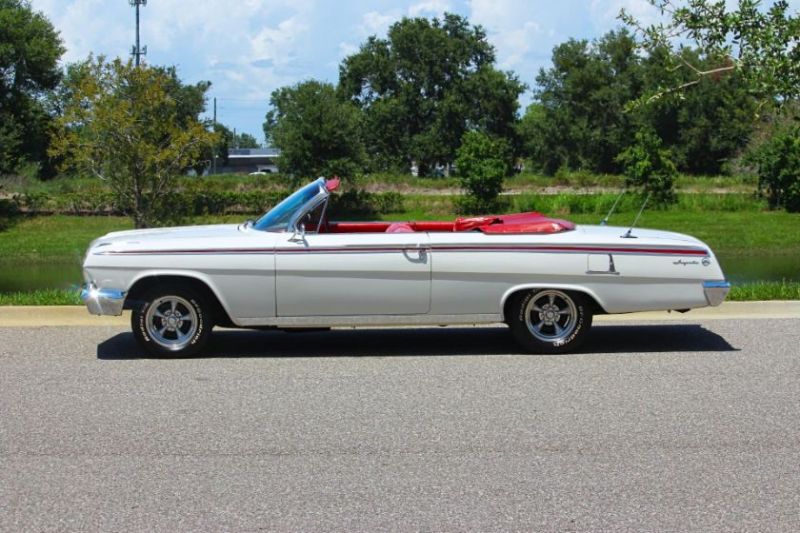
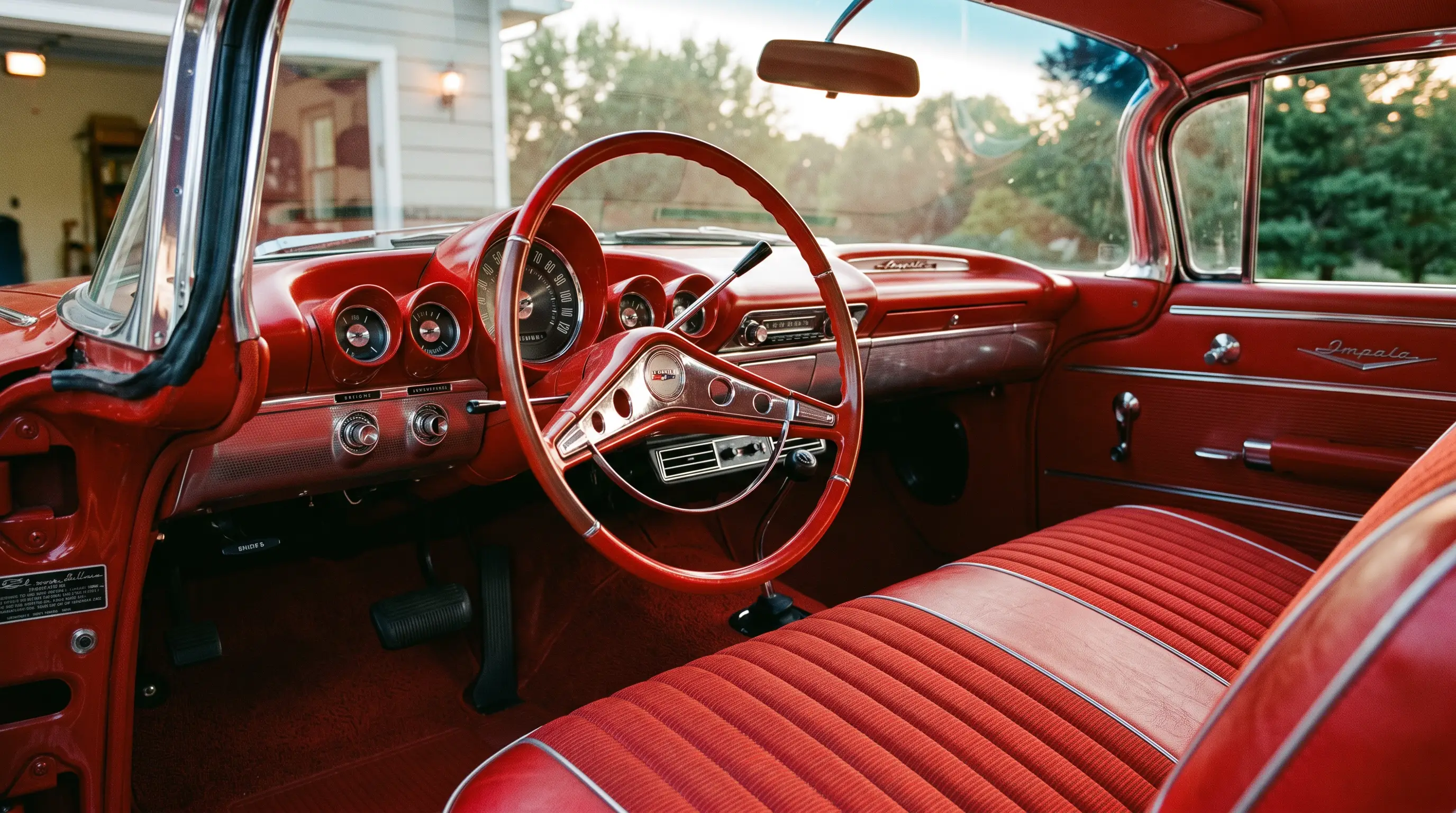
Chevrolet's factory records and period trim catalogs tell a clear story about how the 1959 to 1960 Impala's cabin was built to separate itself from the rest of the full-size lineup. The 1960 impala interior in particular refined ideas that debuted a year earlier, and the documentation that survives in Chevrolet's own literature corrects a few misconceptions that have crept into casual restoration talk over the decades.
The Impala's cabin was never an afterthought
When Chevrolet promoted the Impala from a Bel Air trim option to its own full series for 1959, the interior treatment was one of the clearest signals of that promotion. Factory upholstery options for the Impala used distinct patterns and trim combinations not shared with the Bel Air or Biscayne, a deliberate decision to make the cabin visually distinct from the moment a customer opened the door, not just from the outside styling.
The dashboard carried a full-width speedometer housing and a horizontal instrument layout that matched the car's wide, low exterior proportions. Chrome accents on the dash and door panels were more extensive than on lesser trim lines, and the steering wheel, while shared in basic design with other full-size Chevrolets, typically appeared in color combinations coordinated to the Impala's specific upholstery palette.
1959 versus 1960 cabin changes
Between the 1959 and 1960 model years, Chevrolet made real but subtle changes to the interior, consistent with the calmer exterior restyle for 1960. Upholstery patterns were updated for the new model year, as was standard Detroit practice, giving 1960 buyers a visually fresh cabin even though the dashboard architecture and basic switchgear layout carried over largely unchanged from 1959. Documentation from Chevrolet's own factory literature at the time listed the available upholstery colors and combinations by body style, and researchers restoring a car today should always cross-reference a build sheet or trim tag against that period literature rather than assuming a later reupholstery job used a correct pattern.
| Feature | 1959 Impala | 1960 Impala |
|---|---|---|
| Dashboard layout | Full-width speedometer, horizontal theme | Same basic architecture, revised trim accents |
| Upholstery pattern | Model-year-specific Impala pattern | Updated pattern for new model year |
| Steering wheel | Color-coordinated to interior trim | Color-coordinated to interior trim |
| Door panel trim | Impala-specific chrome accents | Impala-specific chrome accents, revised detailing |
Materials that separated Impala from lesser trims
Chevrolet used the Impala's cabin to justify its higher price point over the Bel Air and Biscayne, and that meant real material differences, not just badge changes. Impala-specific vinyl and cloth combinations, additional brightwork on the door panels, and a more finished appearance around the instrument cluster all reinforced the idea that stepping up to an Impala bought a genuinely nicer cabin, not merely a nicer name on the trunk lid.
Front seat design across the range also reflected the era's shift toward wider, more lounge-like bench seating, and the Impala's specific seat pattern was documented as part of Chevrolet's factory upholstery guides for both 1959 and 1960, giving today's restorers a reliable reference when a car arrives with non-original seat covers and no other documentation to confirm what it should have looked like from the factory.
Steering wheels, dash knobs, and small details that get missed
Restoration shops chasing an accurate 1959 or 1960 Impala cabin often nail the big items, the seat pattern and the door panels, while overlooking smaller details that a knowledgeable judge or a serious buyer will catch immediately. Dash knob styling, the specific script used on interior badging, and even the texture of the headliner material all varied by model year in ways that period catalogs documented carefully but that later reproduction parts suppliers do not always reproduce with equal accuracy. A restorer working from a parts catalog alone, without cross-checking factory photography or a surviving original example, can end up with a cabin that reads as generically correct rather than precisely correct for the specific model year in question.
Steering wheel color is a particularly common point of confusion. Chevrolet coordinated wheel color to interior trim rather than exterior paint, which means two identically painted 1960 Impalas ordered with different interior colors could leave the factory with entirely different steering wheel finishes. Restorers working backward from a repainted exterior with no interior documentation sometimes guess wrong on this detail, choosing a wheel color that matches the paint rather than the trim code that actually governed the factory's original pairing.
Correcting a common misconception
One misconception worth addressing directly involves the assumption that all Impala interiors from this era used identical trim regardless of body style. In practice, convertibles, hardtops, and sedans within the same model year sometimes carried different upholstery treatments suited to their body style, since a convertible's top mechanism and rear seat area required different construction than a hardtop's fixed roof. Restorers who assume a single universal pattern across all 1959 or 1960 Impala body styles risk installing correct-looking but ultimately wrong trim for their specific car.
Anyone digging into this level of detail should also read 1959 impala history for the full context of how the model year's design decisions, interior included, fit into Chevrolet's broader strategy for establishing the Impala as its own series.
Why the interior debate connects to the wider Impala story
The interior conversation rarely stays isolated from broader questions about styling and market positioning during this period. Chevrolet's decision to give the Impala a distinct cabin in 1959, and to refine rather than overhaul it for 1960, mirrors similar decisions the company made elsewhere in the lineup that year, including choices covered in a related story about how far Chevrolet was willing to push design in this era.
Understanding the interior in this context matters for accurate restoration work and for honest valuation. A correctly documented, factory-pattern cabin is worth meaningfully more to a serious collector than a nicely done but incorrect reupholstery job, even if the incorrect version looks better in photographs.
Shopping for a well-preserved cabin
Buyers evaluating a 1959 or 1960 Impala today should treat original, unmolested interior trim as a major value factor, on par with matching numbers on the engine block. A car with its factory seat covers, door panels, and dash trim intact, even if worn, tells a more complete and trustworthy story than a fresh but undocumented reupholstery. For those ready to compare cars in person, current Impalas for sale now offer a useful cross section of how much interior condition and originality actually move asking price within this specific model range.
The 1960 impala interior, and its 1959 predecessor, deserve more careful documentation than they typically get in casual restoration discussion. Chevrolet's own factory records remain the best corrective to the assumptions that tend to circulate once a car is sixty-plus years removed from the assembly line.