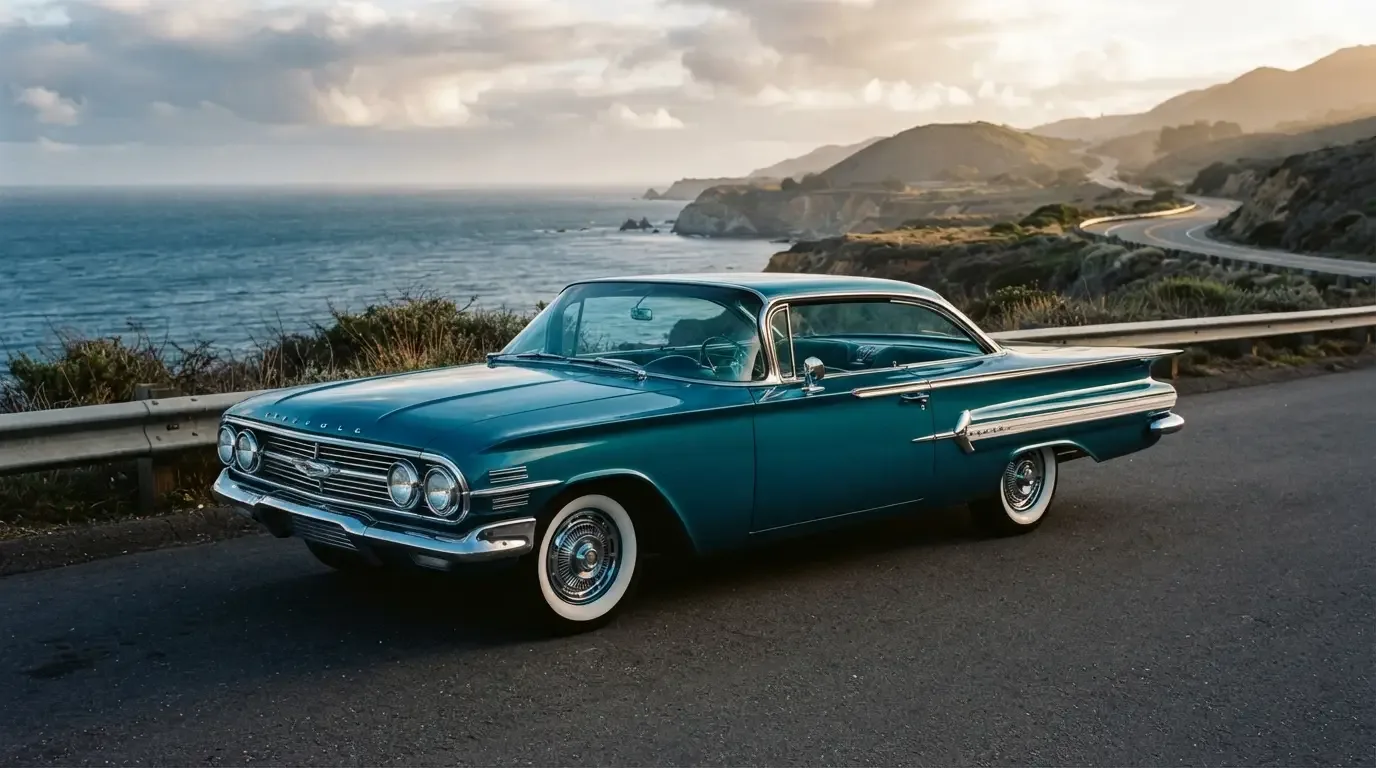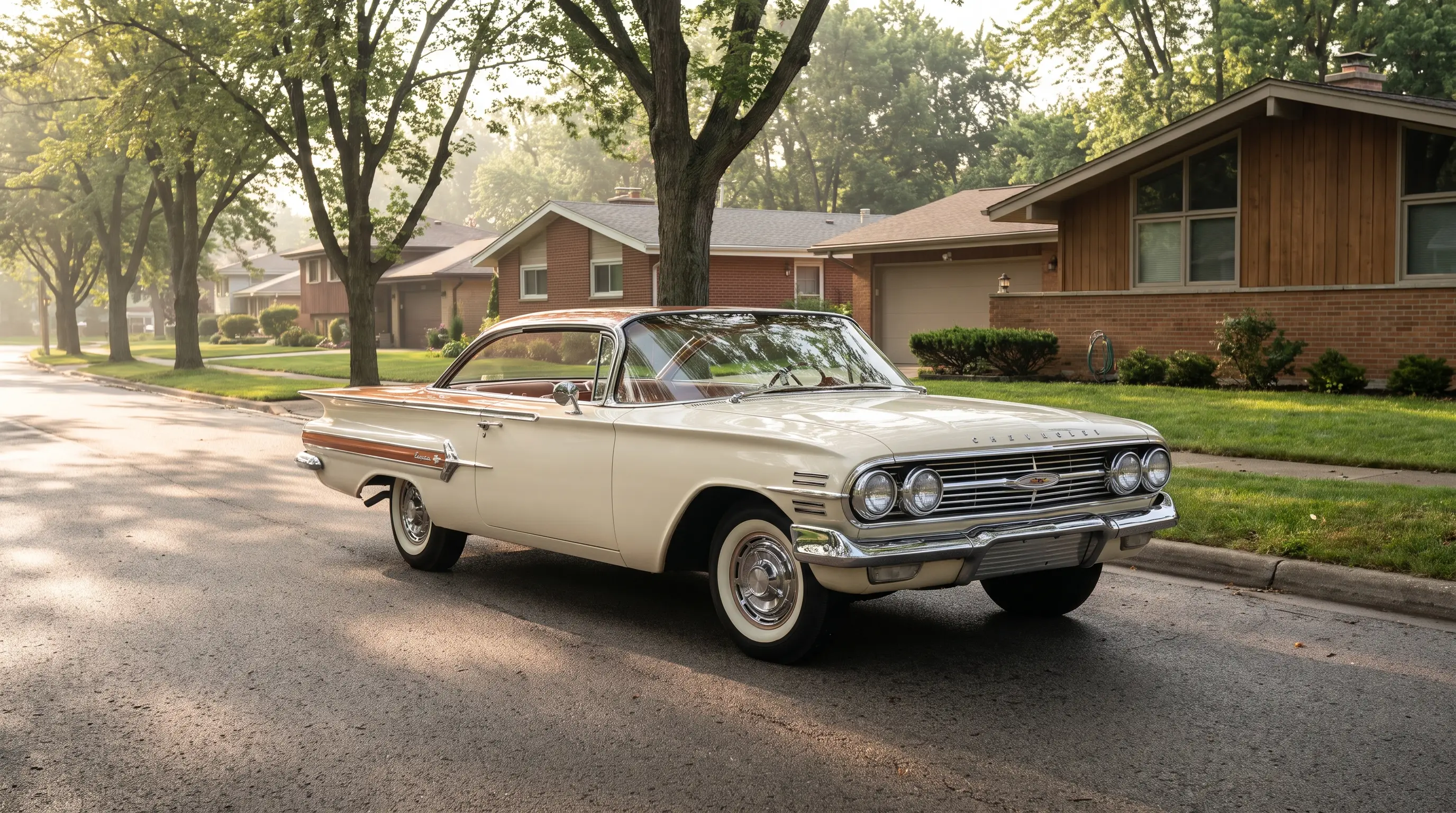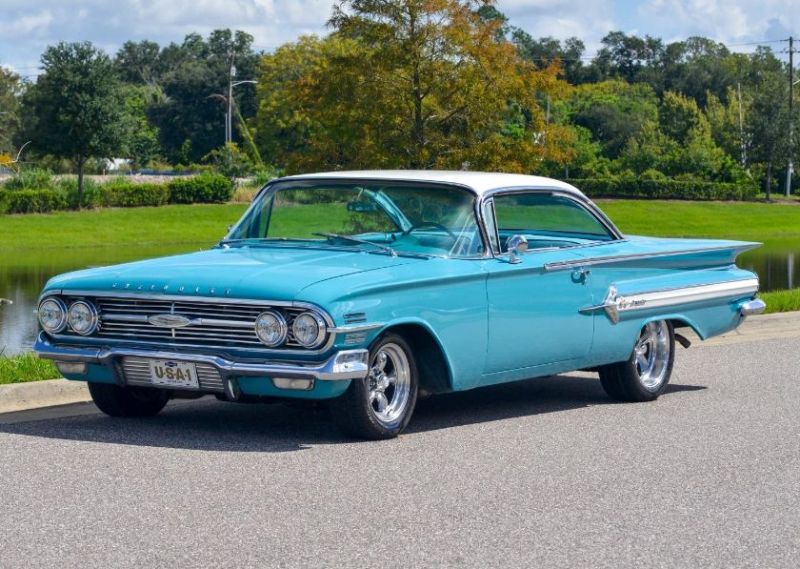
Every collector car conversation eventually comes down to one question. What is it actually worth. For the 1959 to 1960 Chevrolet Impala, the honest answer is more complicated than a single number, because 1959 impala value depends heavily on body style, and the gap between the cheapest and most expensive variant of the same model year car is wider than most buyers expect walking in.
Two years, two different markets
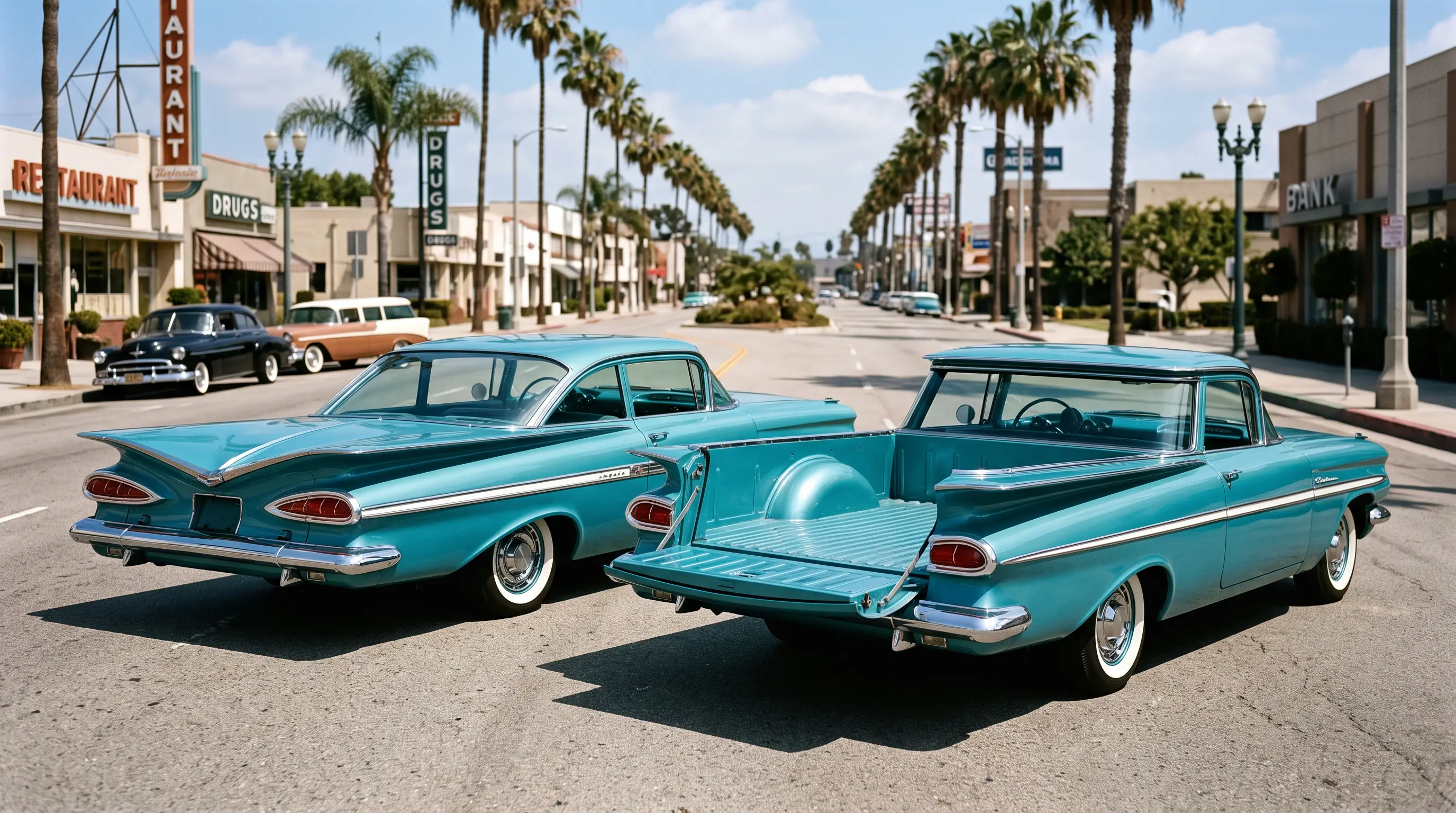
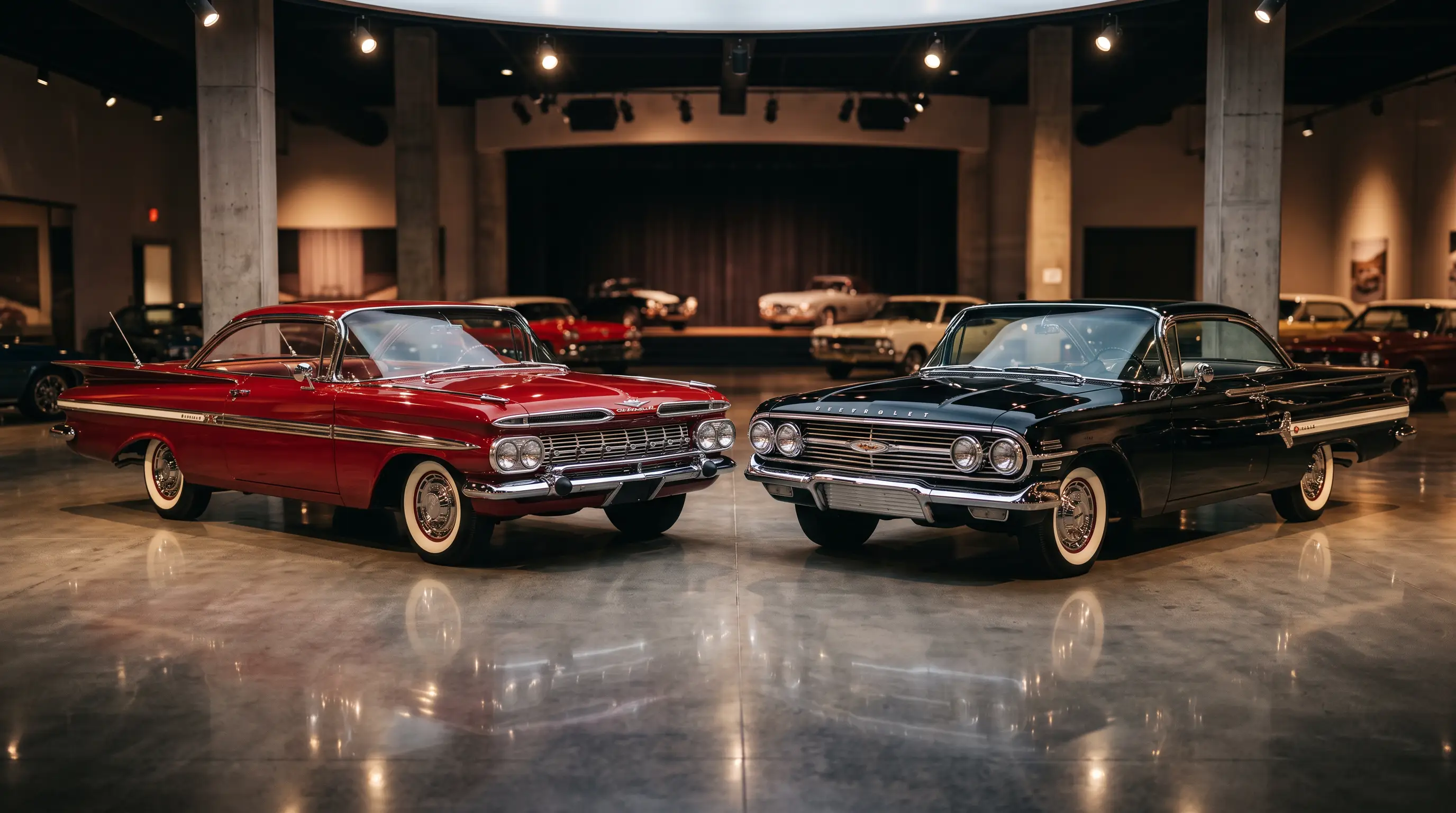
The 1959 and 1960 Impalas share a basic engineering story but sell in noticeably different markets today. The 1959 is the debut year, the car with the batwing rear deck and the cat's eye taillights that made the whole GM lineup look like nothing else on the road that year. That novelty factor still drives a premium at auction. The 1960, with its calmer fins and simplified rear treatment, trades at a modest discount to an equivalent 1959 in most body styles, even though the two cars are mechanically almost identical and share the vast majority of their running gear.
That discount is not really about quality. It is about story. A 1959 is the "first year" car, and first-year cars in any successful nameplate's history tend to hold a premium regardless of whether the actual product improved in the following seasons. Buyers pay for the moment a design landed, not necessarily for the year the engineering was most refined.
Body style is the real value driver
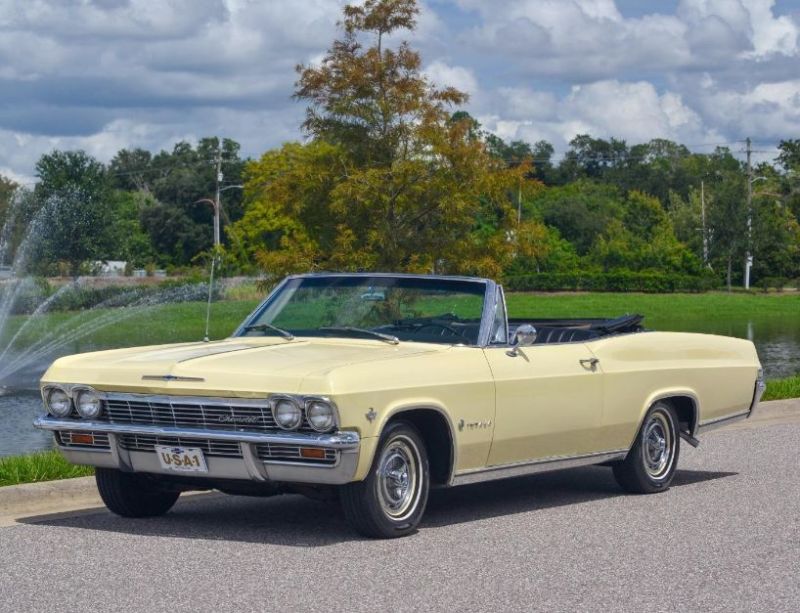
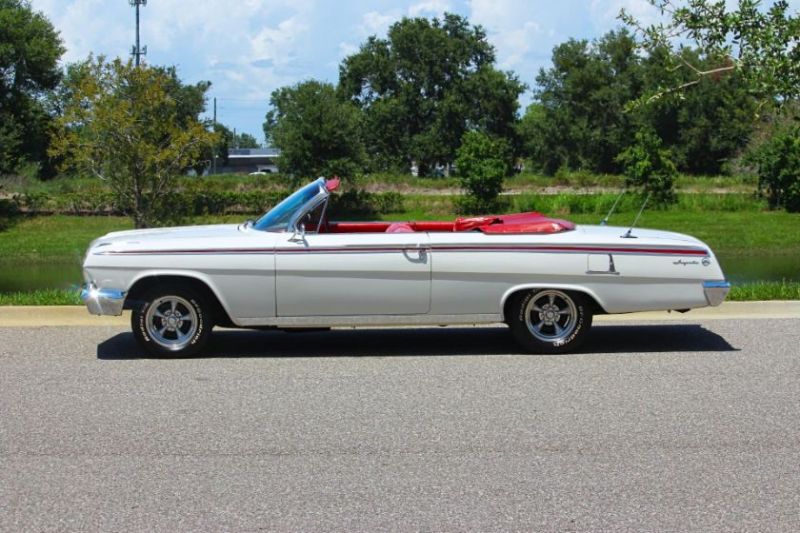
Within either model year, body style does more to set price than the calendar does. The convertible sits at the top of the range by a wide margin, followed by the two-door Sport Coupe hardtop, then the four-door Sport Sedan hardtop, with the pillared four-door sedan bringing up the rear. This ordering holds true across nearly every full-size American car from this era, but it is especially pronounced on the Impala because the convertible and Sport Coupe were the cars used in period advertising, and that visual association has stuck for six decades.
A well-documented 1959 convertible with a 348 cubic inch V8 and its original Tri-Power or single four-barrel setup can sell for several times what a clean but unremarkable four-door sedan from the same model year brings. That spread is not a market inefficiency. It reflects genuine scarcity, since far fewer convertibles left the factory than sedans, and genuine collectibility, since the convertible was always the car buyers aspired to rather than simply needed.
Documentation changes everything
Paper is where value gets made or lost on cars this old. A Protect-O-Plate, original build sheet, matching numbers block, and a clean chain of title ownership can move a 1959 to 1960 Impala meaningfully above a book value estimate, because that paperwork removes the two biggest fears a buyer carries into a purchase: is the engine actually original, and can I prove what I am buying is what the seller says it is.
Cars without that paper trail are not worthless, but they get priced defensively. A buyer who cannot verify originality has to assume the worst case, a replacement engine or a repainted body with hidden rust repair, and price accordingly. That is why two visually identical 1960 Impala Sport Coupes can sell six months apart for numbers that differ by a meaningful percentage, purely on the strength of what documentation came with each car.
"I do not price a car off what it looks like in photos. I price it off what the paperwork can prove and what the condition report leaves unanswered. Every unanswered question is a discount, whether the seller intends it that way or not."
- Marcus Feld
Condition versus originality
Buyers new to this era often assume a beautifully restored car is automatically worth more than an original, unrestored survivor in similar cosmetic condition. That is not always true anymore. The market has developed real respect for honest, unmolested originals, even ones with visible wear, because a survivor car tells an unambiguous story that a restoration cannot always match. A frame-off restoration is only as good as the shop that performed it and the parts used, and buyers now scrutinize restoration quality with the same skepticism they once reserved for outright fakes.
That said, a poorly executed restoration on a car that would have been more valuable left alone is a real and common trap. Sellers should be candid about what was done, when, and by whom, because vague answers to those questions are exactly the kind of unanswered question that erodes a final sale number.
Engine options and how they shift the numbers
Engine choice adds another layer on top of body style. The base inline six existed on paper for the 1959 and 1960 Impala but was a rare special order in this segment, since buyers paying for the top trim line typically wanted the visual and mechanical prestige of a V8 to match. Among V8 choices, the optional 348 cubic inch big block, particularly in its higher output tunes with multiple carburetors, commands a real premium over the standard small block, because it signals a buyer who wanted genuine performance rather than just chrome and prestige.
That premium is not uniform across every body style. A 348-equipped convertible sits at the very top of the market, while the same engine in a four-door sedan moves the needle less, simply because the body style ceiling caps how much any single option can add. Buyers should think of engine choice as a multiplier on body style value rather than an independent, stand-alone factor, since the two variables interact rather than simply adding together.
What this means for a buyer today
Anyone shopping this era should treat body style, documentation, and originality as the three variables that matter most, in roughly that order of leverage on final price. A rare convertible with thin paperwork can still outsell a well-documented sedan, but the margin between the two narrows considerably once the paperwork gap gets factored in. The safest strategy for a first-time buyer in this segment is to prioritize documentation over cosmetic condition, since a car with clean paper and honest wear can always be improved cosmetically, but a car with no paper trail can never retroactively prove what it claims to be.
Readers who want the fuller context on how these two model years fit into the broader Impala story, including the styling decisions that created this value split in the first place, should read the full story covering both years. For buyers ready to act, current listings of classic Impala for sale give a real-time snapshot of where this market sits body style by body style, which is a far more reliable guide than any single published price guide number.
The bottom line on 1959 impala value
There is no single figure that answers the question of what a 1959 or 1960 Impala is worth. There is a range, driven primarily by body style and secondarily by documentation, and buyers who understand that structure will negotiate from a position of knowledge rather than guesswork. Treat the convertible premium as real but not automatic, treat missing paperwork as a genuine discount rather than a minor inconvenience, and evaluate every restoration on its actual execution rather than its price tag alone.