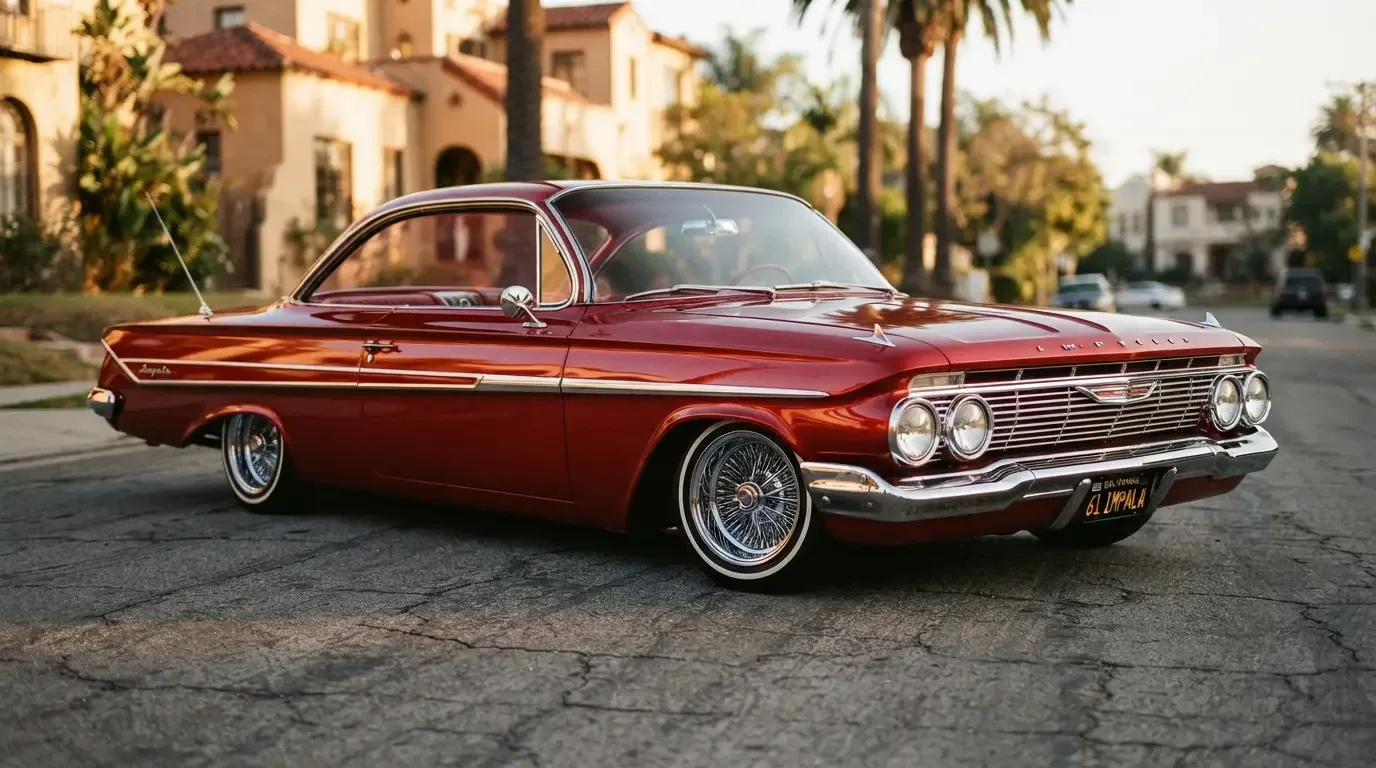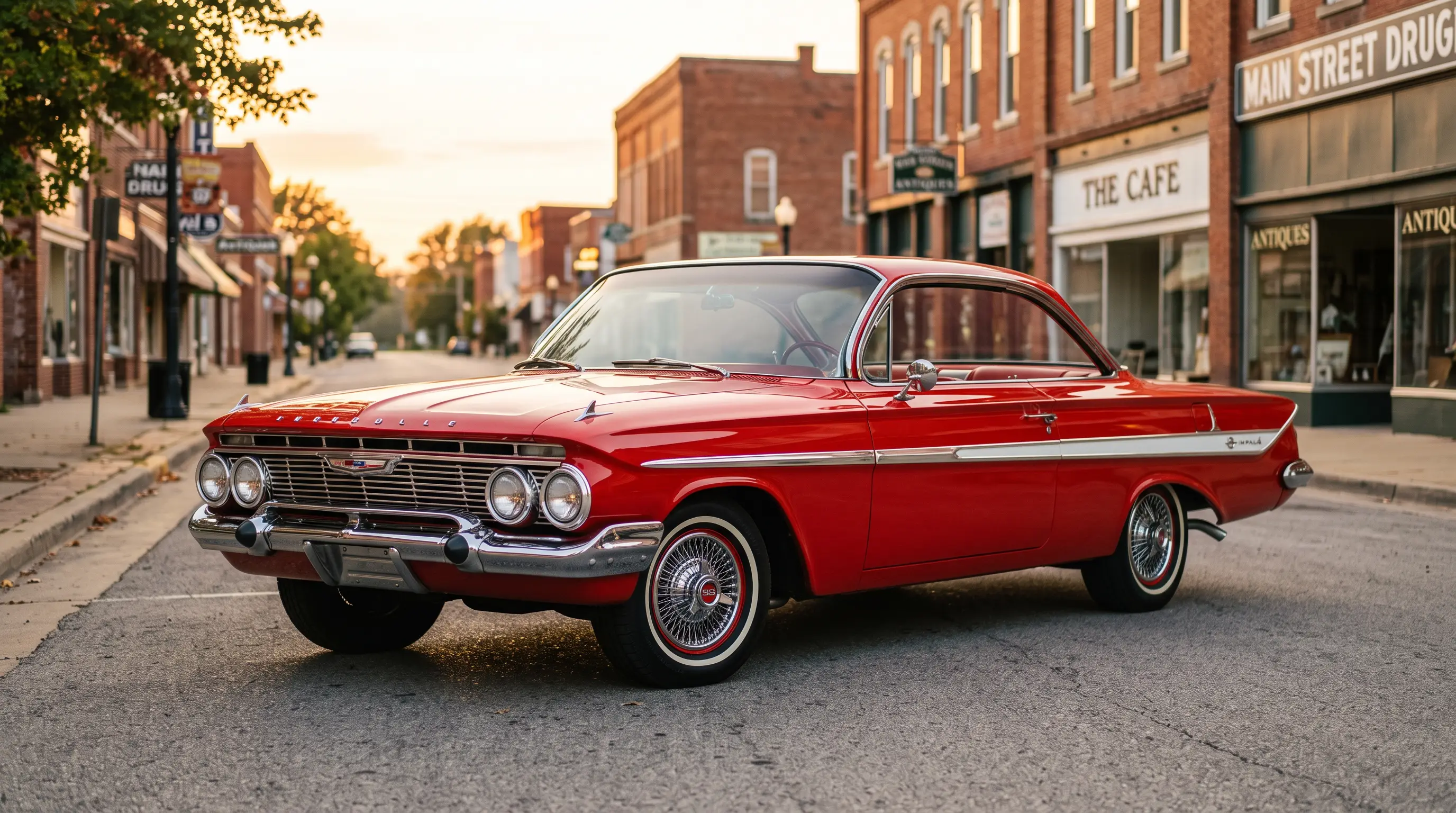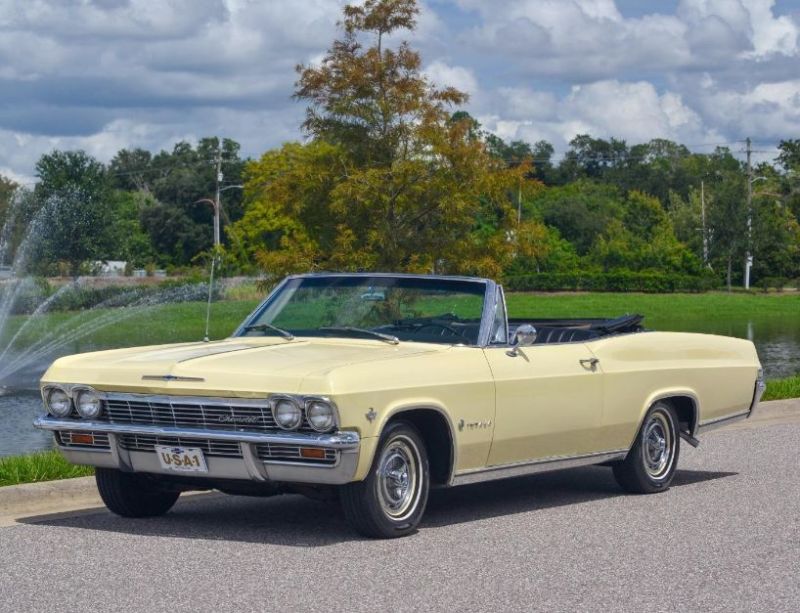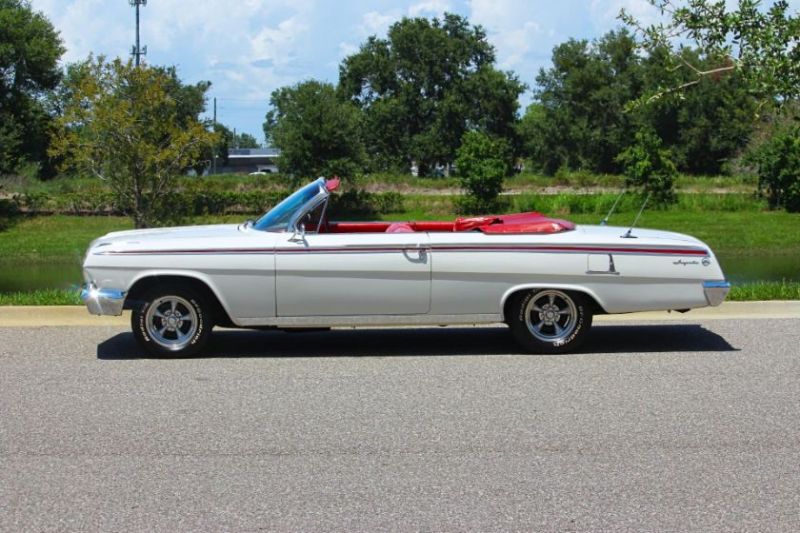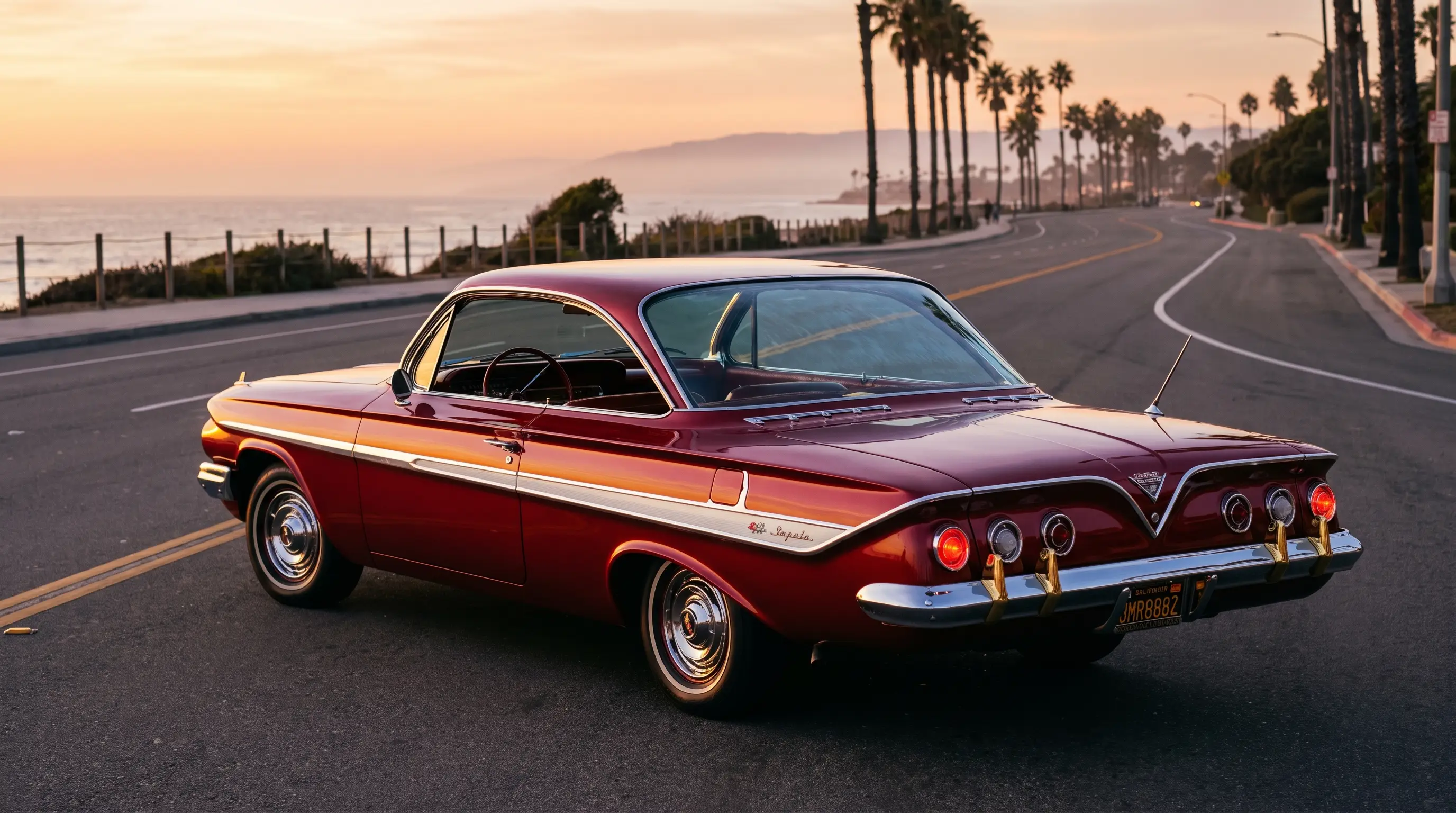
Chevrolet's factory drawings and body engineering records for 1961 describe a roofline that enthusiasts would eventually nickname long before any press release used the term. The 1961 impala bubble top earned its name honestly, a thin-pillared, deeply curved rear glass treatment on the two-door hardtop that looked unlike anything Chevrolet had built the year before, and unlike most anything the rest of the industry was building at the time.
A complete break from the 1960 roofline
Chevrolet redesigned its full-size body entirely for 1961, moving away from the low, wide, fin-heavy proportions of 1959 and 1960 toward a cleaner, more upright, and notably more compact-looking shape overall. The two-door Sport Coupe hardtop received the most dramatic single element of that redesign, a rear roof section that curved down and inward toward the trunk lid in a shape that immediately drew comparisons to a fishbowl or a bubble, hence the nickname that stuck almost immediately among owners and dealers alike.
Chevrolet's own engineering documentation described the design goal as maximizing rear visibility and creating a lighter, more open greenhouse than the notchback rooflines common elsewhere in the industry that year. Whatever the internal engineering rationale, the visual effect was striking. Thin C-pillars combined with the deeply curved glass gave the coupe an almost aircraft-canopy quality that few other American production cars from this period share.
Why it mattered beyond styling
The bubble top roofline was not purely decorative. It genuinely reduced blind spots compared to the thicker-pillared, more upright rooflines that would eventually replace it in later Impala generations, and period road tests noted the improved rear visibility as a real, practical benefit rather than just a styling flourish. That combination of function and dramatic appearance is part of why the 1961 Sport Coupe remains so specifically sought after among Impala collectors today, distinct even from other two-door variants of the same model year.
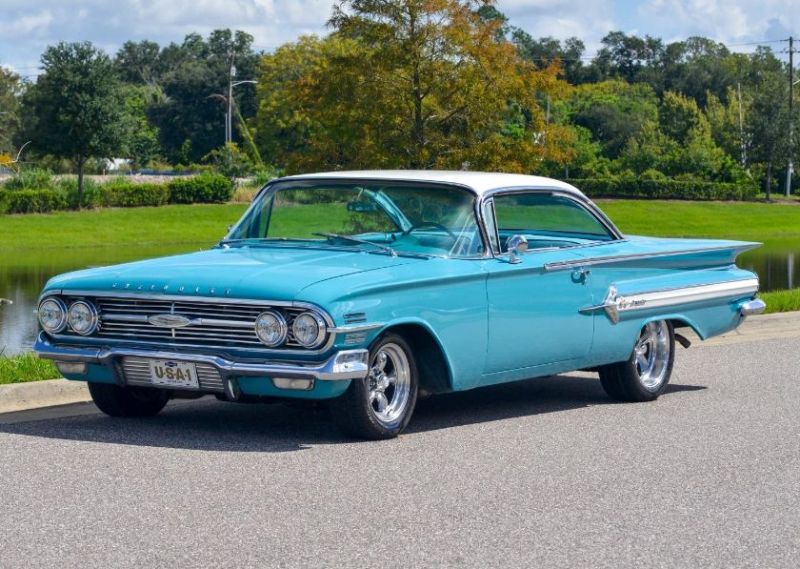
Chevrolet only built this specific roofline for a short window. By 1962 the Sport Coupe had already moved toward a more conventional, slightly thicker-pillared notchback profile, making the true bubble top a one-model-year design element that never returned in its original curved-glass form. That narrow production window is a significant part of why surviving, well-preserved examples carry such strong collector interest relative to other 1961 full-size Chevrolet body styles.
How the shape changed the driving experience
The bubble top's thin pillars and curved glass were not just a visual signature. Owners and period reviewers noted a genuinely different feel behind the wheel compared to the notchback coupes that came before and after it. Rear quarter visibility improved noticeably, which mattered in an era before backup cameras and parking sensors existed as a concept, and the lighter, more open feeling cabin gave the coupe a distinctly different character from the more formal, upright greenhouse of the 1960 model it replaced.
That open, airy cabin feel also made the bubble top coupe a popular choice among buyers cross-shopping sportier imports of the period, since the visual lightness of the roofline suggested an agility that, while not entirely accurate given the car's genuine full-size weight, still shaped how the car was perceived and marketed relative to its more conservative-looking siblings in the same showroom.
The engine bay tells its own story
Underneath that distinctive roofline, 1961 also marked real change in what Chevrolet offered under the hood. The 348 cubic inch W-series big block carried over from 1959 and 1960, but 1961 introduced the first version of what would grow into Chevrolet's legendary 409 cubic inch big block, initially offered in relatively limited numbers as an option on the full-size lineup including the Impala. That combination, an all new lightweight-looking body with a genuinely potent big block available under the hood, gave the 1961 bubble top coupe a performance credibility that its predecessors, styled primarily around chrome and glamour rather than outright power, had not fully earned.
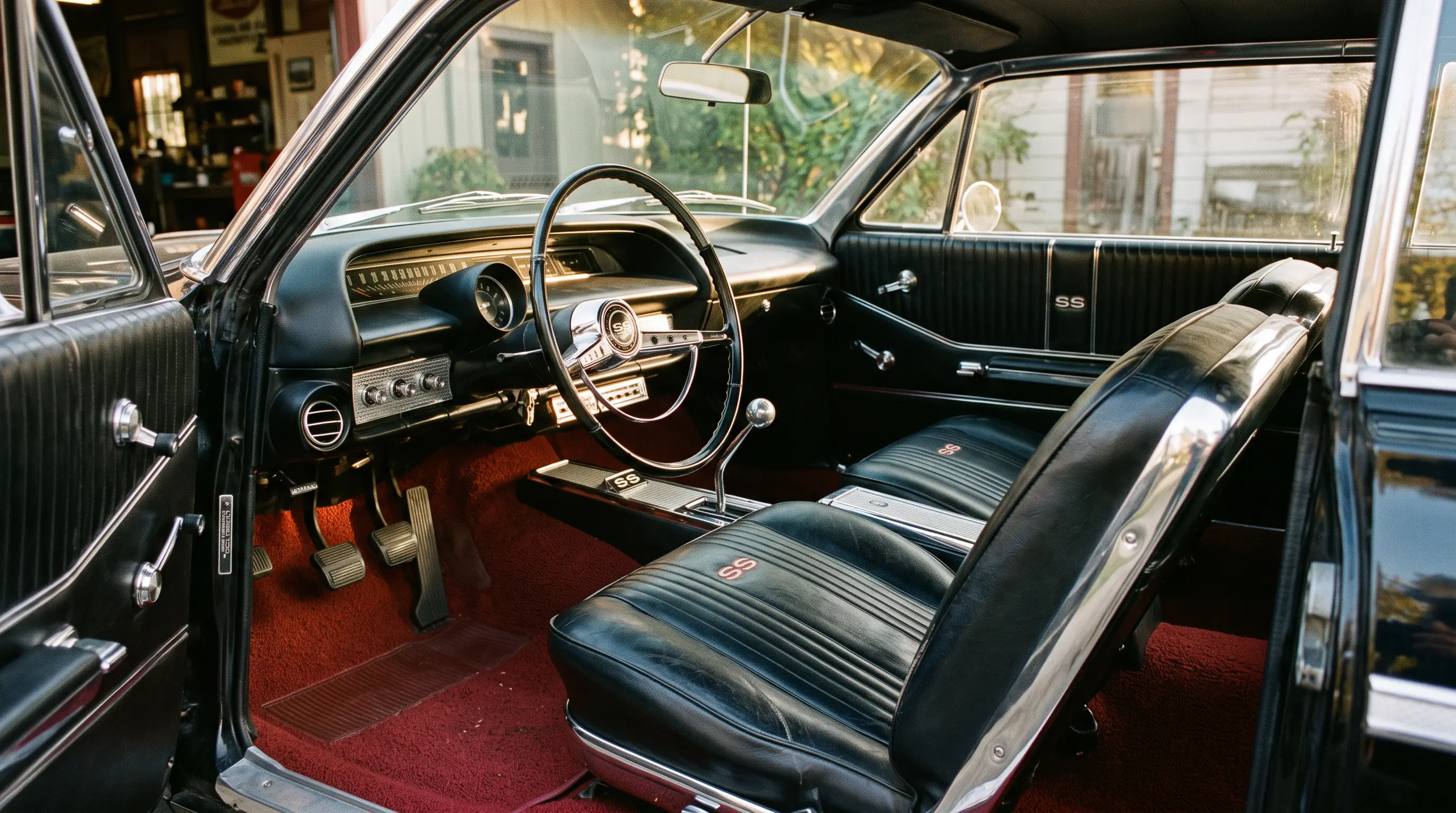
That new engine option also set the stage for the car covered in a related story, since the same model year that introduced the bubble top roofline is the year Chevrolet quietly launched the Super Sport option that would eventually define the Impala's performance identity for the rest of the decade.
Restoring the roofline correctly
Anyone researching a 1961 Impala Sport Coupe restoration needs to treat the roofline and its glass as a priority item rather than an afterthought. Because the curved rear glass was unique to this one model year, sourcing an accurate reproduction or a sound original piece takes considerably more effort than finding common flat glass shared across multiple years. Chrome trim around the C-pillar and rear window opening is similarly specific to this body style, and substituting incorrect trim from adjacent model years is a common and easily spotted restoration mistake among knowledgeable judges at concours events.
Weatherstripping around that unique curved glass presents its own challenge, since the seal profile has to match a rear window shape not used on any other model year. Restorers sometimes attempt to adapt gaskets intended for flatter glass, which can lead to persistent water intrusion issues that are difficult to trace back to their actual source. Sourcing rubber components specifically cataloged for the 1961 bubble top coupe, rather than generic era-appropriate substitutes, avoids that entire category of long-term problems.
Readers wanting the fuller arc of how the full-size Impala evolved from the 1959 batwing through the 1960 restyle and into this entirely new 1961 body should read 1964 impala history, which traces the model generation that the bubble top coupe opened.
What a bubble top is worth today
Collectors specifically hunting a 1961 Sport Coupe with the bubble top roofline should expect a premium over other 1961 full-size Chevrolet body styles, driven by the combination of a short production window for that exact roof design (Chevrolet built roughly 178,000 Sport Coupes across the Biscayne, Bel Air, and Impala lines that single model year, before the notchback returned for 1962), strong visual identity, and crossover appeal to both Impala loyalists and general Detroit design enthusiasts who may not otherwise focus on this specific nameplate. Cars equipped with the early 409 big block command a further premium on top of that, given the engine's short production history in this exact configuration and its outsized reputation in American performance car history.
Buyers ready to see what is currently available should look at Impalas for sale now to compare bubble top examples against later body styles from the same broader model generation, since pricing across this range often moves together even though the bubble top's unique roofline sets it apart mechanically and visually from everything that followed it.
A one-year design that never faded
Most one-year-only styling details eventually get forgotten, absorbed into the broader history of a nameplate that runs for decades. The bubble top has not suffered that fate. Six decades on, it remains one of the most immediately identifiable rooflines in American automotive history, a design so specific to its single model year that collectors still use the nickname without needing to explain which car they mean.