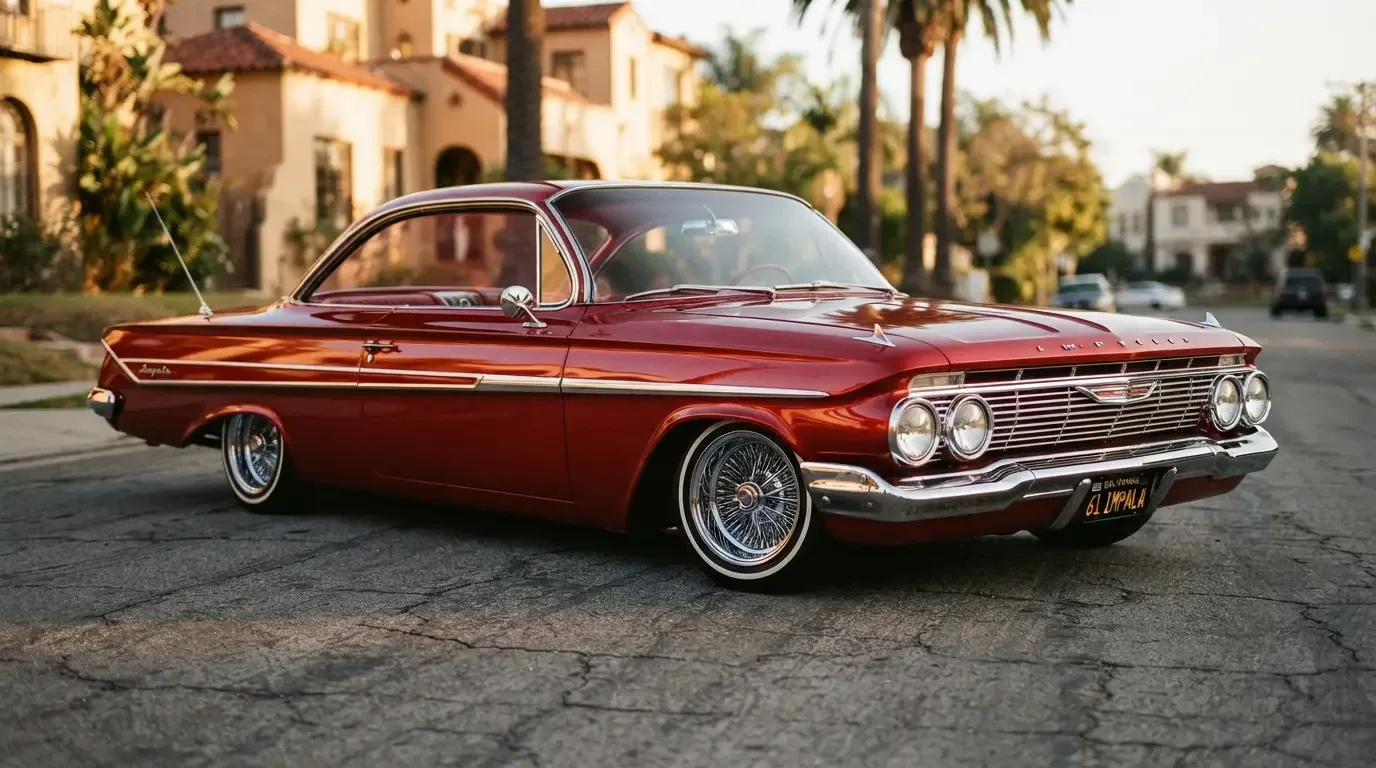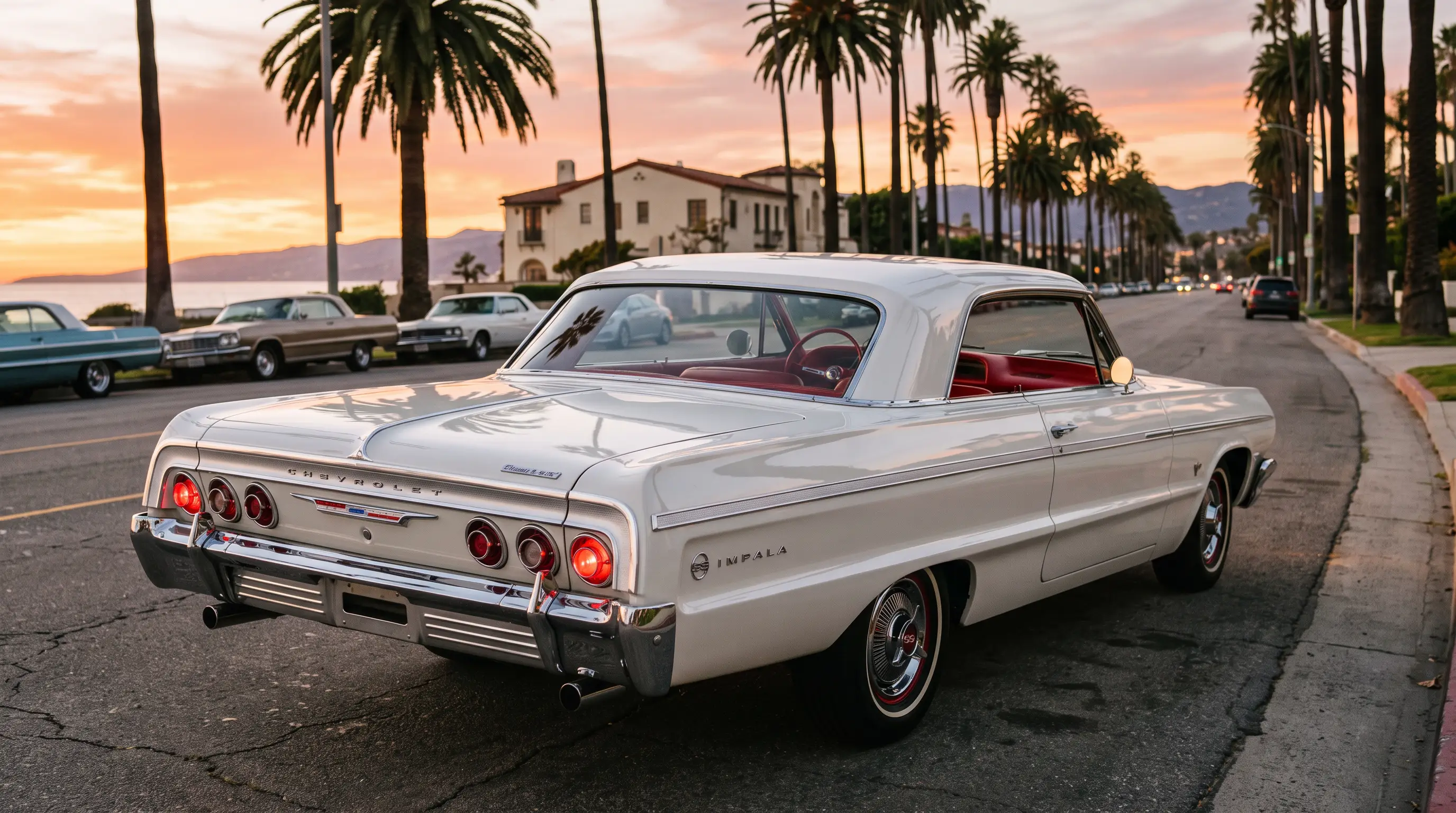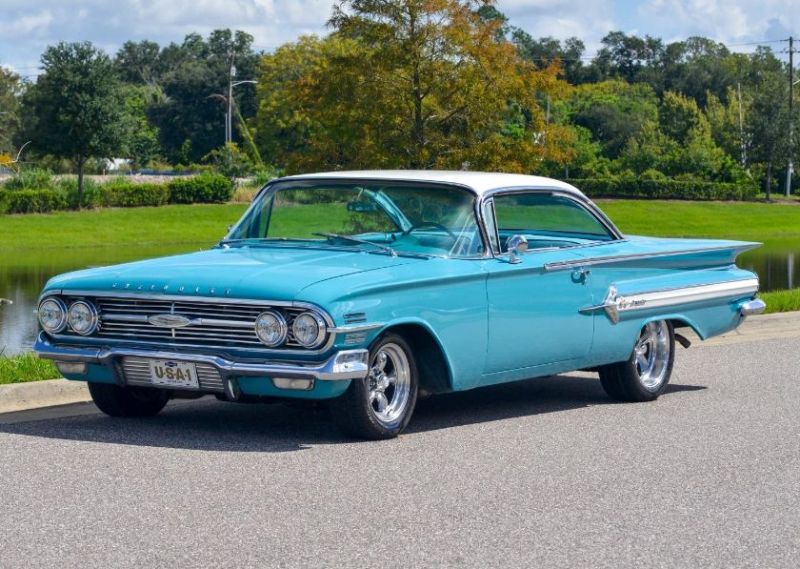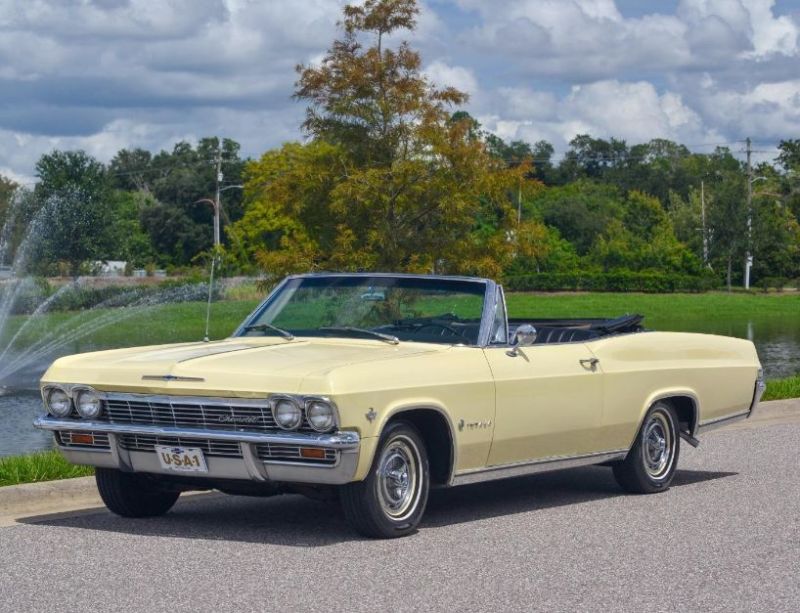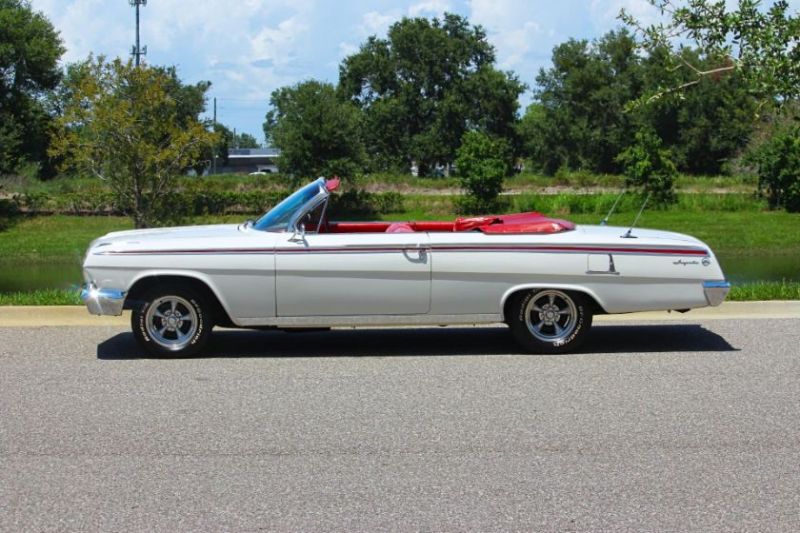
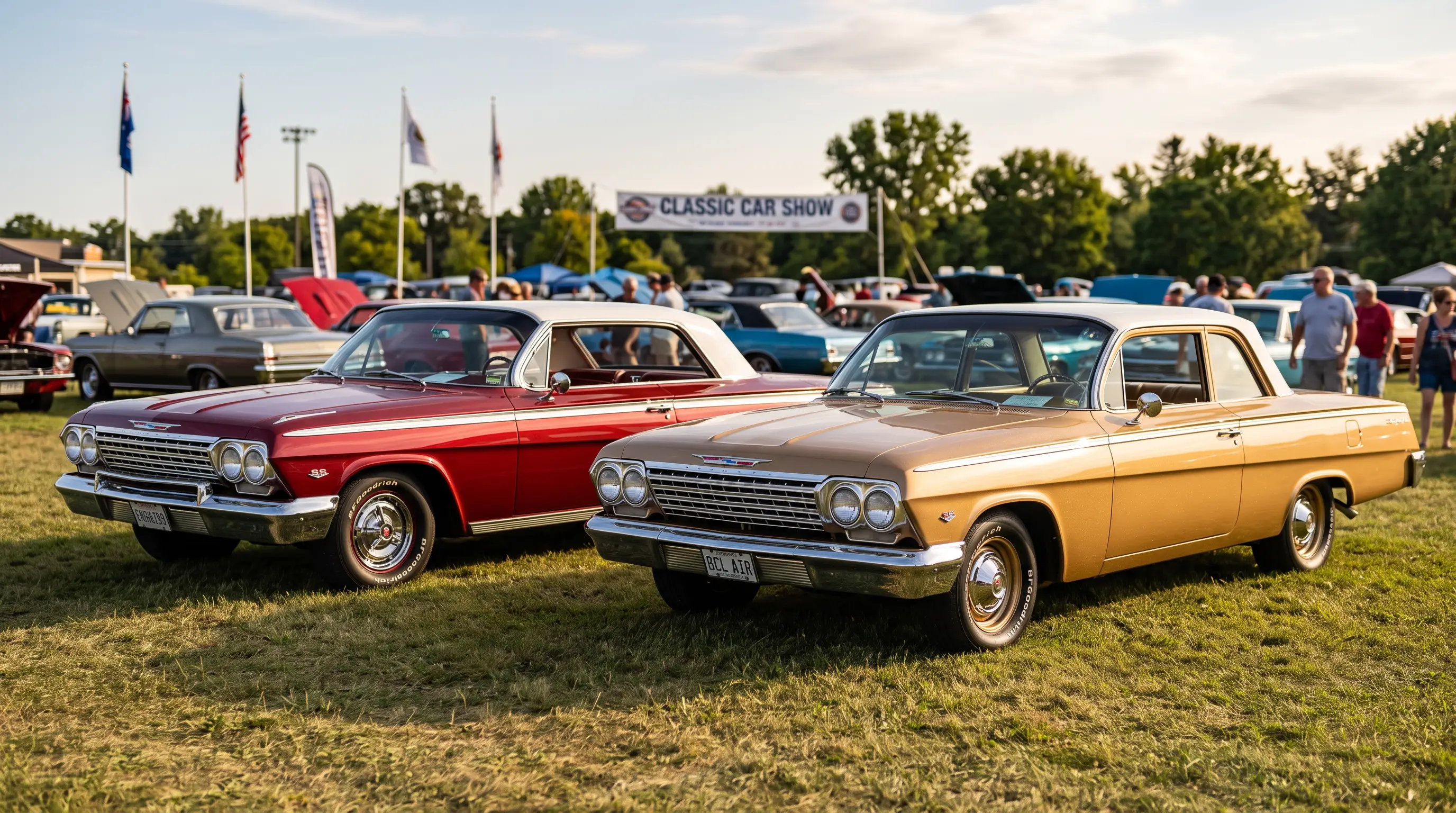
By 1962, Chevrolet had a problem most car companies would envy. The Impala, born in 1958 as the fanciest trim on the Bel Air, had grown so popular that it was starting to eat its own parent alive. The 1962 Impala vs Bel Air question was not an abstract one at Chevrolet dealerships that year. It was a real decision facing a real buyer standing on a showroom floor in Ohio or Texas, checkbook in hand, wondering whether to spend the extra money or save it.
The two cars shared a body, a chassis, and most of their sheet metal. What separated them was trim, badging, and a set of small decisions that added up to a very different ownership experience.
Same bones, different clothes
Both the 1962 Impala and the 1962 Bel Air rode on Chevrolet's full-size B-body platform, the one introduced for 1961 with cleaner lines than the finned excess of the late 1950s. Wheelbase was 119 inches on both cars. Doors, roof stampings, and floor pans were identical between trims, which is why line workers at Chevrolet's assembly plants in Flint, Michigan and elsewhere could build both cars on the same line without missing a beat.
Where they diverged was in the details Chevrolet's marketing department cared about most. The Impala carried more brightwork around the windows, a distinct rear roofline on the Sport Coupe, and a wider selection of two-tone paint combinations. Impala interiors used a nicer grade of vinyl and, in the Impala SS, all-vinyl bucket-seat upholstery that the Bel Air simply did not offer. Bel Air buyers got cloth-and-vinyl bench seats as standard and a plainer dashboard, with fewer bright accents on the instrument cluster.
Chevrolet's engineers were not shy about admitting the platform sharing internally. The company built these cars to maximize tooling investment, and trim differentiation was cheaper than building genuinely separate cars. That strategy worked. In 1962, Chevrolet sold well over a million full-size cars combined, and the Impala alone accounted for a majority of that volume for the first time.
Engines and equipment
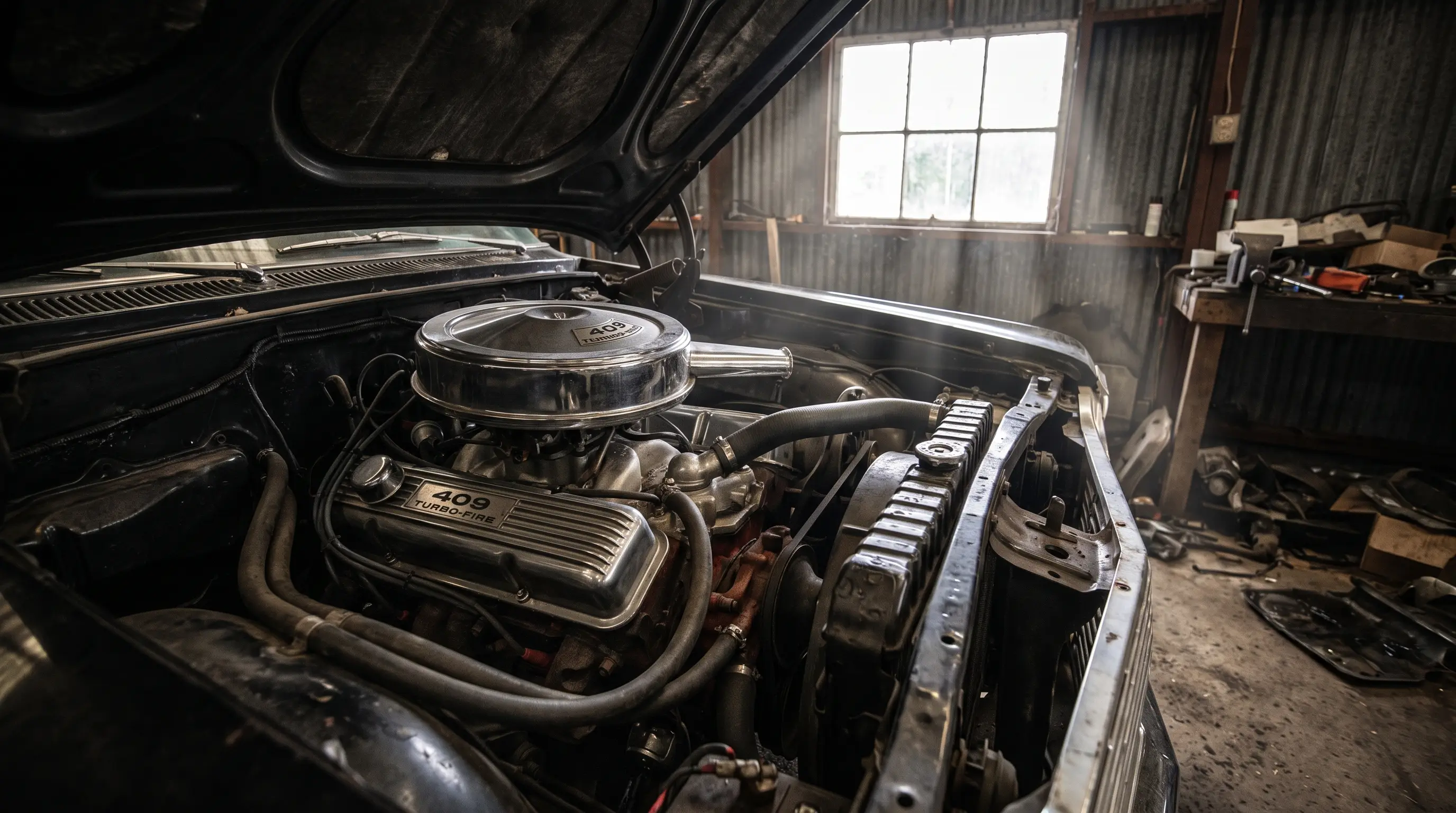
Mechanically the two shared the same engine roster, from the 235 cubic inch inline six up through the 409 cubic inch V8 in its various states of tune. A buyer could, in theory, order a Bel Air with the same 409 that powered the quickest Impala SS. Few did. The Bel Air's plainer image did not attract performance buyers the way the Impala's sportier reputation did, so most 409 orders landed on Impala build sheets.
Standard equipment told the real story of who each car was for. The base Bel Air came with a six-cylinder engine and a column-shifted three-speed manual transmission as the expected configuration for a fleet or budget buyer. The Impala, especially in Sport Coupe and Sport Sedan form, was ordered far more often with V8 power, automatic transmissions, and options like power steering and power brakes. Chevrolet's own literature from the period pitched the Bel Air as the sensible choice and the Impala as the aspirational one, and dealers sold them accordingly.
| Feature | 1962 Bel Air | 1962 Impala |
|---|---|---|
| Base engine | 235 cid six | 235 cid six |
| Top engine | 409 cid V8 (rare order) | 409 cid V8, 380 hp available |
| Interior trim | Cloth and vinyl bench | Vinyl bench or bucket seats (SS) |
| Sport Coupe roofline | Not offered | Distinct fastback-style roof |
| Approximate base price | around $2,300 | around $2,700 |
Why the price gap mattered
The difference between a base Bel Air and a comparably equipped Impala was often less than 200 dollars, which sounds small until you remember what 200 dollars meant to a working family in 1962. For many buyers, that gap was the difference between financing terms they could handle and terms that stretched too far. Chevrolet understood this and priced the Bel Air deliberately low enough to keep volume moving through the door for buyers who wanted a full-size Chevrolet but could not, or would not, pay Impala money.
Fleet buyers, taxi companies, and government agencies leaned heavily on Bel Air and the even plainer Biscayne below it. That fleet business is part of why so few plain Bel Airs survive today in original condition. Cars that worked for a living rarely got babied, and most were driven into the ground and scrapped by the early 1970s.
Collector reality in the present day
Walk any large collector car auction today and the imbalance between these two cars is obvious. Impalas, especially SS models and 409-powered cars, command serious money and serious attention. Bel Airs from the same year, even in excellent condition, generally sell for less. Part of that is survivor bias. Fewer clean Bel Airs exist because fewer were preserved on purpose. Part of it is reputation. The Impala name carried performance and status associations that the Bel Air, despite sharing the same steel, never quite matched in the public imagination.
For a full breakdown of how the fourth-generation Impala evolved between 1961 and 1964, including the changes that separated each model year, our coverage has the full story.
None of this means a 1962 Bel Air is a bad car to own. Some collectors specifically seek them out because they are rarer survivors and because the driving experience, engine for engine, is nearly identical to an Impala costing three or four times as much at auction. It is a case where the platform-sharing that Chevrolet's accountants loved in 1962 now works in favor of a patient buyer sixty-plus years later.
Documentation matters more with a Bel Air than with an Impala, simply because fewer parts stores and clubs cater specifically to the plainer trim. A buyer who finds a Bel Air with its original build sheet, a clean title history, and receipts showing consistent care is finding something genuinely uncommon. Most surviving cars from this era lost that paperwork decades ago, passed through several owners who saw them as transportation rather than history, and only later ended up in the hands of someone who cared about originality. When that paperwork does survive, it can shift a Bel Air from curiosity to a car worth real collector attention, regardless of what the Impala badge next to it commands at the same auction.
"People assume the Impala badge made the car faster or better built. It didn't. It made it dressed up. The Bel Air underneath is the same honest car, just wearing less jewelry."
- Tom Ramirez
What this means for a buyer today
If the goal is investment potential and maximum resale value, the Impala remains the safer bet in the 1962 Impala vs Bel Air comparison, particularly SS and big-block cars with solid documentation. If the goal is a genuine full-size 1962 Chevrolet driving experience at a lower entry price, a well-sorted Bel Air delivers nearly everything the Impala does mechanically, minus some trim and a name that carries more weight at auction than it ever did on the factory floor. Buyers ready to shop the market now can look at a classic Impala for sale to compare current asking prices against what a comparable Bel Air might cost for the same underlying car.
Sources and notes
- 1962 Chevrolet Impala Series Specifications - Conceptcarz
- 1962 Chevrolet Bel Air Series Specifications - Conceptcarz
- 1962 Impala Sport Coupe 409 V-8 380hp Specs - Automobile Catalog
- Engine Options: 1962 Impala - Chevy Hardcore
- 1962 Chevrolet Bel Air Valuation - Hagerty
- 1962 Chevrolet Impala Valuation - Hagerty