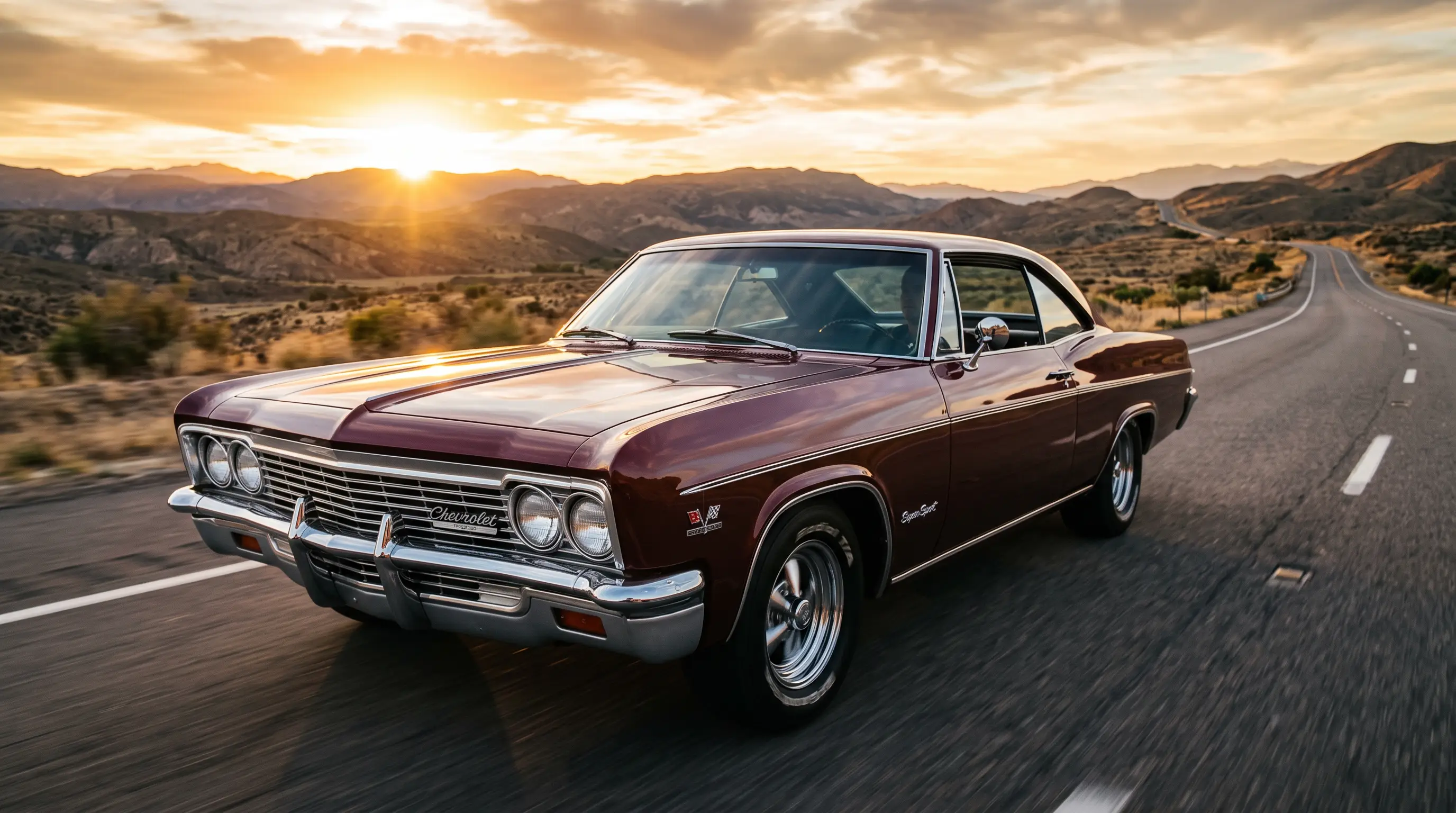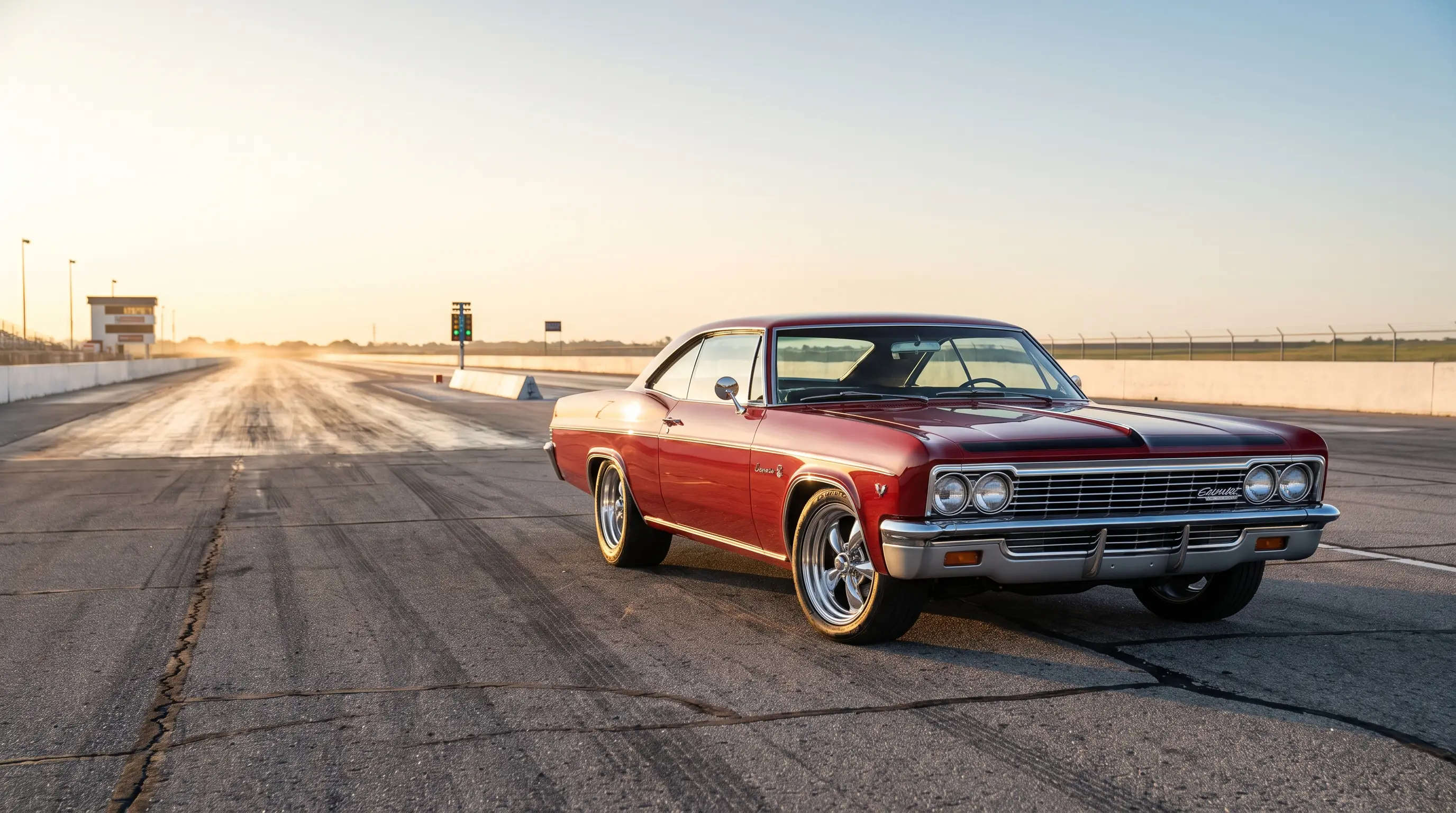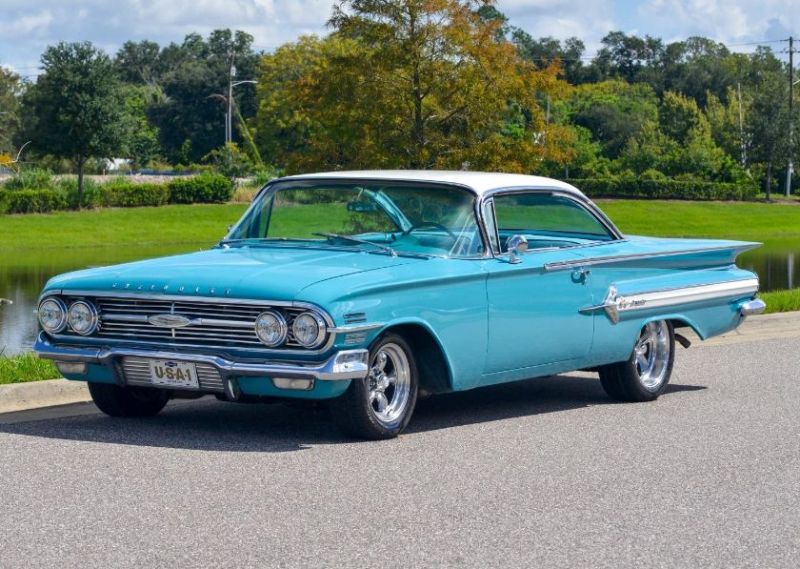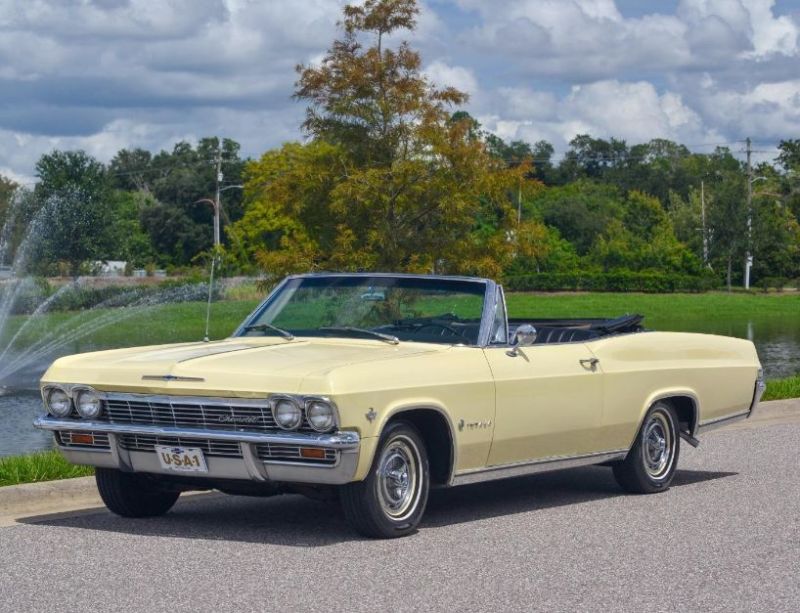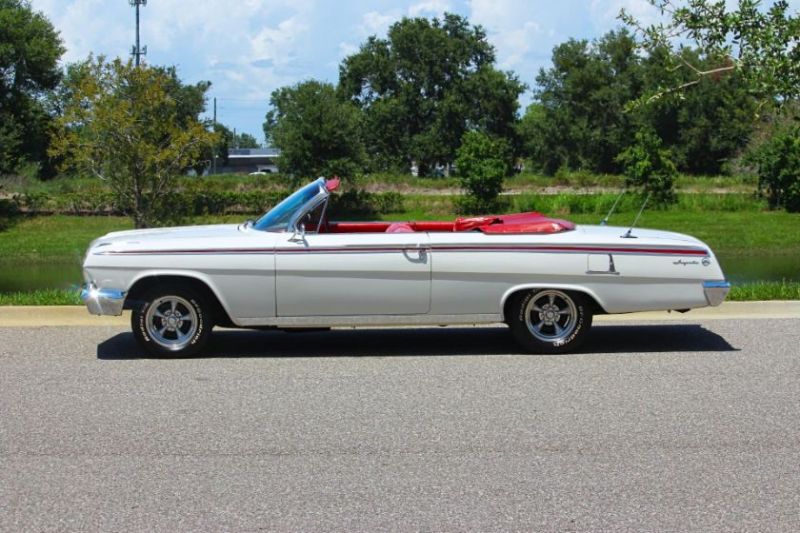
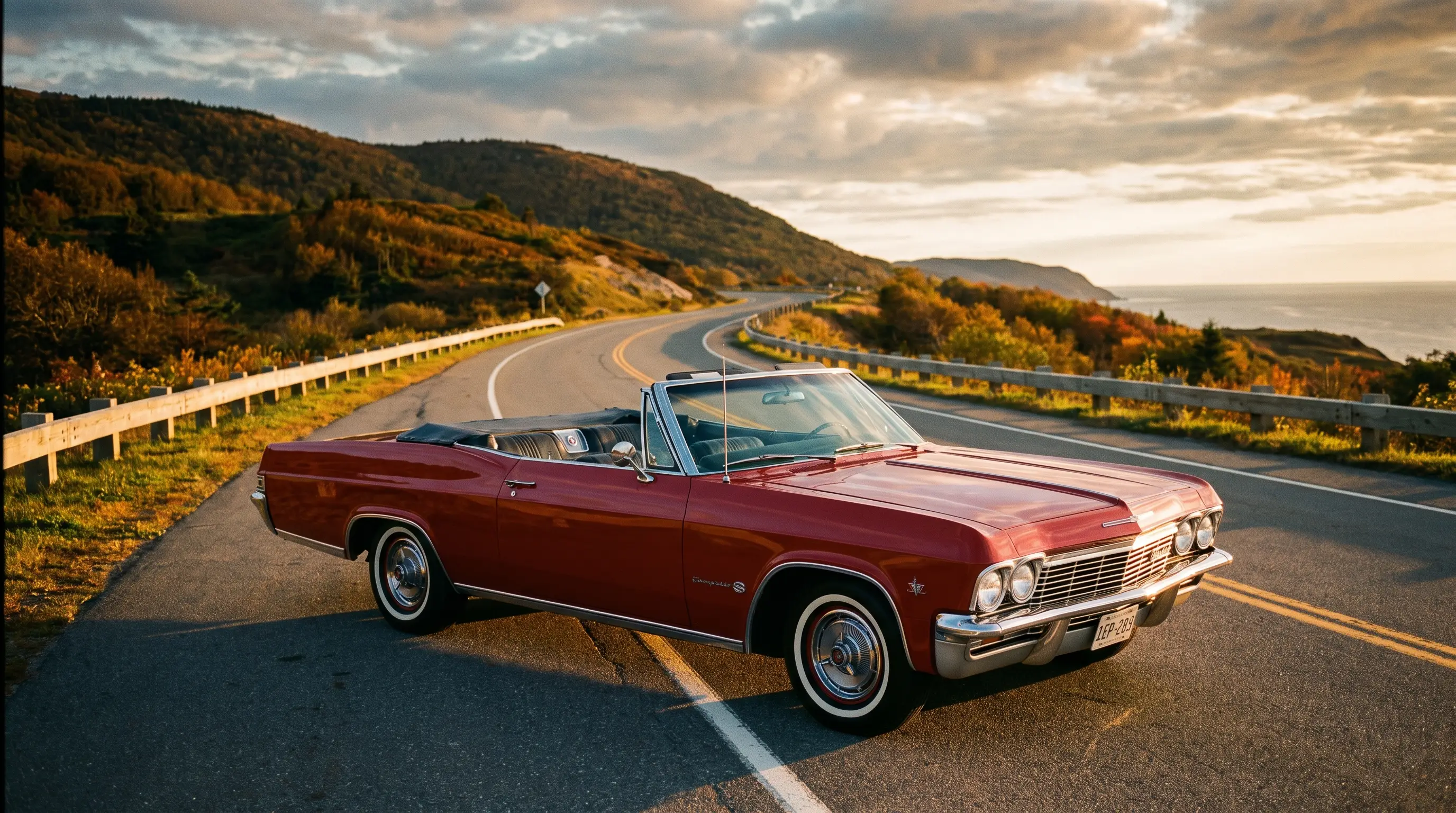
Why 1965 to 1966 Impalas are collectible comes down to a fairly simple appraisal problem: supply was enormous, survival is uneven, and the market has only recently sorted out which of these cars are genuinely scarce versus merely old. Chevrolet built more full size cars in this two year window than almost any manufacturer had built of a single model line before, and that volume is exactly why so many buyers assume a clean 1965 or 1966 Impala should be cheap. Sometimes it is. The right variant, with the right paperwork, is a different conversation entirely.
Volume built the reputation, scarcity built the value
The 1965 Impala was an all new full size design and it sold in numbers that still get cited as one of the best single year totals for any American nameplate. That volume is a double edged sword for a collector. On one hand it means parts support, club knowledge, and reference material are abundant. On the other hand it means an ordinary six cylinder or small block Impala sedan from this era has never been rare, and pricing it like a scarce car is a mistake I see buyers make constantly. Condition and documentation, not the badge on the fender, are what separate a five figure car from a car worth barely more than scrap.
What actually moves the needle is the combination that was never common even when the base car was everywhere: big block power, SS trim, a desirable body style like the convertible or the sport coupe, and a paper trail that proves the car is what it claims to be.
Risk framing for a 1965 or 1966 buy
I evaluate every collector car the same way, as a bet on four factors: condition, documentation, liquidity, and downside. Condition is obvious and the easiest to inspect. Documentation is where most buyers get lazy, and it is the single biggest lever on both current value and future resale. Liquidity matters more than people admit, a car that only a narrow slice of buyers want will always be harder to exit at a fair price than one with broad appeal. Downside is the question nobody wants to ask before they fall in love with a car: if this turns out to be less than advertised, how much money is actually at risk.
Applied to this generation of Impala, the downside risk is real and specific. Big block engines got swapped in and out over sixty years of ownership. SS trim was bolted onto plenty of six cylinder cars by owners chasing the look decades after the fact. A convertible top and body style are impossible to fake convincingly to a knowledgeable inspector, but an engine bay tells whatever story the most recent owner wanted it to tell unless the paperwork says otherwise.
| Factor | Low risk signal | High risk signal |
|---|---|---|
| Documentation | Build sheet or Protect-O-Plate matches car | Verbal claims only, no paperwork |
| Drivetrain | Numbers matching or clearly documented swap | Undocumented engine, unclear casting dates |
| Trim level | SS badging confirmed by cowl tag codes | SS badges added, base trim underneath |
| Liquidity | Convertible, SS, desirable color combo | Base sedan, uncommon or faded color |
"Volume built in Detroit sixty years ago does not tell you what survives today. I price the paperwork first and the paint second."
- Marcus Feld
Where the real money sits in this generation
Base model Impalas and even most Impala Super Sports with a small block under the hood remain accessible, and that accessibility is a feature for a first time buyer, not a flaw. The serious money concentrates in convertibles, in big block SS cars with matching documentation, and increasingly in unusual factory color and interior combinations that were never common even when new. A well kept but unremarkable four door sedan from this era is still a nice car and a fair entry point. It is not, and will likely never be, a car that appreciates the way a documented big block convertible can.
To understand why this particular two year window sits at the center of so much collector attention, it helps to look at where this started, because the design and engineering decisions made across those two years are what created the scarcity patterns buyers are pricing today.
Why 1965 and 1966 get lumped together, and why that is a little lazy
Collectors often talk about this generation as one block, but the two model years are not identical bets. The 1965 car was the launch year for this body, which carries its own cachet with buyers who value being first. The 1966 car benefited from a year of production refinement and picked up the 427 as a factory option partway through its run, which gives it a mechanical story the 1965 car simply does not have. Neither year is objectively the better buy. They are different bets with different upside, and lumping them together the way casual listings often do obscures that.
A 1965 convertible in a rare factory color can outprice a comparable 1966 car purely on being first of its generation. A 1966 big block coupe can outprice a comparable 1965 car because of the 427 option and the SS package's continued momentum. Knowing which story a specific car is trying to tell matters more than knowing the general reputation of the generation.
The paperwork gap that trips up most sellers
In my appraisal work, the most common failure point is not fraud, it is simple record loss. A car that has passed through four or five owners over sixty years often has a broken paper trail through no fault of the current seller, who may be perfectly honest and still unable to produce a build sheet that was lost decades before they bought the car. That is a real problem for value even when nobody involved has done anything wrong. A buyer needs to price that documentation gap into the offer regardless of how trustworthy the seller seems, because the next buyer down the line will apply the same discount regardless of how the current seller feels about it.
What I tell a first time buyer
Buy the best documented example you can afford rather than the shiniest one you can find. A repaint can hide a multitude of sins and a good detail job photographs beautifully, but neither one changes the underlying facts of what the car actually is. Ask for the build sheet before you ask for the keys. If a seller cannot produce documentation and gets defensive when asked, treat that as information rather than an inconvenience.
The market for this generation has been steady rather than explosive, which from a risk standpoint is a good sign. Steady appreciation with real demand underneath it tends to hold up better through a downturn than a category that spiked on hype. Anyone ready to start comparing actual cars against this framework should shop classic Impala listings with the documentation checklist in hand rather than falling for the first clean photo set online.