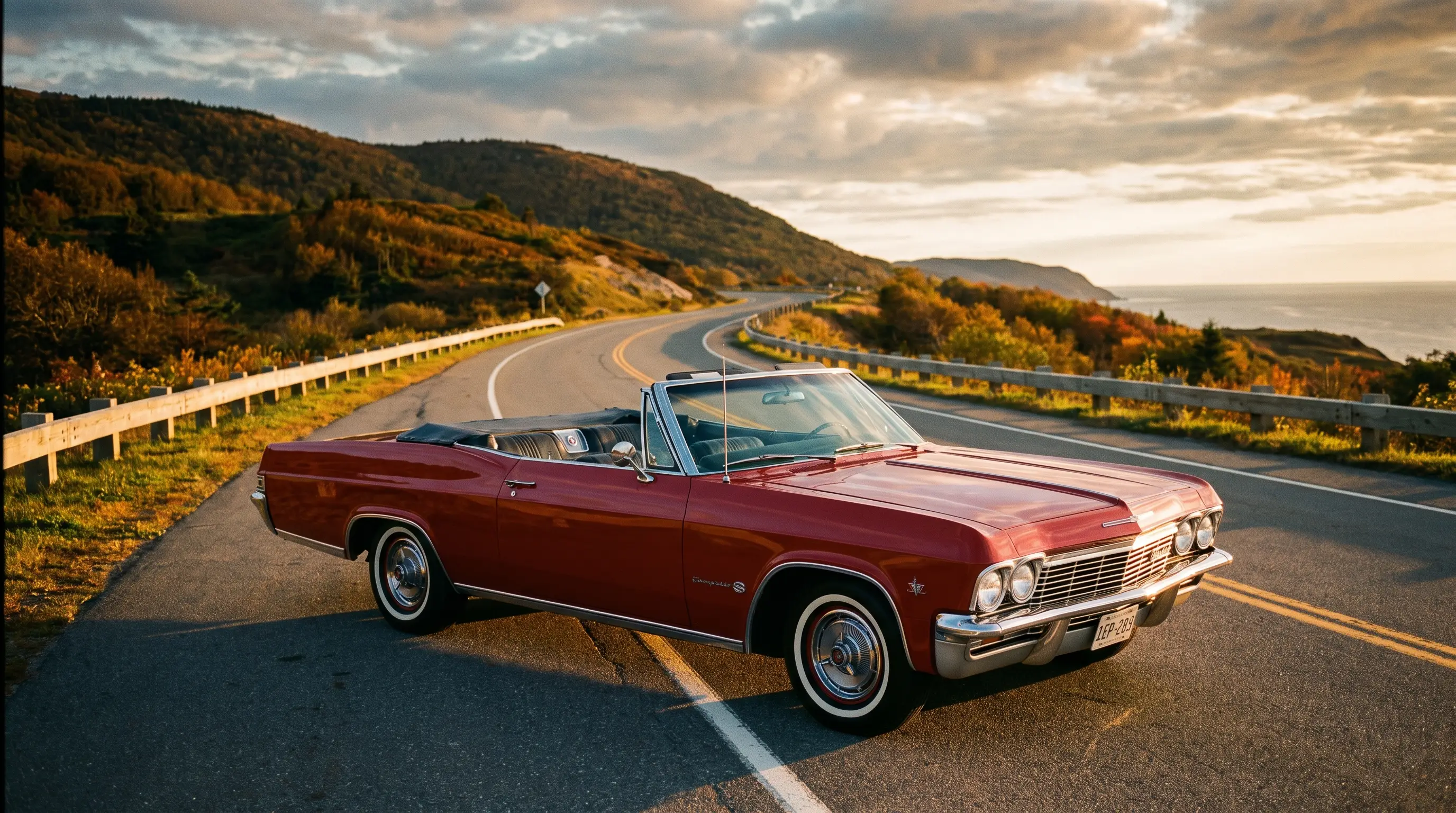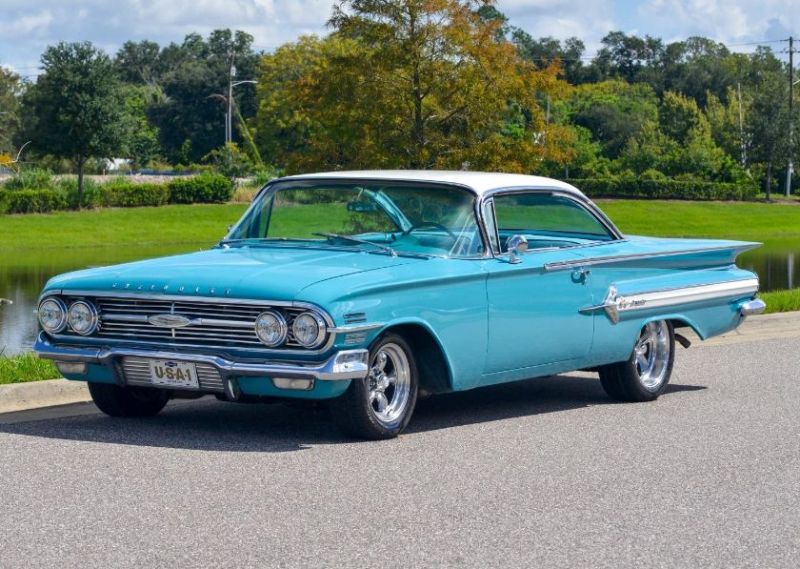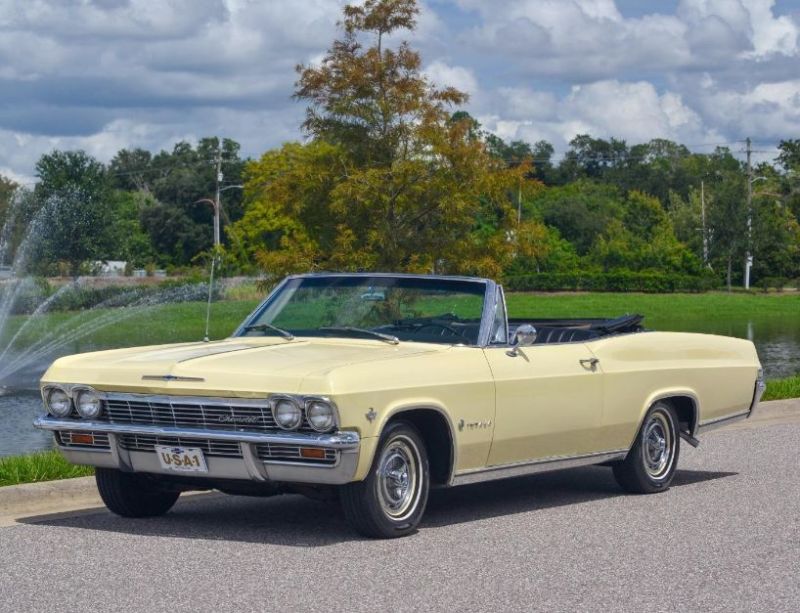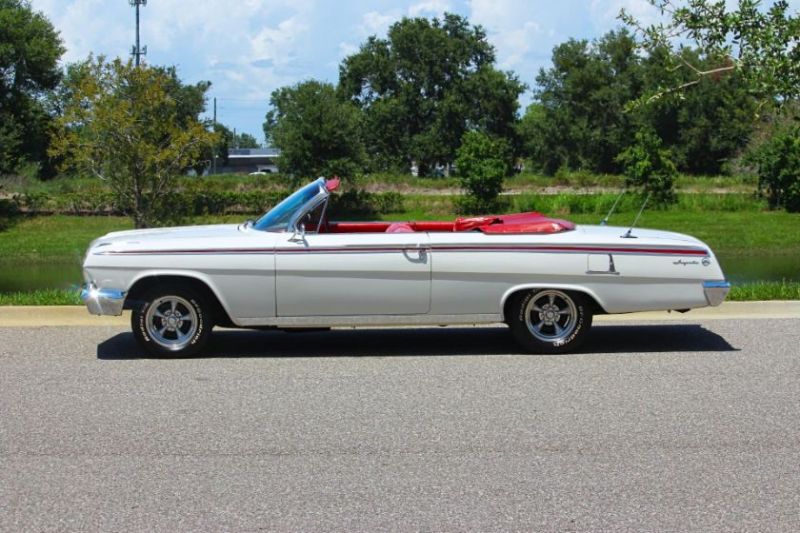
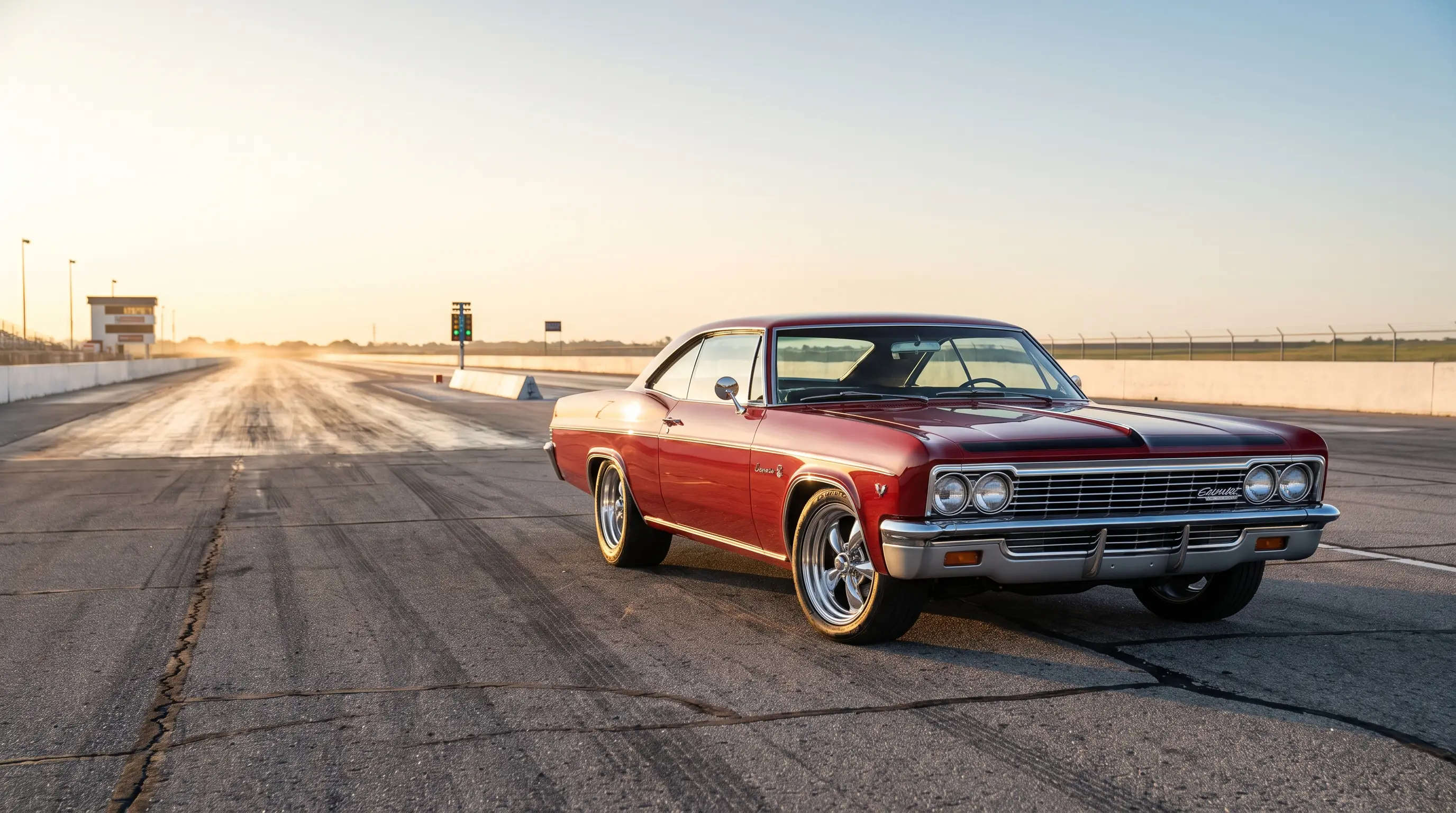
The 1966 Impala SS 427 is the year Chevrolet stopped hedging. For three seasons the Impala Super Sport had flirted with big inches while still calling the 409 its headline act. In 1966 that ended. Buyers could now check a box for a 427 cubic inch V8 in a full size Impala, and the number on the invoice mattered more than any styling change on the body.
Why 1966 changed the math
Start with the simple version. Chevrolet offered the 427 in two states of tune for the Impala SS: the L36, rated at 390 horsepower, and the L72, rated at 425 horsepower. Those are the factory numbers, and factory numbers from 1966 deserve a little skepticism, but the gap between them tells the real story. This was not a trim upgrade. It was two different cars wearing the same sheet metal.
The L36 was the version Chevrolet expected most buyers to actually drive. Hydraulic lifters, a four barrel carburetor, torque built for a car that also had to carry groceries and a family on a Tuesday. The L72 was not built for Tuesday. Solid lifters, a bigger carburetor, and a compression ratio that wanted premium fuel and a driver who understood what he had under the hood. Chevrolet did not print those distinctions loudly in the brochure. They did not need to. Word moved fast in 1966 among people who cared.
The 1966 impala ss 427 as a production reality, not a marketing line
Here is the number that matters most: the 427 was an option, not a package deal that came bundled with a dozen visual cues. A 1966 Impala SS with the 427 checked could look nearly identical to one with a 283 small block, aside from the badge on the fender and a slightly different hood. That is a problem for buyers today trying to verify what they are looking at, and it was a curiosity in period too. Chevrolet was selling raw output inside a body that did not announce itself.
Production totals for the 427 specifically inside the SS trim are murky compared to overall Impala output, which ran to roughly 650,000 units for the model year across the full lineup. The SS trim itself accounted for around 117,000 of those cars, a steep drop from 1965 as buyers started drifting toward the intermediate sized muscle cars. The 427 option split that number again, with Chevrolet's own records showing only 3,247 full size Chevrolets built with the L36 427, and the L72 was rarer still. Fewer cars left the factory with the top engine than left with almost anything else on the order sheet.
| Spec | L36 427 | L72 427 |
|---|---|---|
| Horsepower (factory rated) | 390 | 425 |
| Valvetrain | Hydraulic lifters | Solid lifters |
| Carburetor | Single four barrel | Larger four barrel |
| Intended use | Daily performance | Serious performance |
| Fuel recommendation | Premium | Premium, higher compression demands |
What the badge did not tell you
Nobody buying a 1966 Impala SS off a dealer lot got a full explanation of what they were signing up for unless they asked the right questions. That gap between what the car looked like and what it could do is exactly why the 1966 impala ss 427 history gets retold so often at shows. People want to know which car in the row is the quiet one with the number that changes everything.
The Super Sport package itself dated back to the early sixties, and by 1966 it had settled into a formula: bucket seats, a center console option, unique wheel covers, SS badging on the grille and rear. None of that told you about the engine. The only honest way to know was the fender emblem and, if you were careful, the casting numbers on the block itself. That disconnect between appearance and capability is part of what makes these cars interesting to research now instead of just admire.
"People love to talk about the styling year over year. The number that actually separates a good 1966 Impala SS from a great one is stamped on the block, not on the fender."
- Dan Reeves
How it compares to the year before
The 1965 model year gets plenty of attention on its own, and for good reason, since that is where the SS formula really locked into place before the 427 arrived. If you want the fuller picture of how the lineup shifted from one season to the next, there is a related story that fills in what changed and what stayed the same. The short version for 1966 is that Chevrolet kept the shape familiar and put the biggest change under the hood, where it was easy to miss and impossible to ignore once you knew.
Compare it to the 409, which had carried the SS performance reputation through the early sixties. The 409 topped out around 425 horsepower in its final and most aggressive tune, so on paper the top 427 barely moved the number. What moved was torque, reliability at high output, and how the engine behaved when pushed hard for a sustained run. The 427 was a more modern design solving the same problem the 409 had been solving with brute displacement and stubbornness.
What this means for buyers today
A verified L72 427 Impala SS from 1966 is a different category of car from a small block SS with the right trim pieces. The engine bay tells the truth even when the paperwork is thin, and matching numbers on a 427 car carry real weight in what a buyer will pay. Anyone shopping this generation needs to separate genuine 427 cars from clones assembled later with a period correct engine and no factory documentation to back it up.
That distinction is not academic. It is the difference between paying for a story and paying for a fact. If you are actively looking at cars from this generation rather than just reading about them, the current Impalas for sale now is a reasonable place to see what condition and documentation actually cost in today's market.
The bottom line
1966 is the year the Impala SS stopped being a dress up package and became a car that could genuinely embarrass faster looking machines at a stoplight, provided the buyer had checked the right box. The badge stayed modest. The engine did not. That gap is still the whole story whenever someone brings up the 1966 impala ss 427 at a show, an auction, or a driveway conversation that goes on longer than either person planned.