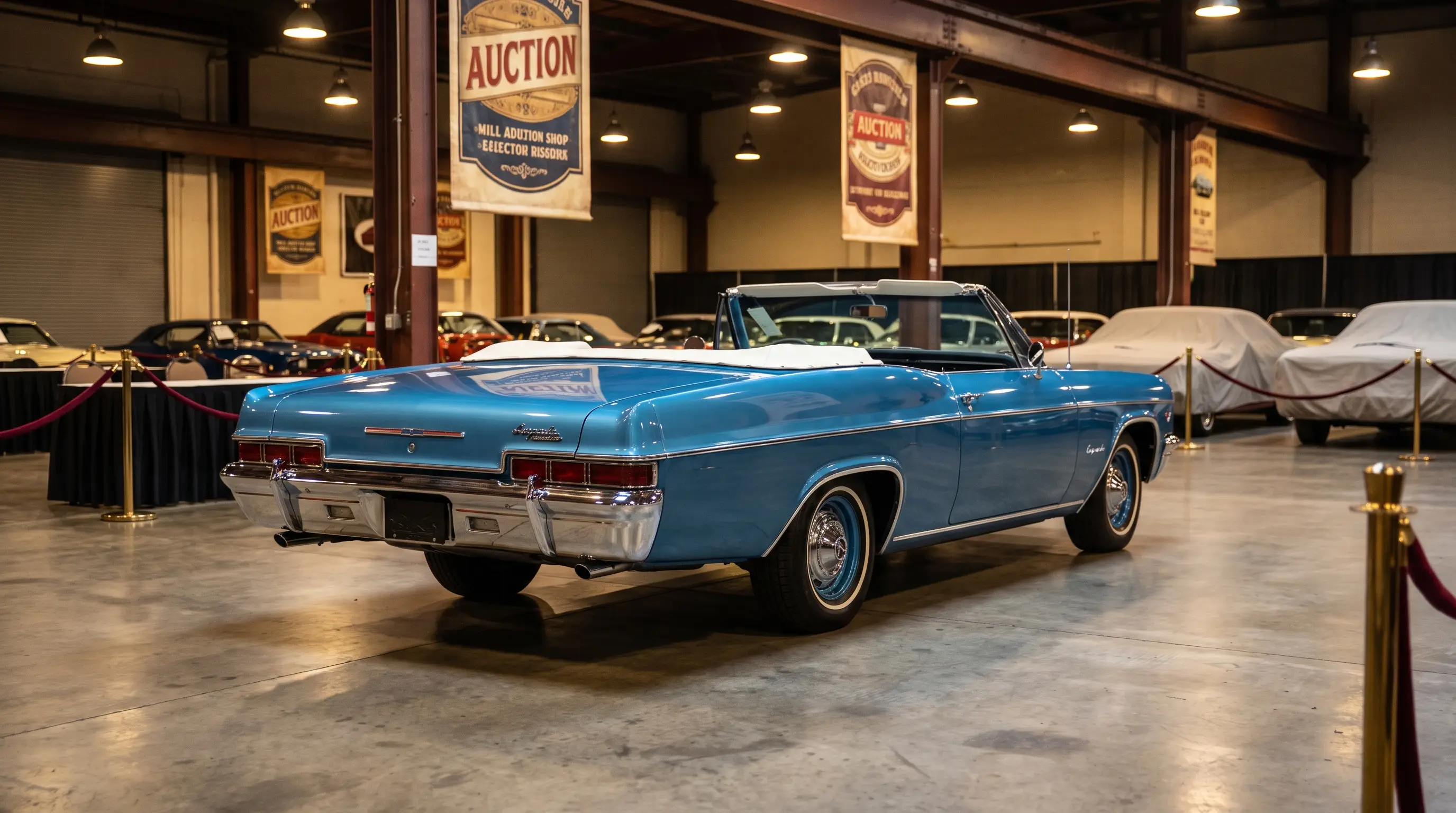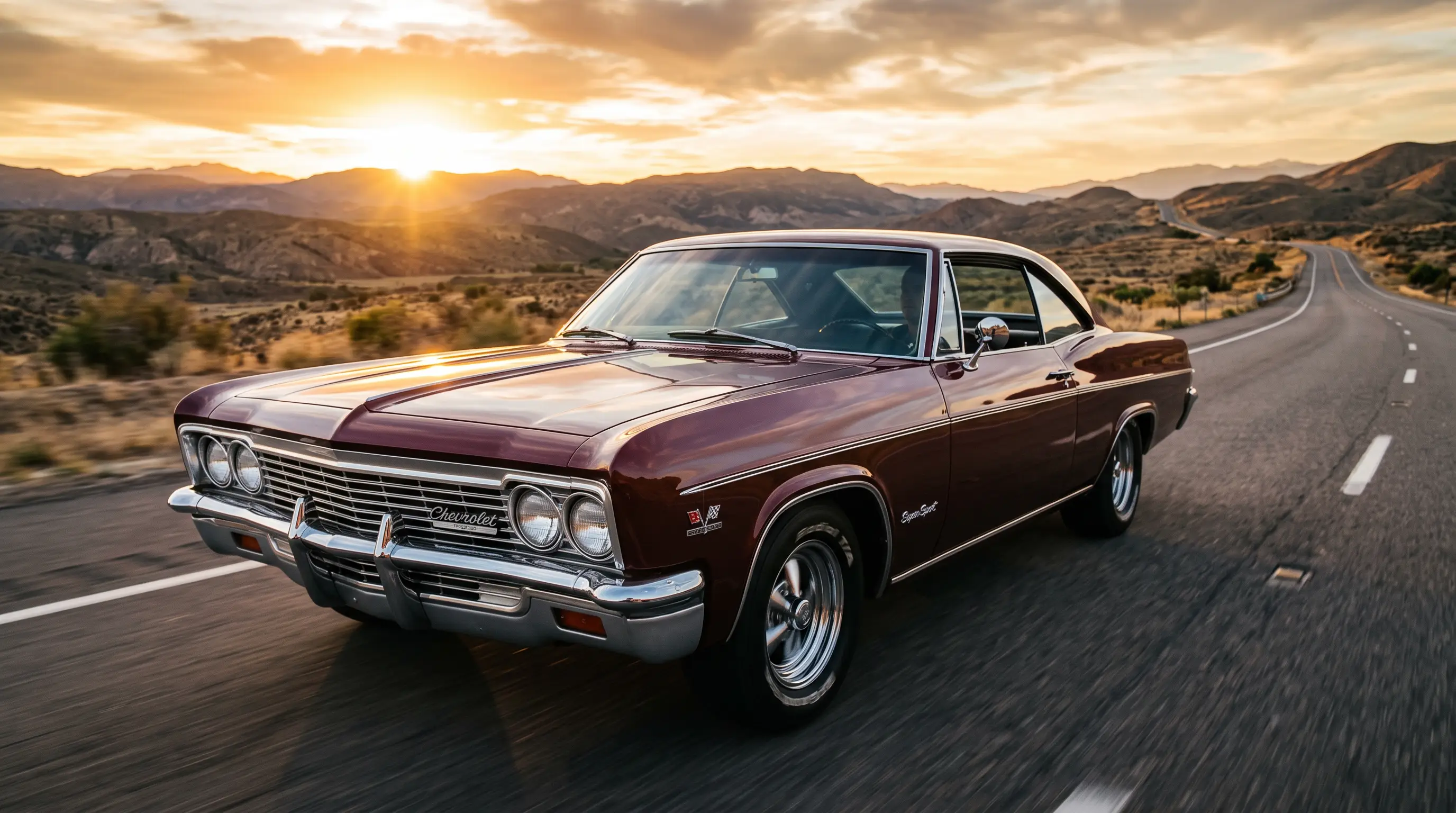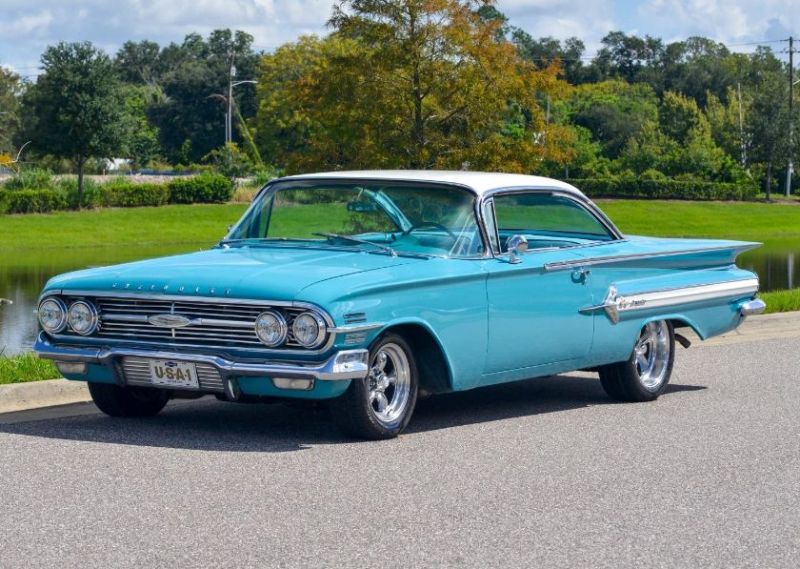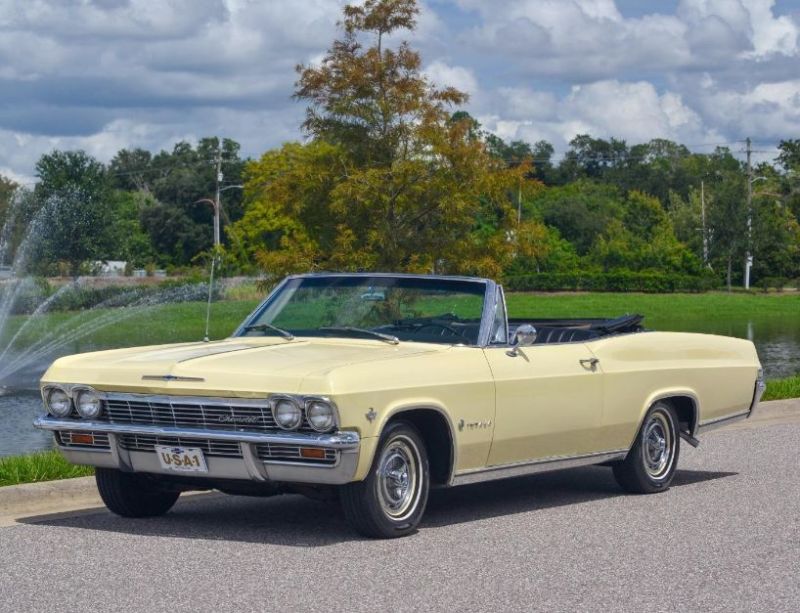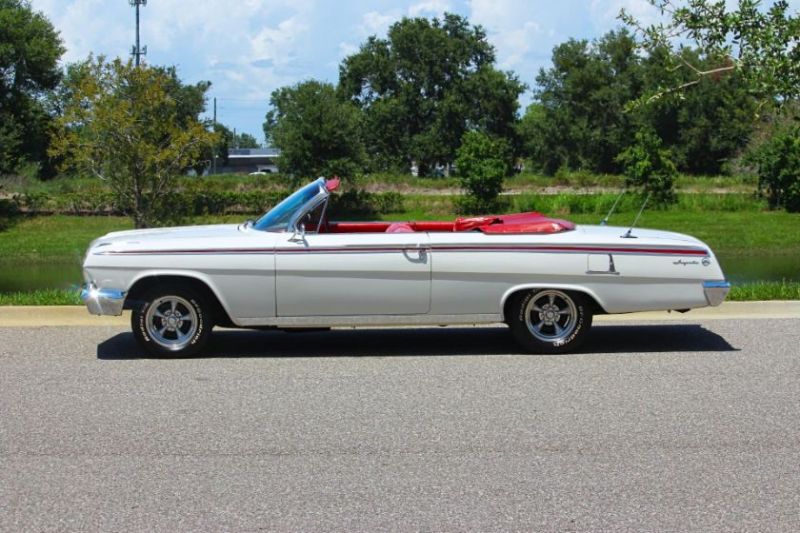
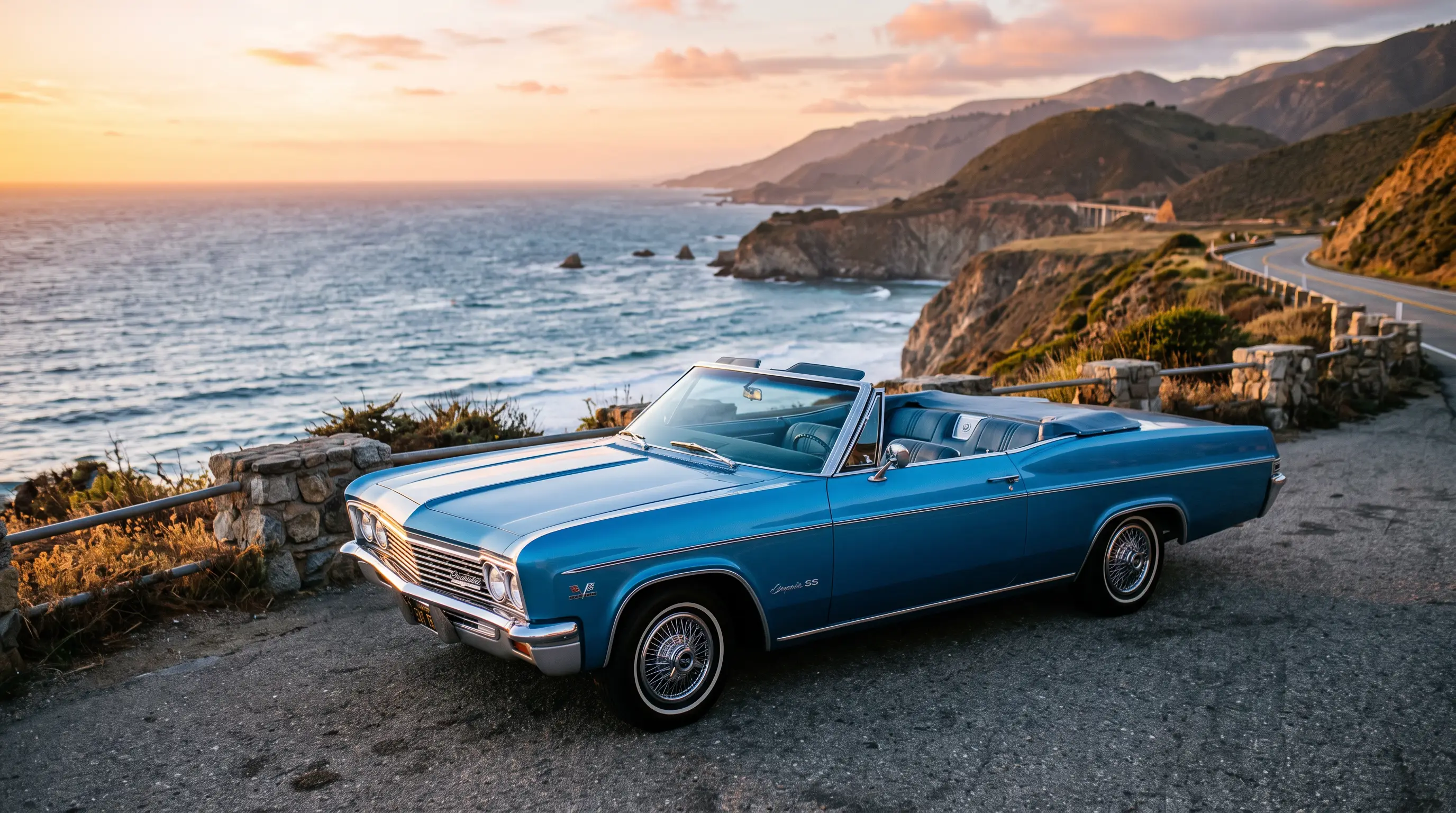
Few body styles from Chevrolet's mid 1960s lineup say as much about the era's optimism as this one. Drop the top on a 1965 Impala convertible and you get the clearest possible expression of what Chevrolet's full size lineup was chasing that year: low, wide, confident, and built for a country that had money to spend on a car that looked as good with the roof down as it drove. The 1965 impala convertible sat at the top of the body style hierarchy in terms of image, even though it never sold in the volume that the sedans and coupes did, and that scarcity has only made it more desirable with time.
An image car built on a serious platform
The convertible shared its perimeter frame chassis and coil spring rear suspension with every other 1965 Impala body style, which meant it benefited from the same lowered stance and improved ride quality that made the entire redesign such a leap forward. Chevrolet's engineers reinforced the convertible's structure to compensate for the lack of a fixed roof, a detail that added weight but kept the car from feeling flexible or cheap on rough pavement, a common complaint about convertibles from earlier eras.
Standard equipment included a power operated folding top, a feature that was optional on some rivals but came standard on the Impala convertible, reinforcing its position as the aspirational body style within the lineup. Buyers who wanted to be seen in a Chevrolet chose this car specifically, often paying a real premium over an equivalent hardtop for the privilege.
How it compares within the 1965 lineup
Reading 1965 impala history puts the convertible's position in context. It was the lowest volume body style that year, trailing the sedan, sport sedan, and sport coupe in production numbers, a pattern that held true across most full size American convertibles of the era as buyers increasingly favored hardtops for daily practicality. What made the Impala convertible different was how well it sold despite that trend, proof of how strongly the redesigned body appealed to buyers willing to pay for style over pure practicality.
Engine choices mirrored the rest of the lineup, from the base six up through the 396 big block, and a convertible ordered with the SS package and the larger engine option represents one of the most desirable combinations from this entire generation. A related story covers how Chevrolet pushed engine displacement even further in later years, a useful comparison point for understanding where the 1965 convertible sits in the broader performance timeline.
Colors and how buyers dressed the car
Period sales literature shows convertible buyers leaning toward brighter, more attention grabbing exterior colors than sedan or coupe buyers, paired with contrasting vinyl or cloth top colors that turned the car into a genuine style statement. White, red, and bright blue tops were common choices, often paired with equally bold interior colors, a combination that reinforced the convertible's role as the most personal, most image driven body style in the lineup. That tendency toward bold color combinations is part of why surviving convertibles photograph so well today, and part of why they remain a favorite subject for period advertising reprints and calendar art.
Whitewall tires, additional chrome trim, and full wheel covers were also more common on convertible orders than on sedans, further reinforcing that this was the body style buyers chose specifically to be noticed.
Ownership realities today
Owning a convertible from this generation comes with considerations a hardtop buyer never has to think about. Top material, frame condition, and the boot mechanism all factor into a purchase decision in ways that simply do not apply to a coupe or sedan. A convertible with a tired or incorrect top is not a simple cosmetic fix, and buyers should budget accordingly rather than treating it as an afterthought.
Rust is also a bigger concern on convertibles than on fixed roof body styles, since water intrusion around a compromised top seal can affect the floor pans and rear frame rails in ways that are not always visible during a quick inspection. A thorough, patient inspection matters more here than on almost any other body style from this generation.
"A convertible asks more of an owner than a hardtop ever will, in upkeep and in vigilance during a purchase inspection. That is exactly why the ones that survive in good original condition command what they do."
- Tom Ramirez
What buyers should expect to pay
Given its lower production and continued strong demand, the 1965 Impala convertible consistently commands a meaningful premium over the sedan and coupe body styles from the same year, and that gap widens further for cars with the SS package or a documented big block engine. Buyers should expect to pay accordingly and budget realistically for the additional maintenance a convertible top and frame will require over time.
If you are ready to start shopping seriously, you can look at Impalas for sale now and compare convertible pricing against hardtop equivalents to understand exactly how much of a premium the open top commands in today's market before you commit to a purchase.
Driving character with the top down
With the top down, the 1965 Impala convertible feels noticeably different from its hardtop siblings, not just visually but in how it rides and sounds. Wind noise and cabin sound levels change substantially once the roof is gone, and the car's structure, though reinforced, still flexes a bit more over rough pavement than a fixed roof body style built on the same platform. None of this makes the convertible a worse car to drive, but it does make it a different one, and buyers moving from a hardtop into a convertible for the first time are often surprised by how much that single change alters the overall experience behind the wheel.
That different experience is exactly what made the convertible worth the premium to so many original buyers, and it remains the reason enthusiasts continue to seek this body style out specifically, rather than settling for a coupe with similar trim and a lower price tag. It is a car that rewards driving it as intended, top down, on a clear day, rather than treating it purely as a static show piece, and that reward is exactly what keeps demand for good, honestly documented examples so consistent year after year among serious collectors and casual enthusiasts alike.