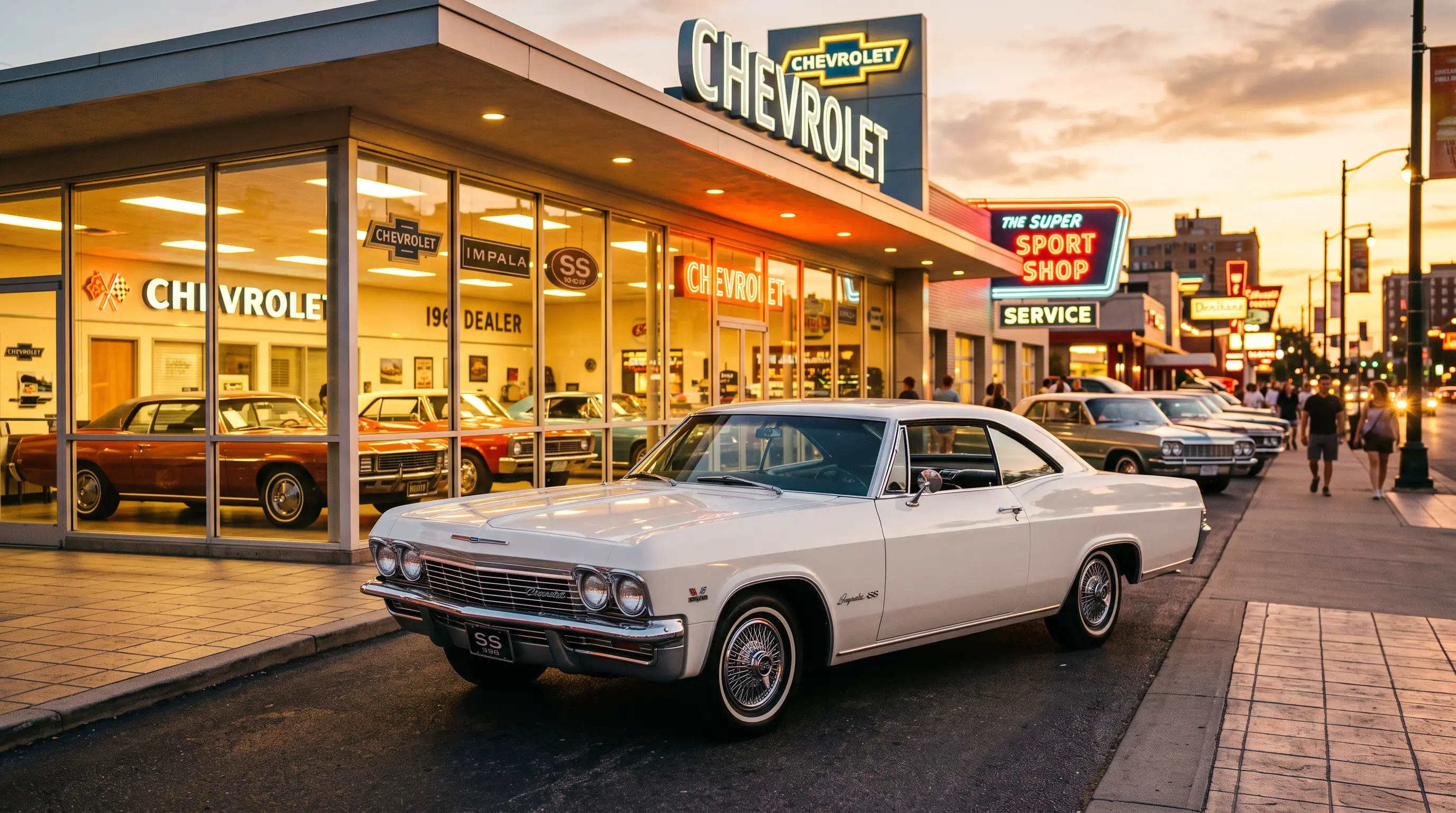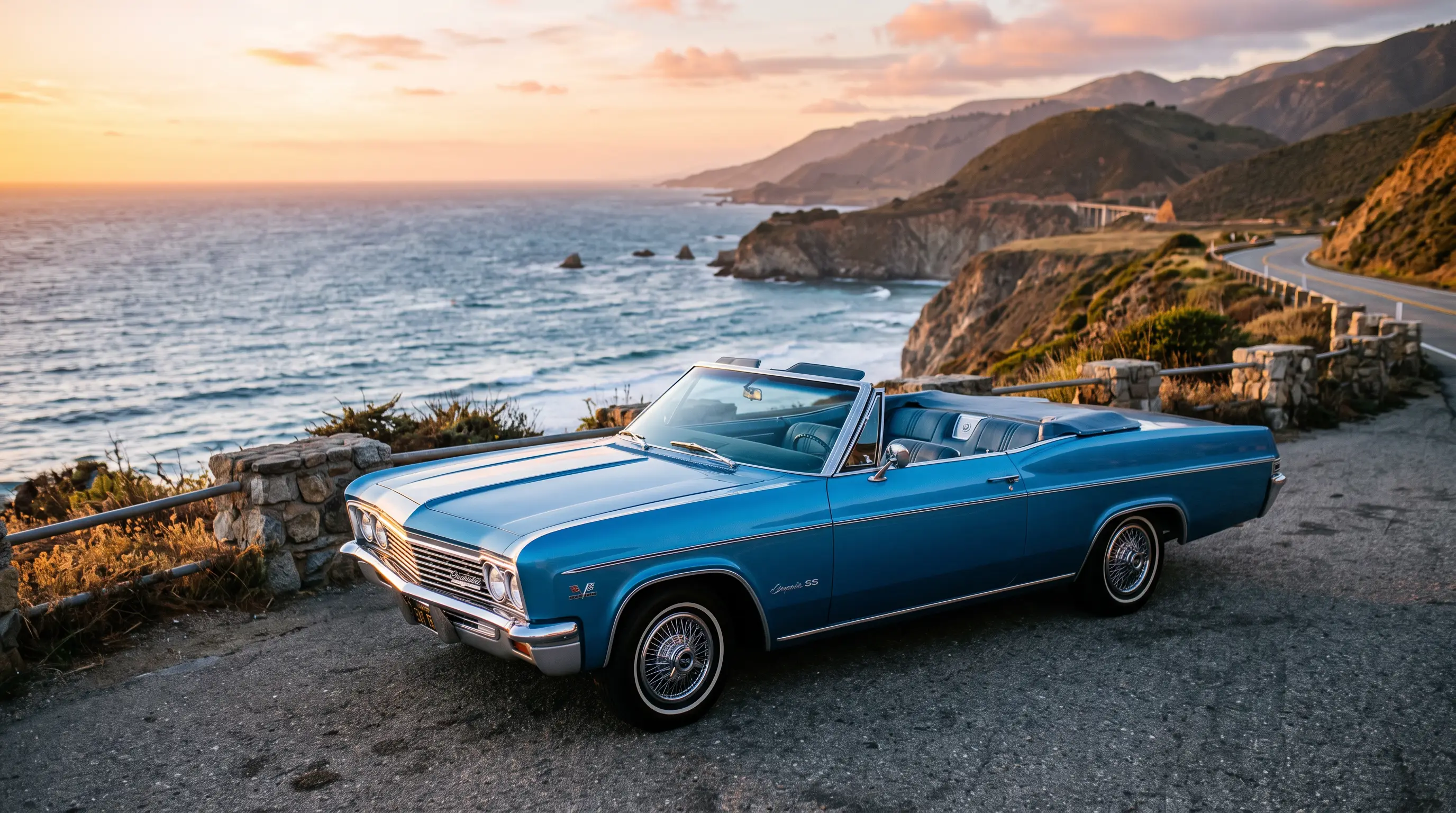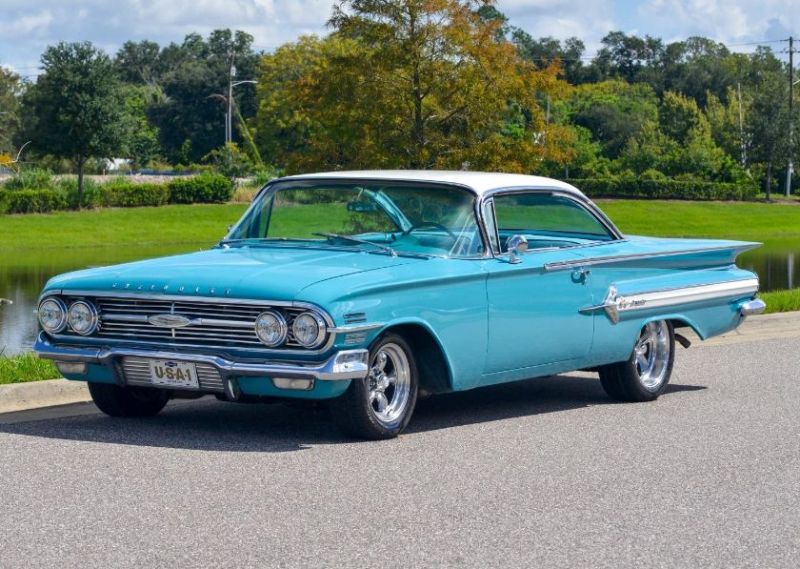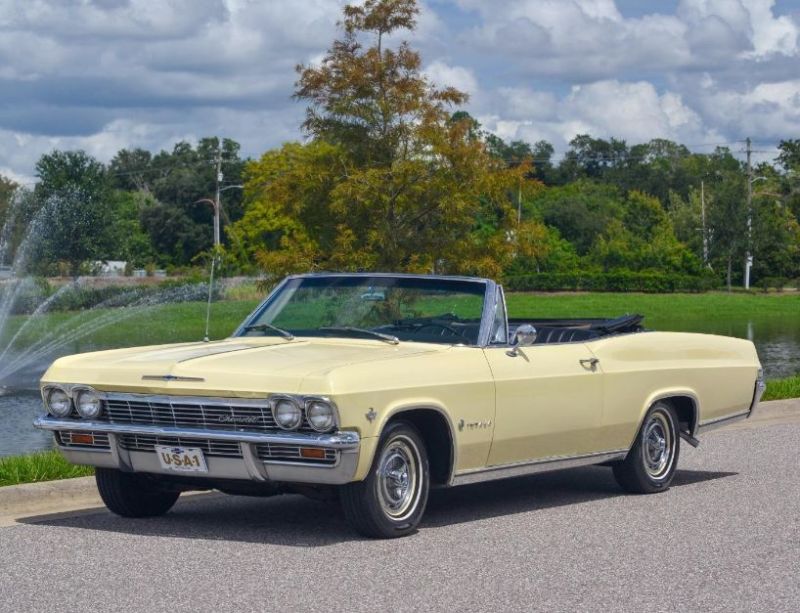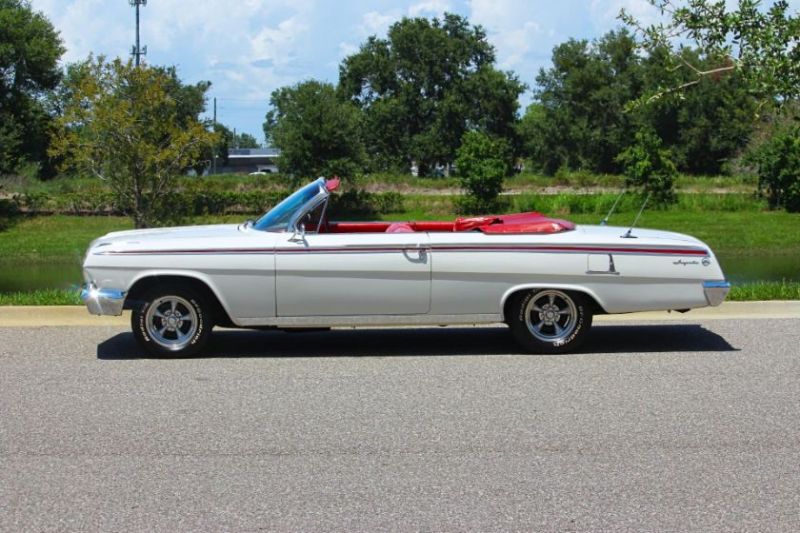
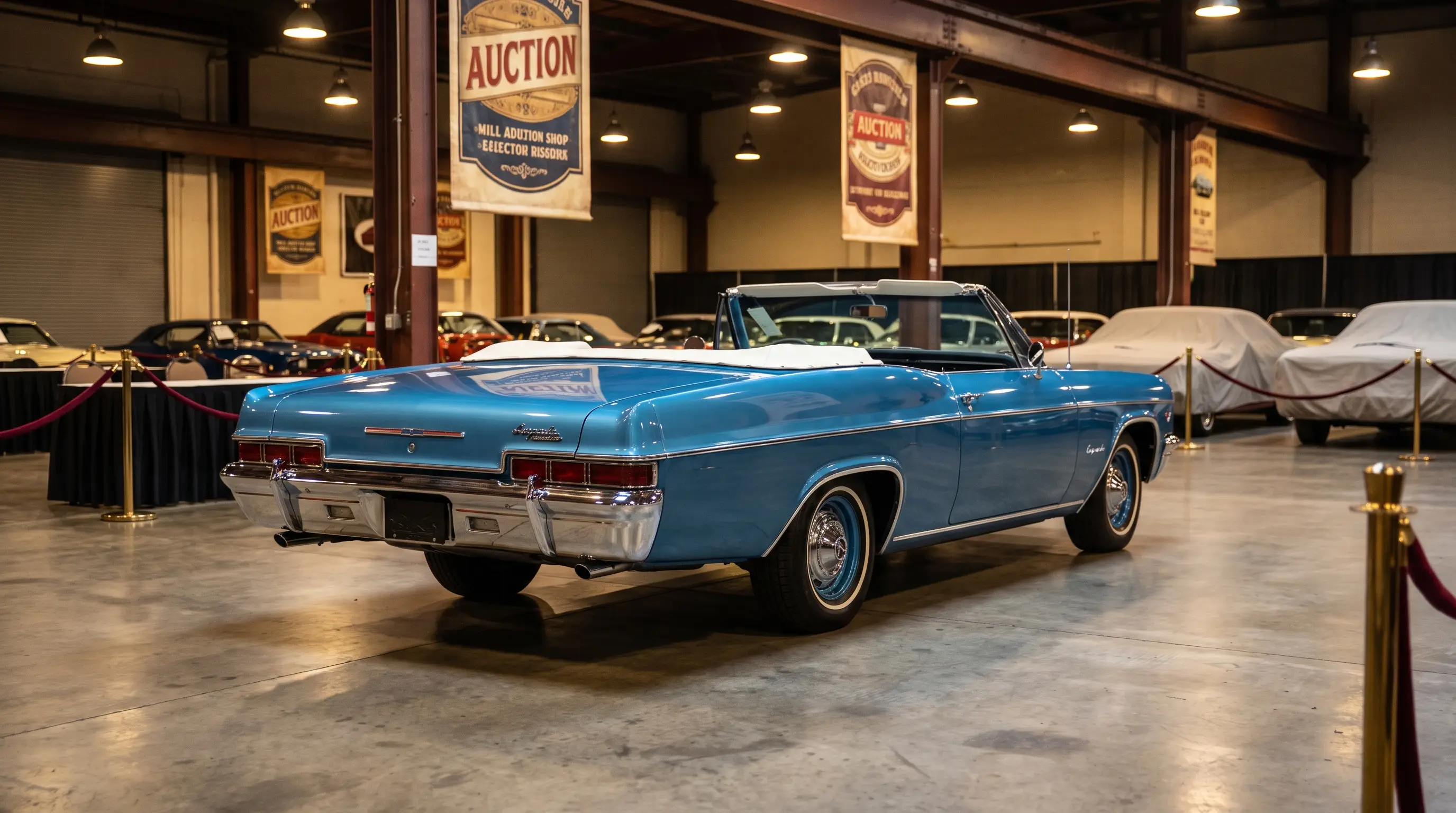
Every generation of collector car eventually reaches a point where casual buyers and serious appraisers start reading the same auction results very differently, and the 1965 and 1966 Impala has clearly reached that point. Auction results from the past several seasons make one thing clear about the 1965 impala value picture: body style and documentation move price far more than model year alone. A 1965 or 1966 Impala can sell for anywhere from a few thousand dollars for a rough driver quality sedan to well into six figures for a documented, numbers matching SS convertible, and understanding what drives that spread is essential before you spend a dollar on this generation.
What the data actually shows
Base sedans and sport sedans from both years remain the most affordable entry point into this generation, regularly trading in the low to mid five figure range for clean, driver quality examples with a small block V8. Sport coupes trade at a modest premium over sedans, largely on styling appeal rather than any mechanical difference. Convertibles command the clearest premium of any body style, often trading at two to three times the price of an equivalent sedan in similar condition, a gap driven by lower original production and stronger enthusiast demand today.
SS models, regardless of body style, add another layer of premium on top of that, and the size of the premium depends heavily on engine. A small block SS might bring a modest bump over a standard car with the same trim. A documented 396 big block SS, particularly in convertible form, sits in an entirely different price bracket, one where buyers are competing over a genuinely small population of surviving, verified cars.
Why documentation is the real price lever
The single biggest factor separating similar looking cars at wildly different prices is proof. A cowl tag confirming the original engine, trim, and paint code, combined with a build sheet or Protect-O-Plate, turns a claim into a fact. Buyers pay a real premium for that certainty, and appraisers price in a real discount for its absence. This matters more for the 1965 and 1966 Impala than for rarer, lower production cars, precisely because the sheer volume built in these years makes undocumented claims easy to make and hard to verify without paper.
Anyone reading our complete history of this generation will see how many engine and body combinations existed within a single model year. That range is exactly why casual buyers get burned. A seller asking SS convertible money for a car with reproduction badges and no supporting paperwork is asking you to pay for a story, not a fact.
How 1965 and 1966 compare on price
Model year alone rarely produces a meaningful price gap between an equivalent 1965 and 1966 Impala. Some buyers pay a modest premium for 1965 specifically because it is the first year of the redesign, a distinction that carries genuine appeal among collectors who value being first over being refined. Others prefer 1966 for the small mechanical and trim improvements that came with a second year of production experience. In practice, both preferences are common enough that neither year consistently outsells the other at auction, and the real price drivers remain body style, engine, and documentation rather than the single digit difference between these two model years.
That said, certain color and trim combinations from each specific year do carry their own smaller premiums among collectors focused on originality and period correctness, a nuance that matters more to advanced buyers than to someone shopping for a first classic car.
Condition versus configuration
Condition still sets the floor and ceiling within any given configuration. A rough, needs everything sedan and a rough, needs everything convertible do not carry the same gap in value that two well restored examples of the same body styles would, because restoration cost eats into the premium a rare body style would otherwise command. Buyers chasing value should think in terms of total cost, purchase price plus expected restoration spend, not just the sticker on a listing.
Originality also plays into pricing more than it once did. A car with its factory engine, correct paint code, and unmodified interior increasingly commands a premium over an equivalent car that has been upgraded or modified, even tastefully, a shift that reflects the broader collector market's move toward valuing originality over customization.
"Body style sets the ceiling, documentation sets whether you get anywhere near it, and condition decides what you actually pay to get there. Skip any one of those three and you will misprice the car."
- David Mercer
| Configuration | Relative Value Position |
|---|---|
| Standard Sedan, Small Block | Entry level, most affordable |
| Sport Coupe, Small Block | Modest premium over sedan |
| Convertible, Small Block | Strong premium, driven by low production |
| SS, Documented Big Block | Top of the market, scarcity driven |
A practical buying opinion
For a buyer who wants a genuinely enjoyable driver without chasing investment grade rarity, a clean small block sedan or sport coupe remains the smartest entry point into this generation, offering most of the styling and driving experience at a fraction of the cost of a convertible or SS. For a buyer specifically chasing appreciation, a documented convertible or verified big block SS is the safer long term bet, provided the paperwork is real and the price already reflects it rather than assumes it.
Before making any offer, it is worth comparing current asking prices across configurations. You can browse classic Impala listings to see how condition and documentation are actually priced in today's market, and use that as a check against any single listing that looks too good to be true.
Watching the trend, not just a single sale
A single auction result can be misleading. Two bidders chasing the same car on a good night can push a price well above where the broader market actually sits, and treating that one number as a benchmark for every similar car is a common mistake among newer buyers. A more reliable approach looks at a run of recent results for comparable body styles, engines, and documentation levels, smoothing out the noise that any individual sale can introduce.
That kind of trend watching also reveals slower moving shifts in taste, such as the growing premium on originality over modification, well before those shifts become obvious from any single headline sale. Buyers who track the market this way consistently make better informed offers than those reacting to whatever number they saw most recently. It is a slower process, but it is also the difference between guessing at value and actually understanding it, and that understanding is what protects a buyer from overpaying on a car that only looks like a bargain in isolation.