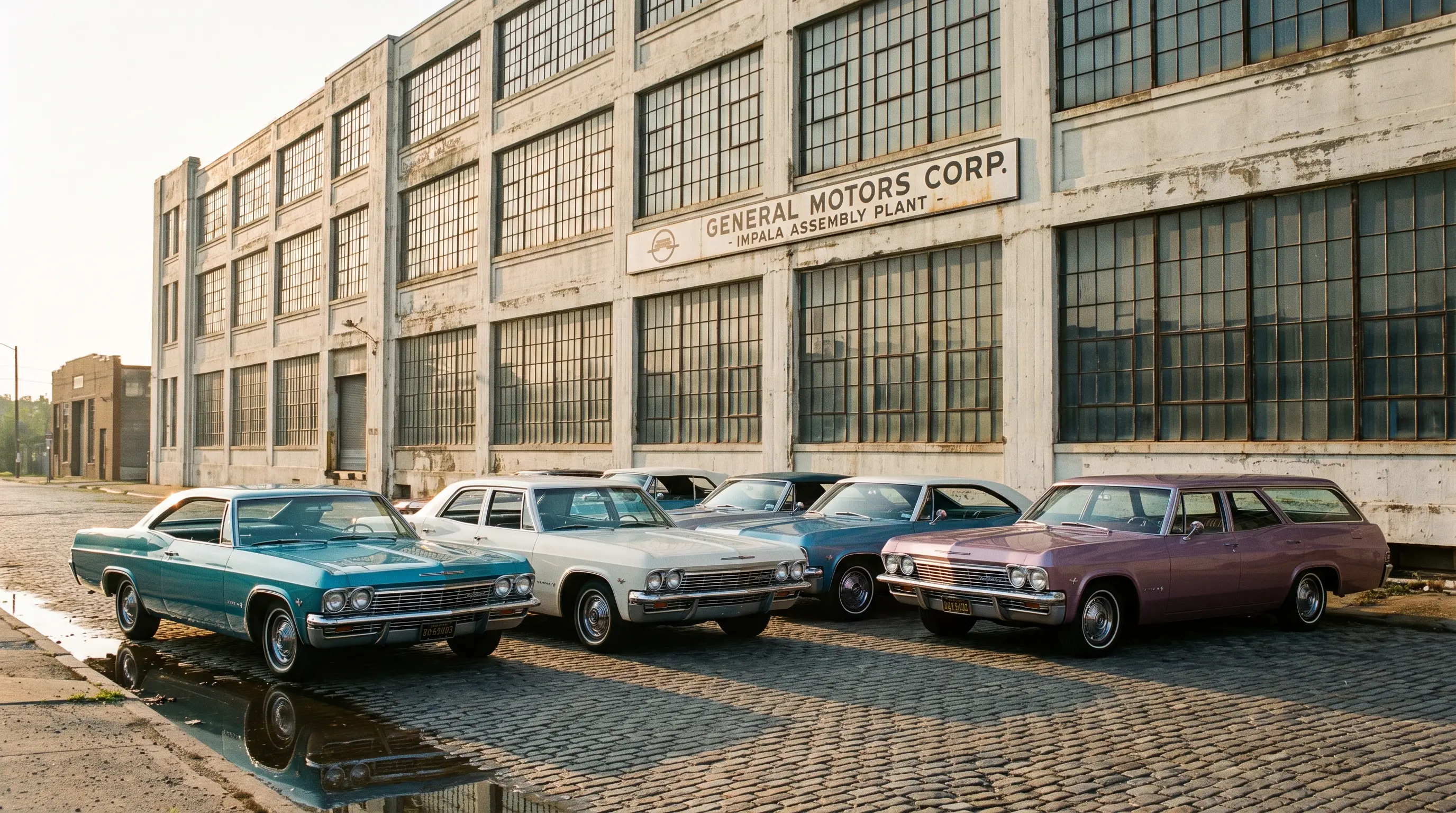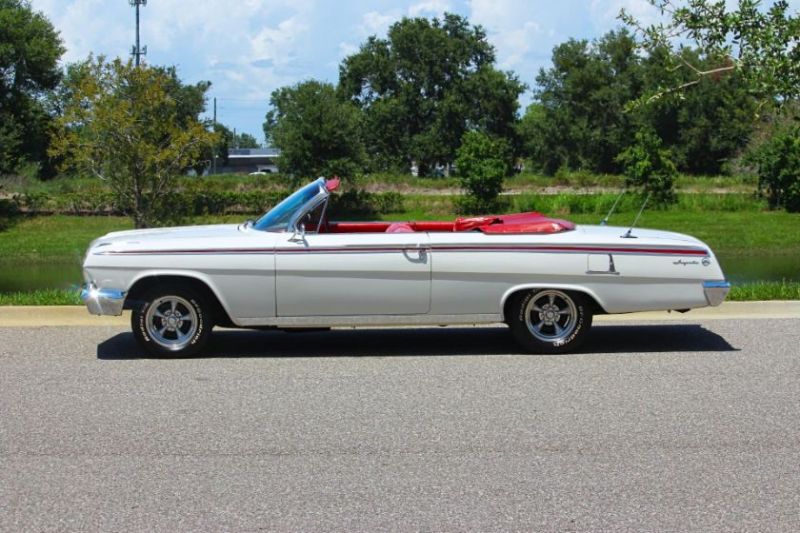
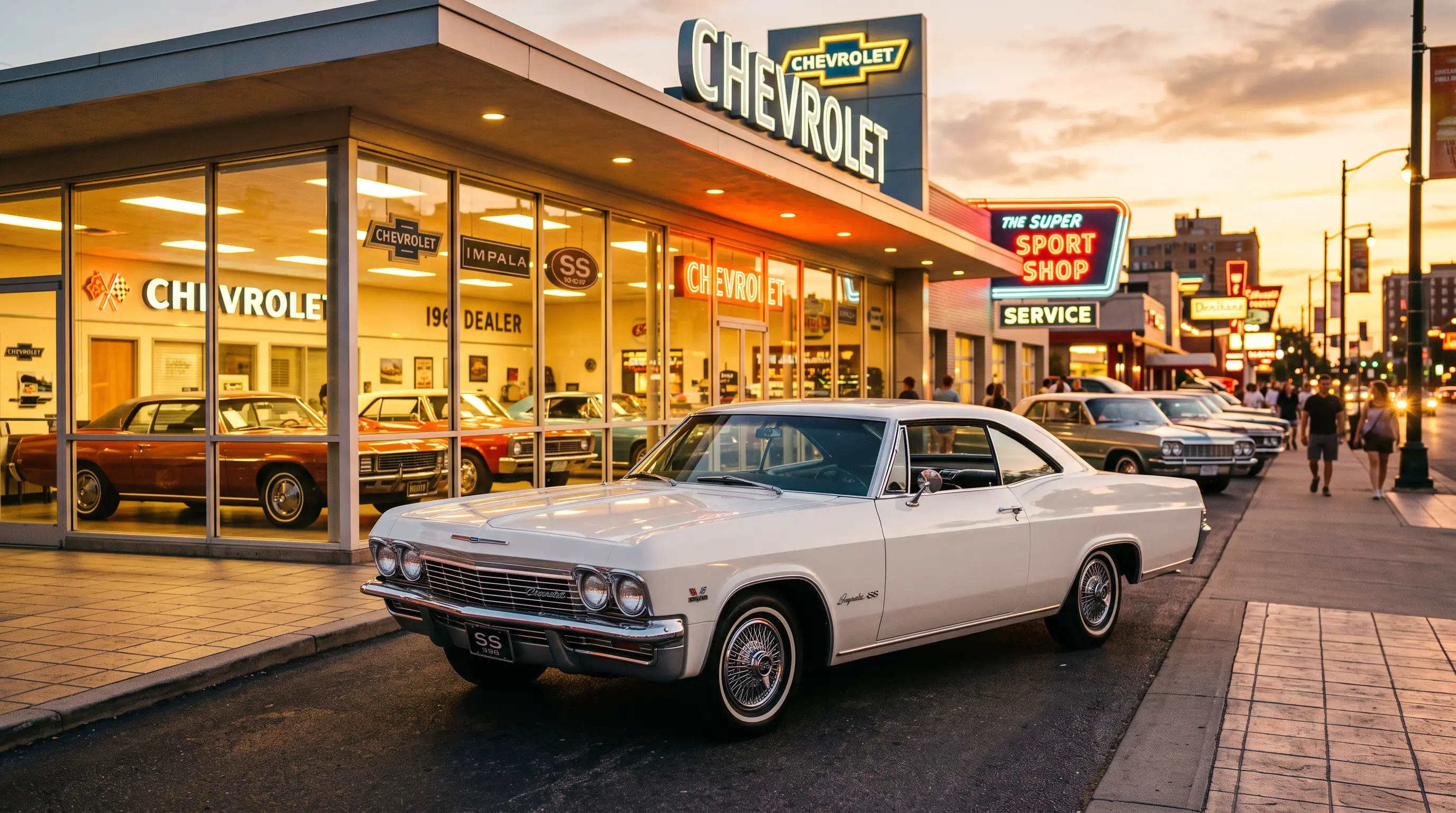
Somewhere on an assembly line in 1965, a line worker watched an ordinary Impala roll off the end of the conveyor, unaware that the number attached to that particular build had just made history. The 1965 impala million sales figure was not a marketing invention. It was a genuine milestone, the first time a single American car model had reached that kind of volume in a single model year, and it turned the Impala from a successful nameplate into a cultural shorthand for what a full size Chevrolet could be.
How Chevrolet got there
The all new 1965 platform arrived at exactly the right time. Chevrolet had spent years building the Impala's reputation as the value leader among full size cars, and the redesigned body, with its lower stance and cleaner lines, gave buyers a reason to trade up rather than just replace like for like. Add in a strong economy, an expanding middle class with money to spend on a family car, and a dealer network that had spent a decade building trust in the Chevrolet name, and the conditions were nearly perfect for a record breaking year.
Chevrolet did not need to reinvent the wheel to hit that number. It needed to keep doing what the Impala had already been doing well since its introduction in the late 1950s, only better, and 1965 was the year all of that work compounded into a single, historic sales total.
The advertising behind the number
Chevrolet's marketing team did not let the million unit figure sit quietly in an annual report. Dealers used it in showroom signage, and print advertising leaned on the idea that buying an Impala meant joining the choice already made by more Americans than any other single car model that year. That kind of social proof was a powerful sales tool in the mid 1960s, reinforcing the Impala's reputation as the safe, popular, sensible choice for a full size car, even as the SS package simultaneously tried to give it a sportier edge for a different slice of the buying public.
That dual identity, mainstream family car and credible performance option, is part of what let the Impala reach a number no single minded competitor could match. It did not need to choose one audience over another, and 1965 is the year that strategy paid off most clearly in raw sales terms.
What a million cars actually looked like
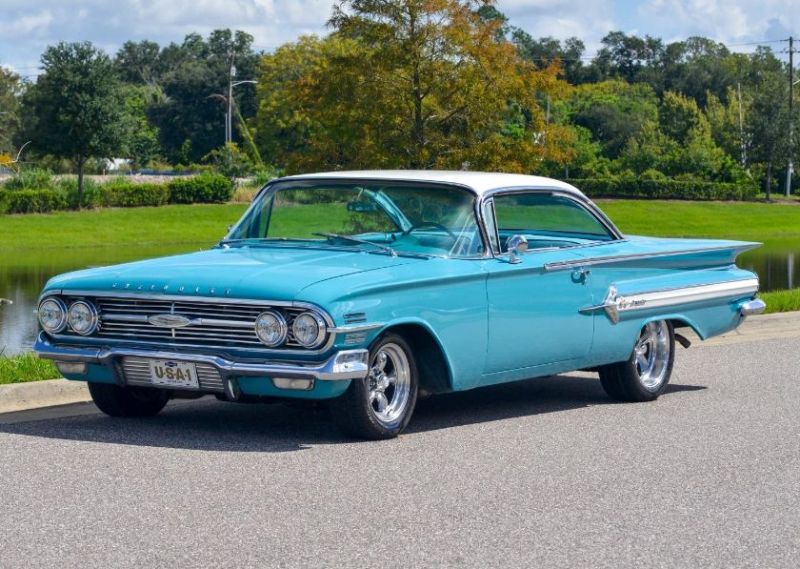
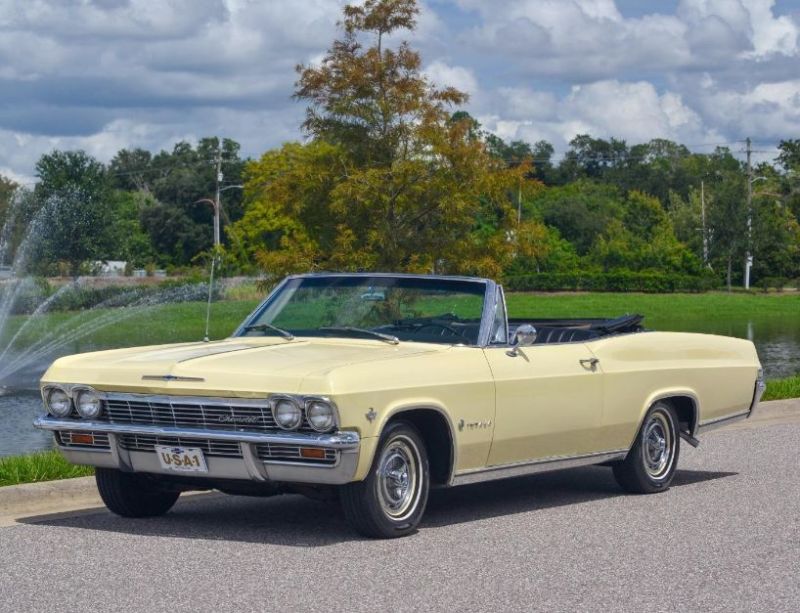
A production run at that scale meant Impalas in every conceivable configuration rolling out of multiple plants simultaneously, sedans for families, sport coupes for younger buyers, convertibles for image conscious customers, and SS models for anyone chasing a bit of performance. No other American car of the era offered that much range under one nameplate at that volume, and it is part of why the 1965 Impala remains such a fixture of American roads in period photography and film.
That scale also means the 1965 Impala is not, by itself, a rare car. Rarity within this generation comes down to specific combinations: a documented big block engine, a convertible body, an unusual color and trim pairing, not the base act of owning a 1965 Impala at all.
How the record compared across the industry
Ford's Galaxie and Plymouth's Fury both competed directly against the Impala in the full size segment during this period, and neither came close to matching Chevrolet's 1965 volume. That gap was not simply about styling. Chevrolet's dealer network was larger and more established, its reputation for value and reliability ran deeper with everyday buyers, and the Impala nameplate itself had already spent years building trust before the 1965 redesign gave it a genuinely fresh look to sell. All three factors combined to put Chevrolet in a stronger competitive position than either rival heading into the model year.
Within Chevrolet's own range, the Impala's million unit year also dwarfed sales of the related Bel Air and Biscayne, models built on the same basic platform but positioned below Impala in trim and price. That gap reinforced Chevrolet's decision to keep pushing Impala as the flagship of its full size range rather than spreading marketing attention evenly across all three nameplates.
Why the record mattered to Chevrolet
Hitting a million cars in a single year gave Chevrolet enormous leverage with suppliers, dealers, and its own internal planning teams. It validated the decision to invest in the all new perimeter frame platform rather than carry the previous chassis forward another year, and it gave the division confidence to keep building on that same formula through 1966 rather than chase a dramatic redesign. Reading the full story of that two year run shows how much of the 1966 model's stability, rather than reinvention, traces directly back to the confidence that a record breaking sales year provided.
It also cemented Impala as the flagship nameplate within Chevrolet's own lineup for the rest of the decade, ahead of the Bel Air and Biscayne, a positioning that shaped marketing, options availability, and even which body styles got the most attention from designers in subsequent years.
"A million units in one year is not a fluke. It is a company getting every single piece of a very complicated puzzle right at the same time, and 1965 was that year for Chevrolet."
- Tom Ramirez
What the milestone means for collectors now
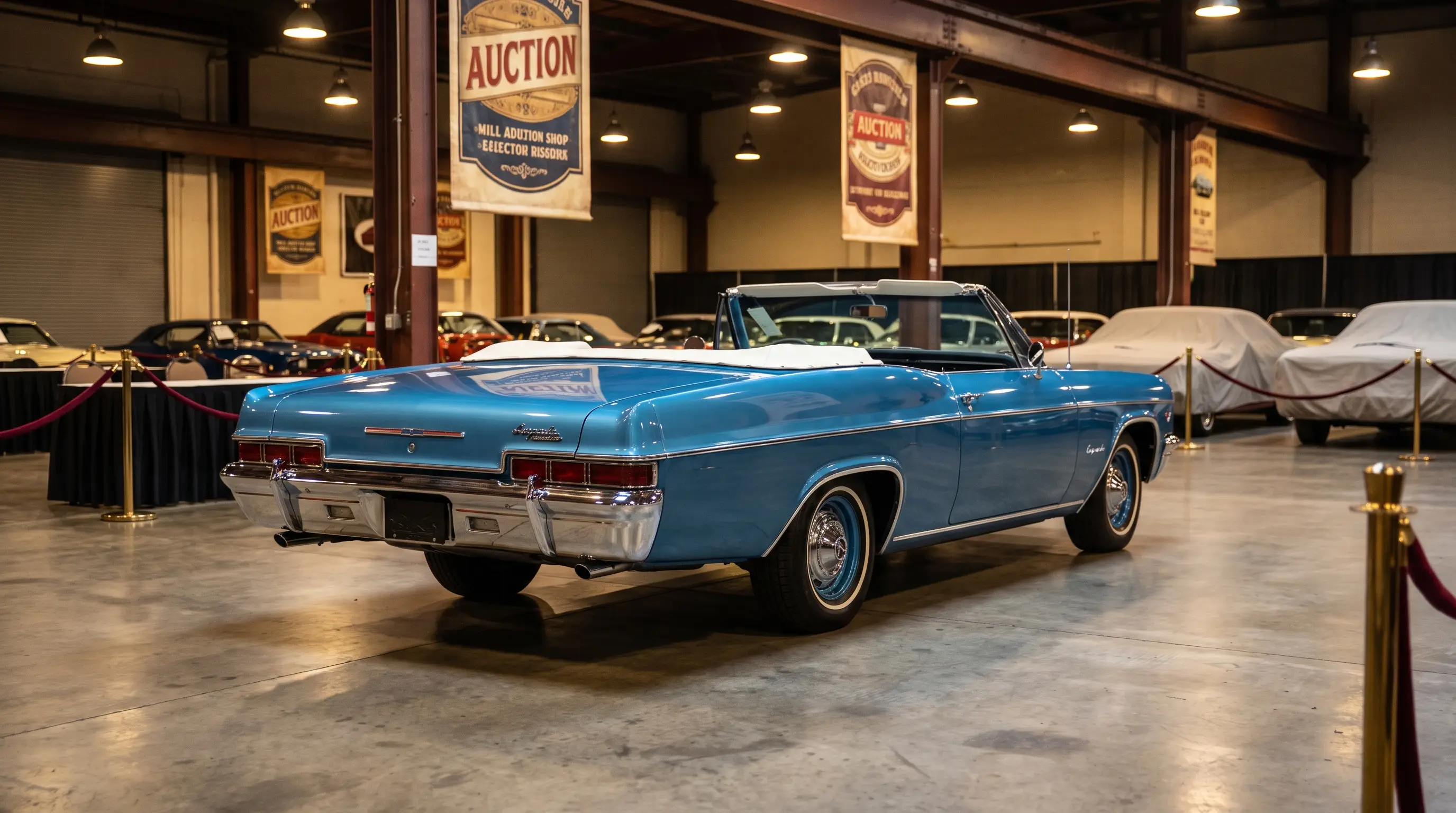
For today's buyer, the million car year is mostly context, not a value driver by itself. What matters more is which of those million cars survived in good condition, with documentation, and in a desirable configuration. A base sedan built during that record year is common and affordable. A documented SS convertible from the same year is a different proposition entirely, scarce, sought after, and priced accordingly.
Understanding the scale of 1965 production helps set realistic expectations before you start shopping. If you are looking for a piece of that record breaking year, you can find classic Impala for sale and compare how condition, documentation, and configuration affect price within a single, enormously popular model year.
What survives from a million car year
It is worth remembering that a million units built does not mean a million units survive today. Decades of daily use, rust, accidents, and simple attrition have thinned the surviving population considerably, and the cars that remain in good original condition represent a small fraction of that original number. That shrinking survivor pool is exactly why condition and documentation carry so much weight now, even for a car built in numbers this large.
For a buyer, that means treating the record setting production year as historical context rather than a guarantee of easy availability. Finding a genuinely well preserved, honestly represented example still takes real patience, regardless of how many left the factory back in 1965. Patience, in this market, tends to pay off far more reliably than urgency.
Sources and notes
- Why the 1965 Chevy Impala Still Holds the U.S. Annual Sales Record - HotCars
- USA 1960-1970: Chevrolet Impala Breaks Records - Best Selling Cars Blog
- Chevrolet Impala (fourth generation) - Wikipedia
- 1 of 1 Million: 1965 Chevrolet Impala - Barn Finds
- How the Chevy Impala Became Chevrolet's Best-Selling Car - TopSpeed