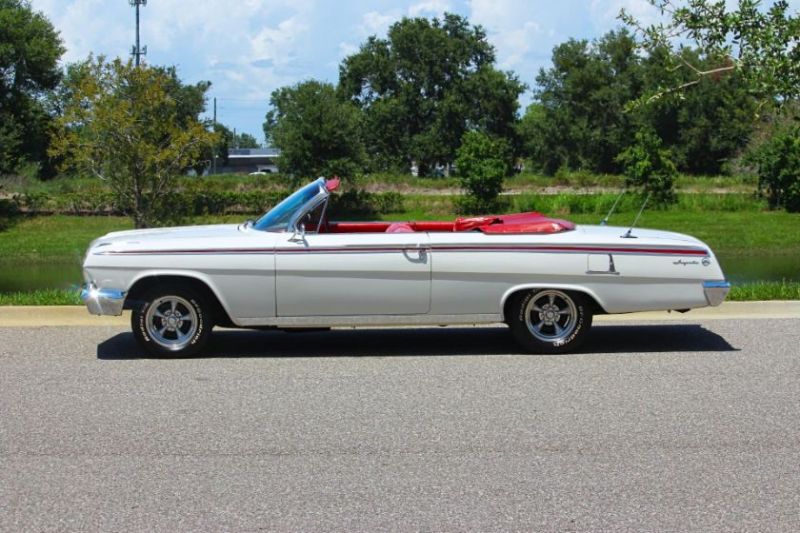
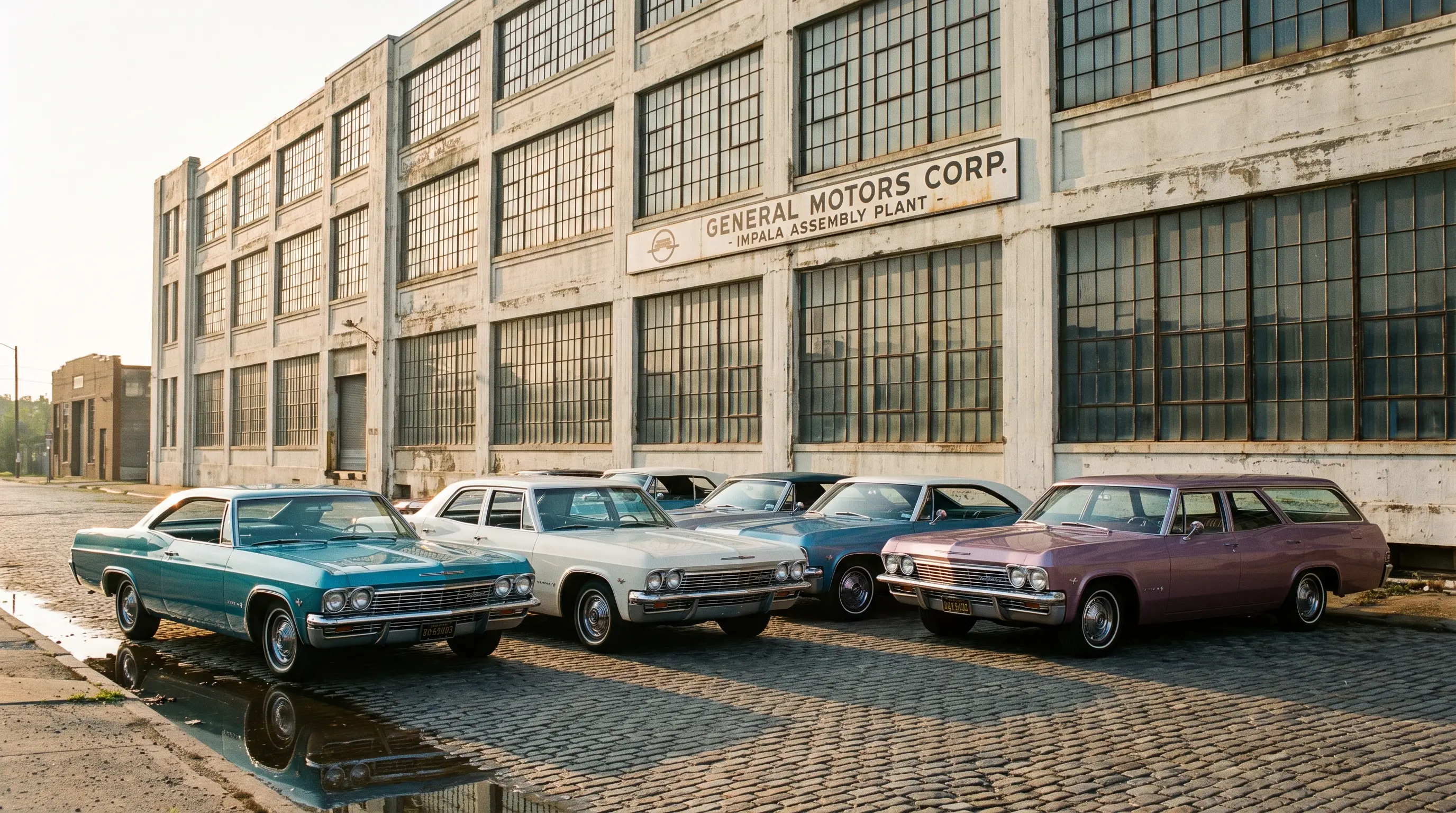
Production records from Chevrolet's plants across 1965 and 1966 show a company running its full size line at a pace few automakers have matched before or since. The 1966 impala production numbers, like the year before it, ran into the hundreds of thousands, and understanding exactly how those cars were built, assigned, and distributed helps explain why some body styles and options are common today while others are genuinely scarce.
Where the cars were built
Chevrolet assembled the full size Impala across a network of plants in this era, including facilities in Michigan, California, and several other states, each stamping its own plant code into the cowl tag. That code, combined with the build date and body style number, gives researchers today a precise record of where and when an individual car came down the line. Multiple plant locations meant Chevrolet could meet demand across regional markets without shipping finished cars across the entire country, a logistics decision that also explains small trim and supplier variations between cars built in different plants during the same model year.
For a car built in such enormous volume, that plant level detail actually matters more, not less. When millions of a model exist, the individual build record is often the only way to confirm a car is what a seller claims it is.
Supplier networks behind the numbers
Reaching hundreds of thousands of units in a single model year required a supplier network large enough to feed multiple plants simultaneously without interruption, and Chevrolet's purchasing division coordinated everything from glass and stamped steel panels to interior trim and electrical components across that entire footprint. A shortage or quality issue at a single supplier could ripple across production at more than one plant, which is part of why Chevrolet worked so hard to standardize parts wherever the design allowed, even across body styles that looked quite different from the outside.
That standardization is a quiet but important part of the production story. It kept the Impala affordable at genuinely enormous volume, and it is a big part of why parts availability for this generation remains relatively strong today compared with lower production, more bespoke cars from the same era.
Volume by body style
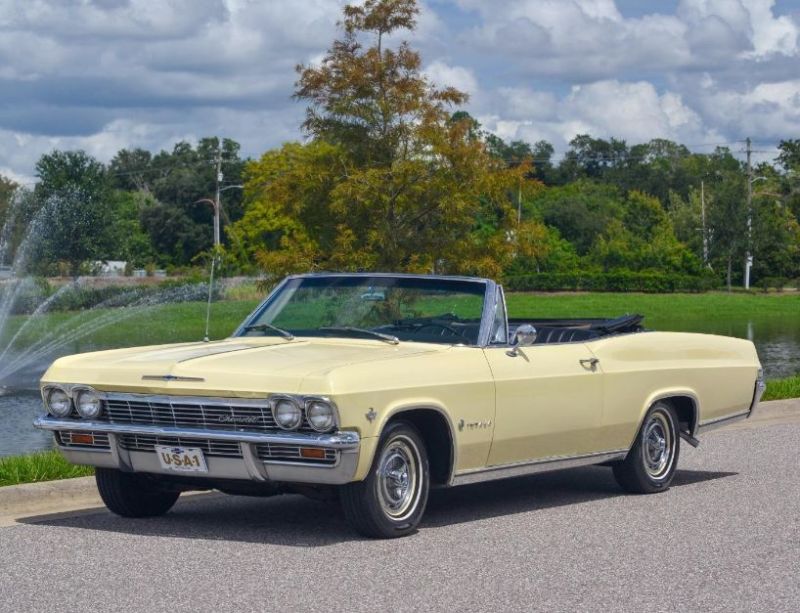
Across both years, the four door sedan and sport sedan accounted for the largest share of production, reflecting the Impala's core identity as a family car first and a personal car second. The sport coupe followed, with the convertible trailing behind as the lowest volume body style in both years. That production hierarchy has effectively reversed in the collector market, where the convertible now draws the strongest interest and the highest prices, while the sedan, once the volume leader, remains the most affordable and often most overlooked way into ownership.
Reading the 1965 impala story alongside these production figures shows how tightly the two years mirror each other. Chevrolet did not dramatically shift its manufacturing strategy between 1965 and 1966, it refined an already successful formula, which is part of why production volume stayed consistently strong across both years rather than dropping off in the second year of a design cycle, as often happened elsewhere in the industry.
Documentation and what it proves
A cowl tag records the plant, the body style, the trim level, the paint and interior codes, and the build date, all in a compact stamped format. Combined with the original invoice or a Protect-O-Plate where one survives, this documentation lets an owner prove exactly how a car left the factory, which engine it carried, and which options were installed. For high production cars like the Impala, that proof matters enormously, because the sheer number of cars built means unverified claims are easy to make and hard to disprove without paperwork.
Collectors who focus on documentation over assumption tend to build more defensible collections. A car with a matching cowl tag, correct casting numbers, and surviving paperwork holds its value far better than one relying on a seller's memory of what the car "always had."
"With production numbers this high, the paperwork is not an accessory. It is the difference between owning a documented piece of Chevrolet history and owning a very nice guess."
- Sarah Whitfield
| Body Style | Relative Production Volume | Current Collector Interest |
|---|---|---|
| Four Door Sedan | Highest | Lowest, most affordable |
| Sport Sedan | High | Moderate |
| Sport Coupe | Moderate | Strong |
| Convertible | Lowest | Highest |
Regional variation and dealer allocation
Because Chevrolet built the Impala across several geographically spread plants, dealer allocation played a real role in which body styles and colors were common in different parts of the country. A dealer in a warmer climate might have ordered a larger share of convertibles than a dealer in a colder region, where a sedan or sport sedan made more practical sense for most of the year. Those regional buying patterns still show up today in where certain configurations are most commonly found, and they matter to anyone hunting for a specific combination of body style, color, and options.
Import and export production also played a role, with a smaller number of cars built for markets outside the continental United States carrying different equipment to meet local regulations. Those cars are a niche interest for most domestic collectors, but they occasionally surface with equipment differences that confuse buyers unfamiliar with the variation.
What this means for the market today
Anyone researching the full story of the Impala nameplate will find that 1965 and 1966 sit near the peak of the car's commercial success, a period when Chevrolet's full size lineup dominated its segment more thoroughly than almost any single model has since. That scale is exactly why documentation carries so much weight for buyers today, and why body style alone should never be the only factor in a purchase decision.
If you are shopping this generation, it pays to look past the badge and check the paperwork before you check the price. You can review classic Impalas on the market to see how documented cars are priced against undocumented ones, and let that comparison guide your own search.
Interpreting a cowl tag correctly
Reading a cowl tag is a skill worth learning before you buy, not after. The tag records the plant code, the body style number, the trim code, the paint code, and often a build date, all compressed into a short alphanumeric string. Reference material published by marque specific clubs and researchers translates those codes into plain language, and cross referencing that translation against what a seller claims about the car is one of the simplest, most effective ways to verify a listing before you travel to see it in person.
A cowl tag alone does not prove originality of every single component. It confirms how the car was built at the factory, which is still the single most important reference point for judging what has changed since. Pair it with casting numbers on the engine block, and you have as complete a picture as most buyers will ever need before making a serious offer. Skipping this step is one of the most common and most avoidable mistakes a first time buyer of this generation makes.
Sources and notes
- Chevrolet Impala (fourth generation) - Wikipedia
- Why the 1965 Chevy Impala Still Holds the U.S. Annual Sales Record - HotCars
- USA 1960-1970: Chevrolet Impala Breaks Records - Best Selling Cars Blog
- 1965 Chevrolet Impala Series Specifications - Conceptcarz
- Curbside Classic - 1965 Chevrolet Impala SS 409