
In 1965, Chevrolet sold over a million Impalas in a single model year, a number that no single nameplate has matched since. As an appraiser, I get asked constantly what that kind of volume does to a car's collector value decades later, and the honest answer runs against most people's assumptions. The 1965 Impala record sales figure is not a value driver on its own. It is context that shapes how you should think about rarity, condition, and what actually separates a good buy from an overpriced one in this specific model year.
Car Features
7 min read
1965: The Year Impala Sold Over a Million
Chevrolet sold over a million Impalas in 1965, a record no single nameplate has matched since. Here is what that number does, and does not, tell collectors about value today.
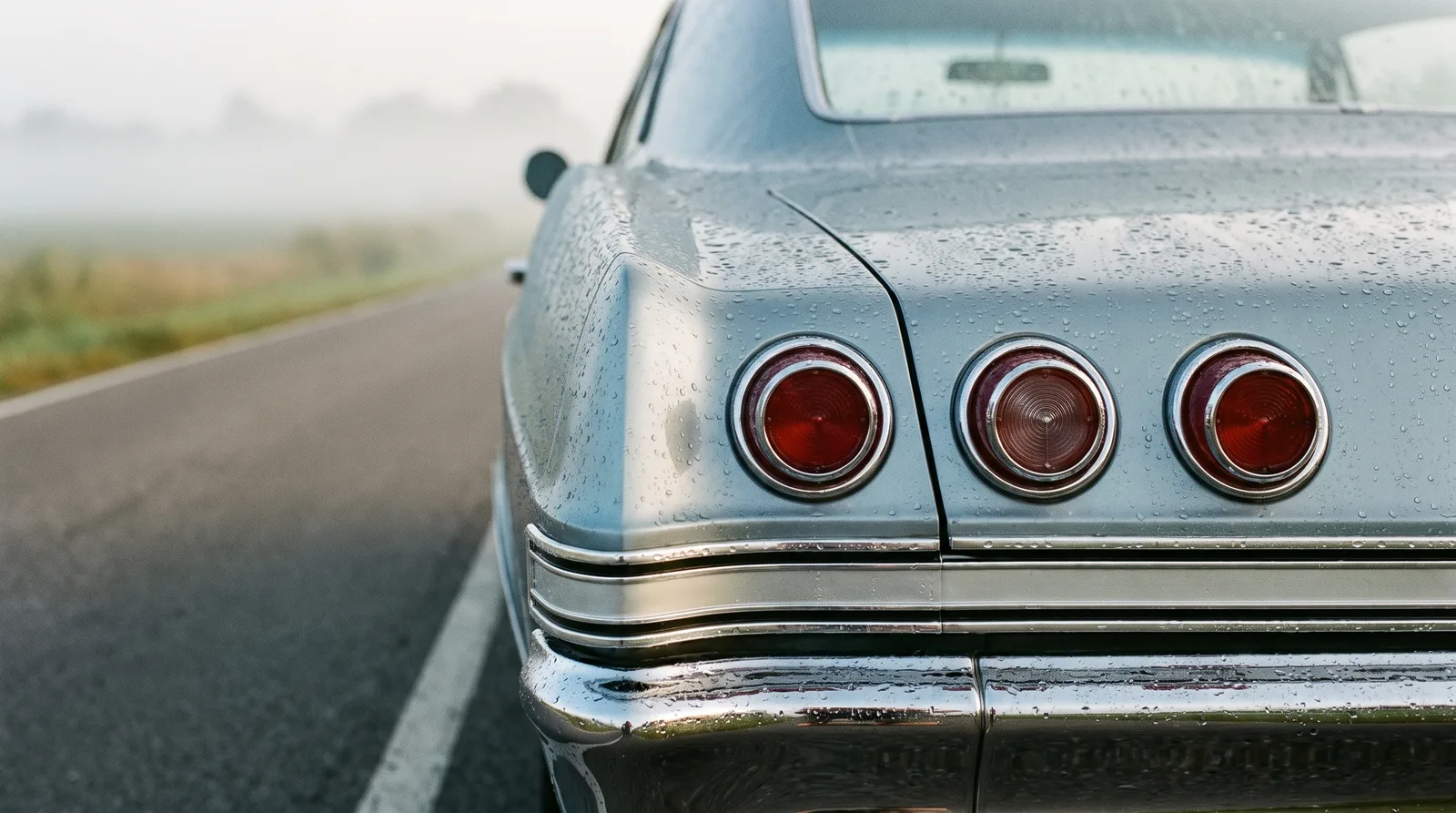
The number and what produced it
Chevrolet moved roughly 1,046,500 Impalas for the 1965 model year, an all-time industry annual sales record for a single nameplate that stood as a high-water mark for a long stretch afterward. That volume came from a completely redesigned body, a lower and wider stance than the outgoing generation, and a full range of trims and engines that let the same basic car serve as an economical family sedan or a genuine performance machine depending on the order sheet.
Volume at that scale means something specific for collectors today: survival rate matters more than production count. A car built by the hundreds of thousands is common in absolute terms, but decades of daily use, rust, accidents, and simple attrition mean the surviving population in strong original condition is a small fraction of what rolled off the line. The 1965 Impala record sales year produced plenty of cars. It did not produce plenty of well-preserved ones.
It also helps to remember what Chevrolet was competing against in 1965. Ford's full-size lineup and Plymouth's Fury were both fighting for the same buyers, and Chevrolet's ability to pull ahead by such a wide margin says something about how well the redesign landed with the public, not just about price or dealer incentives. A million-plus units in a single year is not something a manufacturer achieves through discounting alone. The product had to actually work for that many families to choose it over the competition sitting on the same dealer row.
Why high production does not equal low value
This is the part buyers get backward most often. They assume a car built in huge numbers must be worth less than a rarer model year, and in a general sense that is true when everything else is equal. But everything else is rarely equal. A well-documented, numbers-matching Super Sport from 1965 with a desirable engine option is not competing against the raw production total. It is competing against the small pool of comparably equipped and comparably preserved survivors, and that pool is much smaller than the headline sales figure suggests.
I appraise base six-cylinder sedans from this year regularly, and they are genuinely affordable, reflecting their volume and lower demand. Then I appraise a documented SS 396 convertible from the same model year, and the price gap between those two cars, both technically part of the same record sales total, is enormous. The 1965 Impala record sales number describes total volume. It says almost nothing about what any specific configuration is worth today.
| Configuration | Relative rarity today | Value tier |
|---|---|---|
| Base six-cylinder sedan | Common survivor | Entry level |
| V8 Impala hardtop | Moderate survivor rate | Mid-range |
| SS convertible, big block | Scarce, documented examples rare | Top tier |
I also think the record sales year gets misread by collectors who assume high volume means low collector interest across the board. That is not how this market works in practice. Plenty of high-production model years from the 1960s carry strong collector demand specifically because the volume guaranteed enough variety and enough surviving documented examples for a real market to form around the best configurations. A rarer, lower-production year sometimes has the opposite problem: too few surviving cars for buyers to establish clear pricing benchmarks at all.
The redesign that made the volume possible
None of that record sales figure happens without the product underneath it. Chevrolet's design team gave the 1965 Impala a completely new body, wider and lower than the previous generation, with a cleaner, more horizontal look that suited the mid-1960s shift away from the more ornate styling of the early part of the decade. Buyers responded immediately, and dealers reported strong demand across nearly every trim level, not just the entry models.
That styling shift is documented in detail elsewhere, including the specific changes to the roofline, taillight treatment, and interior trim that made the car feel genuinely new rather than a facelift of the prior generation. For the full account of what changed and why it resonated with buyers, a related story covers that ground.
Regional dealer allocations also shaped how that million-plus total gets remembered today. Some markets received disproportionately more of the higher trim, V8-equipped cars, while others saw a heavier mix of base models aimed at fleet and budget buyers. A buyer researching a specific car's history sometimes finds regional patterns in the original selling dealer that explain why one example carries better documentation or a more desirable original configuration than another built in the same month.
What this means for buyers today
My advice to anyone shopping a 1965 Impala because of its historical sales record is simple: the record is a piece of trivia, not a value signal. Base the offer on the specific car's documentation, condition, and configuration, not on the fact that it belonged to a record-setting model year. A common configuration in mediocre condition is still a common configuration, no matter how impressive the aggregate sales number sounds in conversation.
What the record year does provide is a wide selection. Because so many were built, buyers today have more choice across body styles, engines, and price points than they would with a lower-production year, and that selection lets a careful shopper find a well-documented example without having to compromise on originality just because so few cars survive.
"A million units sold tells you Chevrolet made a car people wanted in 1965. It does not tell you what any single surviving example is worth in 2026. Those are two completely different questions."
- Marcus Feld
None of this is meant to talk anyone out of a 1965 Impala. It is meant to reset expectations. Buy the specific car in front of you, at a price justified by its own documentation and condition, and treat the record sales figure as an interesting footnote rather than a factor in your offer.
Reading the full history
For the complete story of the 1965 model year, including the trim lineup and engine options that drove that sales total, 1965 impala history lays out the full picture beyond the sales figure alone. Buyers who want to compare current examples against that history can also Impalas for sale now to see how documentation and condition affect price across the same model year.
Sources and notes
- Today I Learned: The Chevrolet Impala Is A Millionaire - Hagerty Media
- Chevrolet Impala - Wikipedia
- Chevrolet Impala 5th Gen Production Numbers - Automobile Catalog
- 1965 Chevrolet Impala Series Specifications - conceptcarz.com
- 1958-1965 Chevrolet Full Size Production Numbers
- 1965 Chevrolet Impala - Old Ride
Related Reading

Have a
Chevrolet Impala
for Sale?
Reach thousands of serious classic car collectors across the US.
Sell It Here →
Are You a Classic Car Dealer?
List your full inventory and connect with targeted classic car buyers.
Join as a Dealer →
#collector cars
#classic car values
#impala history
#1965 impala
#1965 impala record sales
#Chevrolet sales records

About the author
Marcus Feld
Accredited collector-car appraiser who reads the market through hammer prices, condition tiers and risk.
Related Listings - Chevrolet Impala
Comments (1)
N
Norm Delgado
4 days ago
One of the young guys in our club, a good mijo, has a '65 Impala that's been on hydraulics since the eighties, plaque in the back window and all. He keeps asking me what it's worth and I tell him to ask a professional. So I'm asking. Does an appraiser count all those years of club history, or does a car like that get valued like a base hardtop with a lot of modifications?
Neither, exactly. A '65 lowrider gets valued as a custom, against other customs of similar quality, not against stock Impalas. Club history helps when it is documented: photos, show records, the plaque, magazine coverage. It does not help as a story told at the appraisal. The caveat is structural. Frame reinforcement and cut coil pockets mean the car cannot easily go back to stock, which narrows the buyer pool. Narrower pool, slower sale. That belongs in the number too.