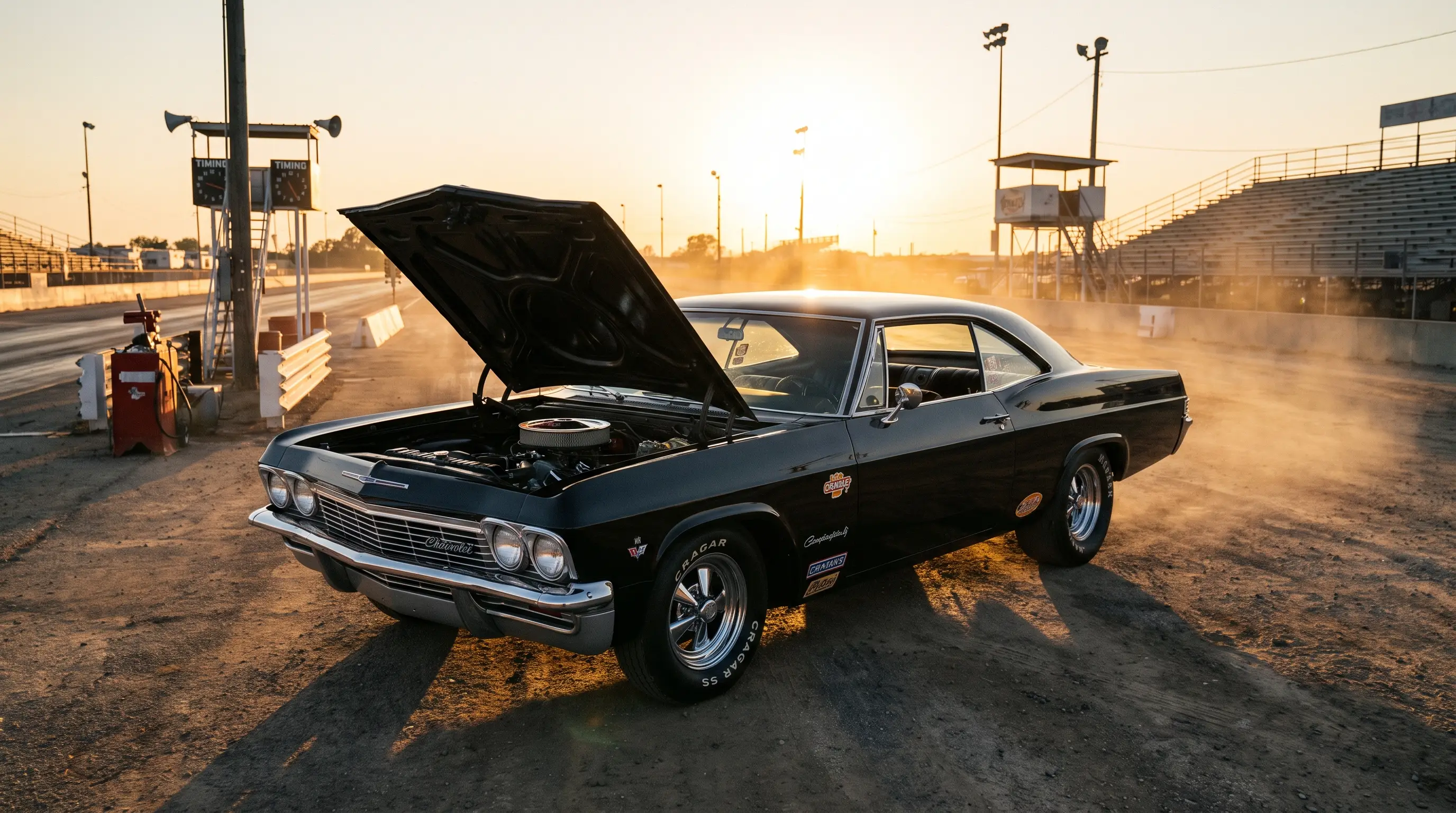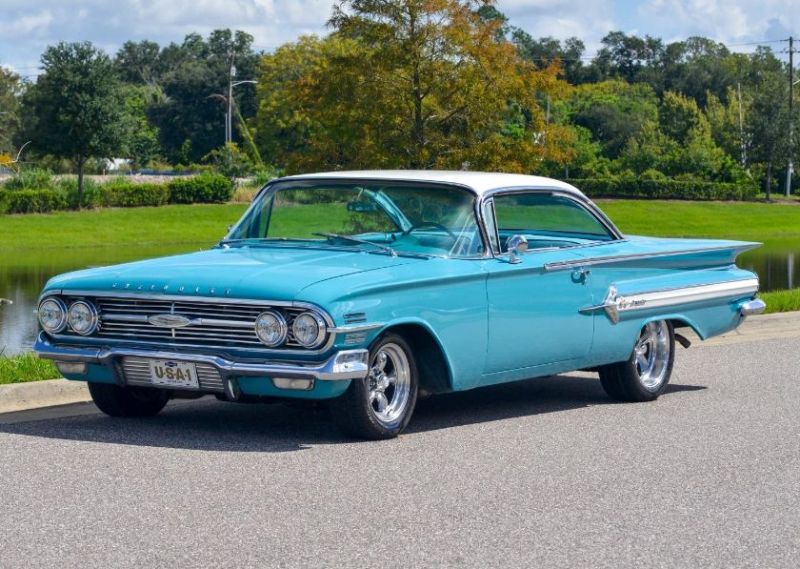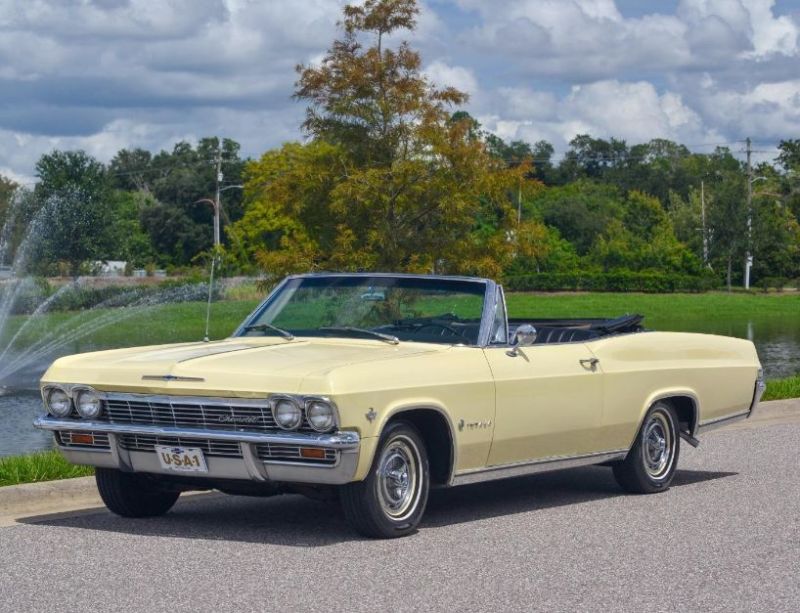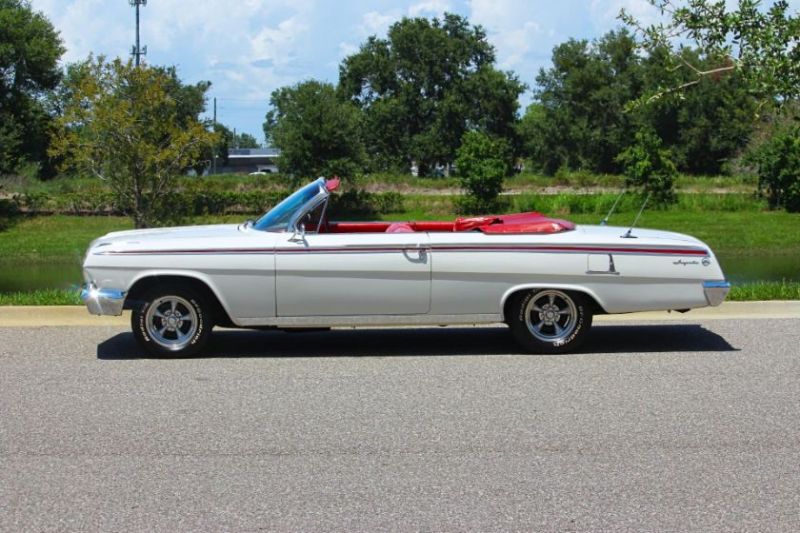
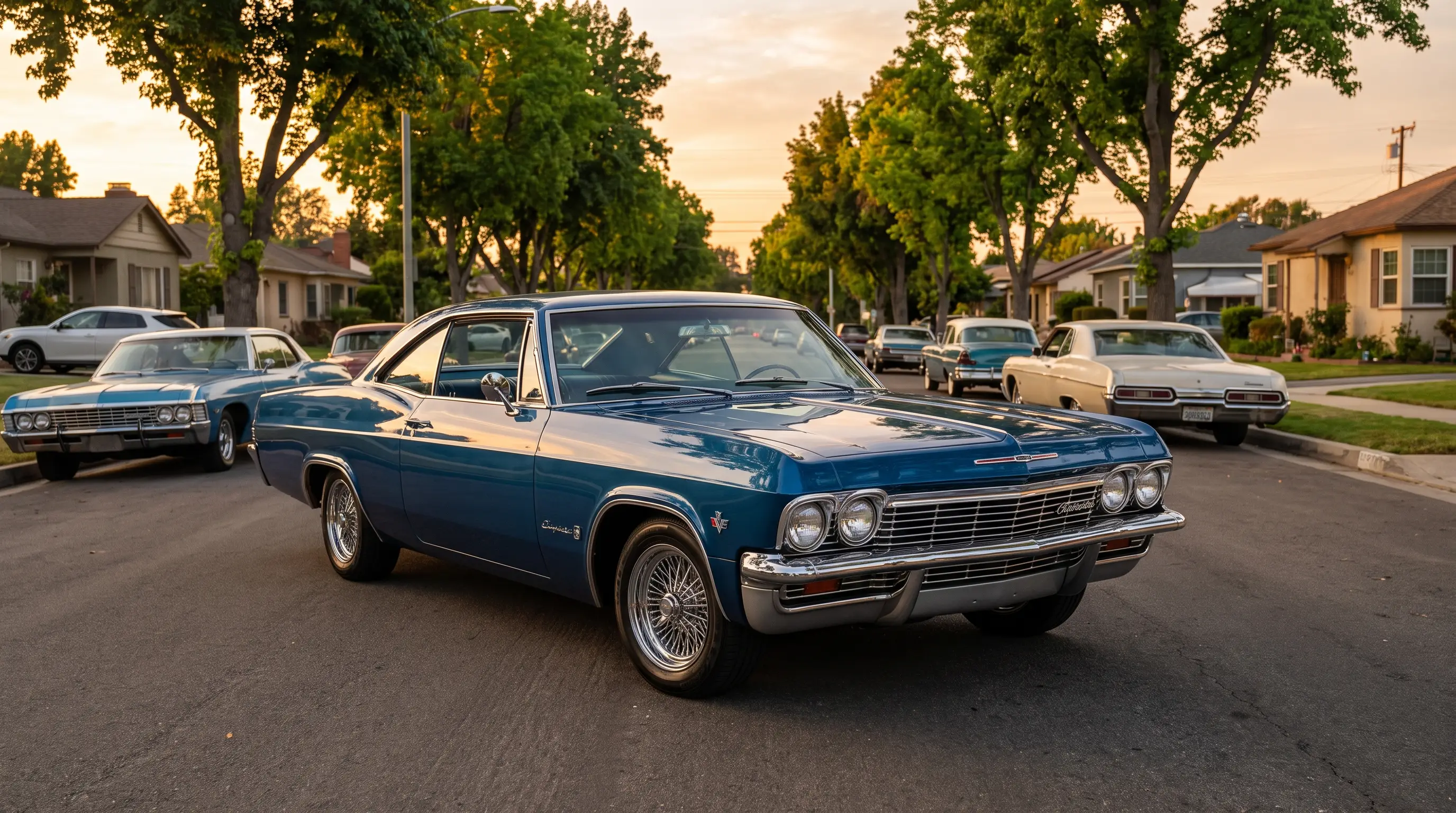
The 1965 Impala restyle stands as one of the more complete design transformations in the model's early history, a full-body redesign that replaced the previous generation's more upright, ornamented look with something lower, wider, and considerably cleaner. As someone who spends most of my research hours cataloging period documentation rather than driving these cars, I find the 1965 restyle particularly interesting because the changes were not cosmetic tweaks layered onto an existing platform. Chevrolet built essentially a new body for this generation, and the design decisions behind it reflect a broader shift happening across the American auto industry in the mid-1960s.
What actually changed underneath the sheet metal
The 1965 Impala rode on a new perimeter frame, a departure from the previous X-frame design used in earlier full-size Chevrolets. This structural change was not primarily about styling, but it enabled the lower stance that defined the new body's proportions. Lower ride height meant a lower beltline, which in turn allowed for the more expansive glass area that became one of the signature visual traits of this generation.
The exterior itself moved away from the sharper, more chrome-heavy detailing of the early 1960s toward smoother, more horizontal lines. Taillights, previously smaller and more vertically oriented on some trims, took on the rounded triple-lamp arrangement that became closely associated with Impala styling through the rest of the decade. Interior trim followed the same logic, with cleaner dash layouts and less applied brightwork than the outgoing model.
The greenhouse, meaning the glass and roof structure above the beltline, deserves separate attention. The 1965 body's larger glass area was not simply a stylistic flourish. It changed how the car read from a distance, giving the roofline a thinner, lighter appearance compared to the heavier-looking pillars common on full-size cars just a few years earlier. Combined with the lower stance from the new frame, the overall effect was a car that looked considerably longer and lower than its actual dimensions, a common design trick of the era executed with more restraint than some competitors managed.
Why the timing mattered
Context matters here. General Motors was investing heavily across its full-size lineups in the mid-1960s, and Chevrolet's 1965 restyle arrived in a competitive environment where Ford and Chrysler were also pushing lower, longer profiles on their flagship sedans. The Impala's redesign was not developed in isolation. It was Chevrolet's answer to an industry-wide aesthetic shift, and the fact that the redesign coincided with the model's best sales year in its history suggests the design team read the market correctly.
I want to be careful here about cause and effect, since sales volume and styling success do not automatically prove one caused the other. Pricing, dealer network strength, and overall economic conditions in 1965 all played a role in that year's results as well. But the restyle clearly did not hurt demand, and contemporary reviews at the time praised the cleaner lines as a meaningful improvement over the previous generation's busier detailing.
| Design element | 1964 (outgoing) | 1965 (redesigned) |
|---|---|---|
| Frame | X-frame | Perimeter frame |
| Body stance | Higher beltline | Lower, wider profile |
| Taillight design | Smaller, vertical elements | Rounded triple-lamp arrangement |
Trim differentiation also became more legible after the restyle. Where the previous generation relied heavily on badge placement and chrome strips to separate base cars from upper trims, the 1965 body's cleaner surfaces made trim-level distinctions, from base Biscayne-adjacent models up through the Impala and its higher-content variants, easier to read at a glance. That legibility mattered to Chevrolet's marketing, since buyers browsing a crowded dealer lot could identify the more upscale models without needing a salesperson to point out the differences first.
Documentation gaps worth noting
As a researcher, I have to flag where the paper trail gets thinner than enthusiasts sometimes assume. Exact internal design timelines, the specific studio and lead designers credited with elements of the 1965 restyle, and precise development costs are not consistently documented in publicly available Chevrolet archives from this period. Much of what circulates in enthusiast literature is secondhand, sourced from later interviews rather than contemporary internal documents, and I treat those accounts as useful but not definitive.
What is well documented is the market reception and the physical specification changes themselves, since those show up reliably across period road tests, dealer brochures, and factory service documentation. That is the material I lean on most heavily when reconstructing exactly what changed and why it mattered to buyers walking into a Chevrolet showroom in the fall of 1964.
It is also worth noting how the restyle aged in the eyes of later collectors. Design language that reads as clean and restrained by mid-1960s standards can look plain to eyes trained on the more aggressive muscle car styling that followed later in the decade. I think that comparison undersells what Chevrolet accomplished in 1965. The restraint was the point. This was a full-size family car body first, built to look modern and confident without leaning on the exaggerated proportions some competitors adopted, and that restraint is exactly why the design has aged as well as it has.
How the restyle fits the larger Impala story
The 1965 restyle did not happen in a vacuum within Chevrolet's own history either. It set the visual template that carried, with refinements, through 1966 and beyond, and it established design language that later full-size Chevrolets referenced for years afterward. For the complete account of this generation, including trim levels, engine options, and how the redesign performed in the market, our complete history covers the full scope beyond styling alone.
"The 1965 restyle is well documented where it counts, in the metal itself and in period sales literature. Where the paper trail thins out is internal design credit, and I am always cautious about repeating claims there without a primary source."
- Sarah Whitfield
One more point worth documenting for accuracy: the 1965 restyle should not be confused with a mere annual facelift, a distinction I find gets blurred in casual enthusiast discussion. Chevrolet treated 1965 as the start of a new body generation, with 1966 following as a refinement year on the same basic architecture rather than another full redesign. Understanding that boundary matters when comparing specification sheets or interpreting why certain trim and mechanical details carried over cleanly between the two years while others changed noticeably.
Seeing the restyle in person today
Photographs and brochures only carry a design story so far. The proportional changes Chevrolet made in 1965, the lower beltline, the wider stance, the cleaner surfacing, read differently in person than in a printed page from six decades ago. For anyone who wants to study this generation directly rather than through archival material, you can find a classic Impala from this era and compare the restyled body against photographs of the outgoing 1964 model to see the transformation firsthand.
Sources and notes
- Chevrolet Impala - Wikipedia
- 1965 Chevrolet Full Size Brochure - Old Car Brochures
- 1965 Chevrolet Full Size Cars Fact Sheet - Over-Drive Magazine
- Today I Learned: The Chevrolet Impala Is A Millionaire - Hagerty Media
- Chevrolet Impala 5th Gen Production Numbers - Automobile Catalog
- 1965 Chevrolet Impala Series Specifications - conceptcarz.com