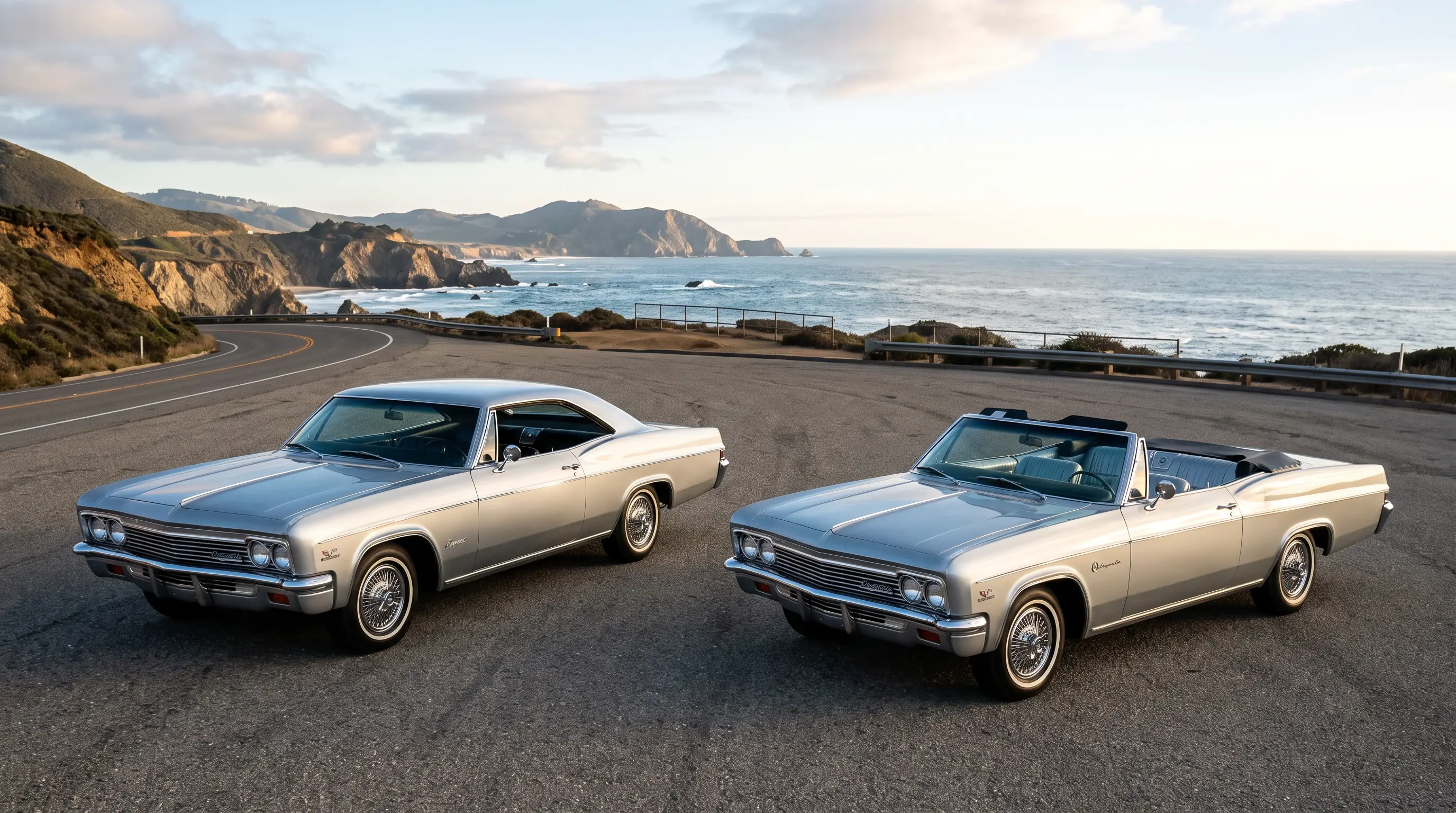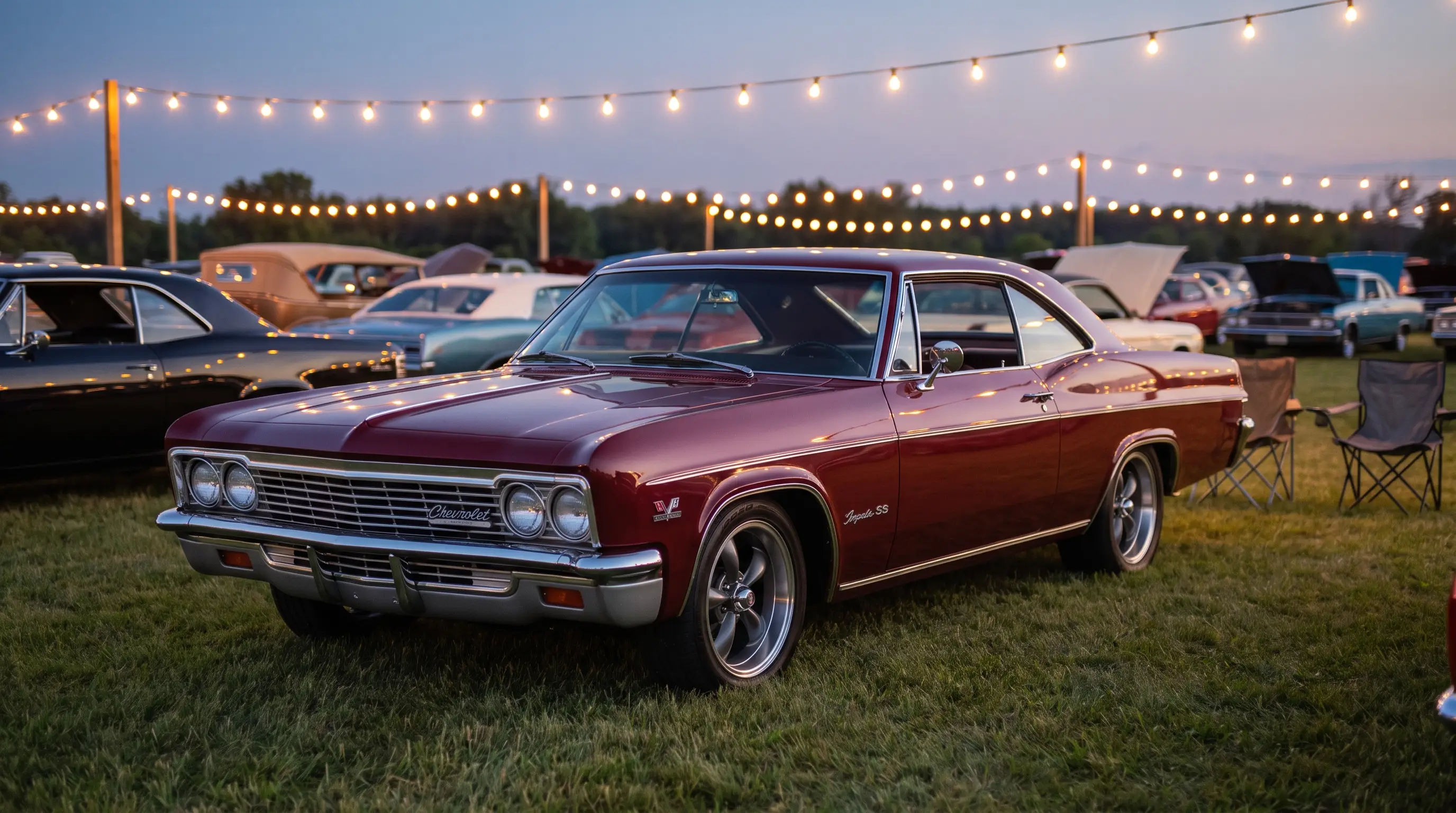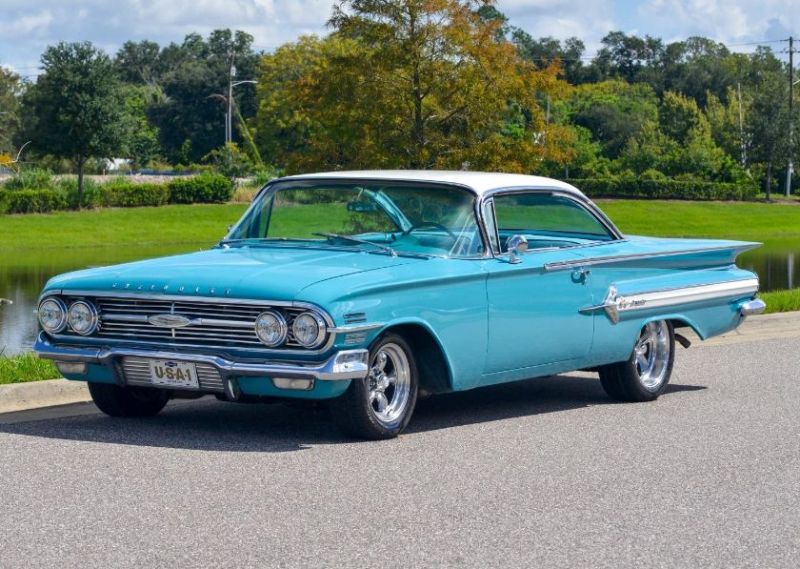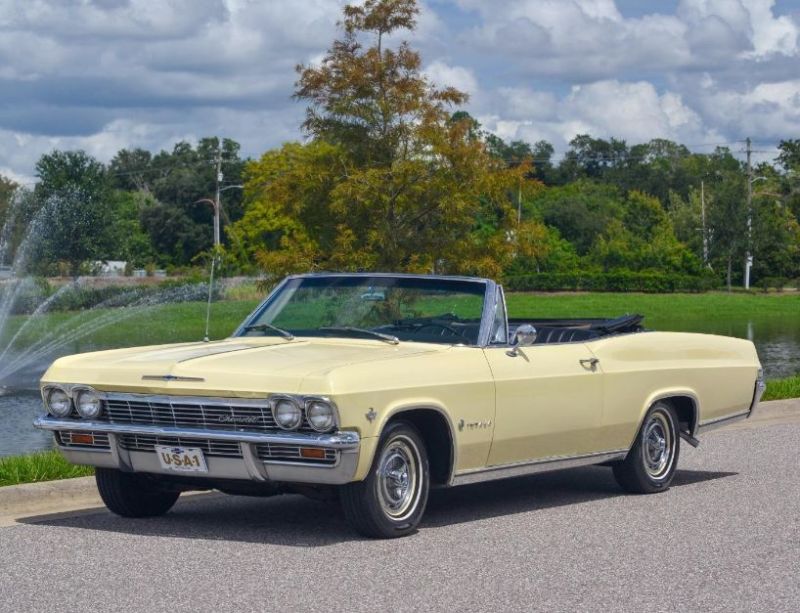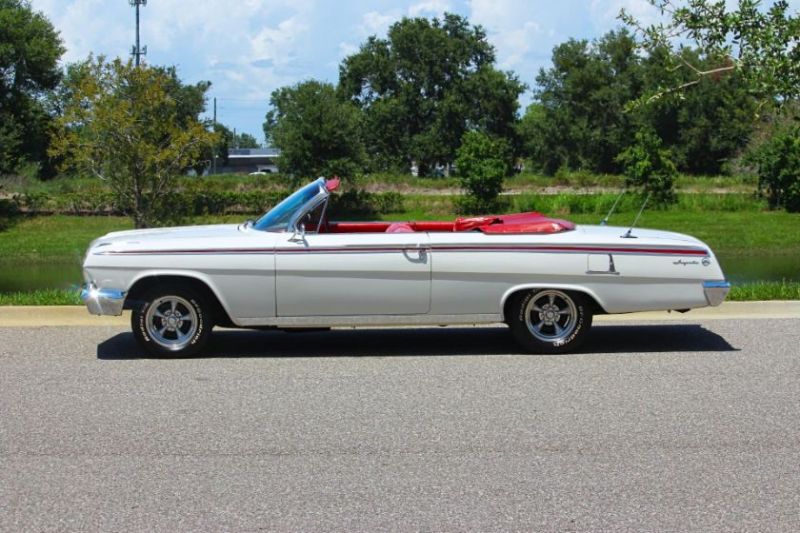
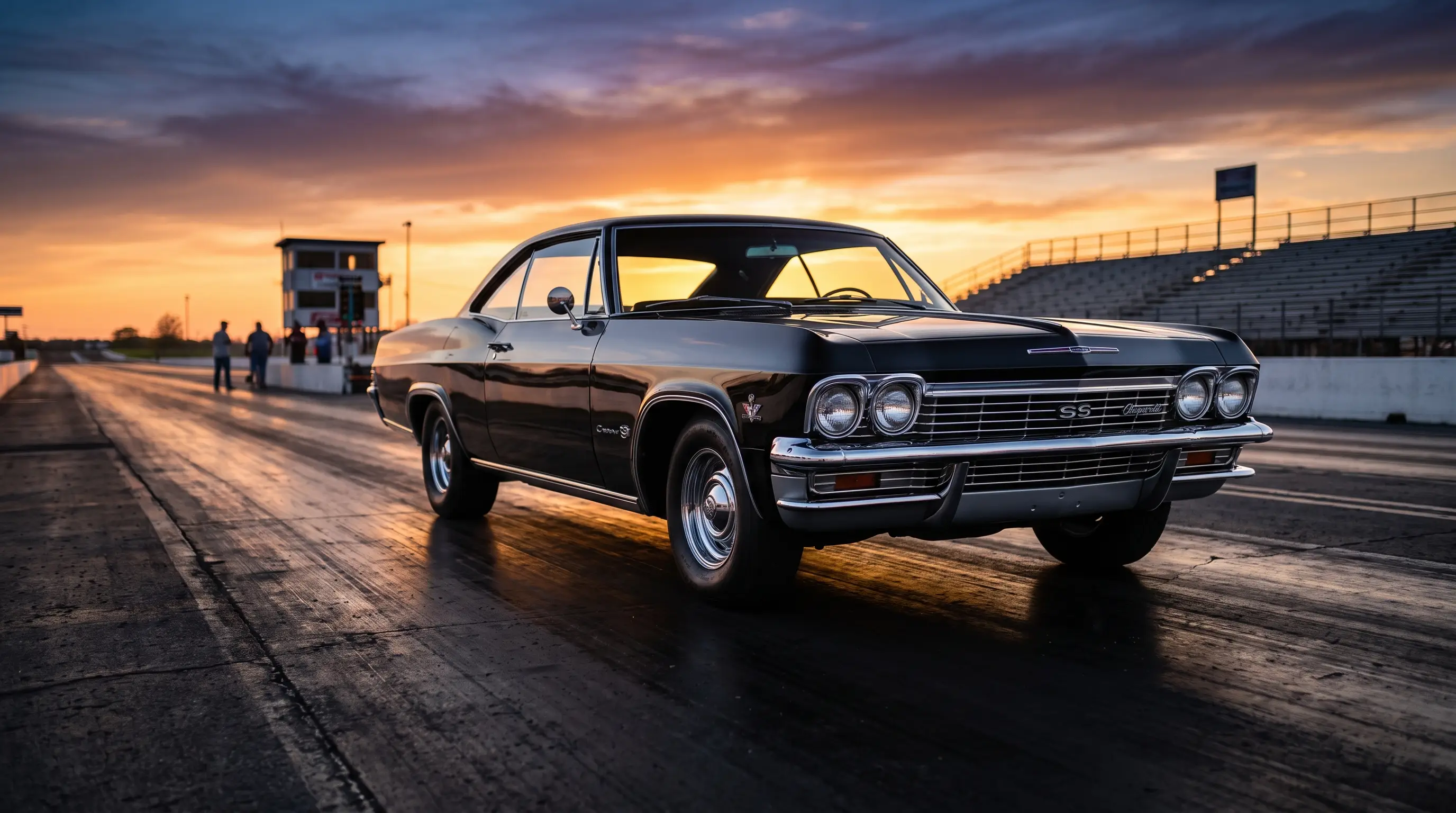
A teenager standing at a Chevrolet dealership in the fall of 1964 would have seen the 1965 Impala SS parked under the showroom lights and understood immediately that this was not just another trim package. The bucket seats, the console, the SS badges on the flanks and deck lid, all of it said the same thing: this Impala was built to be driven hard, not just driven to church. The 1965 impala ss sat at the top of Chevrolet's full size lineup that year, and it arrived at almost the perfect moment, riding the wave of an all new body while muscle car fever was just beginning to take hold across America.
The SS package, explained
For 1965, the Super Sport was still an option package on the Impala rather than its own model, but it was a thorough one. Buyers got a special SS steering wheel, bucket seats with a center console, unique wheel covers, SS emblems front and rear, and a choice of engines that ranged from a modest six cylinder up through big block V8s. The base SS came with a 250 horsepower 327 as standard, but the option sheet let a buyer climb all the way to a 396 cubic inch big block rated at 425 horsepower, a genuinely serious engine for a full size car in 1965.
That range is part of what makes the 1965 SS interesting to study today. Two cars wearing identical badges and trim could have wildly different personalities under the hood, one a comfortable highway cruiser and the other a stoplight terror. Chevrolet did not require buyers to pick a performance engine to get the SS look, which means production numbers for the package do not tell you much about how many were genuinely quick cars.
Where the SS fits in the 1965 story
The SS package sat on top of the same body shell covered in our 1965 impala retrospective, and understanding that broader redesign helps explain why the SS felt so different from the Impala that came before it. The lower stance, wider track, and curved glass gave the SS a road presence that the boxier early 1960s cars never had. Chevrolet leaned into that with advertising that positioned the SS as sporting without abandoning the comfort buyers expected from a full size Chevrolet.
Inside, the console mounted shifter for cars ordered with a manual or the Powerglide automatic gave the cabin a cockpit feel that the standard Impala interior did not attempt. Chevrolet was not trying to build a Corvette. It was trying to give a family car buyer a taste of that world without asking them to give up the back seat.
Driving impressions and what buyers actually chose
Period road tests praised the 1965 SS for its ride quality as much as its power, a combination that was not guaranteed in a car this size. The perimeter frame and coil spring rear suspension smoothed out the kind of long distance driving that full size buyers still valued, even as the SS badge suggested something more aggressive. Most SS buyers in 1965 actually chose one of the smaller V8 options rather than the big block, prioritizing the look and the interior over outright power, which is a pattern that shows up again and again across Chevrolet's muscle era lineup.
That buying pattern matters for anyone shopping a survivor today. A numbers matching 396 car is a genuinely rare find and commands a real premium, while a 283 or small 327 car with the same badges and interior is a more common, more affordable way into the same look and driving experience.
"Everybody remembers the 396, but the truth is most 1965 SS buyers picked the smaller V8 and just enjoyed how the car looked and rode. The rare ones are rare precisely because most people didn't chase the biggest engine on the sheet."
- Patrick Walsh
Colors, options, and how buyers ordered their SS
Chevrolet's 1965 order sheet gave SS buyers a wide range of exterior colors and vinyl top options, and period photography shows the package looking equally at home in a bright, attention grabbing hue or a conservative, understated one. Air conditioning, power steering, and power brakes were all available on the SS, and enough buyers checked those boxes that a genuinely stripped down, no options 1965 SS is now something of a rarity in its own right. The car was marketed as sporty, not spartan, and the options list reflected that positioning.
Transmission choices ranged from a standard three speed manual up through a four speed manual and the two speed Powerglide automatic, with the automatic proving the more popular choice among buyers who wanted the SS look without necessarily wanting to row their own gears. That preference for comfort over outright involvement shows up again and again in how these cars were actually optioned when they left the factory, a pattern that contrasts with how enthusiasts sometimes imagine the typical buyer of the era.
The SS story continues into 1966
Chevrolet carried the SS package forward with updates for the following model year, and reading about a related story shows how the formula evolved once buyers had a year of feedback baked into the car. The core idea stayed the same across both years: give the full size Impala buyer a legitimate performance option without forcing a trade off in comfort or practicality.
For collectors and enthusiasts hunting for one of these cars today, documentation is everything. Cowl tags, engine codes, and build sheets separate a genuine SS from a well dressed clone, and that gap in value has only widened as the muscle car market has matured. If you are shopping seriously, it is worth looking at Impalas for sale now to get a feel for what condition and documentation are currently bringing before committing to a purchase.
The 1965 Impala SS remains one of the clearest examples of Chevrolet reading its market correctly at exactly the right moment, giving a huge base of full size buyers a genuine taste of performance without asking them to give up everything else they valued in a family car.
How the SS fit into the wider muscle car conversation
By 1965, Pontiac had already proven with the GTO that a performance package could sell in serious volume, and Chevrolet's SS package was in part a response to that success, adapted to fit within the full size segment rather than the emerging midsize muscle car category. That distinction matters. The Impala SS was never trying to be a GTO competitor in a direct sense, it was aimed at a buyer who wanted a full size car with genuine credibility rather than a smaller, more focused performance machine.
That positioning helps explain the SS package's broad appeal across such a wide range of buyers, from young men wanting the image to older buyers wanting a comfortable car with some reserve power for highway passing. Few other manufacturers managed to stretch a single performance package across that wide a customer base as successfully as Chevrolet did with the 1965 Impala SS.