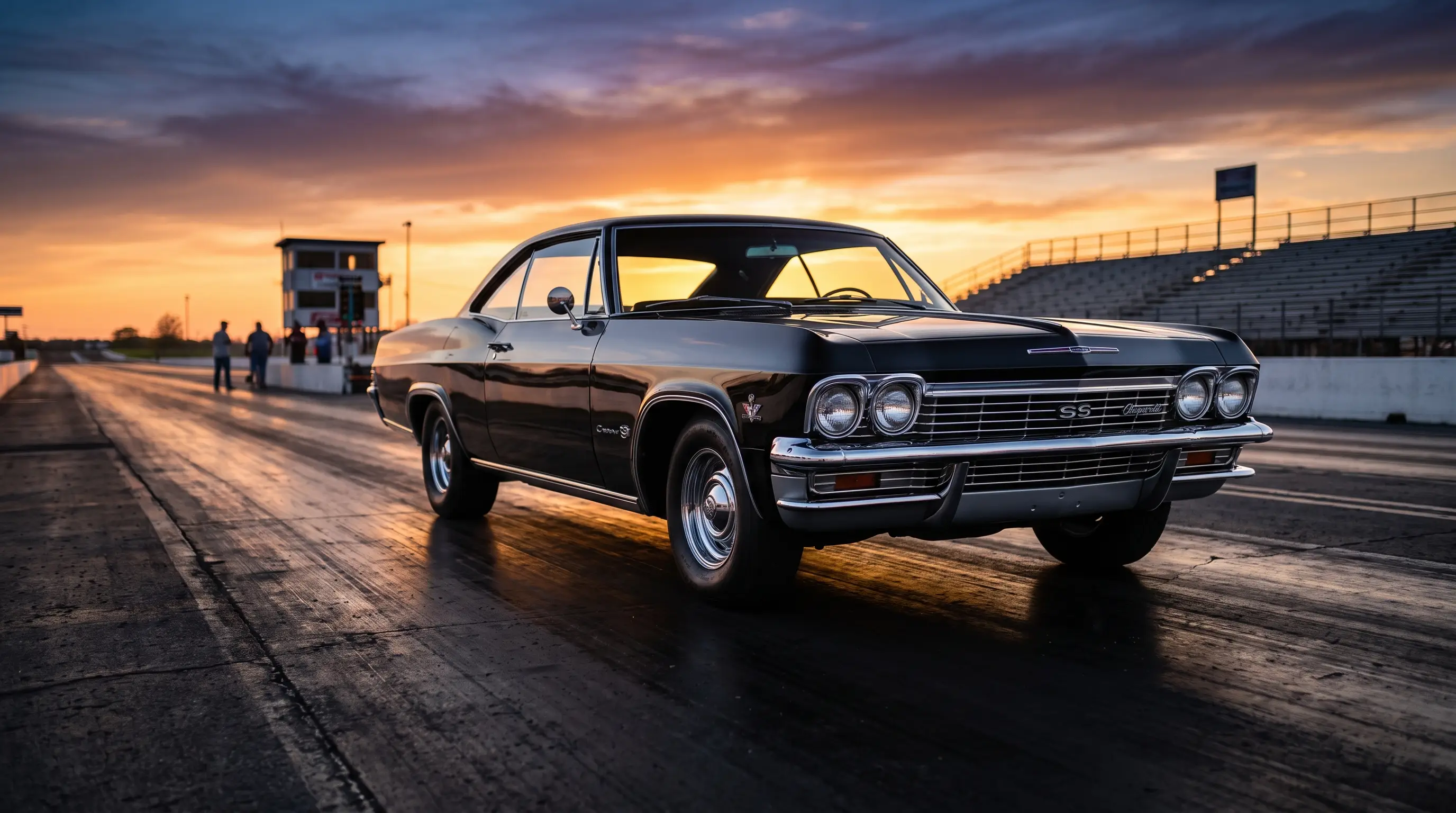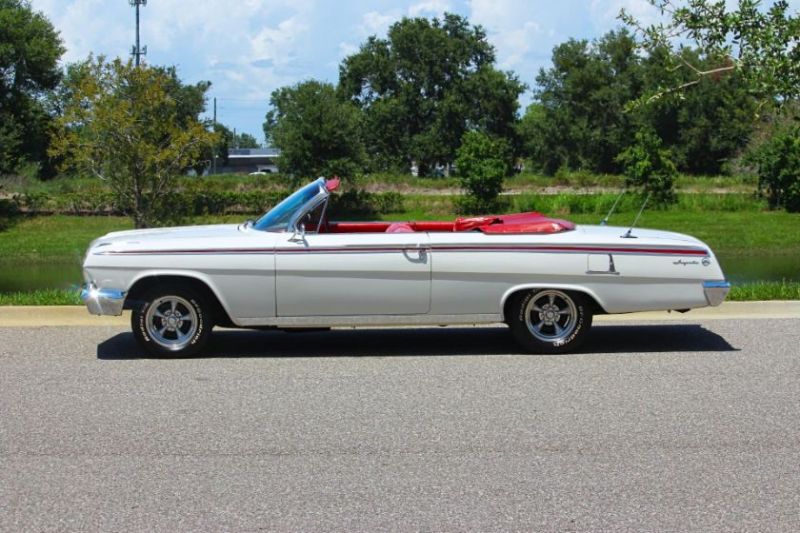
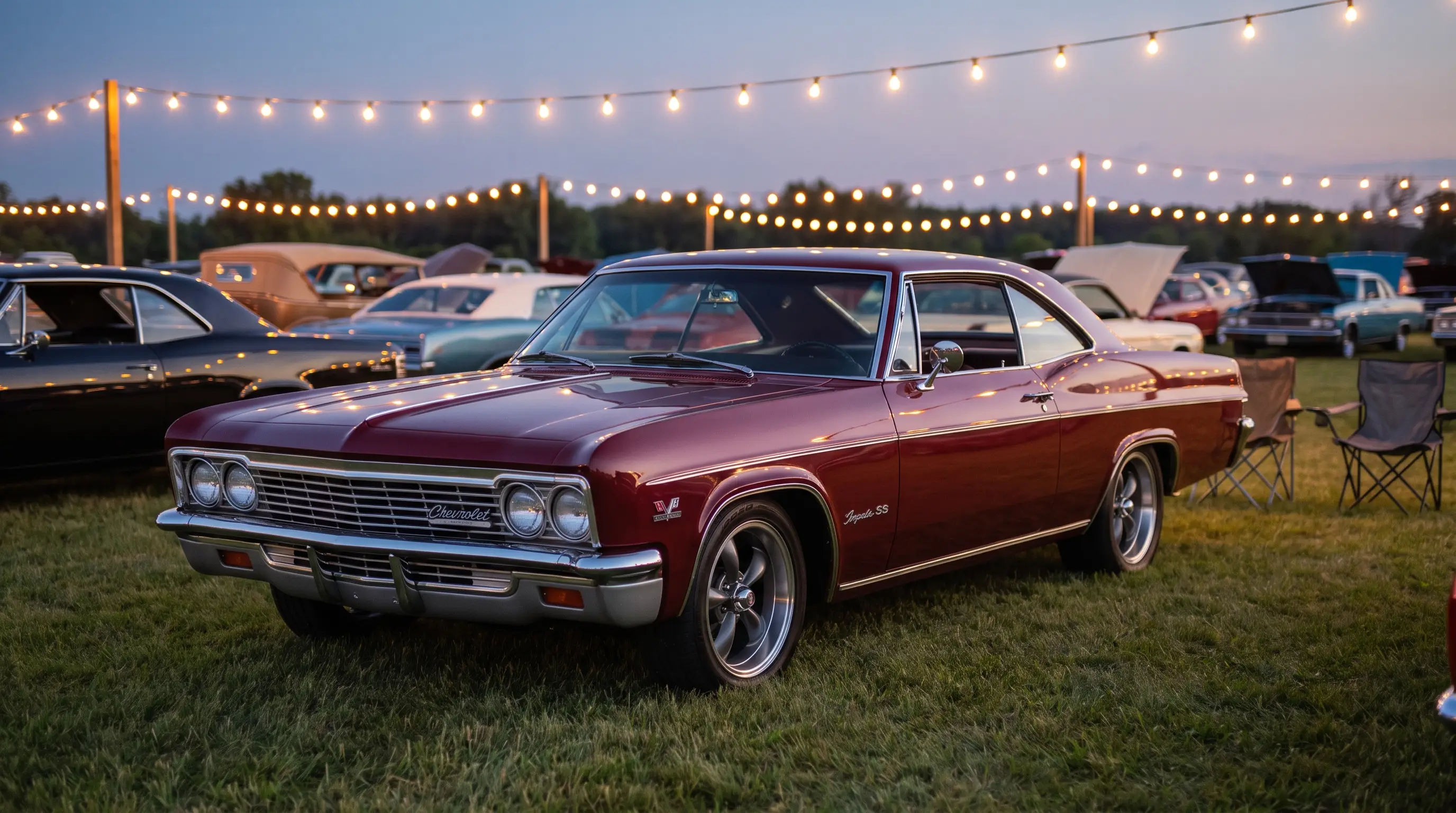
The 1966 Impala SS made a promise slightly different from the one Chevrolet made a year earlier. Where the 1965 car had introduced the Super Sport concept on an all new body, the 1966 impala ss refined it, correcting small assembly quirks and giving buyers a cleaner, more confident execution of the same idea. It was still the performance minded top of the Impala range, and it still wore bucket seats, a console, and SS badging as its calling cards, but the details underneath had matured.
What Chevrolet changed for 1966
Externally, the SS carried a revised grille and a new taillight arrangement shared with the standard Impala lineup, along with a slightly reworked instrument panel that grouped gauges more logically than the 1965 dash had. Mechanically, the engine range stayed familiar at the small block level, but at the top Chevrolet replaced the milder end of the 1965 big block spread with a new option: a 427 cubic inch Mark IV big block, offered alongside a carryover 396. Chevrolet had a full year of production experience behind the platform by then, and the fit and finish on surviving cars generally reflects that. Sales literature for 1966 leaned harder into the SS as a distinct identity within the Impala range, giving it its own model designation rather than treating it purely as an options package.
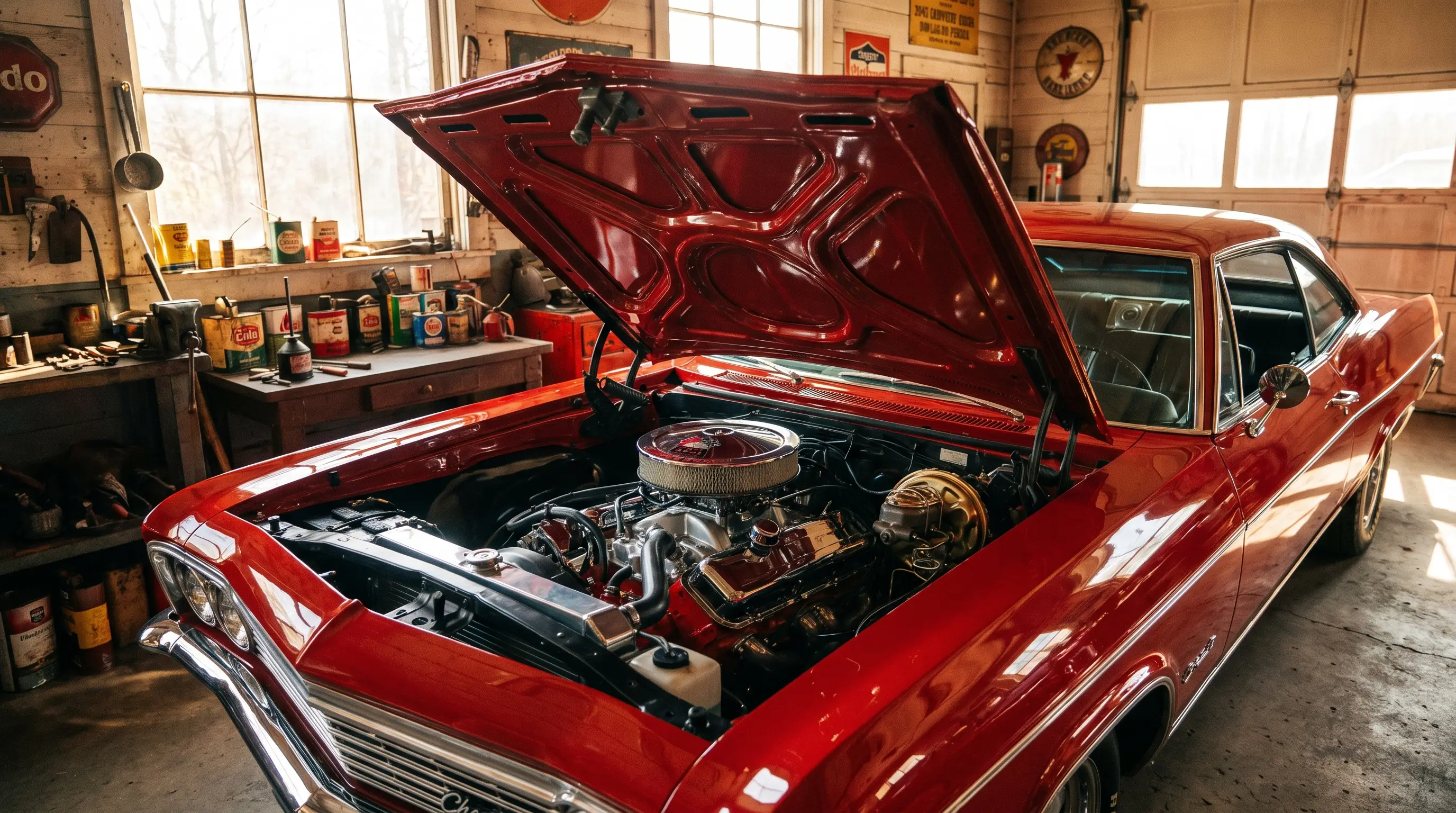
The 427 became the headline engine for 1966, offered in a 390 horsepower hydraulic lifter version and a high revving 425 horsepower solid lifter version, while the 396 continued in its milder 325 horsepower tune. Together they gave the 1966 SS genuine credibility against contemporary rivals from Ford and Pontiac. Most buyers, as in 1965, still selected a smaller V8, which means a documented big block car from this year is a meaningfully rarer find than the badge alone suggests.
Reading the background of the redesign
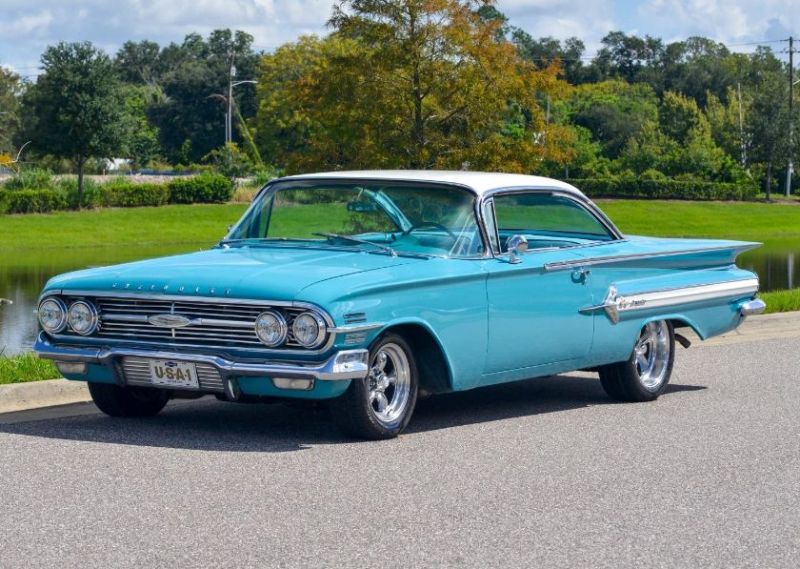
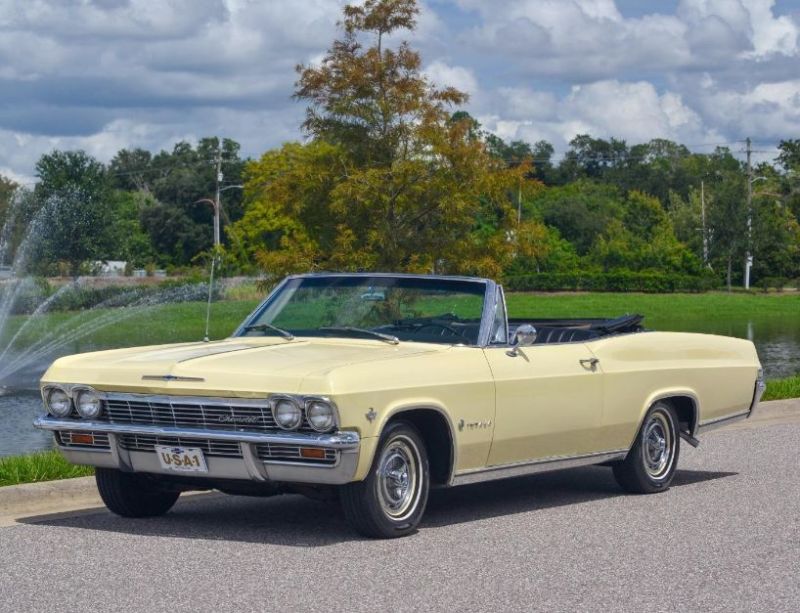
To understand why the 1966 SS looks and drives the way it does, it helps to read the background on the broader 1965 to 1966 redesign that gave both years their lowered stance, curved side glass, and coil spring rear suspension. The SS package inherited all of that engineering, and its bucket seat interior simply dressed up a chassis that was already competitive on ride and handling for a full size car of the period.
Cowl tags and build sheets from this era carry the codes that separate a genuine factory SS from a well presented clone, and that documentation gap has grown more important as prices for verified cars have climbed. A buyer without patience for paperwork is a buyer likely to overpay for a car that only looks the part.
Interior and driving character
Inside, the console mounted shifter and bucket seats gave the 1966 SS the same cockpit feel that had defined the 1965 car, but with minor trim refinements that made the cabin feel a step more finished. Chrome accents on the console and door panels were slightly revised, and the steering wheel design picked up a cleaner, less busy look. None of these were dramatic changes, but taken together they gave the 1966 car a more settled, considered feel behind the wheel.
On the road, period reviewers again praised the balance between comfort and capability that the SS package delivered. It was never meant to be a stripped down muscle car in the mold of a smaller intermediate. It was a full size Chevrolet that happened to offer a genuinely quick engine option, and that combination is exactly what kept buyers coming back for a second consecutive year.
| Feature | 1966 Impala SS Detail |
|---|---|
| Series Status | Distinct model designation, not just an option package |
| Standard Interior | Bucket seats, center console, SS steering wheel |
| Top Engine Option | 427 cubic inch big block V8 (390 or 425 hp), 396 carried over at 325 hp |
| Most Common Buyer Choice | Smaller V8 with SS trim, not the big block |
"A 1966 SS with genuine build sheets tells you exactly what left the factory. Without that paper trail, you are trusting a badge, and badges can be bolted onto anything."
- Sarah Whitfield
Colors and options that shaped how buyers ordered
The 1966 order sheet offered the SS in a full range of exterior colors and vinyl top choices, along with the usual list of comfort options including air conditioning, power windows, and power seats. Buyers treated the SS as a way to combine sporty appearance with genuine daily comfort, and the take rate on those comfort options among SS buyers was not meaningfully different from standard Impala buyers, which tells you something about who was actually ordering this package. It was rarely a stripped down, back to basics performance buyer. It was far more often a mainstream Chevrolet customer who wanted a little more presence without giving up creature comforts.
Transmission choices again ran from a base three speed manual through a four speed and the automatic, with the automatic remaining the volume leader among SS buyers in 1966 just as it had the year before. That consistency across both model years reinforces how well Chevrolet understood exactly who was buying this package and what they actually wanted from it.
Finding one to buy today
Anyone shopping the collector market for a 1966 Impala SS should treat documentation as non negotiable, especially with big block cars carrying such a premium over small block equivalents. Original SS specific trim pieces are also worth checking closely, since reproduction parts have flooded the market and not all of them match factory tolerances. If you want to compare what is currently on the market, you can find a classic Impala and weigh condition, documentation, and engine originality before making an offer.
The 1966 Impala SS closed out a two year run that had started with Chevrolet betting on an all new platform and ended with a car that felt fully sorted, confident in its identity, and still one of the more approachable ways into genuine 1960s performance ownership today.
Why the second year of a design often ages better
There is a pattern across the auto industry where the second model year of a major redesign tends to iron out the rough edges the first year inevitably carries, and the 1966 Impala SS fits that pattern well. Suppliers had a full year to refine tooling, assembly line workers had a full year to learn the new body's quirks, and Chevrolet's engineers had a full year of warranty and dealer feedback to act on. None of that shows up as a dramatic styling change, but it shows up in the day to day experience of owning and driving the car.
For a collector deciding between a 1965 and a 1966 SS today, that maturity is a real, if subtle, consideration. Neither year is objectively better across the board, but a 1966 car often benefits from small assembly refinements that a first year 1965 example may lack, even when both cars are equally well preserved. Some buyers prefer the 1965 specifically because it is the first year of a landmark redesign, a distinction that carries its own appeal regardless of any mechanical maturity gained the following year.