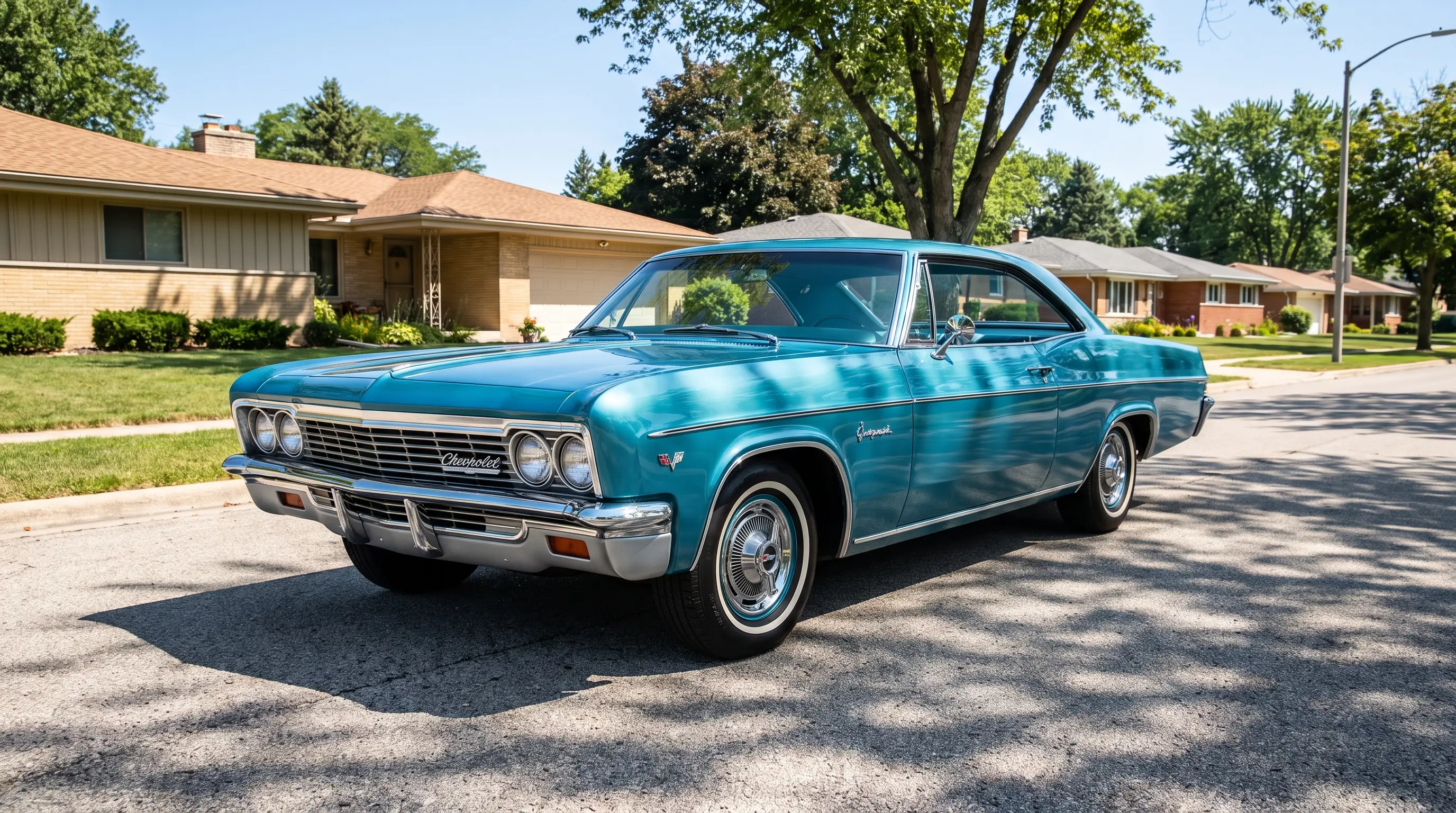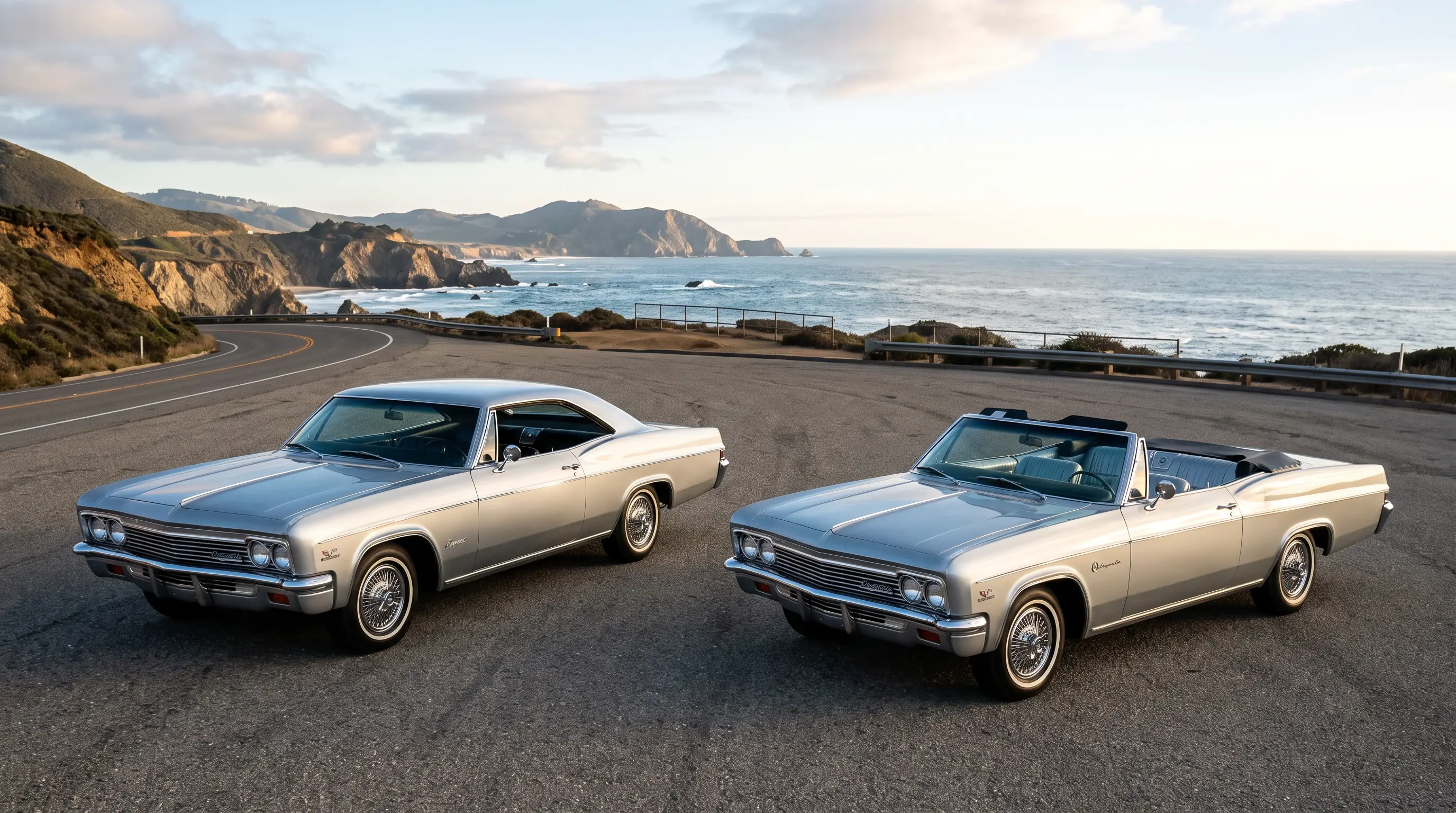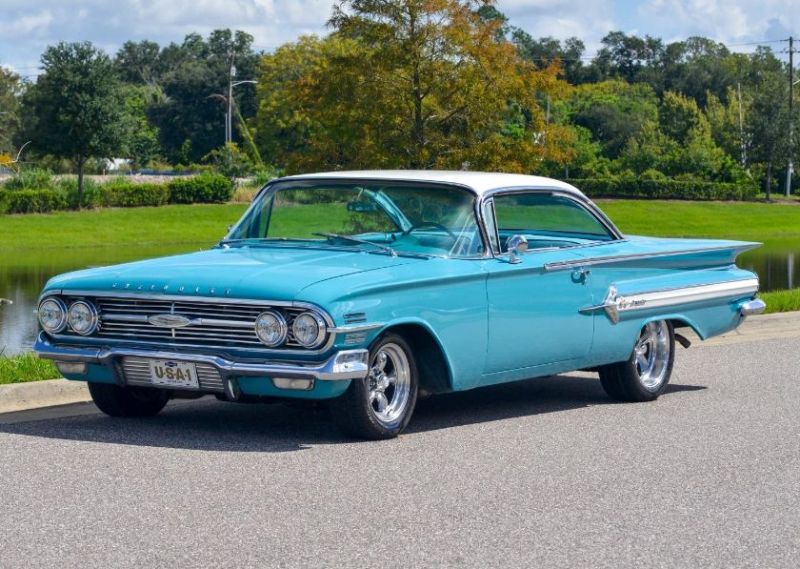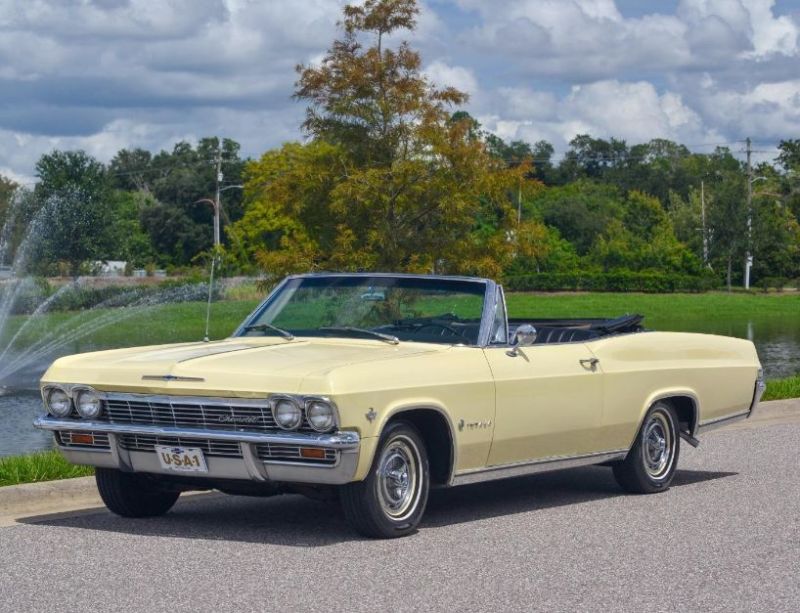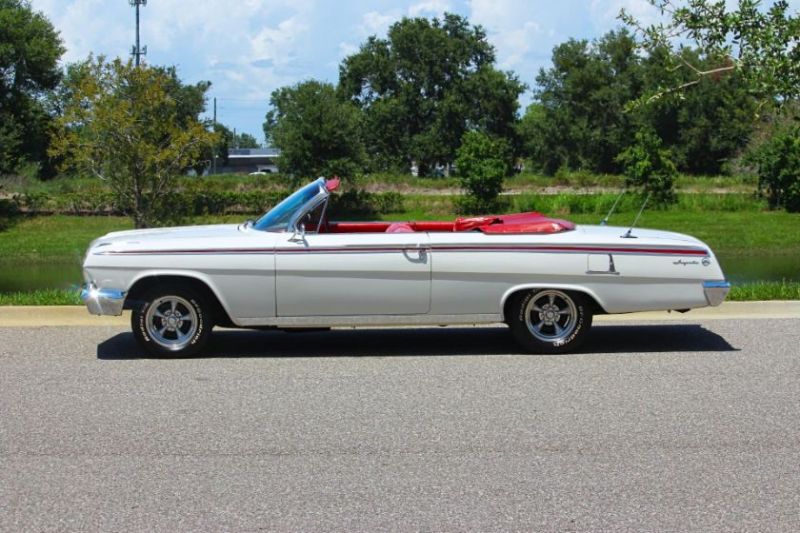
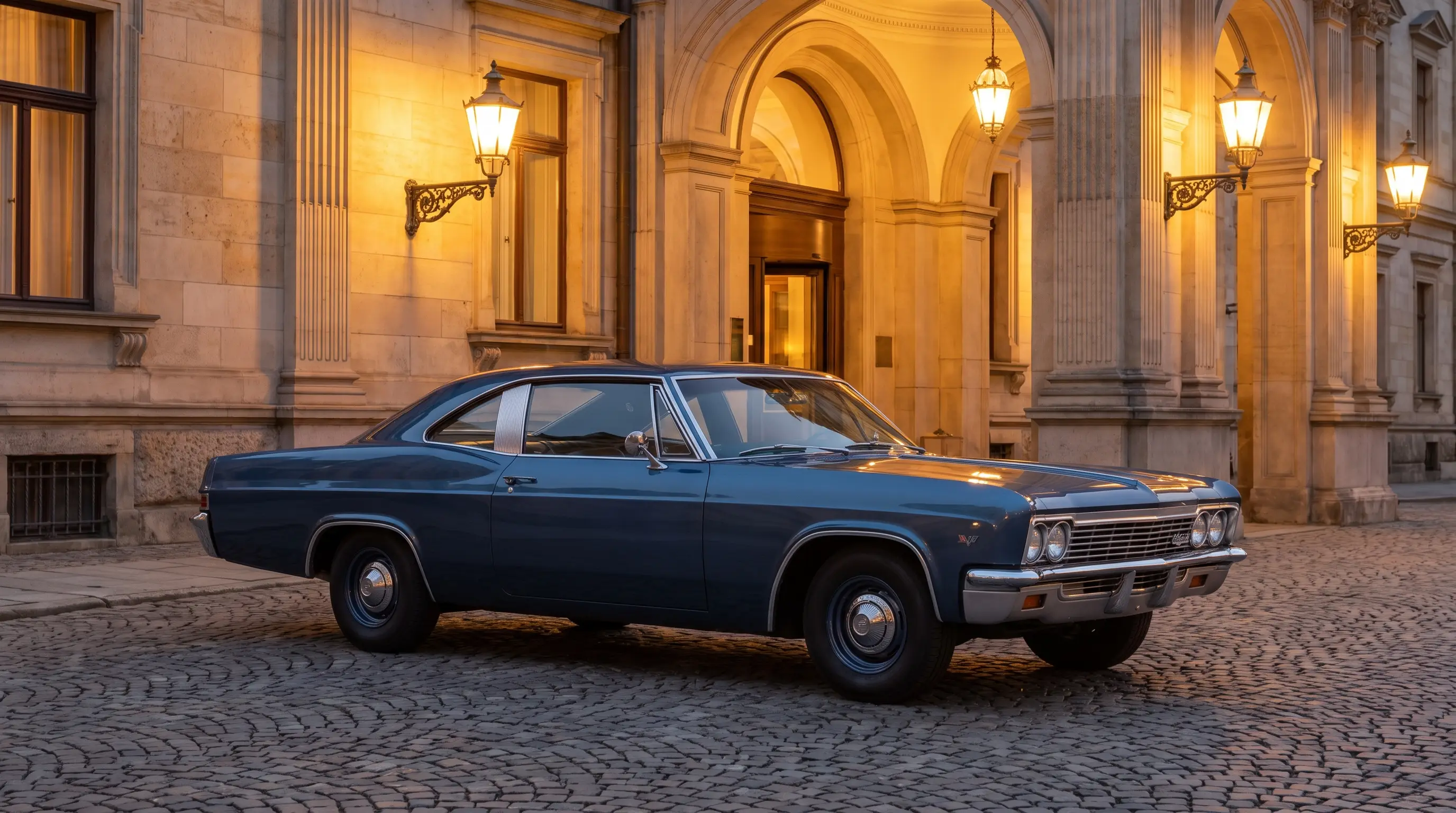
The 1966 Caprice marks the point where Chevrolet's top trim package stopped being a trim package and started being a car in its own right. Caprice had appeared partway through the 1965 model year as a luxury option built onto the Impala platform, and by 1966 Chevrolet made it official: Caprice gained full series status of its own that year, no longer an Impala sub-model on paper. Digging into the factory record on this transition corrects a few misconceptions that have settled into casual retellings over the decades.
Setting the record straight on the Caprice timeline
Caprice began life in 1965 as a mid-year option package layered on top of the Impala Sport Sedan, offering upgraded interior trim, additional sound insulation, and exterior brightwork beyond what the standard Impala provided. It was not a separate model in any administrative sense that year. It was a content package, ordered on an Impala, that happened to carry a distinct name because Chevrolet wanted to test the market for a genuinely upscale full-size offering above the Impala Super Sport and standard trims.
By 1966, that test had clearly succeeded. Chevrolet expanded the Caprice content further and, just as importantly, moved Caprice from an Impala option package to its own full series for the model year, complete with a broader range of body styles under the Caprice name, even though the underlying body and platform remained shared with the rest of the full-size lineup. The administrative split had already happened by 1966, not later, and the marketing and equipping of that year's cars reflects a nameplate that was already standing on its own.
What actually distinguished a Caprice-equipped 1966 Impala
The content differences were concrete, not just marketing language. Upgraded interior trim, additional exterior brightwork, and a quieter cabin through added sound deadening set the Caprice-equipped cars apart from standard Impala trims sold the same year. These were the kinds of features a buyer could point to directly, not abstract claims of "luxury" without substance behind them.
Mechanically, the Caprice package did not fundamentally change what was available under the hood. Buyers could still order the full range of engines Chevrolet offered across the 1966 full-size lineup, from economical six-cylinders through the newly more widely available 396 Turbo-Jet big block. Caprice was a statement about cabin content and presentation, not a performance package, and that distinction matters for anyone researching a specific car's original configuration today.
| Year | Caprice status |
|---|---|
| 1965 | Mid-year option package on Impala Sport Sedan |
| 1966 | Gained full series status, standalone Caprice nameplate |
| 1967 onward | Continued as an established standalone series |
Pricing at the time reflected that positioning too. A Caprice-equipped 1966 Impala carried a meaningful premium over a standard Impala Sport Sedan, a gap dealers used to steer buyers who wanted more prestige without stepping up to a Buick or Oldsmobile showroom floor. That pricing strategy is a big part of why the eventual 1967 standalone Caprice made business sense. Chevrolet had already proven buyers would pay extra for the content, and formalizing it as its own nameplate for 1966 let the company market that premium more directly rather than burying it inside the Impala order sheet.
Correcting a common misconception
I regularly see 1966 Caprice cars described in casual sources as though Caprice were still just a trim level on the Impala that year, with the real split not happening until 1967. That gets the timeline backward. Chevrolet gave Caprice full series status for 1966 itself, with its own model designation separate from Impala in factory records and sales literature, even though the platform and body shell remained shared with the rest of the full-size lineup.
Getting this distinction right matters for anyone researching a specific car's history or trying to understand why documentation from 1966 lists a car under the Caprice series rather than as an Impala trim, even though the two shared nearly everything mechanically.
I also want to correct a related point I see repeated often: that Caprice was purely a defensive move against Ford. It was partly that, but it also reflected genuine internal research at General Motors into where full-size buyers were trading up within the corporation's own divisions. Some Impala buyers who might otherwise have stepped up to a lower-tier Buick or Oldsmobile were choosing to stay within Chevrolet if given a sufficiently upscale option, and Caprice was built specifically to capture that customer rather than lose them to a sister division.
Why this split mattered for Chevrolet's broader strategy
Chevrolet was responding to a genuine market gap. Ford's LTD, introduced for the 1965 model year, had shown there was real demand for a full-size car positioned above the standard trim levels but below the true luxury marques, and Chevrolet needed its own answer within the full-size lineup. Testing that positioning through an Impala-based package for a single mid-year in 1965, before committing to a fully separate nameplate for 1966, let Chevrolet validate demand without the cost and risk of launching an entirely new model outright from a standing start.
That incremental approach is a pattern worth understanding for anyone studying this era of the full-size Chevrolet lineup, since the same logic explains how several other trim and engine options during these years moved from limited tests to broader, permanent parts of the catalog. For the complete account of the 1965 to 1966 generation this transition took place within, where this started lays out the full context around the redesign, sales performance, and lineup structure of these two years.
"People treat the Caprice split like it happened later, in 1967. The factory record says otherwise. Chevrolet made it official for 1966, right after a single mid-year test run in 1965."
- Tom Ramirez
For researchers and buyers alike, the practical lesson from the 1966 Caprice story is that model histories rarely split as cleanly as later marketing summaries suggest, and sometimes people move the split date around in casual retellings when the factory record is actually clear. The transition from option package to standalone nameplate happened fast, a single mid-year test in 1965 followed by full series status for 1966. Treating 1966 as anything less than the real birth of Caprice as its own nameplate misses what the factory record actually shows.
Finding a documented example today
For buyers specifically interested in a 1966 Caprice, correct documentation matters as much here as anywhere else in this era, since the shared platform with standard Impala trims means originality claims need to be verified against trim tags and build sheets rather than assumed from exterior appearance alone. Anyone shopping this specific configuration or the broader 1966 lineup can browse classic Impala for sale listings to compare documented examples across trim levels before committing to a purchase.
Sources and notes
- Chevrolet Caprice - Wikipedia
- Chevrolet Answers the Ford LTD: The 1965 Impala Caprice - Mac's Motor City Garage
- Why is the 1966-70 Caprice lagging behind the Impala - Hagerty Media
- Car of the Week: 1966 Chevrolet Caprice - Old Cars Weekly
- The History Of The Chevrolet Caprice - HotCars
- Chevrolet Impala - Wikipedia