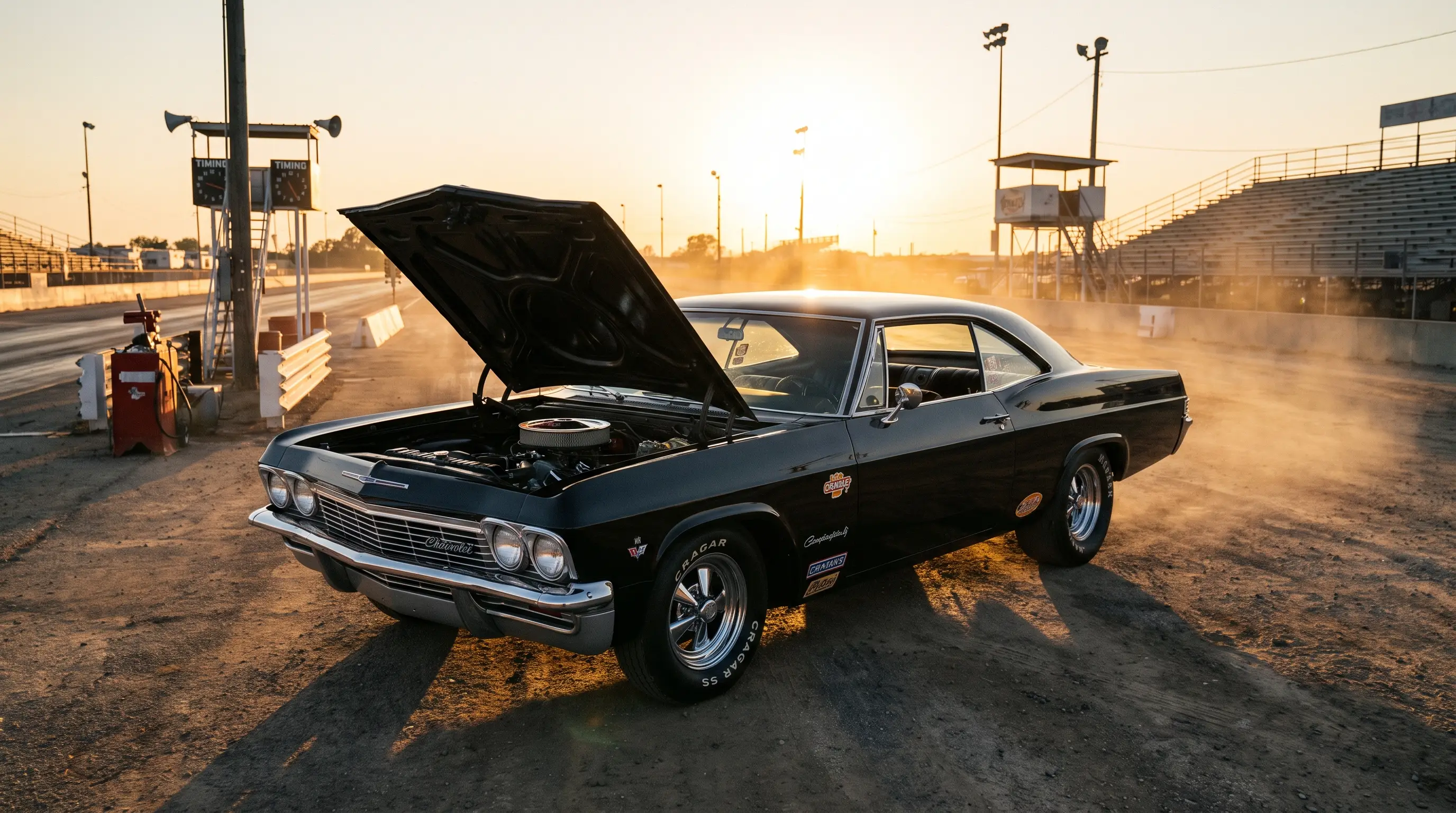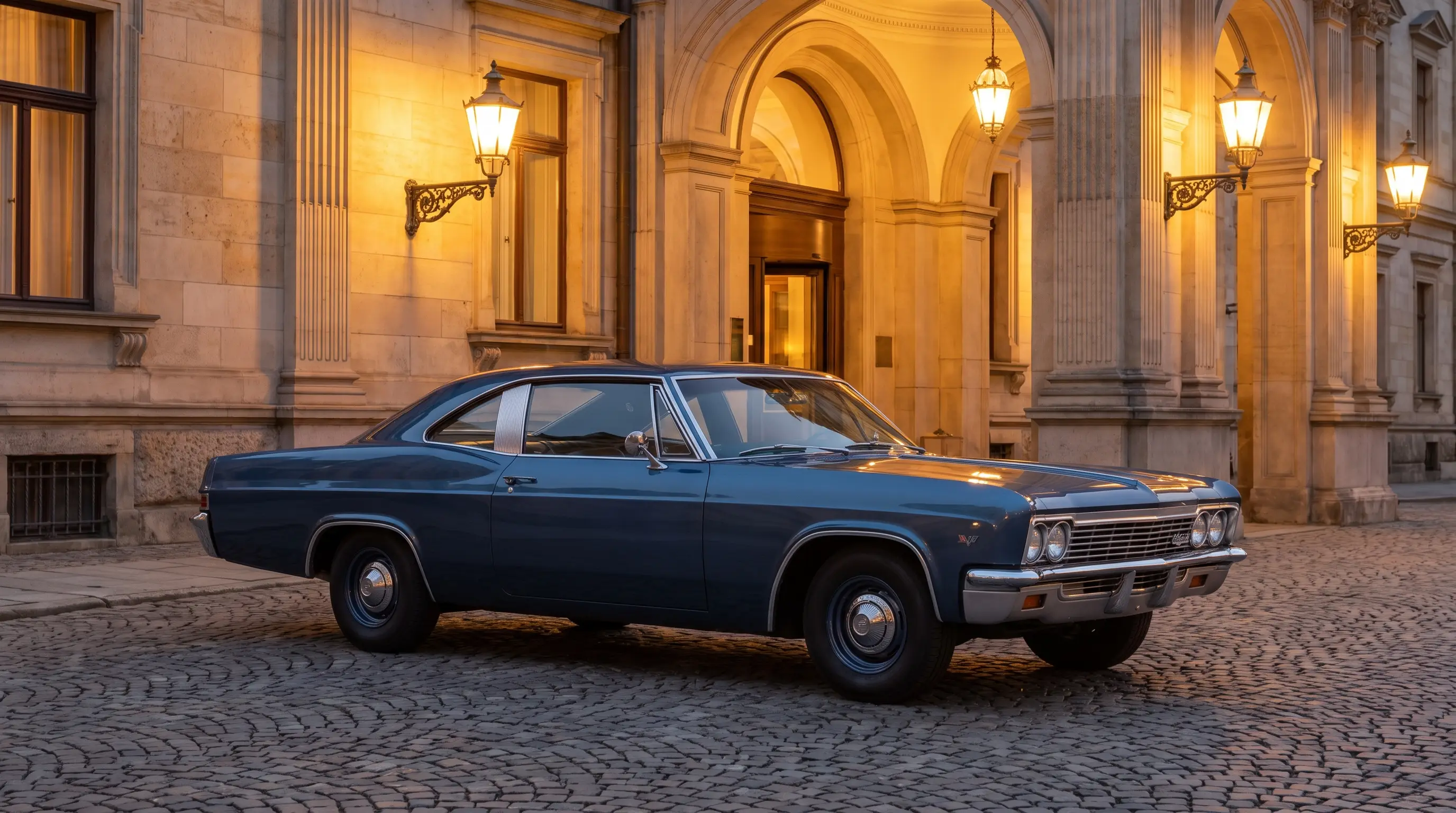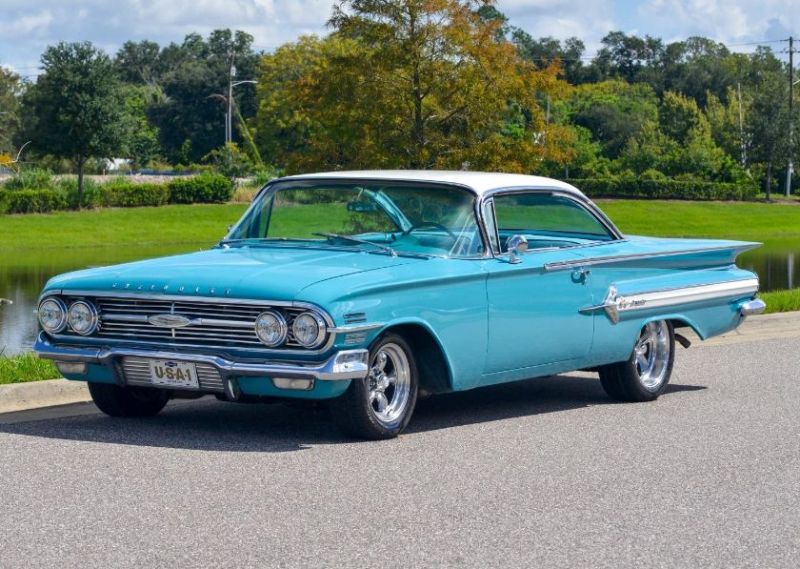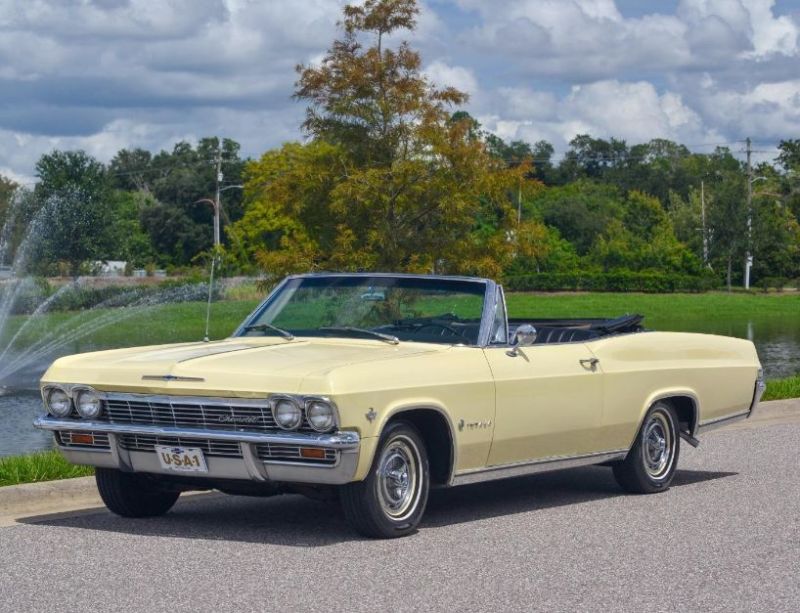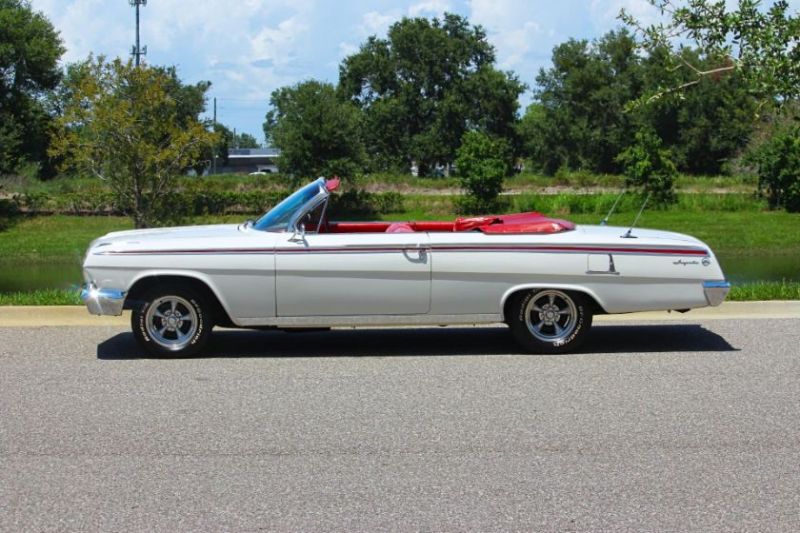
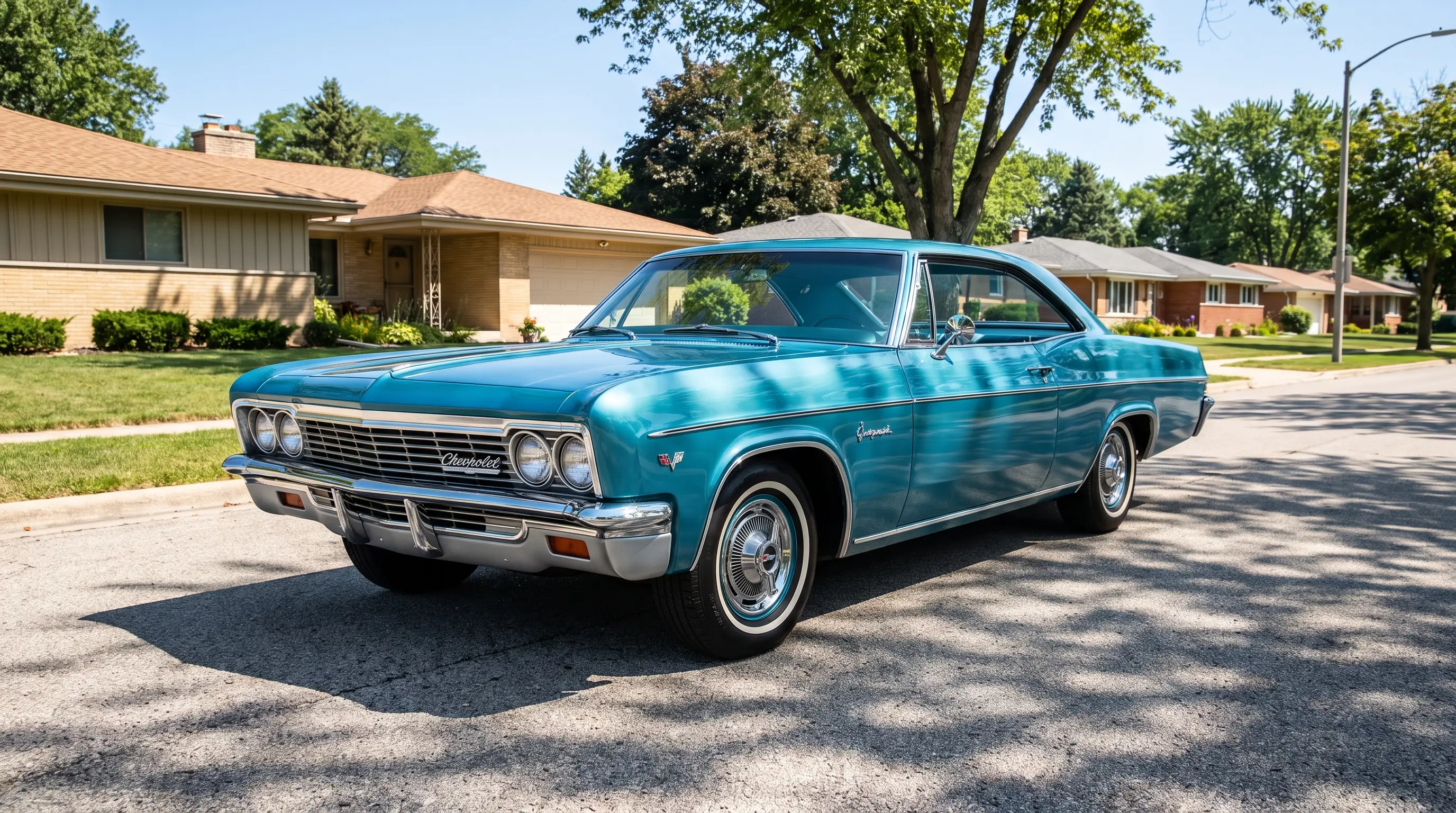
The 1966 Impala carried forward the body Chevrolet had introduced the year before, refining rather than reinventing the shape that had already proven itself with buyers. As a researcher who spends most of her time in period documentation rather than at car shows, I find 1966 a genuinely interesting year precisely because it is easy to overlook. It did not introduce a new body. It did not set a sales record. What it did was quietly establish which parts of the 1965 redesign were worth keeping and which needed adjustment, and that kind of refinement work rarely gets the attention it deserves.
What actually changed from 1965 to 1966
The core body structure carried over largely intact, since Chevrolet had just invested in a completely new perimeter frame and body the previous year and had no reason to replace it after a single season. What buyers saw instead were detail revisions: updated grille treatment, revised taillight lenses, and trim-level adjustments that distinguished the 1966 cars from their immediate predecessors at a glance, without requiring an entirely new set of body dies.
Mechanically, 1966 is the year the 396 Turbo-Jet big block moved from the limited, low-volume application it saw in 1965 to a genuinely available option across a wider range of Impala trims. That expansion matters more to the car's story than it might first appear, since it represents Chevrolet validating a new engine platform through a small test run before committing to broader production, a pattern the company used more than once during this period.
Powertrain choices broadened beyond the headline 396 addition as well. Chevrolet continued offering a full spread of six-cylinder and small block V8 options for buyers who wanted the styling and size of a full-size Impala without paying for big block performance they did not need. That range, from economical daily drivers up through the big block performance cars, is part of what made the nameplate the volume leader it had become, and 1966 preserved that breadth even as attention shifted toward the newly available Turbo-Jet option at the top of the lineup.
Why 1966 gets treated as a footnote
Enthusiast literature tends to compress 1965 and 1966 together, treating them as a single generation, which is technically accurate from an engineering standpoint but does the 1966 model a disservice on the documentation side. Fewer dedicated period road tests exist for the 1966 specifically, since much of the press attention the year before had already covered the new body's fundamentals. Researching 1966-specific details often means working through dealer literature and factory service documentation rather than magazine features, since the press cycle had moved on to covering what was new that year rather than what had carried over.
That documentation gap creates real friction for anyone trying to verify a specific 1966 car's originality today. Trim codes, interior combinations, and running production changes within the model year are less consistently cataloged than for 1965, and I would encourage any serious buyer to lean on factory build sheets and Protect-O-Plate documentation rather than assuming a claimed configuration is correct just because it matches common enthusiast knowledge.
| Element | 1966 Impala detail |
|---|---|
| Body | Carryover from 1965 redesign, revised trim |
| 396 Turbo-Jet | Wider availability across trims |
| Grille and taillights | Updated for model year differentiation |
| Interior | New upholstery and color options |
Production figures for 1966, while not matching the record set the prior year, still represented a strong showing for the nameplate, reinforcing that the 1965 redesign had staying power rather than being a one-year sales spike tied to novelty alone. That durability across two consecutive strong years is itself a piece of evidence for how well the redesigned body resonated with the market, since a genuinely successful design tends to hold buyer interest into its second season rather than fading once the initial novelty wears off.
The introduction of Caprice within the lineup
1966 also matters for a specific structural reason within Chevrolet's model hierarchy. The Caprice name, introduced partway through 1965 as a top-tier Impala trim package, split off to become its own standalone Chevrolet line for 1966 itself, rather than waiting another year. Watching that transition play out across these two model years gives a clear picture of how Chevrolet tested new market positioning incrementally rather than launching an entirely new nameplate all at once.
Understanding where 1966 sits requires looking back at what came before it. The full context on the redesigned body, the sales performance, and the mechanical foundation that 1966 built on is covered in more on the 1965 impala, which lays out the generation as a whole rather than treating each year in isolation.
"The 1966 Impala gets less press attention than the year before it, and that's exactly why the documentation work matters more, not less. Quiet years are where careless attribution creeps into a car's history."
- Sarah Whitfield
Placing 1966 in the full Impala timeline
No single model year exists on its own, and the 1966 Impala is a good example of why the broader arc matters for understanding any specific car. Chevrolet had been refining the Impala nameplate since its introduction in the late 1950s, and each model year built on lessons from the one before it in ways that are only visible when you look at the full run rather than an isolated snapshot. For that complete picture, where this started traces the nameplate from its origins through this era and beyond.
I would also flag a common confusion I see in listings and casual research: some sellers describe any 1966 full-size Chevrolet as an Impala without distinguishing it from the increasingly separate Caprice trim, or from the lower Bel Air and Biscayne models that shared the same basic body. Precision matters here, since the nameplate and trim level directly affect both the correct specification to expect and the eventual collector value. A researcher verifying a specific 1966 car should confirm trim level from the VIN and trim tag data rather than relying on how a previous owner or seller happened to label the car.
What this means for buyers today
Because 1966 gets less attention in casual enthusiast conversation, documented examples sometimes trade at a modest discount to comparably equipped 1965 cars, purely as a function of market attention rather than any real difference in build quality or desirability. That gap can represent genuine value for a buyer who is more interested in the era's styling and engineering than in owning specifically the record-setting sales year. For anyone weighing that tradeoff directly, you can browse classic Impalas on the market and compare documentation and condition across both model years before deciding where the better value actually sits.