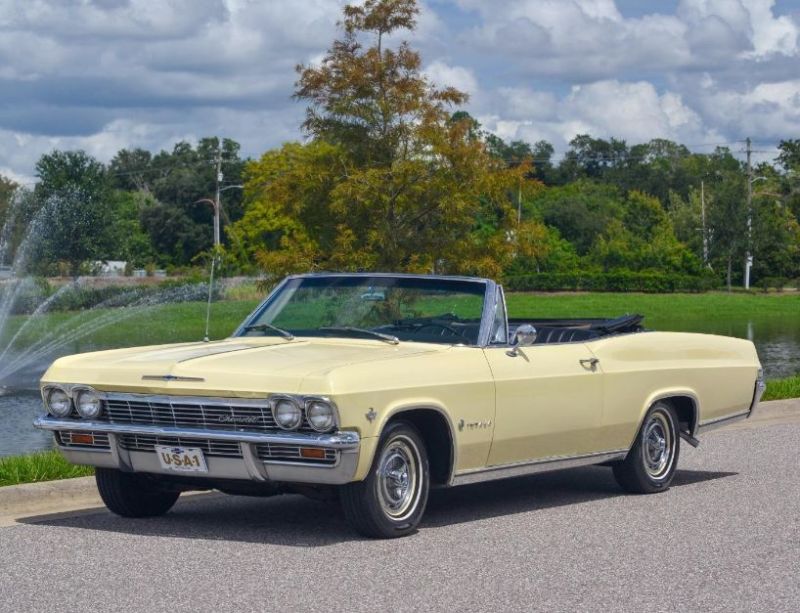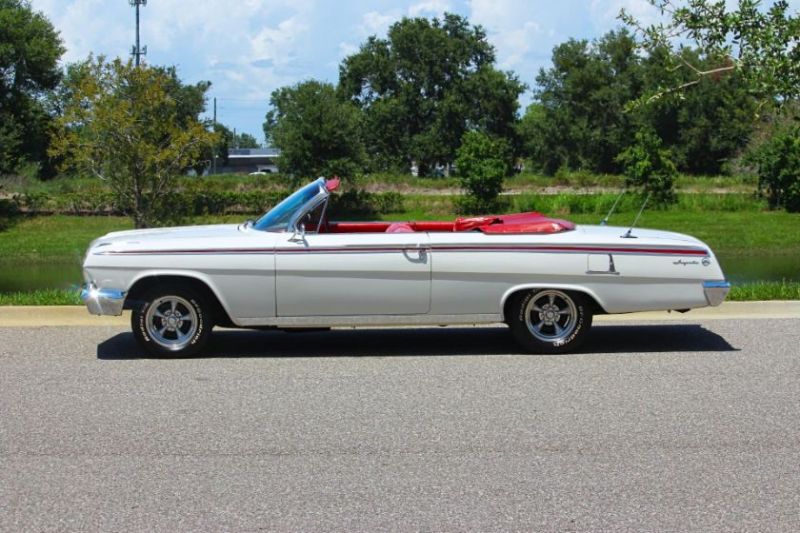
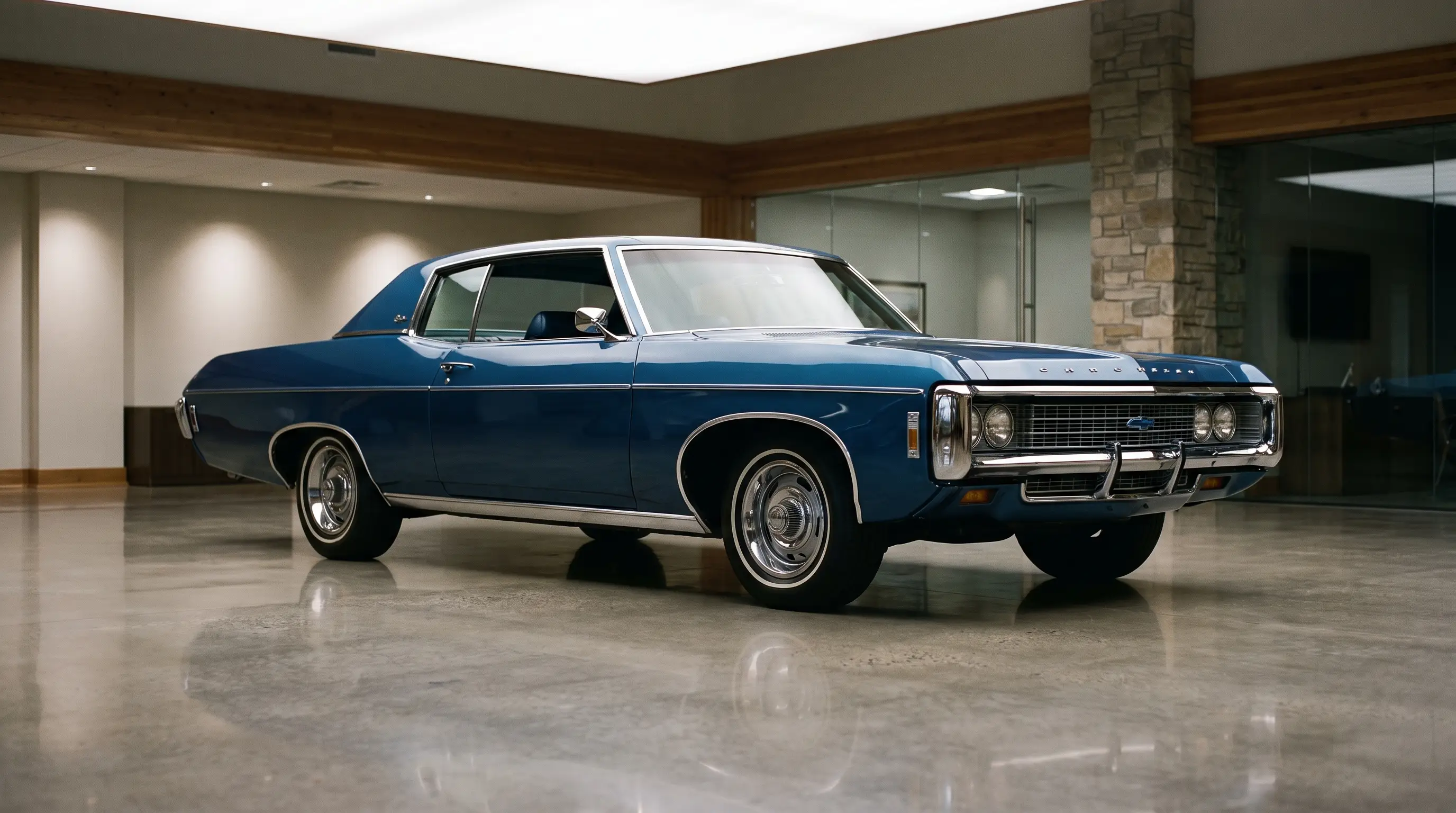
The 1967 Impala collectible market has quietly shifted over the last few auction cycles, and anyone who tracks Chevrolet full size prices has noticed it. The cars that used to sell for parade duty money, driven once a summer and stored the rest of the year, are now pulling bids that would have embarrassed a Chevelle SS a decade ago. I look at a lot of sale sheets for a living, and the 1967 through 1970 Impala window is the one where I keep circling numbers and asking myself why nobody priced this correctly sooner.
What actually changed in the numbers
Ten years ago a clean, numbers matching 1968 Impala SS 427 convertible traded in the sixty to eighty thousand dollar range at the better auction houses. That same car, same documentation, same condition grade, is now landing closer to the low six figures when the paperwork is airtight. The plain sedans and base coupes moved too, just less dramatically, going from what I'd call beater territory into genuine driver-quality money. That is not inflation noise. Inflation alone does not explain a car tripling while a comparable Chevelle from the same factory only doubled.
Part of the answer is supply. Impalas of this generation were built in huge numbers, over a million units some years, and for decades that volume kept prices soft because buyers assumed there would always be another one. That assumption was correct for a long time. It stopped being correct once four decades of rust, accidents, and cheap parts cars thinned the herd of survivors that are actually straight and complete. A car built by the hundreds of thousands does not stay common forever if nobody bothered to save the ordinary ones.
Why 1967 to 1970 specifically, not the whole run
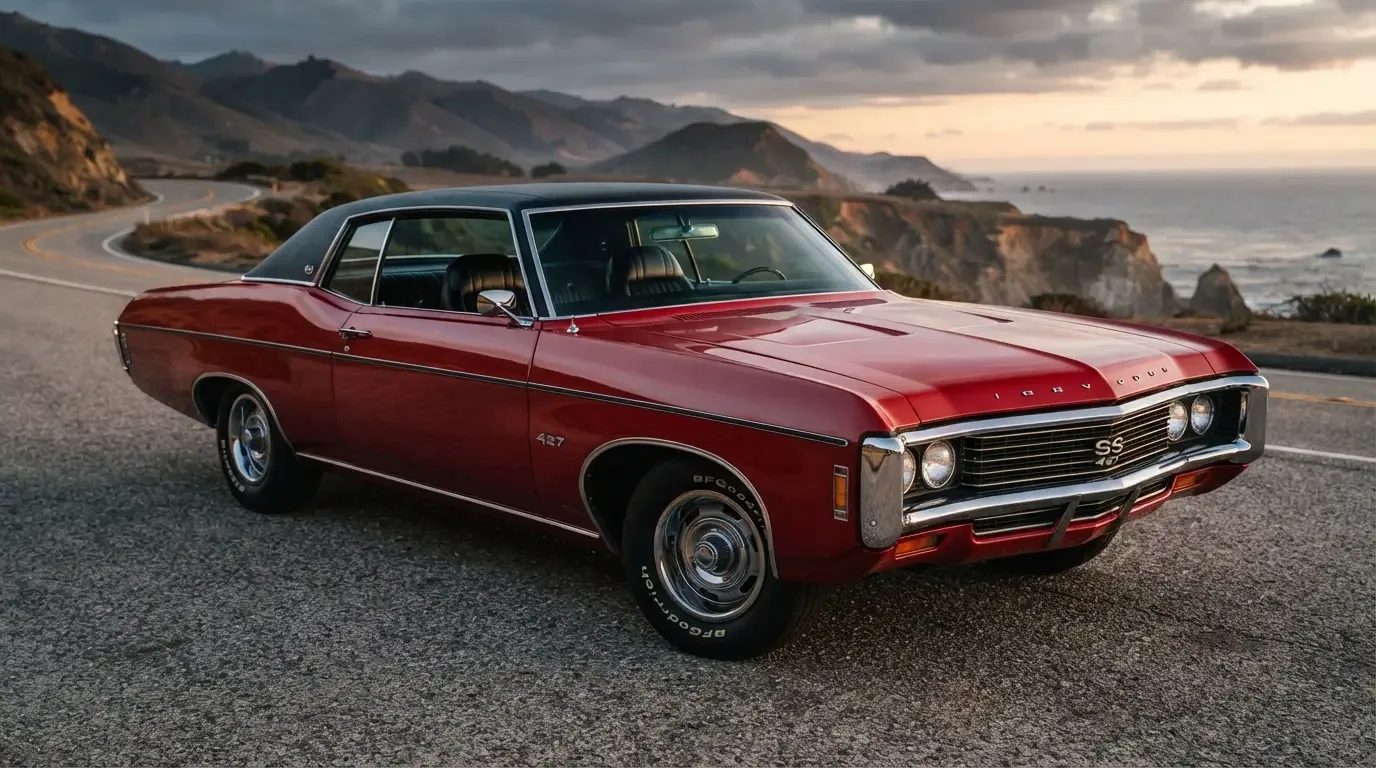
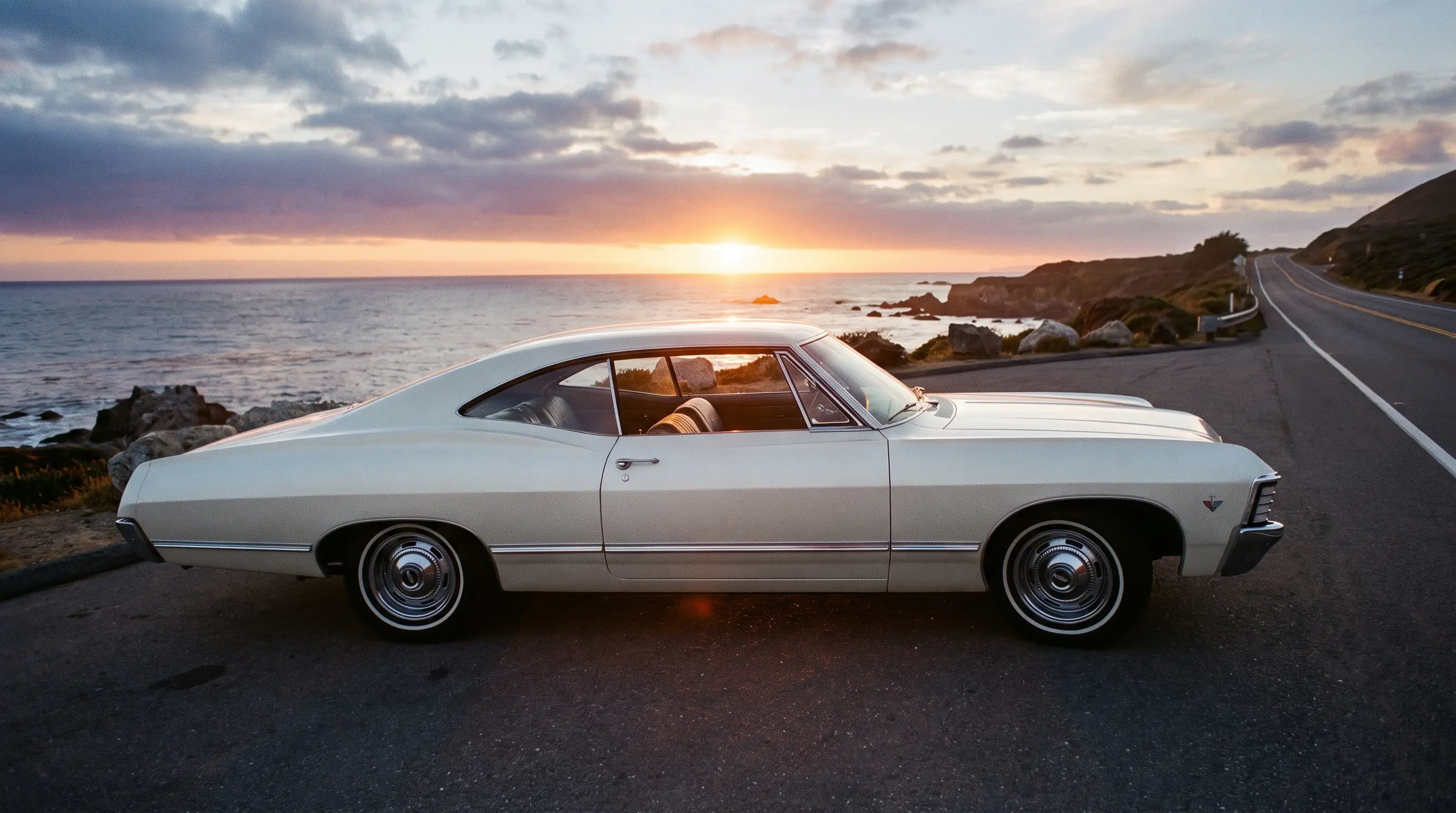
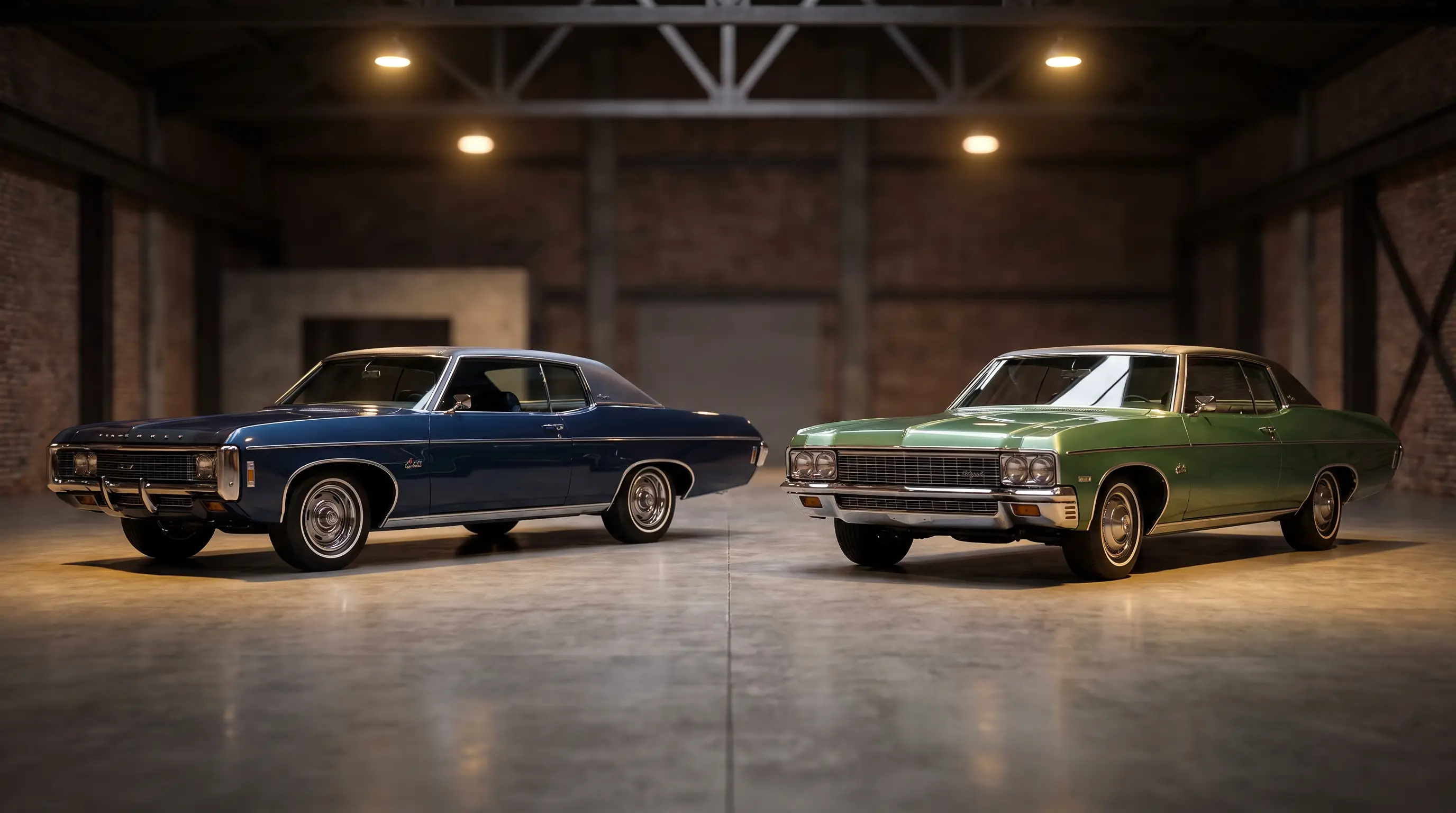
Chevrolet redesigned the full size body for 1965, and by 1967 the styling had matured into something cleaner, with less chrome overreach than the 1965 and 1966 cars carried. The 1967 model brought the fender hideaway wipers and a fresh grille, 1968 added federally mandated side marker lights that actually integrated well into the design, and by 1969 the body swelled into the fuselage look that carried through 1970 before the platform changed again for 1971. Collectors gravitate to this four year stretch because it represents the last of the trim, clean-lined big Chevys before the cars grew heavier and softer through the early seventies.
There is also an engine story here. The SS 427 option ran from 1967 through 1969, putting Chevrolet's big block into a full size body that could genuinely embarrass smaller muscle cars in a straight line. Chevrolet dropped the SS package for 1970 and replaced the 427 with the new 454 big block for that final year of this body style, but the combination of size, comfort, and real power carried through the whole stretch and is exactly what today's buyers with disposable income and a garage want. They are not shopping for a stripped down track toy. They want something they can drive to a show, put the family in, and still feel the torque when they get on it.
I get asked constantly whether this is a bubble. My honest answer is no, but with a condition. The gains are real because they track documented, correctly optioned cars with clean titles and verifiable build sheets. The gains are not uniform across every 1967 to 1970 Impala with a for sale sign in the window. A base six-cylinder four door sedan from 1969 is still a base six-cylinder four door sedan, and no auction result for an SS convertible changes that math. Where I see people get hurt is when they assume a rising tide lifts every trim level equally. It does not.
Documentation is doing the heavy lifting
If you want to understand why the good cars pulled away from the average cars, look at what buyers are actually paying for. It is not chrome condition or paint depth anymore, those are table stakes. It is the protect-o-plate, the original window sticker, the dealer invoice, the Tank Sticker or cowl tag that confirms the car left the factory with the options a seller claims it has. A 1968 SS 427 with full factory documentation now commands a real premium over an identical looking car with a story and no paper trail. That gap used to be modest. It is not modest anymore.
This is where I tell clients to be patient. A four door sedan or a base coupe from this generation is not going to be a numbers matching muscle car regardless of what a seller calls it, and pretending otherwise is how buyers overpay for ordinary cars dressed up with reproduction badges. The real appreciation is happening at the top of the pyramid, in verified SS trims and rare color and option combinations, and it is trickling down slowly, not instantly, to the ordinary cars.
"Every big jump in this market traces back to the same three words. Documentation, documentation, documentation. Cars without paper are still cheap for a reason."
- Marcus Feld
Where the story of these cars actually begins
None of this happened in isolation. The current interest in the 1967 to 1970 window connects directly to how the whole Impala nameplate built its reputation across two decades of full size dominance, and if you want the fuller arc, where this started lays out how this specific generation earned its place before the market ever noticed. Understanding the design decisions and sales figures behind these cars explains a lot about why collectors now treat them as a distinct tier rather than just another used full size Chevrolet.
What is worth remembering is that this generation was never marketed as a limited edition or a halo car. It was the best selling car in America for stretches of this era, built in volumes that dwarfed nearly everything else on the road. That mainstream popularity is exactly why it took the market so long to recognize the good examples as scarce. Nobody thinks to protect the common car until the common car stops being common, and by 1967 to 1970 Impala collectible values started climbing, most of the ordinary survivors were already gone to scrap yards, demolition derbies, or decades of hard daily use.
What this means for someone shopping right now
If you are looking at this generation as a buyer rather than a spectator, condition and paperwork should drive every decision ahead of styling preference. A 1969 four door with a clean Georgia title and full service history is a better long term hold than a flashier looking car with murky ownership gaps, even if the flashier car photographs better for a listing. Buyers who understand this are already positioned ahead of the market; buyers chasing looks alone are the ones who end up disappointed at resale.
For anyone ready to actually look at inventory instead of just auction results, it is worth taking the time to shop classic Impala listings and compare what is actually being asked against the documented sales this piece has covered. Prices vary widely depending on trim, drivetrain, and paperwork, and the only way to know if an asking price reflects the real 1967 to 1970 Impala collectible market or just optimistic pricing is to compare it against verified recent sales, not against what a seller thinks the car should be worth.
The bottom line from where I sit is straightforward. This four year stretch of Impala earned its rising collector status the hard way, through attrition and rediscovery rather than hype, and the cars with the paperwork to prove what they are will keep pulling away from the cars that only look the part.
Sources and notes
- Chevrolet Impala (fourth generation) - Wikipedia
- 1965-1970 Chevy Impala SS on Hagerty's 2024 Bull Market List - GM Authority
- Pick of the Day: 1969 Chevrolet SS 427 - ClassicCars.com Journal
- Chevrolet Impala 5th Gen Production Numbers - Automobile Catalog
- 1968 Chevrolet Impala Series Specifications - Conceptcarz