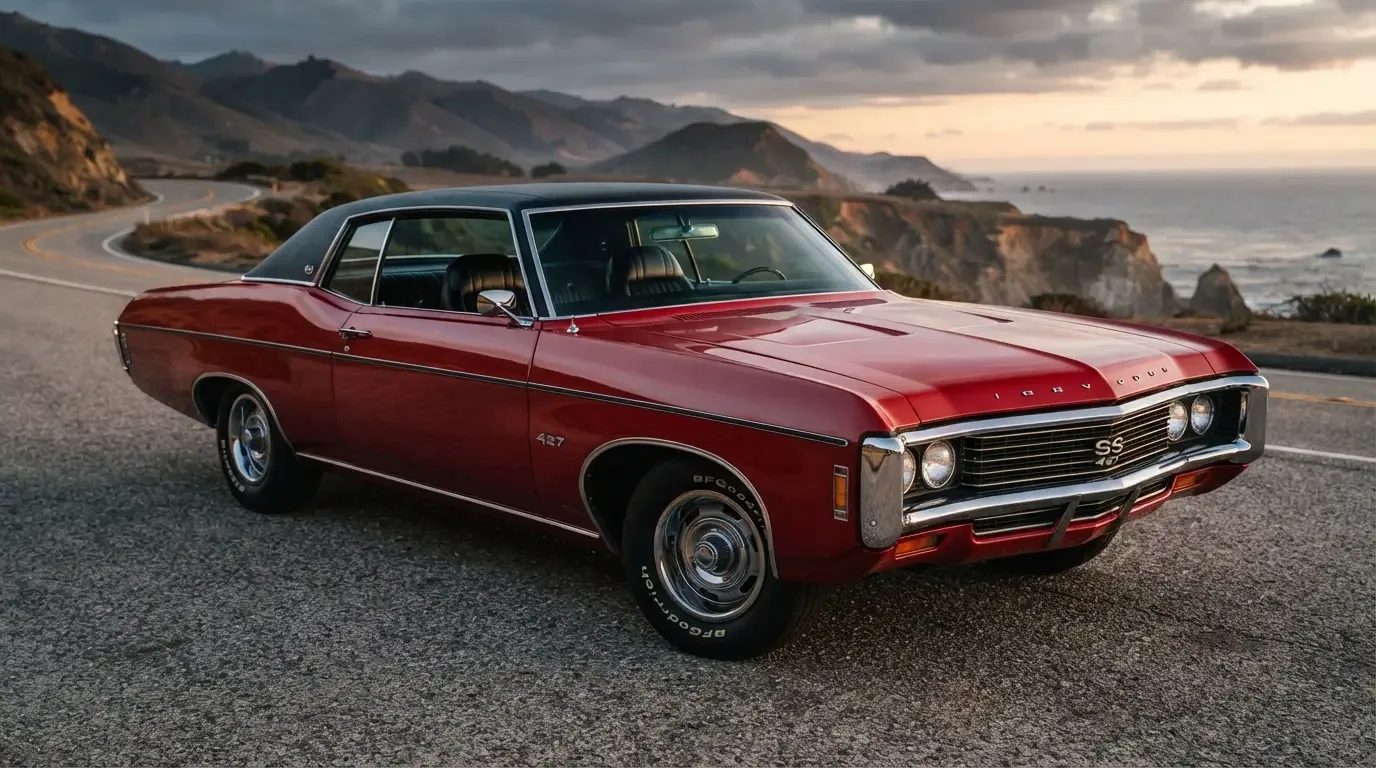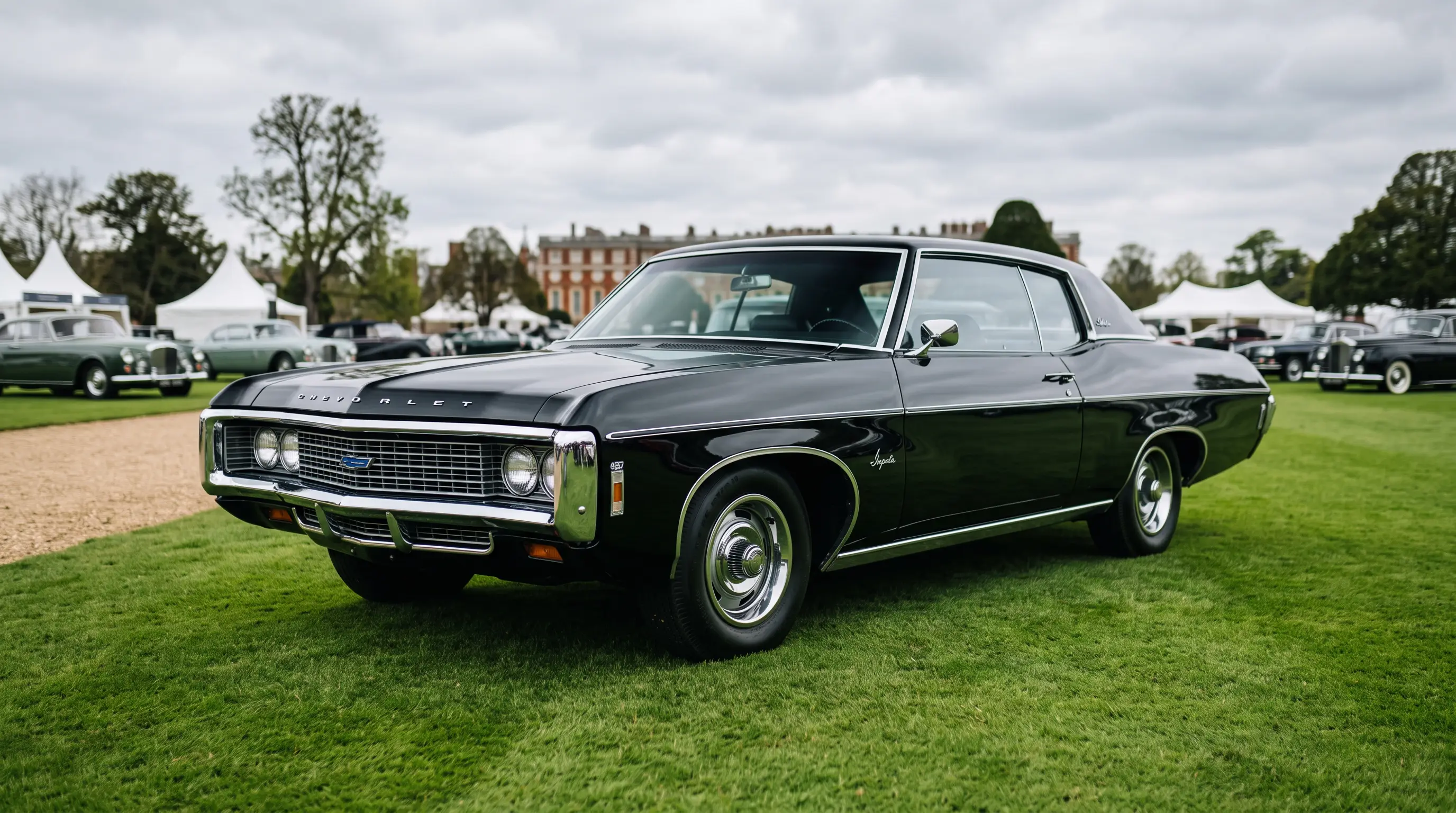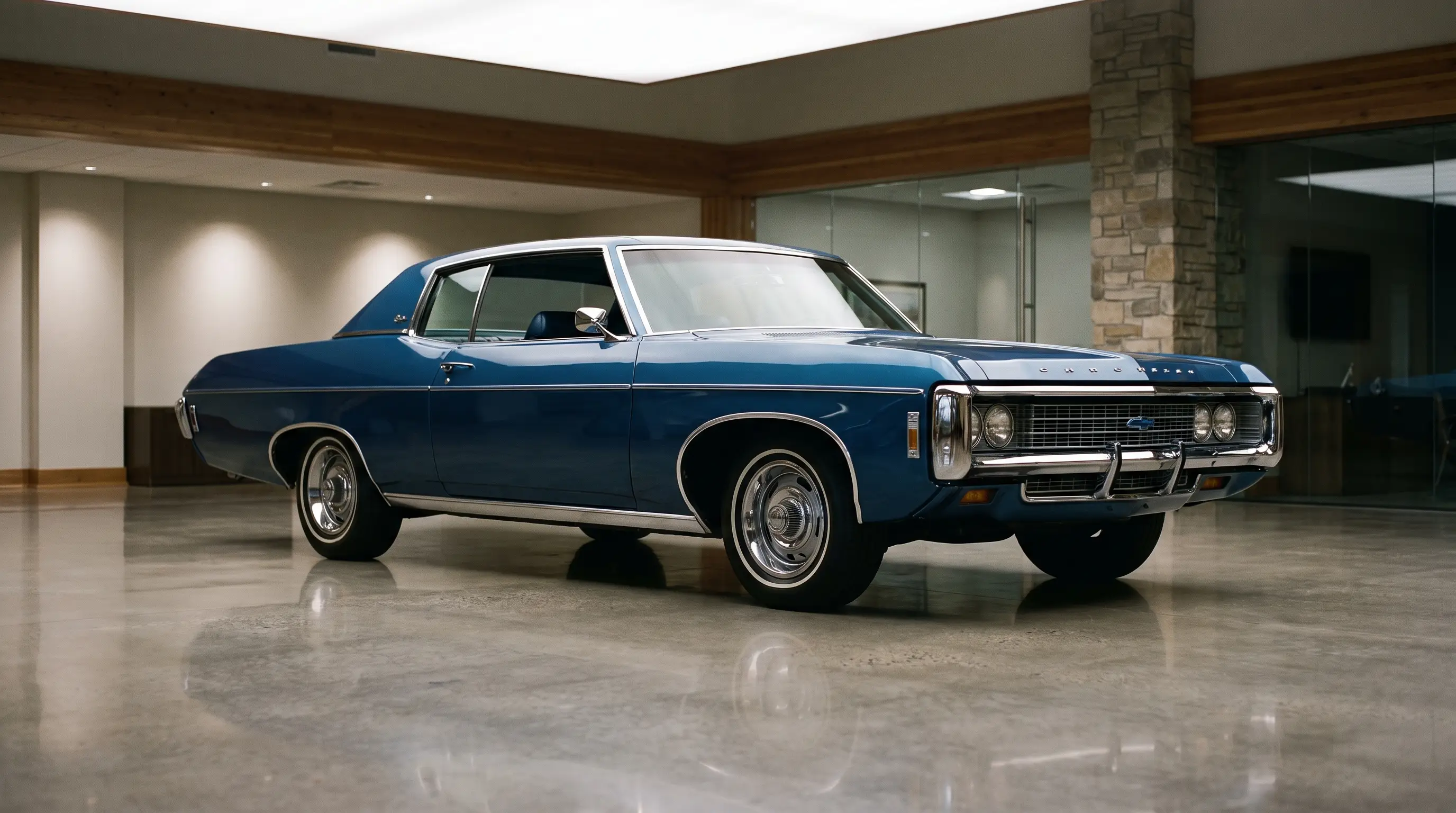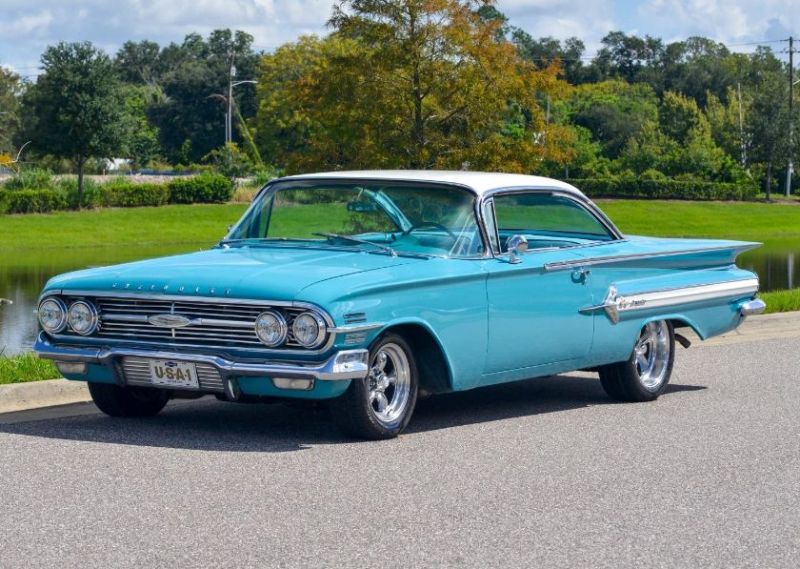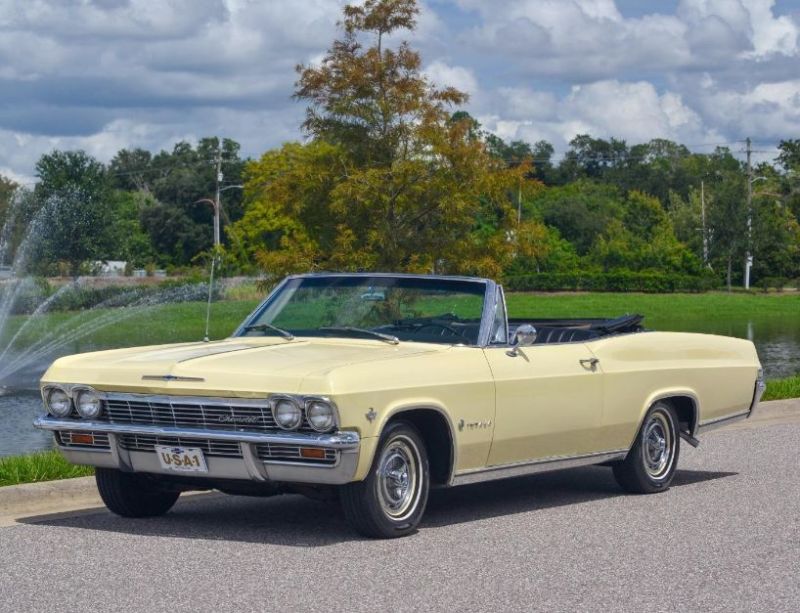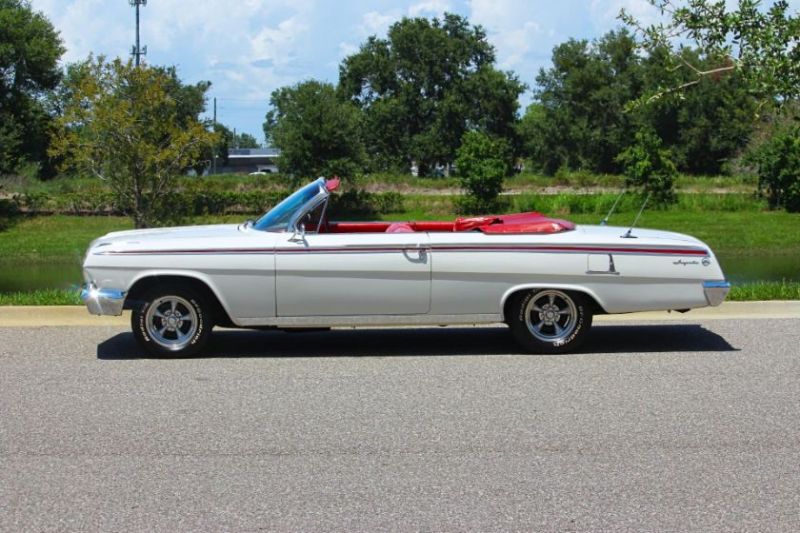
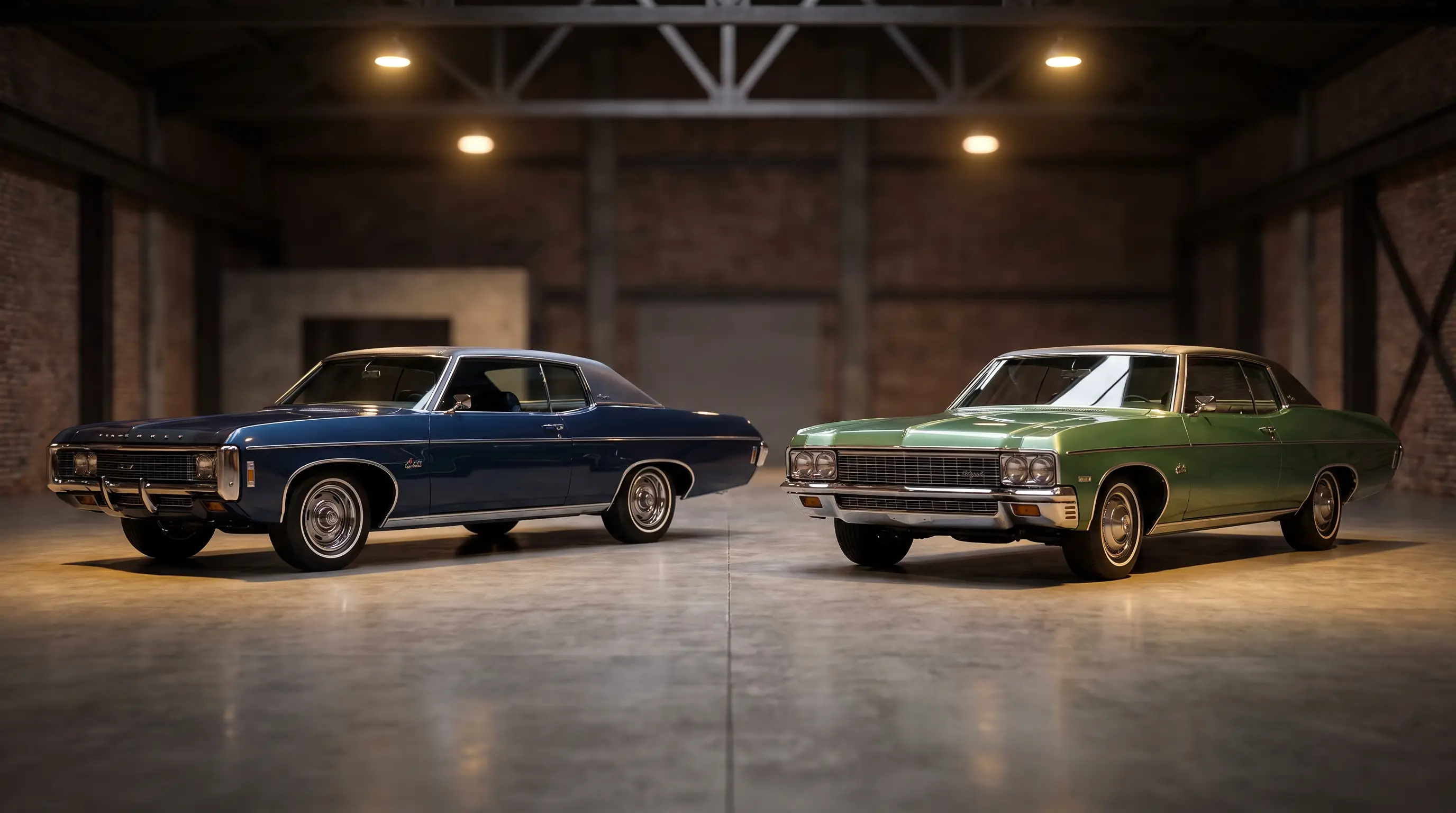
1969 Impala styling sits at an awkward but fascinating midpoint in the fourth generation, refining what 1968 established while quietly setting up the heavier design language that would arrive in 1970. Treating these three years as a single unchanged shape, as many casual observers do, misses a genuinely interesting evolution in how Chevrolet balanced its full-size flagship between sporty and substantial from one year to the next.
1968, the generation's confident debut
The 1968 Impala introduced the fourth-generation body with a cleaner, more integrated look than its predecessor, featuring hidden windshield wipers, a revised grille, and the SS 427's distinctive hood treatment for buyers chasing the top performance package. The Sport Coupe's fastback roofline carried over from 1967 with only minor refinement, keeping the sportiest silhouette Chevrolet had offered on a full-size car intact for a second year. This was a generation still settling into its final form, confident in its basic proportions but not yet finished experimenting with detail trim.
1969, the transitional year
Styling changes for 1969 were more substantial than a casual glance suggests. The grille texture changed to a bolder, more horizontal design, the taillamp arrangement was revised, and the overall greenhouse picked up subtly heavier proportions that hinted at where the design language was heading. Chevrolet also introduced new color offerings and interior trim patterns for 1969, refreshing the cabin without disturbing the dashboard architecture that buyers had already grown accustomed to. Many enthusiasts consider 1969 the year the Impala's styling started trading some of its 1967 sportiness for a heavier, more formal presence that would define the following decade.
1970, the heavier close-out
By 1970, the direction set in motion during 1969 reached its logical conclusion. The grille grew more pronounced, the rear bumper and taillamp assembly moved to a full-width treatment, and the overall stance read as heavier and more substantial than the comparatively lithe 1967 original. This was also the first year without the Impala SS package at all, since Chevrolet dropped the Super Sport designation on the full-size Impala after 1969, giving the 1970 styling update a bittersweet significance for collectors who track the generation's full arc. For the complete story of how this generation began and where it ultimately led, the whole picture covers the years surrounding this styling progression in full.
"People assume these three years are basically the same car with different grilles, and technically that's not wrong, but it misses how deliberate the progression actually was. Chevrolet was walking the Impala from a sporty flagship toward a more formal full-size statement one model year at a time, and you can watch that decision play out if you line the three years up side by side."
- Sarah Whitfield
Reading the changes at a glance
| Model year | Grille character | Roofline emphasis | Overall stance |
|---|---|---|---|
| 1968 | Fine mesh, integrated | Sporty fastback carryover | Lithe, confident |
| 1969 | Bolder horizontal bar | Slightly heavier greenhouse | Transitional |
| 1970 | Heaviest, most pronounced | Formal, less fastback emphasis | Substantial, planted |
Laid out this way, the progression looks almost inevitable in hindsight. Chevrolet was responding to a market that increasingly wanted its full-size flagship to project substance and comfort rather than pure sportiness, a shift that would only accelerate once the 1971 redesign arrived with genuinely larger dimensions across the board.
Why these distinctions matter for buyers and judges
Getting year-specific trim correct matters enormously for concours judging and for buyers verifying a car's originality. A 1969 grille on a 1968 car, or 1970 taillamps on a 1969 body, are the kinds of mismatches that indicate parts swapping, accident repair, or a poorly researched restoration rather than an honest original example. These details are usually easy to verify against period photographs and factory literature, and any serious buyer or judge working this generation should know the year-specific cues well enough to spot an inconsistency without needing to consult a reference book on the spot.
Why the middle years get overlooked
1969 in particular suffers from being sandwiched between two more heavily discussed years. 1967 gets credit for introducing the fastback silhouette, and 1970 gets attention as the final year of the SS package, leaving 1969 as the year enthusiasts discuss least even though its styling changes were genuinely significant in their own right. That relative obscurity has made well-preserved 1969 examples something of a sleeper within the generation, offering the transitional styling story at a price that has not yet fully caught up to its historical significance.
Interior details across the three years
Cabin changes tracked the exterior progression closely, though with less dramatic swings. The 1968 dashboard carried a clean, horizontal instrument layout that stayed largely intact through 1970, but upholstery patterns, door panel textures, and steering wheel design all shifted year to year in ways that matter for correctness. Bench seat cars and bucket seat SS interiors both saw pattern updates for 1969, and the seat pattern alone can help date a car when other identifying trim has been lost or replaced over the decades. A careful eye trained on these interior progression details catches inconsistencies that a purely exterior inspection would miss entirely.
Color offerings also shifted meaningfully across the three years, with certain shades introduced for a single model year and then discontinued, making period-correct paint codes a genuinely useful authentication tool. A car finished in a color that was never offered for its claimed model year is an immediate red flag, regardless of how well the paint job itself was executed. Cross-referencing paint codes against factory build sheets remains one of the more reliable, low-drama ways to confirm a car is what it claims to be.
What this means for today's shopper
Understanding this year-over-year progression helps buyers make an informed choice about which specific styling era within the fourth generation actually suits their taste, rather than assuming any Impala from these years looks and drives identically. Some buyers specifically want the sportier 1968 look, others prefer the heavier 1970 presence, and 1969 offers a genuine middle ground for anyone who wants a bit of both. Buyers ready to compare these styling years directly can find a classic Impala and see how the market currently prices each year's specific look against the others.
Whichever year a buyer ultimately chooses, the underlying lesson holds across all three: this generation's styling story was never static, and treating 1968, 1969, and 1970 as interchangeable does a disservice to a design team that was actively steering the car's presence, year over year, toward a specific destination. Recognizing that intent adds real depth to owning or judging any car from this three-year window, turning a simple grille comparison into a genuine window on how Chevrolet read its own market in real time.