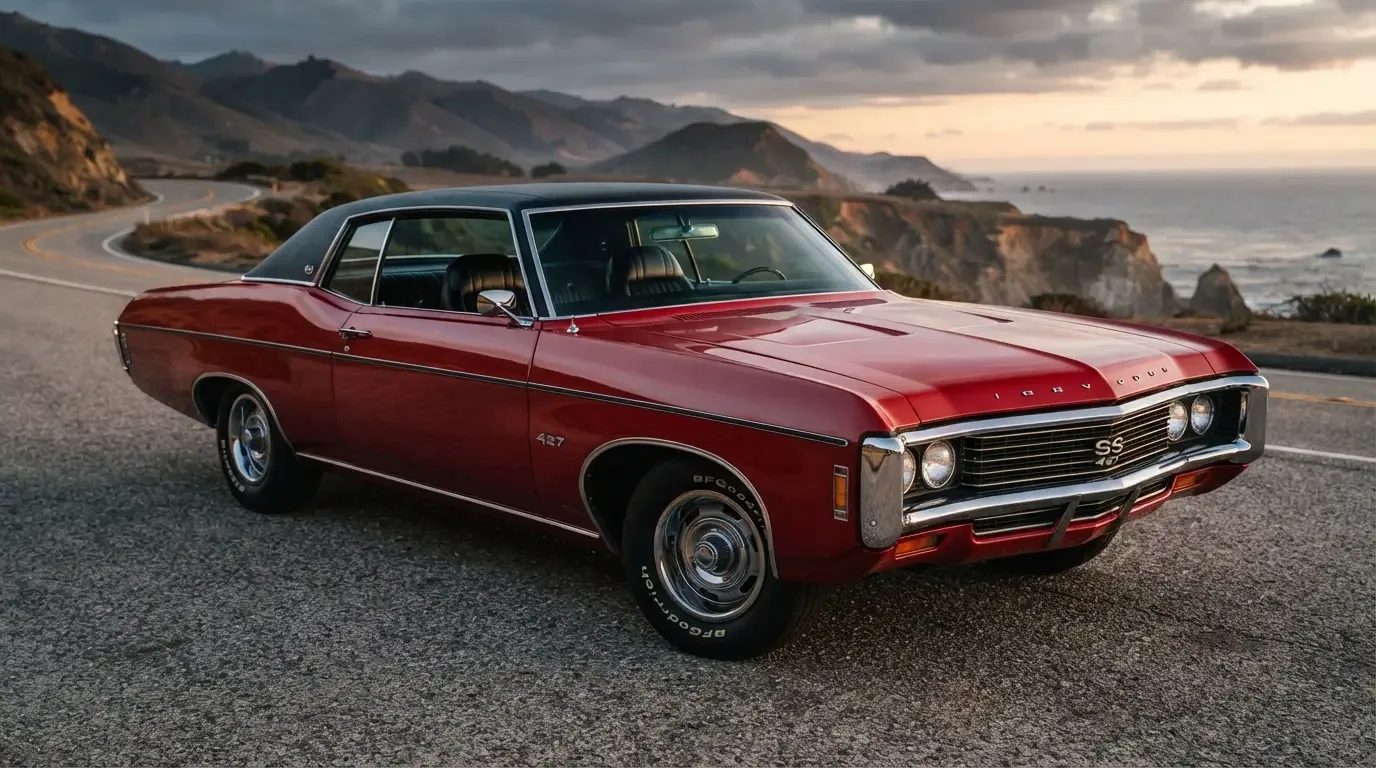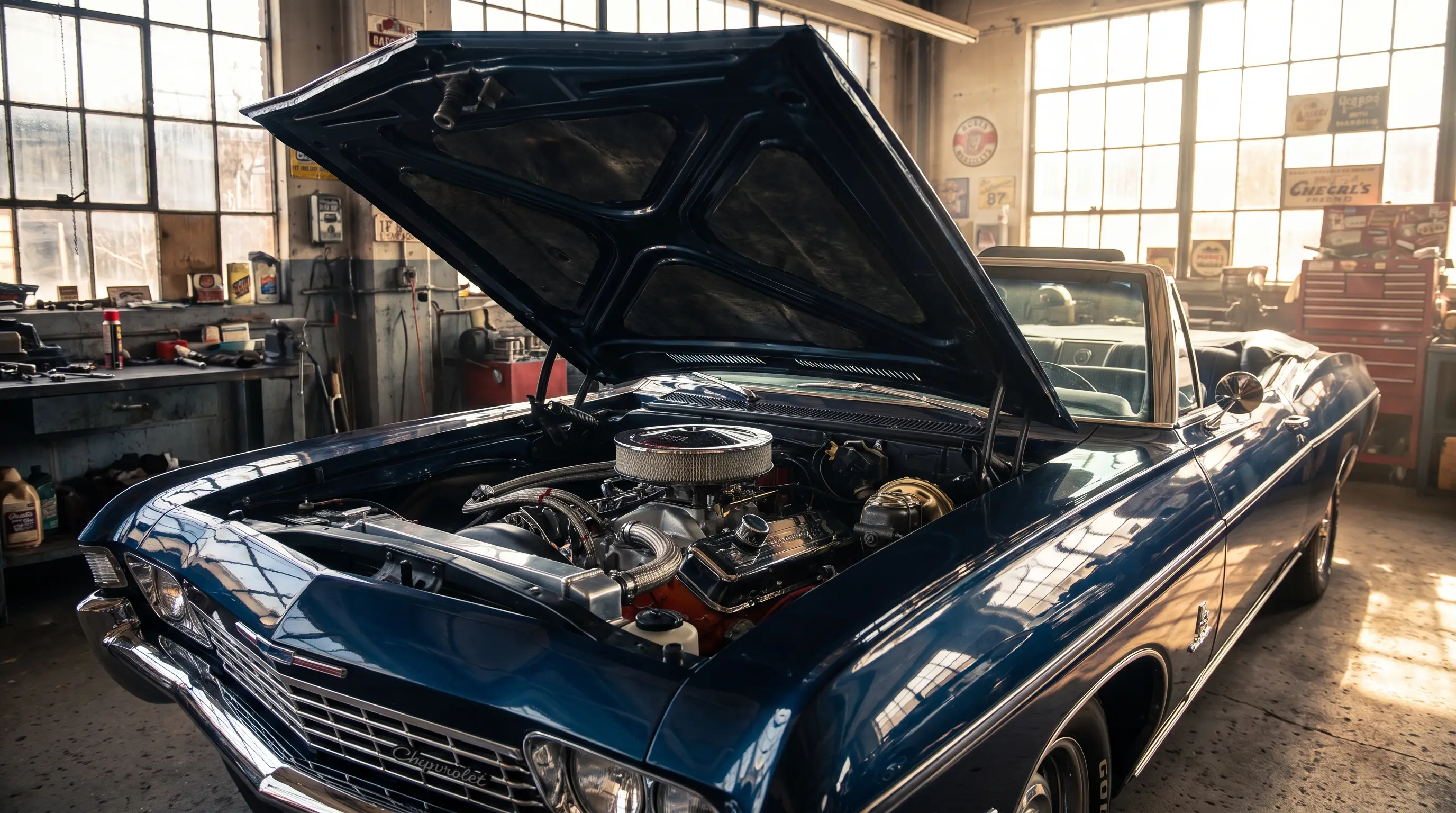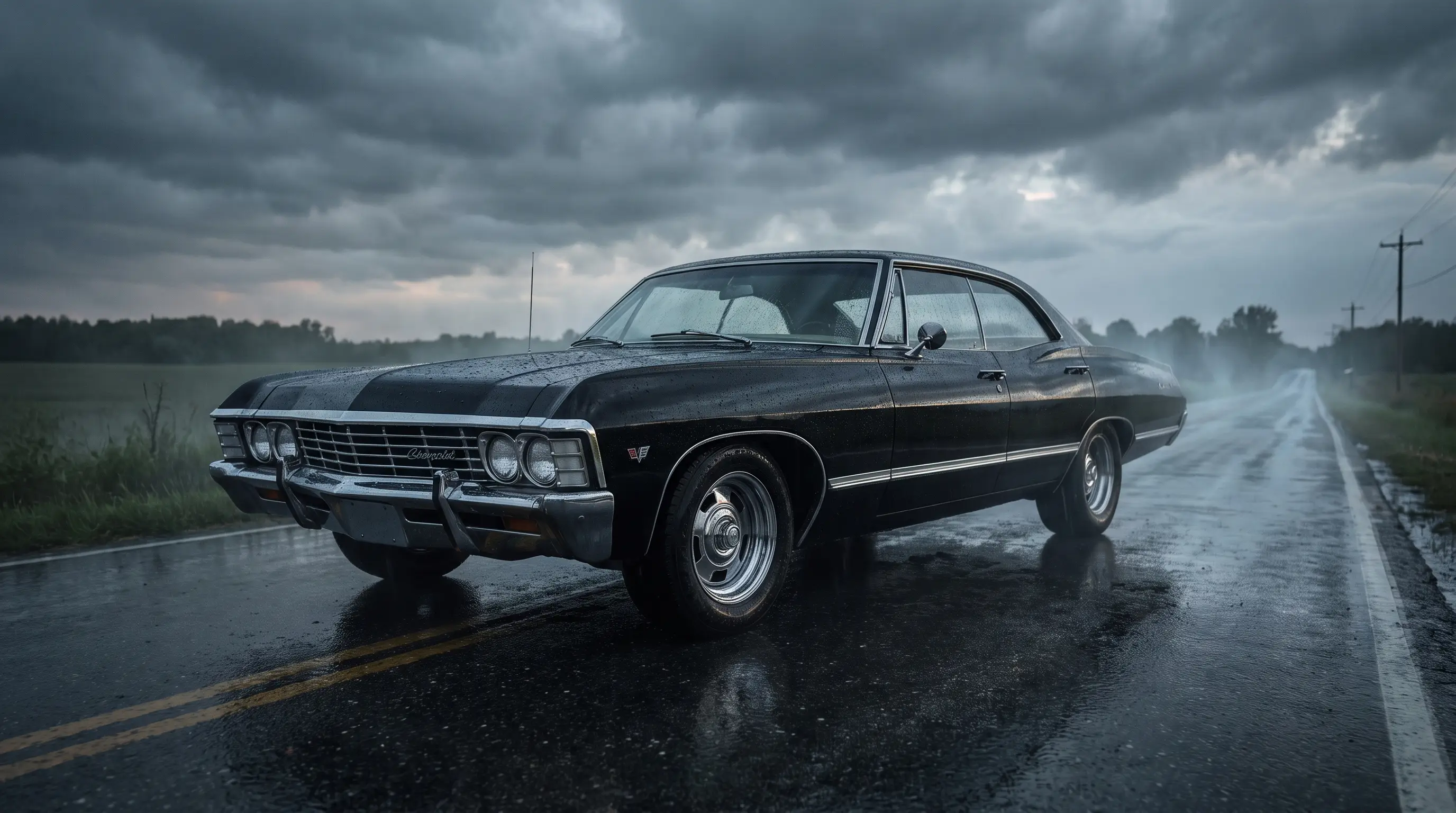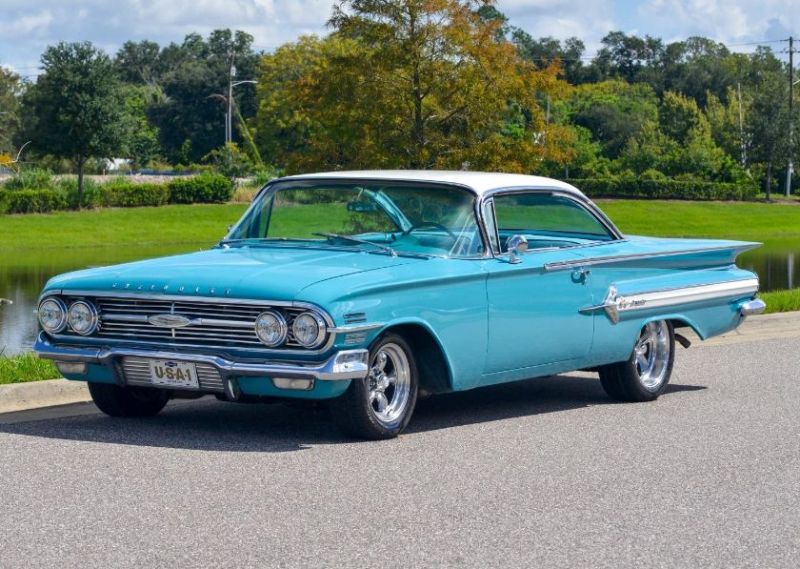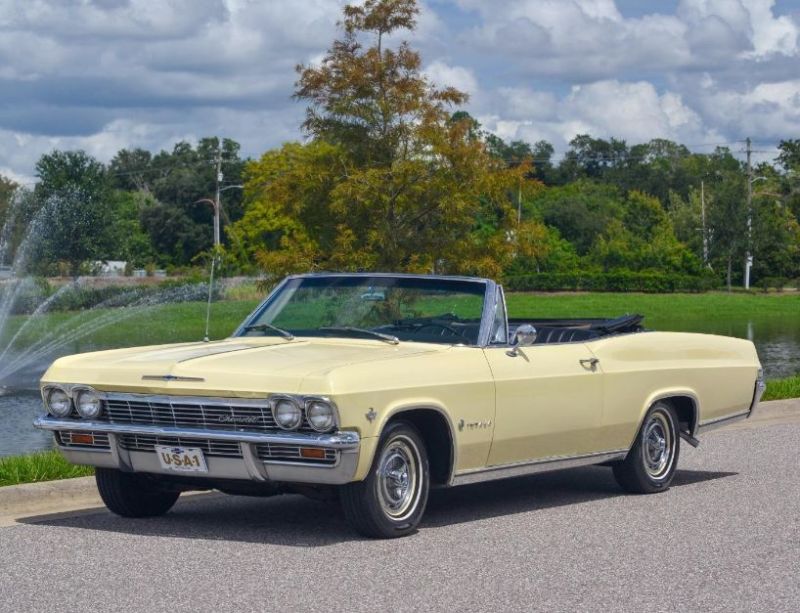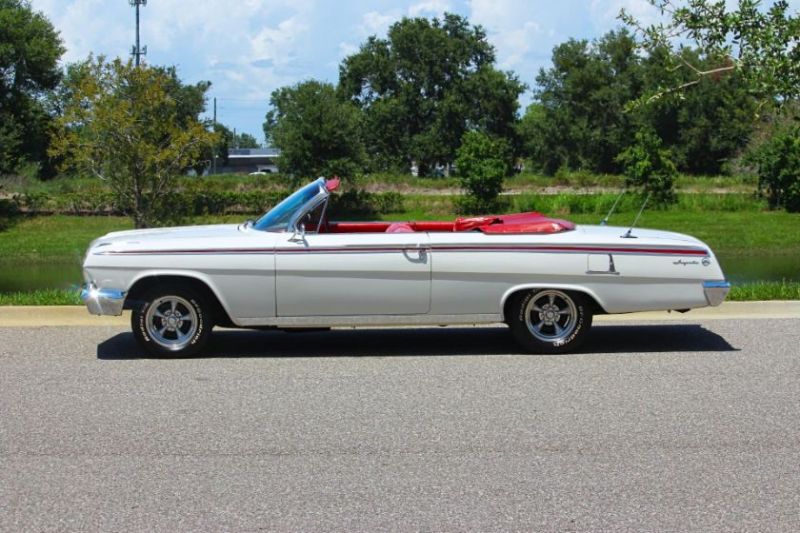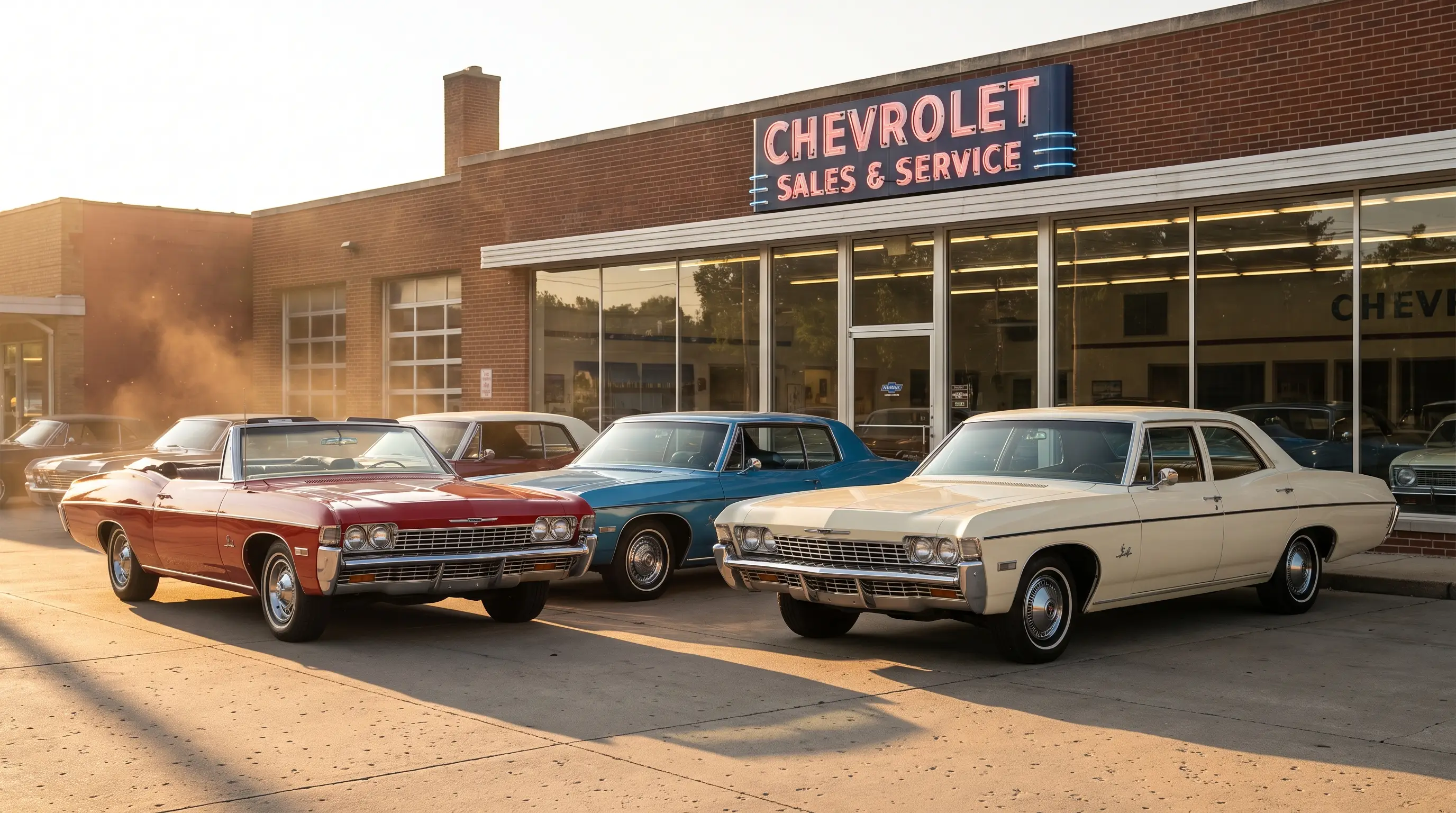
1968 Impala production numbers tell a story that pure styling analysis misses entirely: this was, by volume, one of the biggest-selling cars in America. Chevrolet built the Impala across multiple plants that year to keep up with demand, and the sheer scale of that output shapes everything about how the car is understood, valued, and collected today. A model built in the hundreds of thousands behaves very differently in the collector market than one built in the low thousands, and the Impala's production reality sits firmly in the former category.
The scale of full-size Chevrolet output
Chevrolet's full-size lineup, which included the Impala alongside the Bel Air, Biscayne, and Caprice, moved roughly 1.2 million units combined across the 1968 model year, with the Impala itself accounting for around 710,000 of that total. The Impala carried the largest share of that volume, positioned as the mainstream trim level above the stripped Biscayne and below the plush Caprice. That middle position was deliberate. Chevrolet wanted the Impala to be the car most Americans thought of first when they pictured a full-size Chevrolet, and the production numbers back up how well that positioning worked.
Which body styles carried the volume
The four-door sedan accounted for the largest single share of 1968 Impala production, reflecting its role as the default choice for family buyers who wanted space and value over styling flourish. The Sport Coupe hardtop followed as a strong second, its 396-optioned SS variants driving genuine excitement, but sedans simply outsold coupes by a wide margin because most buyers were replacing an aging family car rather than chasing a personal statement. Convertibles and the four-door hardtop Sport Sedan trailed well behind in volume, which is exactly why those body styles command such disproportionate collector interest today relative to how affordable they were when new.
Where the cars were actually built
General Motors ran full-size Chevrolet assembly across several plants during this period, spreading production geographically to meet regional demand and reduce shipping costs on such heavy vehicles. Plant codes stamped into the VIN and body tag identify exactly where a given car left the line, and collectors researching a specific example often cross-reference these codes against production records to confirm a car's originality and history. This detail rarely shows up in casual conversation about the model, but it matters enormously to anyone doing serious documentation work on a numbers-matching example.
The broader context of how this production era fits into the Impala's full run across the fourth generation is covered in the full story, which traces the years surrounding peak Impala output.
"When people ask why a plain sedan from this year is worth anything at all, I remind them how many were built and how few are left. Production numbers only tell you half the story. Survival rate tells you the rest, and it's almost always lower than people assume."
- Tom Ramirez
How production volume shapes value today
High original production numbers generally suppress long-term collector value for common configurations while doing almost nothing to the scarcer body styles and engine combinations built in far smaller numbers within that same total. A base sedan with the six-cylinder engine, despite being genuinely rare in good condition today simply due to attrition, still sells for a fraction of what a documented SS convertible commands, because the market prices perceived desirability at least as much as raw survivor scarcity. This is a point worth understanding before assuming any surviving example of a high-production car is automatically valuable purely because so few remain in top condition.
The attrition story nobody plans for
Cars built in the hundreds of thousands do not survive in anything close to those numbers five decades later. Daily use, road salt, accidents, and simple disposal once a car aged out of usefulness took a steady toll on this generation of Impala, and genuinely well-preserved or correctly restored examples now represent a small fraction of what originally left the factory. This attrition curve is why even a common trim level from a high-production year can command respectable money today when it survives in honest, well-documented condition, a dynamic that surprises buyers who assume production volume alone determines value.
Verifying production details on a specific car
Buyers doing real diligence on a 1968 Impala should request the VIN decode, trim tag information, and any available build sheet or Protect-O-Plate documentation, which together confirm body style, engine, plant of origin, and factory options as originally ordered. This documentation separates a genuinely original car from one reassembled or modified over the decades, and it directly affects value regardless of how common or rare the underlying production numbers were for that specific configuration. Sellers who cannot produce any of this paperwork are not necessarily hiding something, but buyers should factor that gap into their offer.
Rough production share by body style
| Body style | Relative share of production | Collector demand today |
|---|---|---|
| Four-door sedan | Largest | Low to moderate |
| Sport Coupe hardtop | Second largest | High, especially SS |
| Sport Sedan hardtop | Small | Moderate, niche interest |
| Wagon | Small to moderate | Growing |
| Convertible | Smallest | Highest |
The inverse relationship between production share and collector demand is not a coincidence. It reflects a straightforward truth about this hobby: scarcity paired with genuine desirability, not scarcity alone, is what drives value. A rare body style nobody wanted new does not automatically become valuable just because few survive, but a rare body style that was also the most desirable configuration when new tends to hold its premium indefinitely.
What the numbers mean for today's shopper
Production scale is ultimately why the 1968 Impala remains one of the more accessible entry points into classic Chevrolet ownership. Enough cars were built that parts availability, community knowledge, and market liquidity all remain strong compared to lower-volume models from the same era, even as the best examples of the rarer body styles and engine combinations continue to appreciate. Buyers ready to see what that production legacy looks like in today's market can browse classic Impala for sale and compare how body style and engine choice affect pricing across cars built from the same basic production run.
A production run that still shapes the hobby
Few full-size American cars from this era were built at the scale Chevrolet achieved with the Impala, and that scale continues to shape the hobby decades later. Club membership rosters, parts catalogs, and even the number of restoration specialists who know this platform intimately all trace back to how many of these cars existed in the first place. A model built in smaller numbers might carry more mystique, but it rarely offers the depth of community knowledge and support that a high-volume classic like the 1968 Impala provides to a new owner learning the platform for the first time.
That accessibility is worth remembering whenever the conversation turns purely to rarity and dollar figures. The 1968 Impala earned its place in American driveways through volume, not exclusivity, and that same volume is exactly why so many people today can still find a way into this generation without needing a specialist's budget or a specialist's patience to do it.